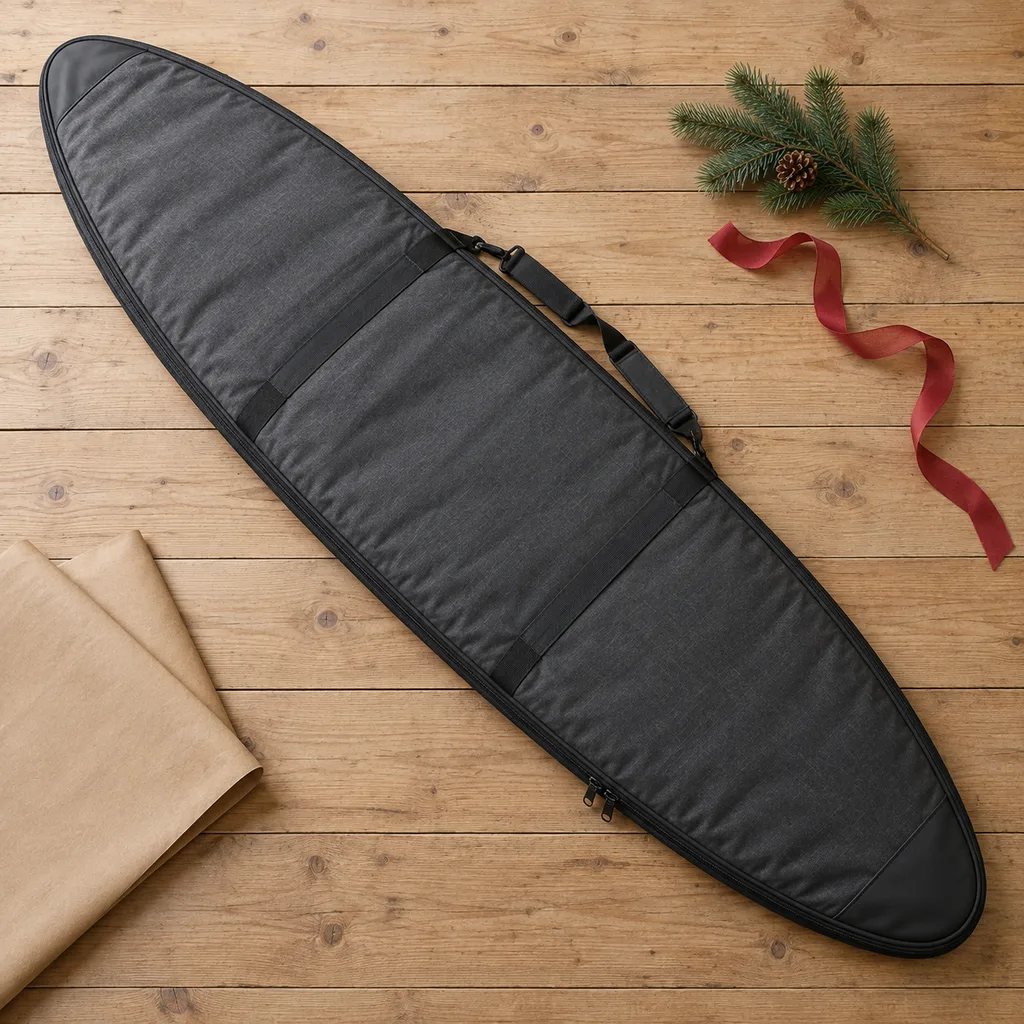
Protective surfboard travel bag
Shields surfboards from dings, scratches, and sun exposure during transport and storage, prolonging board life and maintaining condition.
Outdoors & Adventure
7 kinds worth knowing, 8 picks, and what to check before you buy.
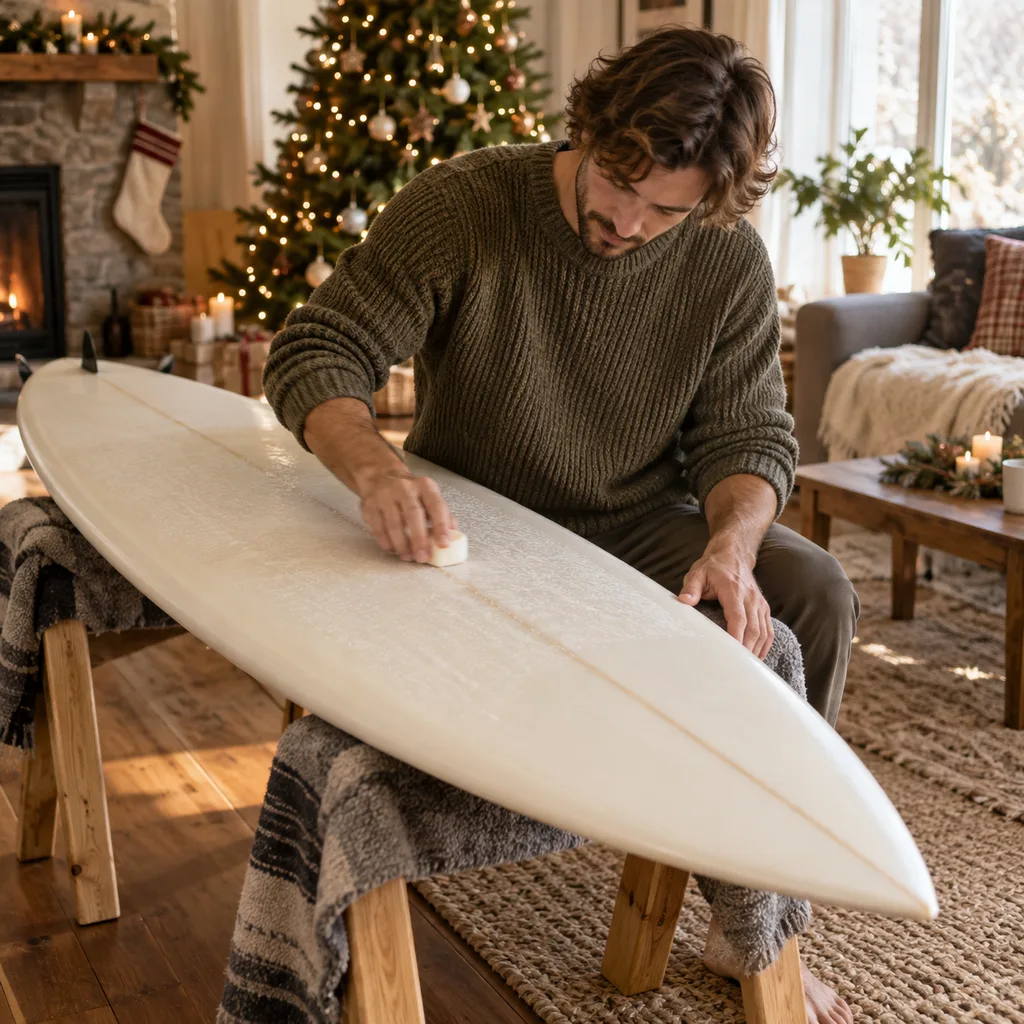
Surfing gifts usually go to someone who already paddles out, or who has been talking about learning. The gear that gets used most is the stuff that wears out or goes missing: a few bars of surf wax, a spare leash, a new set of fins. Bigger items like a surfboard or a wetsuit depend on the surfer's size, skill and local water, so they work best when you know those details or can arrange an easy exchange. Before choosing, think about where the person surfs, how often they go, and what they grumble about after a session.
Kind 1 of 7
A surfboard is the biggest surf gift you can give, and the most personal. Beginners do best on longer, wider, high-volume boards, often soft-tops, that paddle easily and catch waves early. Experienced surfers usually have firm opinions on length, shape and fin setup, so a surprise board is a gamble for them. Before buying, find out the surfer's height, weight, ability and the kind of waves they ride. Check that the board fits in their vehicle and storage space, and whether fins come included. A padded travel bag makes a strong companion gift for anyone who already owns a board.
Shields surfboards from dings, scratches, and sun exposure during transport and storage, prolonging board life and maintaining condition.
Kind 2 of 7
Surf wax is rubbed onto the deck so feet grip the board instead of sliding off. It gets used up steadily, which makes it one of the easiest gifts for any surfer. Wax comes in formulas matched to water warmth: cold, cool, warm and tropical. The wrong one ends up too hard to grip or so soft it smears. Ask where they surf most, or pair a base coat with a cold-water top coat for chilly northern waters. A wax comb is a handy small add-on.
Provides crucial traction on the surfboard deck, enhancing stability and control for riders of all levels to maintain their stance.
Kind 3 of 7
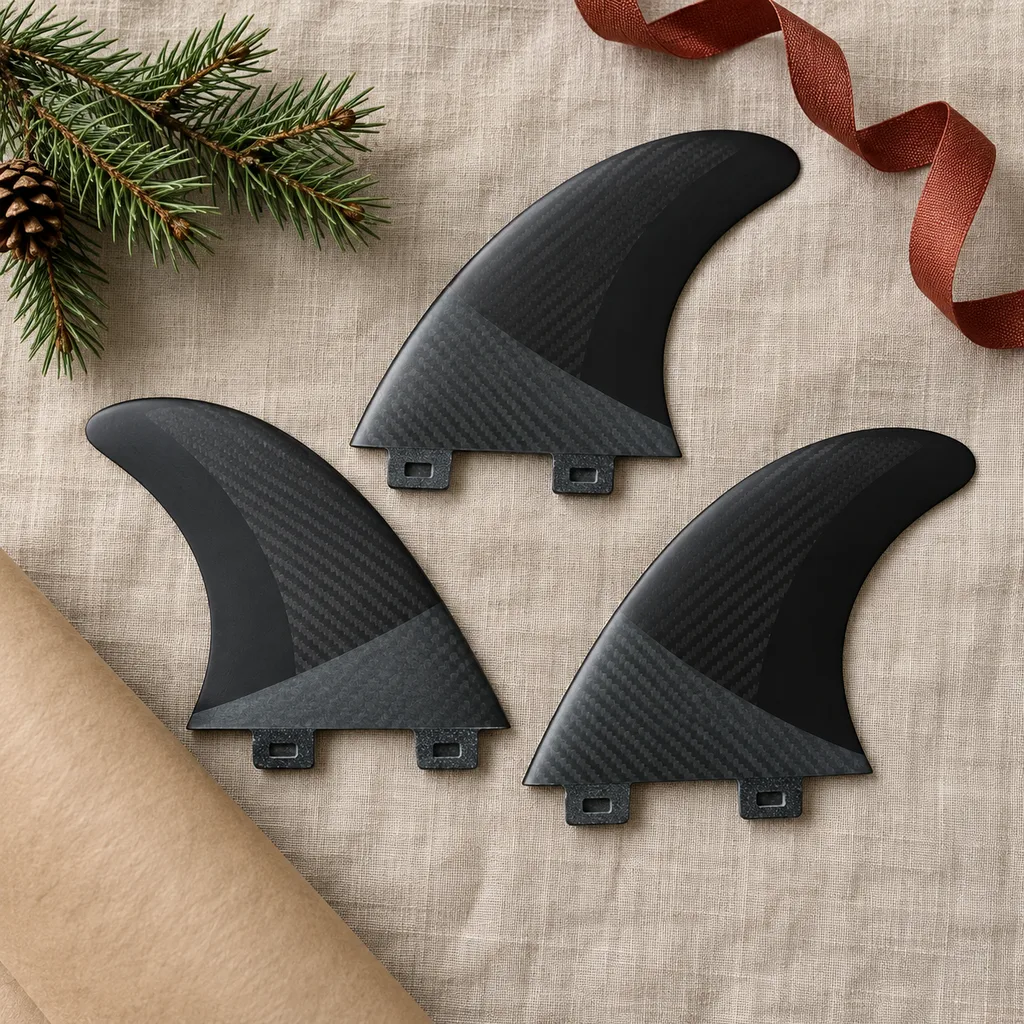
Fins shape how a board turns, holds and drives along a wave. Many surfers swap sets depending on conditions, so a new set is welcome gear. The catch is compatibility: fin boxes come in different systems, and the fins must match the boxes on their board. Check the setup too, whether single, twin, thruster or quad. Fin size usually follows the surfer's weight. If you can quietly snap a photo of the fin boxes, you can shop with confidence.
Crucial for directing the board and providing stability, allowing surfers to control their ride on the waves with precision.
Kind 4 of 7
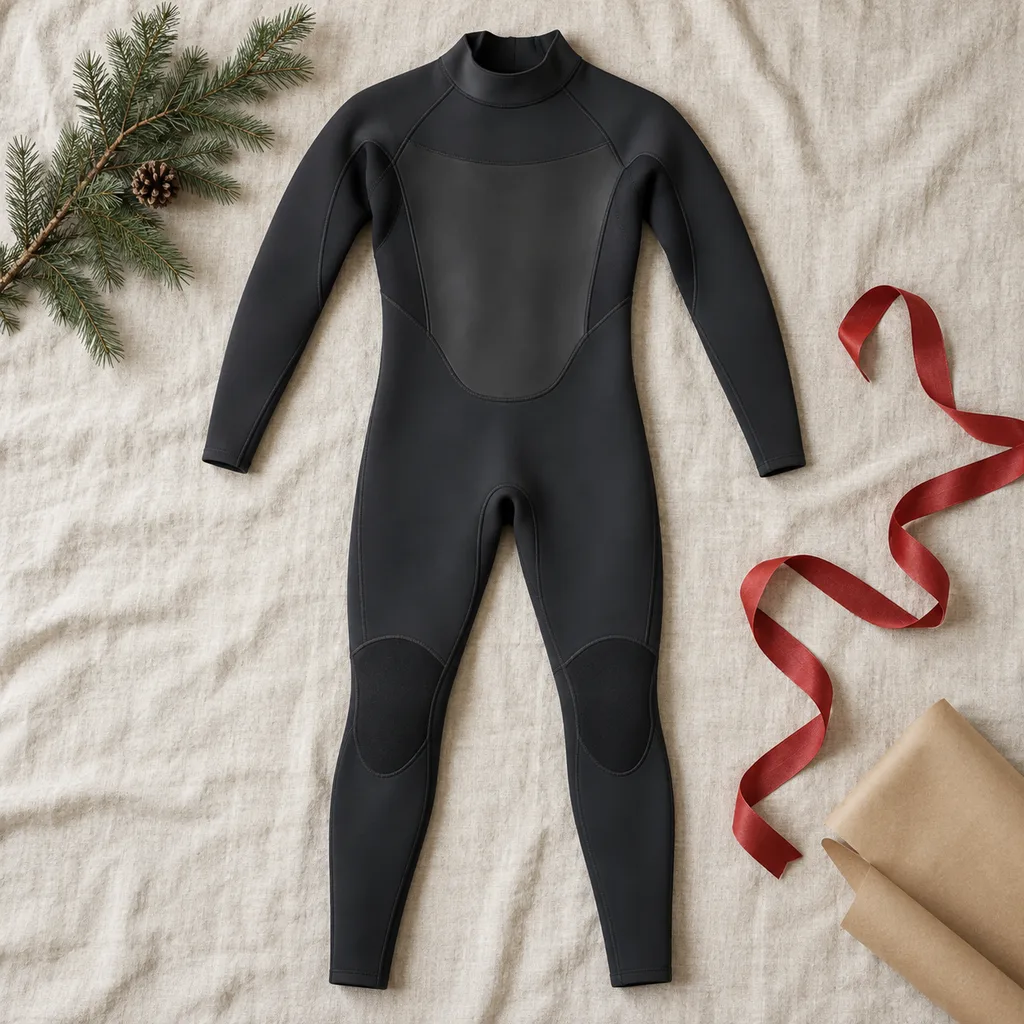
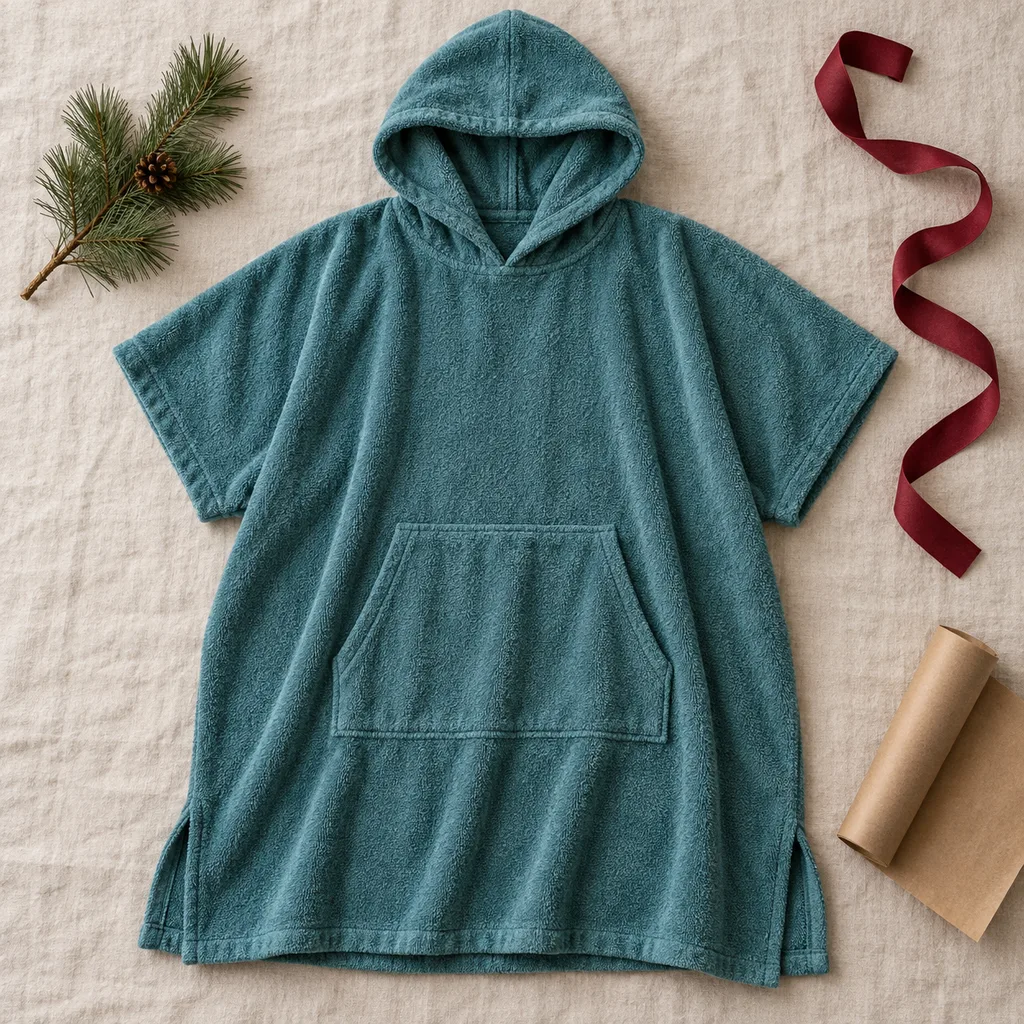
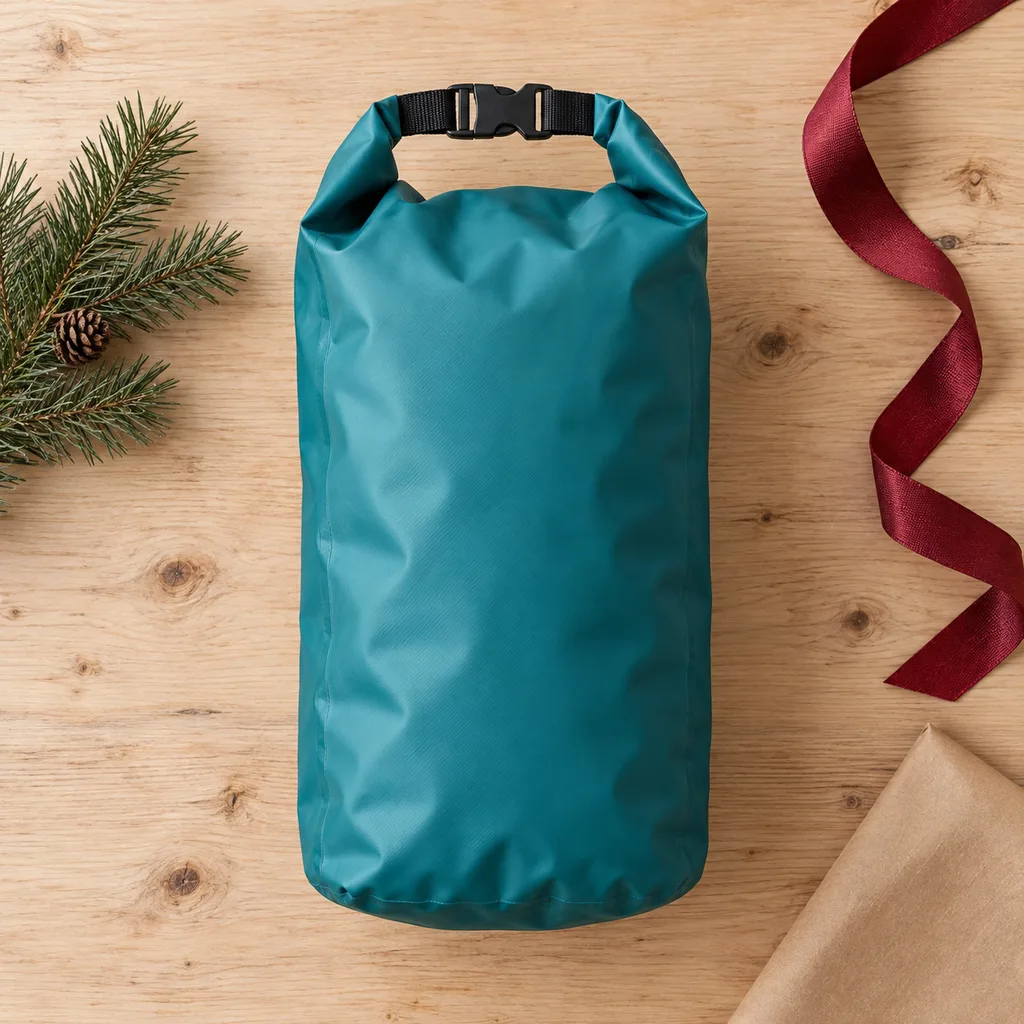
A wetsuit keeps a surfer warm enough to stay out longer, which matters in most Canadian and northern waters. Thickness is the key choice: thin suits for summer, thicker suits paired with hoods, boots and gloves for the cold months. Fit matters more than features, since a loose suit flushes in cold water and a tight one limits paddling. Ask their usual size and where they surf, or make sure an exchange is easy. For someone who already owns a good suit, a changing robe or a dry bag for the wet suit on the drive home is a thoughtful alternative.
Keeps surfers warm and comfortable in various water temperatures, extending time in the waves for an enjoyable experience.
Offers privacy and warmth for changing out of wetsuits or swimwear at the beach or parking lot, enhancing comfort after a session.
Keeps personal items like keys, phones, and towels completely dry and protected from sand and water at the beach.
Kind 5 of 7
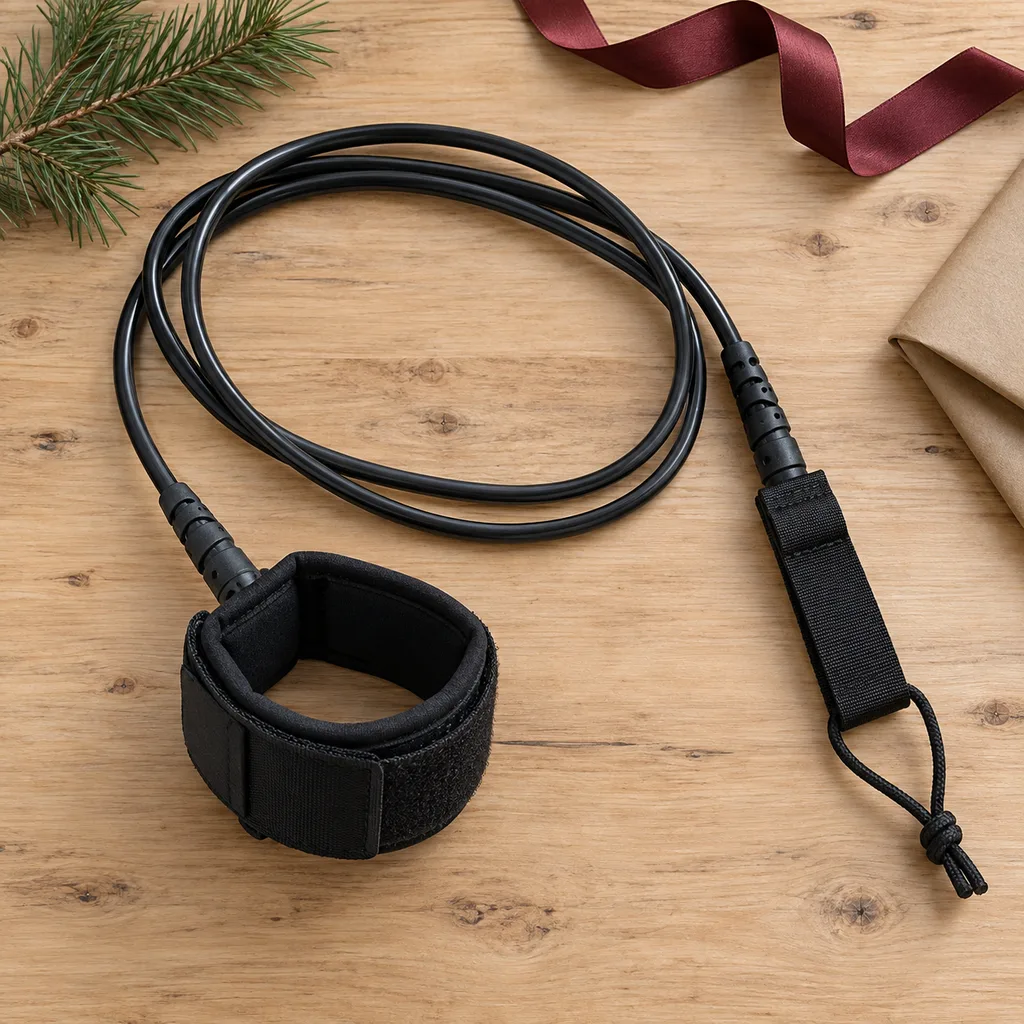
A leash connects the surfer's ankle to the board so it does not wash away after a wipeout. Leashes stretch, fray and eventually snap, so a spare is practical. Length should roughly match board length, and thickness depends on wave size: thinner cords for small surf, thicker ones for bigger waves. Look for a swivel that resists tangling and a comfortable, padded cuff. Longboarders sometimes prefer a knee or calf cuff, so check what they use now.
An essential safety accessory that keeps the surfboard attached to the surfer, preventing loss in the waves and ensuring quick retrieval.
Kind 6 of 7
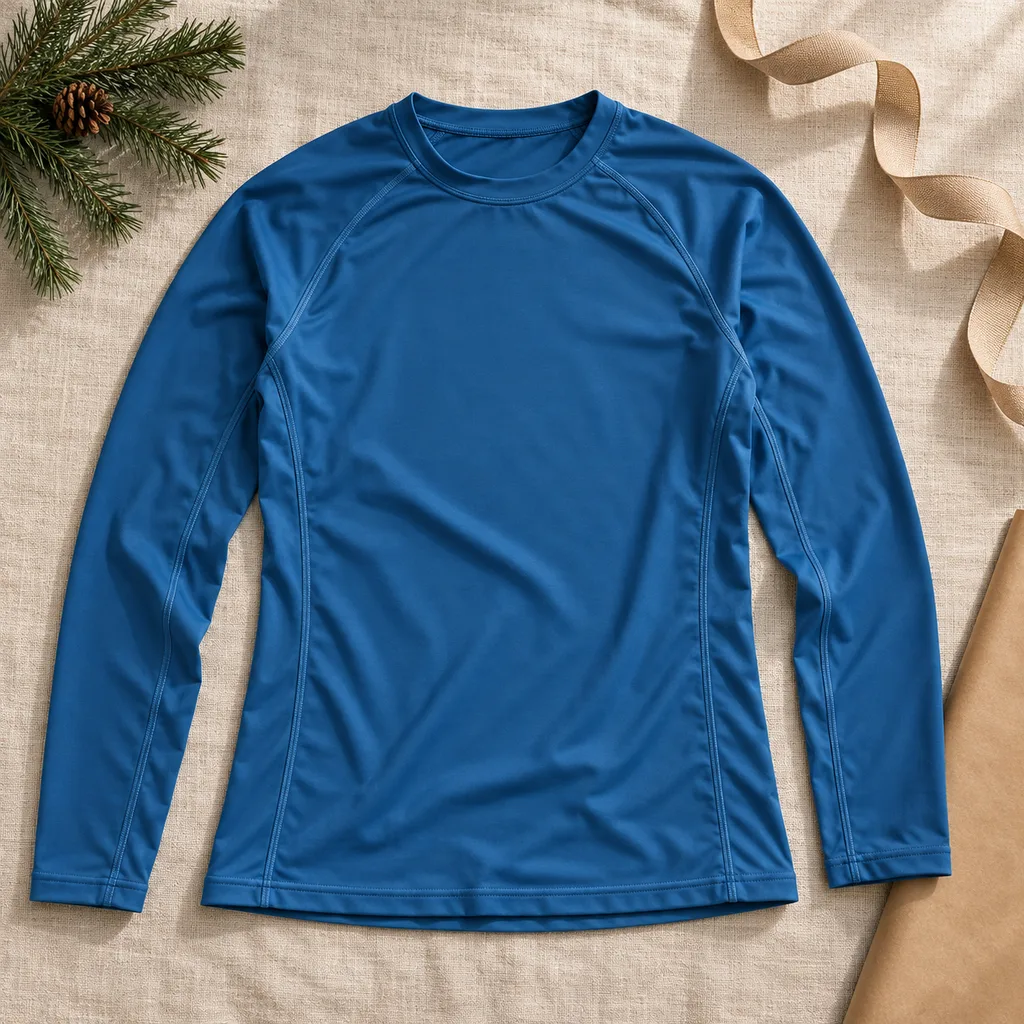
A rash guard is a snug, quick-drying top worn alone in warm water or under a wetsuit. It reduces rubbing from wax and board rails and keeps skin covered during long sessions in the sun. It suits surfers heading somewhere warm this winter, as well as paddlers who wear one year-round. Check sleeve length, fit and the UPF label on the tag. Surf versions sit close to the body, so size to their usual fitted tops, and choose a colour they would actually wear.
Protects skin from sun exposure and prevents chafing from wetsuits or board contact during long surf sessions.
Kind 7 of 7
When comparing wetsuits for surfing, focus on how and where the suit will be worn rather than a long feature list. Look at stretch first, since flexible panels in the arms and shoulders make paddling easier. Sealed or taped seams keep cold water out better than flatlock stitching. Chest-zip suits tend to seal well, while back-zip suits are easier to pull on. Match thickness to the coldest month they surf, and compare the size chart against their measurements.
Looking for one person in particular? Shop by person.
Everything else
Showing 1–8 of 8