Closed cell foam sleeping pad
A reliable and virtually indestructible option for campers and scouts who prioritize simplicity, durability, and basic insulation in any conditions.
Outdoors & Adventure
5 kinds worth knowing, 7 picks, and what to check before you buy.
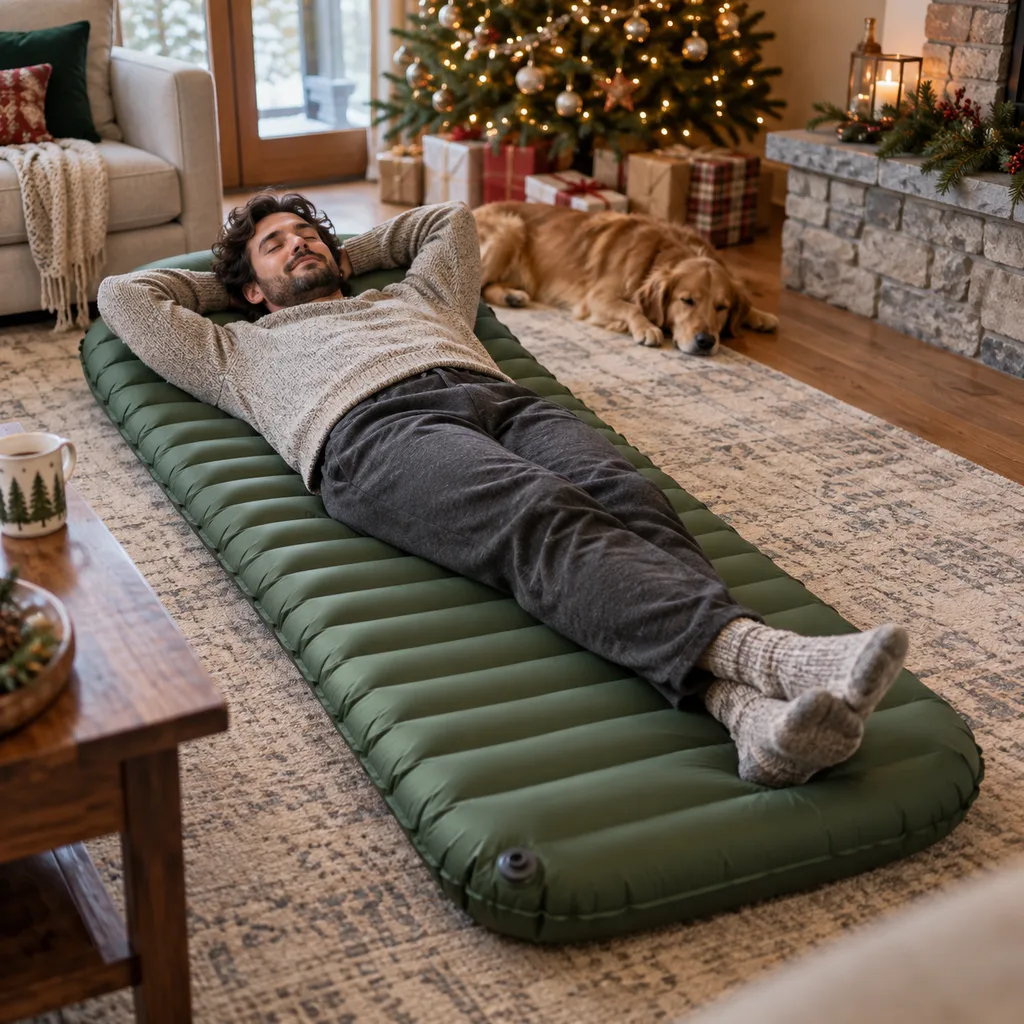
A sleeping pad is one of the few pieces of camping gear that gets used every single night out, which makes it a practical gift for anyone who camps, paddles or hikes. Most people who already own a pad are sleeping on something thin, noisy or worn out, so an upgrade is usually welcome. Start with how the person camps. Someone who drives to a site can take a thick, roomy pad, while a hiker counts every gram and will want a compact backpacking sleeping pad. A self inflating camping pad sits in between, and a simple foam camping mat suits people who are hard on their gear.
Kind 1 of 5
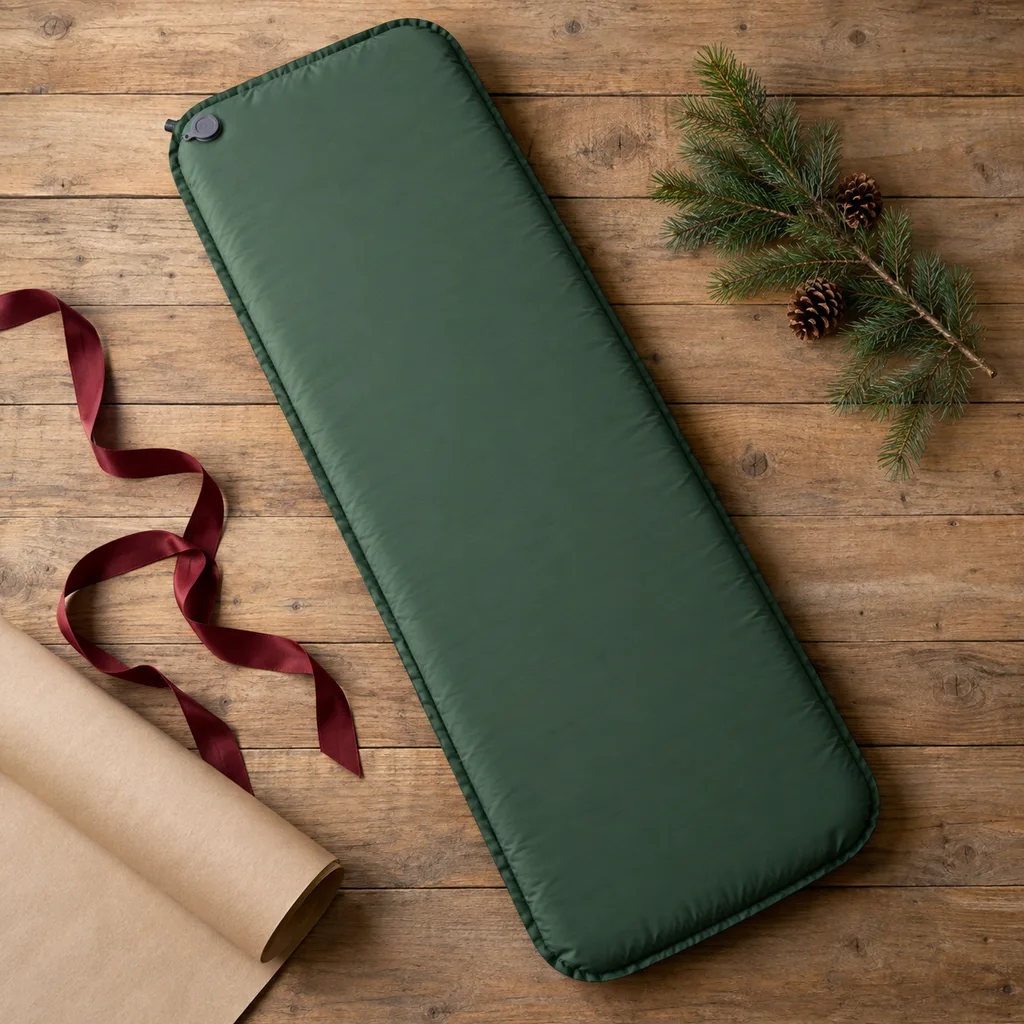
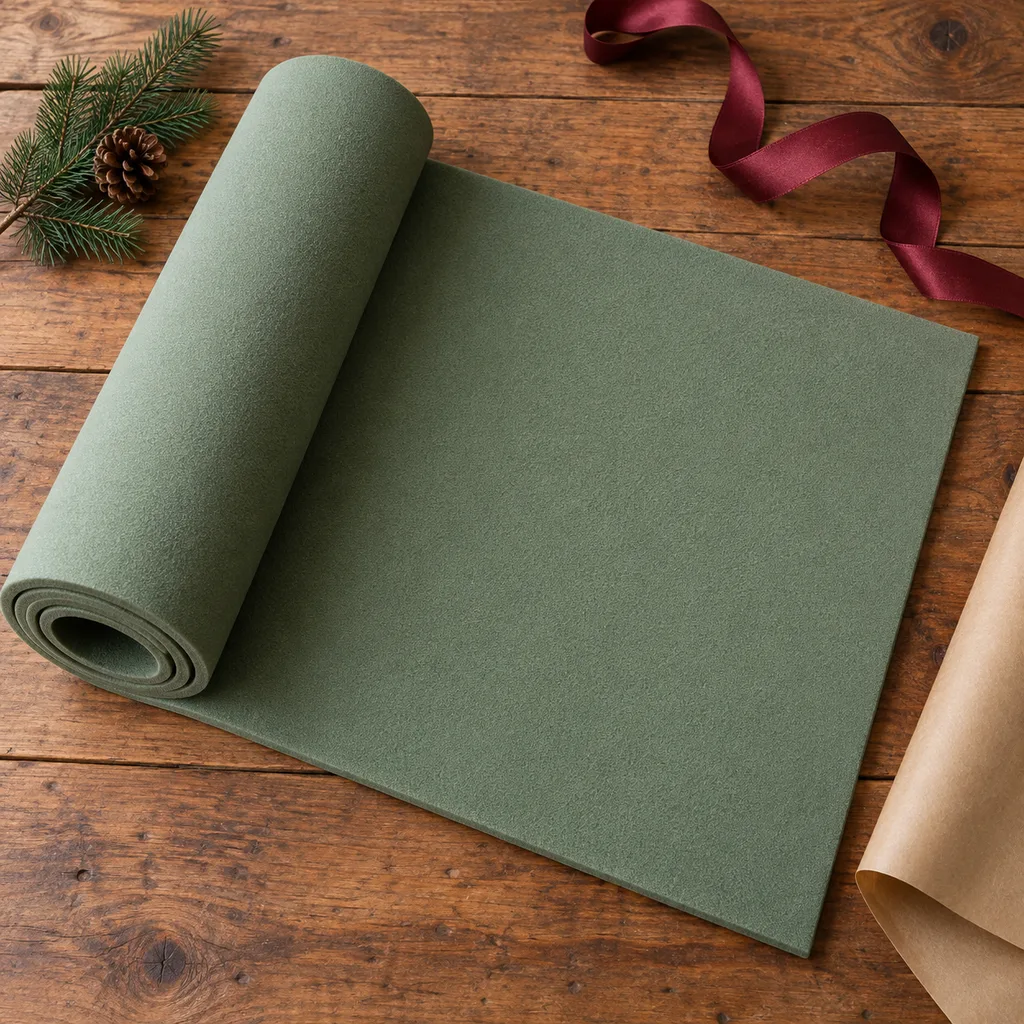
A basic camping mat is usually closed cell foam that folds or rolls up. It never leaks, lays down in seconds and does not mind rocks, sand or a dog's claws. It suits scouts, canoe trippers, kids and anyone who wants something that simply works. It is bulkier than an air pad and firmer to lie on, so some campers use one under an inflatable pad. Before buying, check the folded size, whether it straps to the outside of the person's pack, and the length compared with their height.
A reliable and virtually indestructible option for campers and scouts who prioritize simplicity, durability, and basic insulation in any conditions.
Kind 2 of 5
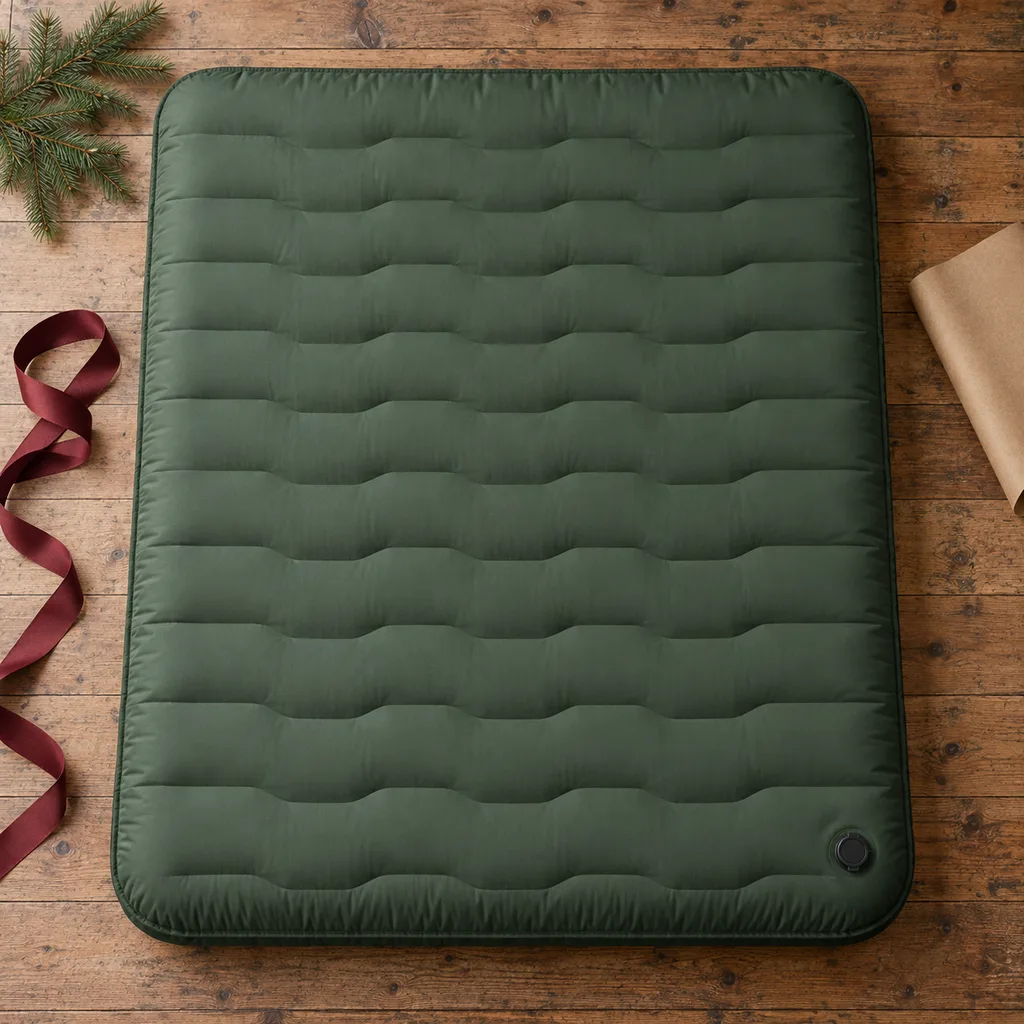
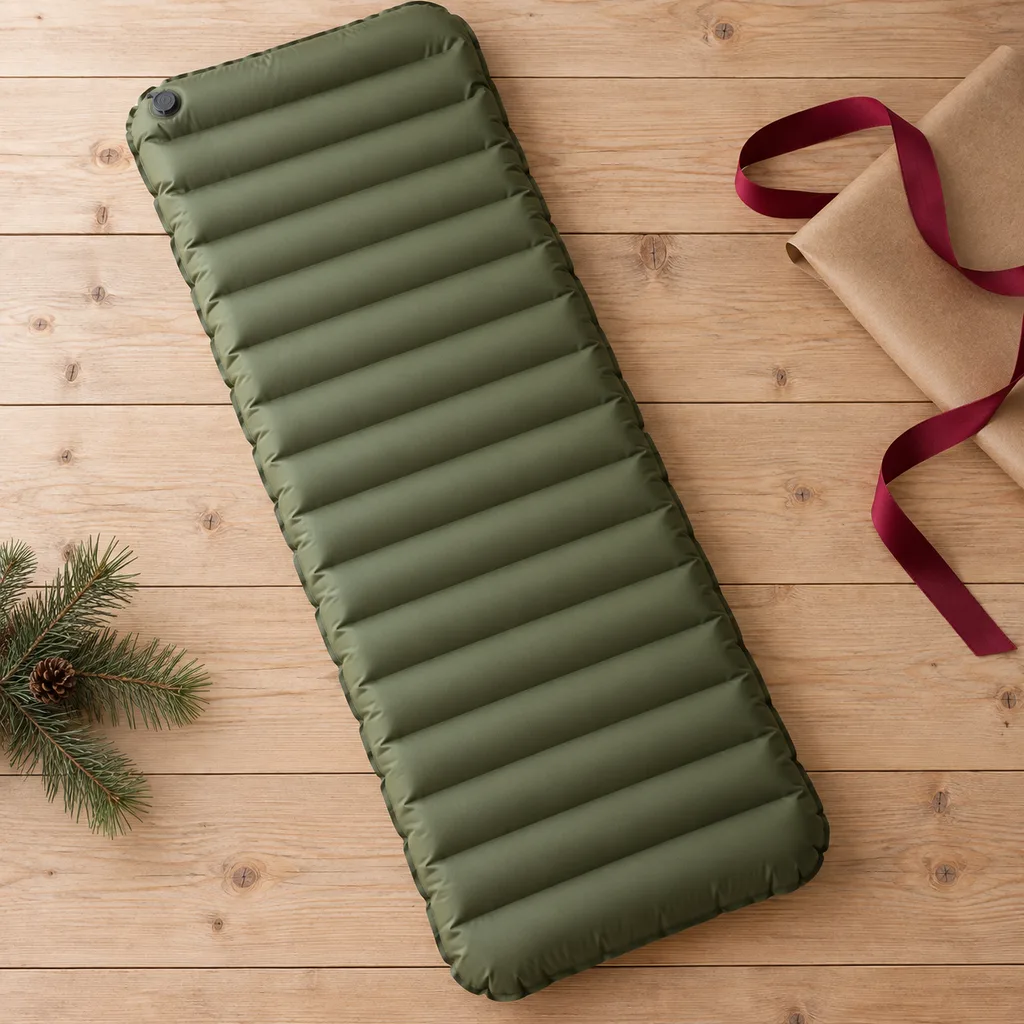
When the car carries the gear, weight hardly matters and comfort comes first. Thick car camping mattresses and wide two person pads feel closer to a bed and suit families, couples and anyone who dislikes waking up stiff. Measure the tent floor before buying, since wide pads can crowd a small tent. Look at the packed size so it still fits in the trunk with everything else, and check whether it needs a pump or inflates from a bag. For couples, a pad that keeps one sleeper from bouncing the other is worth finding.
This luxurious pad provides exceptional comfort and ample cushioning for those who prioritize a restful night's sleep during car camping trips or basecamp stays.
An ideal gift for couples or families who enjoy camping together, providing shared comfort and warmth in a single, convenient unit.
Kind 3 of 5
A thin sleeping mat covers the basics without extra bulk. It suits hammock campers, bikepackers, festival goers and people who already sleep well on firm ground. Minimalist mats often trim length or width to save space, so check the dimensions against the person's height and sleeping style. Side sleepers usually find very thin mats uncomfortable. Also look at the insulation value, listed as an R-value, if the mat will see cool spring or fall nights in Canada.
Crafted for gram-counting adventurers, this mat offers essential ground insulation and a slight barrier with the absolute minimum weight and bulk.
Kind 4 of 5
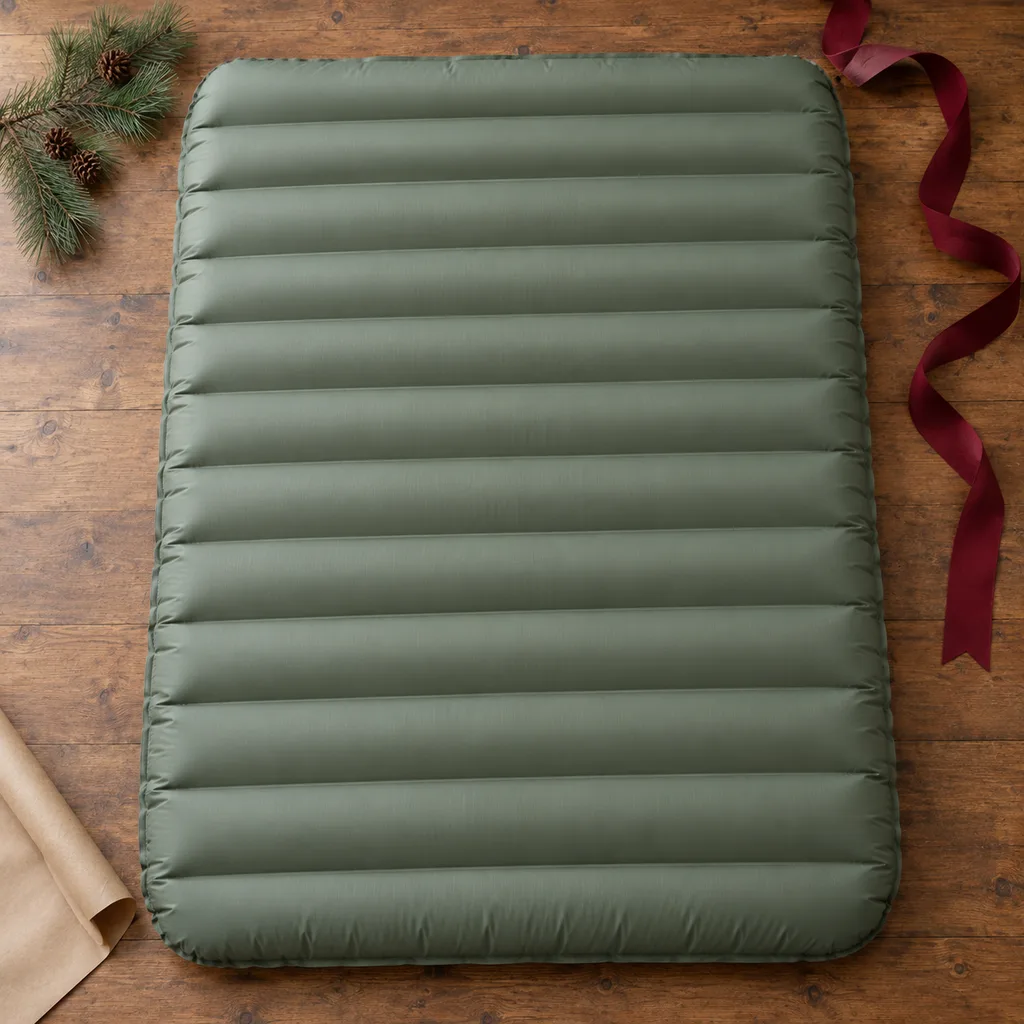
A self inflating camping pad pairs open cell foam with an air chamber. Open the valve and the foam pulls in most of the air, then a few breaths firm it up. These pads are quieter and warmer than many plain air pads, and they are a good middle ground for weekend campers who sometimes carry gear a short distance. They are heavier and bulkier than backpacking air pads. Check the thickness, the rolled size, and whether the valve is simple enough to open and close with cold fingers.
This convenient pad offers a quick setup and comfortable night's sleep for casual campers and outdoor enthusiasts.
Kind 5 of 5
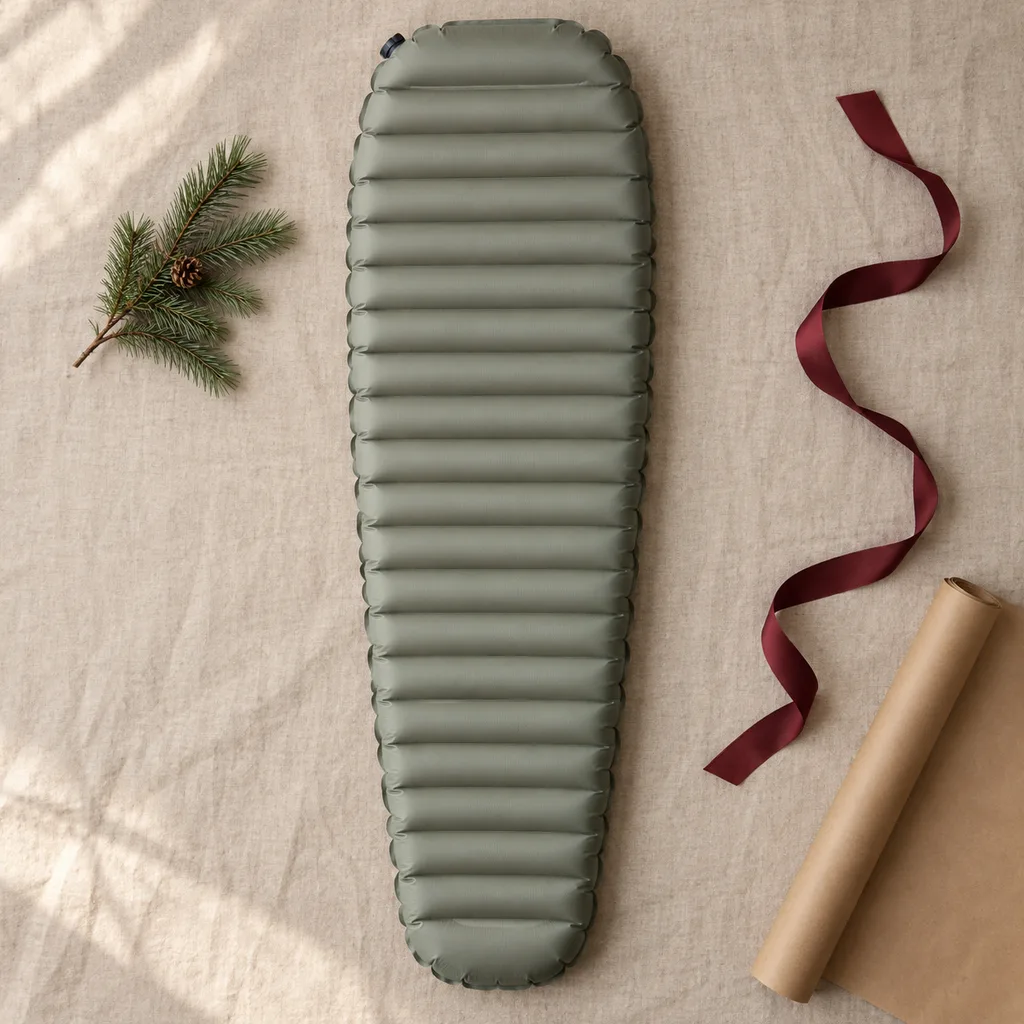
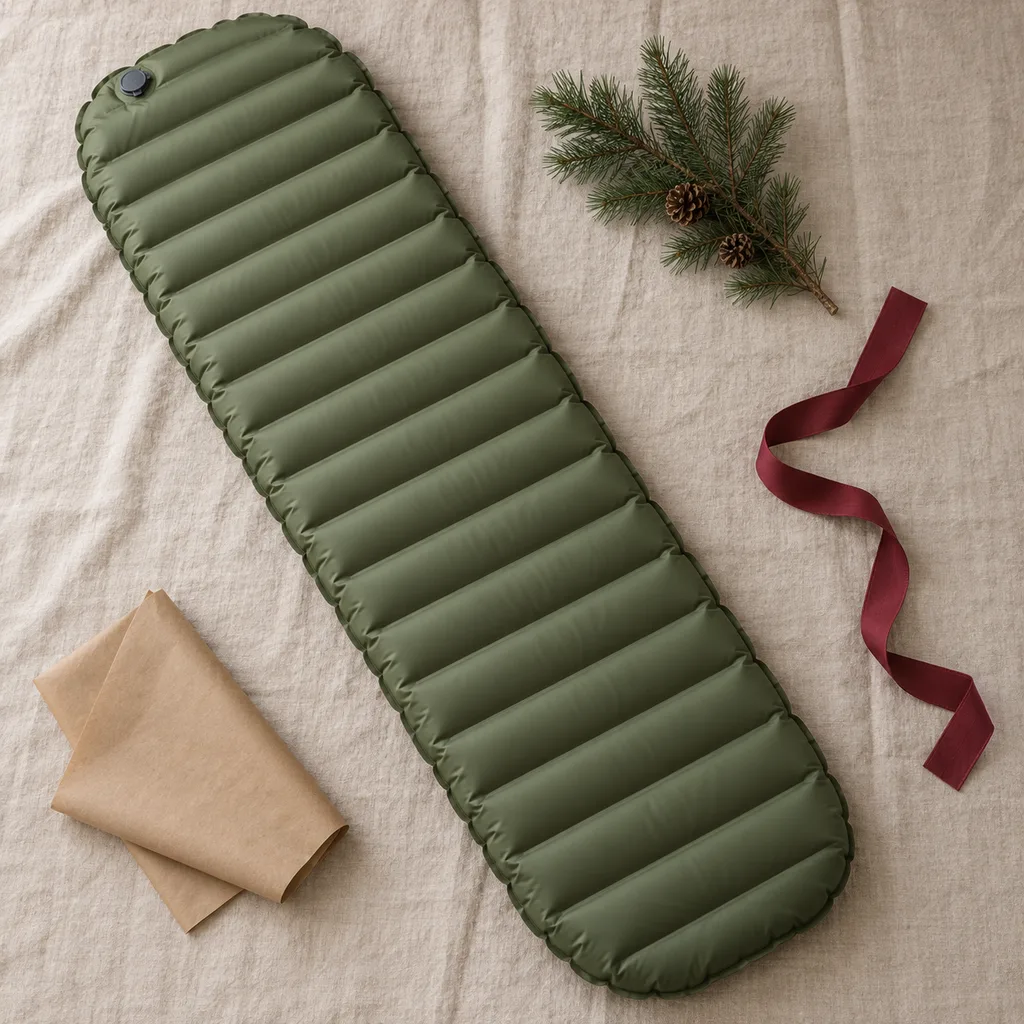
A backpacking sleeping pad is built to disappear into a pack. Most are inflatable air pads that roll down to about the size of a water bottle, yet give a surprising amount of cushion once blown up. They suit hikers, thru-hikers and canoe trippers with long portages. Before buying, check the packed weight and size, the R-value for the seasons the person camps in, and whether a pump sack and patch kit come with it. Ask quietly about their current pad too, since serious hikers often have strong preferences.
An excellent choice for backpackers and hikers seeking a compact, comfortable, and easily portable sleeping solution on the trail.
Perfect for minimalist hikers and thru-hikers who need a very small packed size and minimal weight without sacrificing essential comfort.
Looking for one person in particular? Shop by person.
Everything else
Showing 1–7 of 7