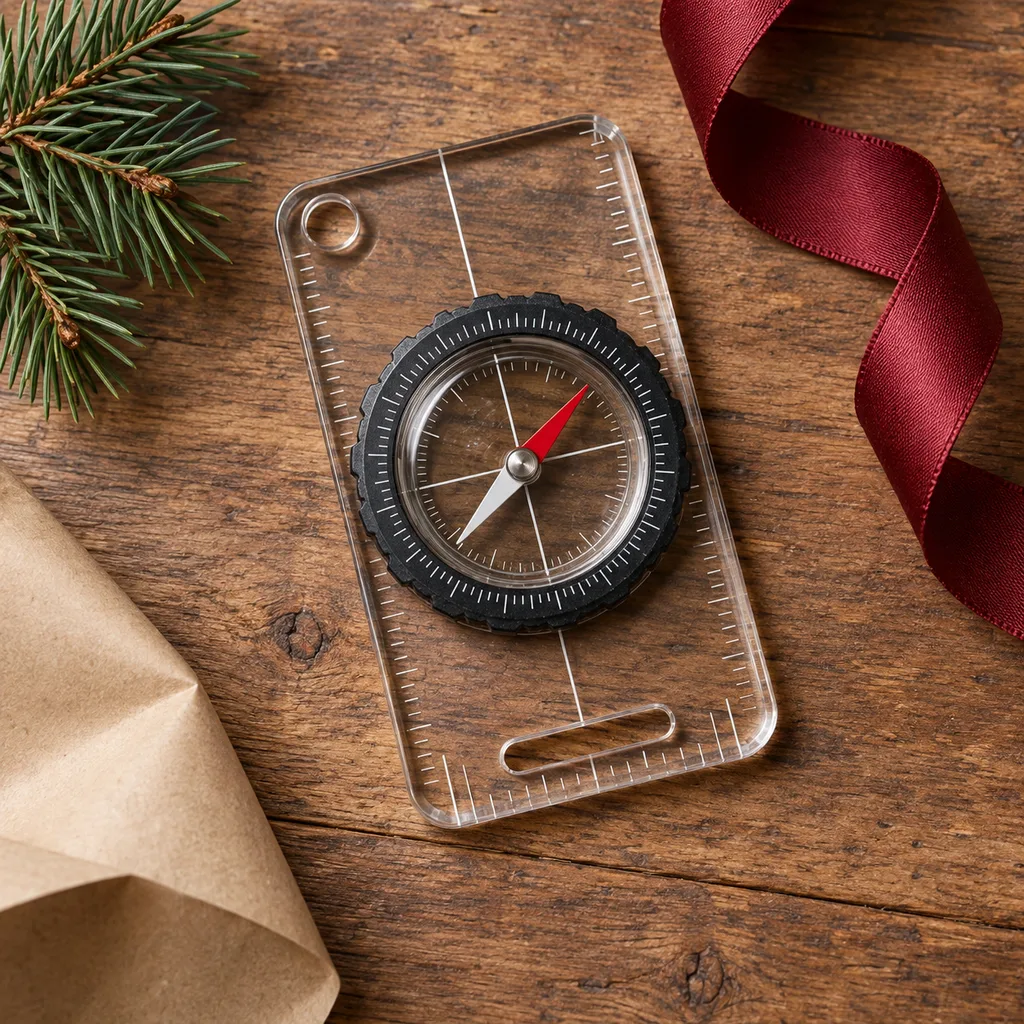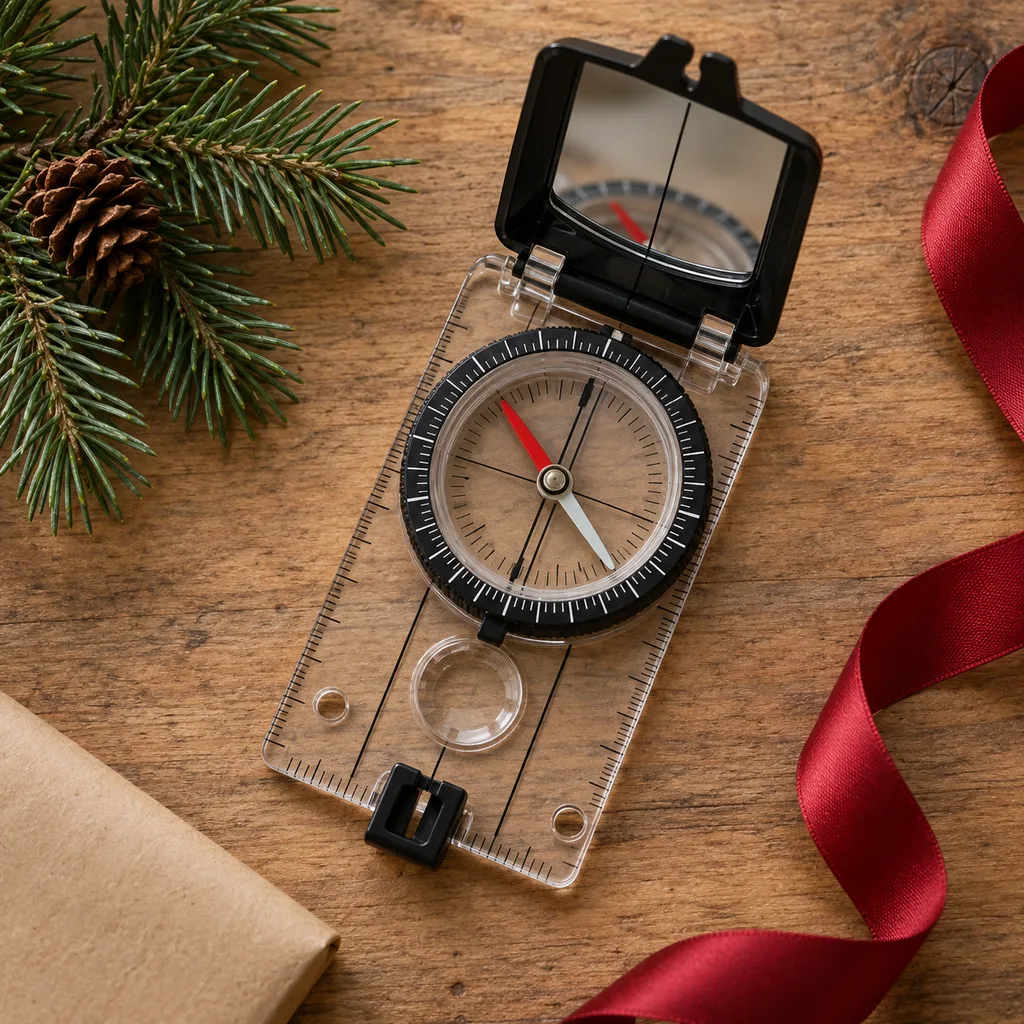
Advanced map reading sighting compass
Designed for serious navigators who require precise bearings and accurate map work for detailed route planning and execution.
Outdoors & Adventure
5 kinds worth knowing, 8 picks, and what to check before you buy.
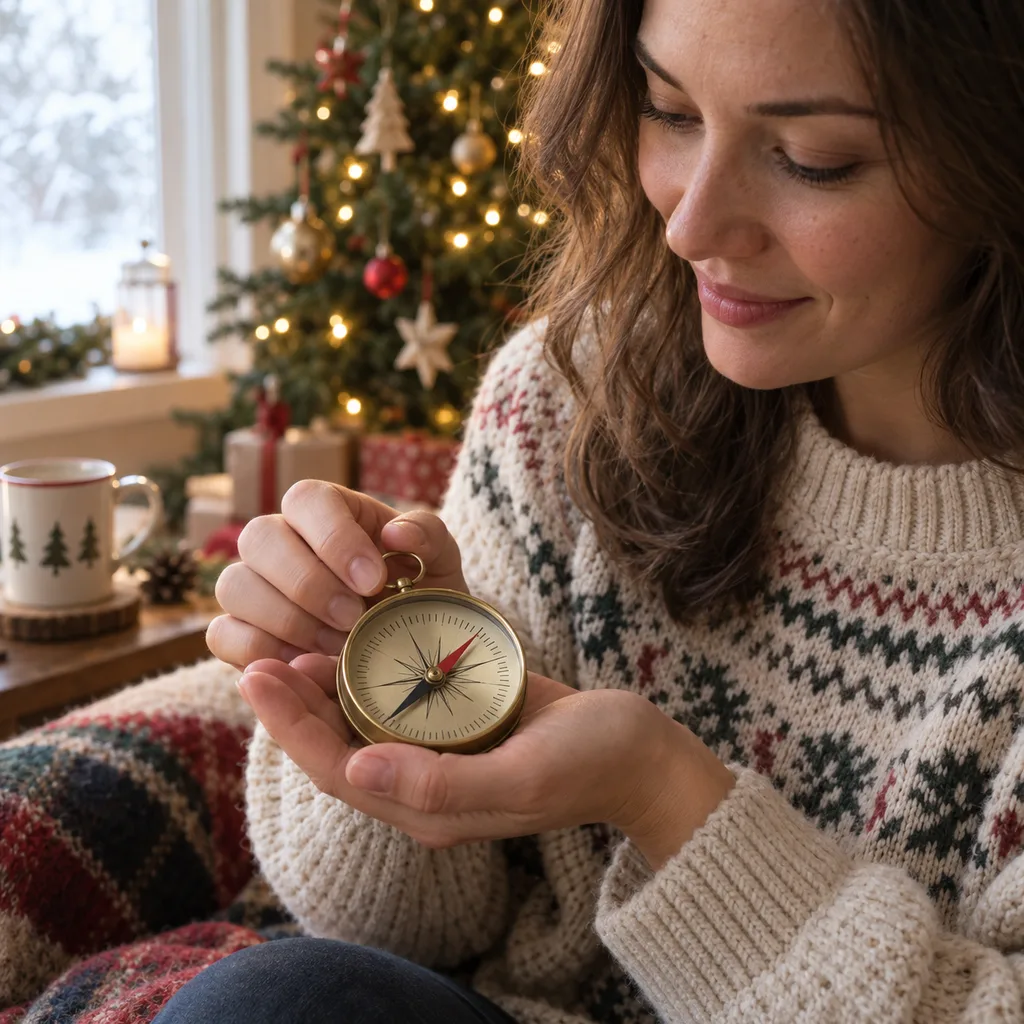
A compass makes a good gift for someone who already spends time outside: a hiker who wants to rely less on a phone, a teen starting orienteering, or a grandparent who likes a well-made pocket tool. The ones that get used match how the person actually gets around. A map compass with a clear baseplate suits trail and backcountry trips, while an orienteering compass suits someone who races or practises with a club map. Think about where they go, whether they already read topographic maps, and whether they'd use it on the trail or keep it on a shelf.
Kind 1 of 5
A map compass is made to work flat on a paper map. It has a clear body, a rotating bezel marked in degrees, and edges for lining up routes. It suits someone who plans trips with topographic maps or wants to learn. Before buying, check that the bezel turns firmly and isn't loose, that the degree markings are easy to read, and that the rulers match common map scales. An adjustable declination setting helps a lot, since the gap between true north and magnetic north varies across Canada and the US.
Designed for serious navigators who require precise bearings and accurate map work for detailed route planning and execution.
Kind 2 of 5
The baseplate compass is the standard for hiking and learning to navigate: a see-through rectangular plate with a liquid-filled capsule that turns on top. It's light, simple and forgiving, which makes it a good first compass for a teen or anyone new to map work. Look for a plate long enough to measure distances comfortably, a needle that settles quickly, and a lanyard hole. A small magnifier on the plate is handy for reading map details, especially for older eyes.
An essential tool for any outdoor enthusiast, providing reliable navigation on trails and in the wilderness.
Kind 3 of 5
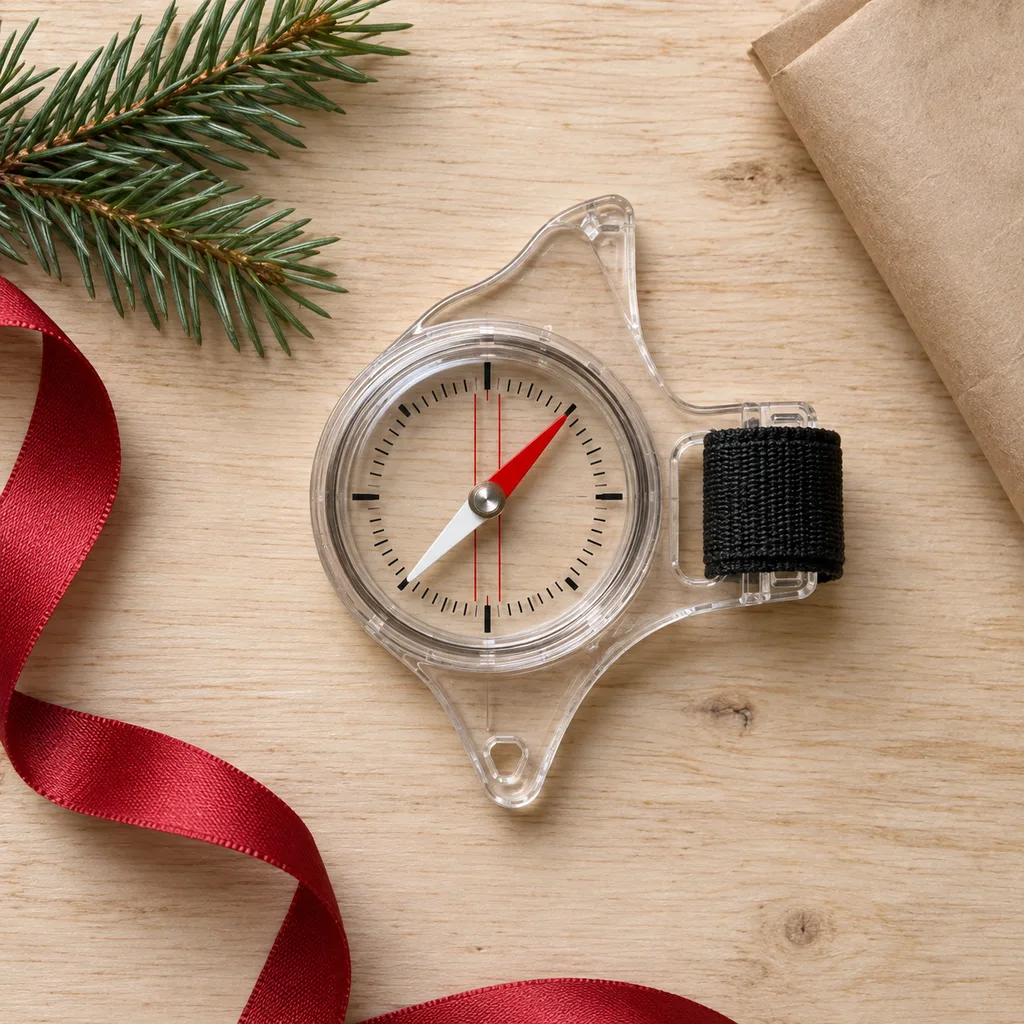
Orienteering compasses are made for moving fast across terrain with a detailed map. Many are thumb compasses that sit on the thumb and hold the map steady in one hand. They suit someone who runs club events or takes the sport seriously, and they're less useful for general hiking. Check whether the person is left or right-handed, since thumb models are often made for one hand. Also look for a needle that settles fast while running.
Designed for speed and efficiency, this compass is perfect for orienteering sports and quick map-to-terrain correlation.
Kind 4 of 5
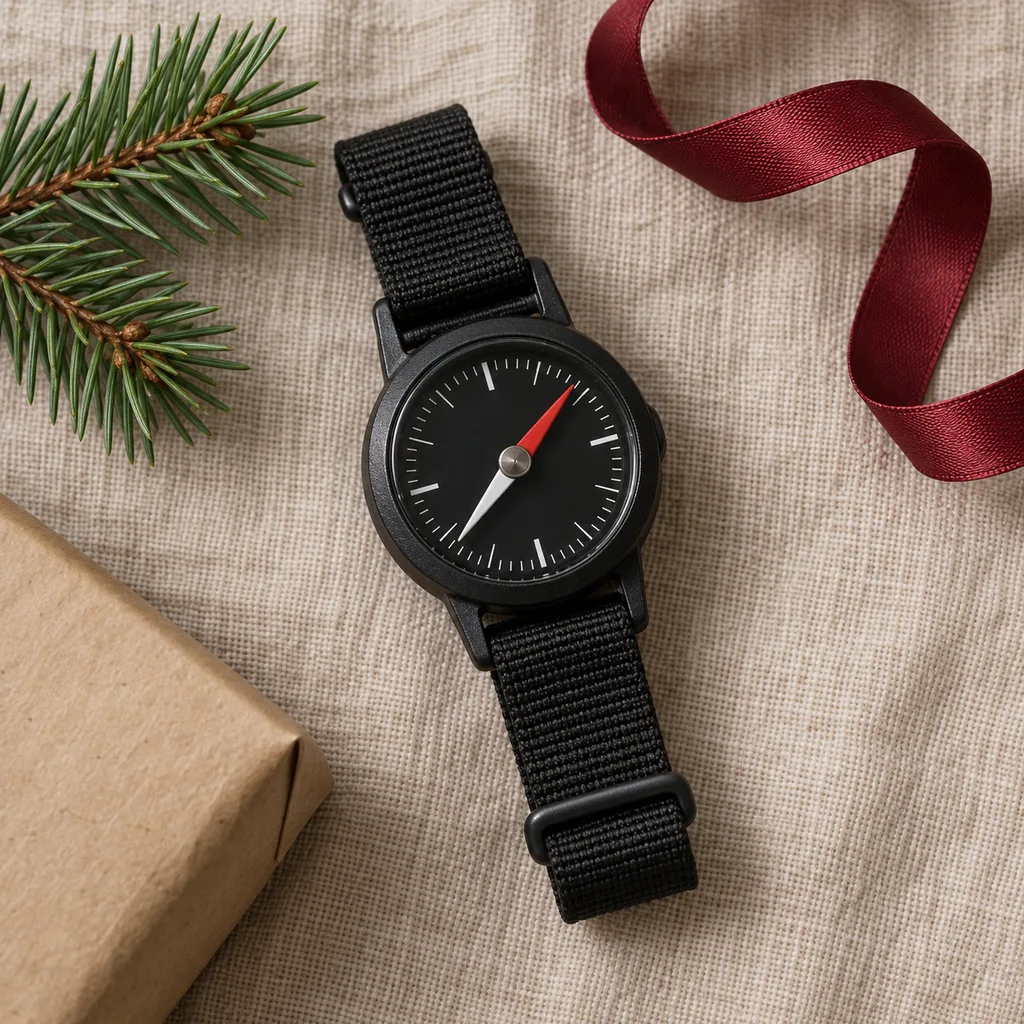
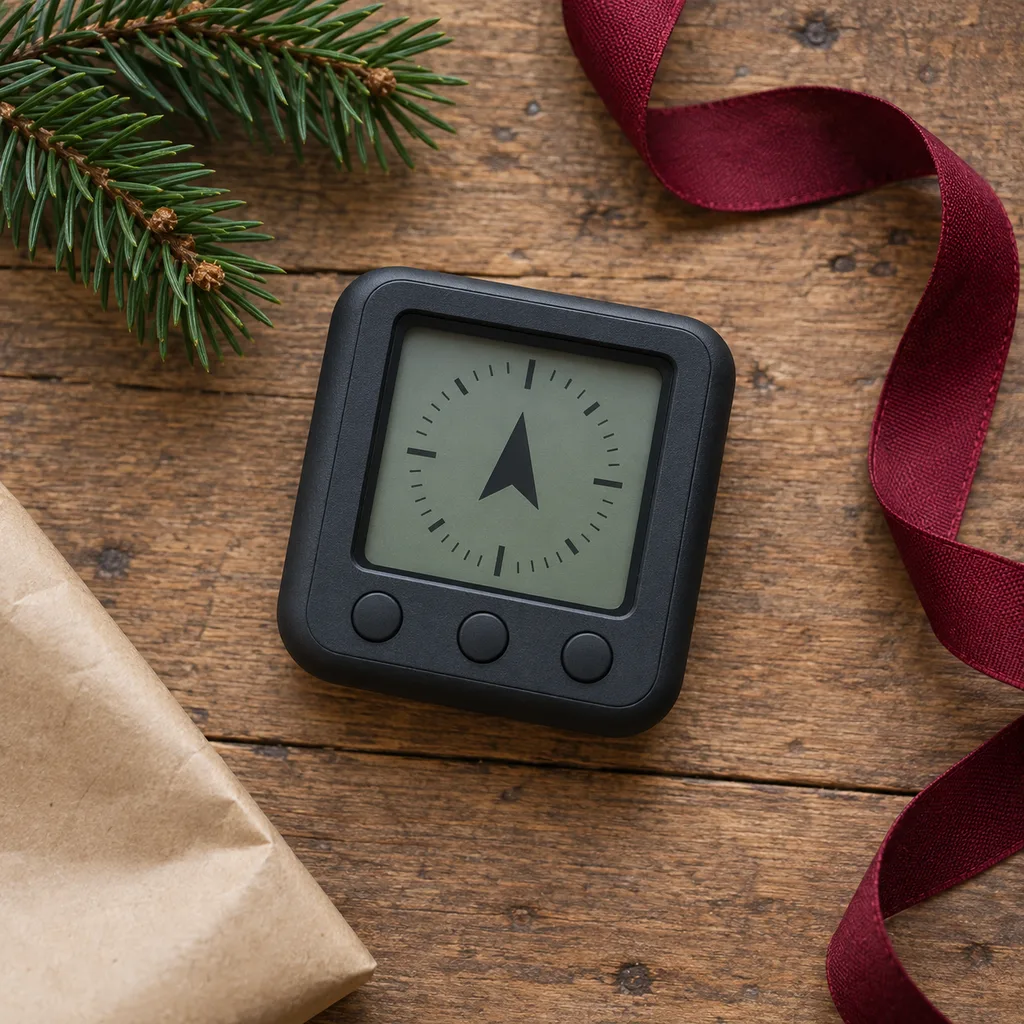
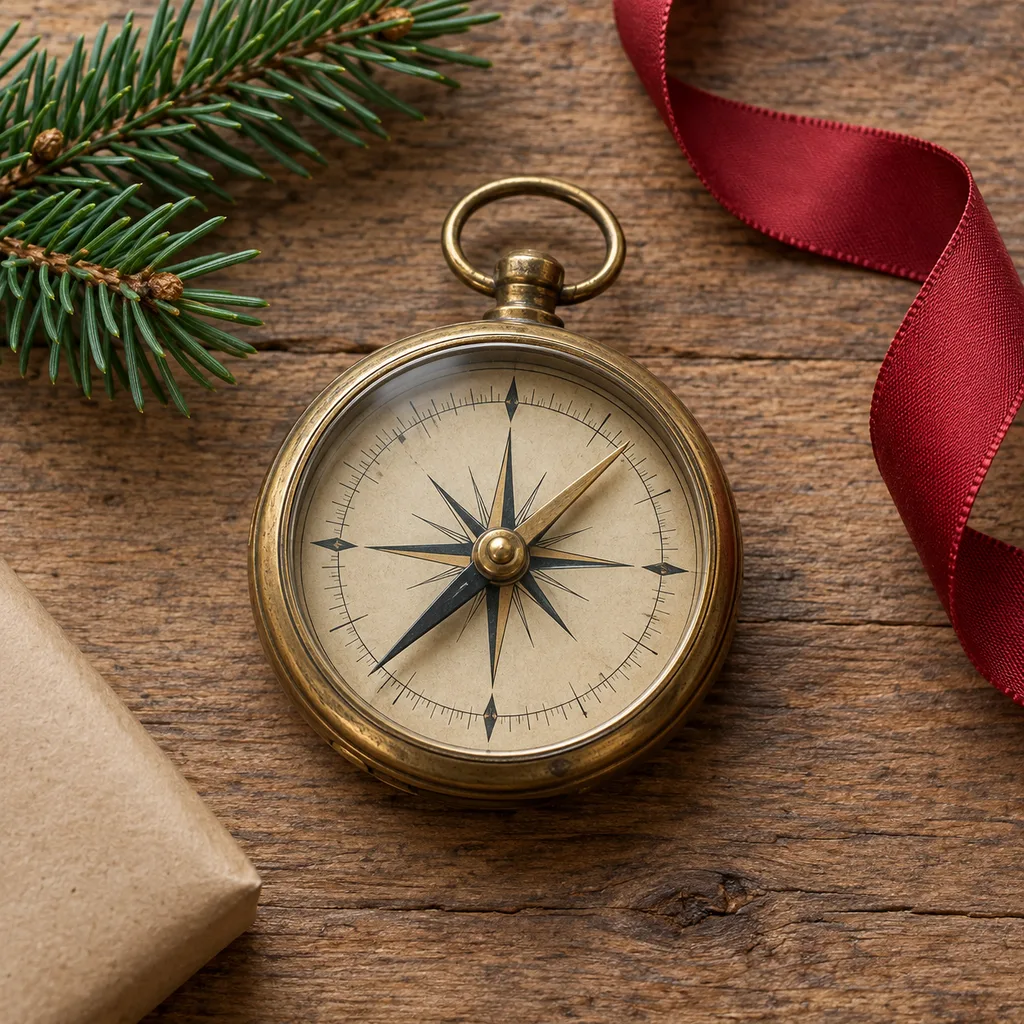
A hiking compass can be anything light and dependable enough to live in a daypack. Some people like a compact wrist or strap-on compass for quick direction checks, while others like a digital compass device. A classic brass pocket compass suits someone who values a keepsake they'll still carry. Think about how the person hikes. Casual walkers do fine with a simple compass, but anyone going off marked trails will get more use from a model that works with a map.
A convenient and quick-reference tool for casual explorers or as a reliable backup for any outdoor activity.
A modern navigational aid offering precise digital readings and often integrated with additional useful outdoor functions.
A timeless and elegant gift for those who appreciate classic design and a simple, reliable directional tool.
Kind 5 of 5
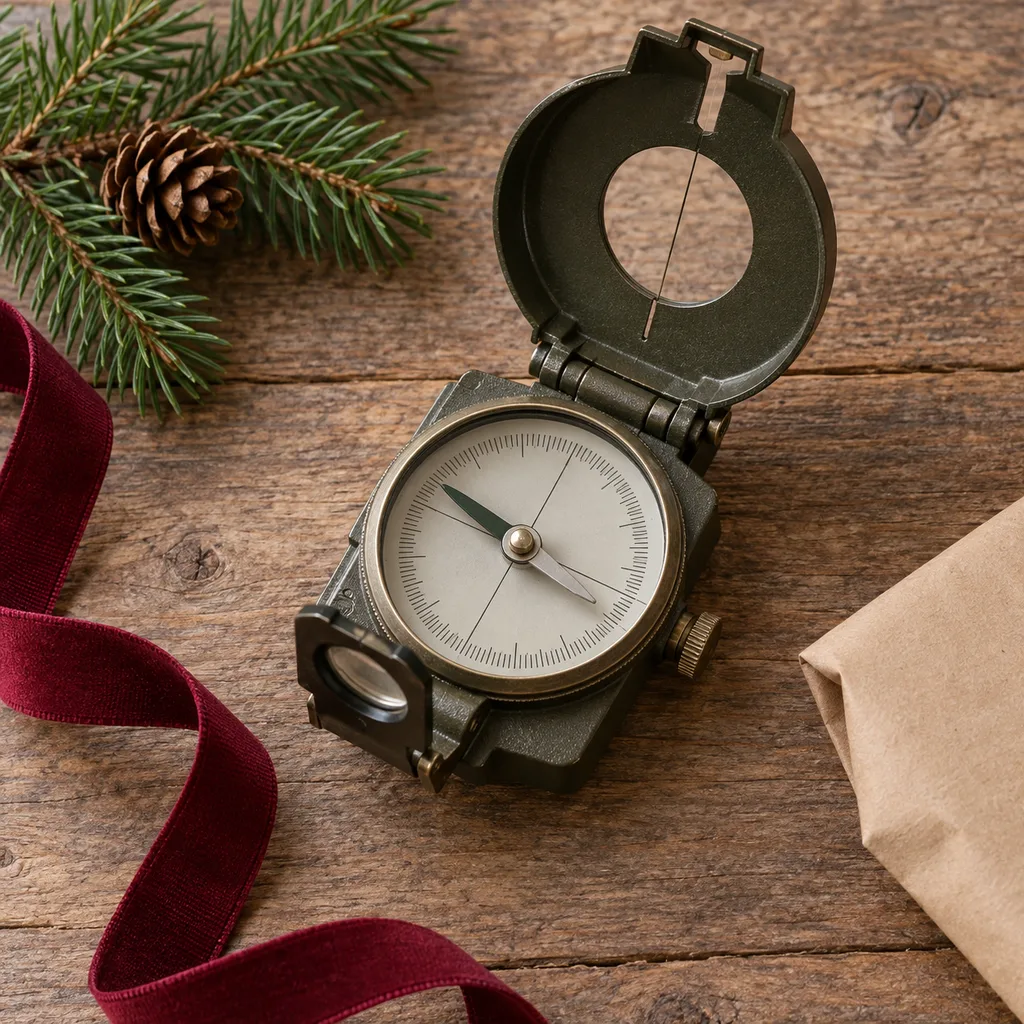
A sighting compass has a mirror, a lensatic eyepiece or a sighting notch, so the user can line up a distant landmark and take an accurate bearing. It suits hunters, experienced backcountry travellers and anyone who enjoys precise navigation. Lensatic models are sturdy and often come in a folding metal case. Mirror models also work well on a map. Check that the sighting line is clear, the lid closes securely and the dial can be read in low light.
Ideal for advanced navigators or those needing highly accurate bearings, perfect for detailed land navigation.
Looking for one person in particular? Shop by person.
Everything else
Showing 1–8 of 8
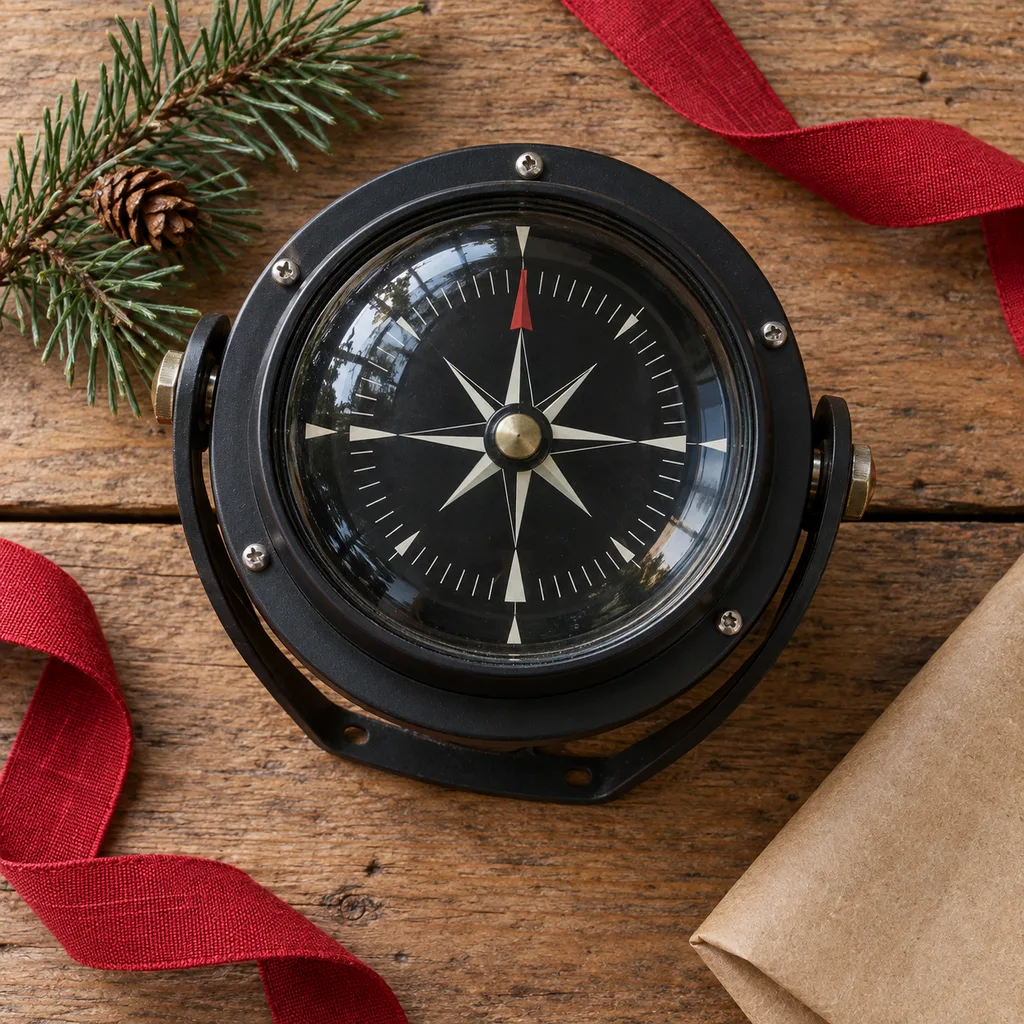
Essential for water enthusiasts, providing reliable direction finding for kayaking, canoeing, or small boat navigation.