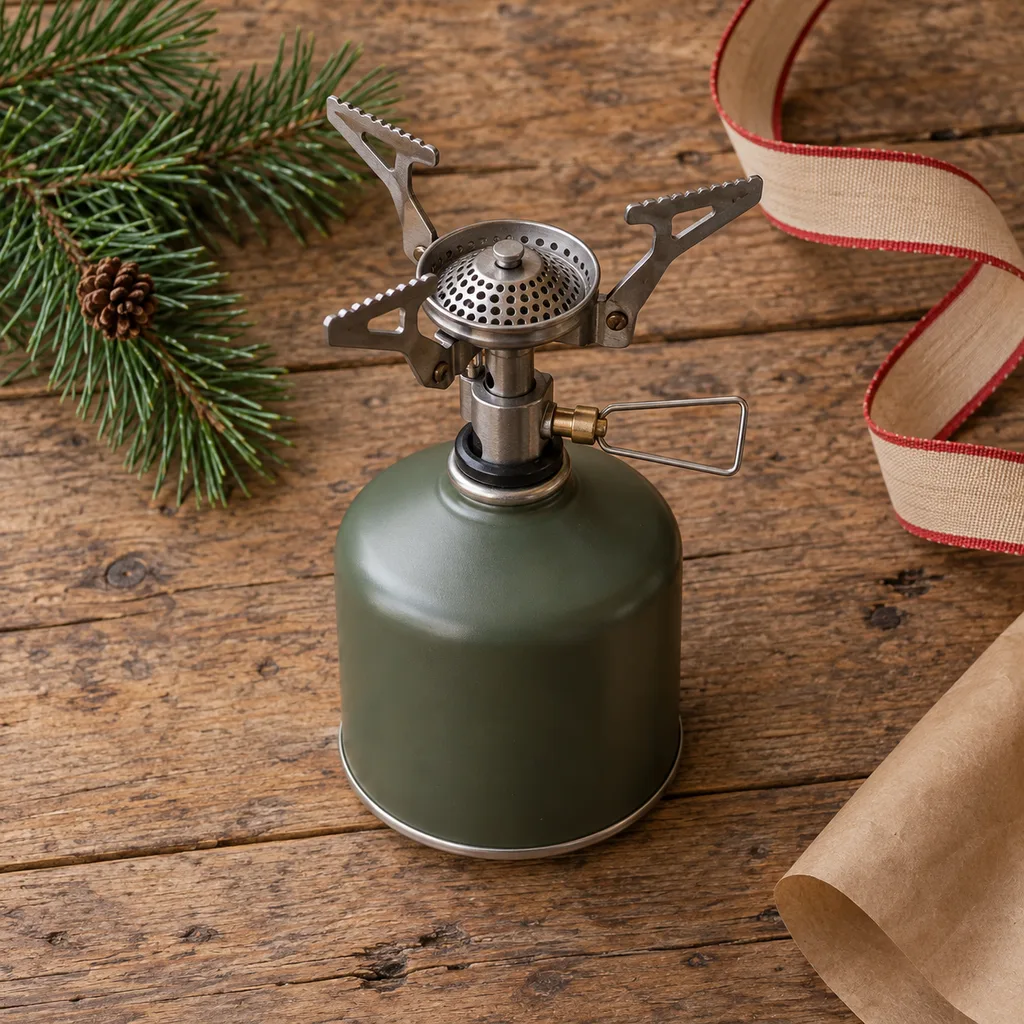
Compact single burner canister stove
Ideal for solo adventurers or light packers, this stove offers quick meals on the trail with minimal fuss.
Outdoors & Adventure
8 kinds worth knowing, 6 picks, and what to check before you buy.
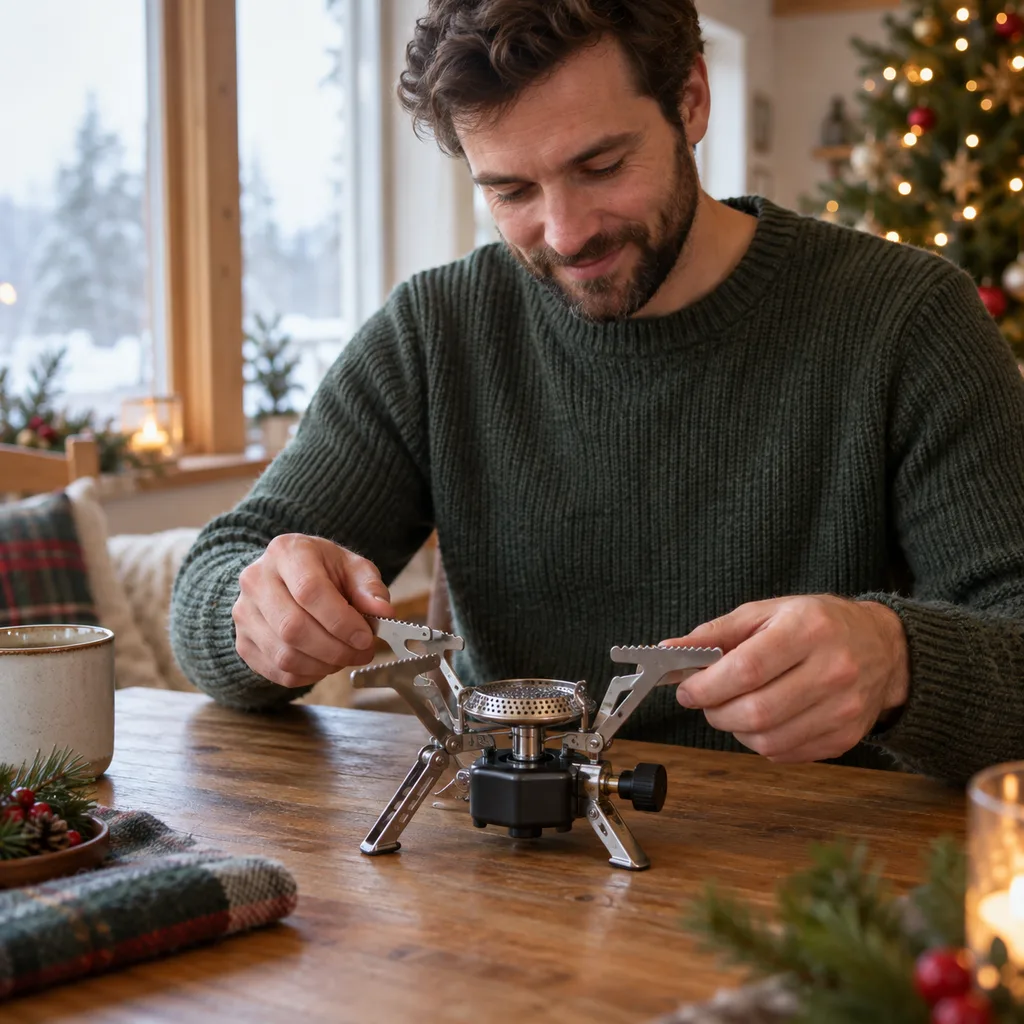
People who get the most out of a camping stove are the ones already heading out: car campers, cottage regulars, paddlers and hikers who are tired of cold lunches. The stove that gets used matches how they travel. A family that drives to a site will reach for a two burner propane stove every morning. A person who carries everything on their back needs a small backpacking stove that packs away with its pot. Before choosing, find out what they already own, which fuel they can buy close to home and how many people they usually cook for. A stove that suits their trips gets packed for years. One that doesn't stays on a garage shelf.
Kind 1 of 8
A propane stove runs on the green cylinders sold at most hardware stores, gas stations and campground shops across Canada and the US. It lights quickly and gives steady heat for breakfast, coffee and simple dinners. Propane stoves suit car campers, tailgaters and anyone with a trailer or cottage who doesn't mind a bit of weight. Before buying, check how the stove connects to fuel. Some take the small disposable cylinders, while others can also run from a larger refillable tank with an adapter hose. Look at how stable the grate is with a big pot and whether the lid blocks wind.
Kind 2 of 8
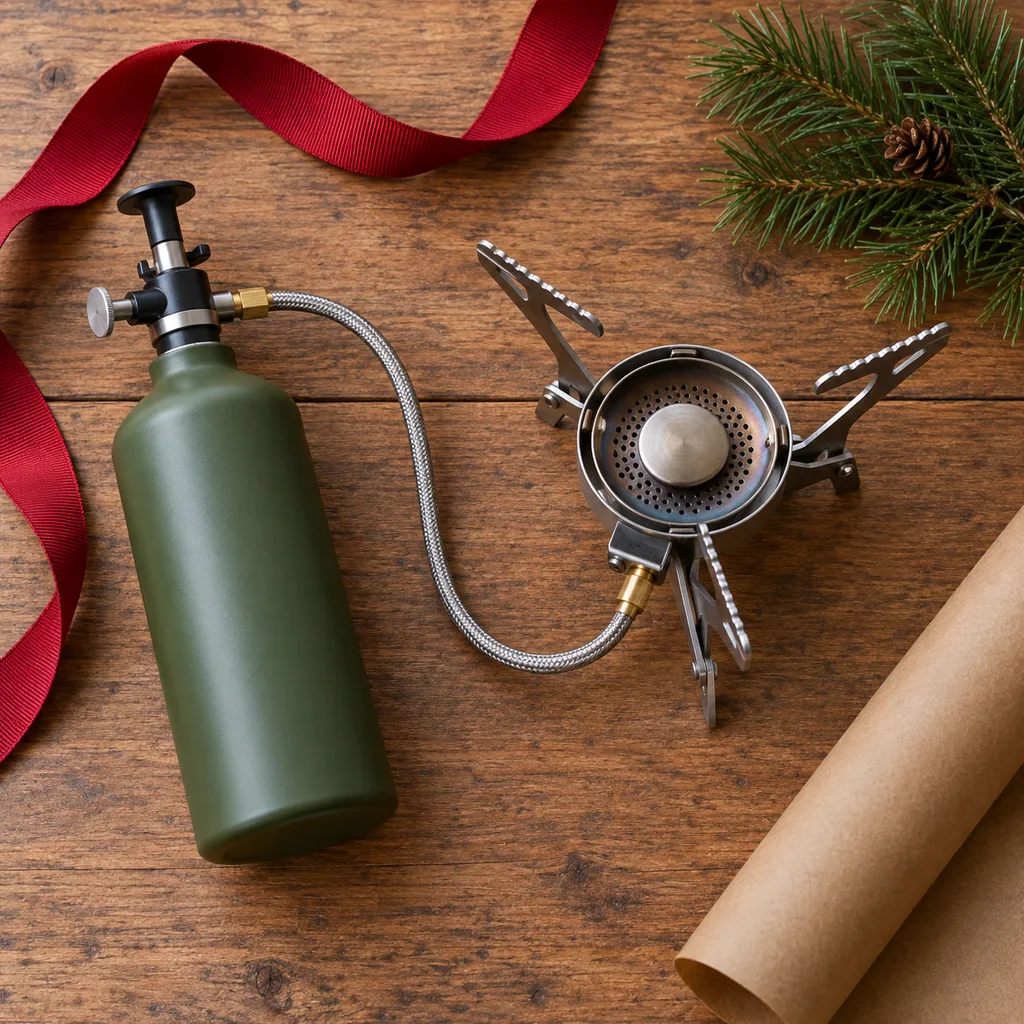
Portable stove covers any burner small enough to toss in a trunk, canoe or day pack. That includes small canister models that screw onto a gas can and fold down to about the size of a fist. These suit people who want hot drinks at a lookout, a warm lunch on the ice or a backup burner during a power outage at home. Check the packed size, whether it lights with a push-button igniter or needs a lighter, and which fuel canister thread it takes. Also make sure the pot supports are wide enough to hold the cookware they already own.
Ideal for solo adventurers or light packers, this stove offers quick meals on the trail with minimal fuss.
Kind 3 of 8
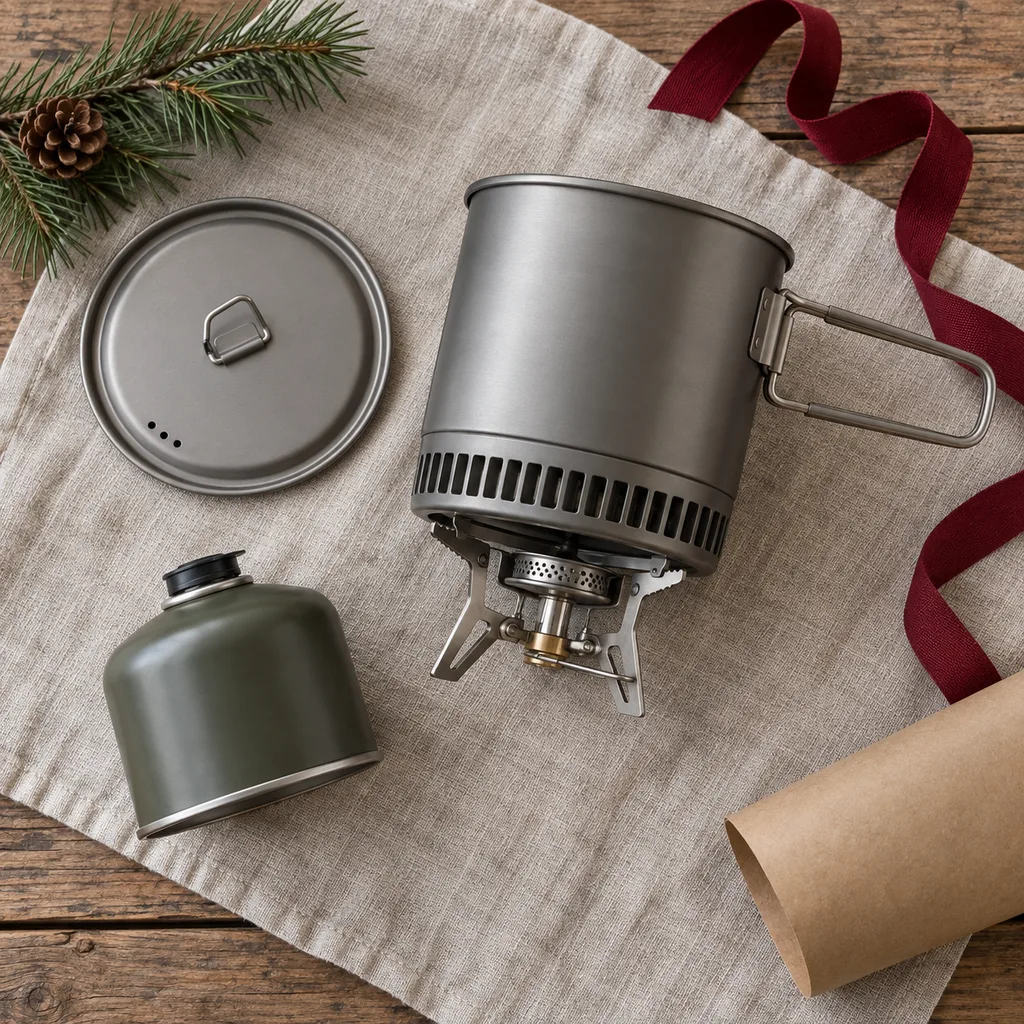
A backpacking stove is built for people who count every gram. Some are all-in-one systems where the burner, pot and lid lock together, so they boil water quickly for freeze-dried meals and coffee. Others burn liquid fuel through a pump and bottle, which works well in cold weather, at altitude and on long trips where canisters are hard to find. The all-in-one systems suit hikers who mostly boil water. Liquid fuel suits winter campers and people who travel far off the grid. Find out how they cook on the trail and how many people they feed before choosing between the two.
Designed for ultimate efficiency and speed, this compact system boils water rapidly for rehydrated meals and hot beverages.
Ideal for cold weather expeditions or international travel, this stove handles diverse fuel types and performs reliably in harsh conditions.
Kind 4 of 8
Outdoor stove usually means a sturdier burner that stays at a base: the dock, the back deck, a hunting camp or a tailgate. These are heavier and less concerned with packed size, and they're built to handle a big pot for corn, seafood or canning. They suit someone who cooks for a crowd or wants to keep heat and smells out of the kitchen. Check the burner output against the size of pot they'll use, the height and stability of the stand, and how the fuel hookup works. Also think about where it will be stored between uses.
Kind 5 of 8
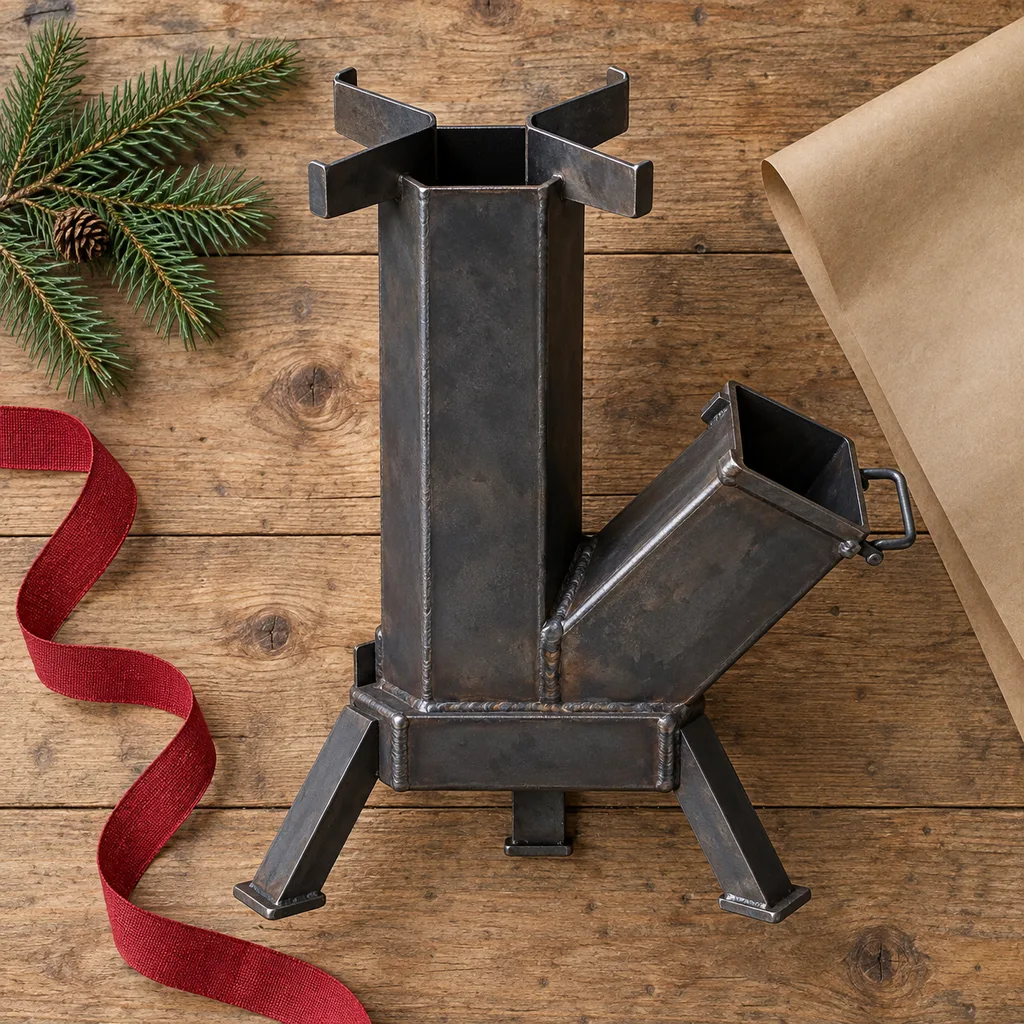
A camping wood stove burns twigs, pinecones and small splits instead of bottled fuel. Rocket-style designs pull air through a chimney so small sticks burn hot, and many fold flat or nest inside a pot. They suit bushcraft fans, canoe trippers and anyone who likes tending a small fire more than screwing on a canister. Before buying, remember that fire bans often apply to open-flame wood stoves during dry summers, so check how often the person camps in those conditions. Look at the weight, how easy it is to feed fuel in and how much soot cleanup to expect.
An excellent choice for backyard cooking or basecamp, this stove efficiently burns small wood pieces to create intense, focused heat.
Kind 6 of 8
A single burner propane stove sits on top of a small cylinder or on a short base. It gives one strong flame without taking up table space. It's a good fit for solo campers, couples, ice fishers and anyone who wants a spare burner beside the barbecue or on a two-burner setup. Check whether the stove screws directly onto the cylinder or sits separately with a hose, since that changes how steady it is with a heavy pot. Look for a wide base, easy flame control and a carry case that keeps the parts together.
Kind 7 of 8
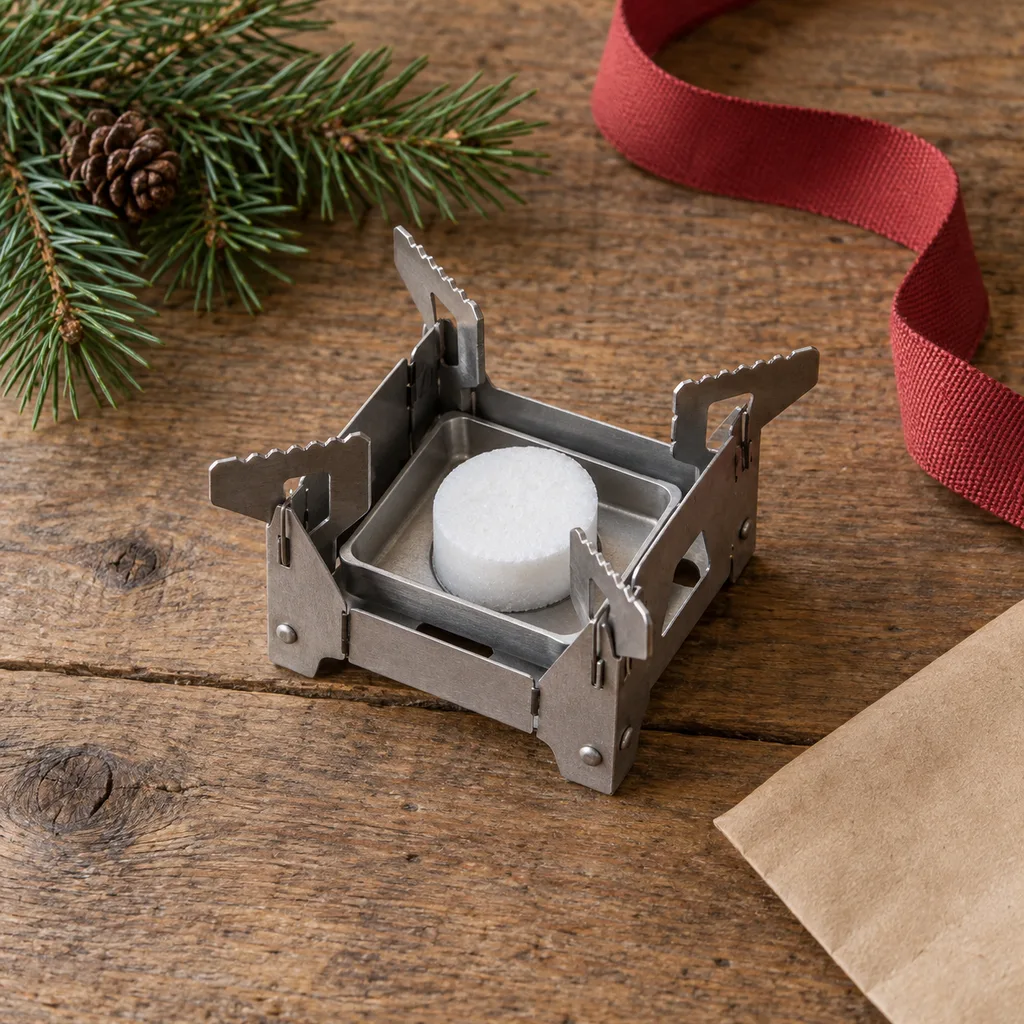
Camping fuel covers propane cylinders, isobutane canisters, white gas, alcohol and solid fuel tablets. Fuel on its own is a practical stocking stuffer for someone who already owns a stove, but only if it matches their stove exactly. A tiny folding tablet stove is another small gift: it weighs almost nothing and lives in an emergency kit, glovebox or day pack for heating a cup of water. It won't replace a real cooking stove. Before buying fuel, confirm the stove model and fuel type they use.
An emergency essential or minimalist option, this tiny stove provides quick heat using convenient, pre-portioned fuel tablets.
Kind 8 of 8
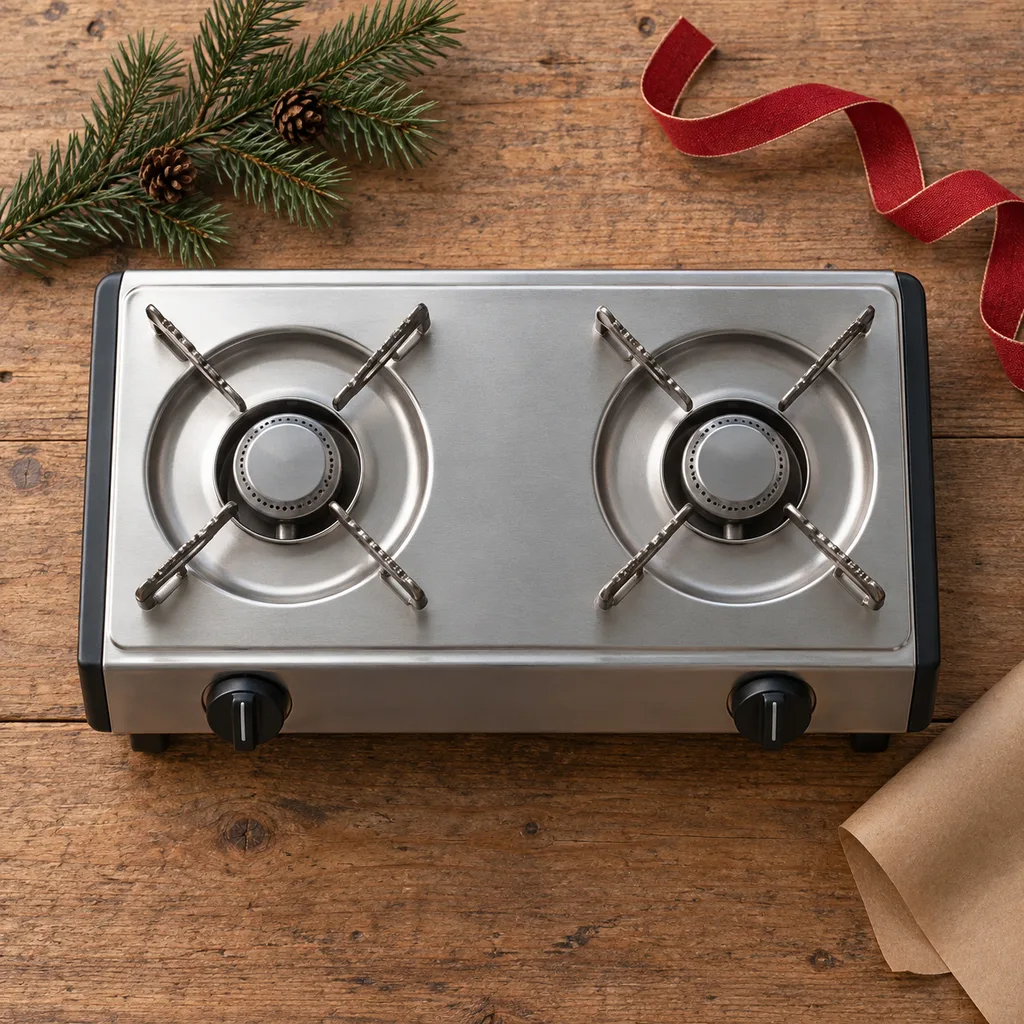
A two burner propane stove is the classic fold-up campsite stove. It lets someone fry bacon on one side while coffee or pancakes cook on the other. It suits families, groups of friends and anyone who cooks real meals at a drive-in site or cottage. Check the width between burners so two full-size pans fit side by side, whether each burner has its own control, and whether the lid and side panels block wind. Latches, handles and how flat it folds matter if it will be carried to the car often.
Perfect for family camping trips or group outings, this stove allows for cooking multiple dishes simultaneously with ease.
Looking for one person in particular? Shop by person.
Everything else
Showing 1–6 of 6