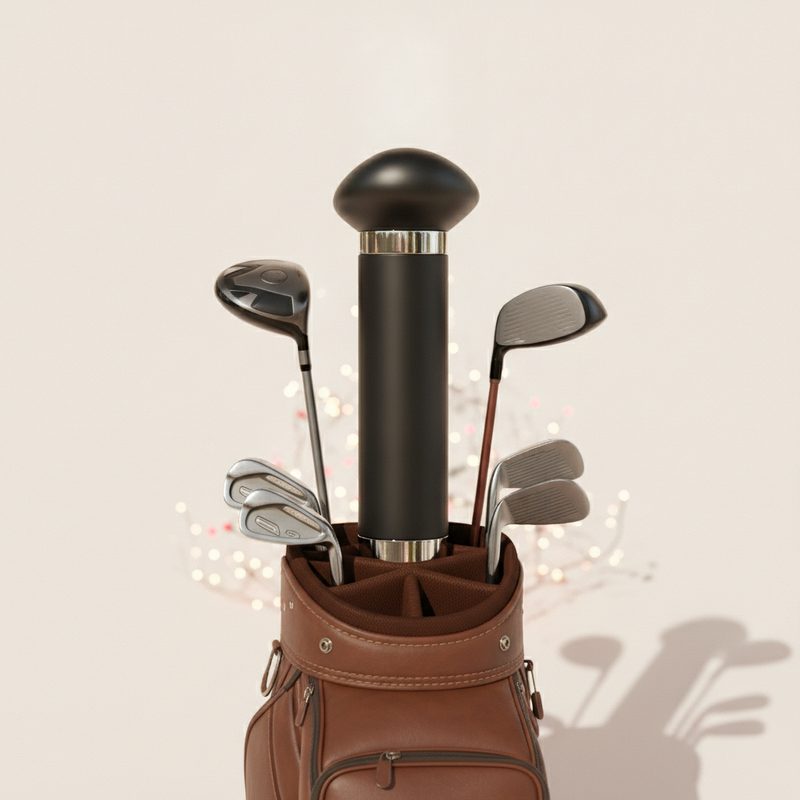
Golf swing alignment training sticks
Essential for golfers who want to improve their aim, stance, and ball position on the driving range or practice green.
Outdoors & Adventure
8 kinds worth knowing, 9 picks, and what to check before you buy.
Golf training aids suit the golfer who already has clubs and wants to hit better shots, whether that's a dad who plays every weekend or a brother who goes to the range after work. The ones that get used are simple and quick to set up. Golf alignment sticks and a putting practice mat are good examples, because they fit into a short session at the range or in the living room. When choosing, think about where the person actually practises and what they complain about after a round. A tool that fixes one real frustration will get used long after the one that promises to fix everything.
Kind 1 of 8
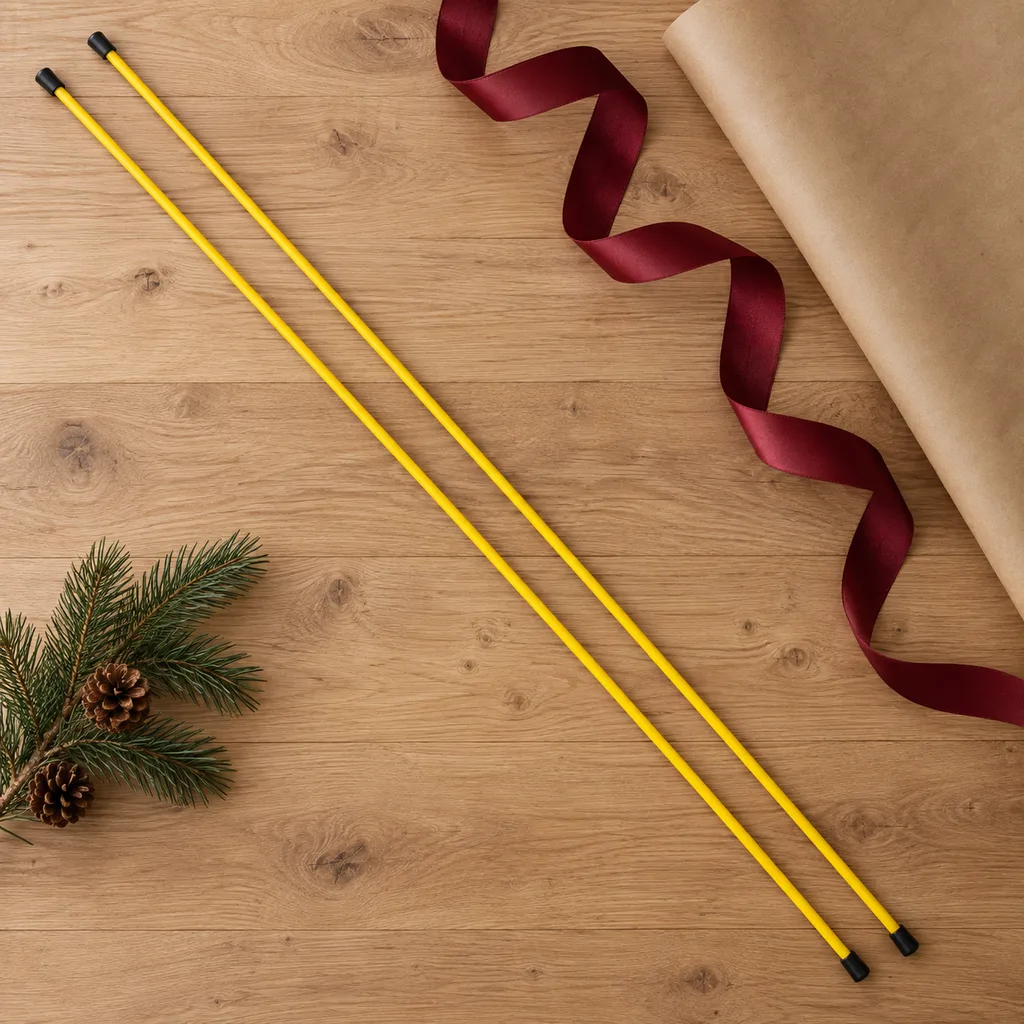
Alignment sticks are thin, light rods laid on the ground or pushed into the turf to show target line, ball position and stance width. Golfers at every level use them, and they also work for putting drills and swing plane checks. They suit anyone who practises at a range or on a lawn. Before buying, check the length, whether they come as a pair, whether a carry sleeve is included and how well the colour shows against grass. Bright colours and caps on the ends make them easier to spot and handle.
Essential for golfers who want to improve their aim, stance, and ball position on the driving range or practice green.
Kind 2 of 8
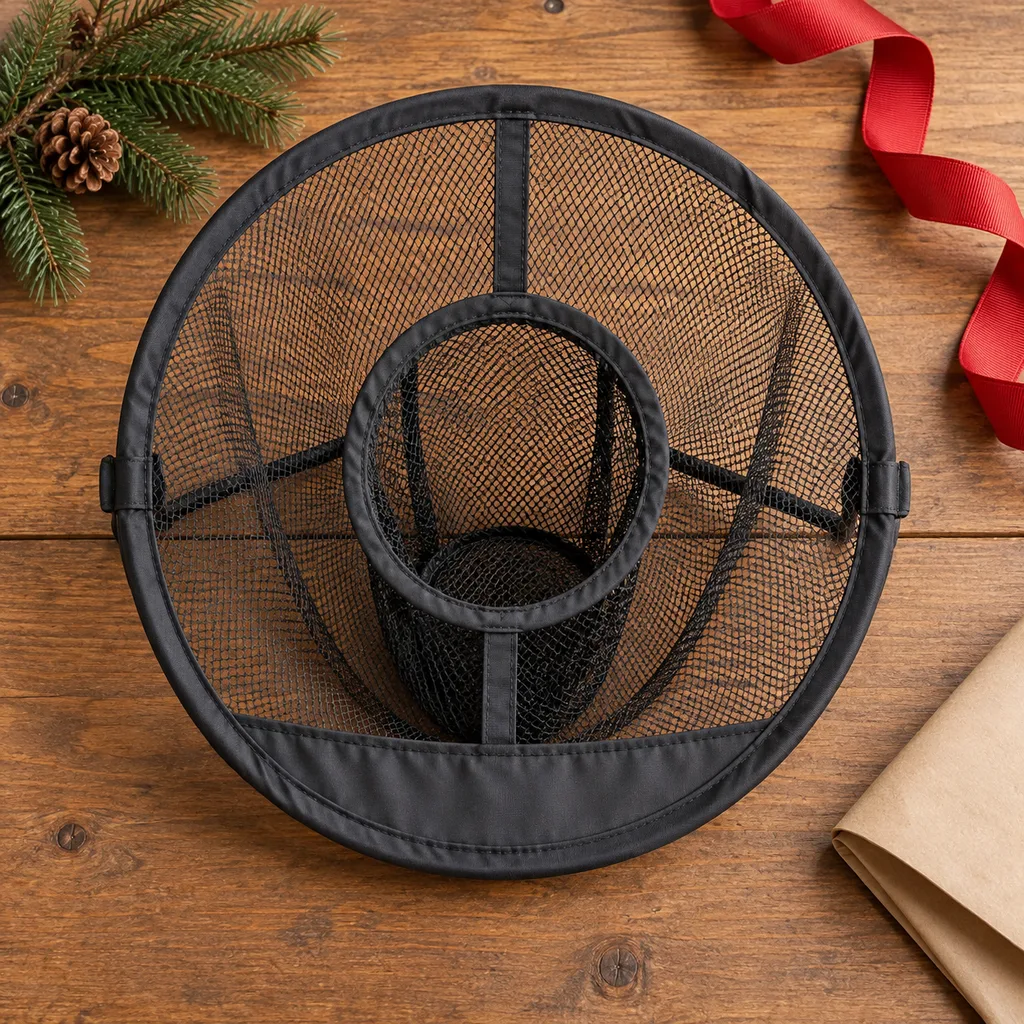
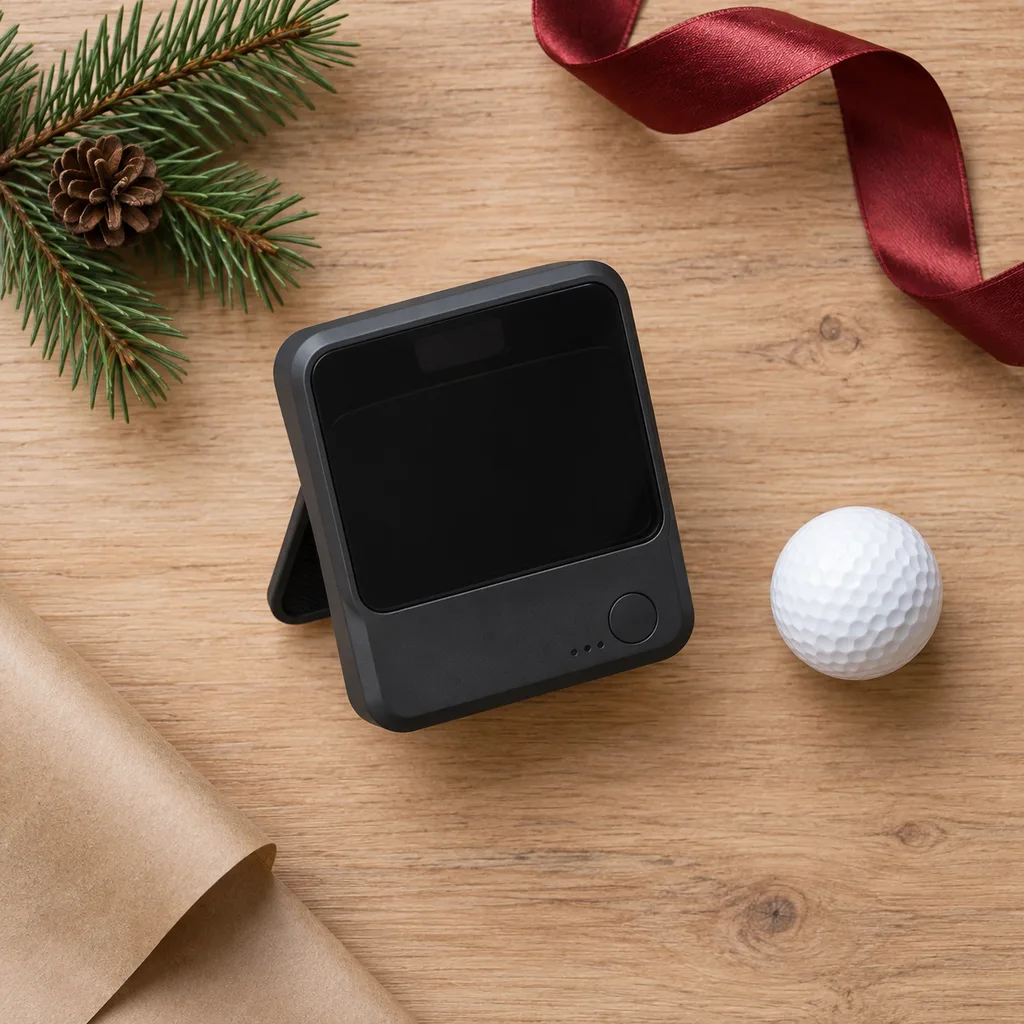
This broad group covers anything that helps a golfer practise away from the course: chipping nets, hitting mats and personal launch monitors that report ball speed and distance. It suits the golfer with a garage, basement or backyard who wants more reps between rounds. Check the space first, including ceiling height for full swings and room behind the net. For mats, look at thickness and whether a real tee can be used. For launch monitors, confirm which numbers it reports and whether it needs a phone or app.
Ideal for golfers looking to improve their short game and accuracy in a backyard or garage setting.
This mat provides instant feedback on swing path and club contact, helping golfers refine their iron and wedge shots.
This compact device offers data on swing speed, ball speed, and carry distance, empowering golfers to analyze their performance anywhere.
Kind 3 of 8
Swing trainers help a golfer feel tempo, sequence and a full turn, often through extra weight or a flexible shaft that punishes a rushed transition. A weighted training stick is a common choice for warming up or for short sessions at home. These suit golfers who talk about tempo, slicing or losing power late in a round. Check the overall weight and length against the person's size and strength, the grip style, and whether it can be swung indoors without hitting the ceiling.
This tool assists golfers in developing proper swing mechanics, tempo, and strength through repetitive motion.
Kind 4 of 8
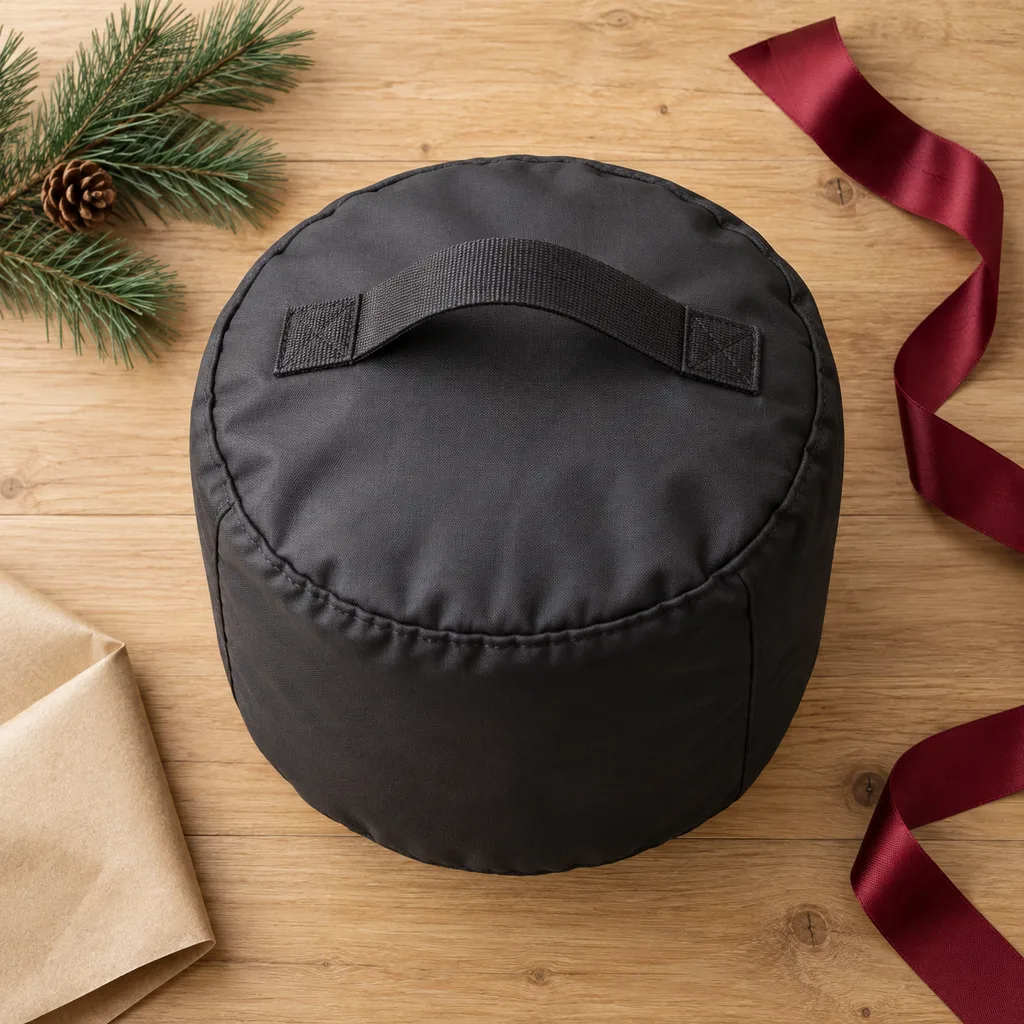
An impact bag is a heavy, padded bag a golfer swings into to feel the correct hand and body position at the moment of contact. No ball is needed, so it works in a garage or backyard where space is tight. It suits golfers working on flipping the wrists or weak contact. Before buying, check whether it is filled with towels or foam, how sturdy the outer fabric and stitching look, and whether it has a handle for moving it around.
This durable bag provides instant feedback on a golfer's impact position, helping to correct slices and hooks.
Kind 5 of 8
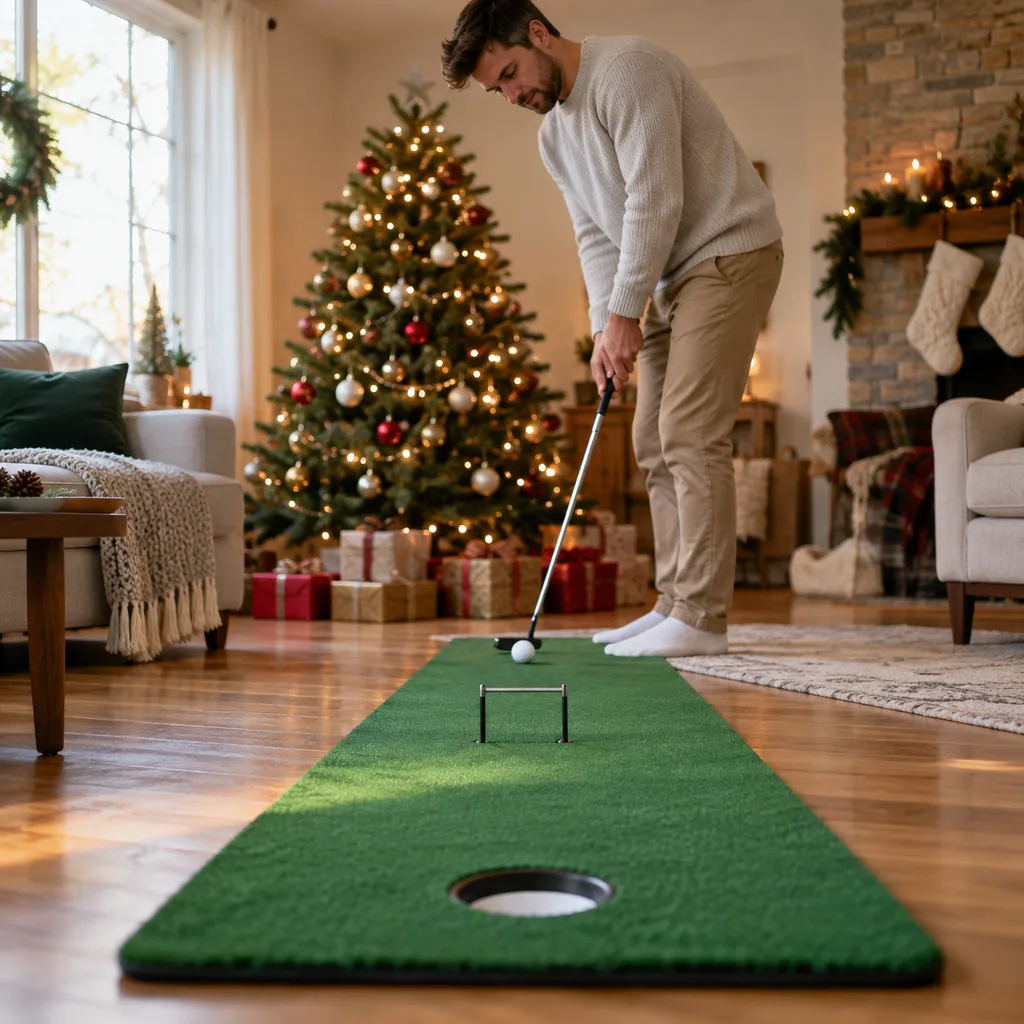
A putting mat is a length of artificial green with one or more holes, often with a return ramp so balls roll back. It suits the golfer who wants a few putts in the evening or at the office. Check the length against the room it will go in, how smooth the surface rolls, whether it lies flat without curling and whether it has alignment lines or several hole sizes. A mat that rolls up neatly is more likely to come back out after being put away.
This mat helps golfers refine their putting stroke and accuracy from the comfort of their home or office.
Kind 6 of 8
Putting training aids focus on the stroke itself: gates to keep the putter face square, mirrors to check eye position, and rails that show whether the path wanders. They suit golfers who lose shots on the green rather than off the tee. Look for something small enough to toss in a golf bag, simple to set up on a practice green or carpet, and clear about what it measures. Aids that give instant feedback are the ones that tend to get used.
Kind 7 of 8
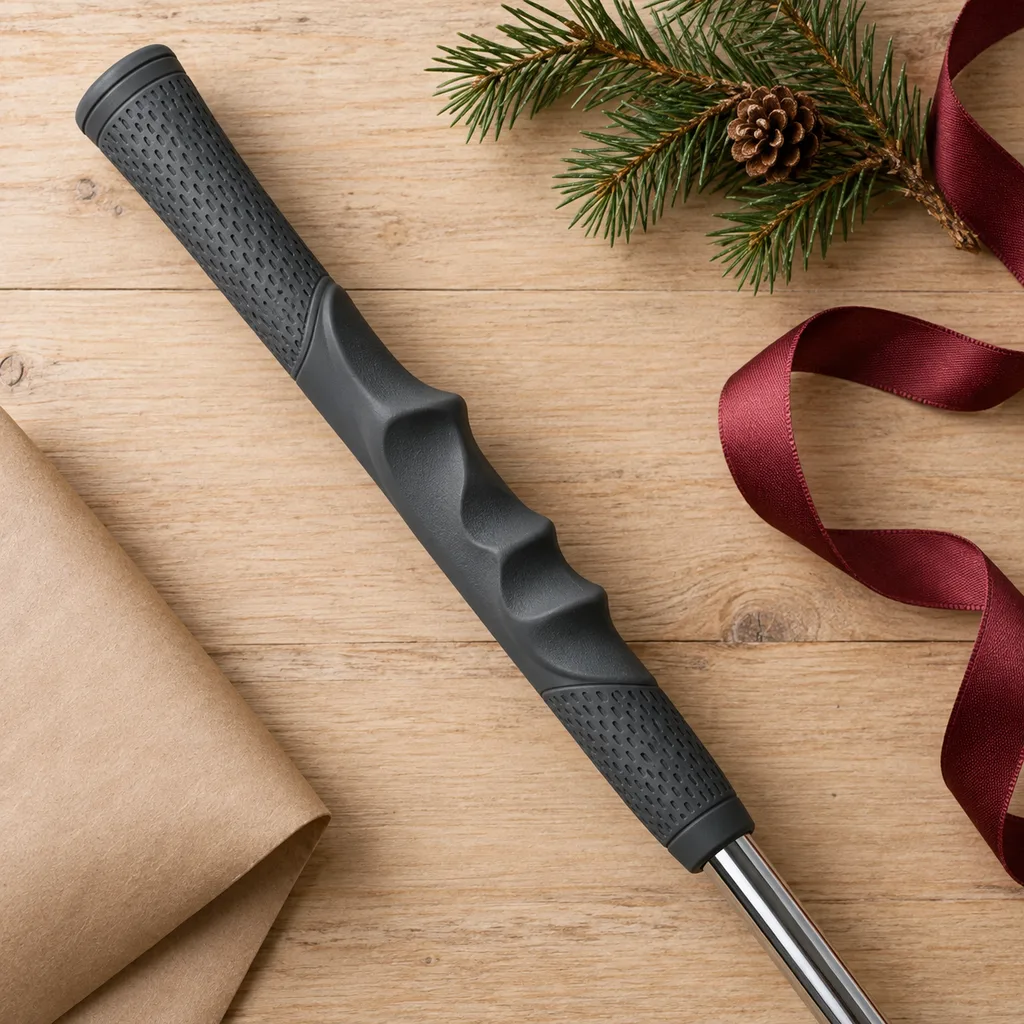
A grip training aid is a moulded grip or attachment that places the hands in the correct position on the club. Newer golfers learning the basics benefit most, but experienced players fixing a habit also use them. Check whether it fits a right- or left-handed golfer, whether it attaches to their own club or comes on a short shaft, and which grip style it teaches. Sizing matters too, since hands that are too big or small for the mould will not sit properly.
Designed to help golfers learn and maintain the correct hand placement for a consistent and powerful swing.
Kind 8 of 8
This group covers compact putting helpers such as alignment markers, putting gates and practice cups that work on a real green or on carpet. They make handy stocking stuffers for a golfer who already has a putting mat or practises on the course before a round. Check that pieces are sturdy enough to survive being carried around in a golf bag, easy to see on grass, and simple to set up without instructions. Fewer loose parts means less to lose.
Looking for one person in particular? Shop by person.
Everything else
Showing 1–9 of 9