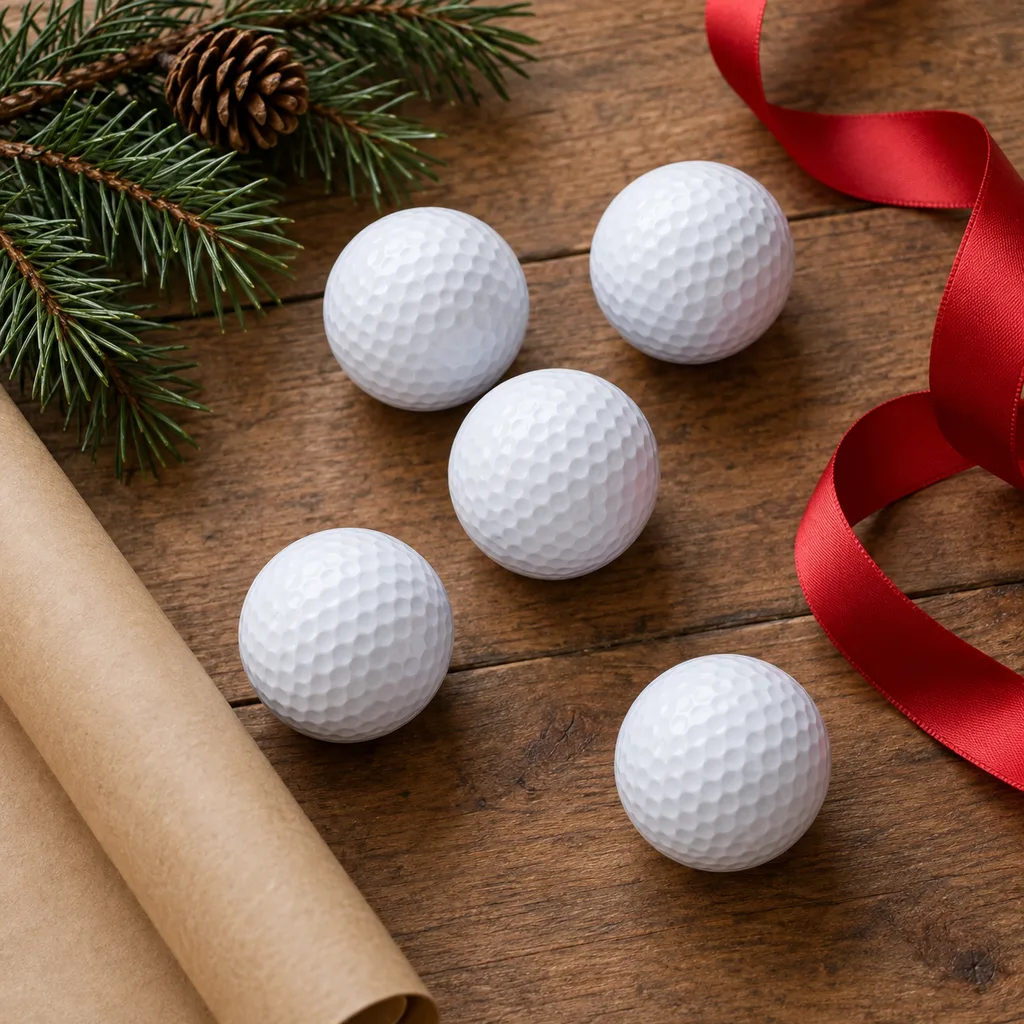
Long distance golf balls
Perfect for golfers who prioritize maximizing their tee shot length and want extra yardage on every drive.
Outdoors & Adventure
8 kinds worth knowing, 8 picks, and what to check before you buy.
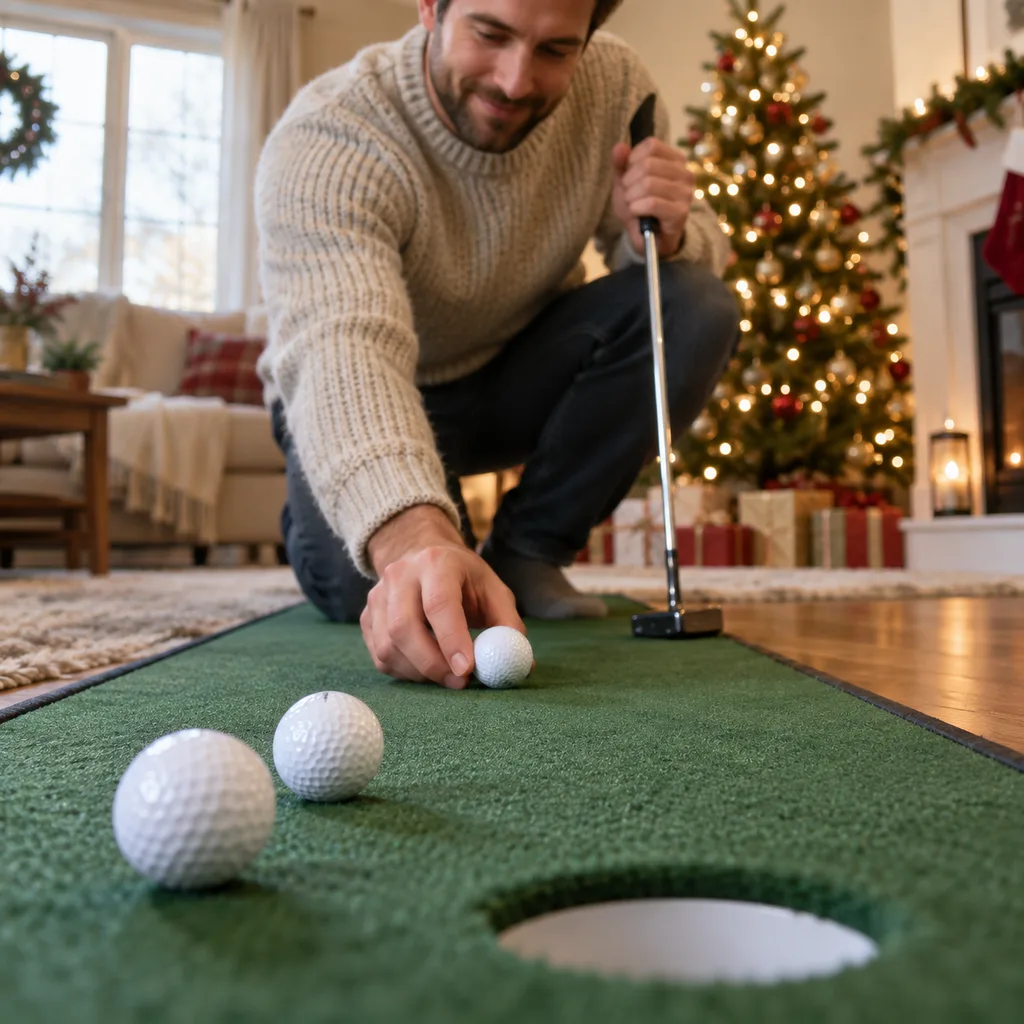
Golf balls are one of the few golf gifts that almost never go to waste. Every golfer loses them, and most would rather not buy more themselves. Dads and grandpas who play on weekends tend to go through a sleeve or two every round, so a box of balls gets used right away. To make it a better gift, match the ball to the player. A newer or casual golfer usually does better with forgiving, soft golf balls. A golfer who works on their game over the winter may get more use from practice golf balls they can hit indoors. Then think about how many they lose and how serious they are about the game.
Kind 1 of 8
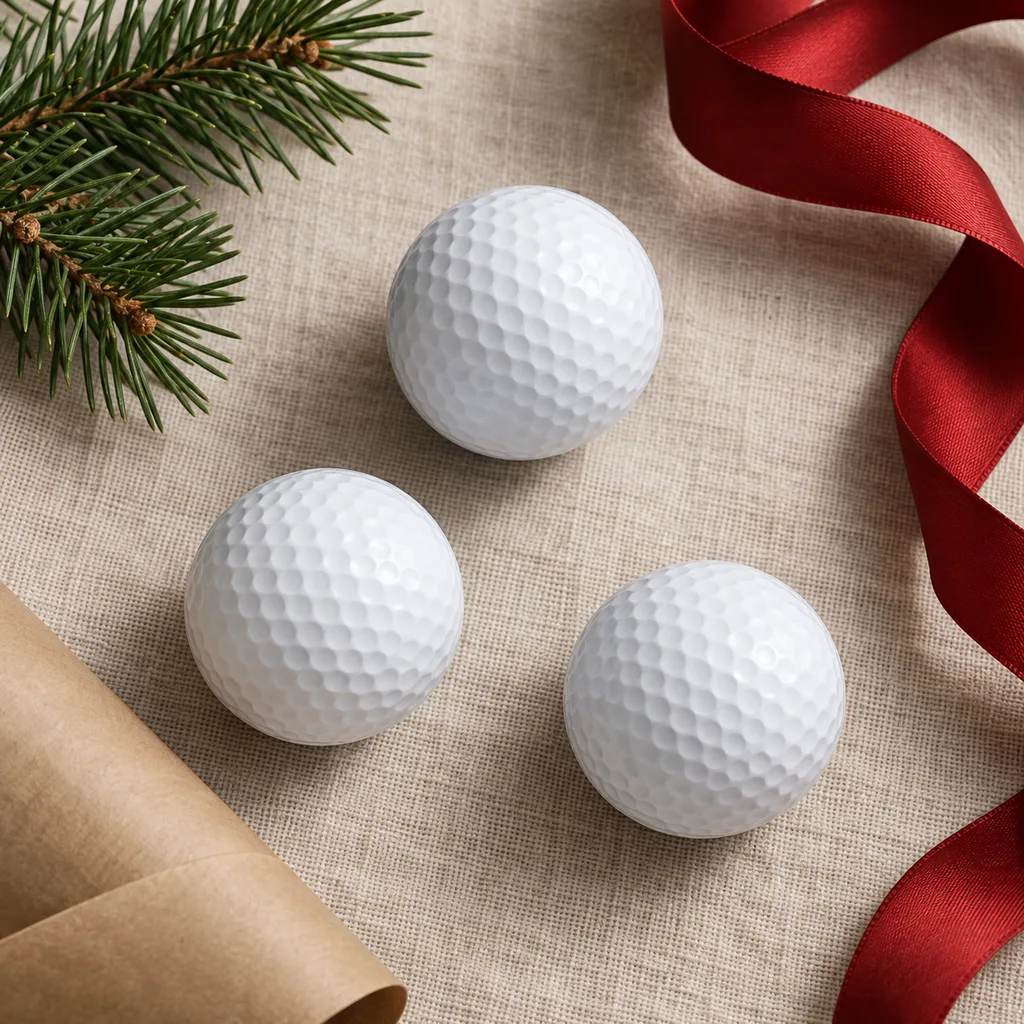
This is the broad middle of the market: two-piece and three-piece balls built for the average golfer's weekend rounds. Many are made for distance, with a firmer cover that helps the ball fly straight and roll out. They suit golfers who play often, lose a few balls each round and want something dependable. Before buying, find out whether the person already sticks to one type of ball. If they do, buying the same one is usually safer than guessing. If they don't, a distance ball in a full dozen suits most casual players.
Perfect for golfers who prioritize maximizing their tee shot length and want extra yardage on every drive.
Kind 2 of 8
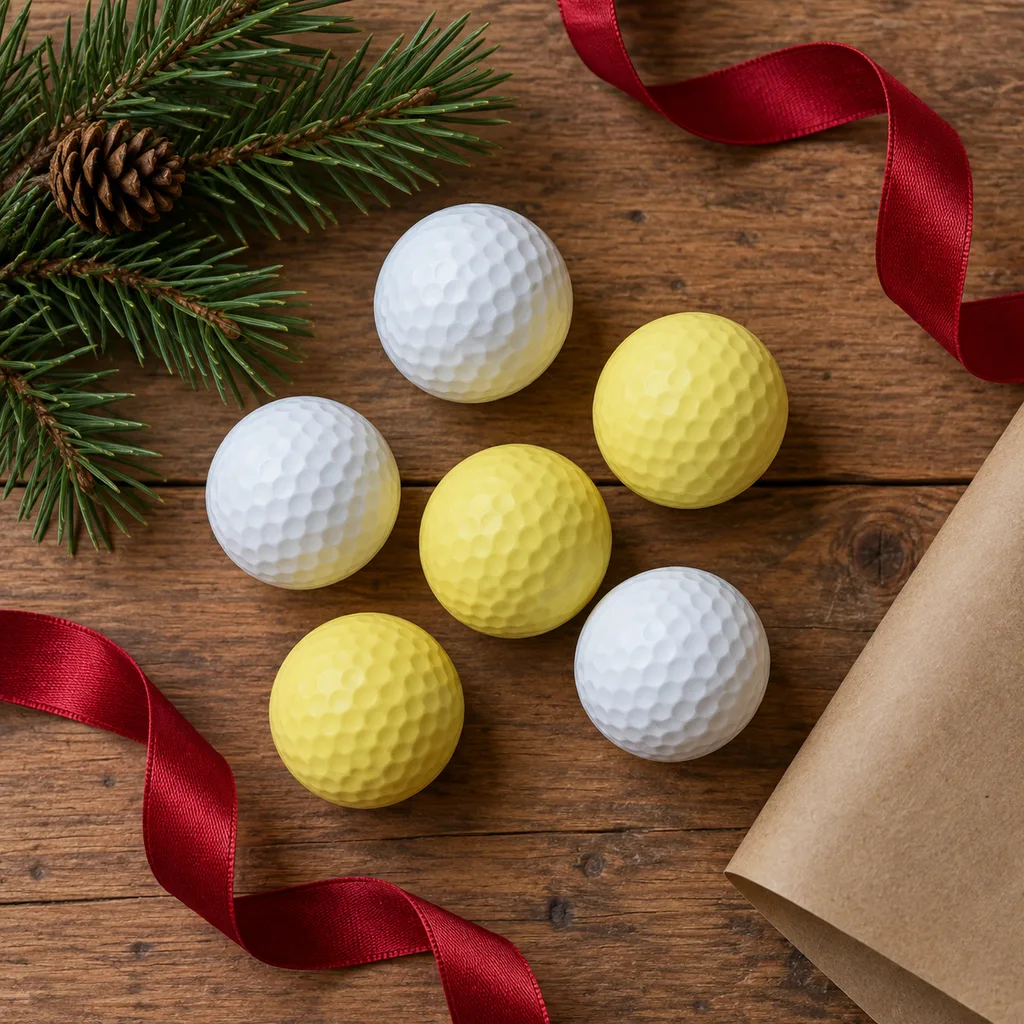
Practice balls include foam, plastic and limited-flight balls meant for short swings indoors, in a yard or at a range. Floating balls are meant for ponds and water ranges. These make sense for golfers who keep practising through the Canadian winter or who have a hitting net at home. Check where the balls will be used first. Foam and hollow plastic balls work in a garage or basement. Limited-flight balls need more room. Floating balls only matter if the person has water to hit into.
Great for golfers who want to refine their swing mechanics safely indoors or in a backyard setting without full flight.
An innovative solution for golfers who frequently encounter water hazards and want to retrieve their balls easily.
Kind 3 of 8
Newer golfers lose a lot of balls and don't yet gain much from the spin and feel of premium ones. A simple, low-compression ball is easier to get into the air with a slower swing, and it tends to curve less on off-centre hits. This suits someone who took up the game recently or a grandparent who plays for fun. Look for a larger count rather than a fancier ball, since many will end up in the trees. A bright colour can also help them find the ball.
Kind 4 of 8
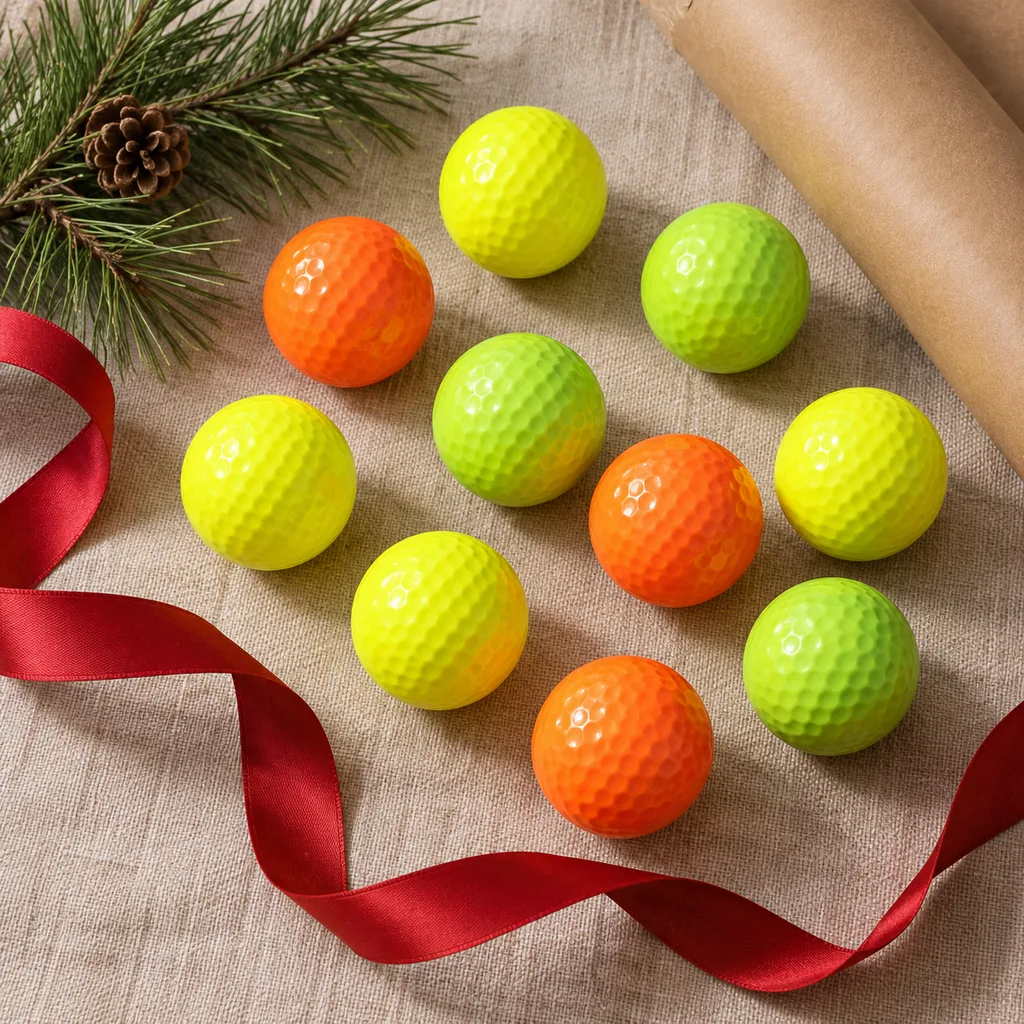
Coloured balls come in pink, yellow, orange and green, often with a matte finish that stands out against grass and leaves. Many golfers pick them simply because they're easier to follow in the air and find in the rough, especially players whose eyesight isn't what it used to be. Pink is also a popular choice for charity events and as a fun gift. Check that the colour comes on a ball that suits the player's swing, since coloured versions exist at every level, from beginner models to tour-style balls.
An ideal choice for golfers who frequently lose balls or play in challenging light conditions like dawn or dusk.
Kind 5 of 8
Soft balls use a low-compression core, so they feel gentle off the face of the club and are easier to compress with a slower swing. Many older golfers and casual players like them for the quieter, softer feel on putts and chips. They suit a dad or grandpa who doesn't swing hard but still wants the ball to go a reasonable distance. Keep in mind that the softest balls can give up a little distance for very fast swingers, so they're best for relaxed, steady players.
Perfect for golfers with slower swing speeds seeking a softer feel and easier compression for improved distance and comfort.
Kind 6 of 8
Value usually comes down to quantity and fit rather than chasing the newest model. Multi-dozen boxes, last season's version of a good ball, and packs of several sleeves all give a golfer plenty to play. This approach suits someone who loses balls often and isn't fussy about the exact model. Check the ball construction and count before buying, and make sure an older model is still new in the box. For many golfers, more balls of a decent type will be more useful than fewer premium ones.
Kind 7 of 8
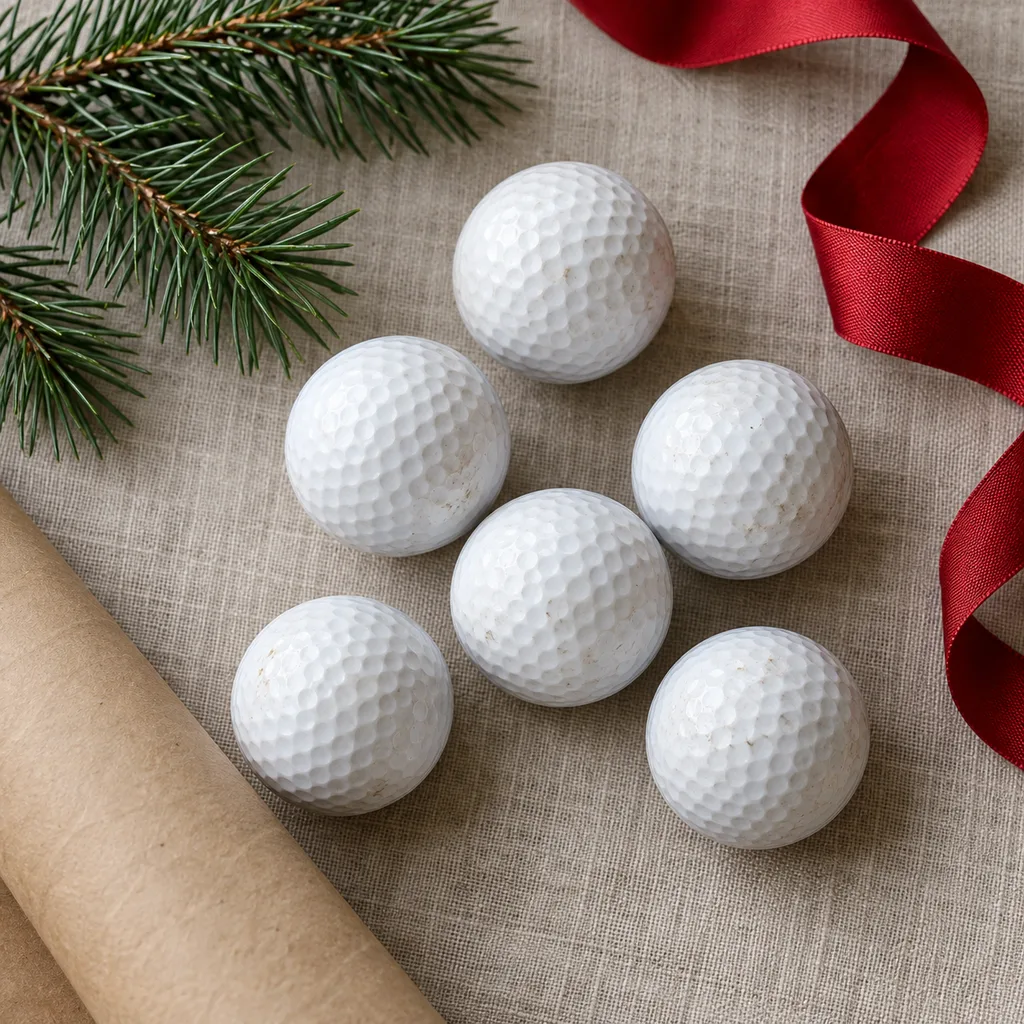
Recycled balls are recovered from ponds and roughs, then cleaned, sorted and graded by condition. The better grades look close to new, while lower grades show scuffs or marks. They suit golfers who lose balls regularly, like playing good models without worrying about losing them, or prefer reusing over buying new. Before buying, check the grade, whether the balls are one model or a mixed assortment, and whether they've been refinished. Balls that were only cleaned tend to play more like the originals than repainted ones.
A practical and eco-conscious gift for any golfer looking for quality balls at a more accessible value.
Kind 8 of 8
Tour-level balls have urethane covers and multi-layer construction. They give more spin around the greens and more control on approach shots. They suit keen golfers with faster, repeatable swings who notice how the ball stops on the green. For casual players, most of that extra spin goes unused, and a sliced drive can curve further. Before buying, find out whether the person already plays a premium ball and which version. Golfers at this level often have a strong preference between firmer and softer models.
Ideal for dedicated golfers seeking consistent flight and feel across various shots and course conditions.
Excellent for players who value precision around the green and desire more spin for stopping power and shot shaping.
Looking for one person in particular? Shop by person.
Everything else
Showing 1–8 of 8