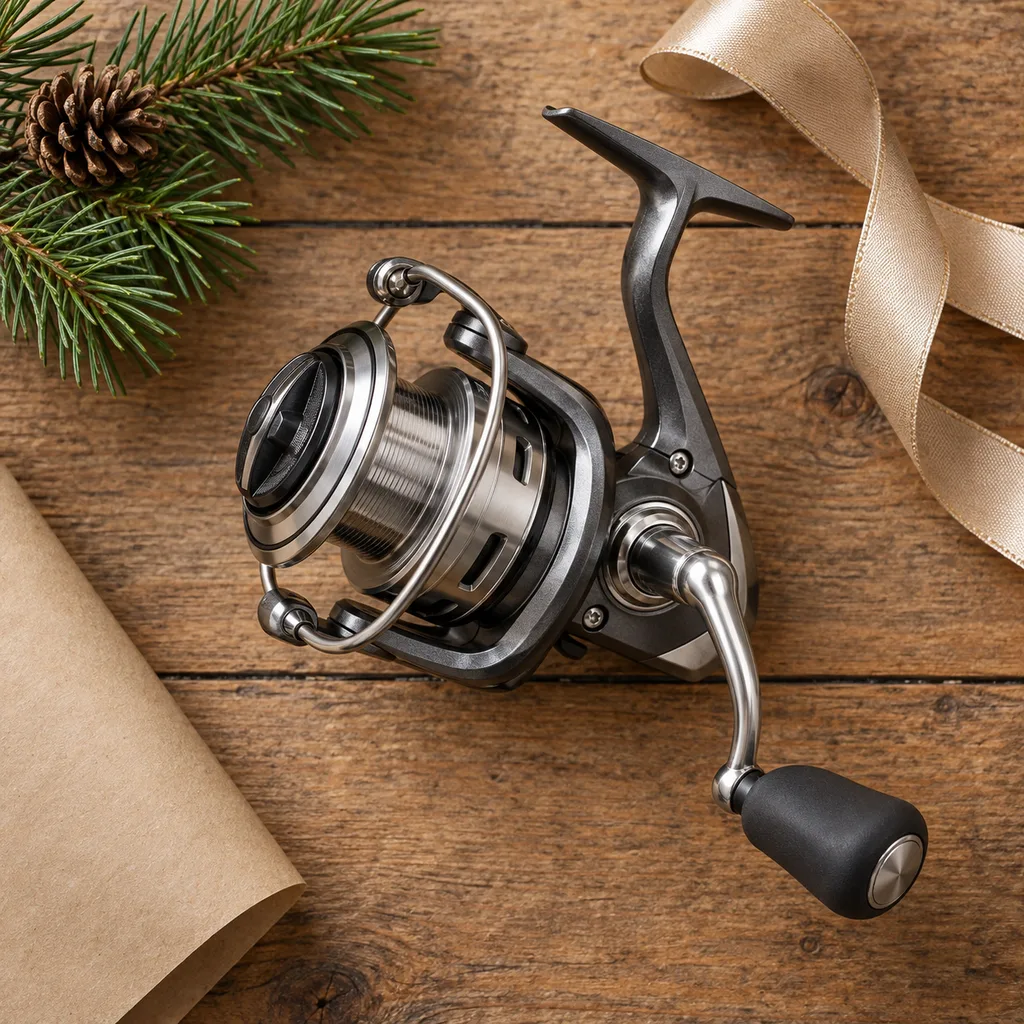
Versatile spinning fishing reel
This reel is ideal for beginners and experienced anglers alike, offering ease of use for various freshwater and light saltwater fishing techniques.
Outdoors & Adventure
7 kinds worth knowing, 7 picks, and what to check before you buy.
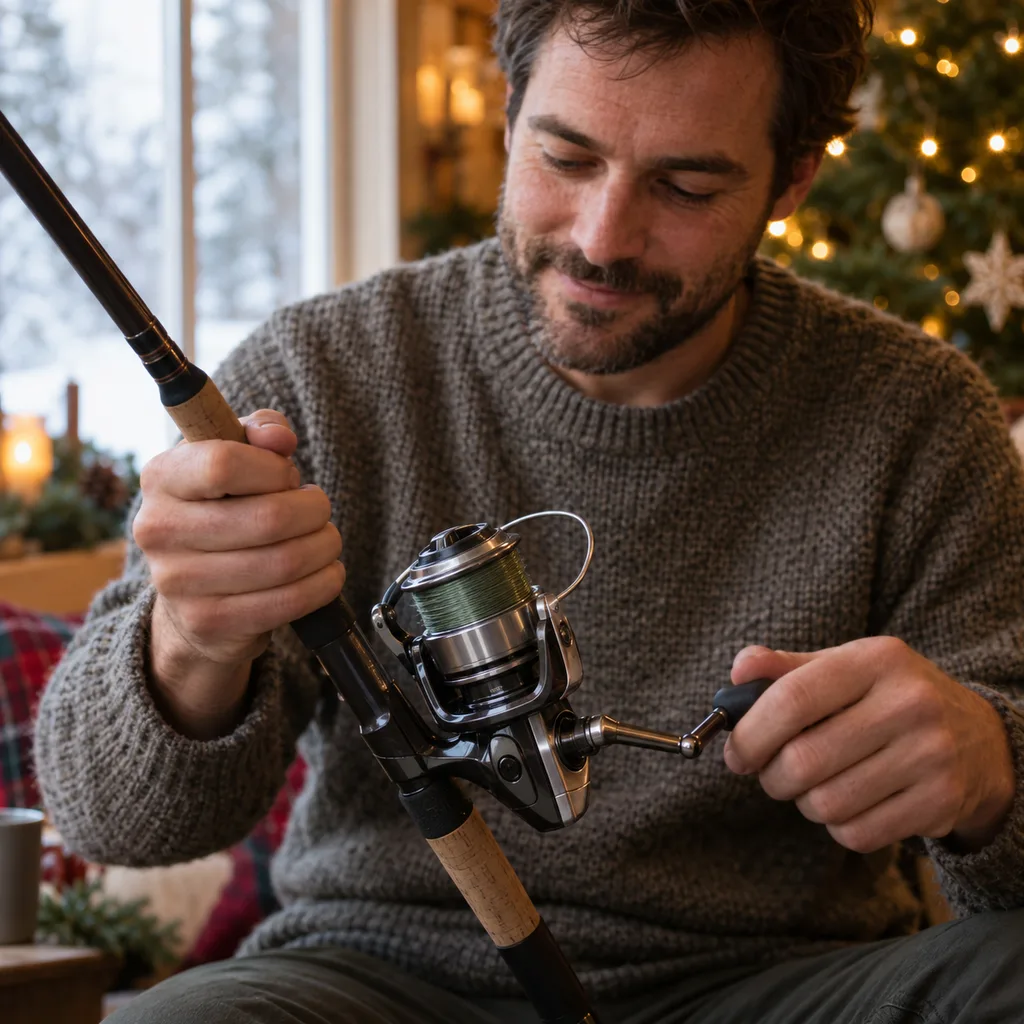
A reel is one of the most personal pieces of gear an angler owns, so it makes a good gift when it fits how the person actually fishes. Most people who fish from docks, shorelines and small boats use a spinning reel, while beginners and kids often do better with a simple spincast reel. Think about where they fish, what they're after and the rod they already own. A reel that matches their setup gets used every weekend. One that doesn't fit usually stays in the box. If you're unsure, pick a versatile, all-round size over something specialized.
Kind 1 of 7
A spinning reel hangs under the rod and has an open face with a bail that flips to release line. It's the most common reel in North America and handles everything from panfish and trout to bass and walleye. It suits almost anyone, from a weekend dock angler to someone who fishes several times a week. Before buying, check the reel size against the rod and the fish they target. Smaller sizes suit light line and small fish, and mid sizes cover most lake fishing. Look for a smooth drag, a comfortable handle and a spool that holds enough line for their usual water.
This reel is ideal for beginners and experienced anglers alike, offering ease of use for various freshwater and light saltwater fishing techniques.
Kind 2 of 7
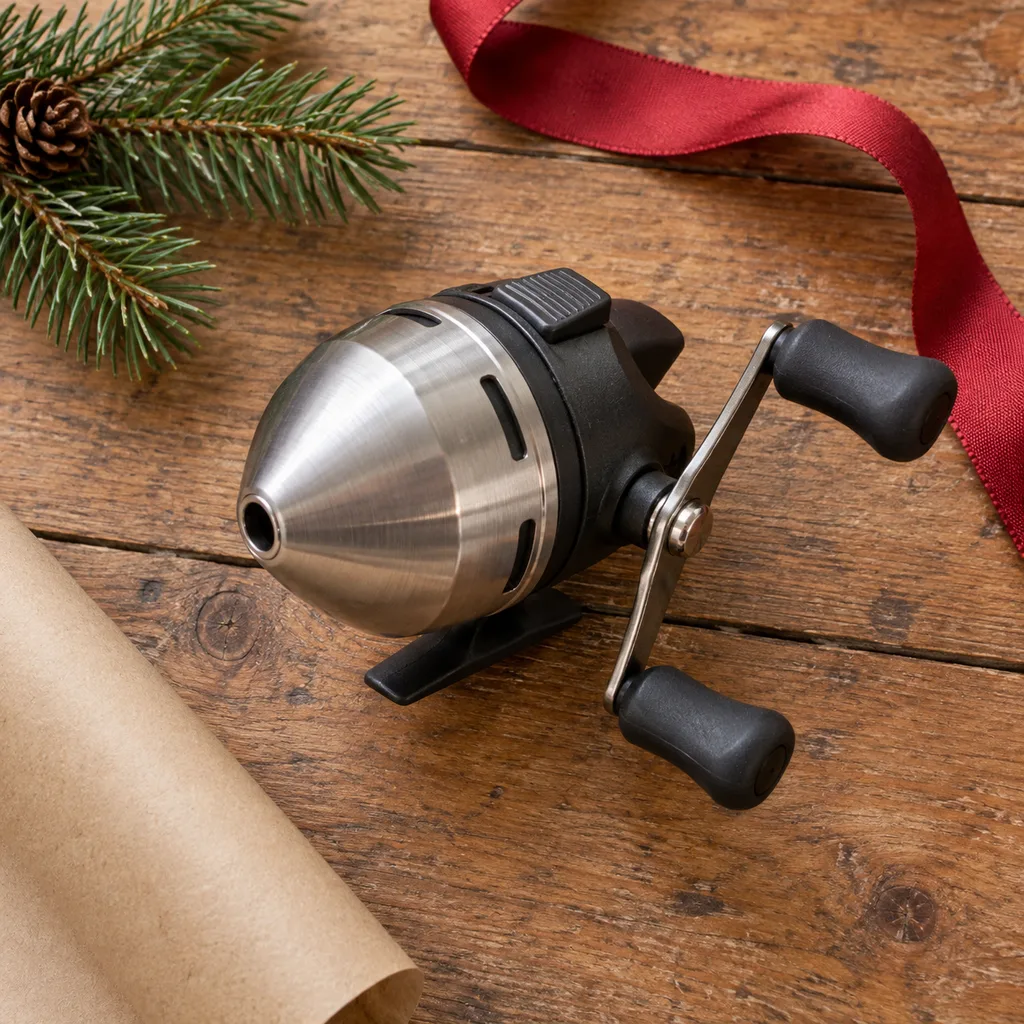
A spincast reel has a closed nose cone and a push button that releases line, so it's about as easy to cast as a reel gets. That makes it a natural first reel for kids, grandkids or an adult who's just starting out, and it tangles less than open-face designs. It's best with lighter line and smaller fish around docks and shorelines. Check that the button feels easy to press for small or older hands, that the reel mounts on top of a standard casting rod, and whether it comes pre-spooled with line so it's ready on the first outing.
Perfect for children or new anglers, this reel offers straightforward operation with a push-button casting mechanism.
Kind 3 of 7
An electric reel uses a motor to bring in line, which helps when fishing very deep water or hauling heavy weights for long stretches. People use them for deep-drop saltwater fishing, deep lake trout and sometimes when grip strength or arm fatigue makes hand cranking hard. They're a specialist tool, so they suit someone who already fishes offshore or in deep water often. Before buying, find out what power source their boat has, what line capacity they need and whether the reel will match a heavy-duty rod they already own.
Kind 4 of 7
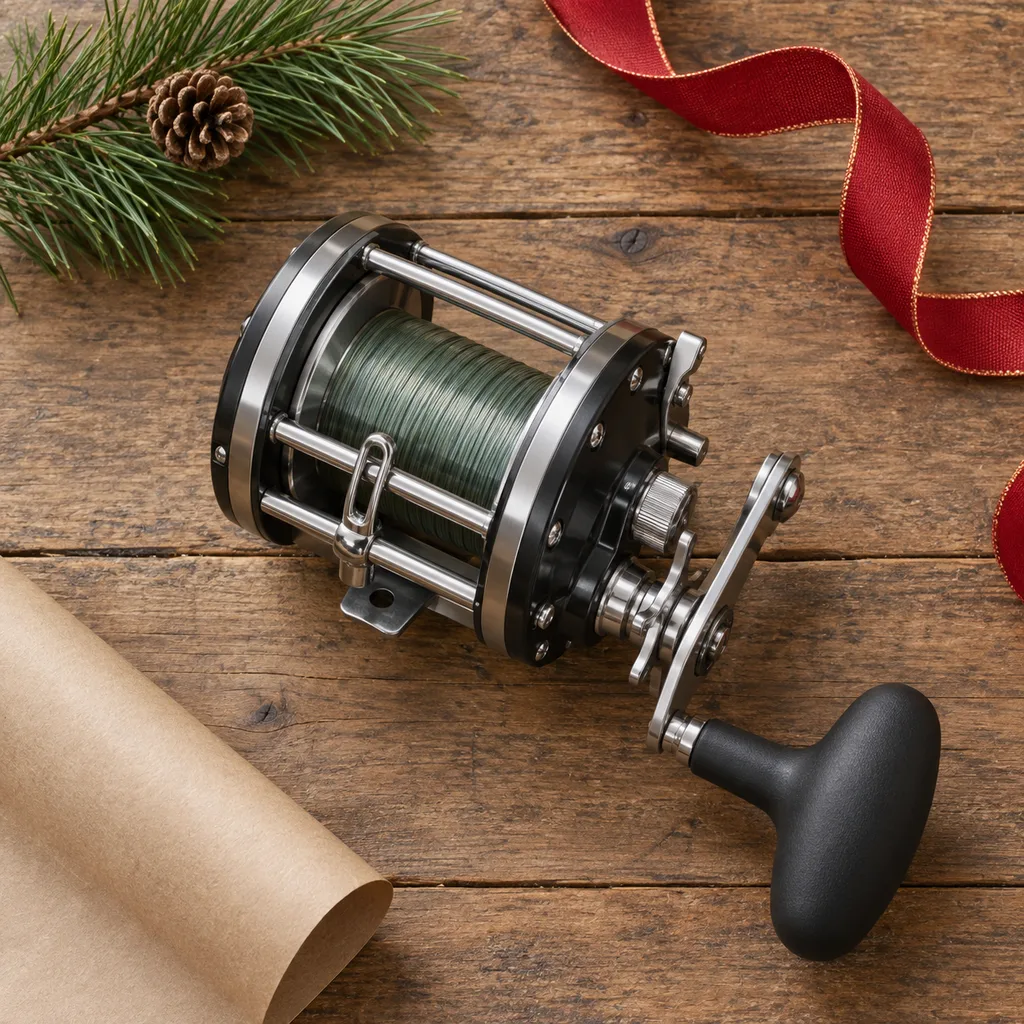
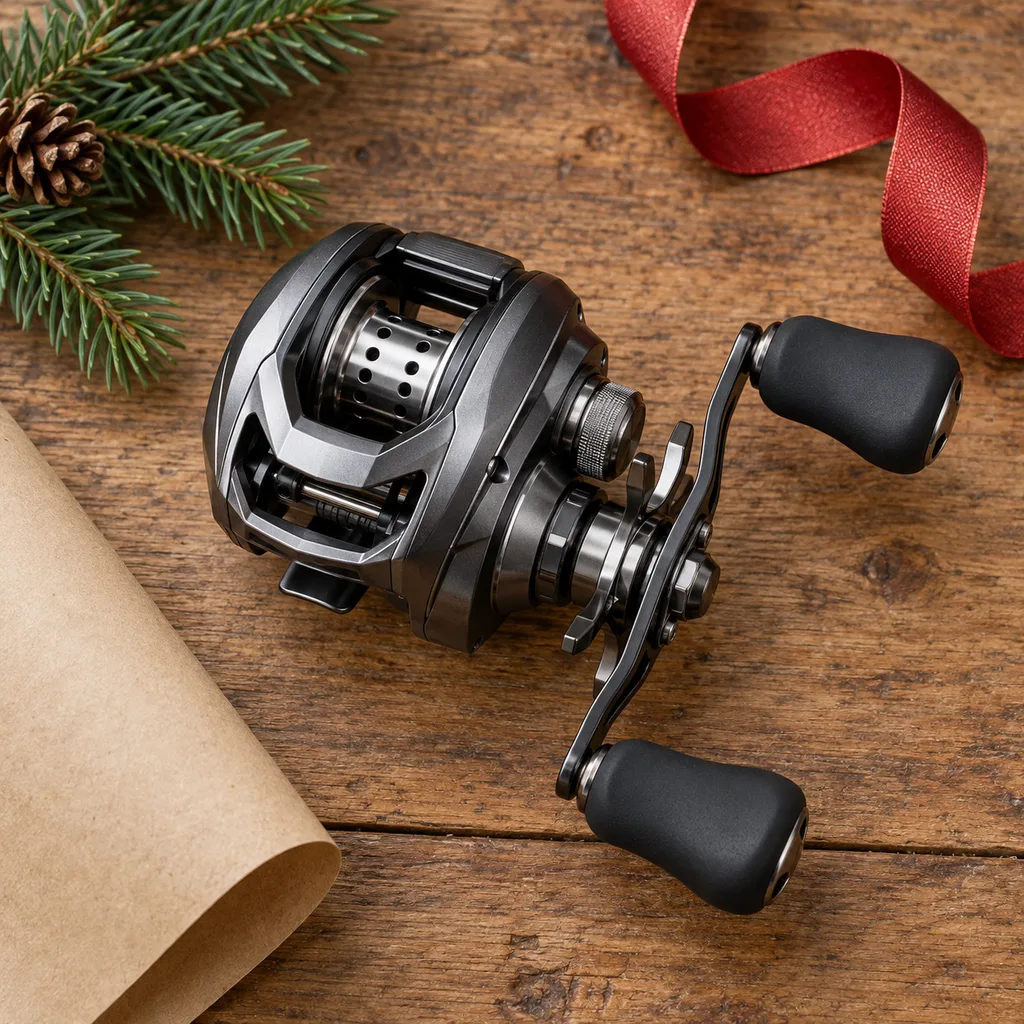
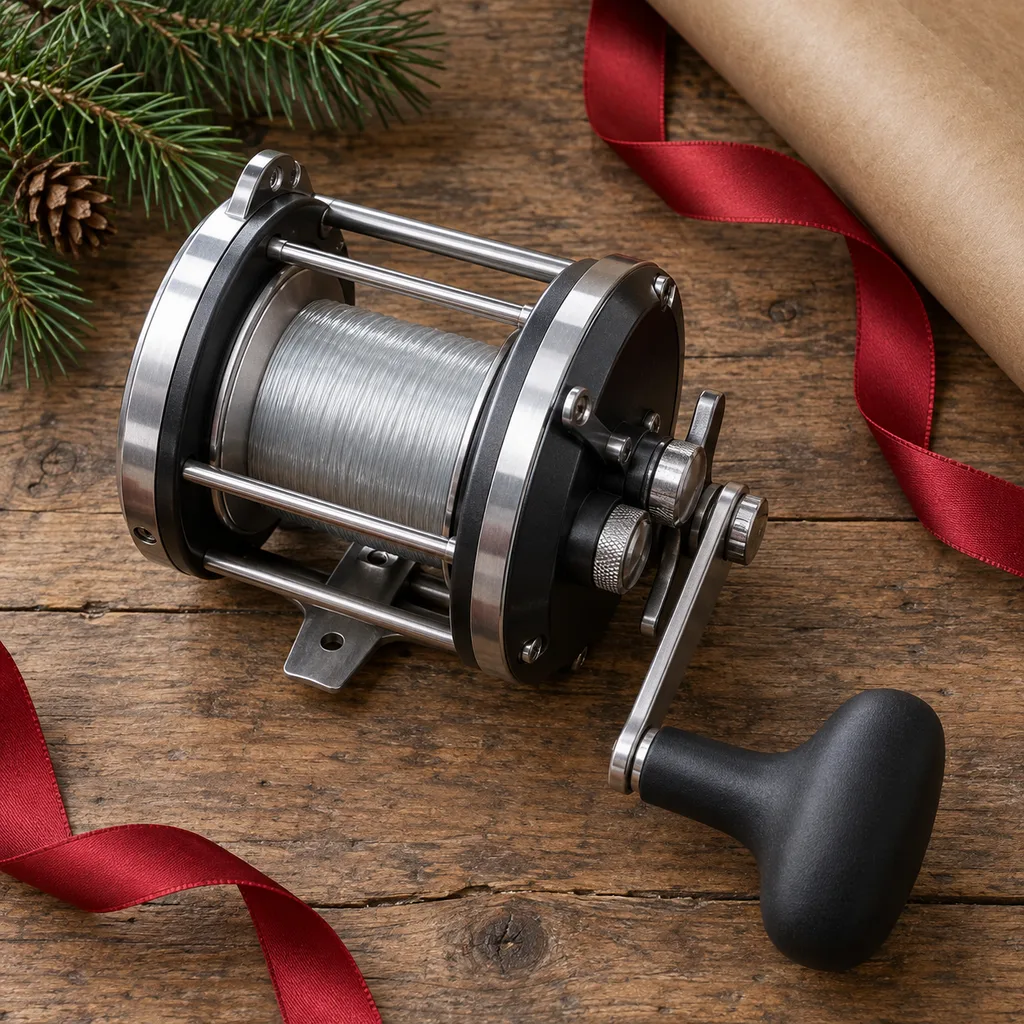
Conventional reels sit on top of the rod with a revolving spool, and baitcasters are the smaller, more precise version of the same idea. They give strong cranking power and accurate casts, which is why bass anglers, pike and musky fishers, and saltwater anglers use them. They take practice, since a poor cast can create a backlash tangle, so they suit someone with some experience. Check whether they cast left- or right-handed, the gear ratio they prefer, the line capacity and whether they want a low-profile baitcaster or a larger round reel for heavy fish.
Favored by saltwater anglers, this reel offers immense power and line capacity for battling large, strong fish in demanding conditions.
Designed for experienced anglers, this reel provides exceptional control and accuracy for casting heavier lures with precision.
Kind 5 of 7
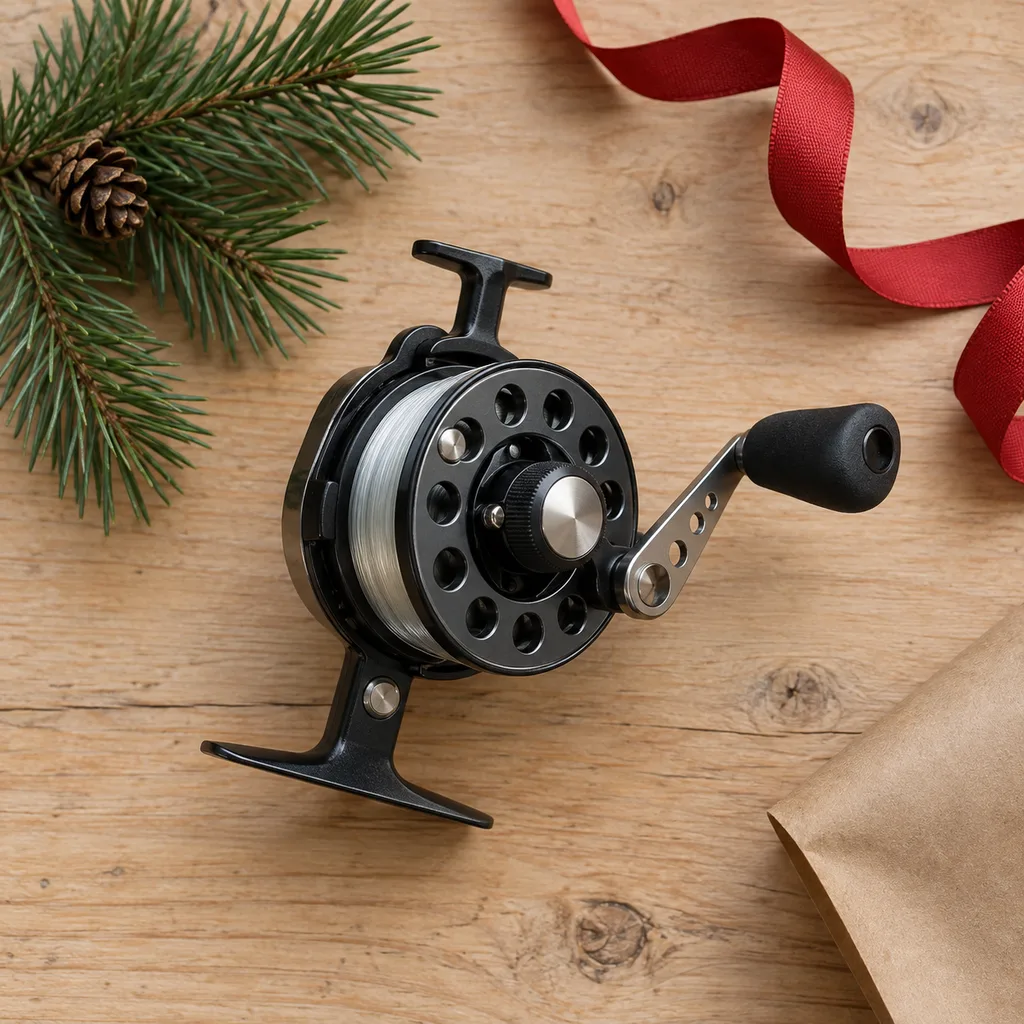
Ice fishing reels are small and light, made to pair with short ice rods for jigging through a hole. Some are compact spinning reels, others are simple inline reels that let line come off straight to cut down on twist. They suit anyone who heads out on frozen lakes for perch, walleye, crappie or trout each winter. Check that the reel fits their ice rod, that the handle and controls are easy to work with gloves on, and that the drag stays smooth in cold weather. Inline styles are good for finesse jigging with light line.
Specifically designed for cold conditions and small fishing holes, this reel offers precise control for jigging through the ice.
Kind 6 of 7
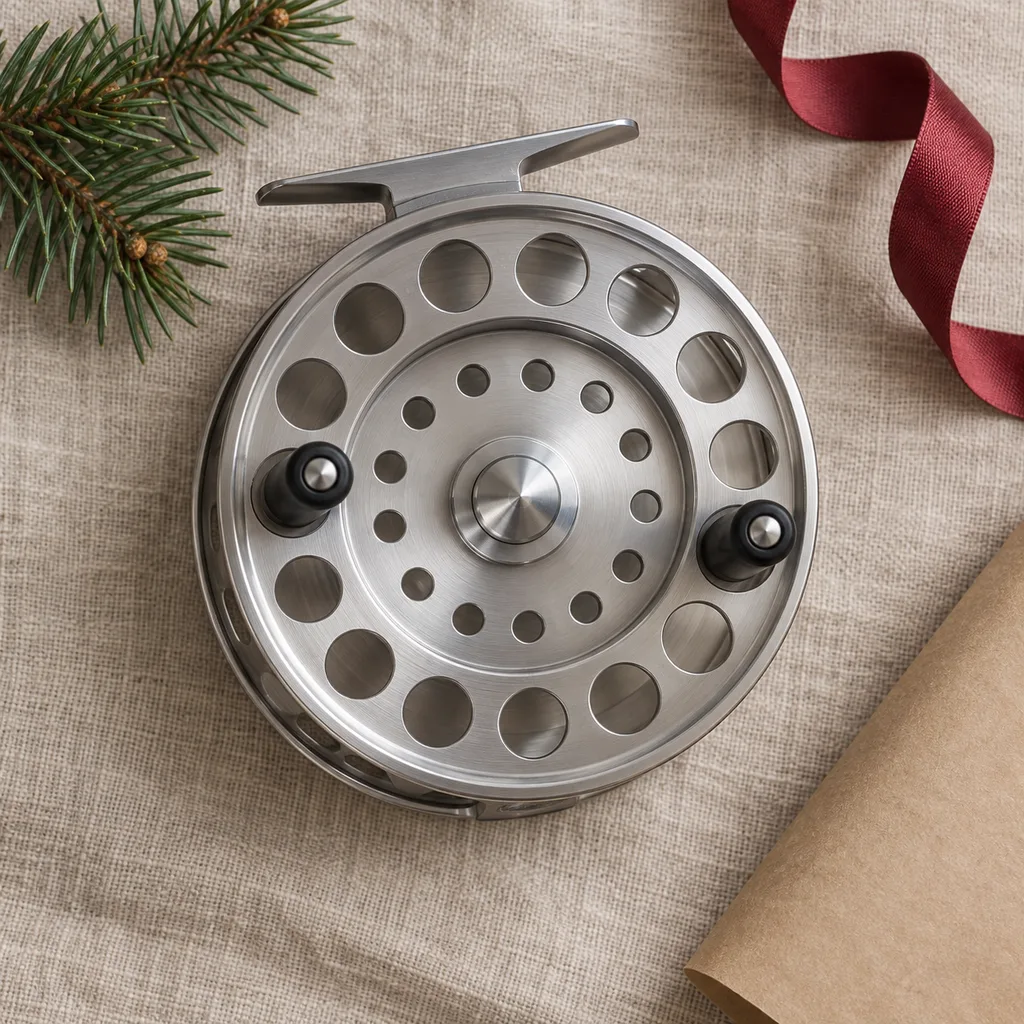
Beyond the usual types, some anglers want something more particular. A centrepin reel spins freely on a single axis and is popular with river anglers who float bait for steelhead and salmon, letting line drift naturally with the current. It suits patient, experienced anglers who enjoy a traditional feel. Whatever style you choose, confirm the kind of fishing they do, the rod they plan to use and the line weight they prefer. Asking a fishing buddy or checking their current gear is the easiest way to get it right.
Ideal for float fishing enthusiasts, this reel provides incredibly smooth line release for natural bait presentation in rivers.
Kind 7 of 7
Trolling reels are conventional-style reels made to hold lots of line and handle long runs from fish while the boat moves. Many have a line counter so the angler can repeat the depth that's producing fish. They suit someone who trolls for salmon, lake trout or walleye on big lakes or the coast. Before buying, check the line capacity against the depth and fish they target, whether they want a line counter, which hand they crank with and whether it will fit their rod holders and trolling rods.
Built for offshore and deep-water fishing, this robust reel handles heavy lines and large fish while trolling from a boat.
Looking for one person in particular? Shop by person.
Everything else
Showing 1–7 of 7