Winter Car Emergency Kit
Jumper cables, folding shovel, cold-weather basics — parental worry, in a bag.
Outdoors & Adventure
8 kinds worth knowing, 11 picks, and what to check before you buy.
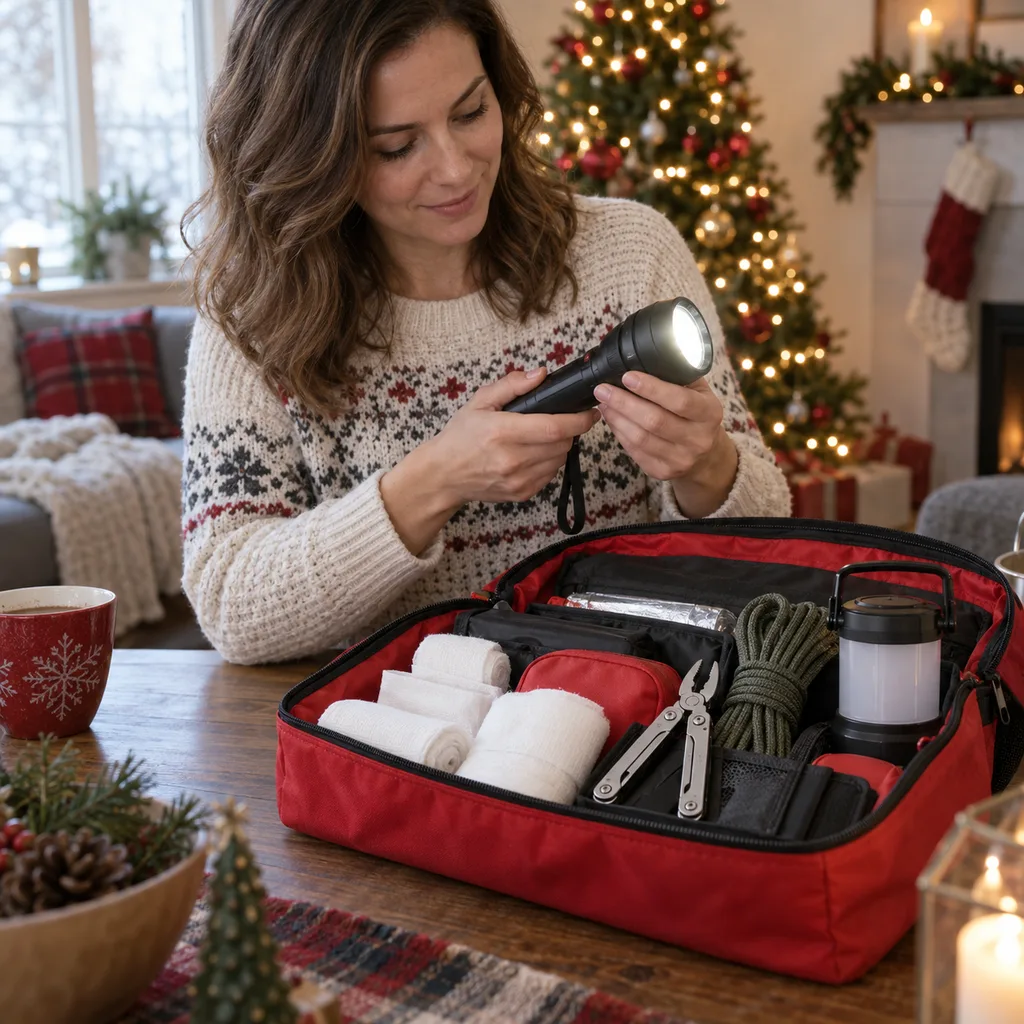
Emergency gear makes a practical gift for the driver with a long winter commute, the cottage owner, the camper, or the new homeowner who hasn't got around to stocking up. The best of it goes in the trunk or the hall closet and gets pulled out more often than expected: a flat tire on a back road, a power outage, a scraped knee at the trailhead. Think about where the person spends their time and what they already carry. A car emergency kit suits someone who drives the highway in January. An emergency radio fits a household that loses power in storms. Pick something that fits their routine, not a worst-case scenario.
Kind 1 of 8
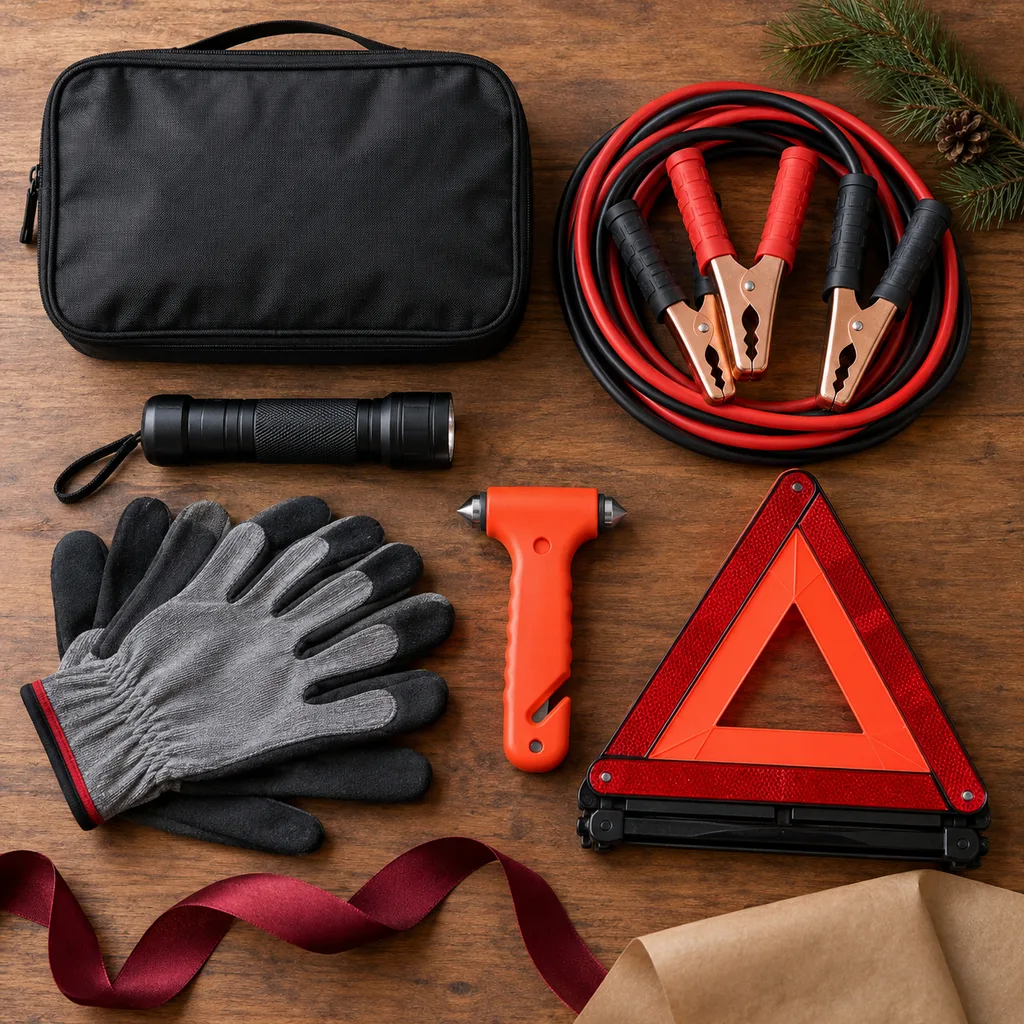
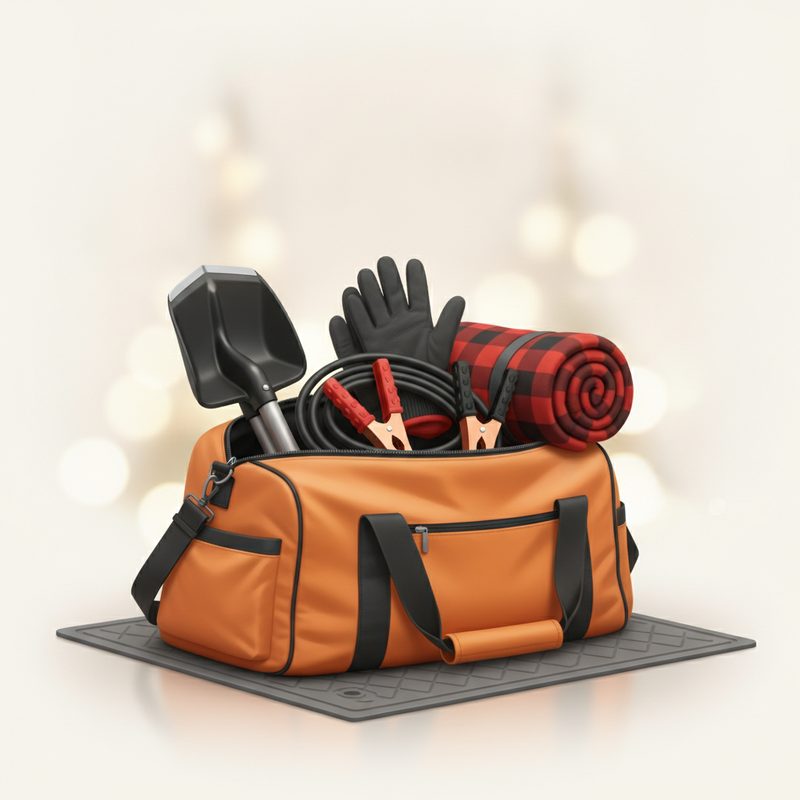
A car emergency kit puts the basics for a roadside breakdown into one bag that stays in the trunk. It usually holds booster cables, a flashlight, gloves, a thermal blanket and a few tools. It suits new drivers, students heading off with their first car, and anyone who commutes on rural roads through the winter. Look at what's actually inside rather than the number of pieces, since those counts often include bandages and zip ties. Check that the bag is small enough to fit beside the spare tire. Also think about whether the person already owns cables or a scraper, so the kit gives them something new.
Jumper cables, folding shovel, cold-weather basics — parental worry, in a bag.
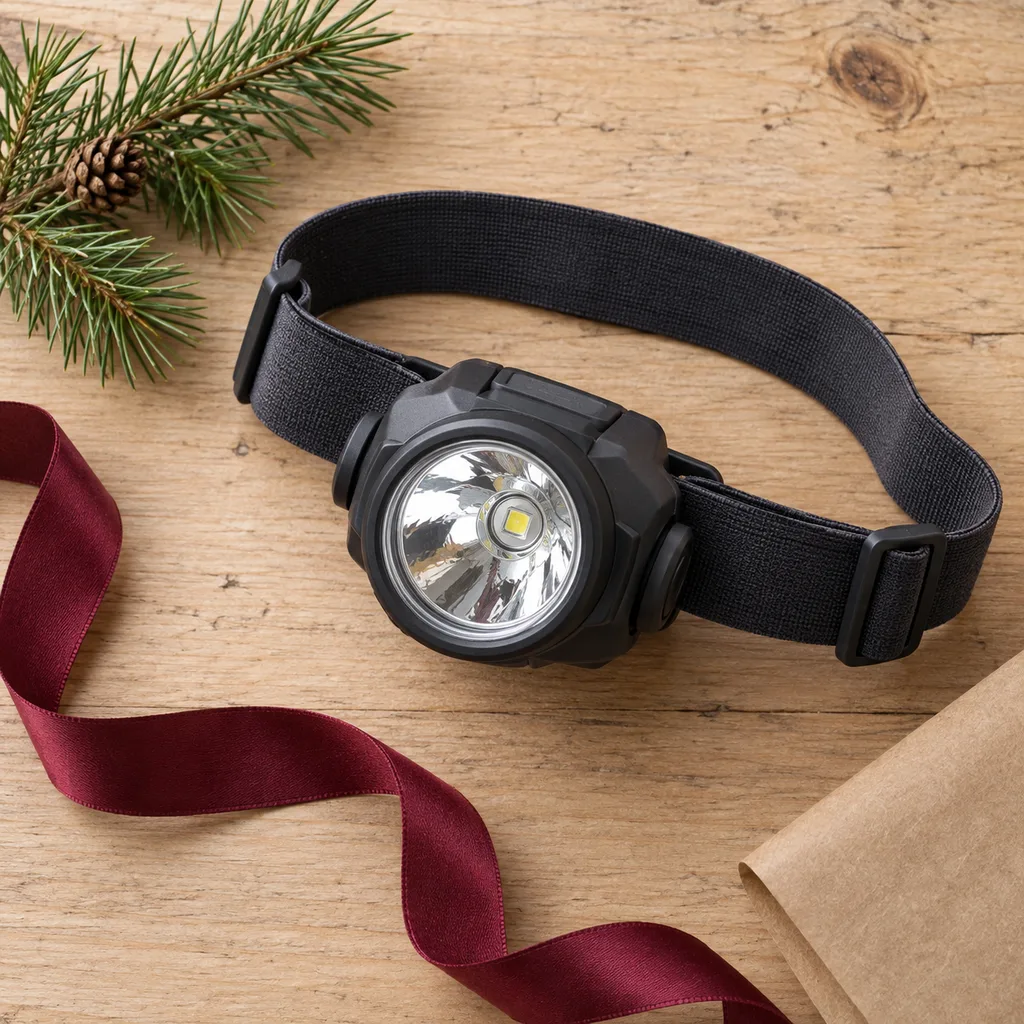
Provides hands-free illumination for navigating in the dark, performing tasks, or signaling during emergencies.
Kind 2 of 8
A car first aid kit is a mid-size kit that sits in the glove box or a seat pocket. It holds more than a pocket kit but takes up less room than a home cabinet. It suits parents doing school runs, road-trippers, and anyone who drives kids to hockey. Check that the case closes firmly and can handle the heat and cold of a parked car. It helps if the contents are labelled or sorted into compartments, and if refills for common items are easy to find. A soft case slides under a seat more easily than a hard box.
Kind 3 of 8
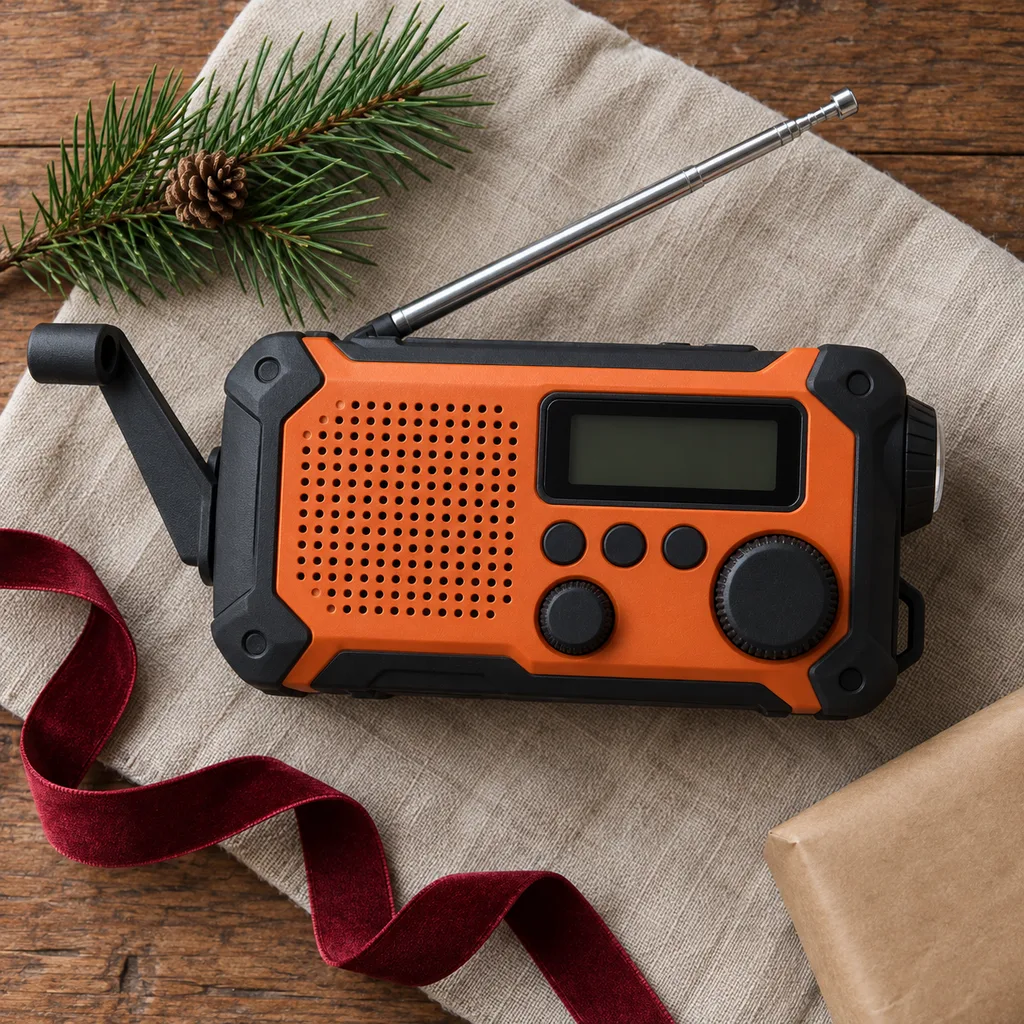
An emergency radio picks up AM, FM and weather broadcasts without needing to be plugged in. It runs on a hand crank, a solar panel, batteries, or some mix of these. Many can also charge a phone and have a small light built in. It suits households in areas that get ice storms and outages, cottage owners, and anyone who likes being prepared. Before buying, confirm it gets weather band broadcasts where the person lives and count how many ways it can be charged. Also check the size: some fit in a pocket and others are meant to sit on a shelf.
Stay informed during power outages and severe weather with a reliable radio that provides crucial alerts and news.
Kind 4 of 8
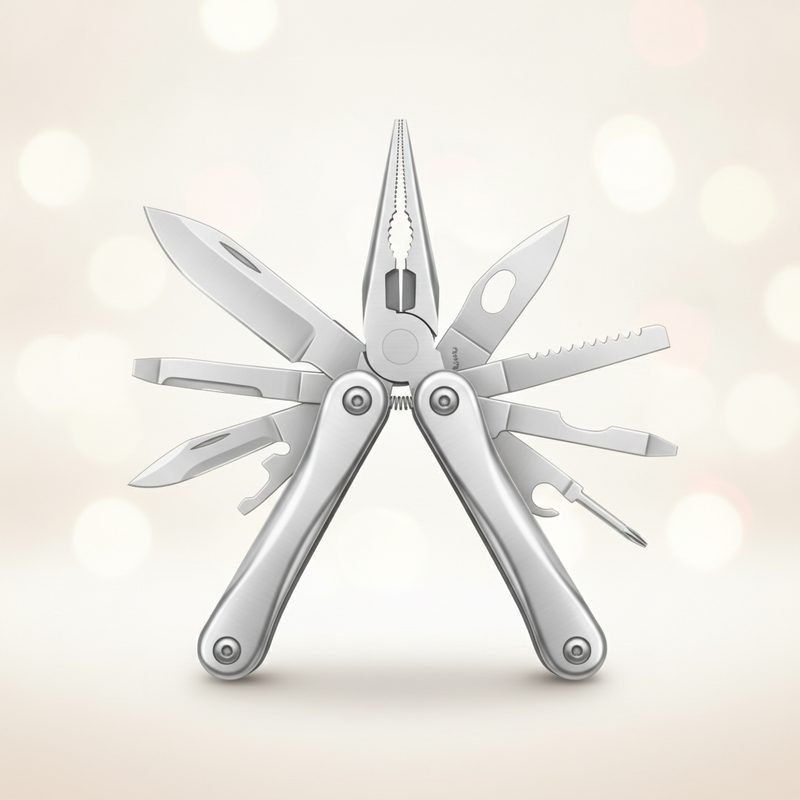
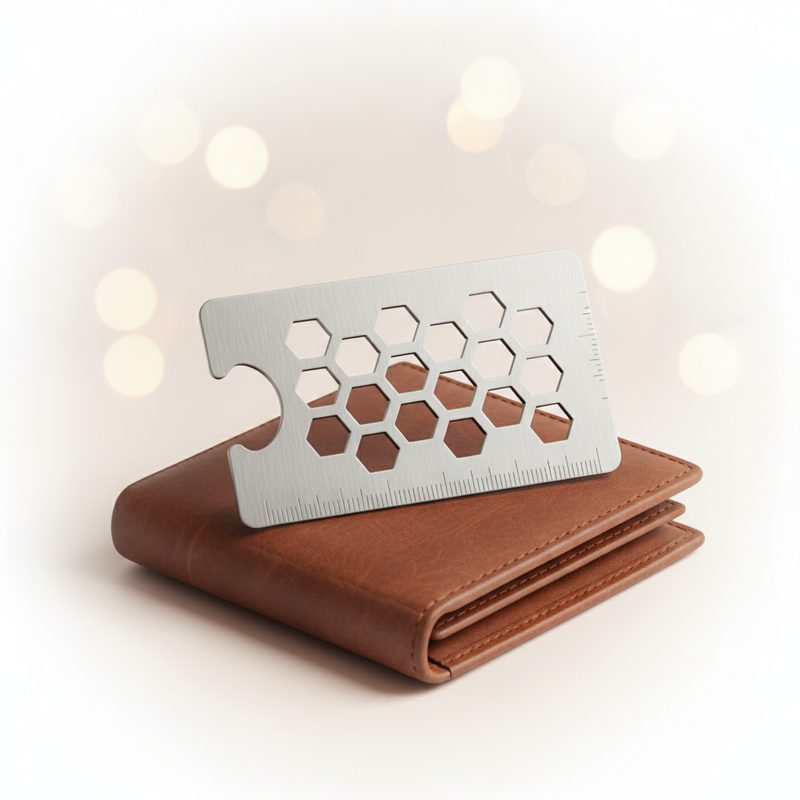
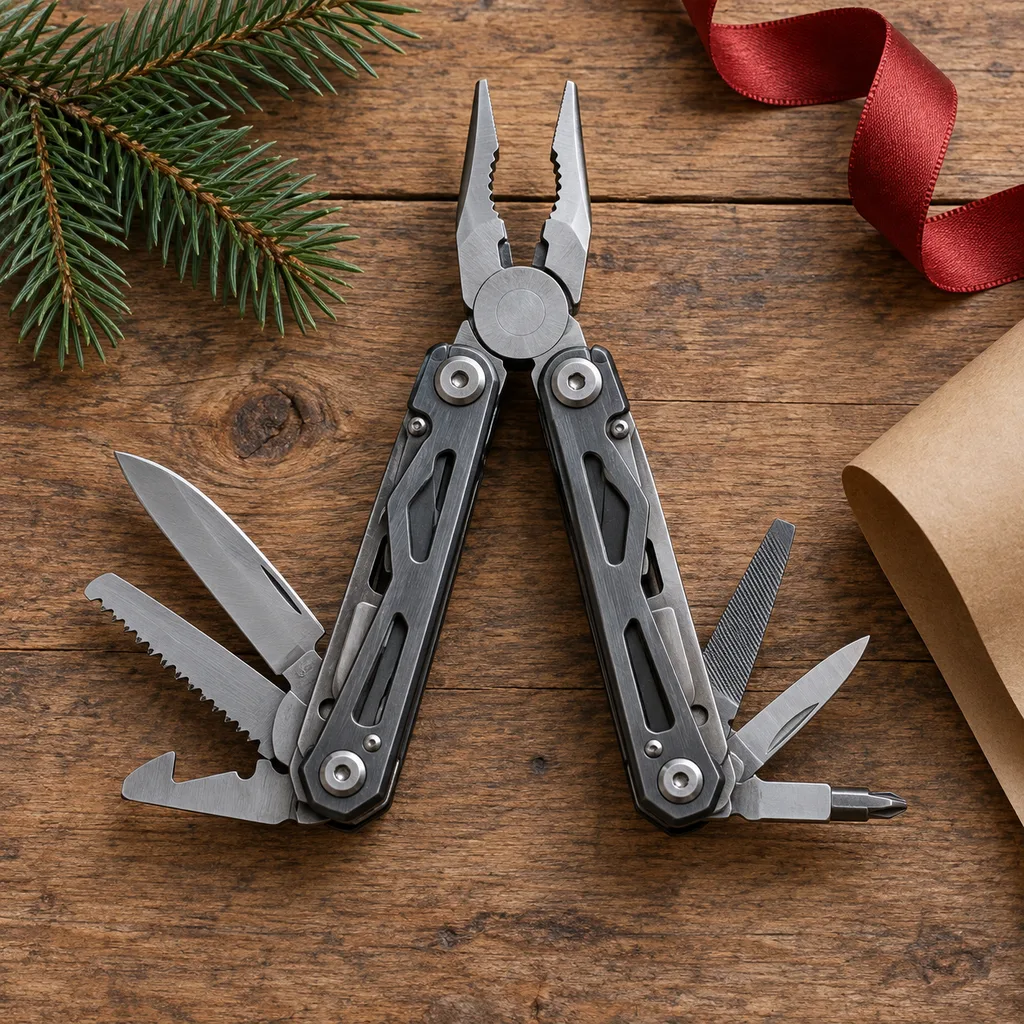
A heavy duty multi tool packs full-size pliers, blades, screwdrivers and cutters into one folding body built for hard, regular use. It suits tradespeople, farmers, campers, and the person who's always fixing something. Check the weight and whether it fits comfortably in a pocket or needs a belt sheath. See whether the blades lock open and which tools can be reached without unfolding the whole thing. For someone who wants something slimmer, a card-style tool that fits in a wallet handles small jobs, though it won't replace real pliers. Some places restrict carrying blades, so think about where it will be used.
A versatile tool combining several functions into one compact device, ideal for everyday tasks and unexpected situations.
Kind 5 of 8
A vehicle emergency kit is the same idea as a car kit, but it's often scaled up for trucks, SUVs and RVs. It may add a tow strap, a folding shovel or reflective triangles. It suits someone who drives long distances, pulls a trailer, or heads out to remote spots. Check that the contents suit both the vehicle and the season. Heavier gear like a shovel or tow strap should be sized for what they drive. Everything should pack into a bag that won't slide around the cargo area.
Equip any driver with essential tools and supplies to handle roadside breakdowns or unexpected car troubles safely.
Kind 6 of 8
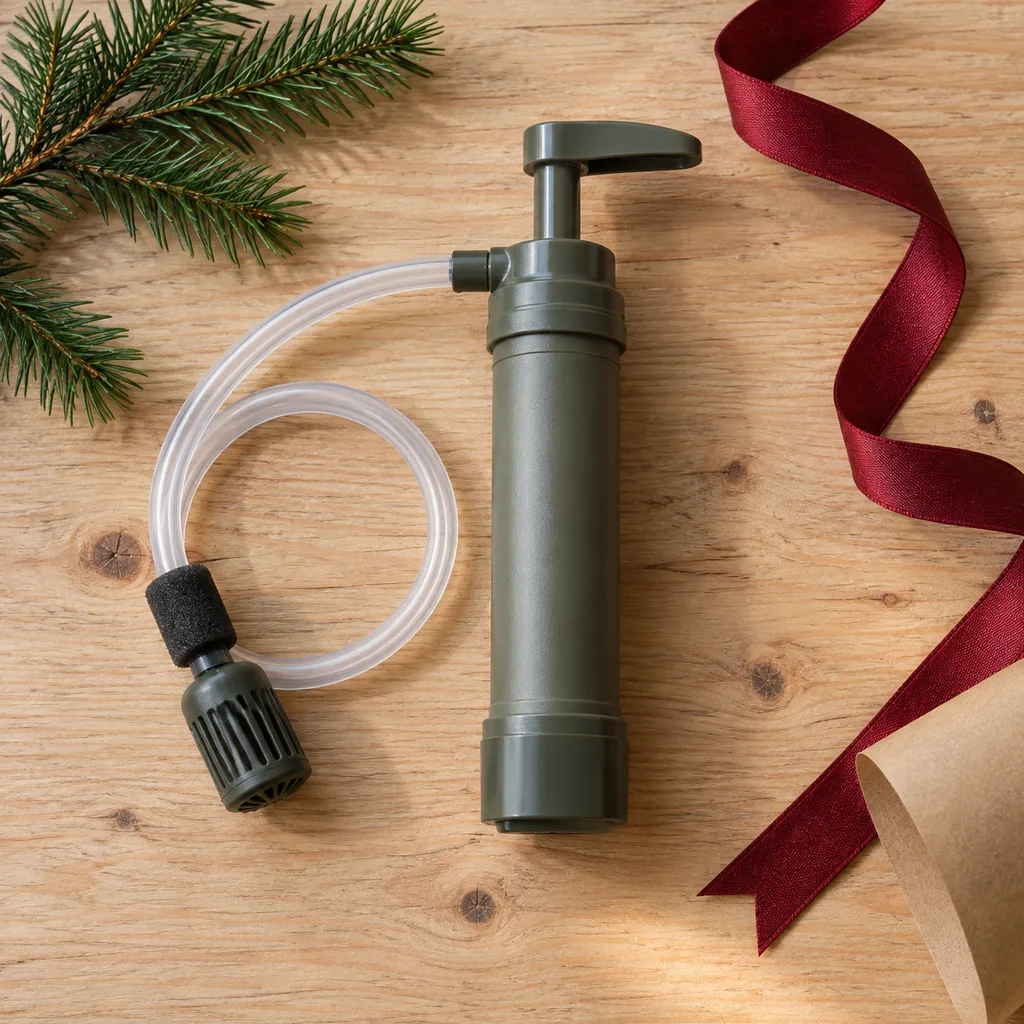
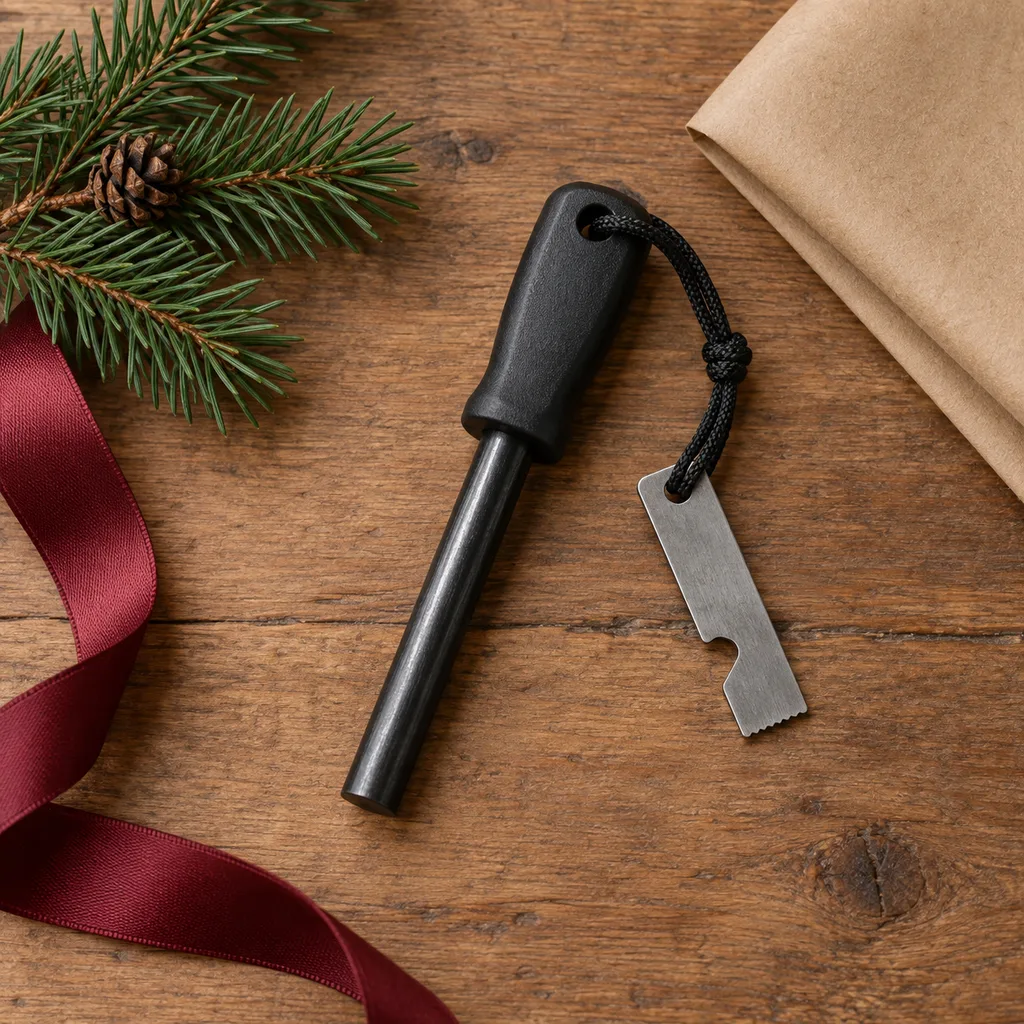
An emergency survival kit is a broader grab-and-go bag for the home, the cabin or the backcountry. It usually includes a way to treat water, a fire starter, a light, shelter items and basic tools. Single pieces also work as gifts on their own. A portable water filter suits hikers and paddlers, and a fire starter suits campers. Before buying a full kit, check how many people and how many days it's meant to cover. See whether any food or water has an expiry date, and whether the quality holds up or the kit just has a lot of pieces.
Ensures access to safe drinking water from natural sources during outdoor adventures or emergency scenarios.
A reliable tool for igniting fires in various conditions, crucial for warmth, cooking, and signaling in the wilderness.
Kind 7 of 8
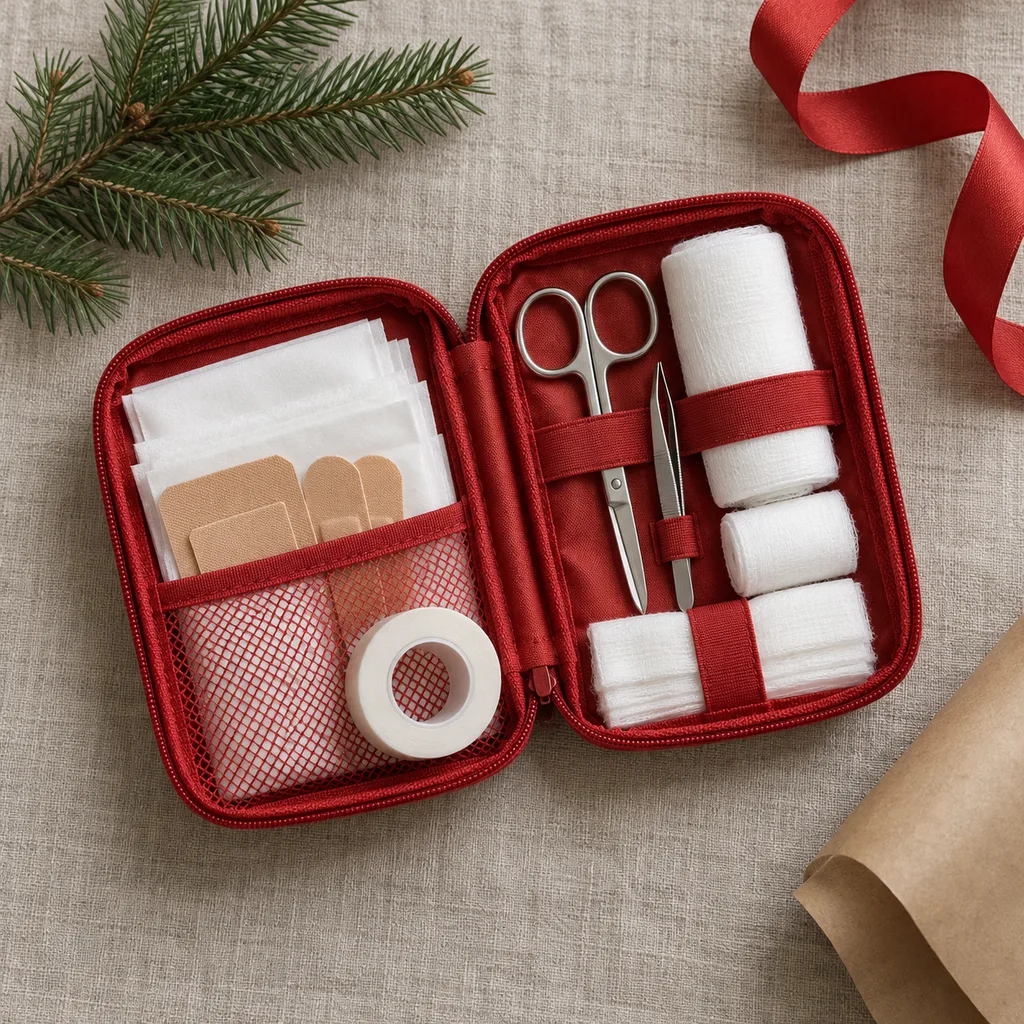
A mini first aid kit fits in a backpack, purse, bike bag or jacket pocket and covers the small stuff: blisters, cuts and splinters. It suits hikers, runners, parents with young kids, and anyone who travels light. Check the size and weight, whether the case is water-resistant, and whether there's room to add personal items. A compact kit also makes an easy stocking stuffer and goes well with a bigger gift.
This essential kit provides basic medical supplies for minor injuries and emergencies at home or on the go.
Kind 8 of 8
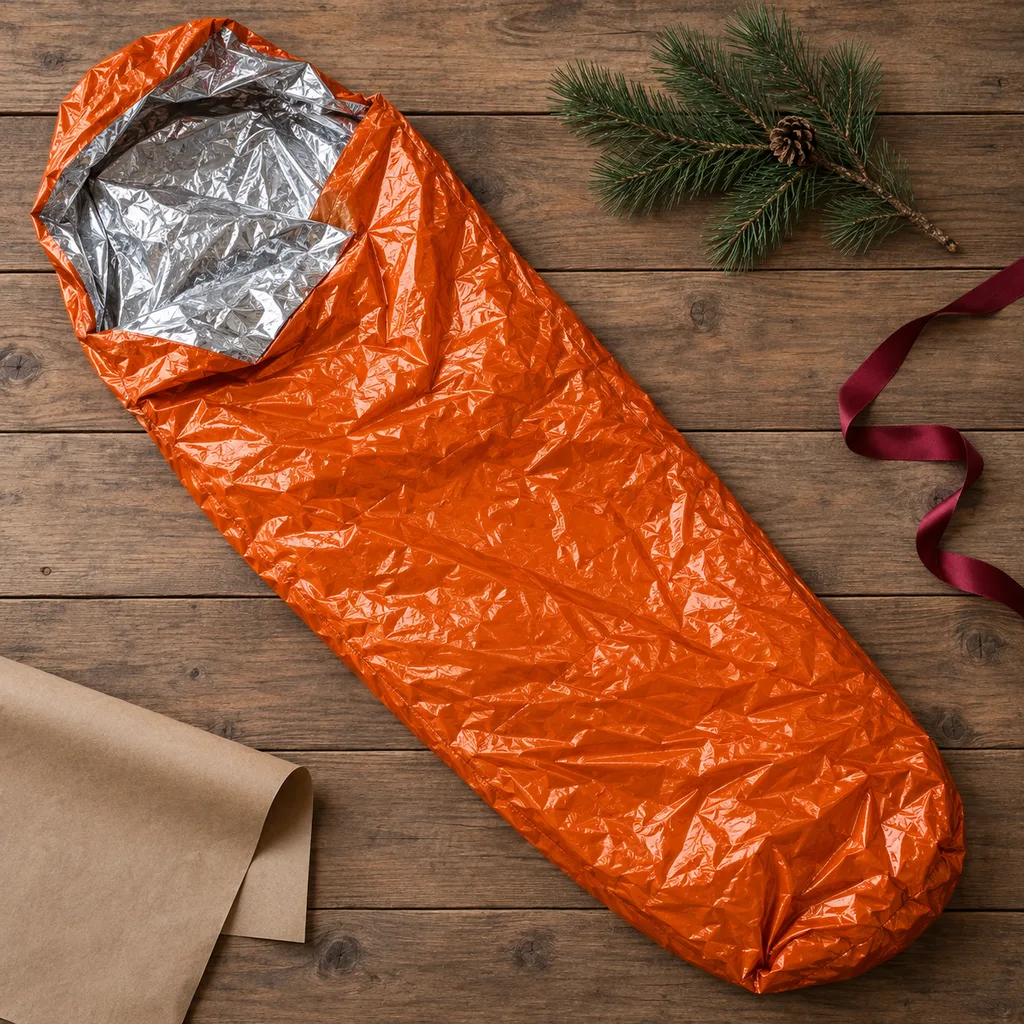
An emergency sleeping bag is a light, reflective bag that packs down to about the size of a drink can. It stays folded in a car, backpack or kit until it's needed. It suits winter drivers, hikers, hunters and snowmobilers. Check the packed size, whether it can be reused or is meant for one use, and how tough the material is once it's unfolded. It doesn't replace a real sleeping bag, so it works best tucked in with other gear.
A compact and lightweight solution for retaining body heat and providing shelter in unexpected cold or emergency situations.
Looking for one person in particular? Shop by person.
Everything else
Showing 1–11 of 11