Colorful plastic play dessert collection
Delight young bakers with a vibrant array of pretend cakes, cookies, and pastries perfect for hosting imaginary tea parties and celebrations.
Kids & Baby
6 kinds worth knowing, 8 picks, and what to check before you buy.
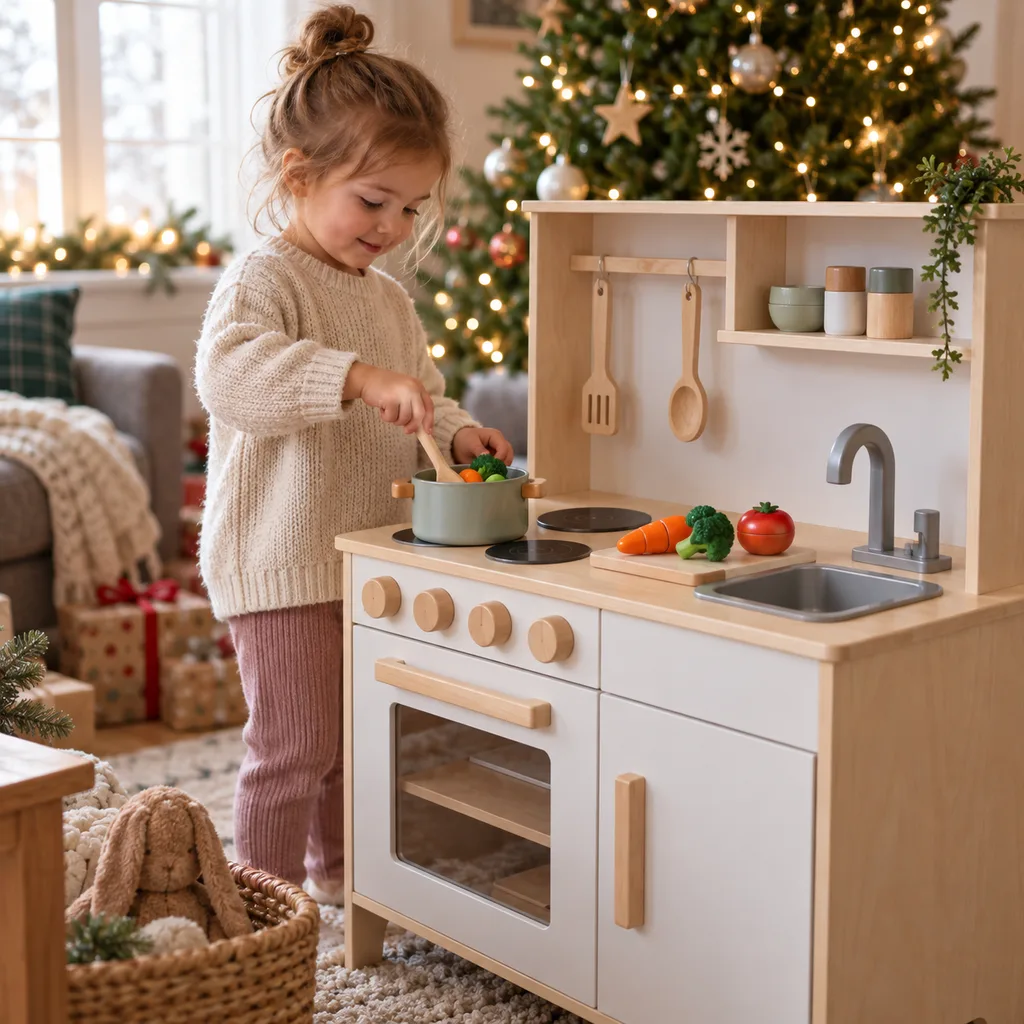
Toy kitchens and play food are gifts for toddlers and young kids who copy everything they see adults do at the counter. Grandparents, aunts and uncles often buy them, and they tend to get played with for years, not weeks. A basic box of play food is an easy gift. So is a wooden toy food set that looks good sitting out in the living room. Before you choose, find out whether the child already has a play kitchen. If they do, food, utensils and small appliances add to what's there. If they don't, a full kitchen set gives them a place to play. Aim for pieces that fit how the child already plays, whether that's cooking, serving or running a pretend café.
Kind 1 of 6
Play food covers the pretend fruit, vegetables, bread, desserts and snacks kids use to fill a pot, stock a shop or serve a plate. Toddlers and preschoolers get the most out of it, especially if they already have a kitchen or tea set to use it with. Before you buy, check the age range on the packaging and look at how big the pieces are. Chunky shapes are easier for small hands. Sturdy, wipeable plastic holds up to being dropped, stepped on and packed away over and over. A mix of familiar foods usually gets more play than one novelty item, because kids like making meals they recognize.
Delight young bakers with a vibrant array of pretend cakes, cookies, and pastries perfect for hosting imaginary tea parties and celebrations.
Kind 2 of 6
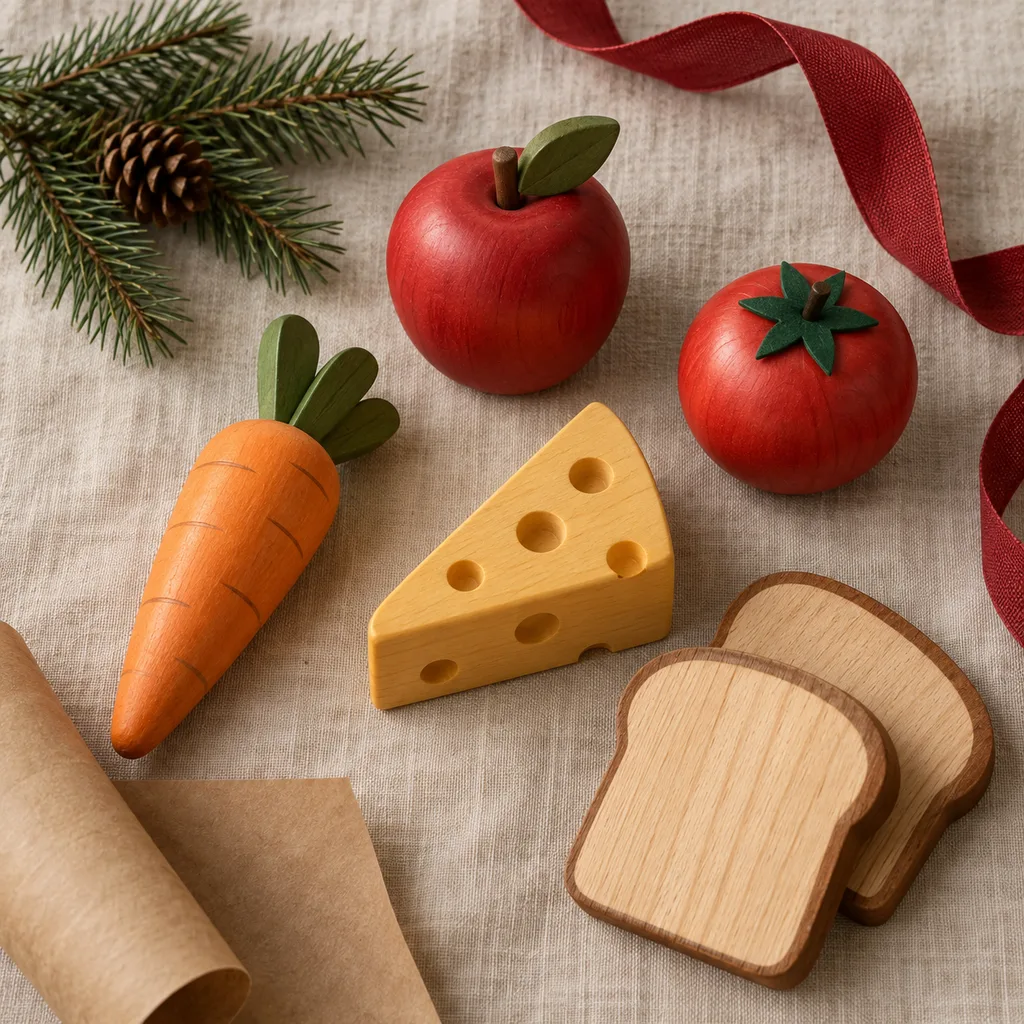
Wooden toy food is usually painted pieces, often with hook-and-loop joins so kids can slice fruit, bread or vegetables with a wooden knife. It suits parents who prefer fewer plastic toys, and it makes a good keepsake gift from a grandparent. Check the finish: smooth edges and paint that won't chip easily matter most. Pieces that stick together firmly make the cutting more fun. A storage crate or box helps the set stay together. Wooden sets usually have fewer pieces than plastic ones, so look at the piece list before you buy.
Encourage healthy eating and imaginative meal preparation with a collection of durable, realistic wooden food items for pretend play.
Kind 3 of 6
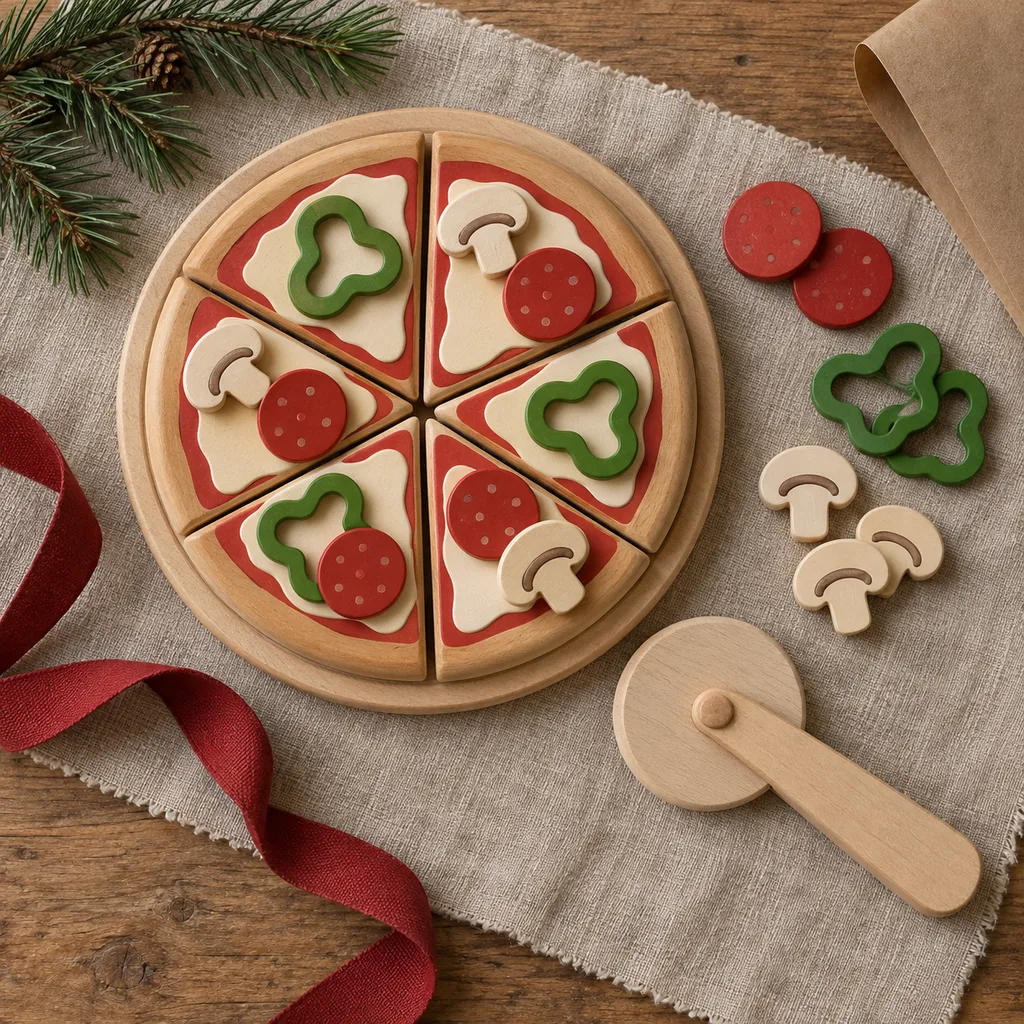
A toy food set groups pieces around a theme, like pizza, breakfast, tacos or a grocery run. Themed sets give kids a ready-made game: take an order, build it, serve it. They work well for kids who already have loose play food and want something new to do with it. Look at how many pieces are actually food and how many are packaging or cards. Check whether toppings or ingredients can be mixed and rebuilt, because that keeps the set interesting after the first week. Build-your-own sets also work well when siblings or friends play together.
Spark culinary creativity with a fun pizza-making set, allowing children to assemble their favorite toppings for a delicious pretend meal.
Kind 4 of 6
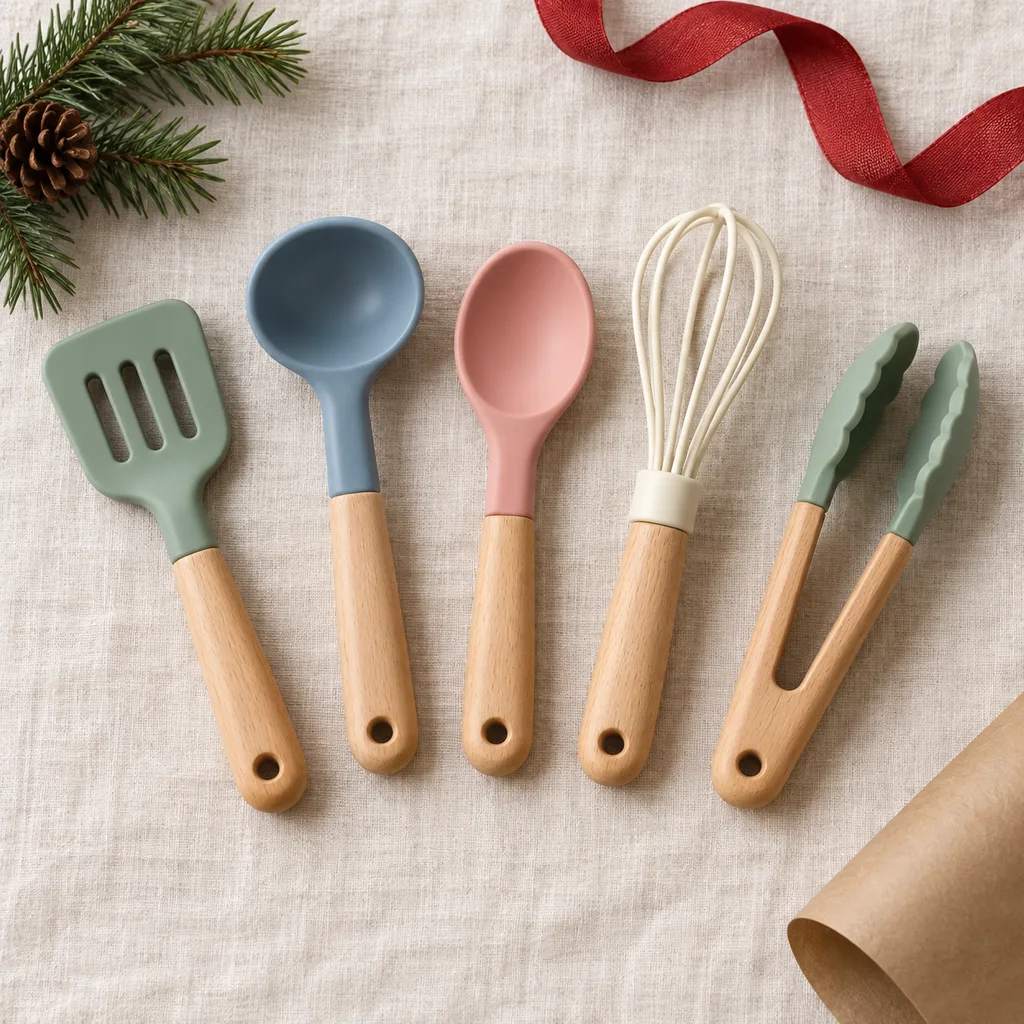
Toy kitchen food and accessories are meant to stock a play kitchen the child already has: pots, pans, spatulas, plates and the food that goes in them. They're a smart pick when parents say the kitchen is there but looks a bit bare. Ask about the kitchen's size first, since big pans may not fit a small stovetop or cupboard. Utensils with rounded ends and a comfortable grip are easier for young kids to use. A small set of well-made tools usually gets more use than a huge bin of flimsy extras.
Equip budding chefs with a collection of safe, child-sized cooking tools, perfect for stirring, flipping, and serving in their pretend kitchen.
Kind 5 of 6
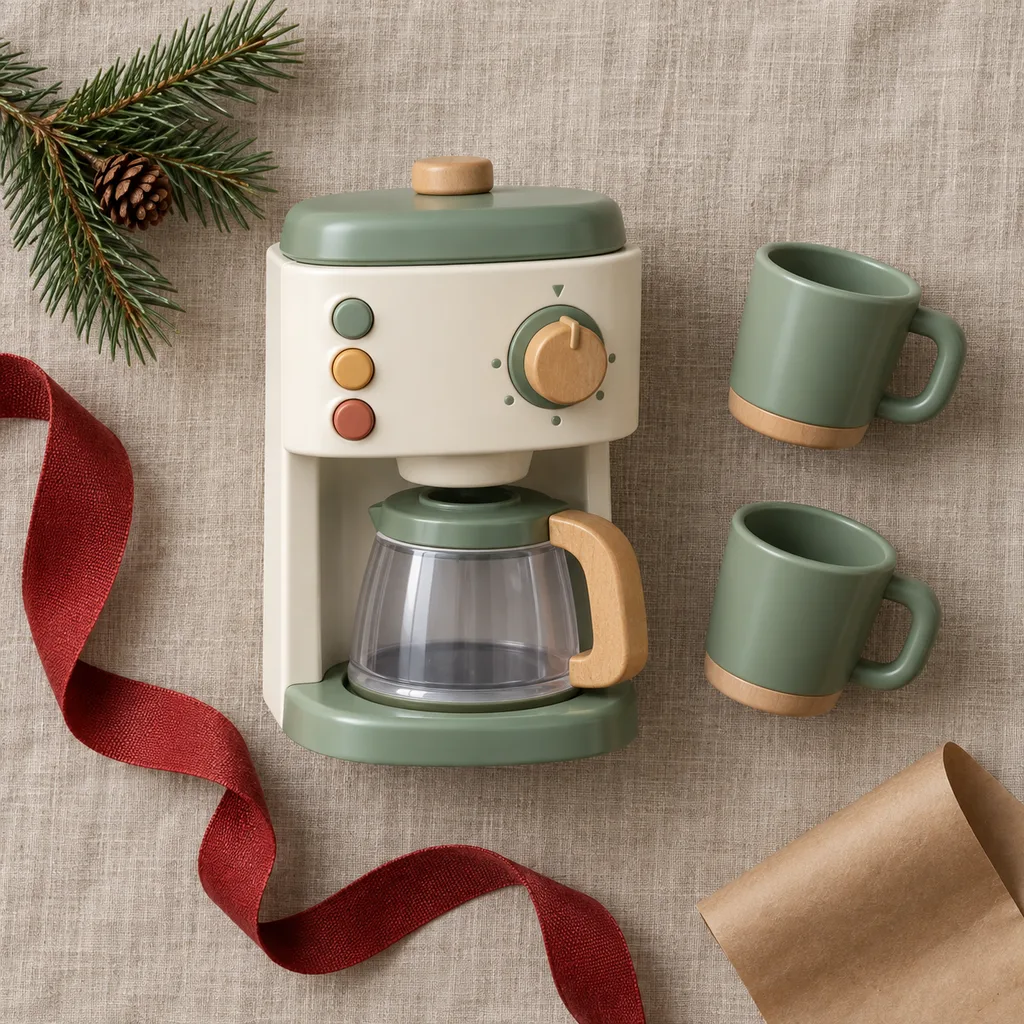
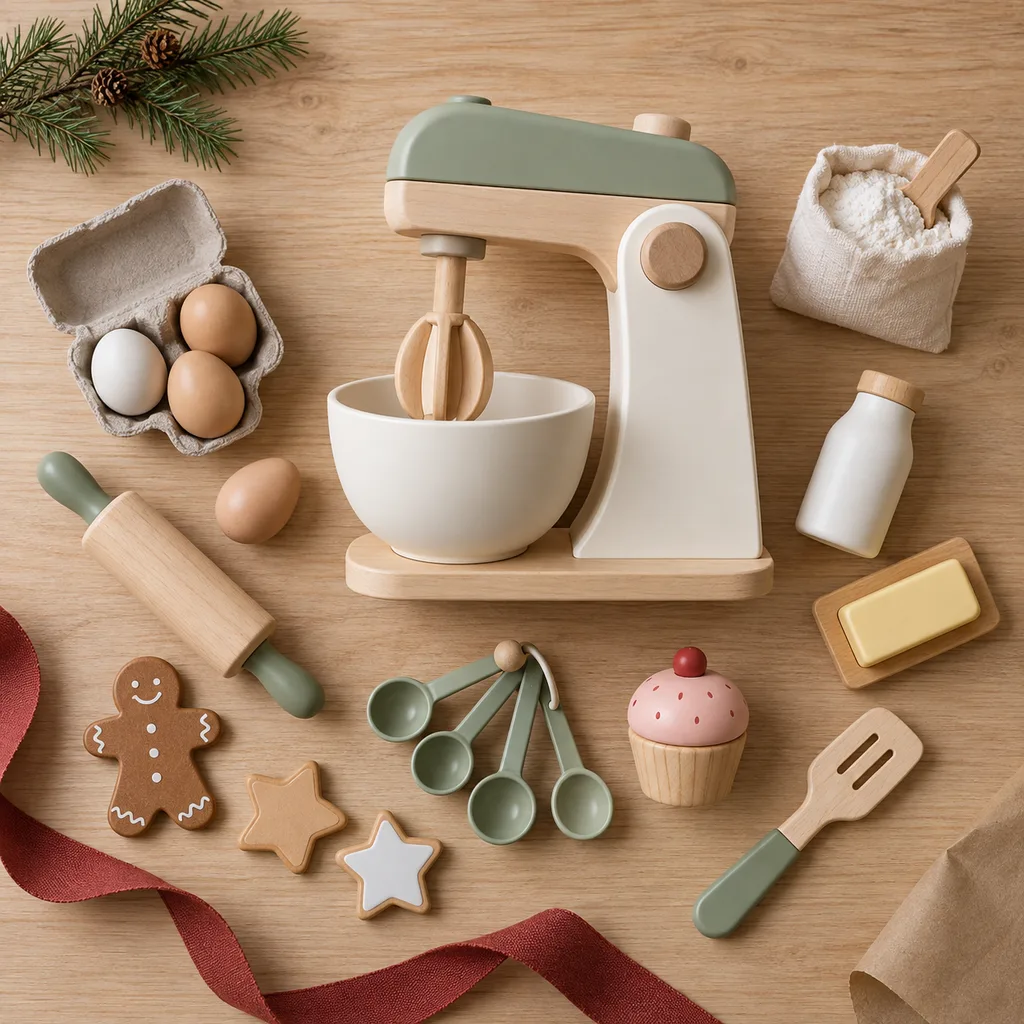
Pretend food play often grows into running a café or bakery, so small play appliances fit right in. A toy coffee maker or baking mixer lets kids copy what they see adults do every morning. These suit preschoolers and early school-age kids who like role play and serving guests. Before you buy, check whether the appliance needs batteries and whether sounds or lights can be switched off. Parts that come off and go back on are good for small fingers, as long as there aren't too many tiny pieces to lose.
This miniature coffee station allows children to mimic adult routines, fostering imaginative role-play as they brew pretend beverages for friends and family.
Inspire creative baking adventures with a realistic toy mixer, allowing children to "mix" ingredients and prepare imaginary treats.
Kind 6 of 6
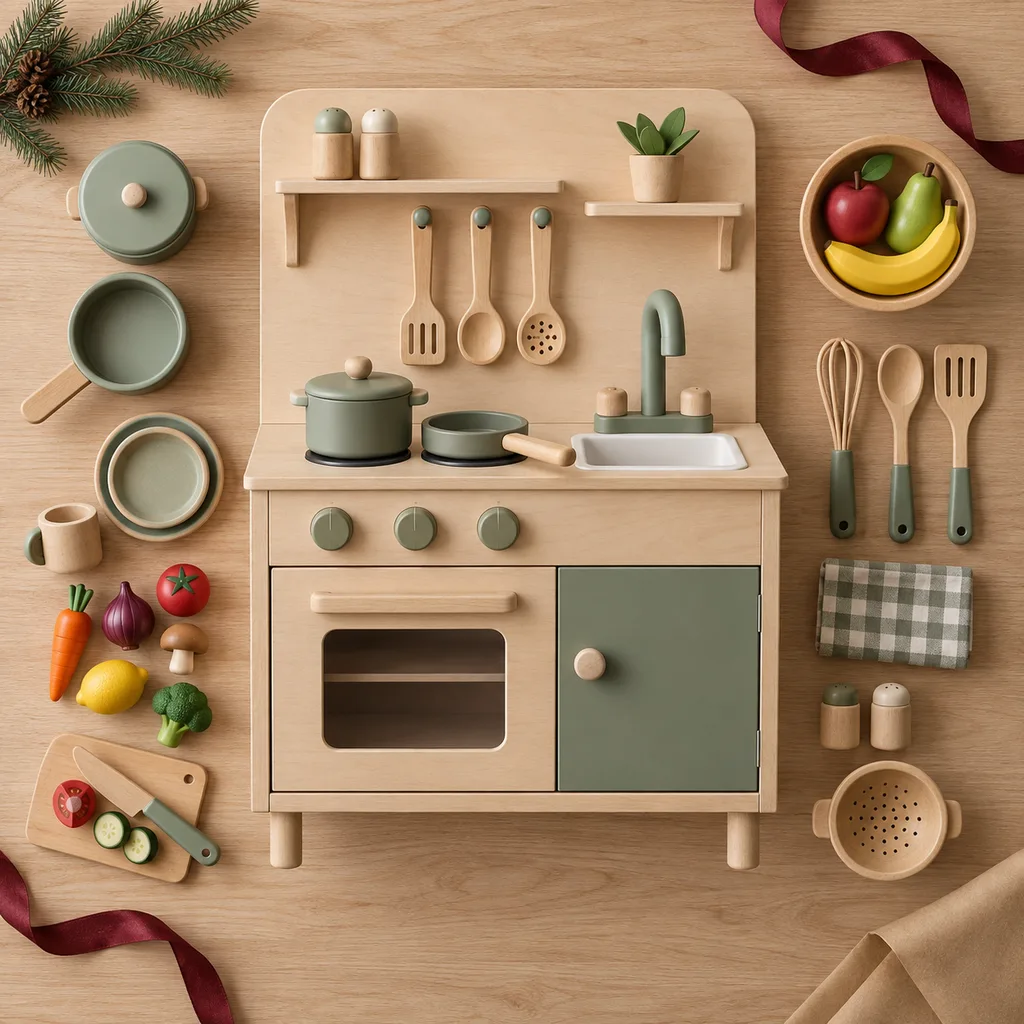
A kitchen food play set is the big gift: a freestanding play kitchen or station, often with food and accessories included. Sinks, burners and storage give kids a home base for pretend cooking and cleanup. This suits a toddler or preschooler who doesn't have a kitchen yet, and families with room to spare. Measure the space first and check the assembled height against the child's height. Also look at how much assembly is needed, whether batteries or water are used, and how easy the surfaces are to wipe clean.
This comprehensive play kitchen provides a central hub for imaginative cooking and role-playing adventures for young chefs.
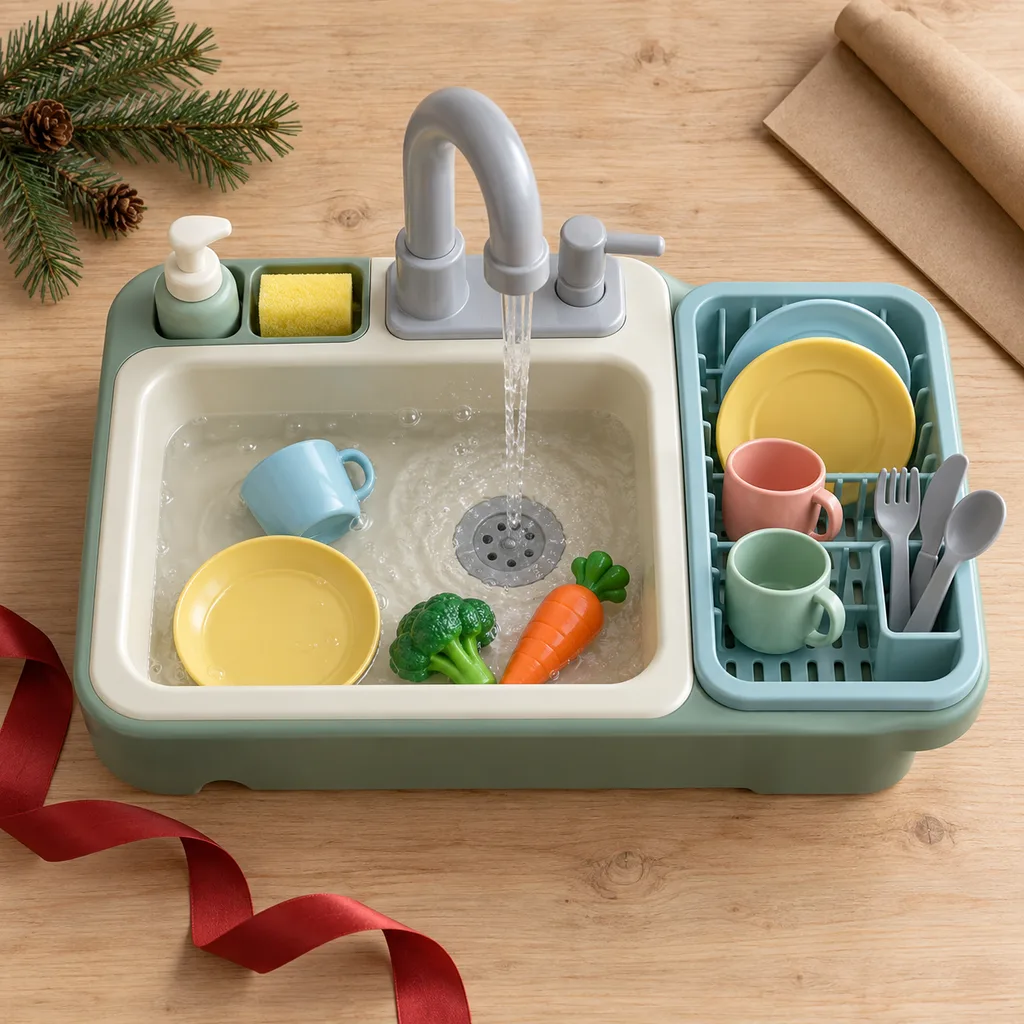
Teach responsibility and promote fine motor skills with a toy sink that features running water and encourages children to "wash" their play dishes.
Looking for one person in particular? Shop by person.
Everything else
Showing 1–8 of 8