Baby dolls
Perfect for fostering nurturing instincts and empathy in young children through engaging pretend parenting scenarios.
Kids & Baby
4 kinds worth knowing, 8 picks, and what to check before you buy.
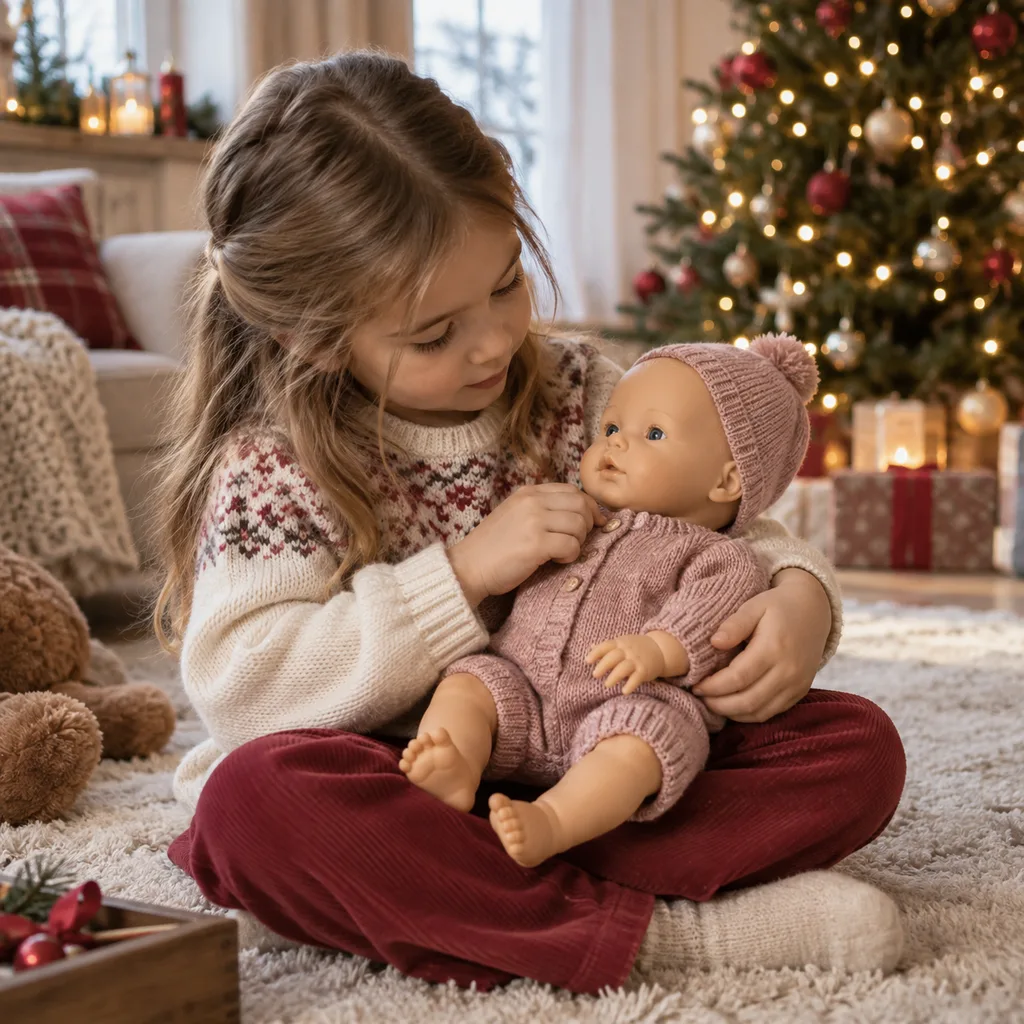
Dolls tend to come from parents, grandparents and aunts shopping for kids somewhere between toddlerhood and the early school years. The ones that get played with are simple enough to carry everywhere and sturdy enough to be dressed, fed, tucked in and dragged along. Baby dolls are by far the most searched, since young children love copying the care they see at home. A plush doll suits a younger child who mostly wants something to cuddle. When you're choosing, think about how the child plays now. A doll that fits into games they already love will get more use than one that needs new habits.
Kind 1 of 4
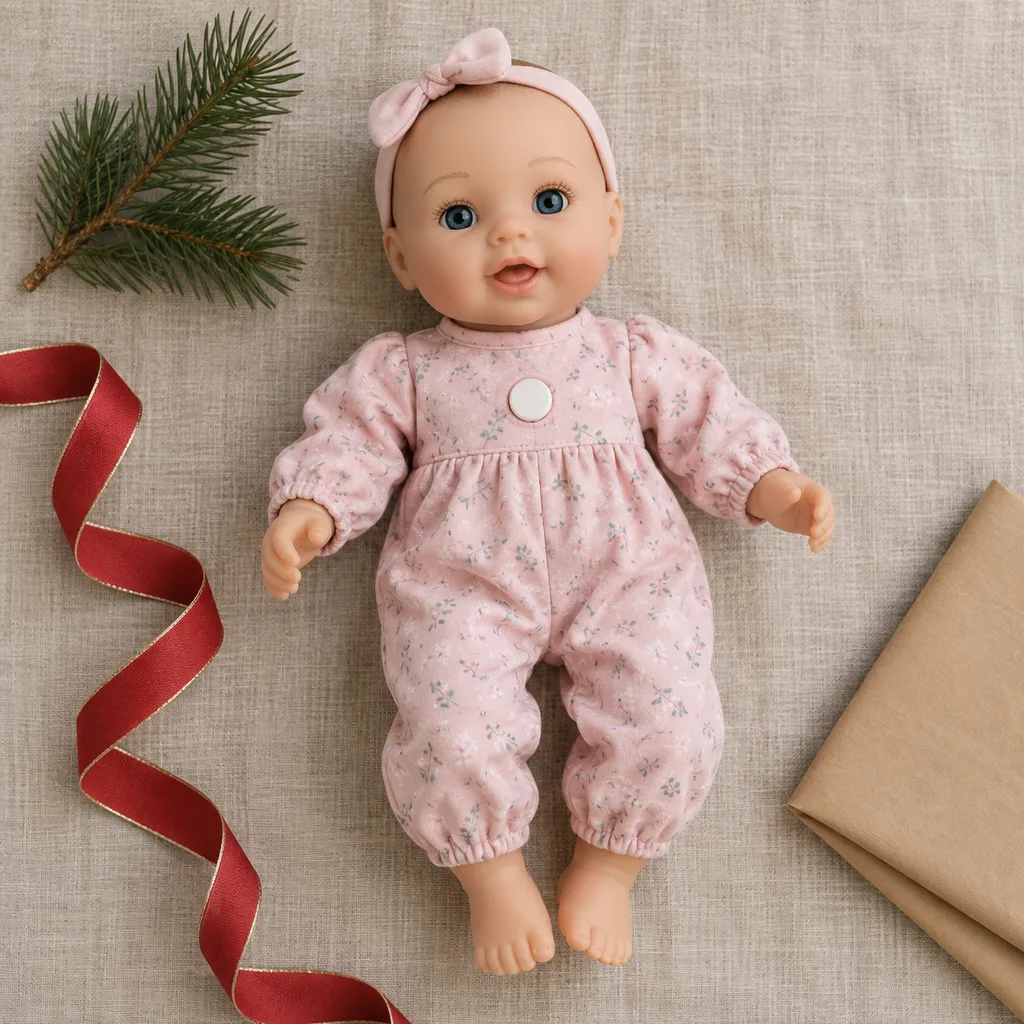
A baby doll is a soft- or vinyl-bodied infant, often sold with a bottle, blanket or onesie. It suits toddlers and preschoolers who like feeding, rocking and putting things to bed. Before you buy, check the size: a doll that's too big for small arms ends up left behind. Clothes that come off and go back on easily add a lot of play. Talking or interactive versions can be charming, but look at whether the sounds can be turned off and what the doll needs to run.
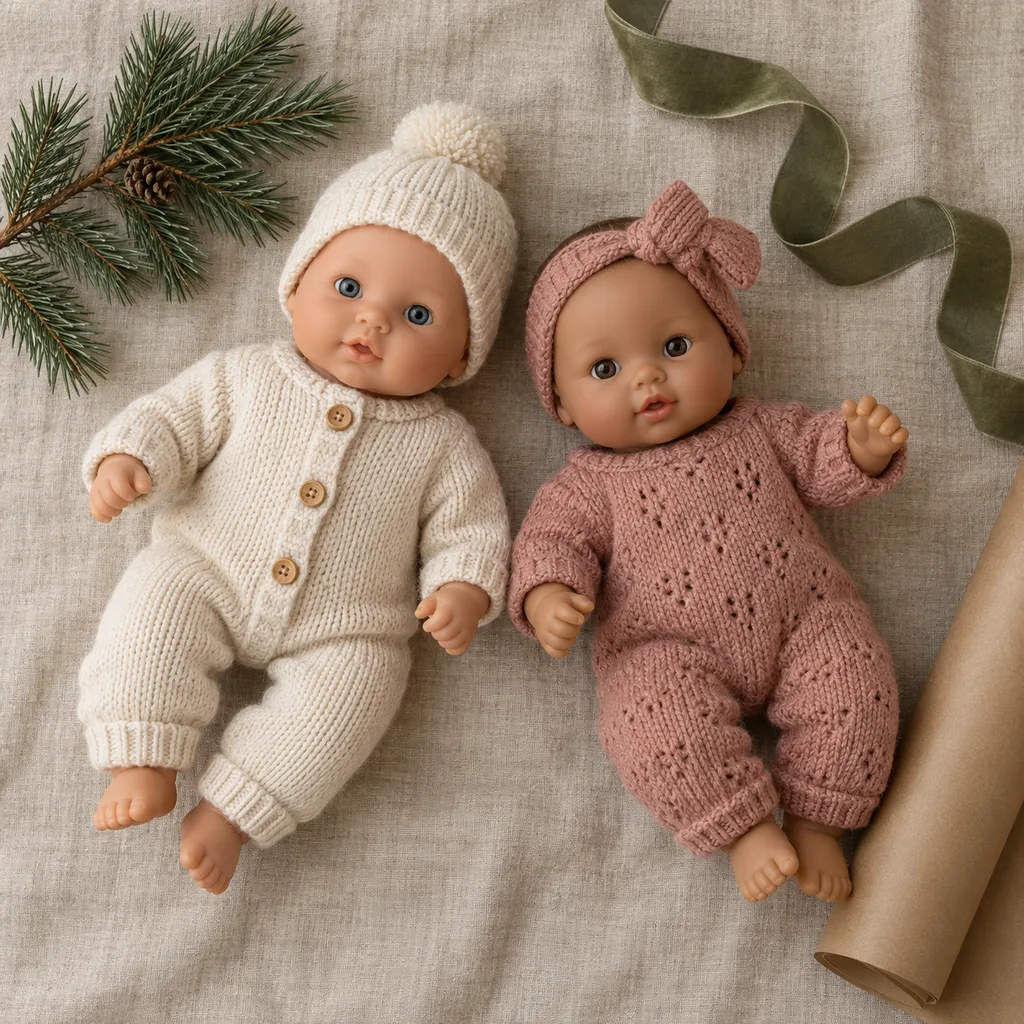
Perfect for fostering nurturing instincts and empathy in young children through engaging pretend parenting scenarios.
Provides an engaging play experience with lifelike sounds and phrases, encouraging responsive communication and care.
Kind 2 of 4
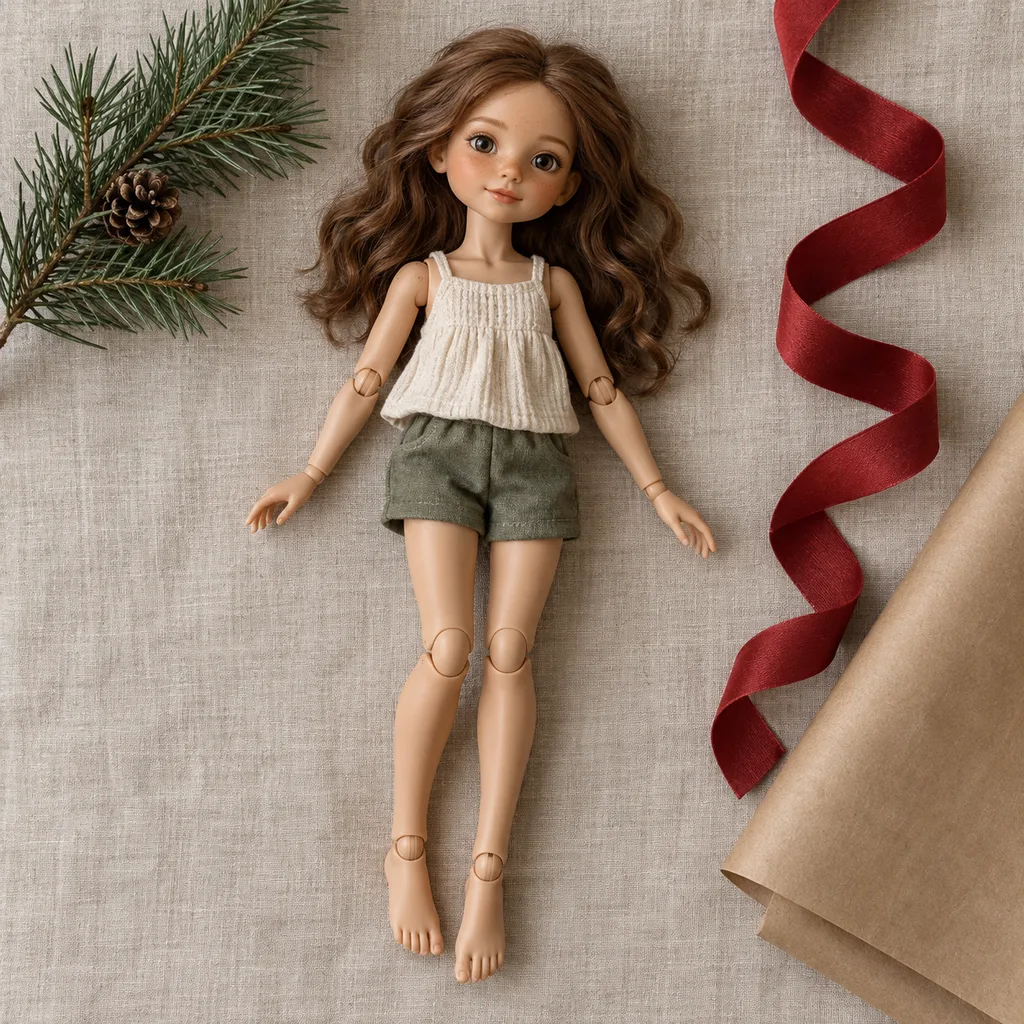
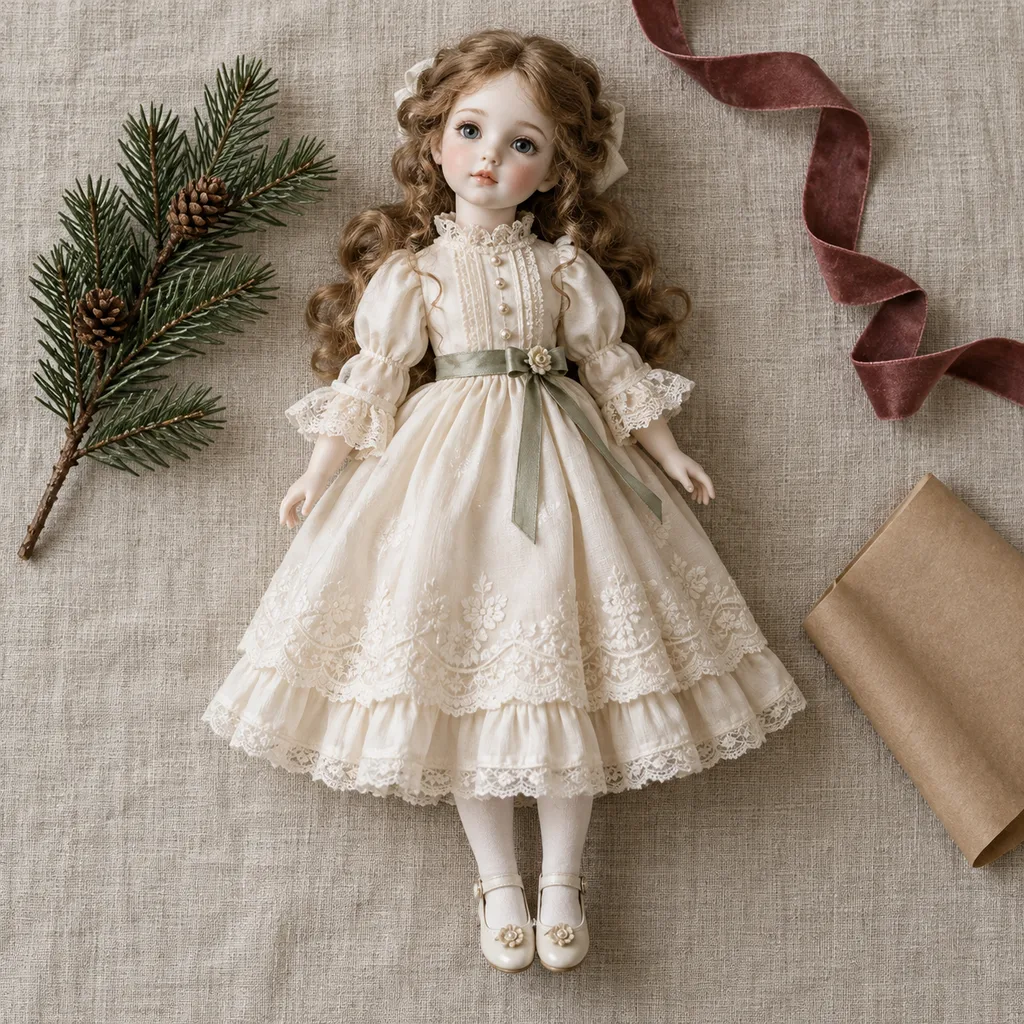
Realistic dolls have detailed faces, natural proportions and sometimes joints that bend like a real body. Poseable dolls work well for older kids who set up scenes, take photos or tell long stories. Display dolls suit a collector or a child who treats dolls as keepsakes more than toys. Before buying, decide whether this is for rough daily play or for a shelf, because delicate hair, fabric and finishes don't hold up to heavy handling. Make sure the joints hold a pose firmly.
Offers extensive posing capabilities for creative storytelling, stop-motion animation, or artistic photography.
Appeals to older children and adults who appreciate intricate details and artistic craftsmanship for display purposes.
Kind 3 of 4
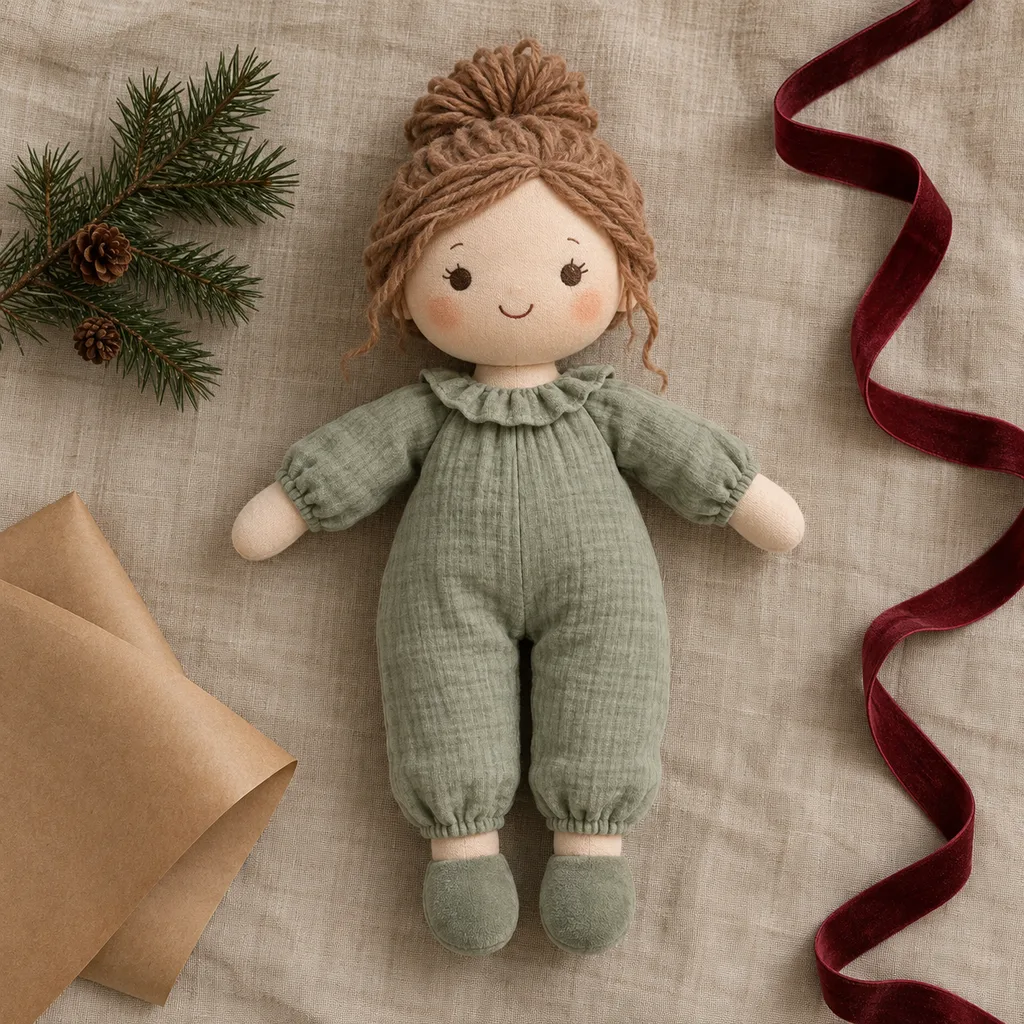
A plush doll is fully stuffed and sewn, with no hard body, so it doubles as a bedtime companion. It's a natural fit for younger children and for kids who want a doll version of a favourite character. Before buying, check whether it can be washed, because a well-loved plush gets grubby fast. Embroidered faces tend to wear better than printed ones. Pick a size that's easy to hold, since the one that's easy to carry is usually the one that gets carried everywhere.
A comforting companion designed for gentle snuggles and soft play, ideal for infants and toddlers seeking tactile comfort.
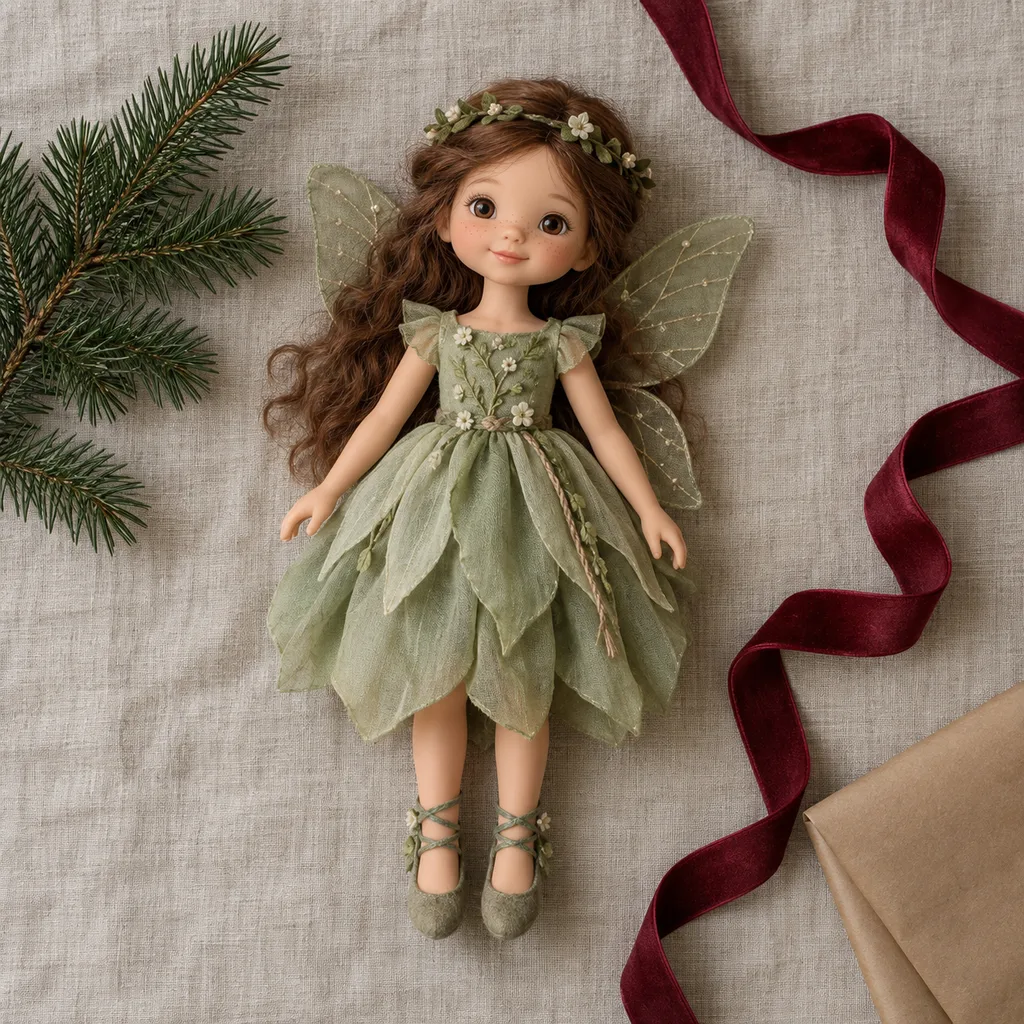
Brings beloved storybook or fantasy characters to life, inspiring imaginative adventures and role-playing for children.
Kind 4 of 4
Accessories include outfits, furniture, strollers, dollhouses and small figure families. They make a good gift for a child who already has a favourite doll, and they often get more play than a second doll would. Before buying, confirm the scale, since clothes and furniture made for one doll size rarely fit another. Count the loose pieces too. Sets with dozens of tiny items can be frustrating for younger kids and a nuisance to keep track of.
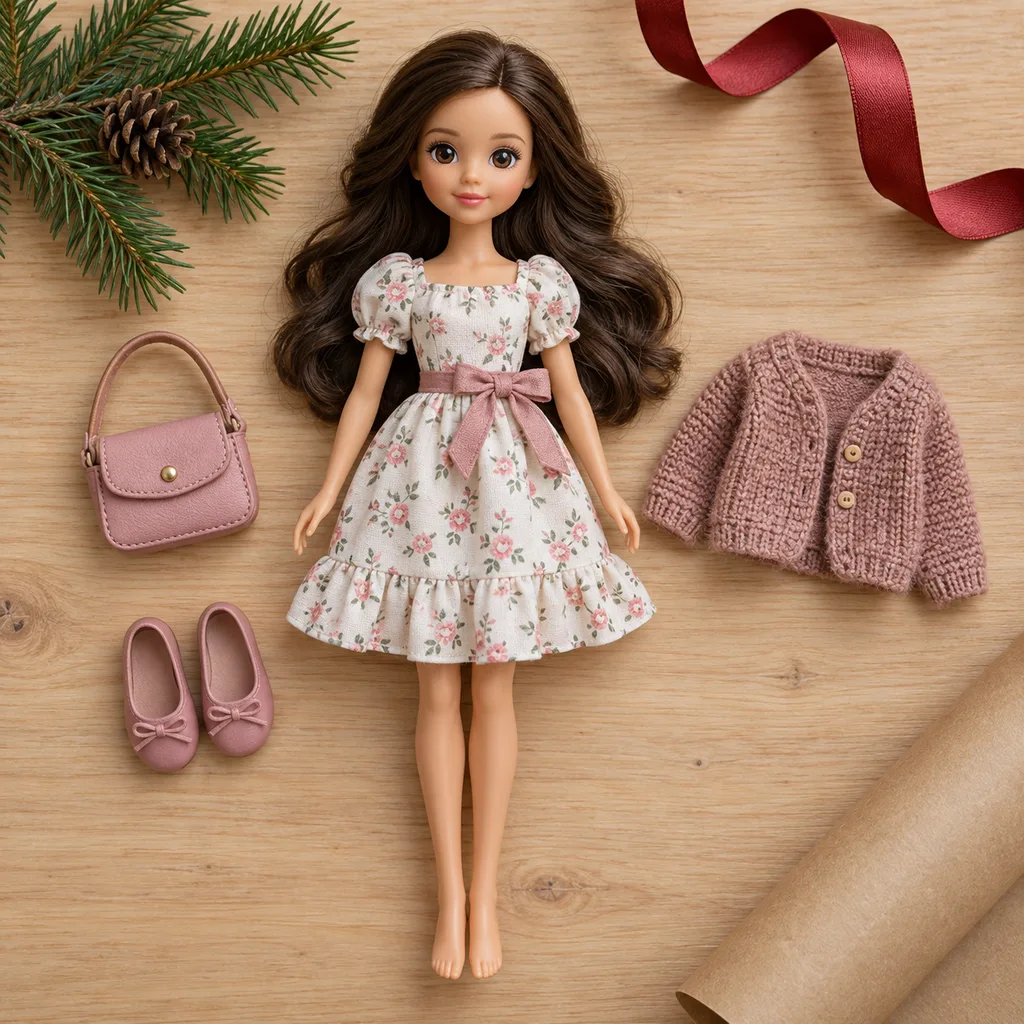
This doll encourages creative expression through styling and imaginative storytelling for children who love design and fashion.
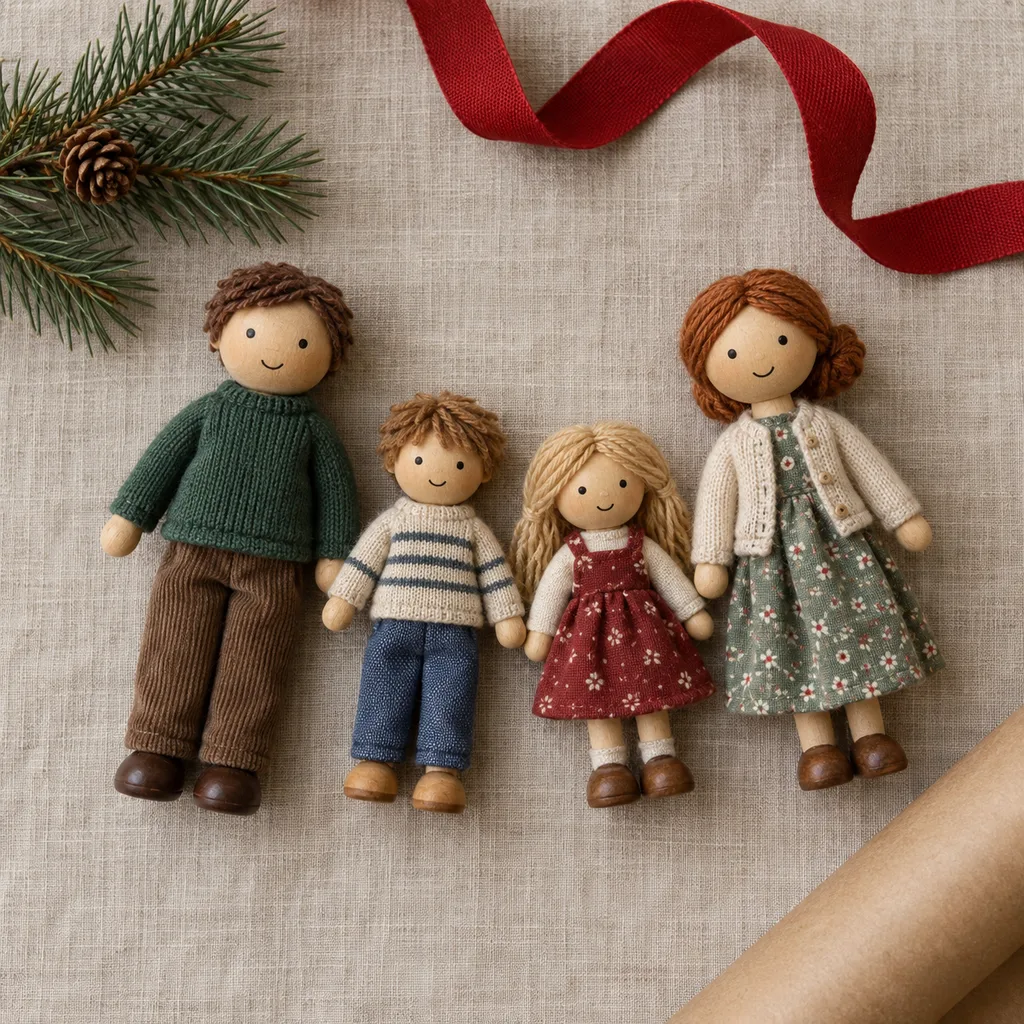
Designed to inhabit dollhouses, these smaller figures enhance miniature world-building and domestic role-play scenarios.
Looking for one person in particular? Shop by person.
Everything else
Showing 1–8 of 8