Kids & Baby
Science & exploration sets
4 kinds worth knowing, 10 picks, and what to check before you buy.
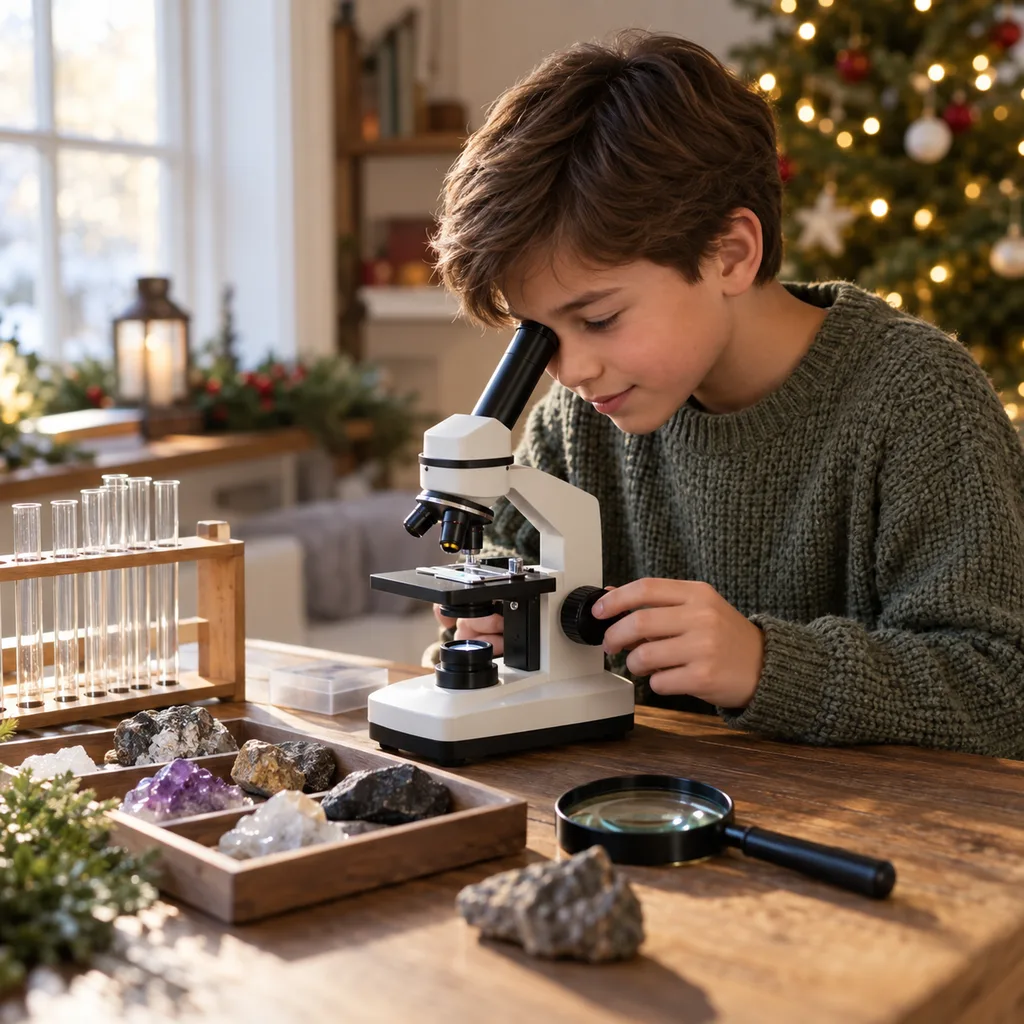
Science kits tend to go to kids and tweens who like to ask why, dig in the dirt or take things apart. As gifts they're less about the box and more about an afternoon of doing something with their hands, then keeping what they made. The ones that get finished are simple enough to start without much help and give a clear result, like a crystal they can hold or a dinosaur skeleton they chip out of plaster. Think about how patient the child is, how much mess the household will put up with, and whether an adult will be around to help. A dino dig kit suits a quick, hands-on kid. A crystal growing kit suits one who can wait a few days to see results.
Kind 1 of 4
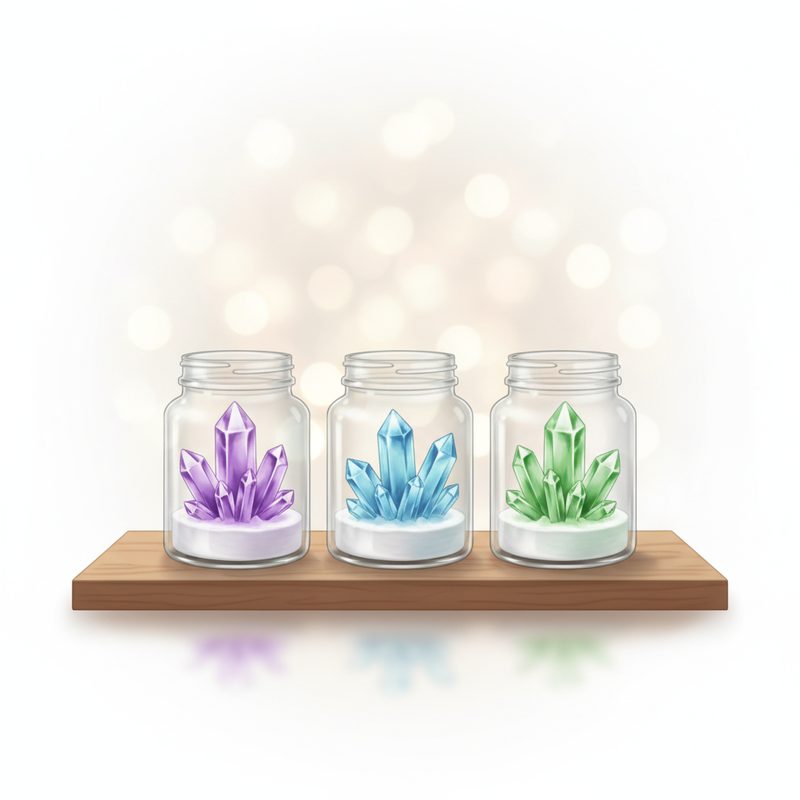
Crystal growing kits for patient young scientists
A crystal growing kit comes with powders, containers and seed materials so a child can grow coloured crystals over several days. It suits kids who like watching something change and don't mind waiting, and the finished crystals make good shelf displays. Before buying, check the age range on the box, how many crystals or colours are included, and how long growing takes. Some kits need hot water or a spot where the containers won't get bumped for a week, so think about where the project will sit. Kits with a display case or stand give the result somewhere to go once it's done.
Kind 2 of 4
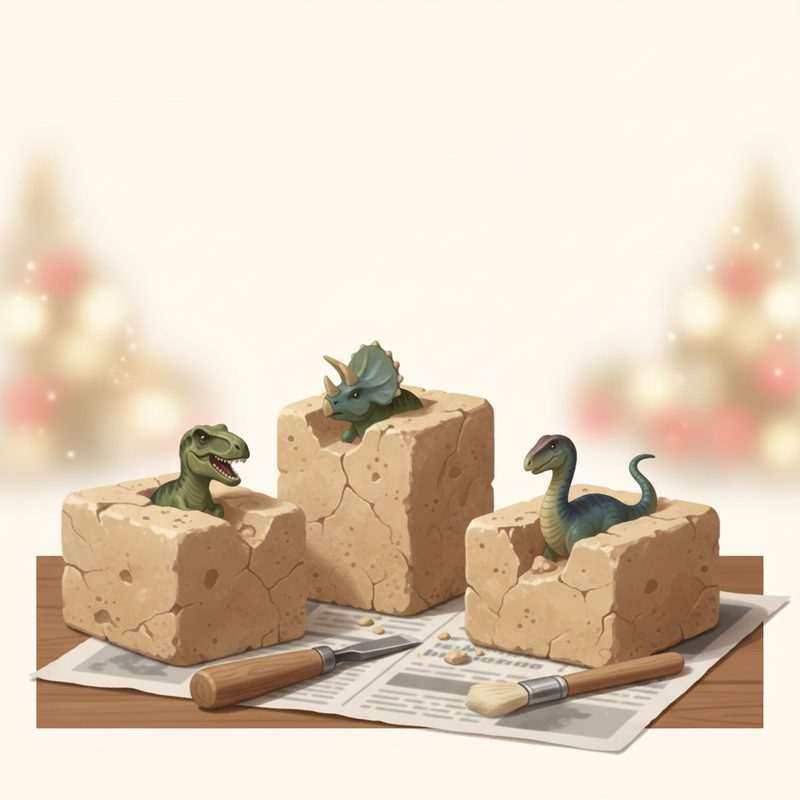
Dino dig kits for hands-on diggers
A dino dig kit hides replica fossils or bones inside a block of plaster or compressed sand, and your child chips them out with small tools. It's a good match for kids who like getting messy and want quick results, since most digs take an hour or two. Check what's buried inside: some kits hold one small figure, while others have enough pieces to build a full skeleton. Look at whether a brush, chisel and goggles come in the box, and plan to do the dig on a table outside or over newspaper, because the dust goes everywhere.
Kind 3 of 4
Crystal growing as a science experiment
Some crystal sets are built more like a lesson than a craft. They explain what's happening as the crystals form and invite kids to change one thing, such as temperature or container size, and compare results. This suits curious tweens and kids doing school science projects who want to understand the process, not just keep a pretty rock. Before buying, look for a clear instruction booklet, enough material for more than one try, and space to record what happens. A notebook or simple magnifier makes a nice add-on for kids who want to log their observations.
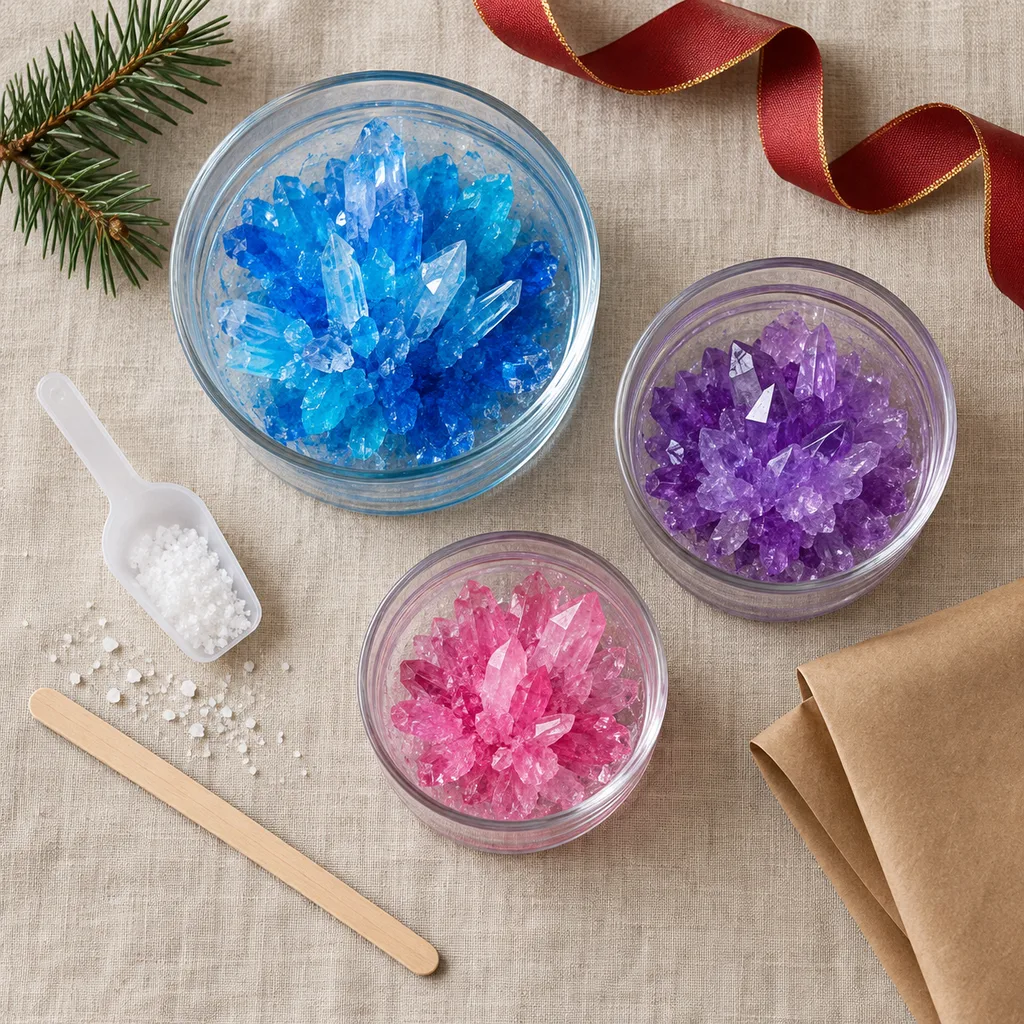
Crystal growing experiment
Witness the fascinating process of crystallization firsthand, creating beautiful, unique crystal formations over several days.
Kind 4 of 4
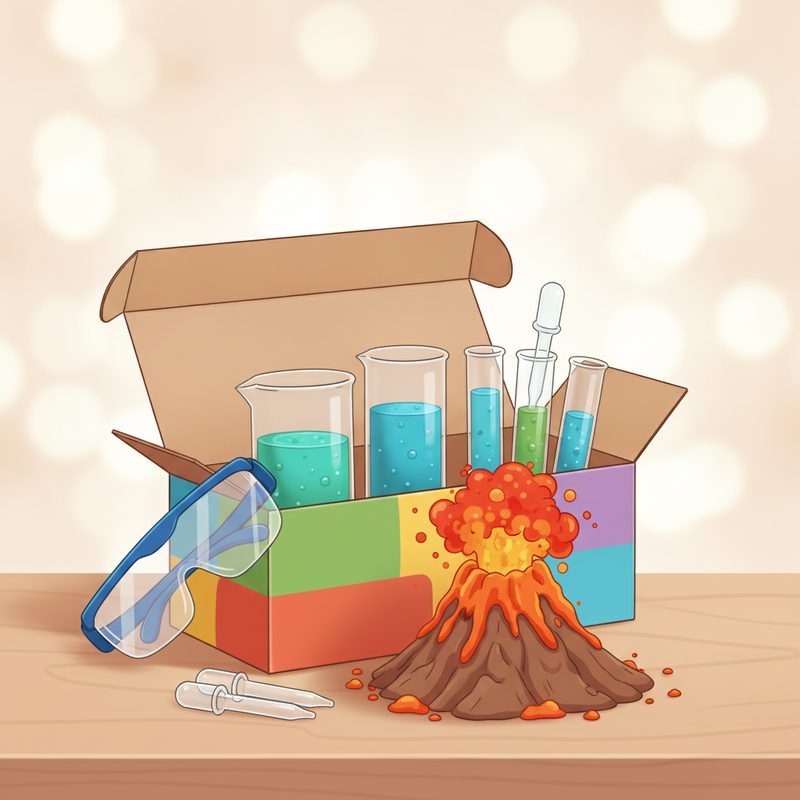
Bigger excavation kits for serious fossil fans
Excavation kits are often the larger version of a dig kit. They might have several blocks, a mix of fossils and gemstones, or a skeleton that goes together once all the pieces are out. They suit kids who already love dinosaurs and can stick with a project over a few sessions, which makes them a good fit for a grandchild, niece or nephew with a known obsession. Check how many specimens are included, whether there's an ID guide or fact cards, and how hard the blocks are. Very hard plaster can frustrate younger diggers.
How to choose science & exploration sets as a gift
- Match the kit to the child's patience: digs give results in an hour, while crystals take days.
- Read the age range on the box and think honestly about how much adult help the project will need.
- Pick kits that leave something to keep, like a crystal or assembled skeleton, so the fun lasts past one afternoon.
- Think about the household's tolerance for dust, water and mess before choosing which kind to give.
- For a child with a known favourite topic, a focused kit usually beats a broad sampler of small experiments.
Usually safe to skip
- Giant all-in-one science sets with dozens of tiny experiments often get half-opened and abandoned once the easy ones are done.
- Kits aimed well above the child's age tend to end up with an adult doing the work while the child watches.
- Novelty kits with one tiny result can feel disappointing after the excitement of unwrapping a big box.
Questions people ask about science & exploration sets
- What age is a crystal growing kit good for?
- Most crystal growing kits are made for school-age kids and tweens who can follow steps and wait a few days for results. Younger children can enjoy them with an adult handling the mixing. Check the age range printed on the box before buying.
- How messy is a dino dig kit?
- Pretty messy. Chipping plaster or compressed sand makes fine dust and crumbs. Setting up outside, on a tray, or over newspaper keeps cleanup easy, and a damp cloth works better than sweeping the dust around.
- Is a crystal kit or a dino dig kit better for a gift?
- It depends on the child. Kids who want to jump in and get quick results usually prefer a dino dig. Kids who like watching things slowly change, or who enjoy displaying what they've made, tend to get more out of a crystal growing kit.
Looking for one person in particular? Shop by person.
Everything else
All science & exploration sets picks
Showing 1–10 of 10
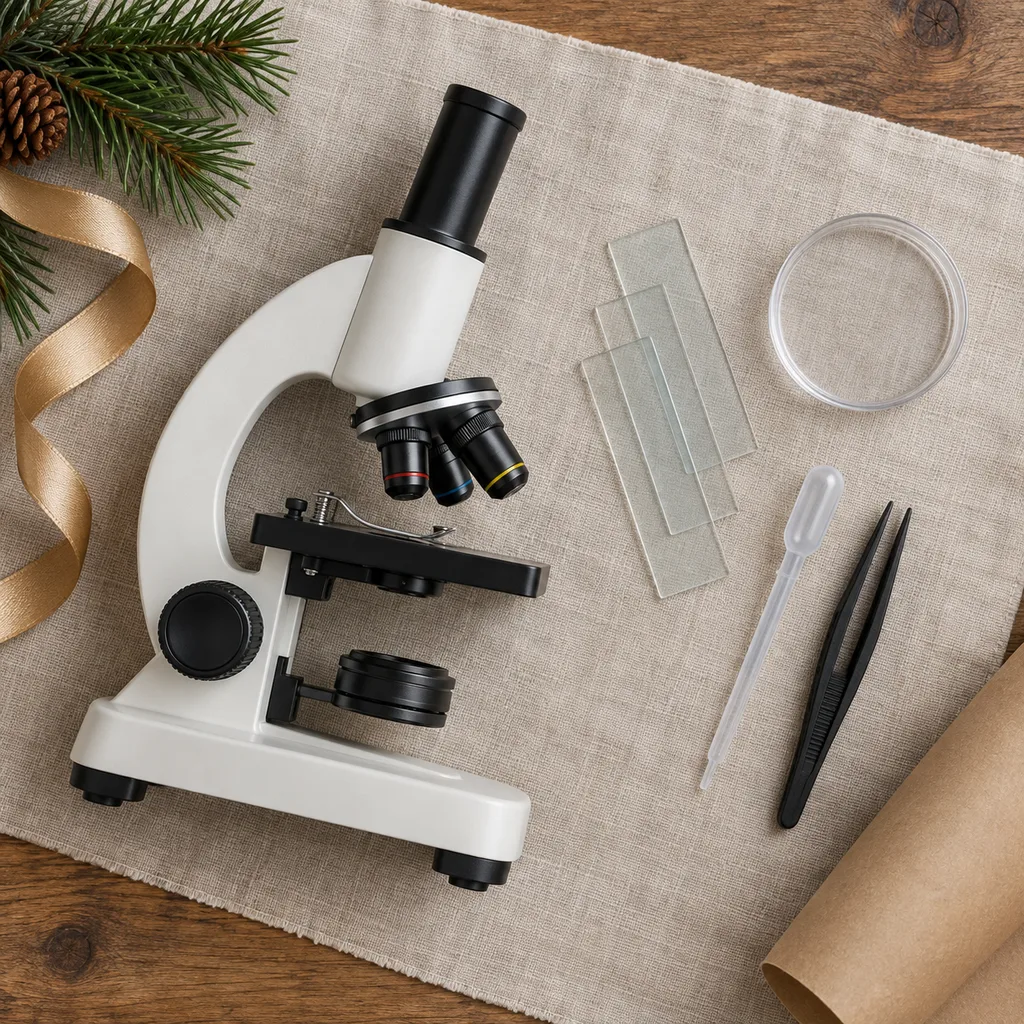
Beginner microscope exploration set
Perfect for curious minds, this set allows for close-up observation of everyday objects and prepared slides, revealing hidden details.
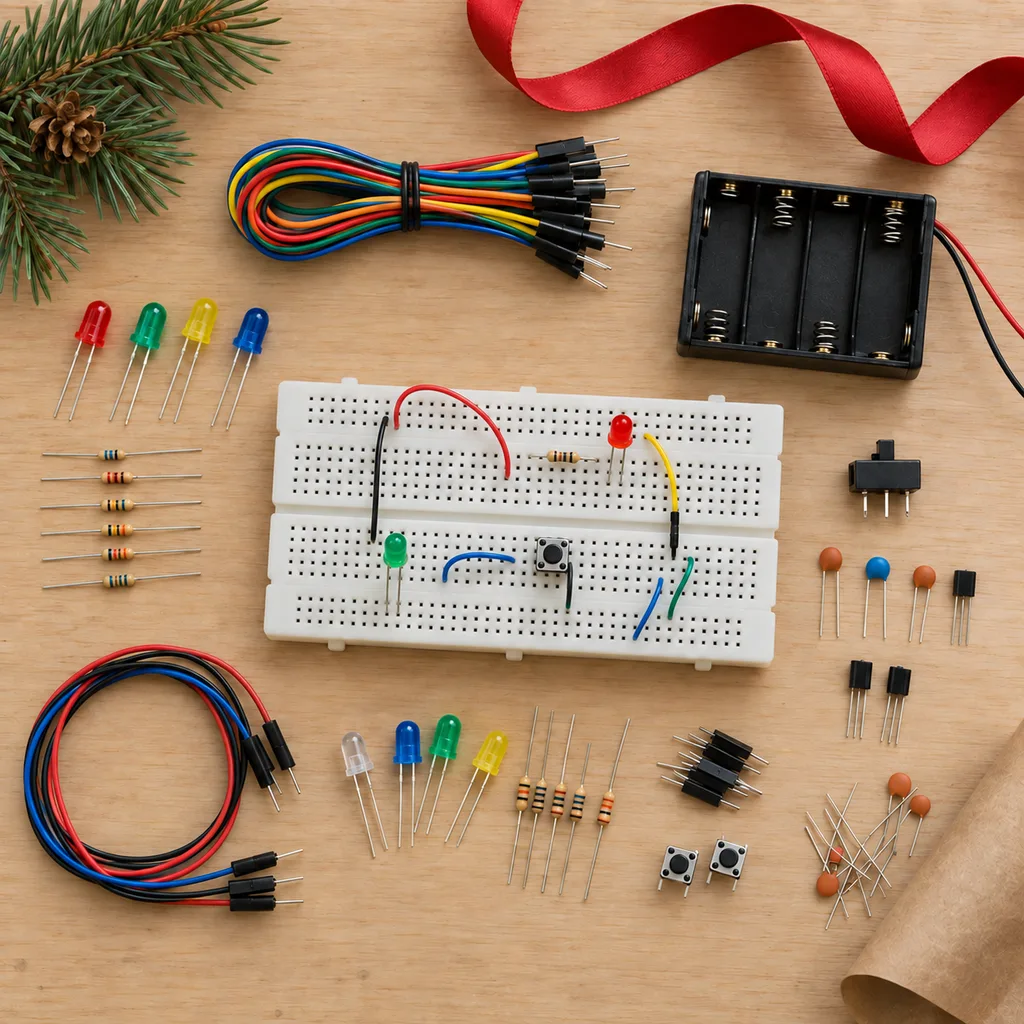
Electronics circuit building kit
Discover the fundamentals of electricity and electronics by assembling working circuits that power lights, sounds, or other simple devices.
Introduction to robotics construction kit
This kit provides an engaging way to learn about engineering, mechanics, and basic programming by building and operating a functional robot.
Junior chemistry experiment lab kit
This kit introduces young scientists to basic chemical reactions and scientific principles through safe, engaging experiments.
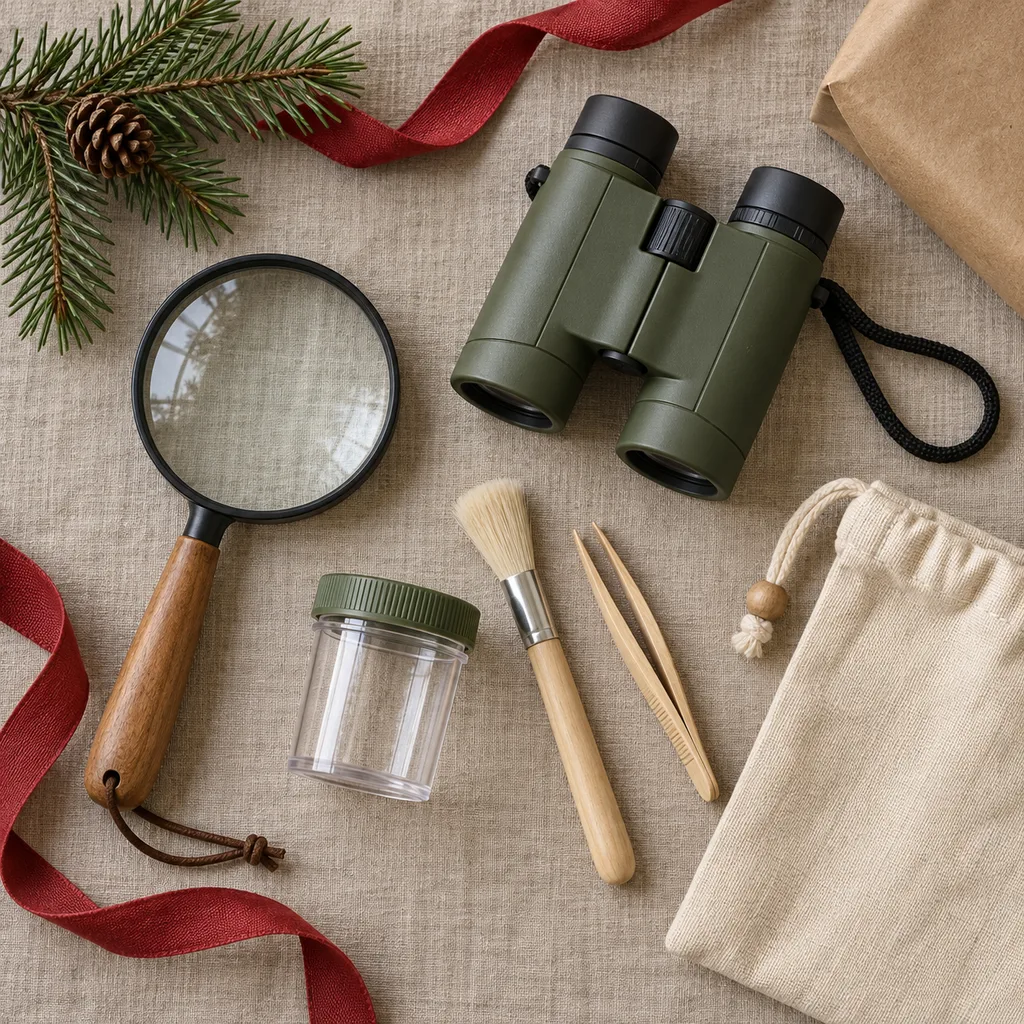
Outdoor nature explorer kit
Equip young adventurers with tools for observing and documenting the natural world, fostering a love for outdoor science.
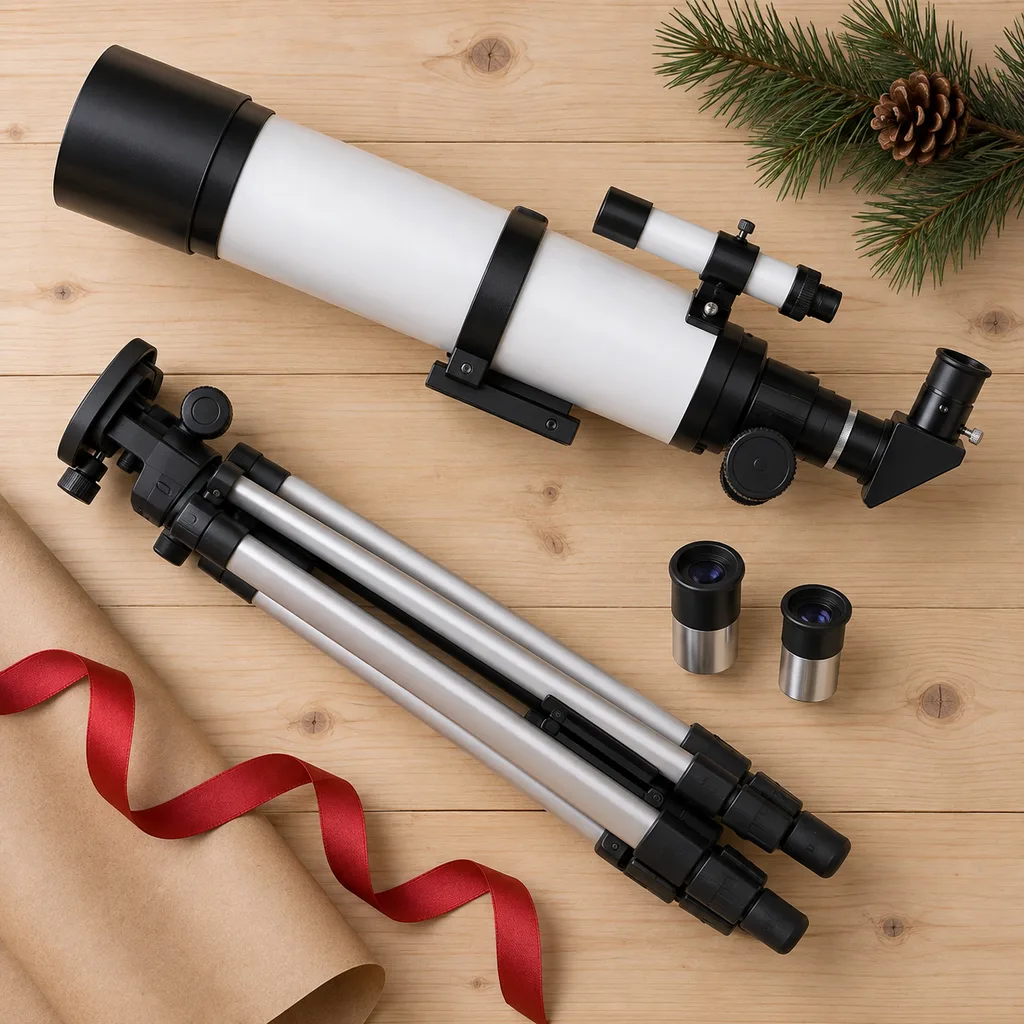
Stargazer telescope astronomy kit
Inspire budding astronomers with a tool to explore the night sky, observing celestial bodies like the moon and visible planets.