Sippy bottle
A great choice for toddlers developing fine motor skills, encouraging independent drinking with a secure straw.
Kids & Baby
8 kinds worth knowing, 8 picks, and what to check before you buy.
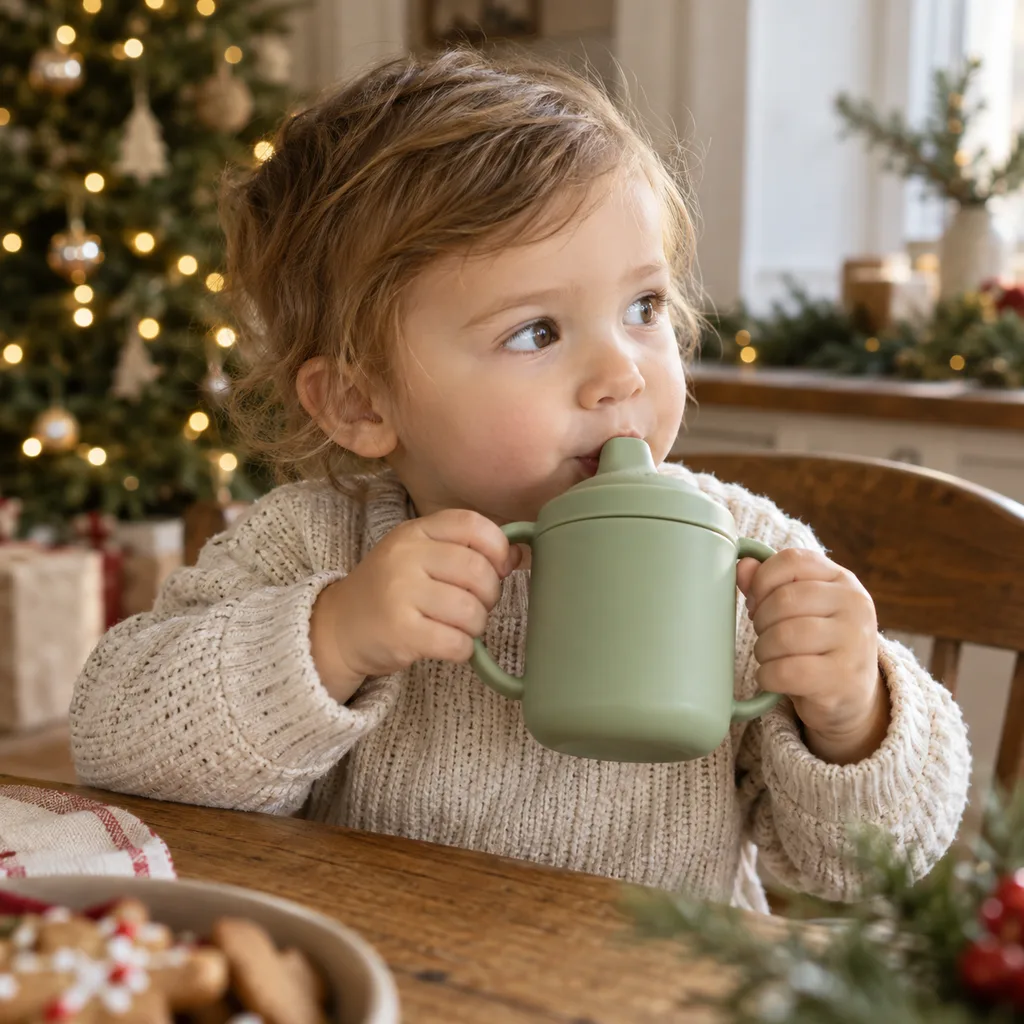
Most sippy cups get bought by new parents and the people shopping for them, usually once a baby is starting solids or a toddler is ready to give up the bottle. What actually gets used is the cup a child will drink from and a parent can clean without a fight. Since toddlers are picky and move through stages quickly, a set with more than one lid or spout is often the most useful gift. Two kinds get a lot of searches: cups with a straw, and cups with a soft spout for younger babies. Search interest in adult sippy cups is also strong, for grown-ups who want a lidded cup they can knock over without a mess.
Kind 1 of 8
An adult sippy cup is a full-size drinking cup with a sealed lid and a spout or straw, sized for grown-up hands. It suits someone who drinks in bed or on the couch, an older relative who likes a cup that won't spill when bumped, or anyone who wants a lidded cup for the car or desk. Before buying, check how much it holds, whether the lid seals fully or only resists splashes, and whether it fits a cup holder. A plain, understated design usually goes over better than one that looks like a baby's cup.
Kind 2 of 8
A sippy cup with a straw has a built-in straw, often with a valve and a flip-top lid that covers it. Many toddlers take to straws easily, and parents like that the cup works at any angle once the child gets the hang of sucking. It suits babies from roughly the time they start solids through the preschool years. Before buying, check whether the straw and valve come apart for cleaning, whether replacement straws are sold, and whether the lid closes firmly enough to toss in a diaper bag.
A great choice for toddlers developing fine motor skills, encouraging independent drinking with a secure straw.
Kind 3 of 8
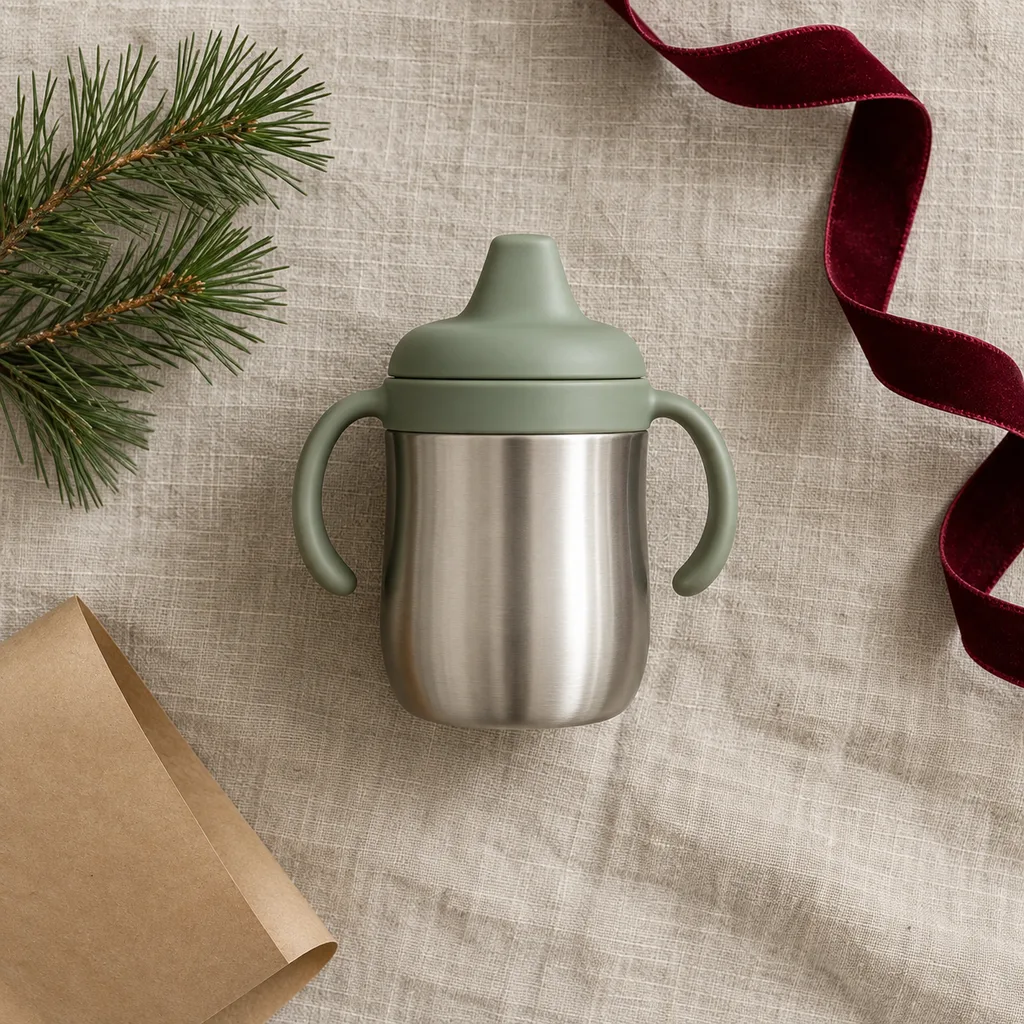
A stainless steel sippy cup swaps the plastic body for metal, often double-walled so milk or water stays cold through an outing. It suits families who spend long days at the park, daycare or in the car, and parents who would rather avoid plastic bodies. The cups hold up well to being dropped, though they can dent. Before buying, check the weight when full, since a heavy cup is hard for small hands. Also look at what the lid and spout are made of and whether the steel body can go in the dishwasher.
This durable cup keeps drinks cool or warm for hours, ideal for outings or long days.
Kind 4 of 8
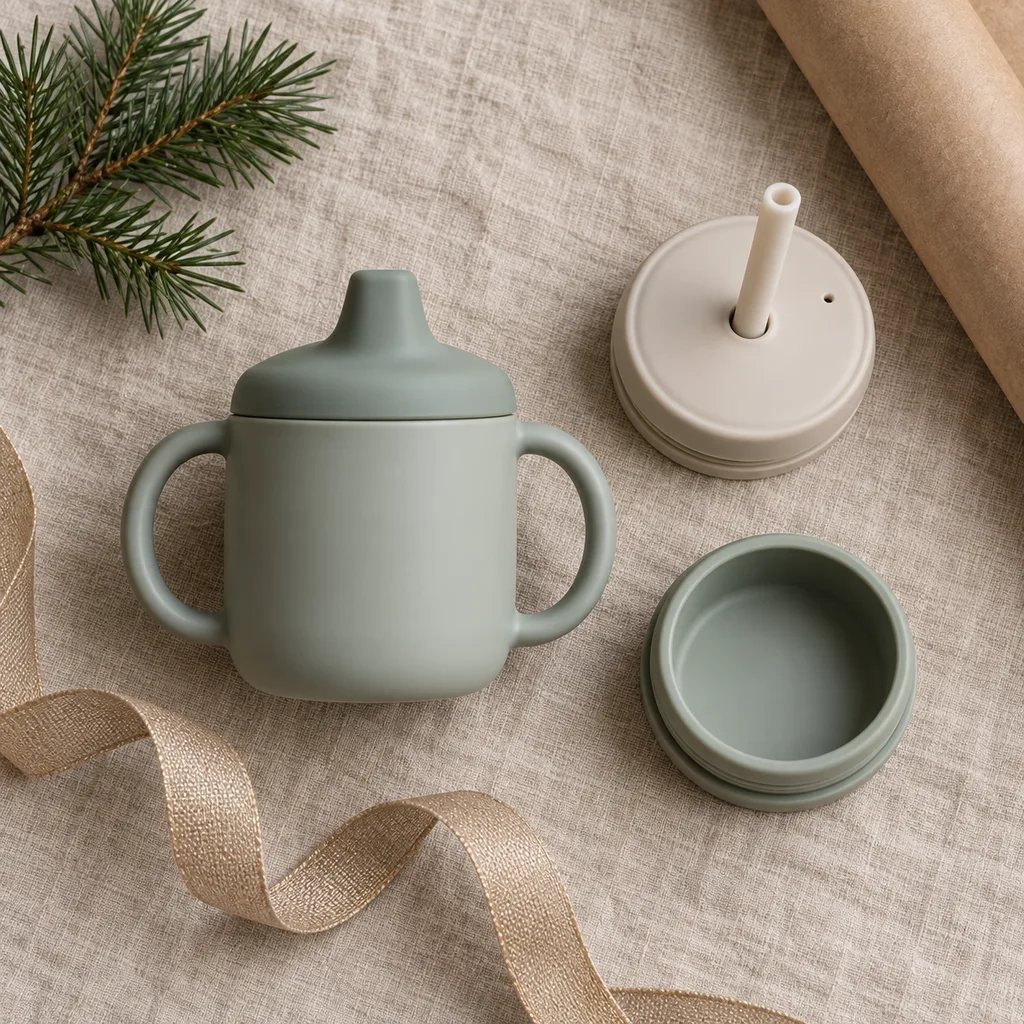
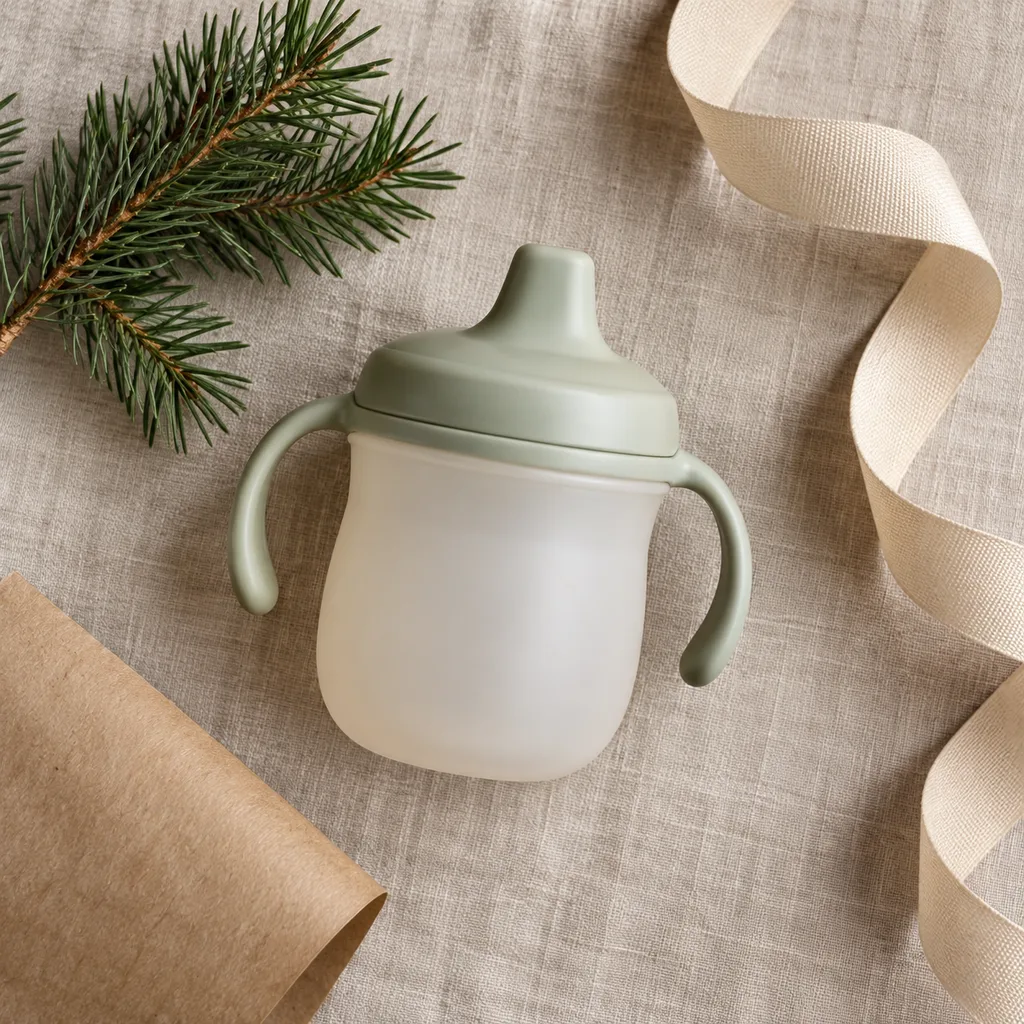
A soft spout sippy cup has a flexible silicone tip that feels close to a bottle nipple, which makes it a common first step away from bottles. It suits babies around six months and up who aren't ready for a straw or an open cup yet. Convertible systems, which start with a soft spout and later switch to a straw or trainer lid, stretch the gift over a longer stage. Before buying, check how many pieces the lid has, whether the valve is easy to remove and wash, and whether the handles come off.
This cup is perfect for babies transitioning from bottles, offering a gentle spout for sensitive gums.
This versatile system adapts as a child grows, offering interchangeable lids for different drinking stages from infant to toddler.
Kind 5 of 8
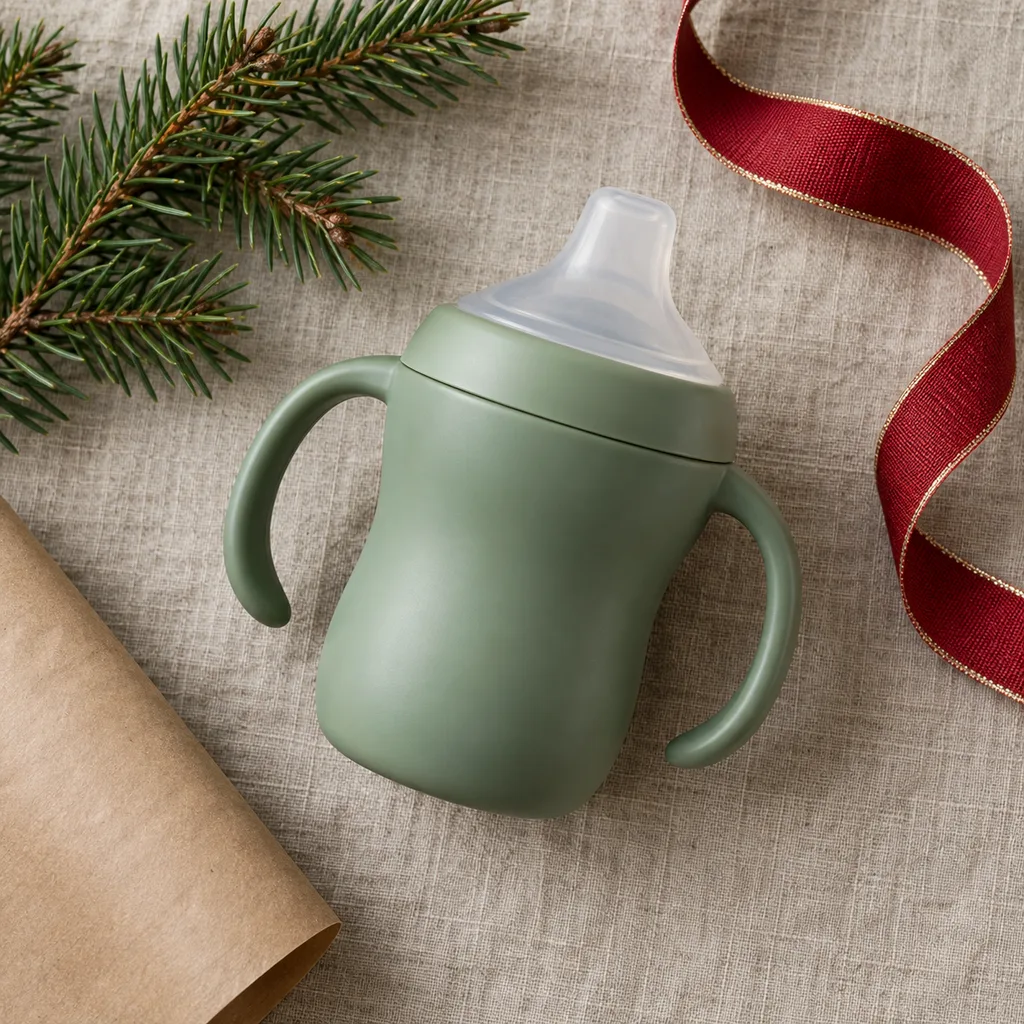
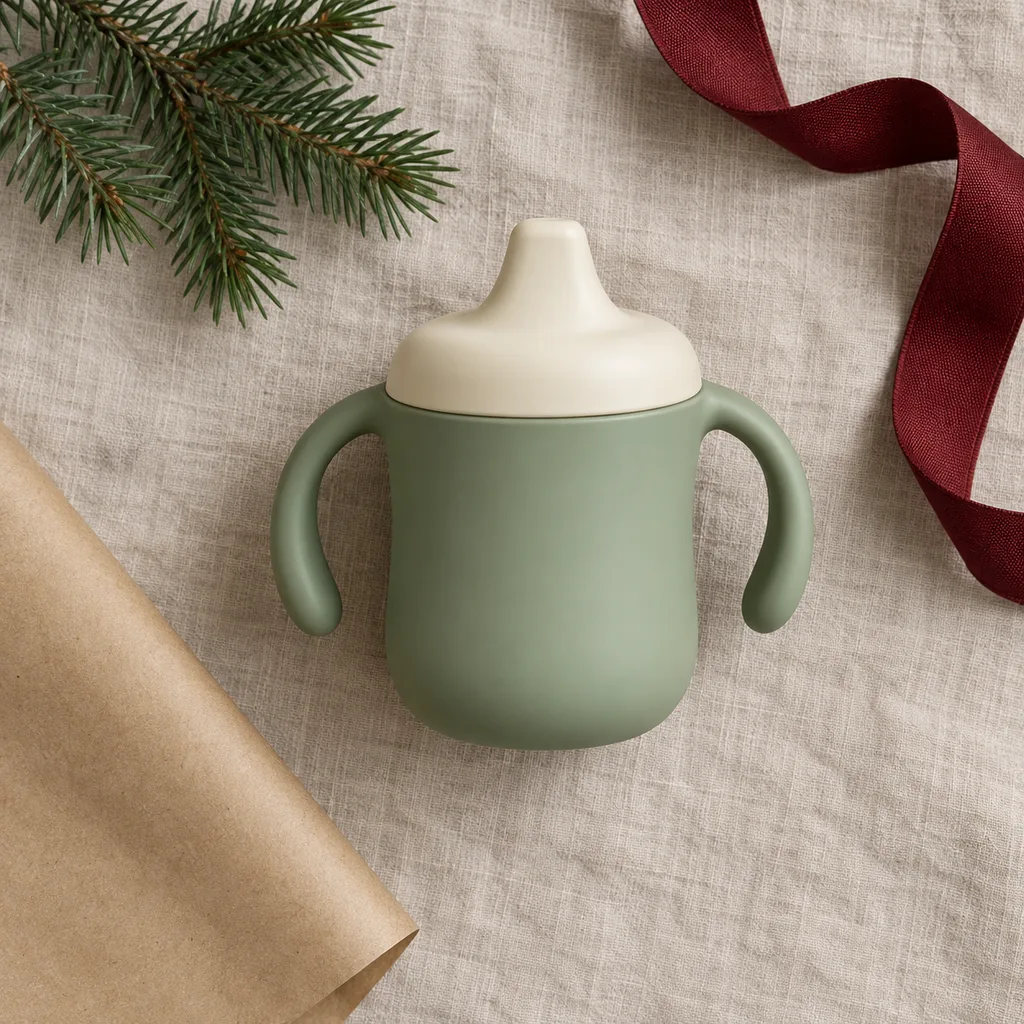
A spill-proof sippy cup uses a valve so liquid only comes out when the child sucks, not when the cup gets tipped or thrown. It's the cup parents reach for in the car, the stroller and anywhere near carpet. Hard spout versions stand up well to chewing and usually last a long time. Before buying, check how hard the child has to suck to get a drink, since a tight valve can frustrate some toddlers, and see how many small parts the lid has to be taken apart into for cleaning.
A sturdy option for older toddlers, this cup resists bites and prevents leaks during active play.
Kind 6 of 8
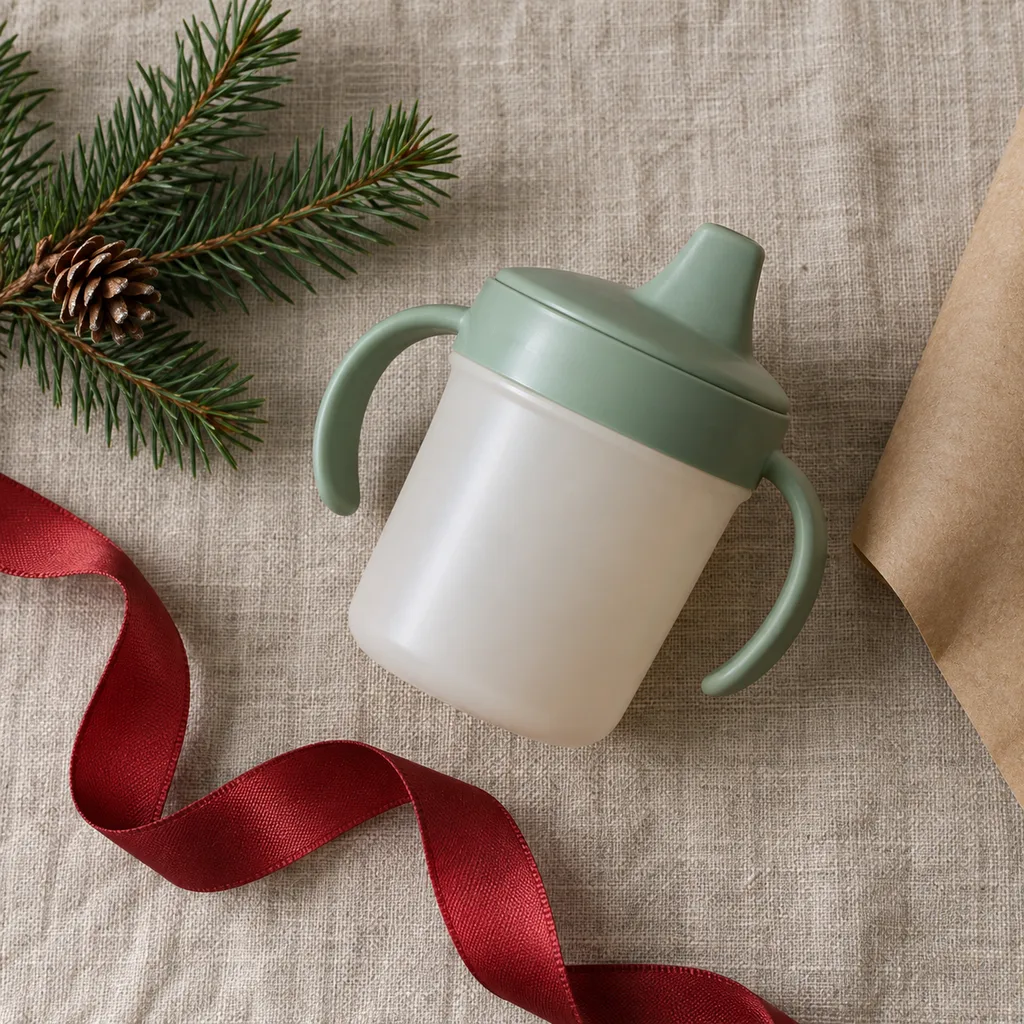
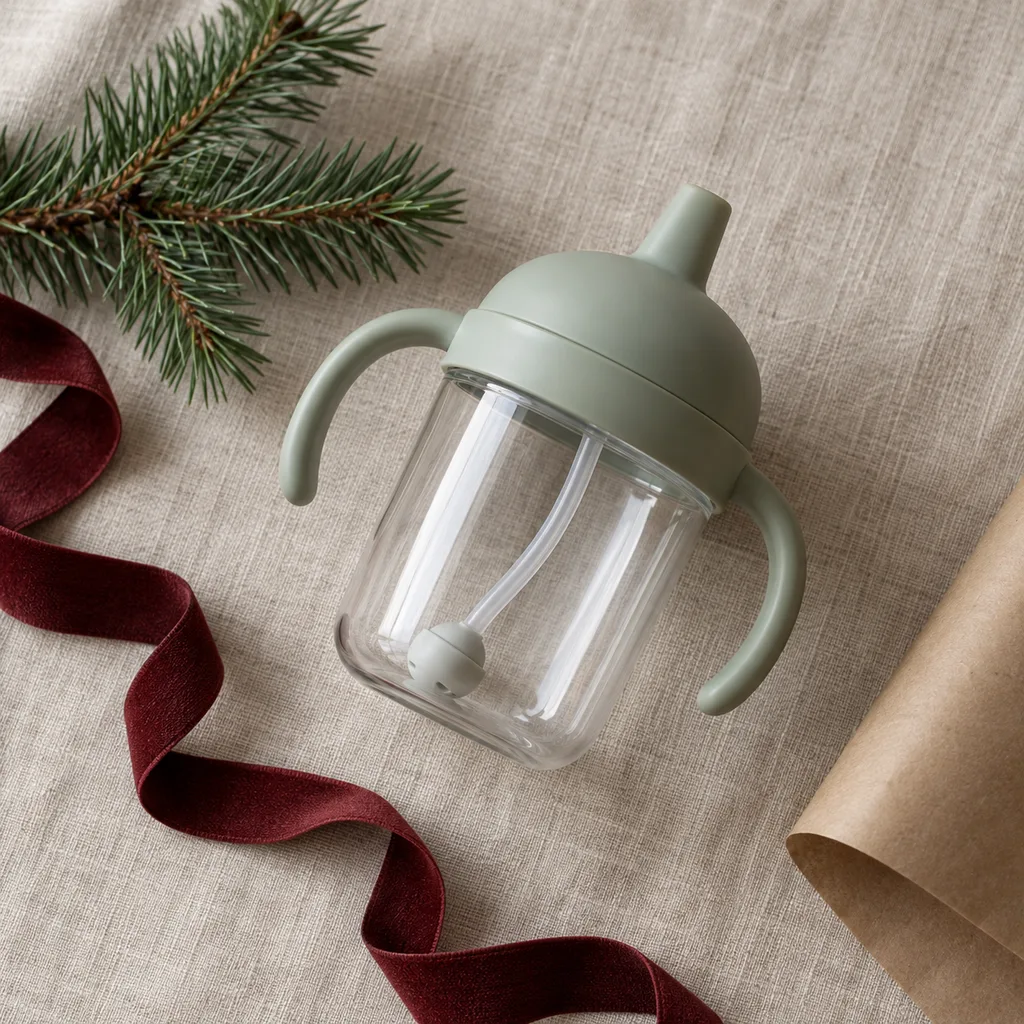
A weighted straw cup has a small weight at the bottom of a flexible straw, so the straw stays in the liquid even when the cup is tilted. That lets a baby still learning to hold a cup keep drinking from almost any angle. These cups usually come with two handles, which suits younger babies who grip with both hands. Before buying, check whether the weight and straw come apart for cleaning, whether replacement straws are easy to find, and whether the handles are shaped to fit small hands.
Designed to help little ones drink from any angle, this cup is perfect for developing independence and reducing spills.
Specifically designed with easy-grip handles, this cup helps infants and toddlers develop confidence in holding and drinking independently.
Kind 7 of 8
A glass sippy cup pairs a glass body with a sippy lid, usually with a silicone sleeve to help with grip and absorb knocks. It suits parents who prefer glass at home, want a cup that doesn't hold onto smells or stains, and like being able to see how much is left. Glass is better suited to meals at the table than to the car or playground. Before buying, check that the sleeve covers most of the cup, how heavy it is when full, and whether the lid works with other spouts or straws.
Kind 8 of 8
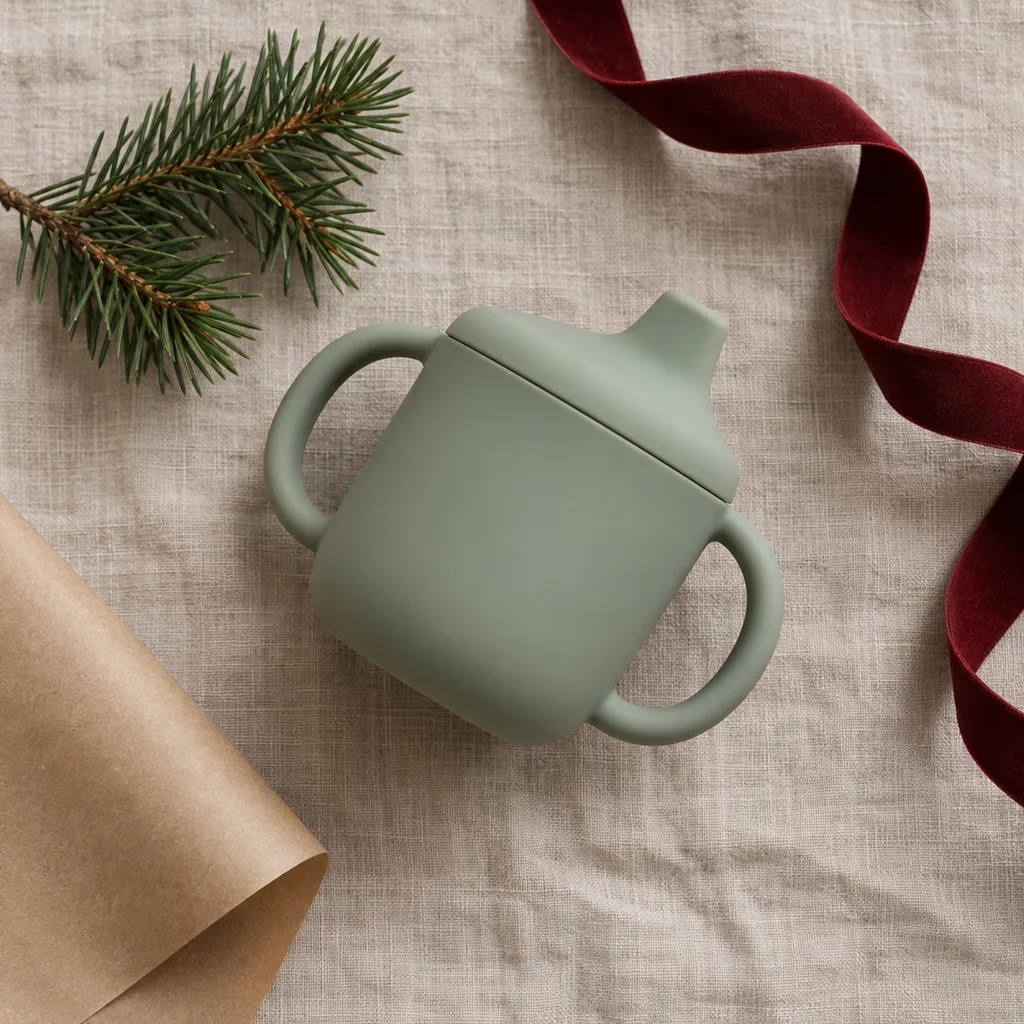
A silicone sippy cup is made mostly or entirely of flexible silicone, so it's soft, light and quiet when it hits the floor. It suits younger babies, and parents who want a cup that squishes into a bag and doesn't crack. Some are spill-resistant rather than fully spill-proof, which is fine at the table but less so in the car. Before buying, check whether the lid seals tightly or just slows spills, whether the cup keeps its shape when a child squeezes it, and how easy the inside corners are to clean.
Made from soft, flexible silicone, this cup is gentle on gums and teeth while offering a secure, spill-resistant design.
Looking for one person in particular? Shop by person.
Everything else
Showing 1–8 of 8