Beginner model rocket kit
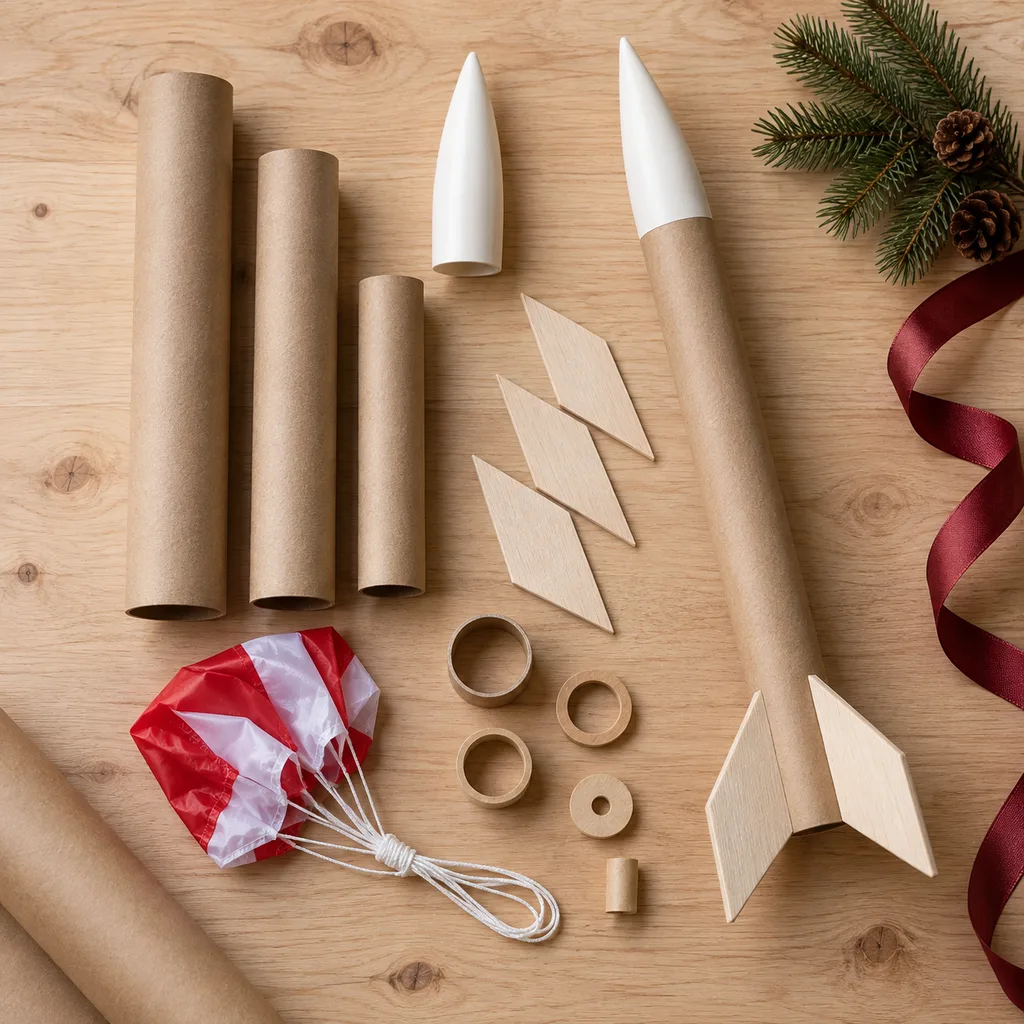
This kit offers a fantastic entry point into rocketry for curious minds and aspiring engineers.
Kids & Baby
7 kinds worth knowing, 15 picks, and what to check before you buy.
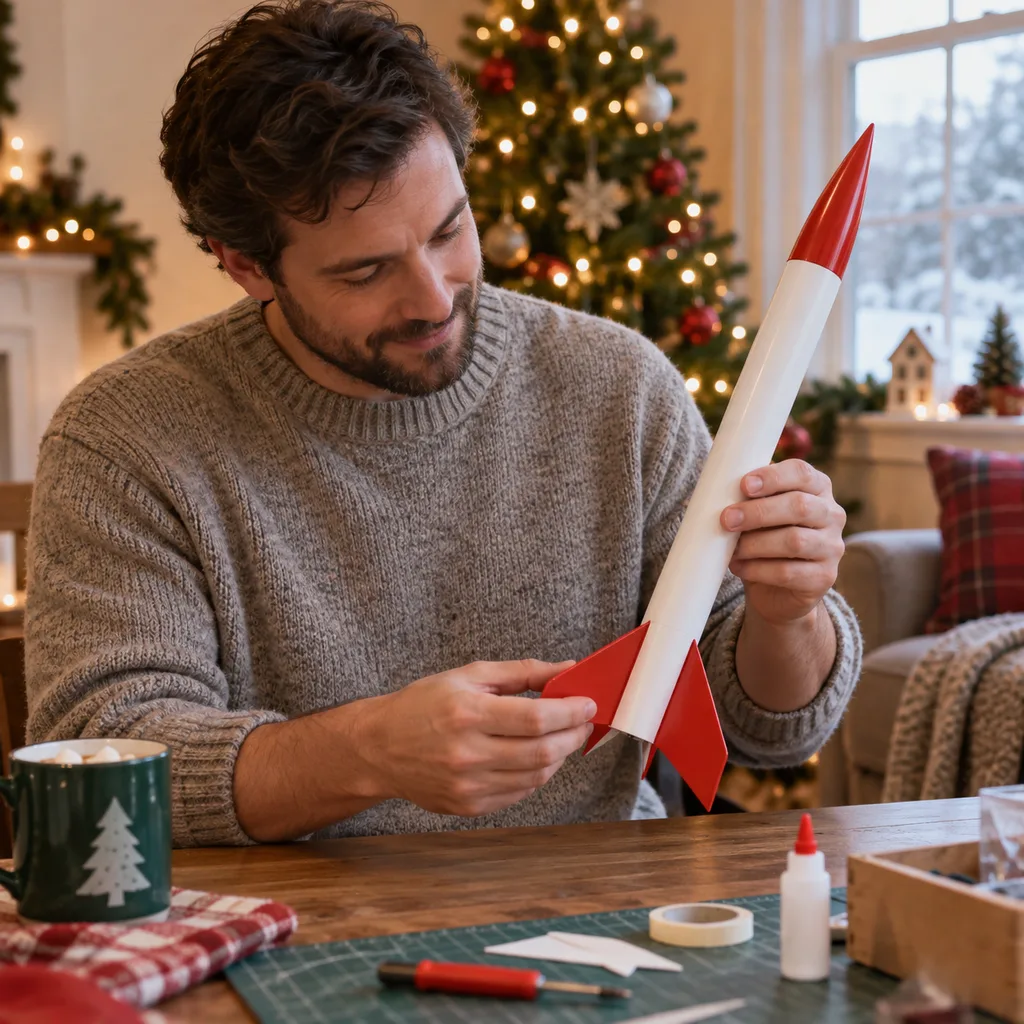
This is a gift for the kid who takes things apart to see how they work, the teen who wants a weekend project, or the dad or grandpa who built one decades ago and still remembers the smell of launch day. What gets used is a kit matched to the builder's patience, plus enough engines to fly it more than once. A beginner kit with a simple launch pad gets a first flight done in an afternoon. More experienced builders tend to want a bigger rocket, a multi-stage design or add-ons like an altimeter. Think of it as two gifts in one: the build at the kitchen table and the day out at an open field.
Kind 1 of 7
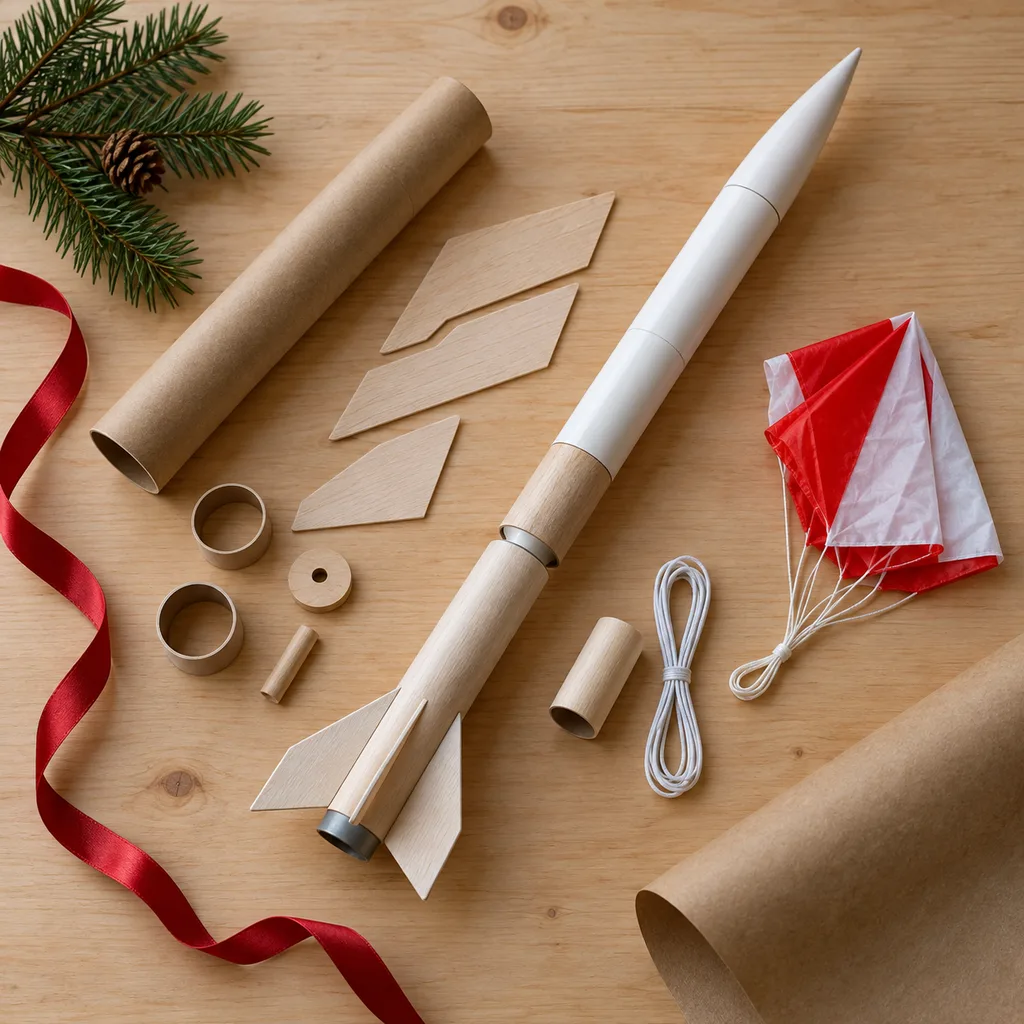
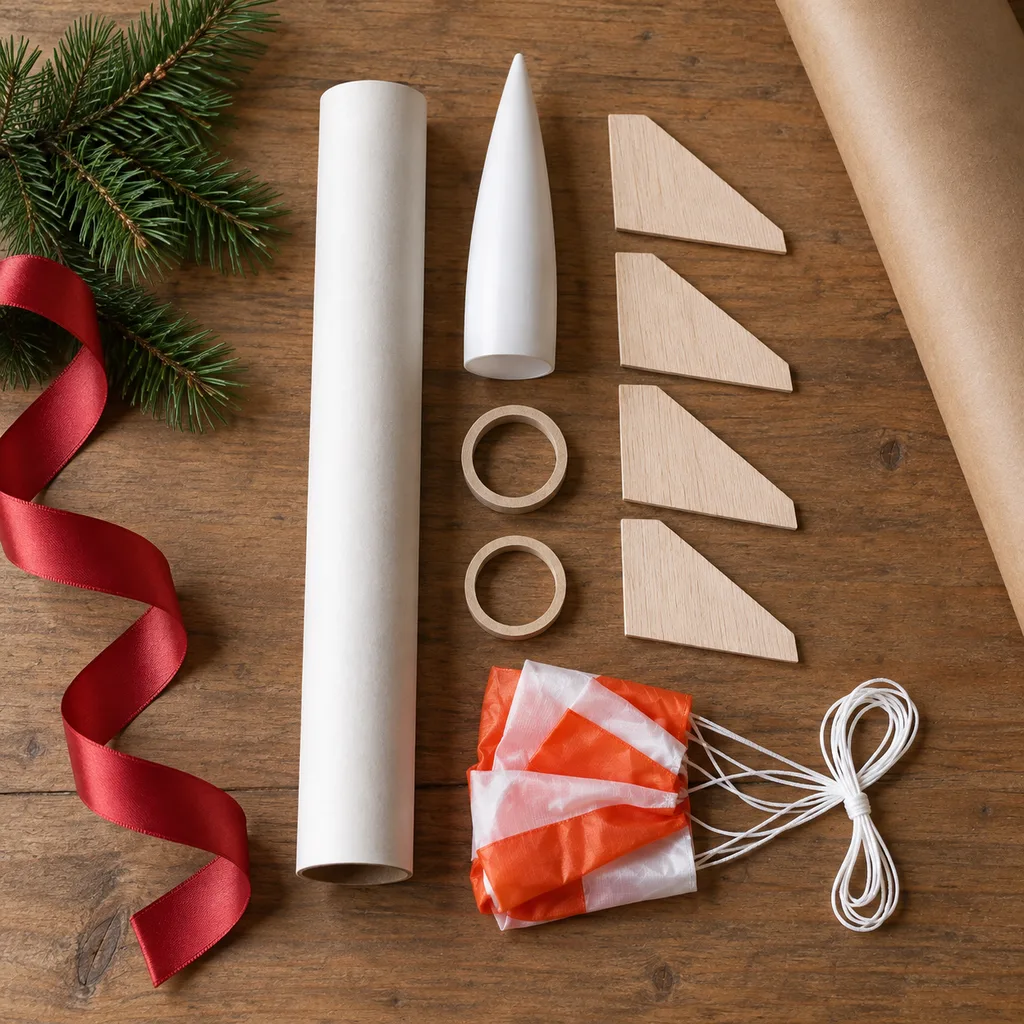
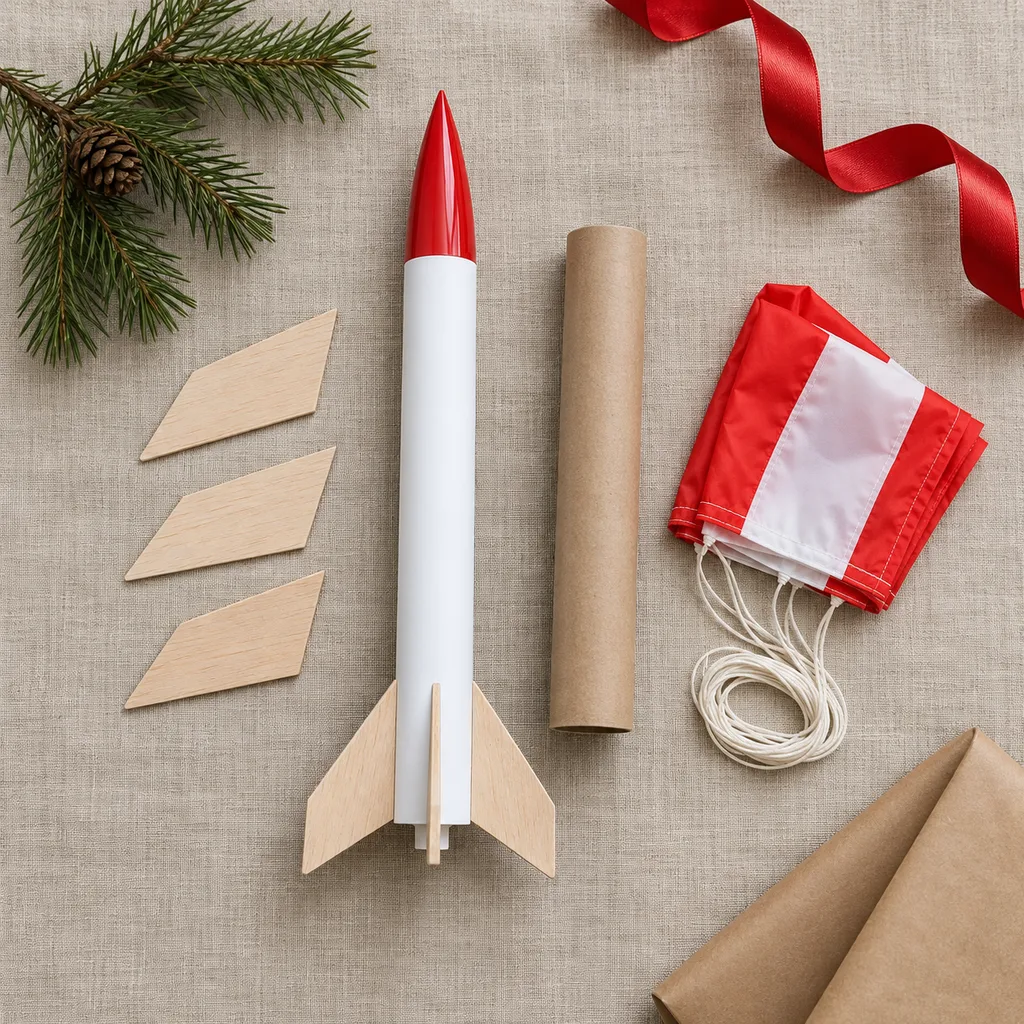
A kit gives you the body tube, nose cone, fins and recovery parts, and sometimes a launch pad and controller too. Beginner kits often come mostly pre-assembled or use snap-together fins, which suits younger kids or anyone who wants to fly the same day. Intermediate and multi-stage kits call for glue, sanding and careful alignment, which is better for teens and adults who enjoy the build as much as the flight. Before buying, check the skill level on the box, whether engines and a launcher are included, and what engine sizes the rocket takes.
This kit offers a fantastic entry point into rocketry for curious minds and aspiring engineers.
Perfect for hobbyists ready to tackle more intricate designs and explore advanced rocket science principles.
Challenges experienced builders with complex assembly and offers exciting higher altitude flights for seasoned rocketry hobbyists.
Kind 2 of 7
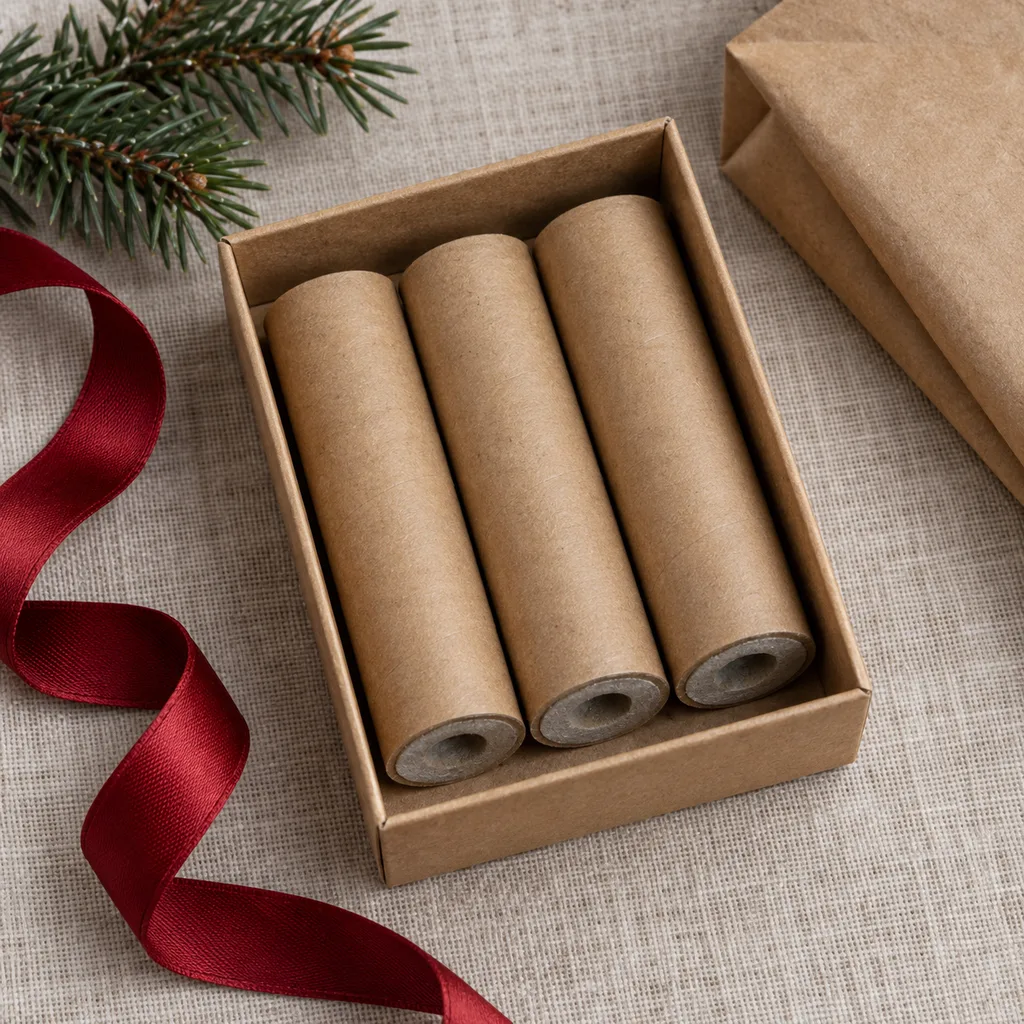
Most rockets use single-use engines, so a kit without spares only gets a flight or two. A refill pack of one engine size suits someone who already has a rocket they love. A variety pack lets them try lower and higher flights with the same rocket. Before buying, check which engine diameter and power classes their rocket is rated for, and look up the age and purchase rules for engines where the recipient lives, since these vary by province and state.
An essential supply for any model rocket enthusiast, ensuring many more exciting launches and experiments.
Provides a range of thrust options for different rocket sizes and desired flight characteristics, perfect for repeat launches.
Kind 3 of 7
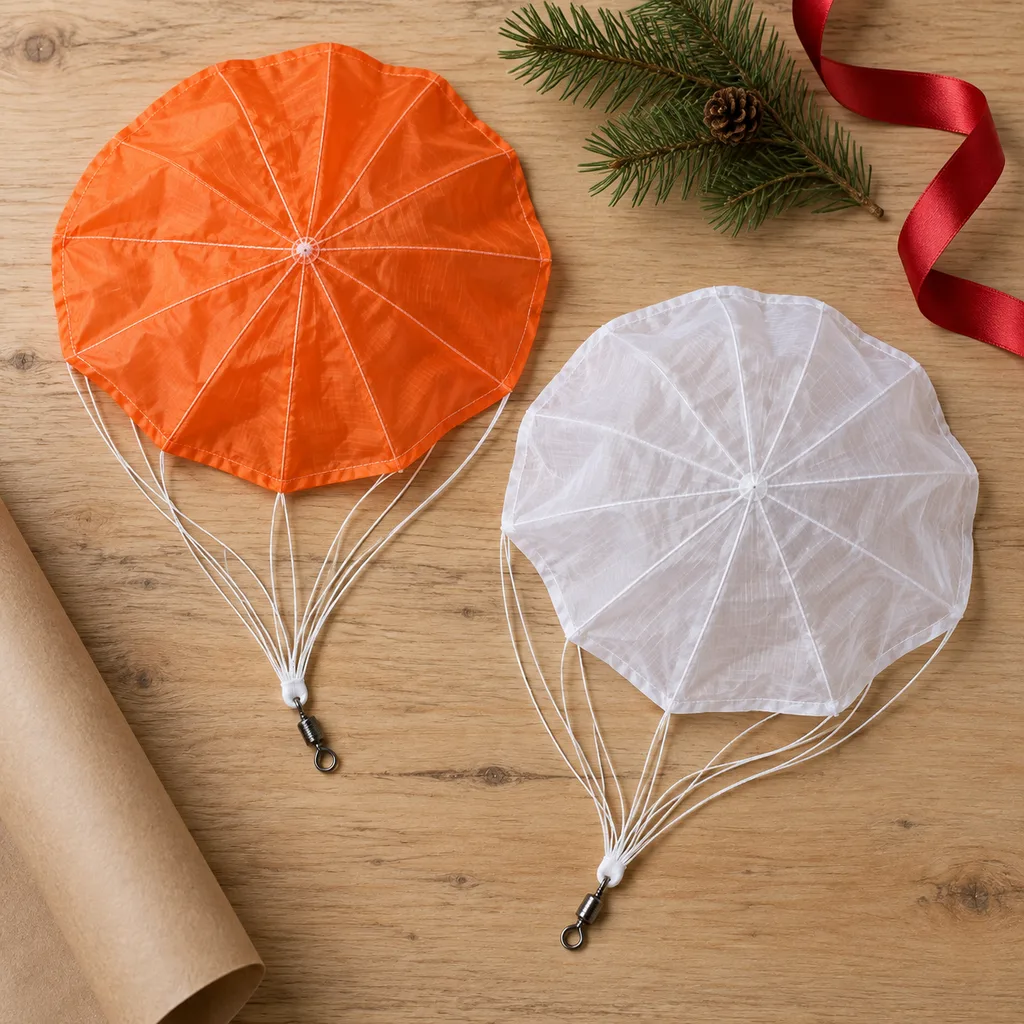
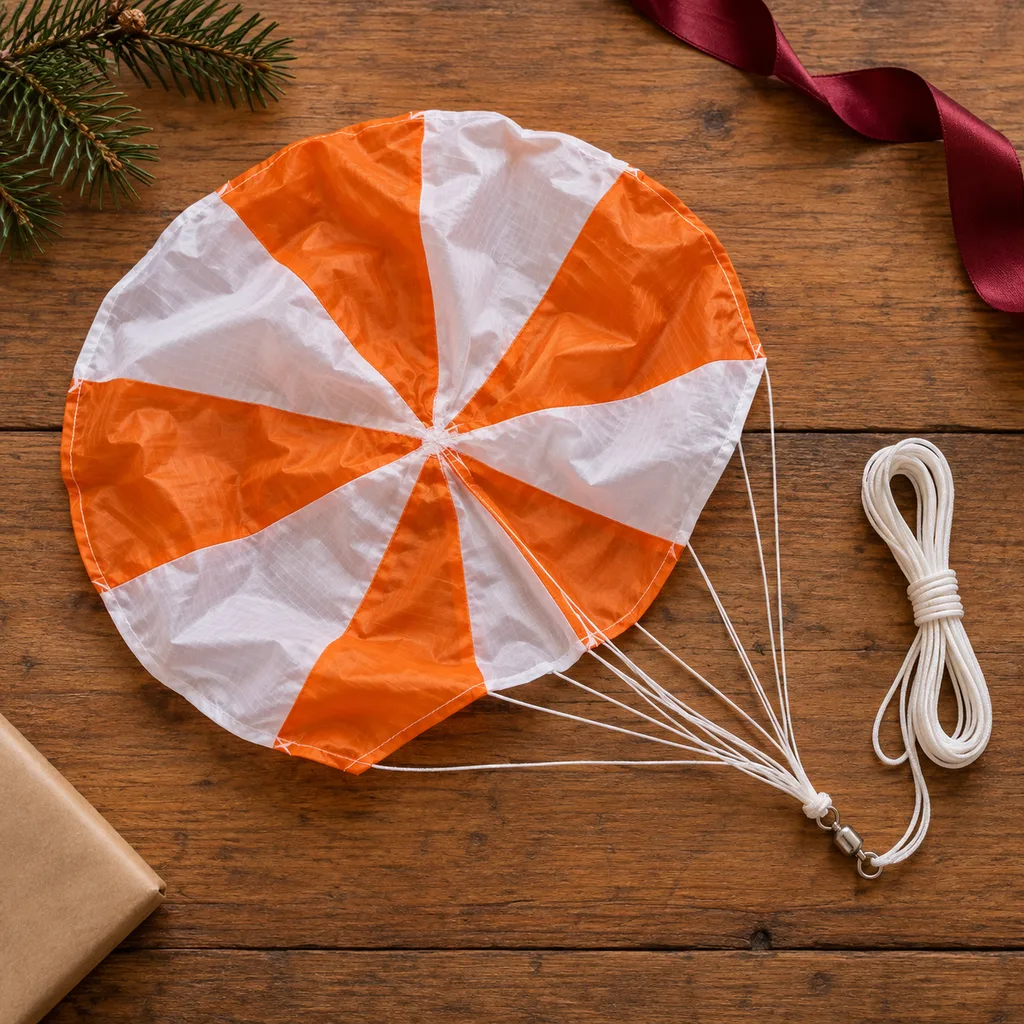
Once the rocket is built, the extras are what make launch day fun. Spare parachutes replace ones that tear, tangle or drift into a tree, and they're easy to overlook until one goes missing. A flight altimeter records how high each launch went, which turns a casual outing into something to compare and beat. These suit anyone who already flies regularly. Check the parachute size against the rocket's weight and body diameter, and make sure an altimeter fits inside the payload section or body tube.
Records the maximum altitude achieved during a rocket's flight, providing valuable data for performance analysis and experimentation.
Ensures safe return of model rockets after flight, offering various sizes and materials for optimal descent.
Offers replacement or upgrade options for a rocket's recovery system, ensuring safe landings after high-flying adventures.
Kind 4 of 7
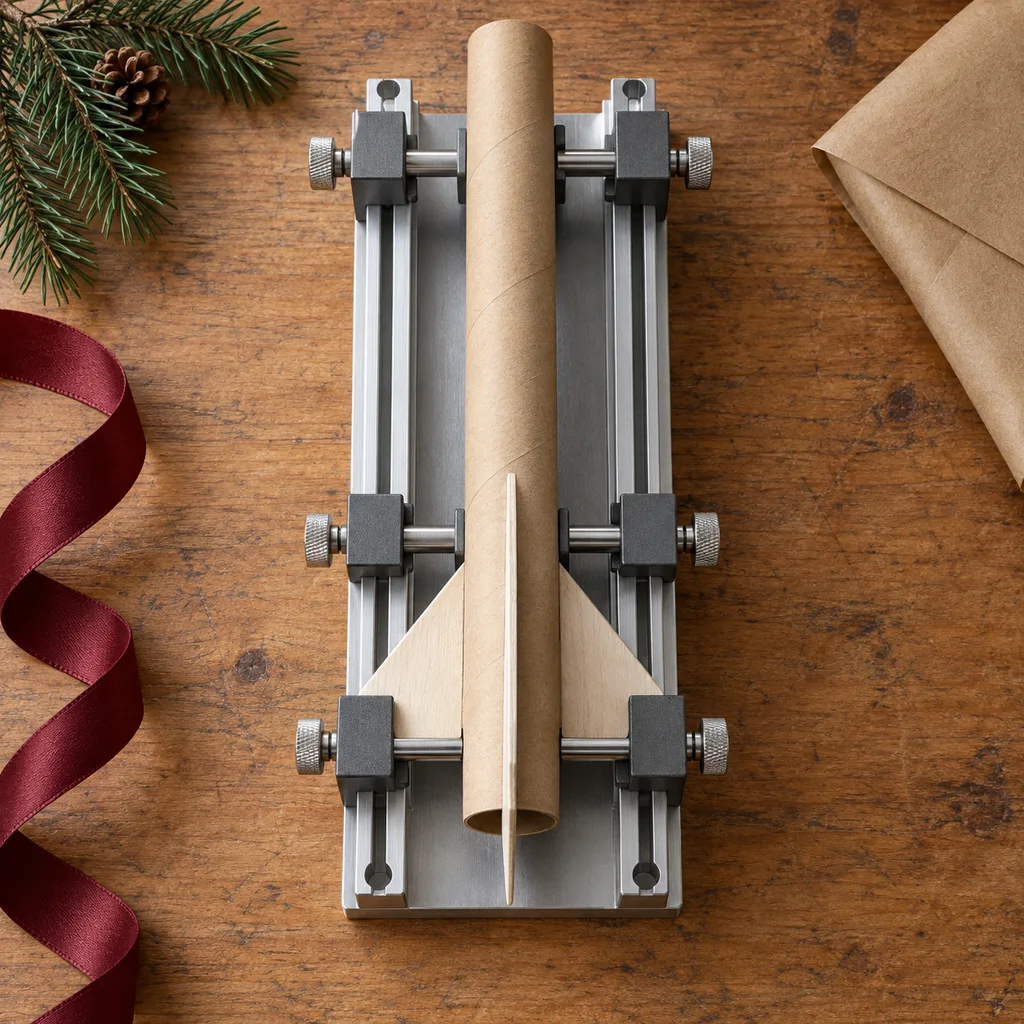
A building tool kit collects the hobby knife, sandpaper, clamps and glue applicators that make assembly go smoothly. It's a good add-on for someone moving from ready-to-fly rockets to kits that need real construction. A fin alignment guide holds fins straight and evenly spaced while the glue sets, which helps the rocket fly straight instead of spiralling. Check that the guide fits the body tube diameters they build with and that the tools suit the builder's age and experience.
Equips aspiring rocketeers with the specialized tools necessary for precise assembly and customization of their models.
Helps model rocket builders achieve perfectly straight fin attachments, crucial for stable and predictable rocket flight paths.
Kind 5 of 7
Larger rockets are taller, wider and usually take bigger engines, so they fly higher and look impressive on the pad. They suit hobbyists who have flown smaller kits and want a longer build and a bigger payoff. Before choosing one, check which engine sizes it needs, whether their current launch pad and rod can handle it, and whether they have access to a field big enough to recover it. Some sizes also need permission or club membership to launch, so look into local rules first.
Kind 6 of 7
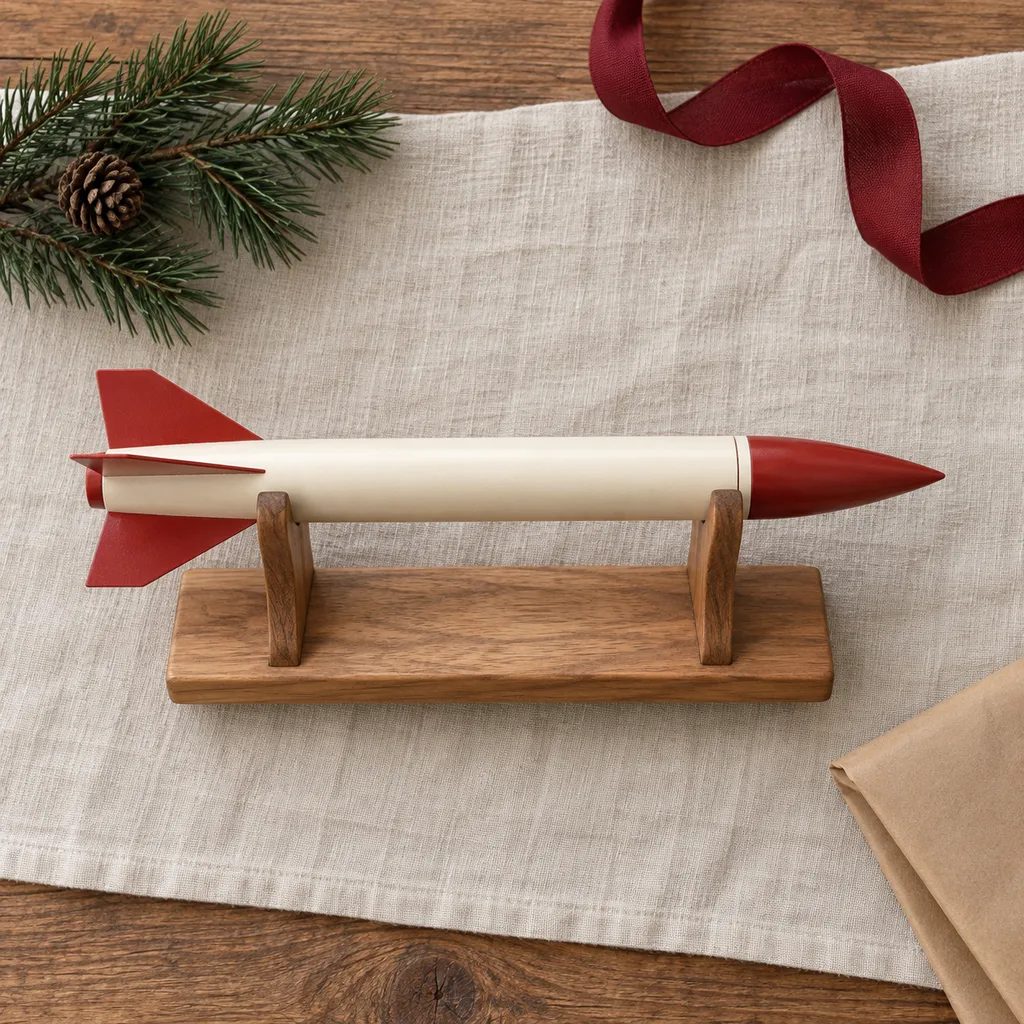
Plenty of rockets spend more time on a shelf than in the air, especially carefully painted builds or ones that have retired after many flights. A display stand holds a rocket upright or at an angle, so it becomes part of a bedroom, office or den. This suits collectors and anyone proud of their work. Check that the stand fits the rocket's body diameter and height, and whether it holds one rocket or several.
A stylish way to showcase completed model rockets, protecting them while highlighting their craftsmanship and design.
A perfect way for enthusiasts to showcase their completed rocket models, turning them into impressive decorative pieces.
Kind 7 of 7
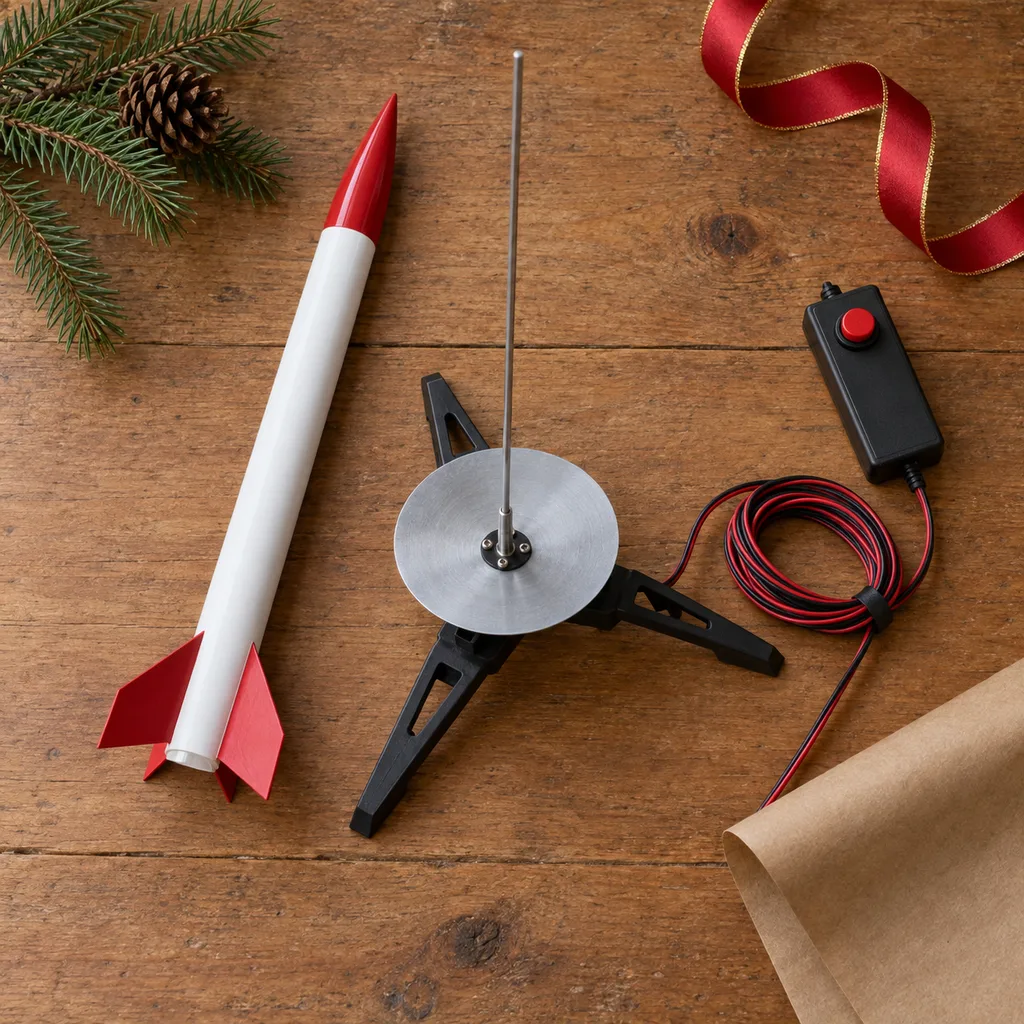
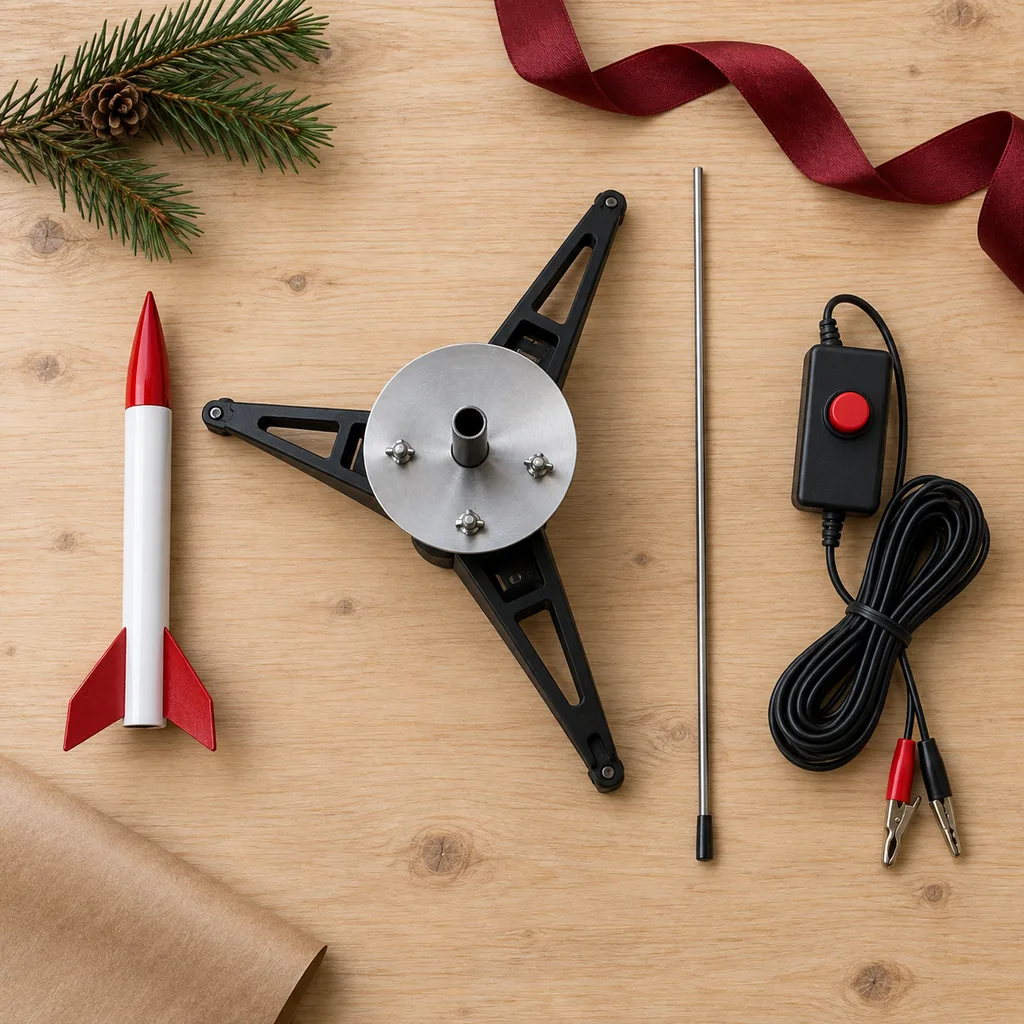
A launch system is the pad, rod and electrical controller that fires the engine from a distance. Many starter kits include a basic one, but a sturdier or universal system is a good upgrade for someone flying several rockets of different sizes. Before buying, check the rod diameter and length against their rockets, what batteries the controller uses, and how long the lead wire is.
Essential ground equipment for safely launching model rockets, providing stability and remote ignition for enthusiasts.
Provides the critical equipment needed for safe and controlled model rocket launches, suitable for various rocket types.
Looking for one person in particular? Shop by person.
Everything else
Showing 1–15 of 15
A top-bound 48-page pocket notebook that scans through an app and wipes clean with water.