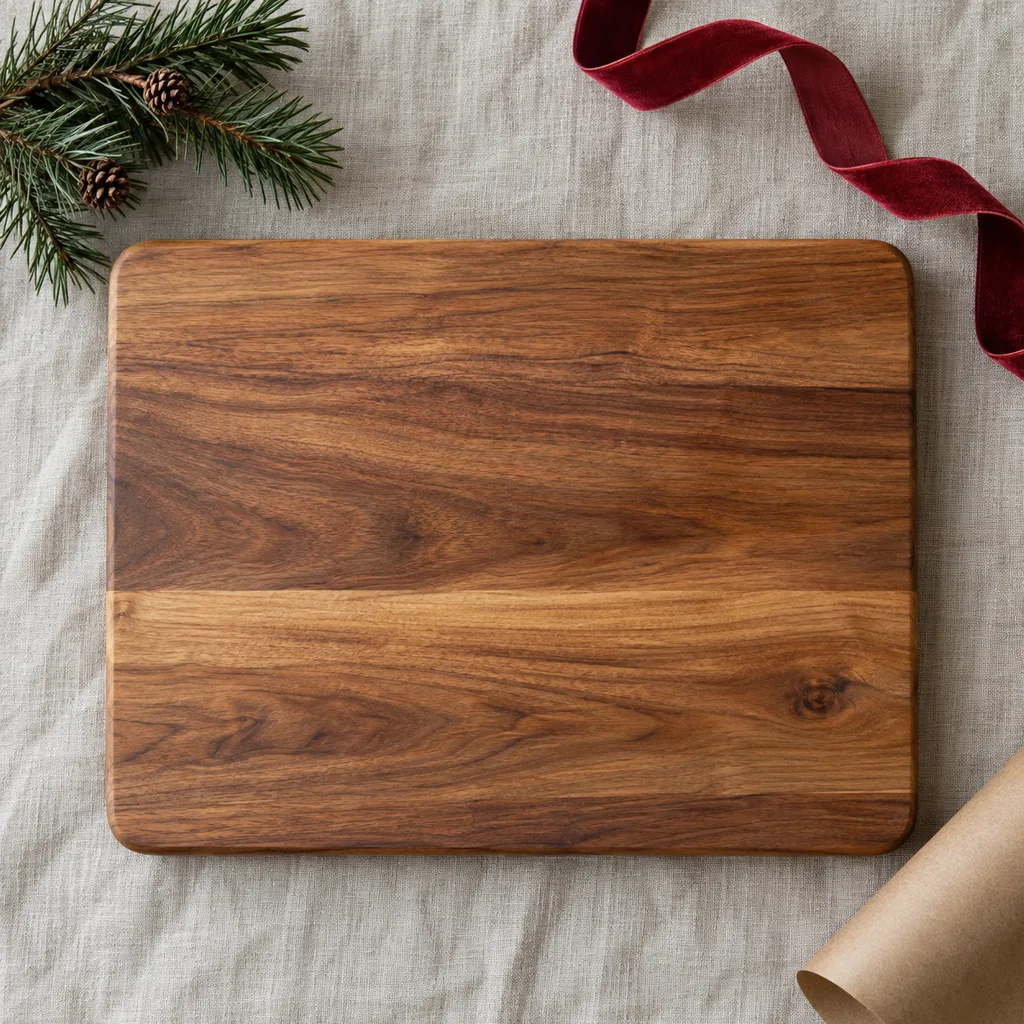
Hardwood cutting boards
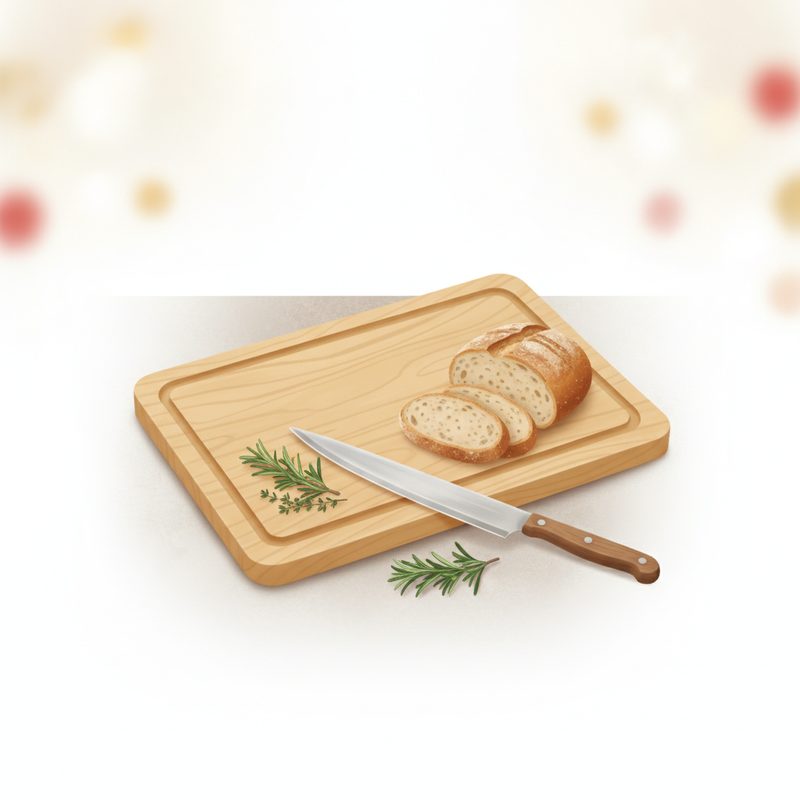
This durable board is ideal for home cooks who appreciate a sturdy surface for daily chopping and slicing tasks.
Kitchen & Coffee
8 kinds worth knowing, 9 picks, and what to check before you buy.

A good board is one of the few kitchen gifts that gets used almost every day, which makes it a safe choice for new homeowners, keen home cooks and anyone who hosts. The ones that last in daily use are usually wood: a solid maple board for chopping, or a thicker butcher block that stays on the counter. Serving boards are a different gift. A wooden charcuterie board comes out for guests and holidays, so looks matter as much as function. Before choosing, think about how the person cooks, how much counter space they have, and whether they wash dishes by hand. Those three things matter more than anything else.
Kind 1 of 8
A wooden board is the classic kitchen workhorse. It is gentle on knife edges, feels steady under the hand and can look good left out on the counter. It suits almost anyone who cooks regularly, from a first apartment to a well-stocked kitchen. Before buying, check the size against their counter and sink, since a board too big to wash easily ends up in a cupboard. Look for a solid piece or tight, even joins, and a thickness that won't warp. Rubber feet or a juice groove are handy extras. Keep in mind that wood needs hand washing and an occasional oiling.
This durable board is ideal for home cooks who appreciate a sturdy surface for daily chopping and slicing tasks.
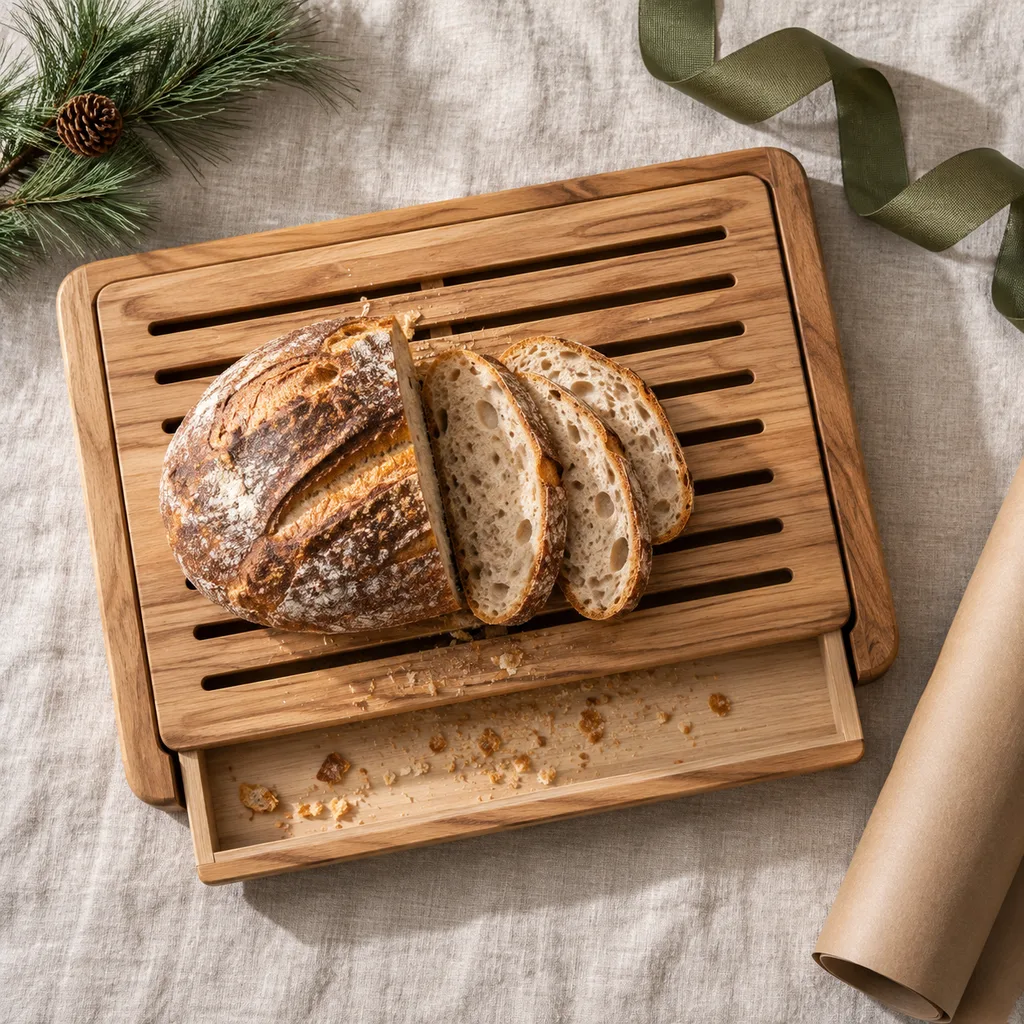
An ingenious board designed for bread lovers, neatly catching crumbs to keep countertops clean during slicing.
Kind 2 of 8
Maple is one of the most popular woods for boards because it is dense, fine-grained and light in colour, so it suits most kitchens. It holds up well to daily chopping without being hard on knives. A maple board is a good pick for someone who cooks often and would appreciate one solid board rather than a set of flimsy ones. Check whether it is edge grain or end grain: edge grain is lighter and simpler to care for, while end grain is thicker and heavier. Choose a size that fits their sink for washing, and consider adding a bottle of board oil to the gift.
Kind 3 of 8
A charcuterie board is meant for the table, not the chopping block. It suits people who host, bring platters to gatherings or like a relaxed cheese-and-crackers evening. Since it's on display, the wood grain, shape and finish matter more here than they do on a working board. Handles make it easier to carry from kitchen to table, and a shallow groove keeps olives and juices from sliding off. Check that it is thick enough to feel sturdy and small enough to store easily. A board that doubles for light slicing is more useful than a purely decorative piece.
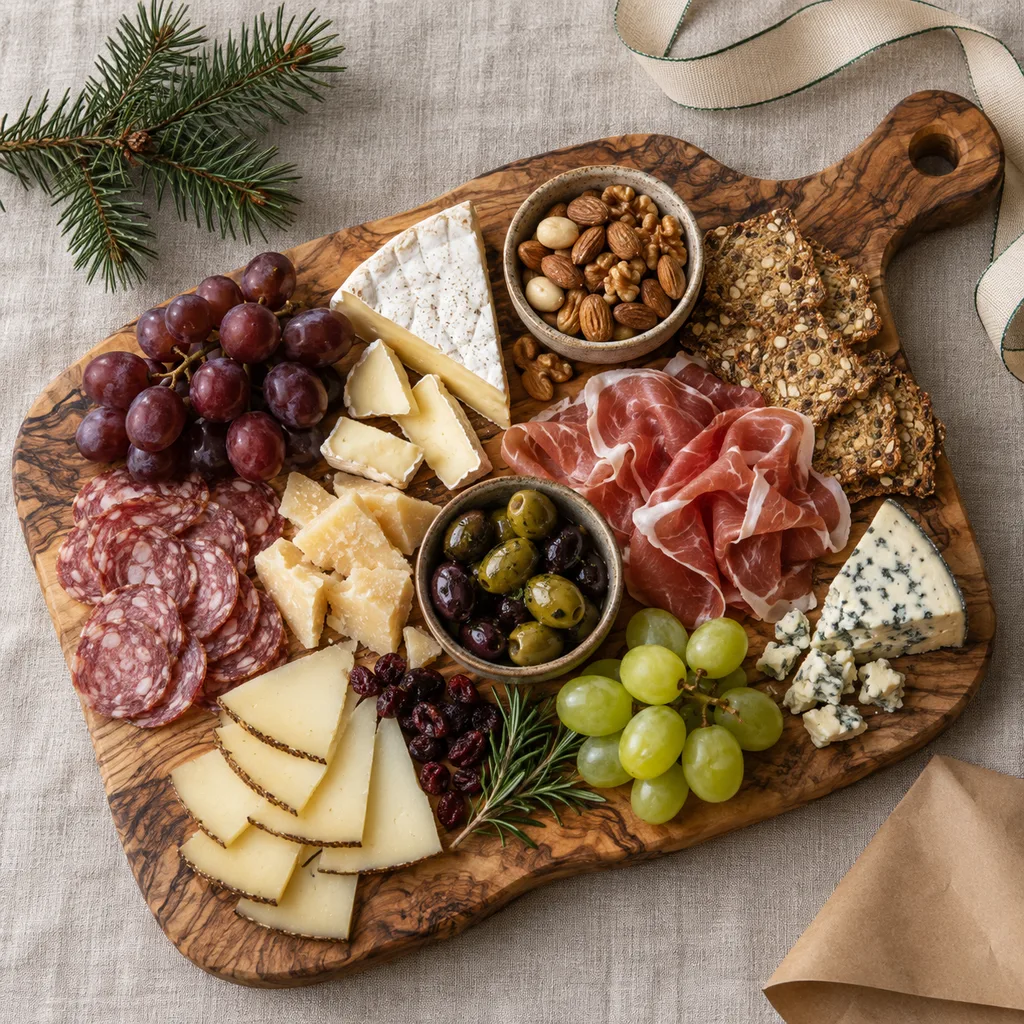
Perfect for entertainers and foodies, this board beautifully displays an array of cheeses, cured meats, and appetizers.
Kind 4 of 8
Stainless steel boards appeal to people who want a surface that doesn't stain, soak up smells or need oiling. They wipe clean quickly and some go straight into the dishwasher. They suit tidy, low-maintenance cooks and people who handle a lot of raw meat or fish and want a separate surface. The trade-off is that metal is hard on knife edges and can be noisy and slippery. Check for non-slip corners or feet, and look at whether it is double-sided, with steel on one side and a softer material on the other for regular chopping.
Kind 5 of 8
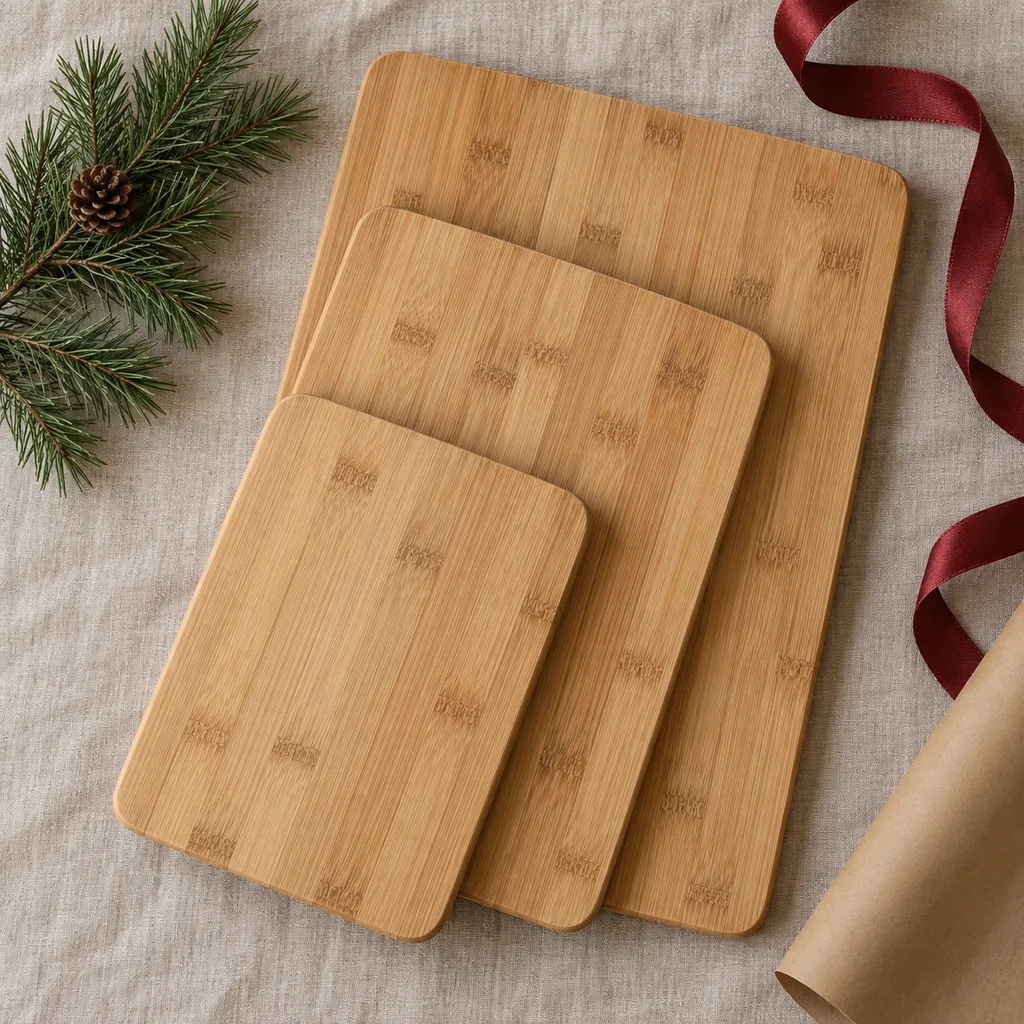
Bamboo is light, looks tidy and often comes in sets of different sizes, which makes it a practical gift for a first kitchen or someone restocking. A set lets them keep one board for bread, one for vegetables and one for meat. Bamboo is harder than most woods, so it can wear knives a little faster than maple. Check that the pieces are solid and evenly glued, and that the sizes are actually useful rather than one large board and two tiny ones. Bamboo serving boards with tools tucked inside also make an easy hosting gift.
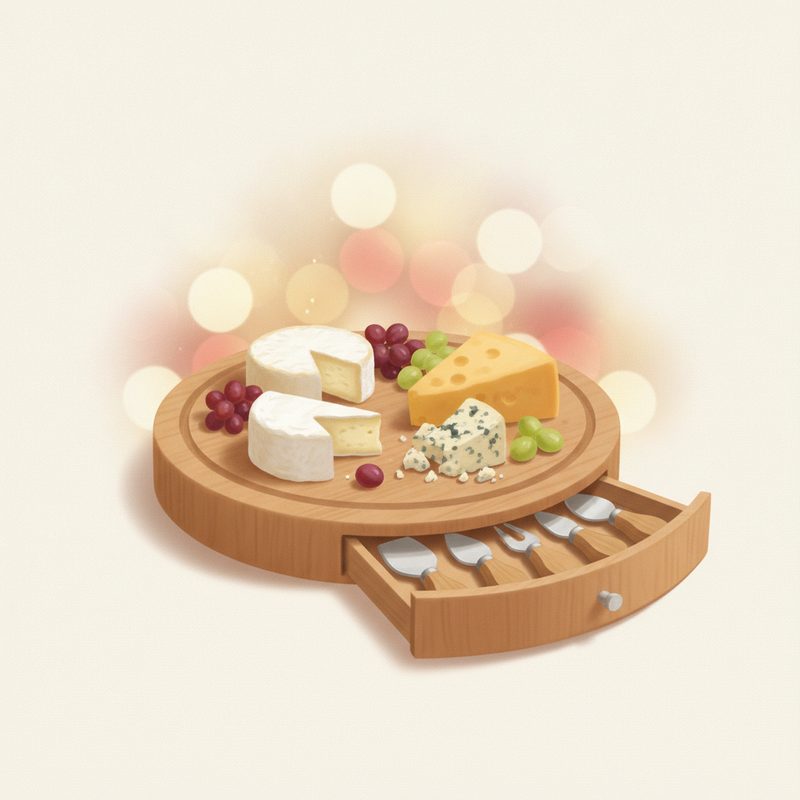
An eco-conscious and practical gift for any kitchen, offering a lightweight yet durable surface for everyday food prep.
Kind 6 of 8
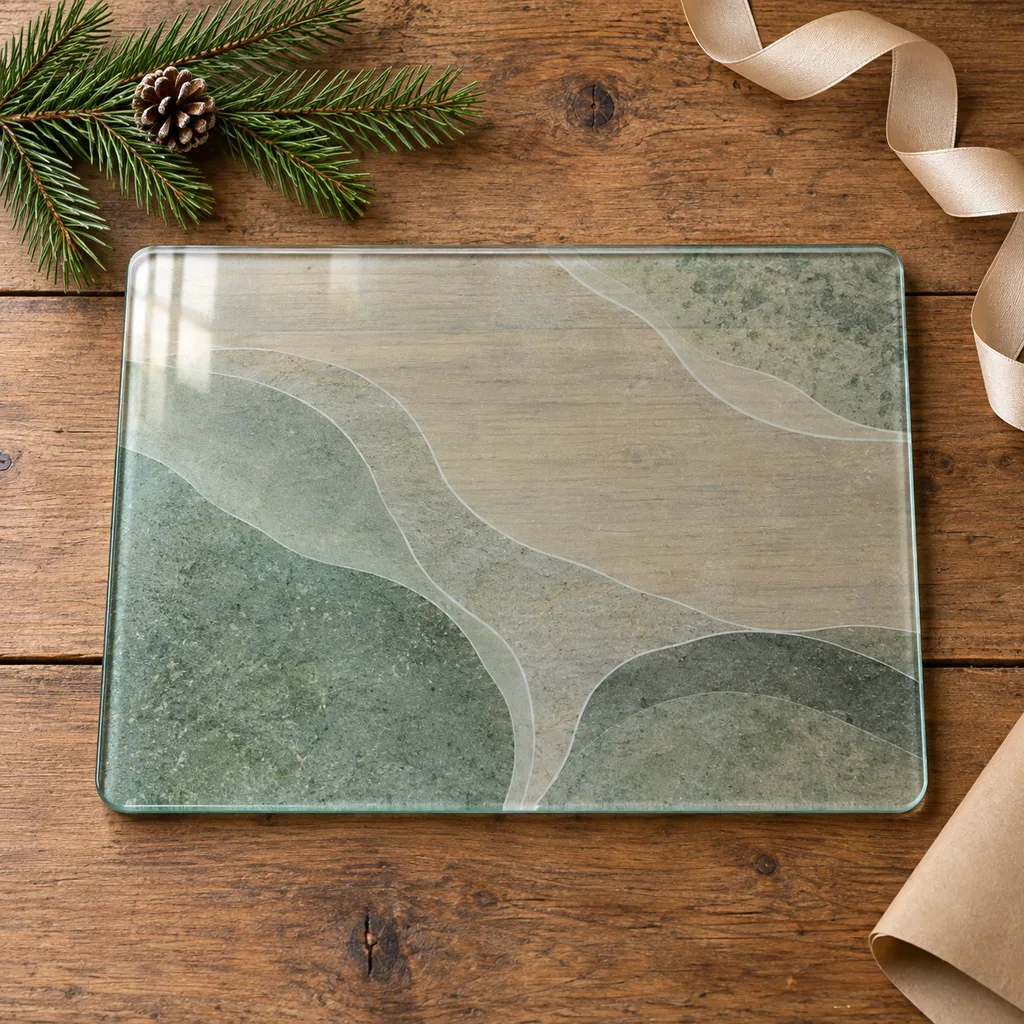
Glass boards are easy to wipe clean, don't absorb stains and can be printed or tinted, so they often double as a trivet or a decorative serving surface. They suit someone who wants a pretty board for cheese, pastry or a countertop accent more than a daily chopping surface. Glass dulls knives quickly and is loud to cut on, so it rarely replaces a wooden board for real prep work. Check for rubber feet so it won't slide or scratch the counter, and choose a design that matches their kitchen.
An elegant and hygienic option for those who appreciate a sleek, easy-to-clean surface for both food preparation and presentation.
Kind 7 of 8
A large charcuterie board is for people who put out a full spread at holidays, parties or family dinners. It lets them lay out cheese, meats, fruit and bread in one place instead of juggling several platters. Size is the main thing to check: measure mentally against their table, their storage and where it will be washed. Handles or cut-out grips make a big board much easier to carry when it's loaded. Look for a flat, stable base and enough thickness that it won't flex. For smaller households, a medium board gets more regular use.
Kind 8 of 8
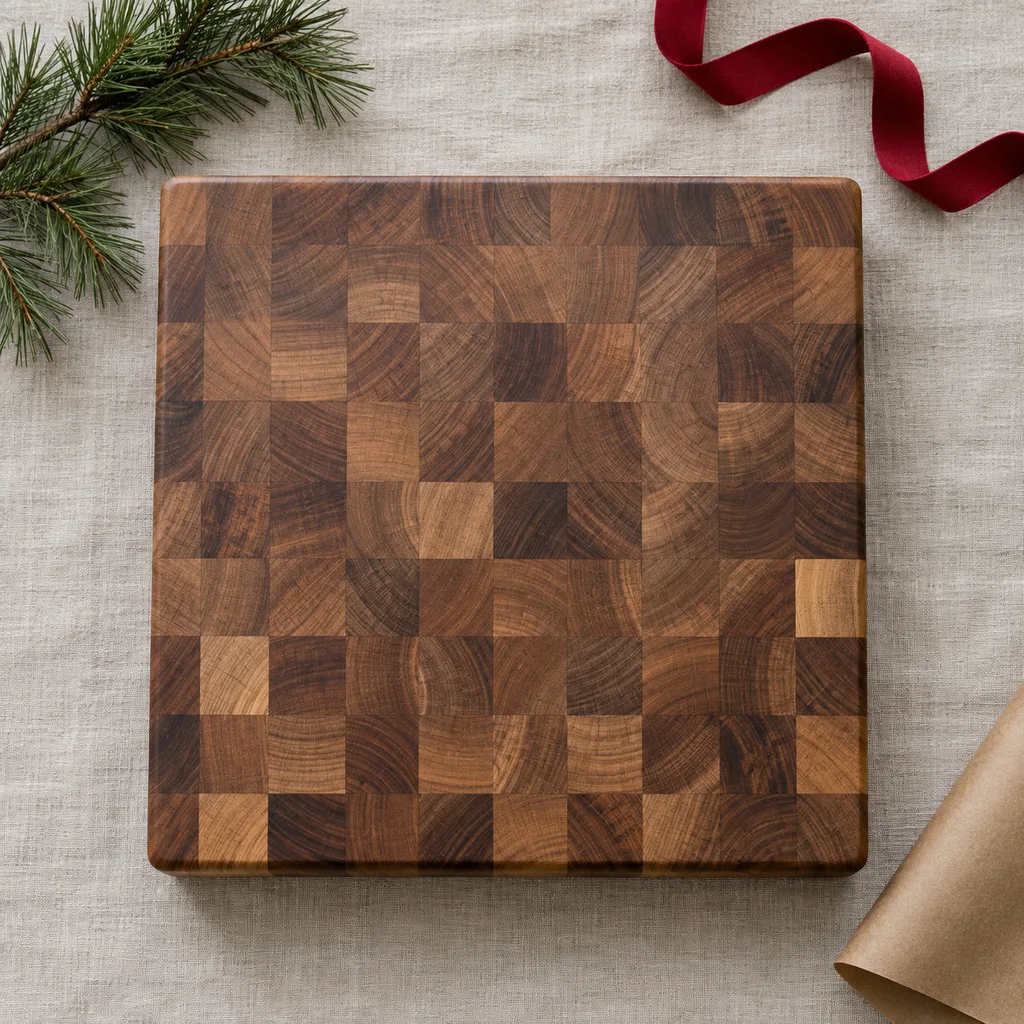
A butcher block is a heavy, thick board that usually lives on the counter full time. It suits serious home cooks, anyone who breaks down roasts or whole chickens, and people with enough counter space to spare. End-grain blocks show a checkerboard pattern and are especially easy on knives. Before buying, check the weight, since some are too heavy to lift into a sink, and confirm they have a spot to keep it. Feet or a non-slip base help, and a juice groove is useful for carving. Expect to oil it now and then.
A substantial board designed for serious culinary enthusiasts who need a robust surface for heavy-duty chopping and carving.
Looking for one person in particular? Shop by person.
Everything else
Showing 1–9 of 9
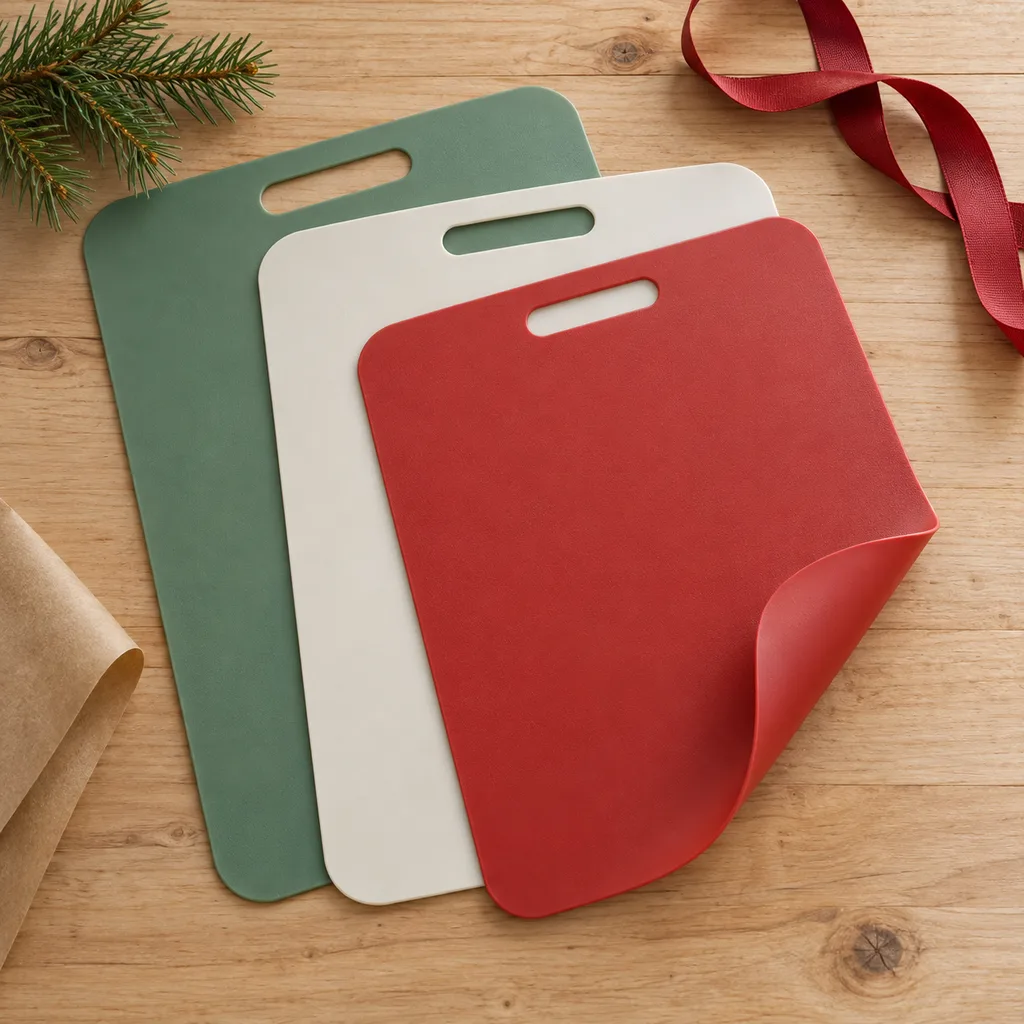
These lightweight mats are perfect for busy kitchens, offering a hygienic way to transfer chopped ingredients directly to pots.