Durable manual hand press juicer
Great for those who prefer a simple, non-electric method to extract juice from citrus fruits or small quantities of other produce.
Kitchen & Coffee
8 kinds worth knowing, 8 picks, and what to check before you buy.

Juicers suit people who already like fresh juice: the parent who squeezes oranges on weekends, the friend who buys bags of carrots and greens, or someone who just moved and is setting up a kitchen. Whether it gets used mostly comes down to fit. Someone who wants fresh lemon for cooking or orange juice at breakfast is best served by a simple citrus juicer. Someone who juices kale, ginger and beets several times a week will get more out of a masticating juicer. Before choosing, think about what they'd actually put through it, how much counter and cupboard space they have, and how much cleanup they'll put up with. The easiest juicer to wash is usually the one that stays in use.
Kind 1 of 8
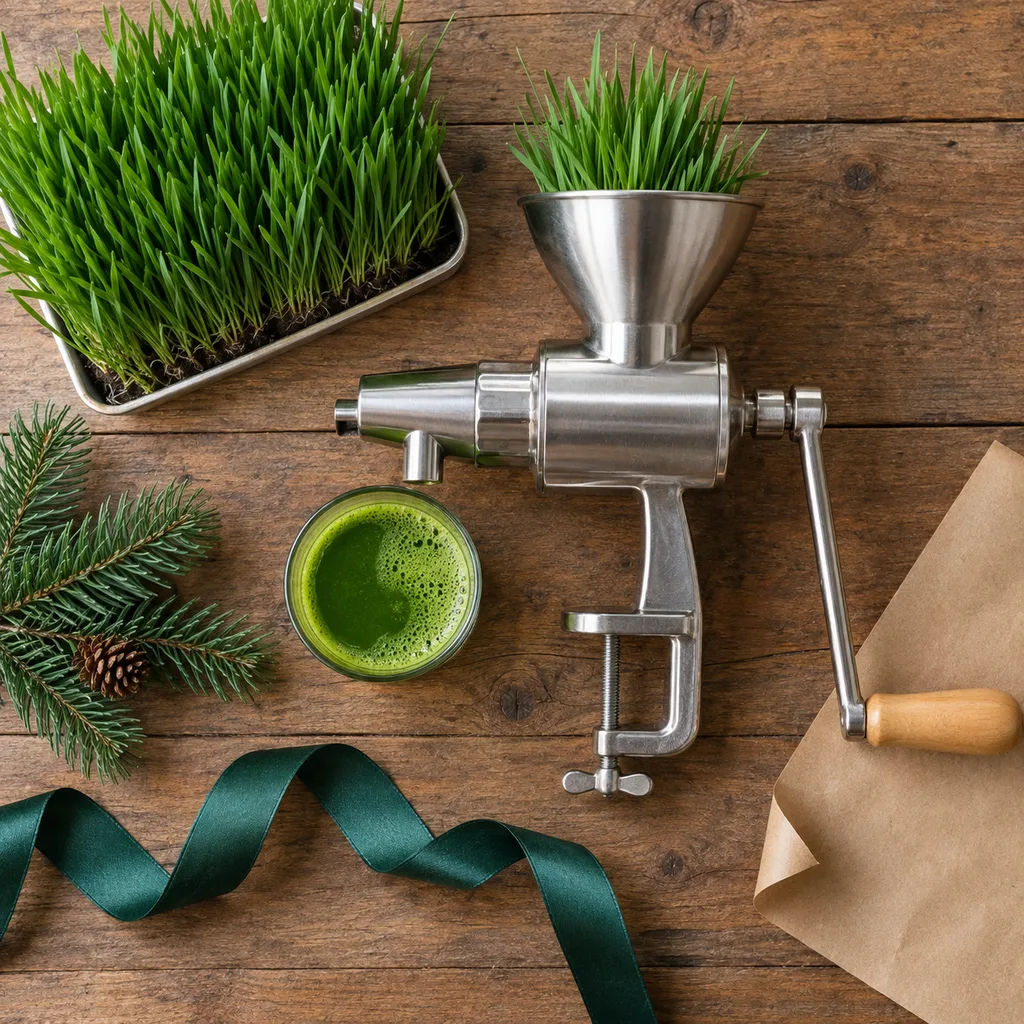
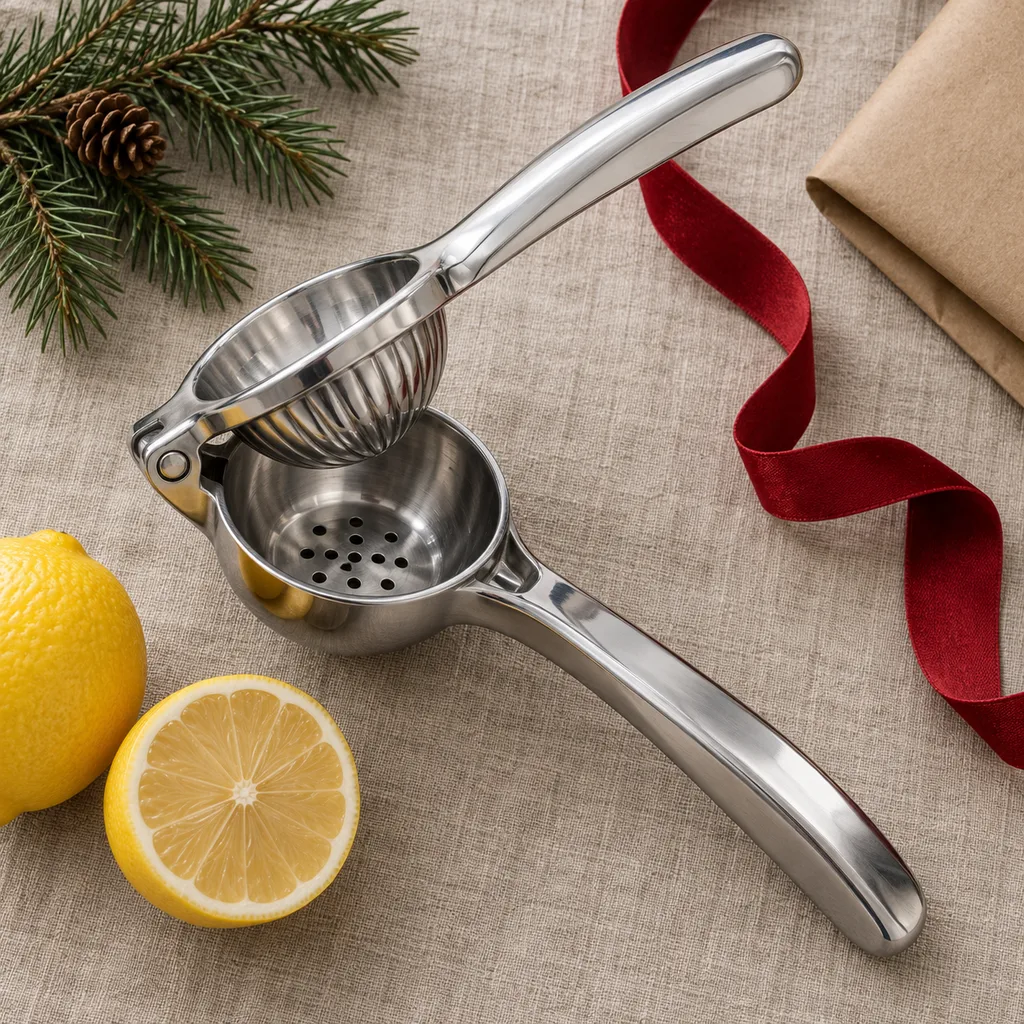
A manual juicer runs on hand power, whether it's a lever you pull down or a crank you turn. It suits someone who juices citrus or pomegranates often and likes a sturdy tool that stays on the counter. Cranked models can also handle some greens. Before buying, check what the body is made of, since cast metal and stainless steel hold up better than thin plastic. Look at how tall it is compared to their upper cabinets, and whether the cone and strainer come off easily for washing. A lever press needs a steady surface, so look for a solid, weighted base.
Great for those who prefer a simple, non-electric method to extract juice from citrus fruits or small quantities of other produce.
Kind 2 of 8
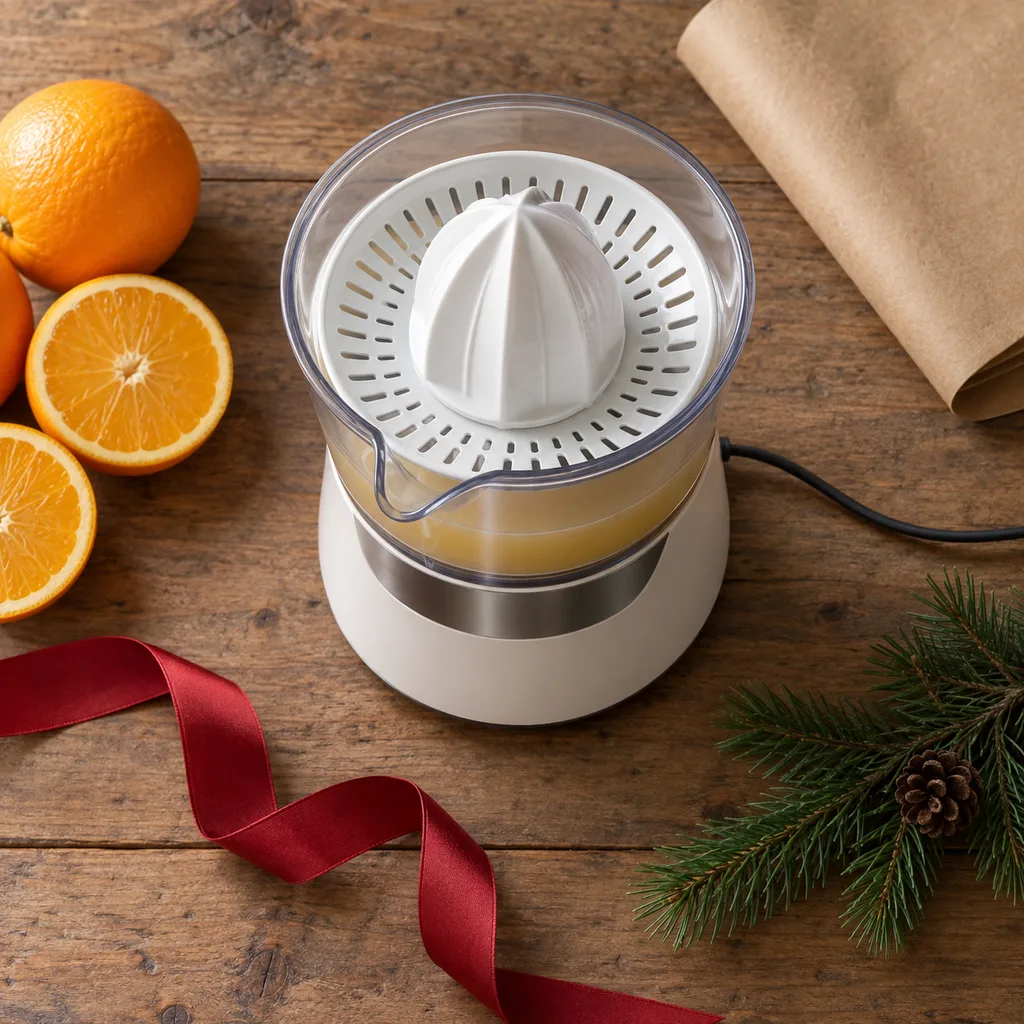
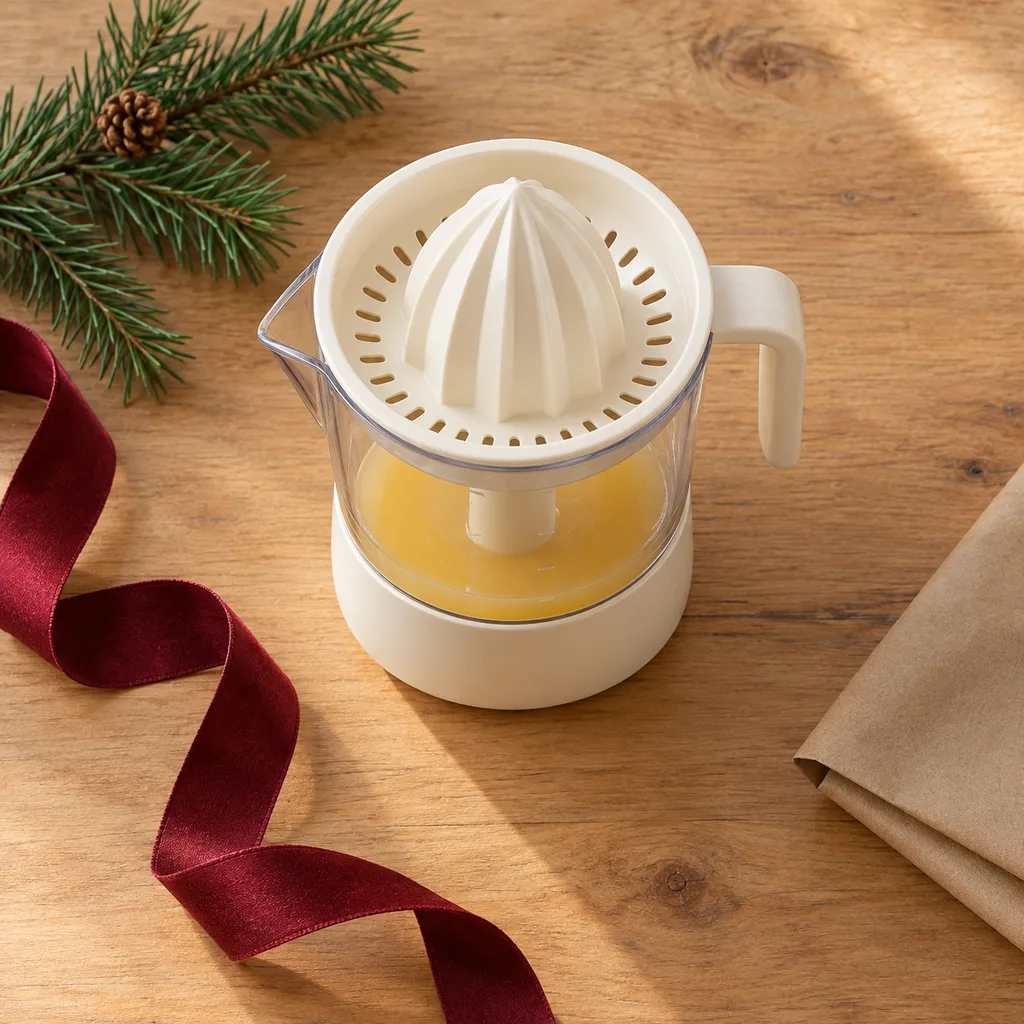
A citrus juicer is built for oranges, lemons, limes and grapefruit, and nothing else. It suits the person who wants fresh juice at breakfast, bakes with lemon, or mixes drinks. Electric versions spin a ribbed cone while you press the fruit down, which makes a big batch quick. Check whether it comes with cones in two sizes for small limes and large grapefruit, and whether you can adjust how much pulp gets through. A spout that pours right into a glass is handy. Also check that the parts that touch juice are easy to rinse and safe for the dishwasher.
A convenient tool for anyone who enjoys fresh orange juice or lemonades without the manual effort of squeezing.
Kind 3 of 8
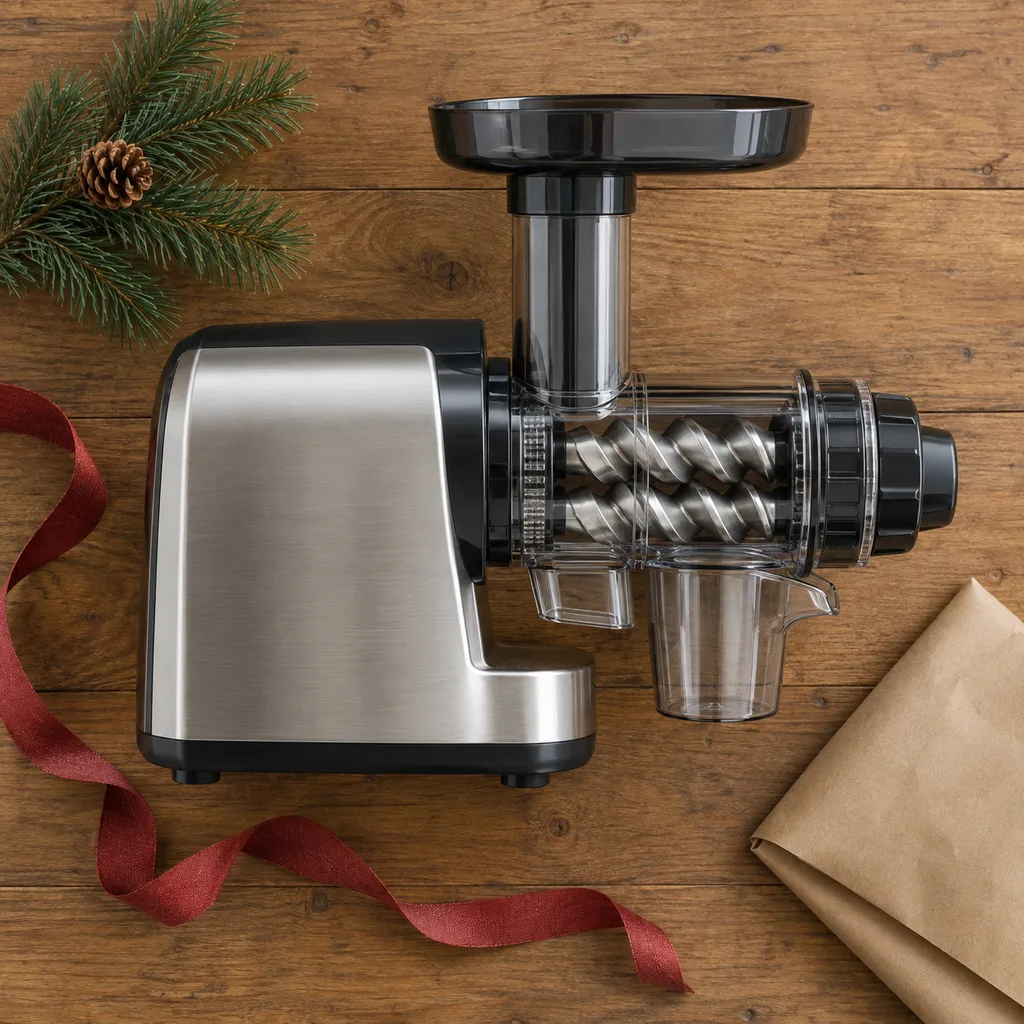
A masticating juicer uses one or two augers to crush and press produce, so it handles leafy greens, herbs, wheatgrass and fibrous roots better than fast spinning models. It suits the committed home juicer who makes green juice regularly. Twin-gear models work produce even more thoroughly but take longer to prep for and to clean. Before buying, check how wide the feed chute is, since narrow chutes mean more chopping. Count how many parts need washing and whether it comes with a cleaning brush. Look at how much counter space it takes, too, because horizontal models are long.
Designed for health-conscious individuals who want to extract juice from fibrous greens like wheatgrass and other herbs.
For serious juicing enthusiasts seeking maximum nutrient retention and yield from a wide range of produce.
Kind 4 of 8
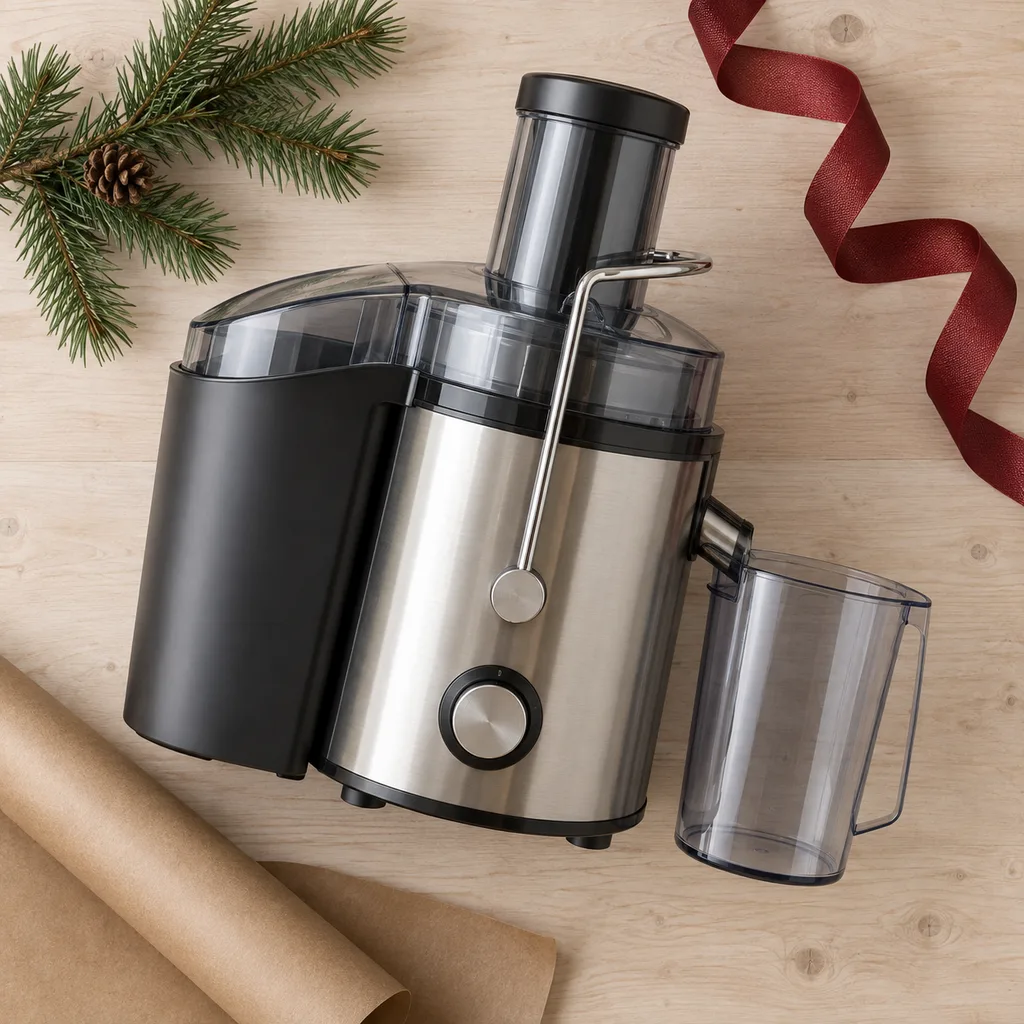
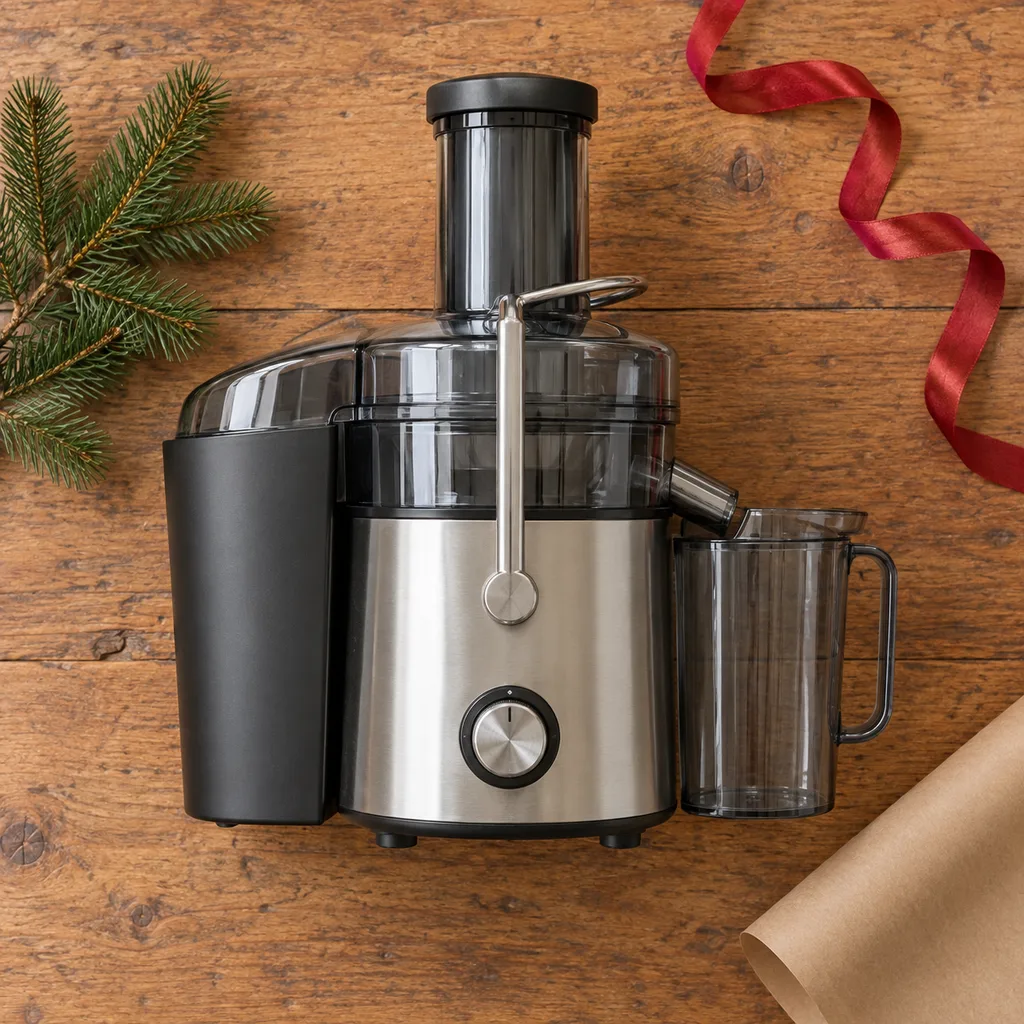
A centrifugal juicer uses a fast-spinning blade basket to shred produce and fling the juice out. It works quickly and handles firm fruits and vegetables like apples, carrots and cucumbers well, but it gets less out of leafy greens. It suits someone who wants juice on busy mornings and drinks it right away. Before buying, check that the feed chute is wide enough for whole apples, how big the pulp bin is, and whether there are two speed settings for soft and hard produce. These machines are loud, so it's worth knowing whether they share a kitchen with late sleepers.
Ideal for busy individuals who want fresh juice quickly from a variety of fruits and vegetables.
Kind 5 of 8
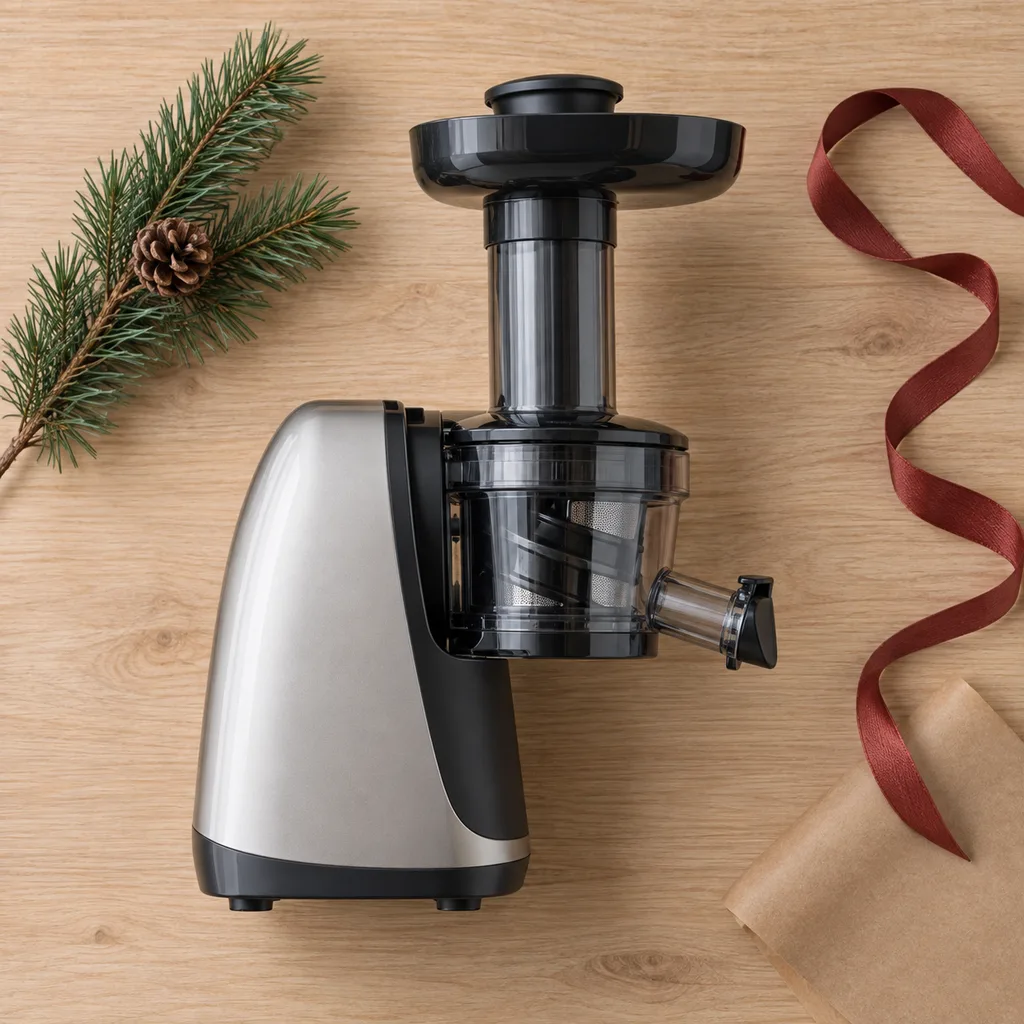
"Slow juicer" is another name for a masticating juicer, usually one that stands upright. It turns at low speed, so it runs much more quietly than a centrifugal model and suits early risers or people in apartments. The upright shape also takes up less counter space than a horizontal machine. Before buying, check how tall it is compared to their cabinets and how wide the chute is. Ask whether it can make nut milk or sorbet if they care about that. Look closely at the strainer, too, because it's the hardest part to clean on most slow juicers.
Perfect for health enthusiasts focused on maximizing nutrient extraction from leafy greens and soft fruits with minimal noise.
Kind 6 of 8
A hand juicer is a small tool for squeezing a lemon or lime at a time, like a hinged squeezer or a reamer that sits on a bowl. It suits cooks, people who make cocktails, and anyone short on drawer space. It makes a good stocking stuffer or an add-on to a bigger kitchen gift. Before buying, check that the squeezer's cup is big enough for the fruit they use most. Look at whether the handles feel comfortable to squeeze, and whether the tool is solid metal or coated. Seeds should stay behind rather than landing in the dish.
Kind 7 of 8
"Electric juicer" covers any plug-in model, from compact personal machines to heavy-duty ones built for daily batches. Compact models suit a single person or a small kitchen that makes one glass at a time. Heavy-duty models suit families or anyone juicing large amounts of produce. Before buying, think about how much juice they actually make in a sitting and where the machine will live between uses. Check the cord length and how much it weighs if it goes back in a cupboard. Count the removable parts, too, since cleanup is what decides whether it gets used.
An excellent choice for families or individuals who frequently prepare large batches of fresh juice from various produce.
Suited for individuals living in smaller spaces or those who only need single servings of fresh juice daily.
Kind 8 of 8
A citrus press uses a long lever arm to push a cup down over halved fruit, squeezing out juice with little effort. It suits someone who makes fresh orange juice or batches of lemonade, and anyone who finds twisting fruit on a reamer tiring. Many look good enough to leave out on the counter. Before buying, check how heavy and steady the base is, whether the cup and cone come apart for washing, and whether it takes grapefruit as well as limes. Measure the height with the arm raised, too, if it has to sit under upper cabinets.
Looking for one person in particular? Shop by person.
Everything else
Showing 1–8 of 8