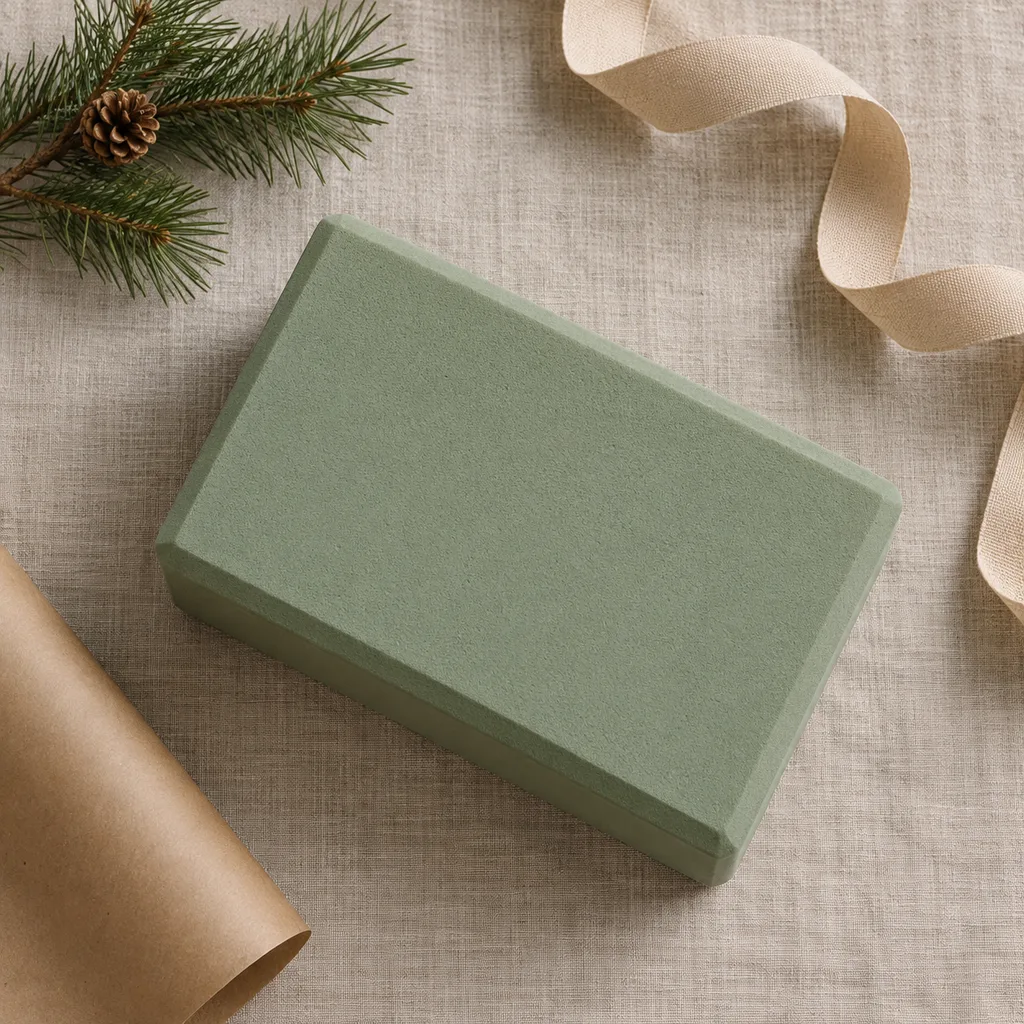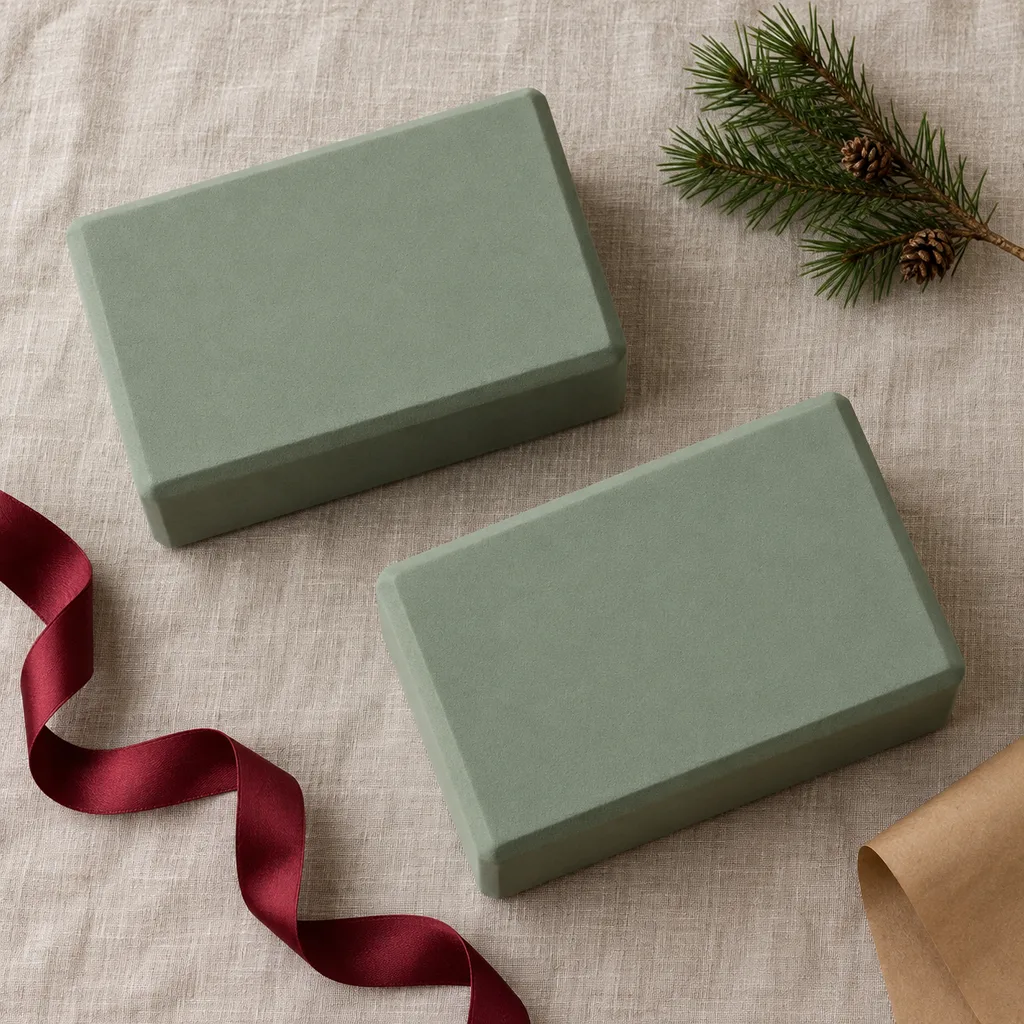
Set of two yoga blocks
Essential for symmetrical poses and balanced support, allowing for full body alignment and deeper exploration of various yoga postures.
Sport & Fitness
6 kinds worth knowing, 8 picks, and what to check before you buy.
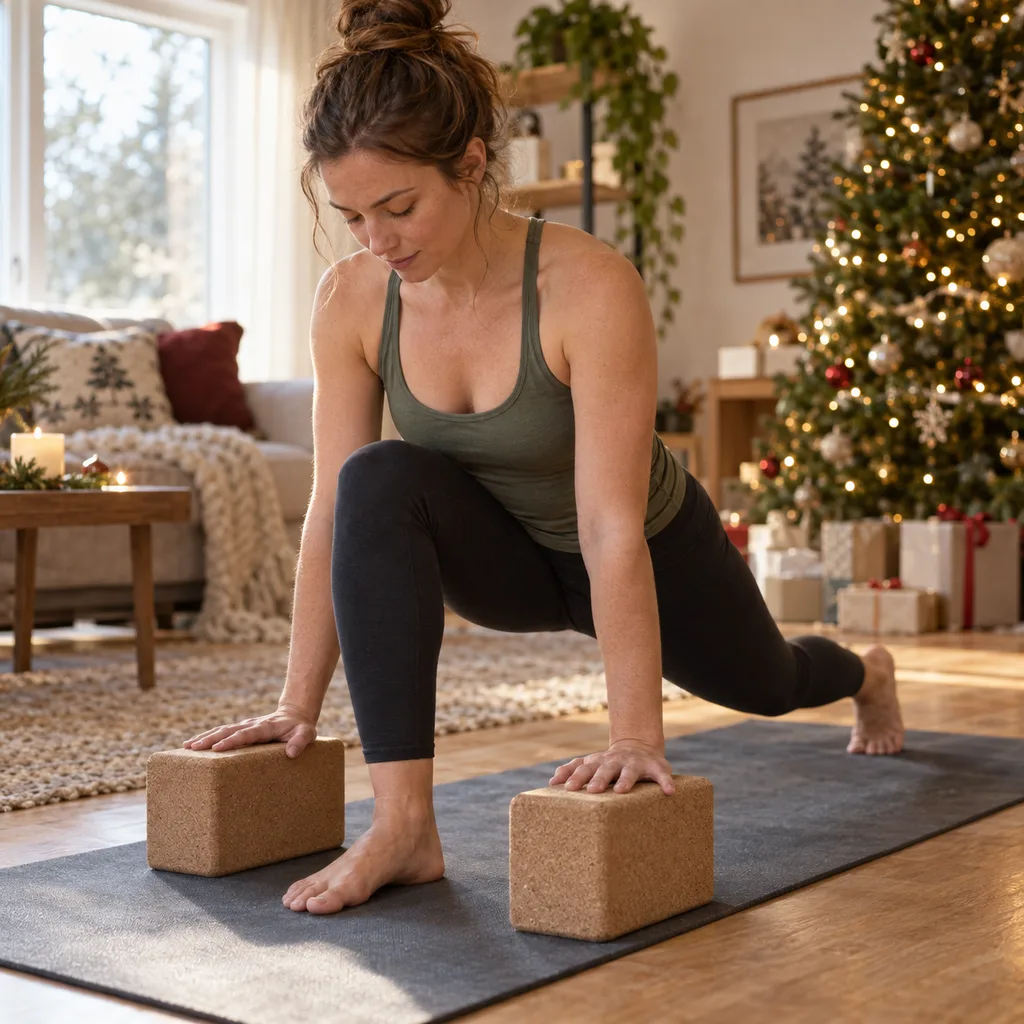
Yoga and pilates blocks suit anyone who practises at home or carries a mat to class, from a sister who is new to yoga to a friend with a daily pilates habit. The blocks that get used are the ones that feel right in the hand: not too soft, not too heavy, and the right size for the poses the person actually does. A set of two yoga blocks is the most practical choice, because many poses call for one under each hand. A lightweight travel yoga block makes more sense for someone who walks or cycles to a studio. Think about where they practise and what they already own, then choose the material and weight to match.
Kind 1 of 6
A pair of blocks is the most useful version of this gift. Many standing poses and seated stretches work best with a block under each hand, and teachers often ask for two in class. A pair suits someone who already practises regularly, and it also suits a beginner building a home setup. Before buying, check that both blocks are the same size and firmness, that the edges are rounded so they sit comfortably in the hand, and that the colour goes with a mat they already have.
Essential for symmetrical poses and balanced support, allowing for full body alignment and deeper exploration of various yoga postures.
Ideal for beginners and experienced practitioners seeking gentle support and extended reach in various poses.
Kind 2 of 6
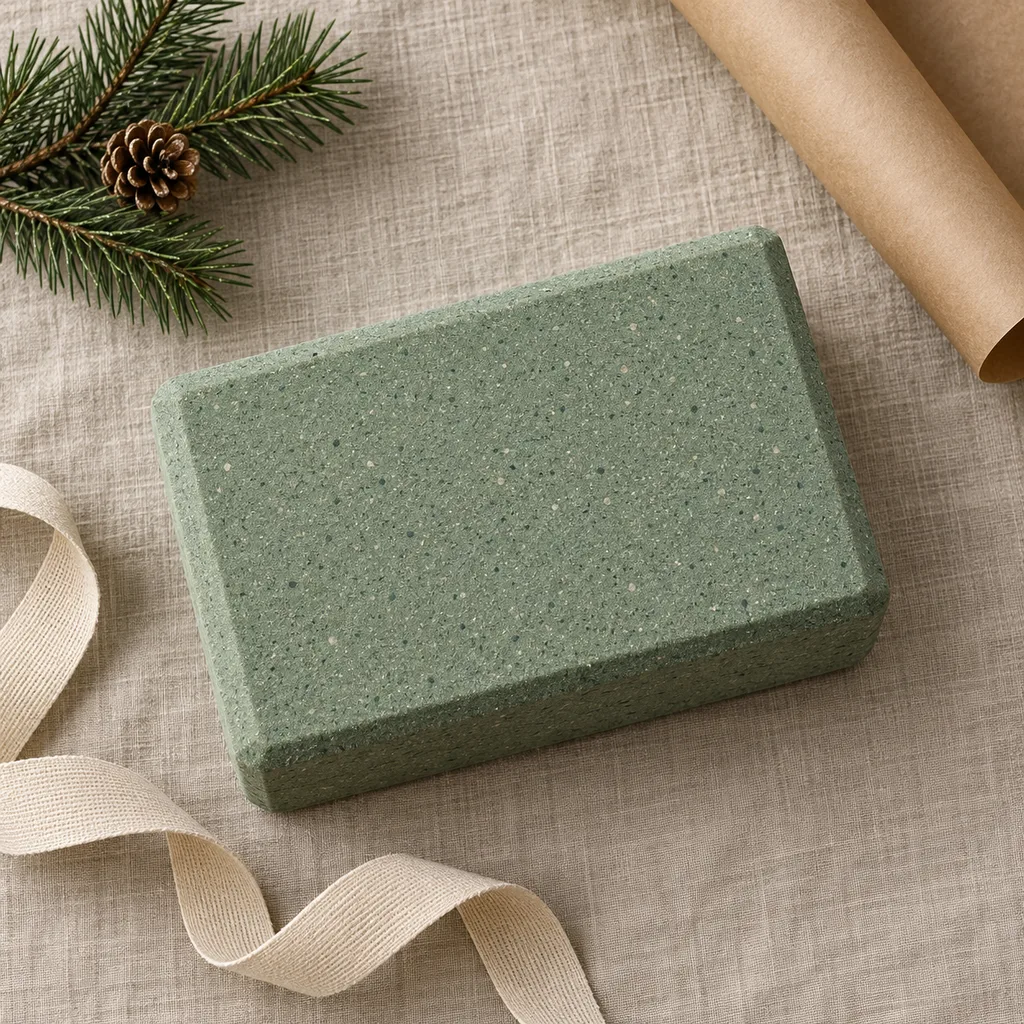
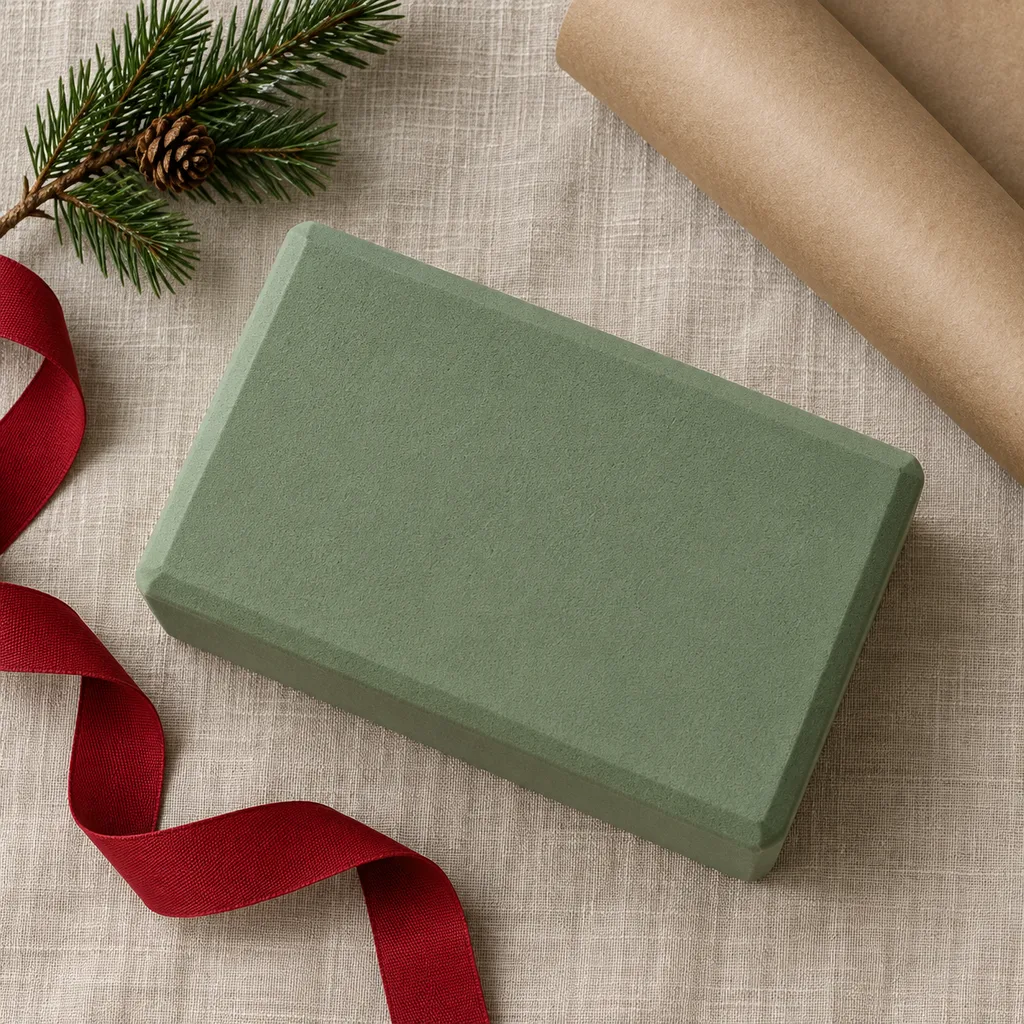
These blocks are made partly or fully from recycled foam, so they feel much like a standard foam block but with less new material. They suit a friend who pays attention to what things are made of and would appreciate that detail. Before buying, check what share of the foam is recycled, whether the surface has any smell when new, and whether the texture is even. Recycled foam can look speckled, which some people like and others don't, so consider their taste.
An environmentally conscious choice for yogis seeking sustainable props that provide reliable support and contribute to reduced waste.
Kind 3 of 6
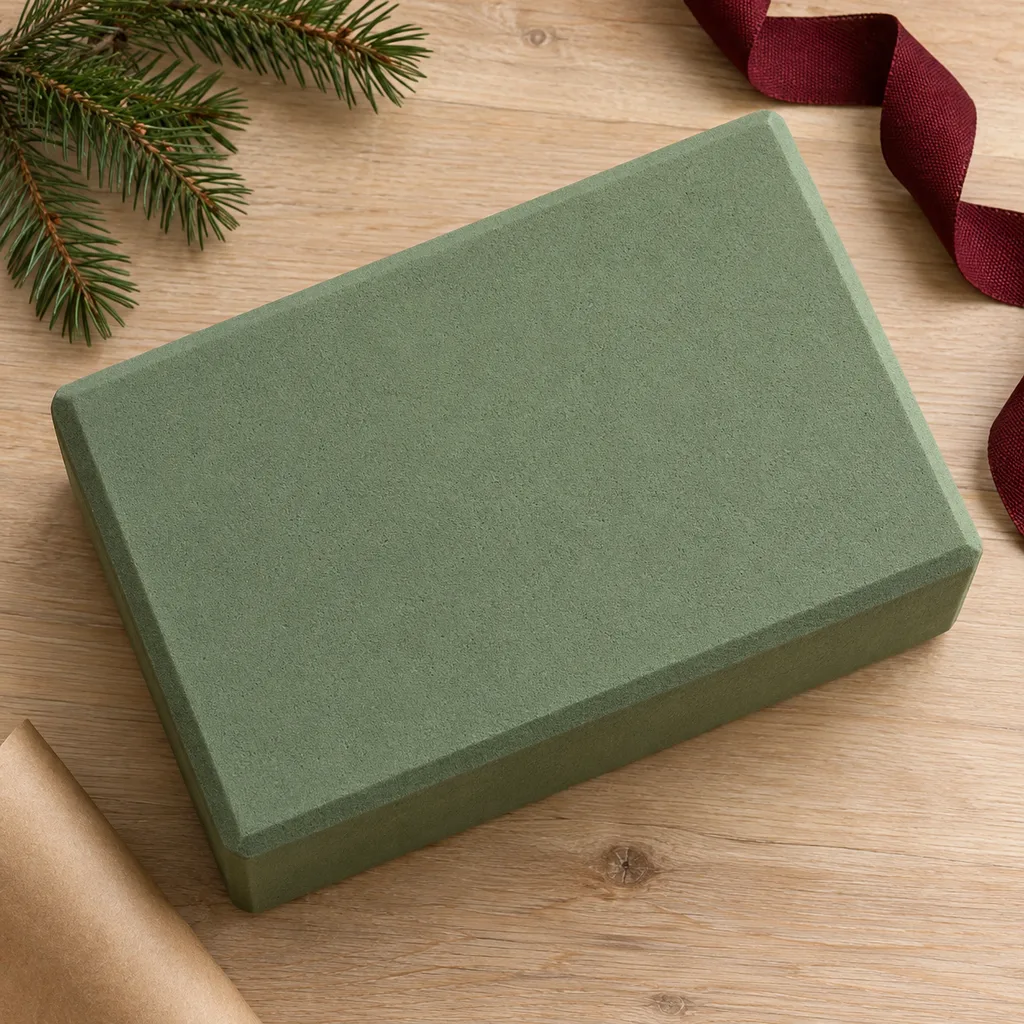
An extra-large block is taller and wider than a standard one, so it gives more lift in seated poses and a broader base to rest on during restorative work. It suits someone who finds standard blocks too short, or who likes slow, supported classes. Before buying, compare the dimensions with a regular block, check that it is firm enough to hold its shape under weight, and think about storage, since a bigger block takes up noticeably more shelf space.
Offers enhanced stability and a wider surface area, making it suitable for restorative poses or individuals needing more extensive support.
Kind 4 of 6
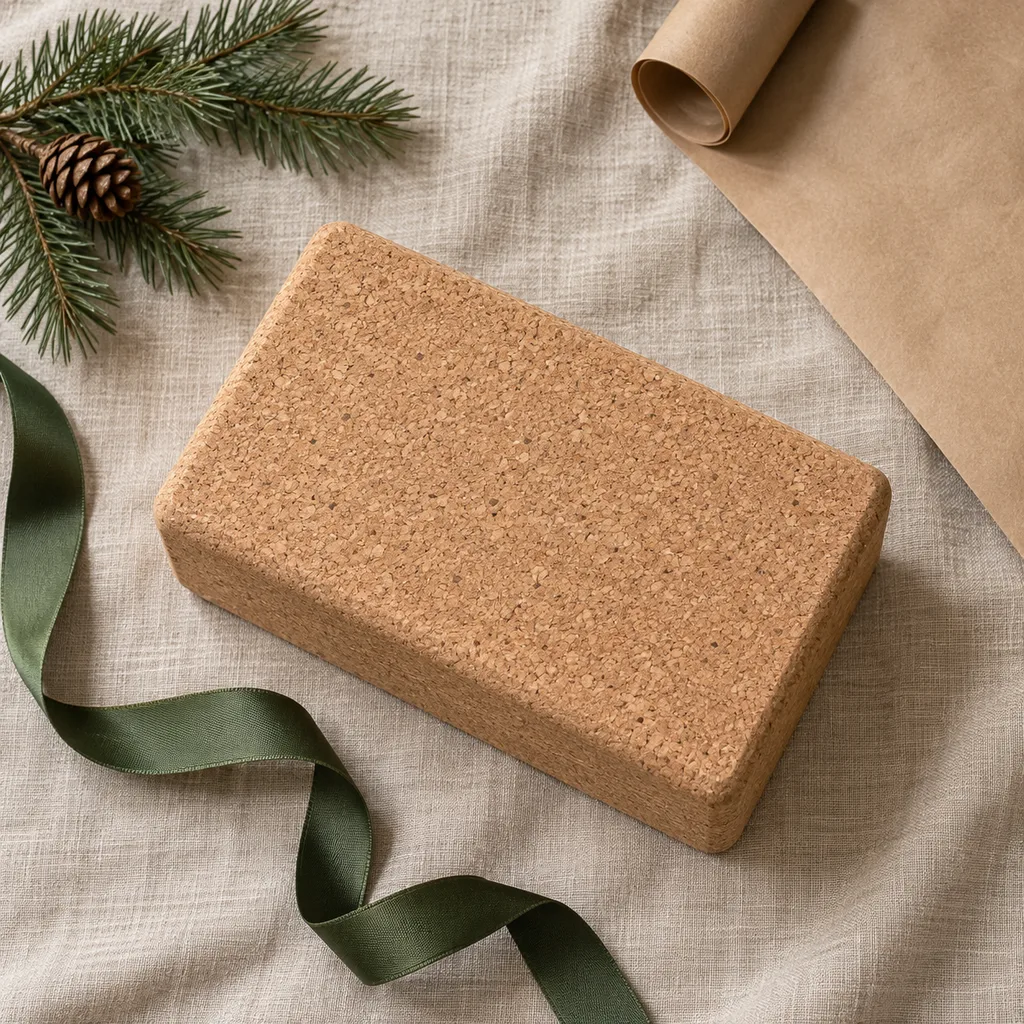
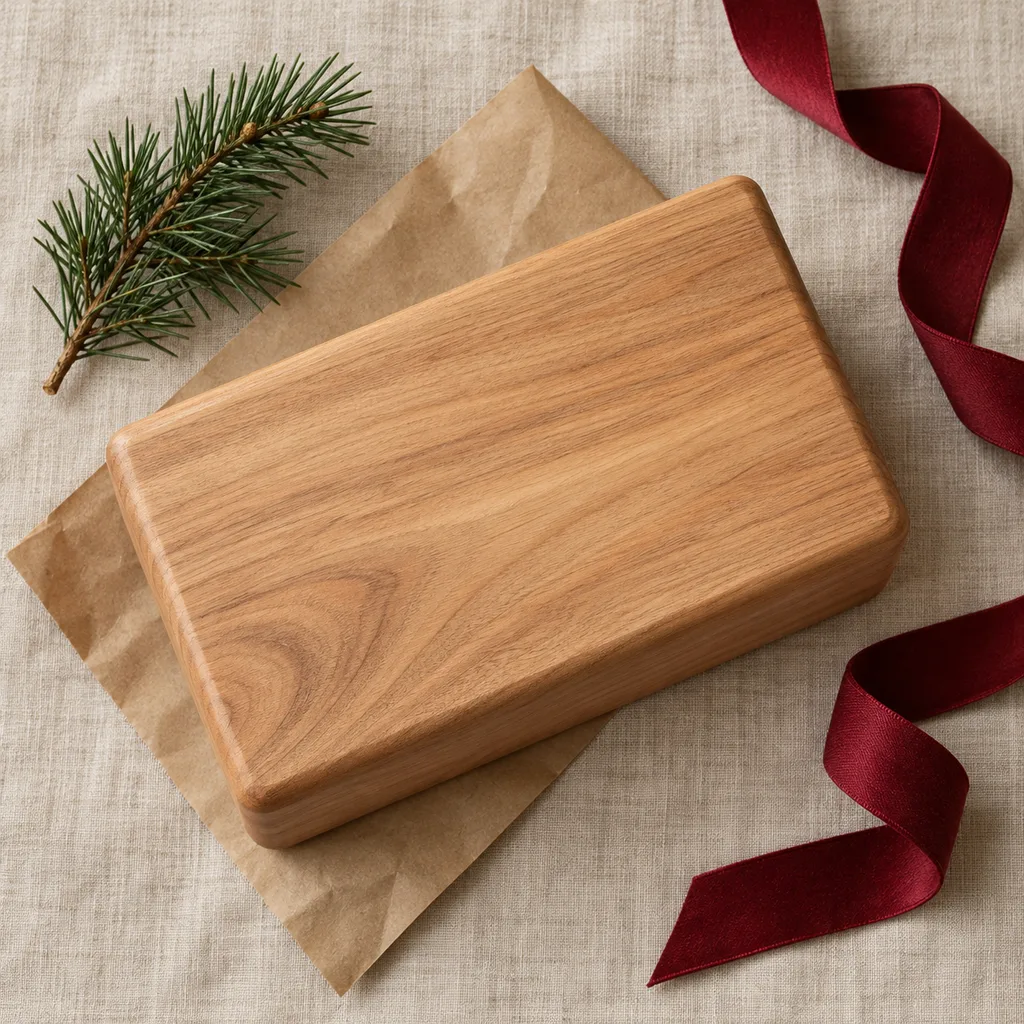
Cork blocks are dense and heavier than foam, with a natural texture that many people find pleasant to hold. Solid wood blocks are firmer still, and they appeal to someone who likes a block that looks good left out in a room. Both suit an experienced practitioner who wants a solid, unmoving surface. Before buying, check the weight if they carry gear to class, look for smooth or rounded edges, and remember that cork can crumble slightly at the corners over time.
Perfect for yogis who prefer a sturdy, non-slip surface and robust support for deeper stretches and balancing poses.
Provides unyielding stability and precise alignment for Pilates exercises, assisting with core engagement and controlled movements.
Kind 5 of 6
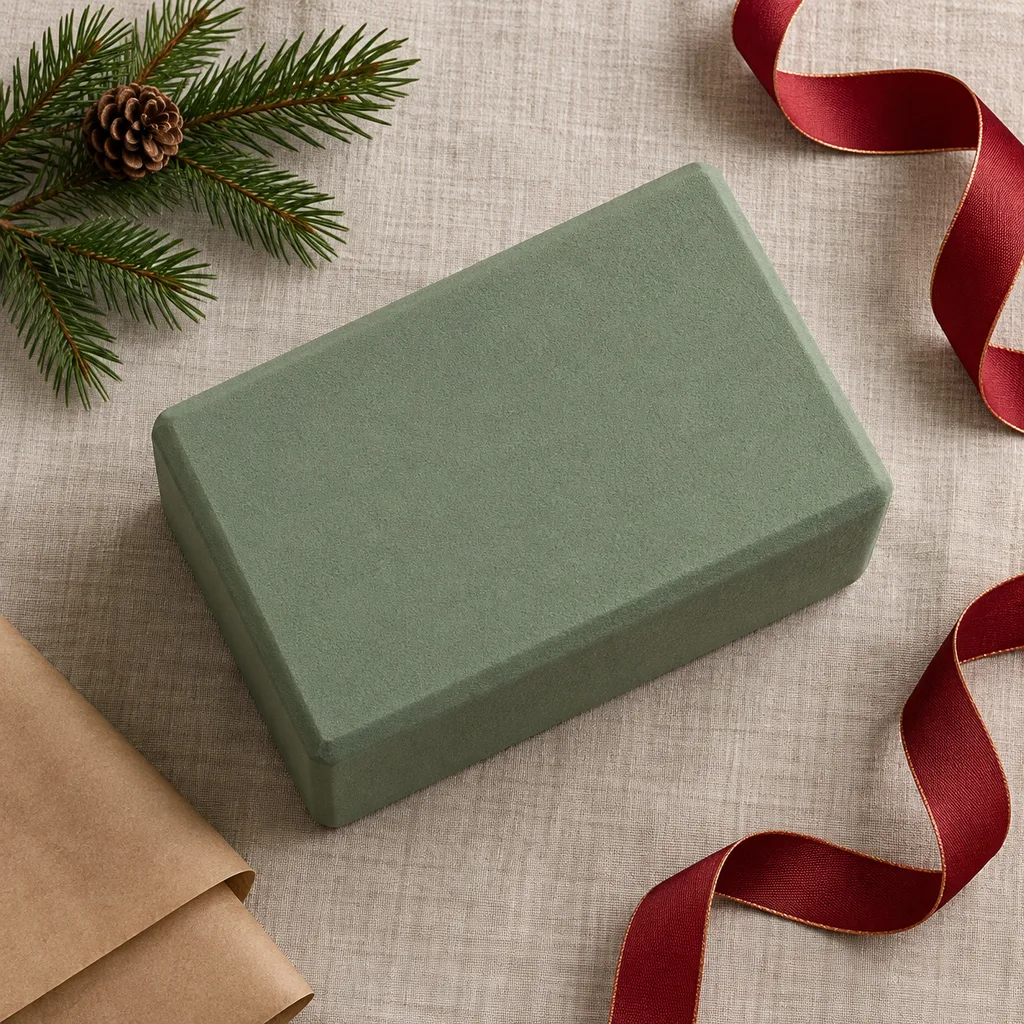
High-density foam gives more resistance than a soft craft-style block while staying light and easy to wipe clean. It suits someone who does mat pilates and uses a block between the knees or under the hips during floor work. Before buying, press test the firmness if possible, or look for a clear description of density, and check that the size fits the exercises they do. A block that squashes too easily loses its shape quickly.
Delivers firm yet comfortable support for Pilates routines, aiding in proper form and controlled muscle activation without the rigidity of wood.
Kind 6 of 6
A travel block is slimmer or lighter than a standard block, so it fits in a tote or backpack alongside a mat. It suits a friend who practises in hotel rooms, at the park, or at a studio they walk to. Before buying, check the weight and thickness, since some travel blocks trade height for portability. A foldable or thinner design may not suit every pose, so it works best as a second block rather than their only one.
Designed for practitioners who want to maintain their routine on the go, offering portable support without adding significant weight to luggage.
Looking for one person in particular? Shop by person.
Everything else
Showing 1–8 of 8