Heavy medicine balls
A robust tool for strength training, power development, and functional movements, suitable for athletes and fitness enthusiasts.
Sport & Fitness
8 kinds worth knowing, 7 picks, and what to check before you buy.
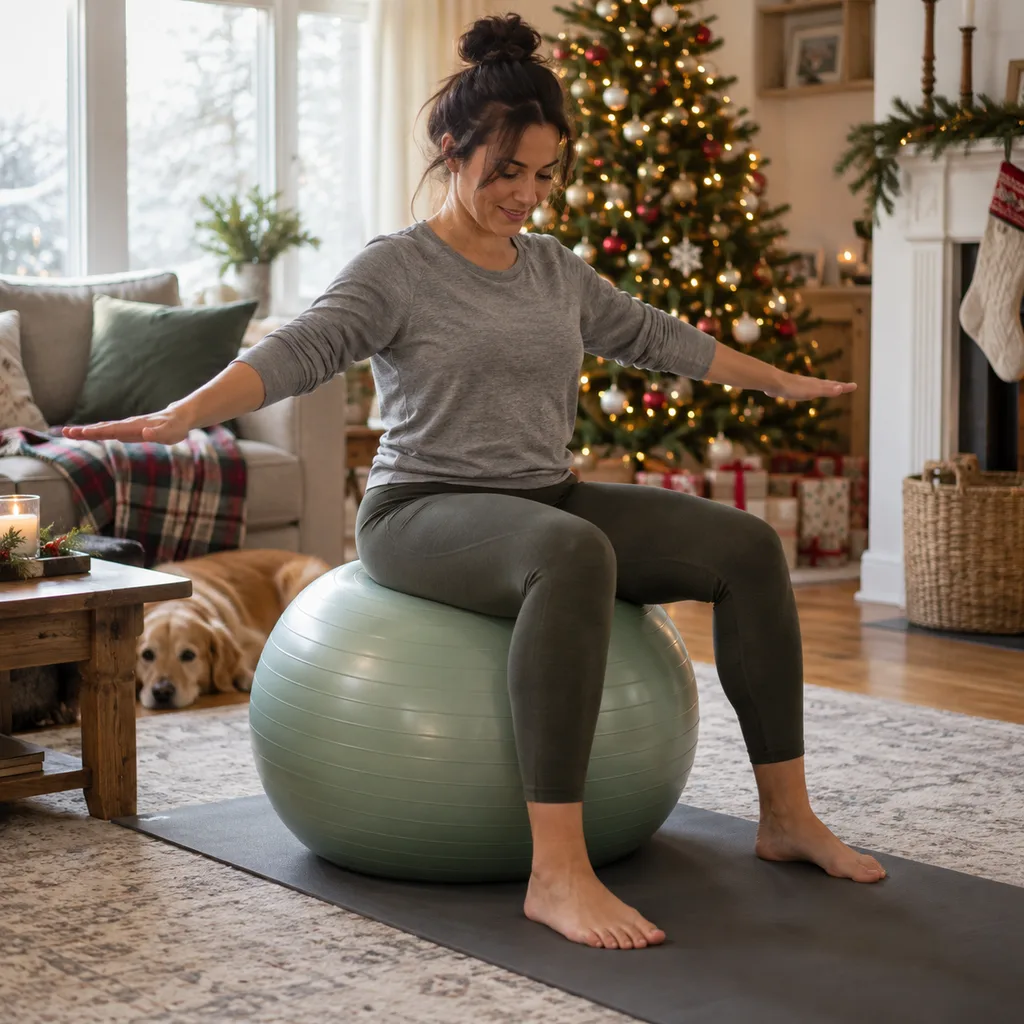
Exercise balls suit almost anyone who works out at home, from a college student with a small apartment to a coworker who wants something better than an office chair. The ones that get used match a routine the person already has. A medicine ball suits someone who lifts, does circuits or throws against a wall. A large stability ball suits someone who does core work, stretching or floor exercises in the living room. Before you choose, think about space, how the person trains and whether the ball will live out in the open or in a closet. Size and firmness matter more than colour, so a little detective work about height and habits goes a long way.
Kind 1 of 8
A medicine ball is a weighted ball, usually rubber or leather-style, used for slams, twists, squats and partner throws. It suits someone who already does circuit workouts, CrossFit-style classes or sport training at home. Before buying, think about weight: lighter balls work for rotational moves and throws, heavier ones for slams and squats. Check whether the surface has grip, whether it bounces or stays put, and if the person has a hard floor that a slam ball could mark. If you are unsure of weight, a moderate one gets used more than one that feels too heavy.
A robust tool for strength training, power development, and functional movements, suitable for athletes and fitness enthusiasts.
Kind 2 of 8
A stability ball is the large inflatable ball used for crunches, bridges, planks and stretching. It suits people who follow home workout videos, do yoga or want a simple piece of equipment that covers a lot of moves. Size is the main thing to get right, and it is based on the person's height, so check the sizing chart on the box. Look for an included pump, since a ball without one often sits flat in a corner. It also helps to check how much floor space the person has, because a full-size ball takes up room.
This versatile ball supports core strengthening, balance training, and gentle stretching for fitness enthusiasts of all levels.
Kind 3 of 8
Fitness ball is the broad name for large inflatable balls, and it includes variations like the peanut ball, which has two connected rounded ends. The peanut shape rolls in only one direction, so it feels steadier for people who are new to ball workouts or who use it for stretching. It suits someone who likes guided routines but finds a round ball wobbly. Before buying, check the length and height against the person's size, and whether it will fit where they plan to store it.
Offers enhanced stability and support compared to round balls, making it excellent for beginners, physical therapy, or partner exercises.
Kind 4 of 8
A pilates ball is a soft, partly inflated ball that fits between the knees, behind the lower back or under a hand during mat work. It suits someone who takes pilates or barre classes, or follows them online, and it packs flat into a bag or drawer. Check the diameter, since most are palm-to-forearm size, and whether it comes with a straw or small pump for adjusting firmness. It makes an easy add-on gift for someone who already owns a mat.
Perfect for targeted abdominal work, inner thigh exercises, and rehabilitation, offering gentle resistance and support.
Kind 5 of 8
An anti-burst ball is a large exercise ball made from thicker material and designed to lose air slowly if punctured instead of popping. It suits people who use a ball with weights, sit on it for long stretches or have pets with claws in the house. Before buying, look for the listed static weight capacity on the packaging and compare it with how the ball will actually be used. Thicker walls can make the ball feel firmer, which some people like and others do not.
Ideal for individuals seeking enhanced safety during intense workouts or while using the ball as an office chair alternative.
Kind 6 of 8
Balance ball is often used for any large ball that challenges steadiness, including textured versions with small raised bumps on the surface. The texture adds grip for hands and feet on hard floors and gives a different feel during stretches. It suits someone who works out on tile or hardwood, or who has found a smooth ball too slippery. Check the size chart against the person's height, and whether a pump is included so the firmness can be adjusted over time.
Features a specialized surface for improved grip and tactile feedback, enhancing safety and control during dynamic movements.
Kind 7 of 8
A small exercise ball covers the mini balls used for toning moves, light stretching and squeezing between the knees or hands. They suit students in residence, people in small apartments and anyone who travels and wants something to pack. Check the diameter and whether it is meant to be squeezed soft or inflated firm, since the two feel very different. A small ball works well as a stocking stuffer or paired with a workout mat or resistance bands.
Kind 8 of 8
An exercise ball chair holds a ball in a frame or base, often with wheels and a backrest, so it can be used at a desk. It suits someone who works from home or studies long hours and likes to shift around while sitting. Before buying, check the seat height against the person's desk, whether the frame has locking wheels, and whether a backrest is included. Also consider whether the person has asked for one, since some people prefer a standard chair.
Transforms an exercise ball into an ergonomic office or home chair, promoting better posture and engaging core muscles throughout the day.
Looking for one person in particular? Shop by person.
Everything else
Showing 1–7 of 7