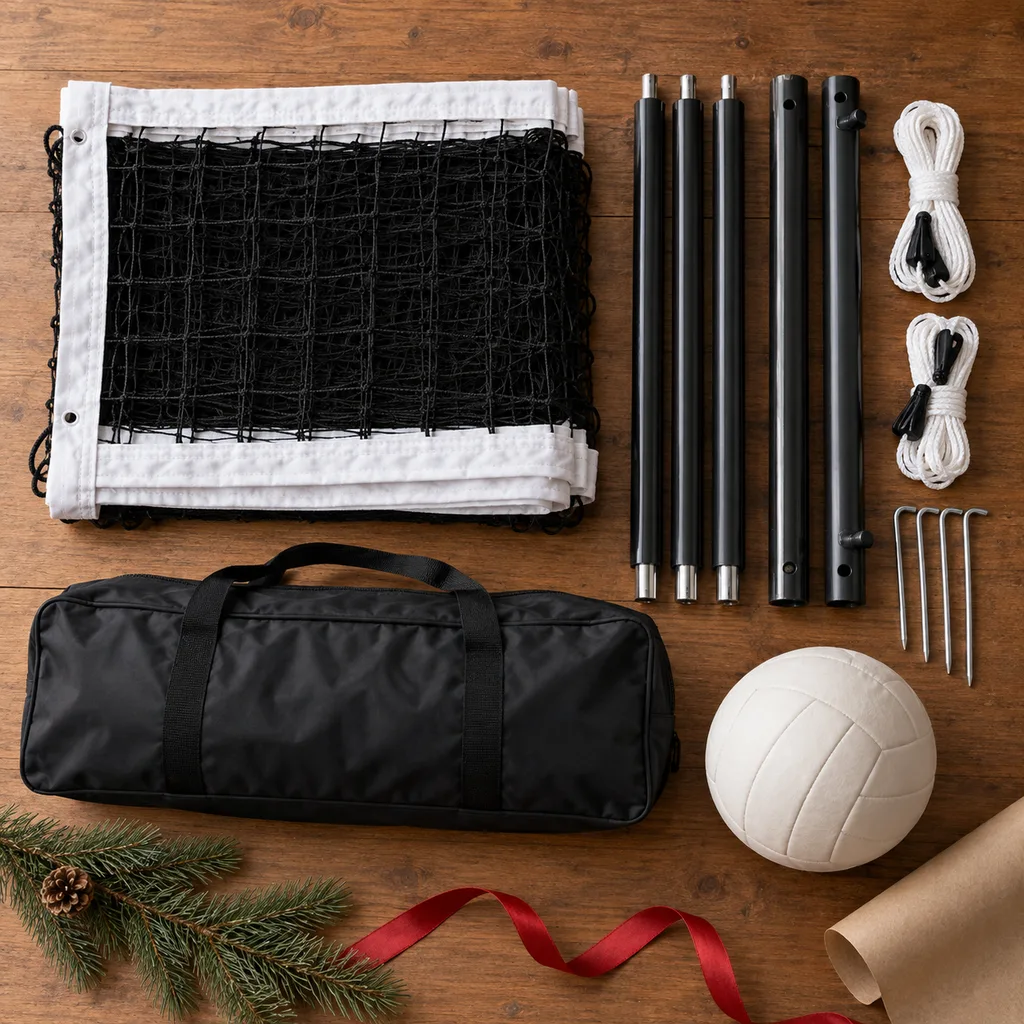
Portable volleyball net set
Perfect for backyard fun or park outings, this set allows for spontaneous games anywhere.
Sport & Fitness
8 kinds worth knowing, 8 picks, and what to check before you buy.
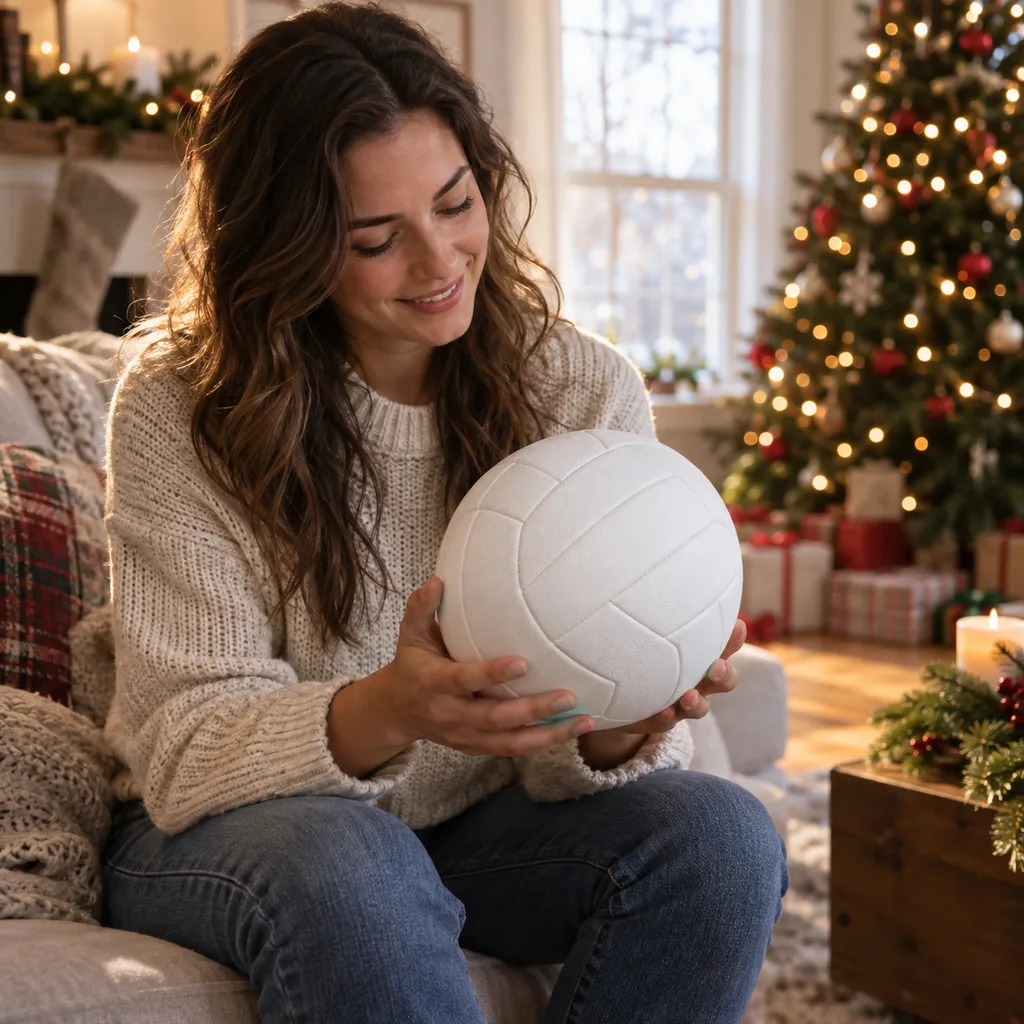
Volleyball gifts mostly go to teens and tweens who play on a school or club team, plus families who set up a game in the backyard or at the beach. What gets used most is gear a player touches every practice, like a good ball or a pair of knee pads, and anything that lets them play more often, like a volleyball net that goes up in minutes. Start by finding out whether they play indoors, on sand or casually on grass, because the right gear is different for each. Then think about whether the gift is for their own practice time or something the whole group can use.
Kind 1 of 8
A portable net set turns any open patch of grass or sand into a court, which makes it a good gift for a whole family or a teen with friends nearby. Most sets come with poles, guy lines, stakes and a carry bag. Before buying, check whether the height adjusts between men's and women's play, how long setup takes, and whether the stakes suit the ground where it will be used. Also check that the bag is sturdy enough for trips to the cottage or beach.
Perfect for backyard fun or park outings, this set allows for spontaneous games anywhere.
Kind 2 of 8
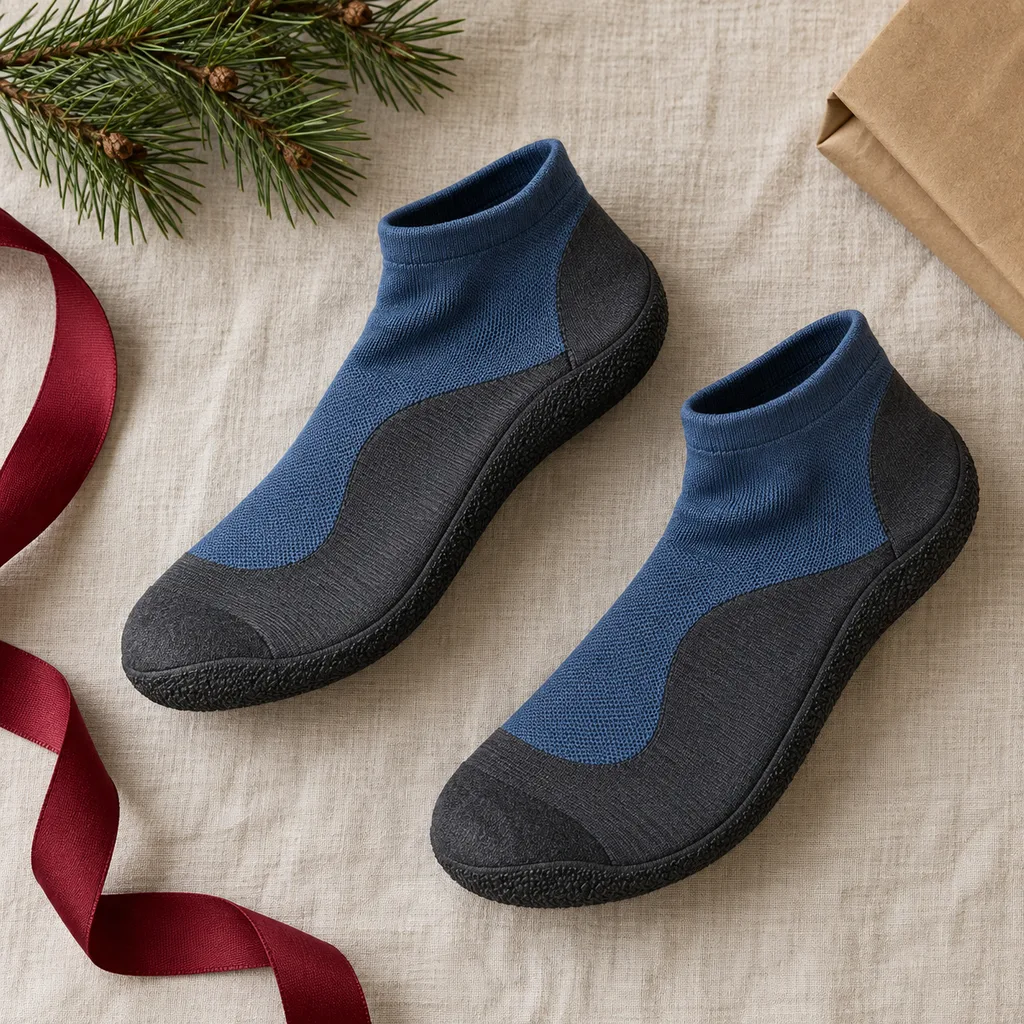
Beach volleyball is a different game from the indoor version: two players a side, a softer ball, and bare feet or sand socks. It suits players who spend summers at the lake or have joined an outdoor league. Sand socks are a small, practical gift that keeps grit out and makes hot or rough sand more comfortable. Before buying, check the sizing chart, since a loose fit tends to slide around, and look for a strap or closure that stays put through quick moves.
Designed for sand play, these socks protect feet from hot or cold sand and provide grip.
Kind 3 of 8
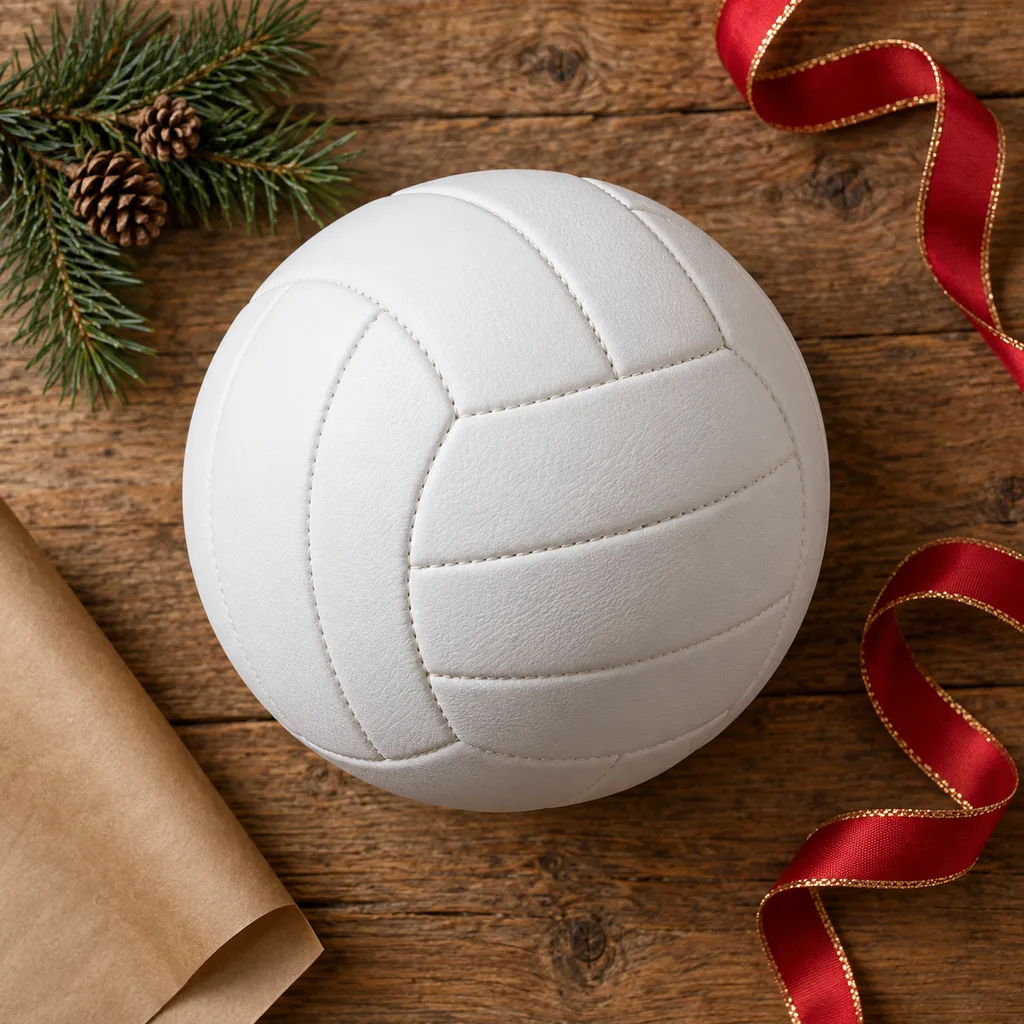
Most players practise with whatever balls their team has on hand, so a quality ball of their own gets plenty of use for passing drills at home. An official size ball suits teens and adults, while younger players often do better with a lighter one. Check whether the ball is made for indoor or outdoor play, since indoor balls wear quickly on sand and pavement. Look at the cover material too: a soft composite cover feels better on the forearms during long passing sessions.
Ideal for players of all levels, this ball is suitable for both indoor and outdoor play.
Kind 4 of 8
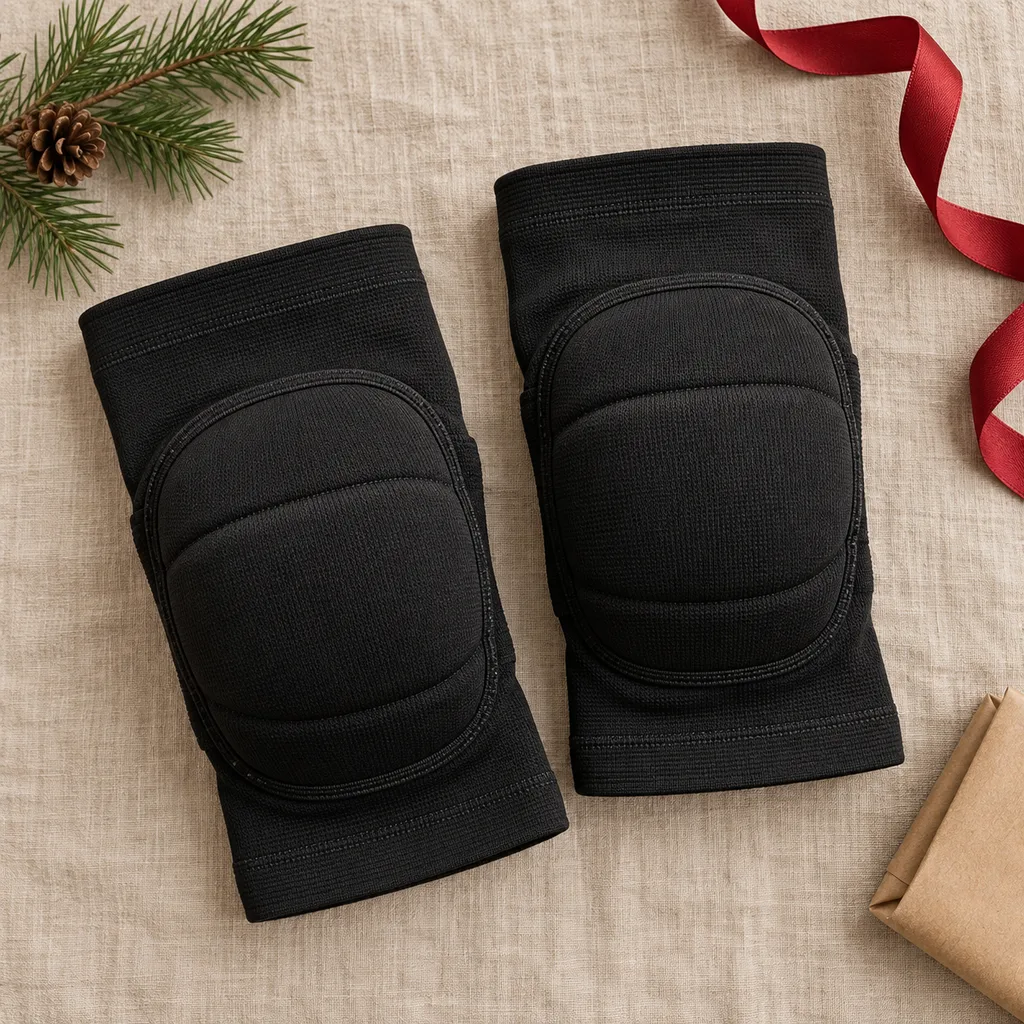
Knee pads are standard kit for indoor players who dig and dive on hardwood, and they wear out, so a fresh pair is rarely wasted. They suit anyone on a school or club team. Check sizing carefully, because pads that are too loose slip down and ones that are too tight get left in the bag. Look at the thickness of the padding, since liberos and defensive players usually want more than hitters do, and check whether the fabric can go in the wash.
Essential for safeguarding knees during dives and slides, these pads offer comfort and impact absorption.
Kind 5 of 8
Sand volleyball players play in heat, wind and grit, so their wish list is different from an indoor player's. Useful gifts include an outdoor ball, sand socks, a visor or sunglasses strap, and a bag that shakes clean easily. This kind of gift suits someone in a summer league or a teen who plays at a local beach court most weekends. Before buying, ask whether they play doubles or larger groups, and whether the court is public or at a club with its own equipment.
Kind 6 of 8
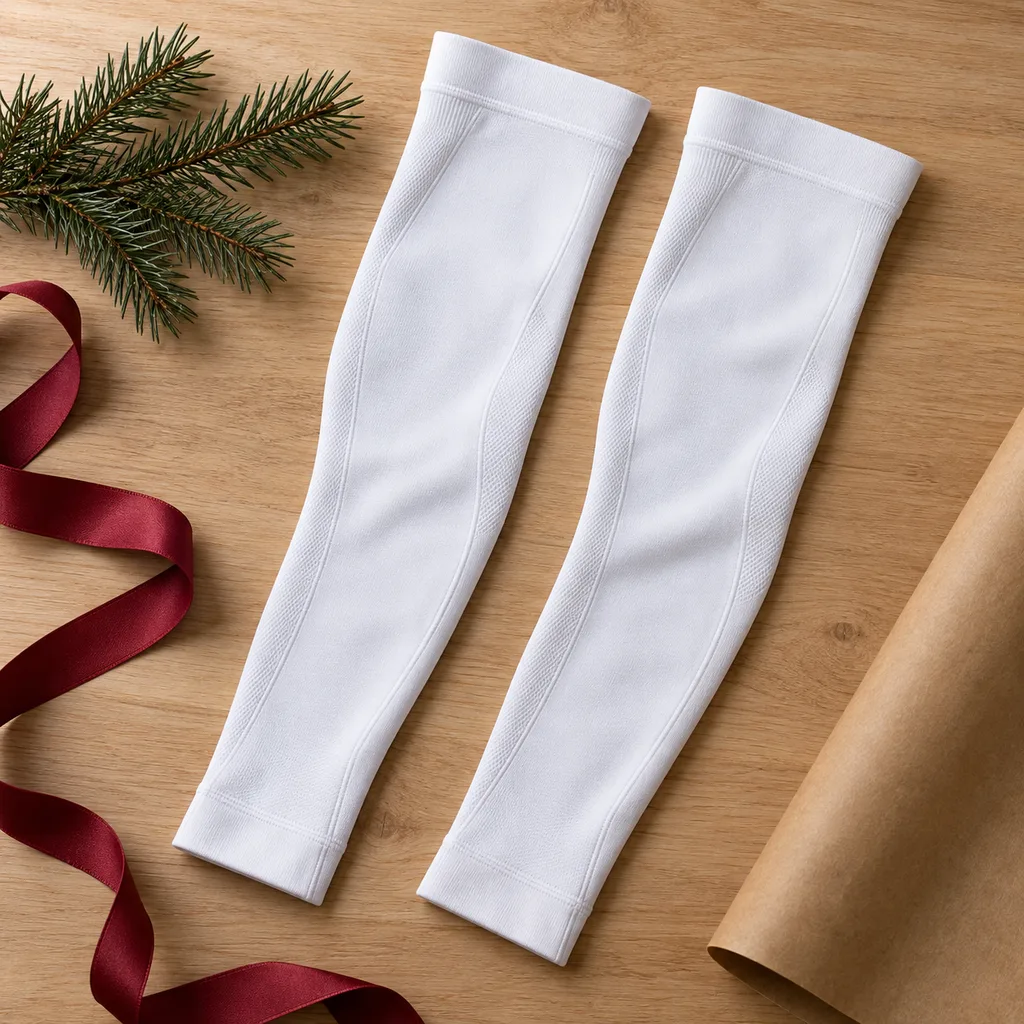
Arm sleeves cover the forearms, where the ball makes contact on every pass and dig, and many players simply like how they look with a team uniform. They suit indoor players, especially tweens and teens still getting used to passing. Check sizing by arm measurement rather than age, and look for a breathable, stretchy fabric that won't bunch at the elbow. Colours that match team or school colours are a nice touch, since some leagues ask players to coordinate.
These sleeves provide forearm protection and help improve ball control during serves and passes.
Kind 7 of 8
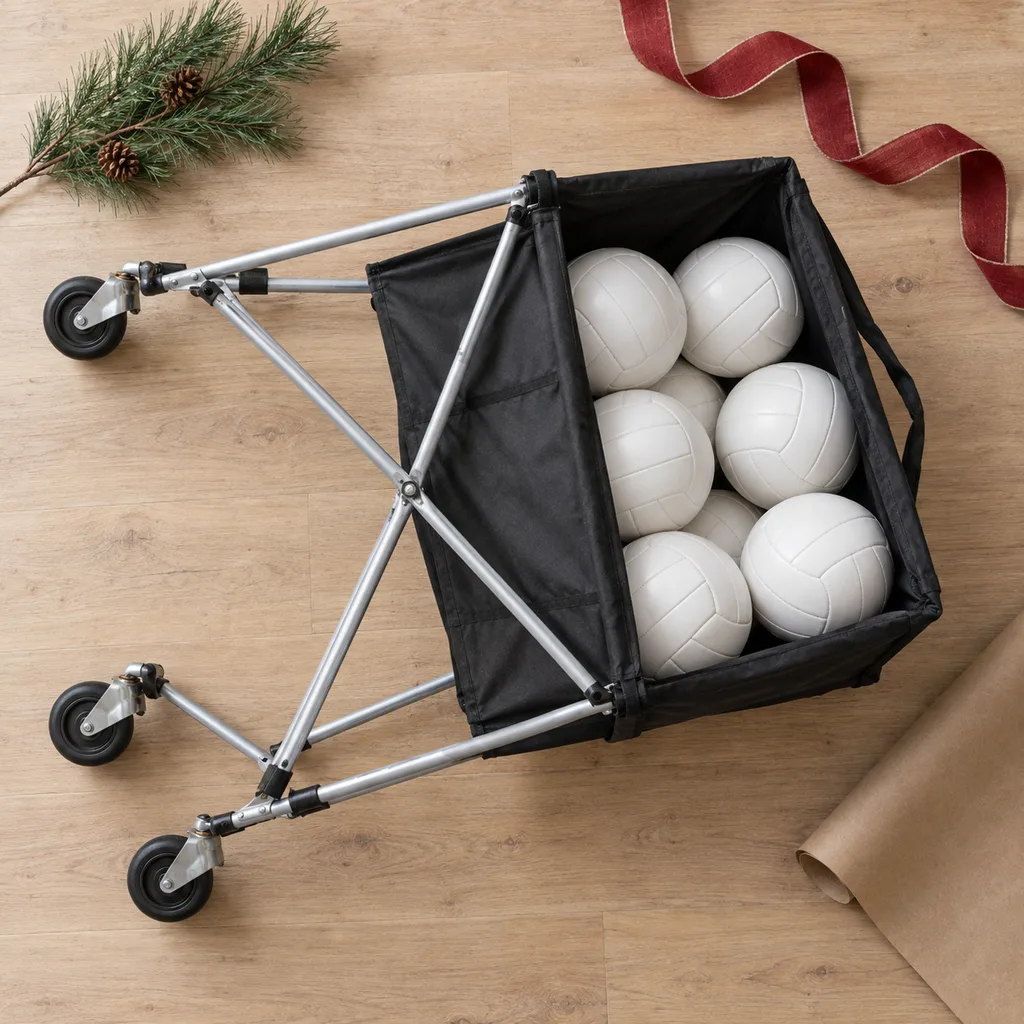
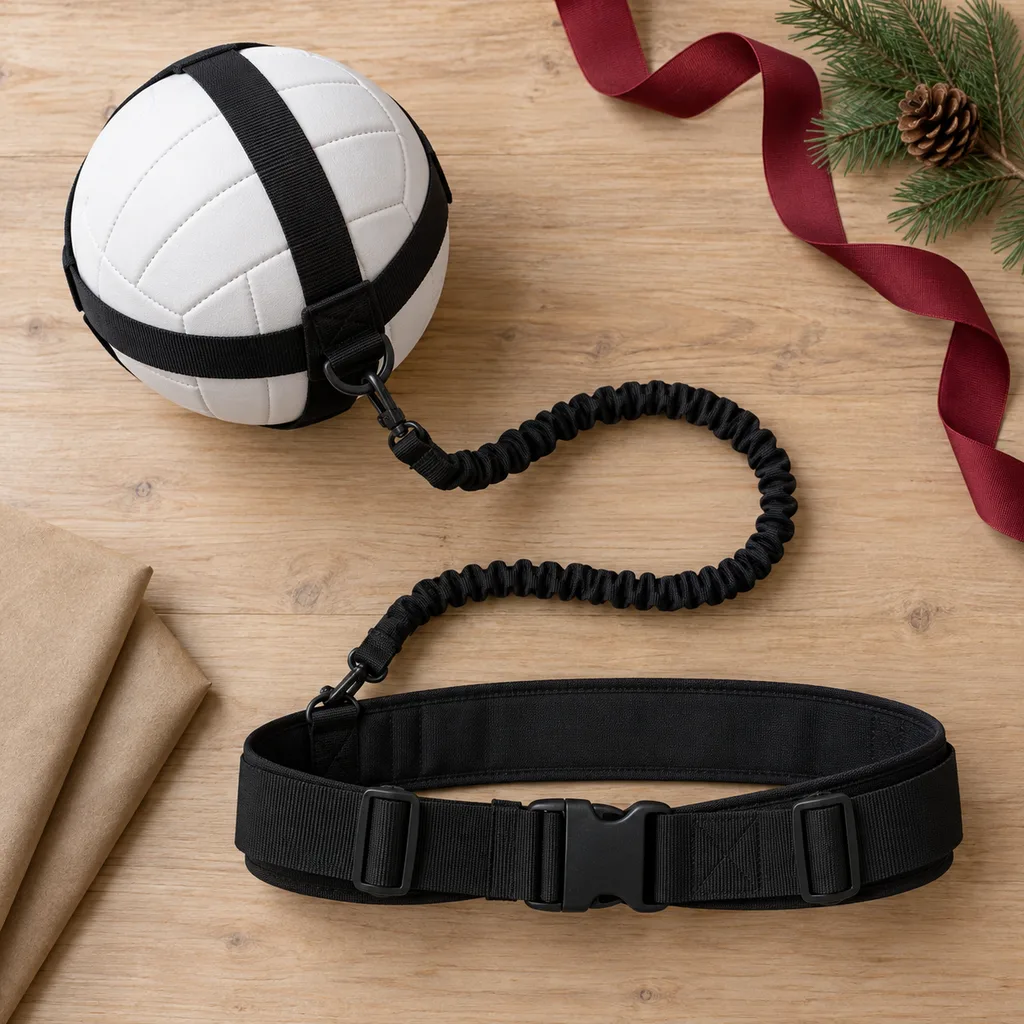
Coaches, team parents and players who train on their own all make good use of practical training gear. A clipboard with a printed court makes it easy to plan rotations during a timeout. A rolling ball cart keeps practice moving, and a solo training aid lets a player work on serves or passes without a partner. Before buying, find out whether the coach already has team equipment, how much storage space there is, and whether the training aid works indoors, outdoors or both.
An essential tool for strategizing and demonstrating plays, suitable for coaches and team captains.
This convenient cart simplifies ball storage and transport for coaches or team practices.
This device helps players practice serving and spiking techniques independently, improving skills.
Kind 8 of 8
Arm pads are sleeves with padding sewn in along the forearm, a step up from plain sleeves. Defensive players who take a lot of hard-driven balls tend to like them. Before buying, check that the padding sits where the ball actually lands, between the wrist and elbow, and that it won't change how the ball comes off the arms. Some players find thick padding throws off their feel, so it helps to ask first or pick a slimmer design.
Looking for one person in particular? Shop by person.
Everything else
Showing 1–8 of 8