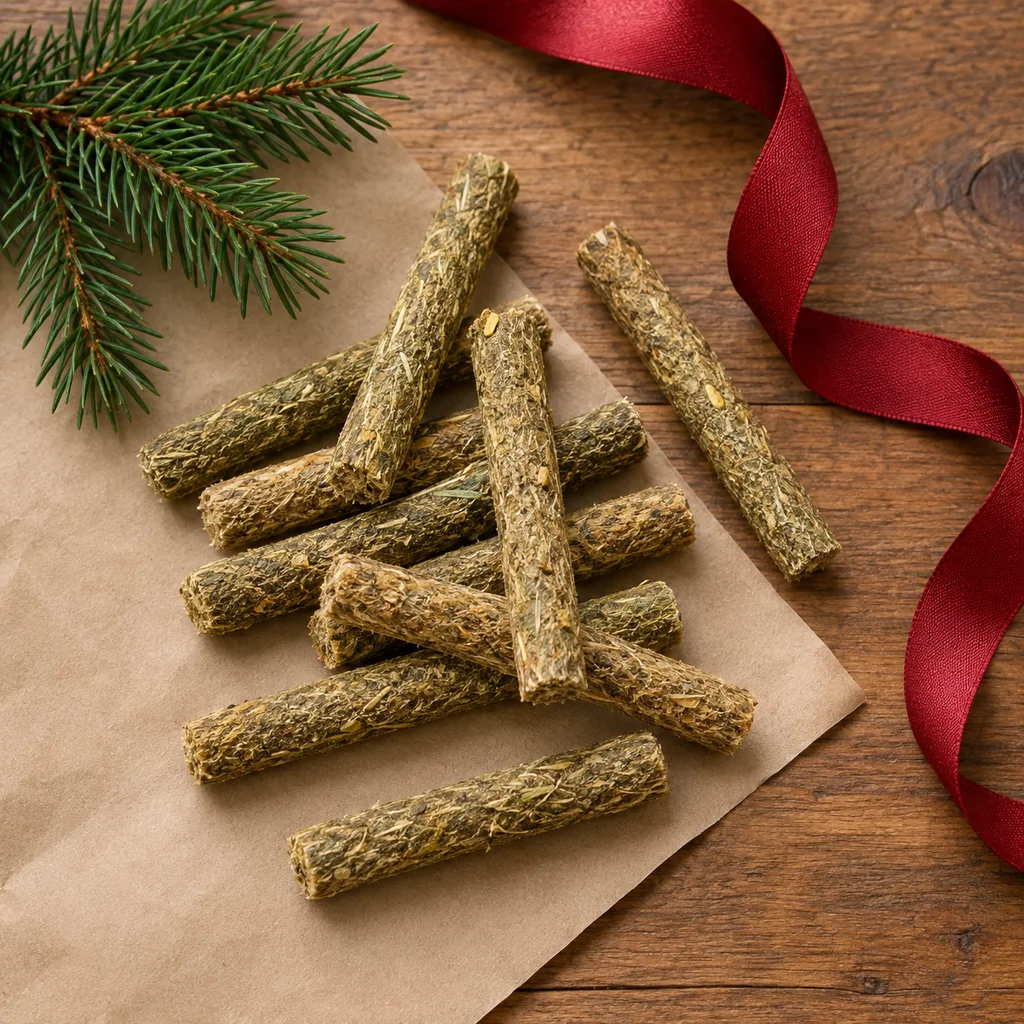
Dental health chewing sticks
These textured sticks are designed to help maintain dental hygiene by encouraging gnawing, suitable for rodents with continuously growing teeth.
Pets
6 kinds worth knowing, 7 picks, and what to check before you buy.
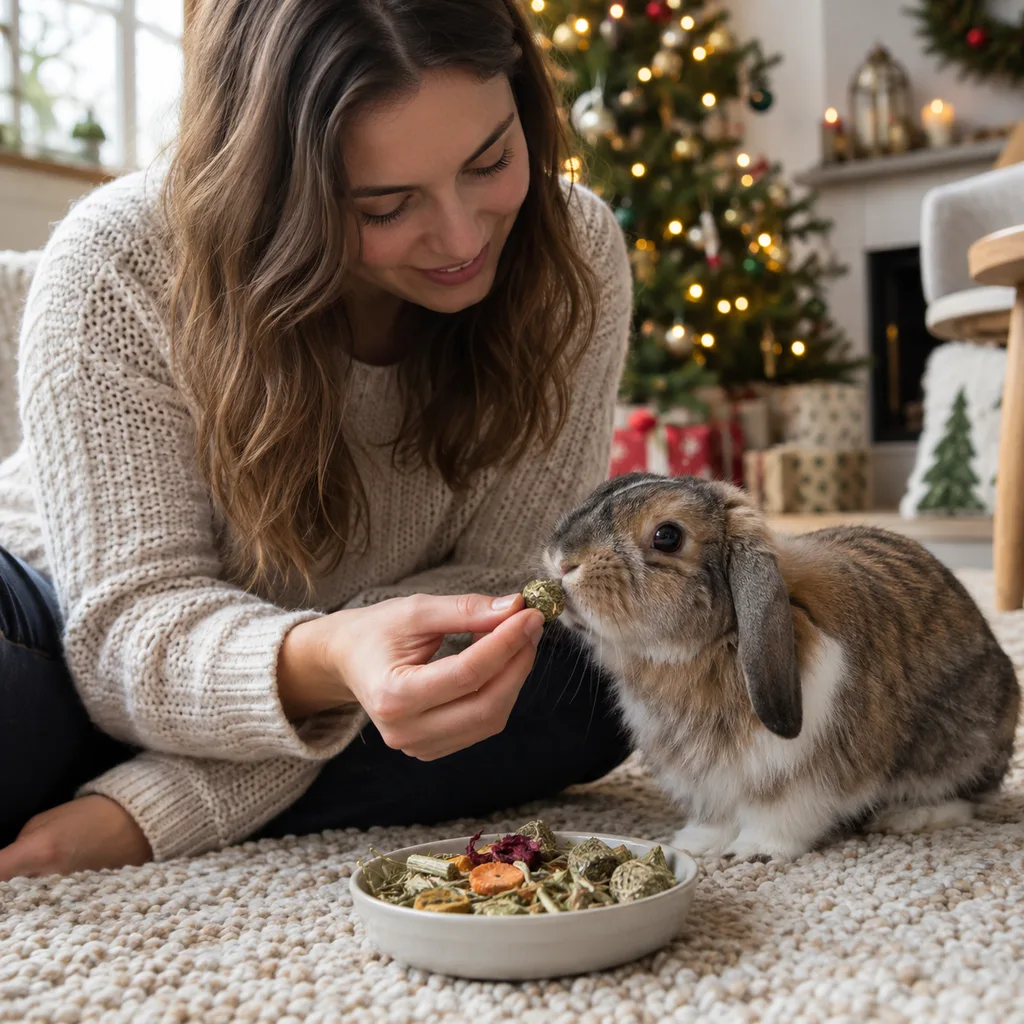
These gifts are usually for someone who shares their home with a rabbit, guinea pig, hamster, rat, chinchilla or degu. The owner is often an adult or older child who already knows the animal's habits well. The treats that get used are the ones the animal finds interesting: chewing sticks it can gnaw at over several days, and hay-based forage blocks that turn snack time into a small project. As a gift, a treat works best as something extra for the animal to do, not a big pile of food. Match it to the species, keep the quantity modest, and choose something the owner can add to the usual routine without much fuss.
Kind 1 of 6
Chewing sticks are usually made from twigs, pressed hay or plain untreated wood. Rabbits, guinea pigs, hamsters and other rodents spend a lot of their day gnawing, so these are among the treats owners reach for most. They suit almost any small-animal household and make an easy stocking stuffer. Before buying, check what kind of wood or plant is used and whether the stick is labelled for the right species. Look for sticks with no added sugar, dyes or glue. A mixed bundle lets the animal pick a favourite texture.
These textured sticks are designed to help maintain dental hygiene by encouraging gnawing, suitable for rodents with continuously growing teeth.
Kind 2 of 6
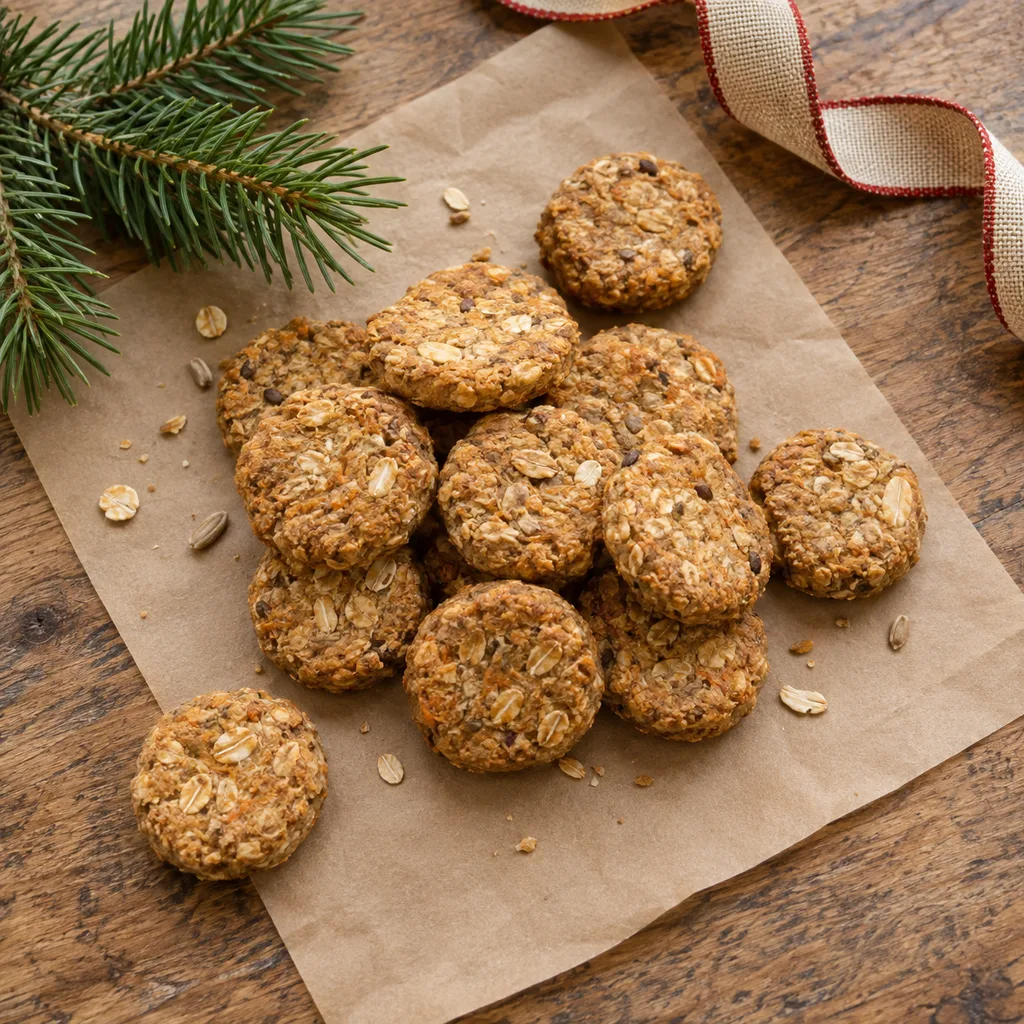
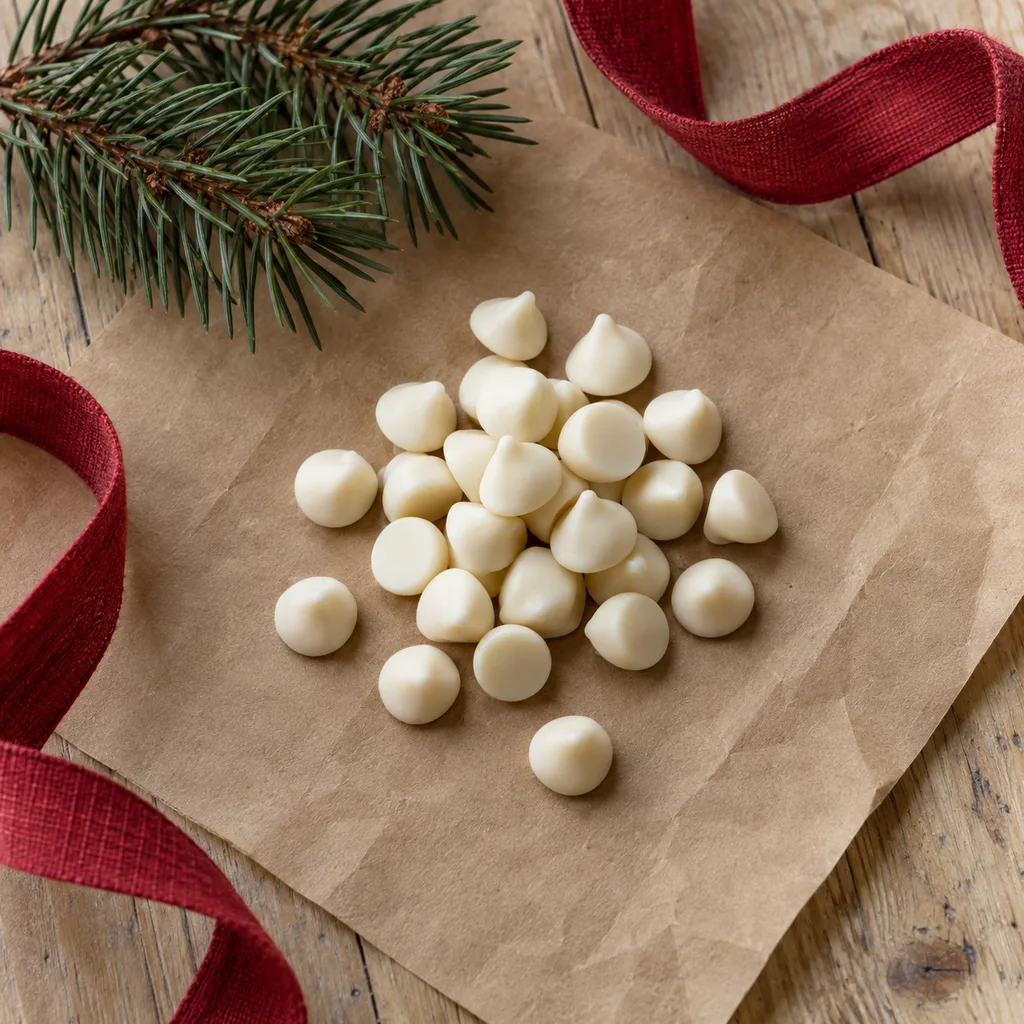
Baked grain biscuits are small, crunchy rewards, often made with oats, grains or dried vegetables. Owners who hand-feed or do simple training tend to like them because one biscuit is a clear reward. Yogurt-dipped drops fall into the same occasional-reward group, but they are sweeter. Read the ingredient list closely, since recipes differ a lot. Make sure the product is meant for the species you're buying for, because what suits a rat may not suit a rabbit. A small bag is plenty, since these are meant to be given sparingly.
Crunchy, oven-baked biscuits made from wholesome grains offer a satisfying crunch and a delightful reward for many small pets.
Sweet and creamy yogurt-coated drops are a highly palatable and popular treat, often used for training or as a special indulgence.
Kind 3 of 6
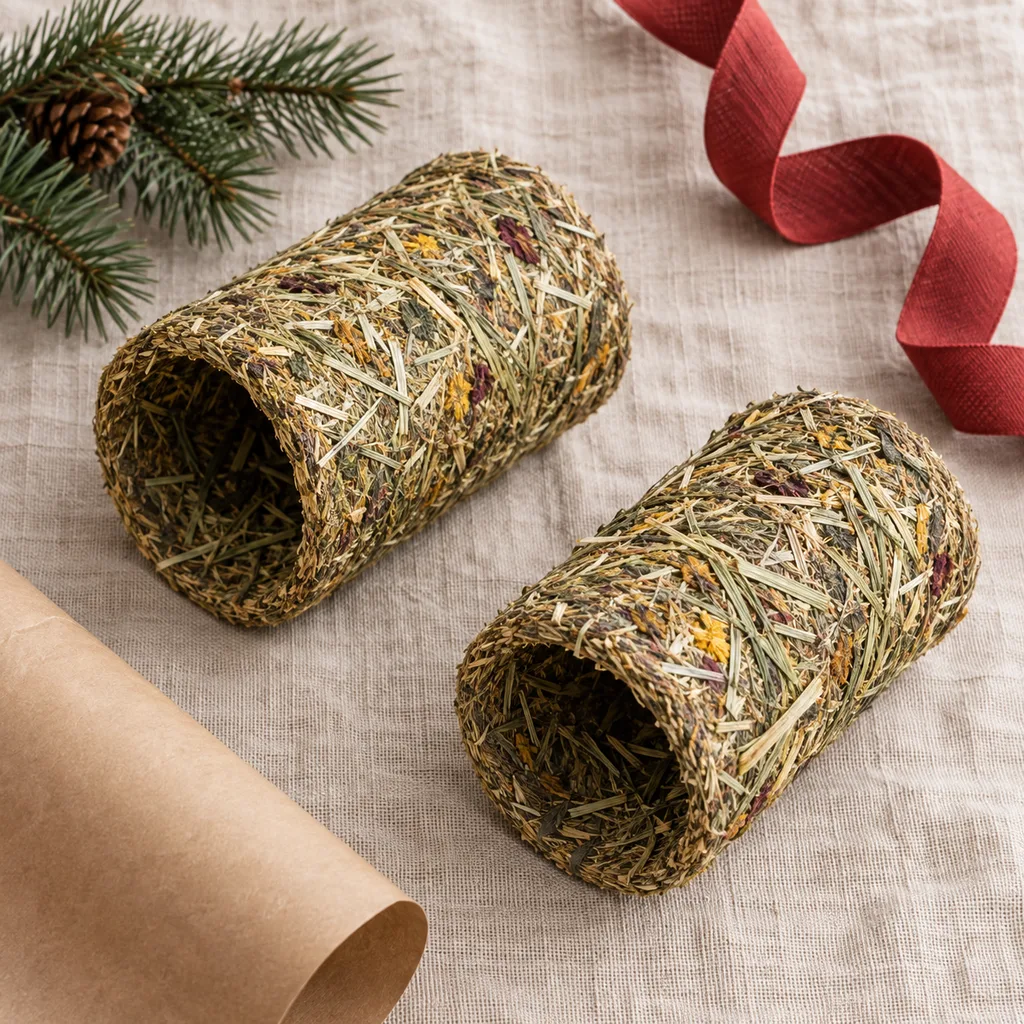
Edible hideaway tunnels are woven from hay, grass or other plant fibres into a shape the animal can crawl through and slowly chew apart. They suit guinea pigs, rabbits and hamsters that like cover and something to shred. Because the animal eats its way through the tunnel over time, it works as both a toy and a treat. Before buying, check the size against the animal. A tunnel meant for a dwarf hamster won't fit a large rabbit, and a rabbit-sized one can overwhelm a small cage. Plain, unvarnished materials are the safer pick.
These unique treats double as a temporary chewable hideaway, offering both a snack and an engaging enrichment item for small pets.
Kind 4 of 6
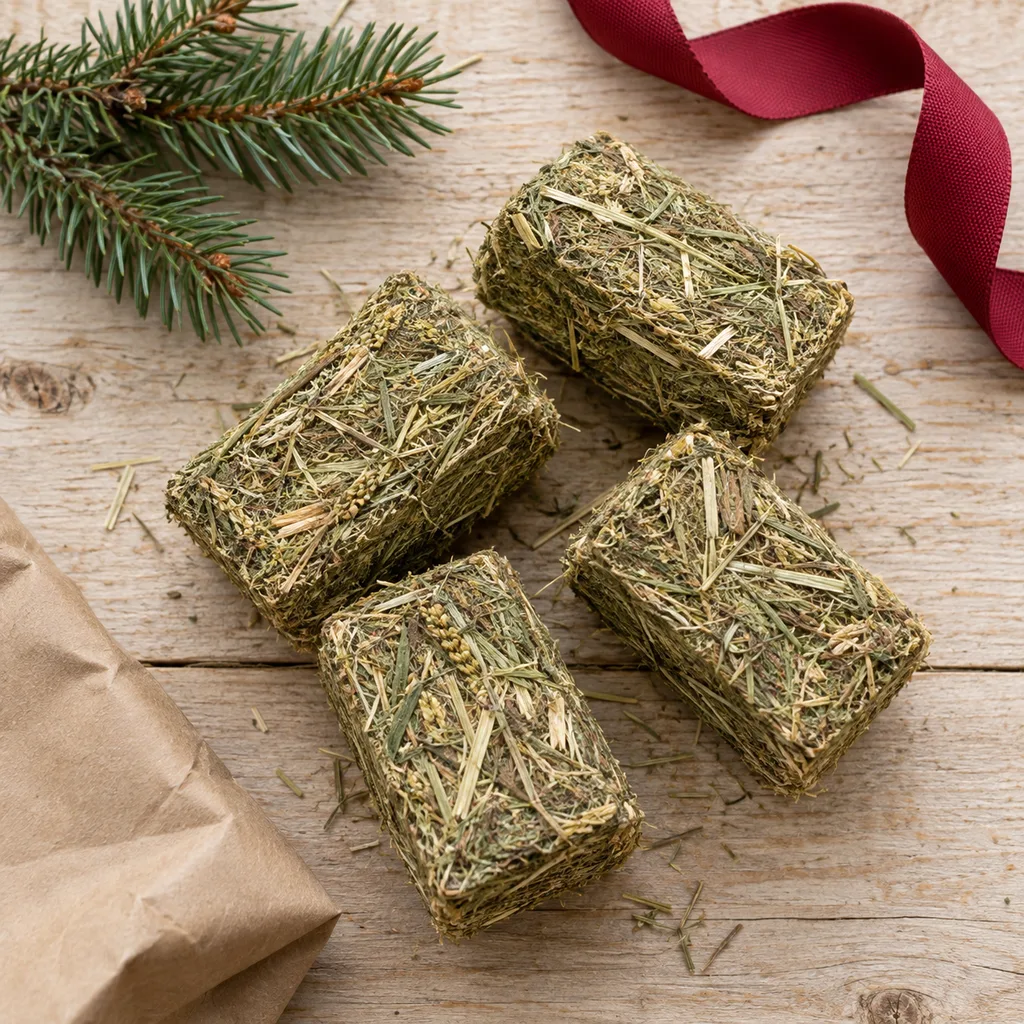
Hay-based forage blocks are compressed hay, sometimes with dried flowers or herbs mixed in, that the animal has to pull apart to eat. They suit hay-eating animals like rabbits, guinea pigs and chinchillas, especially ones that get bored in their enclosure. Owners tend to like them because they fit a hay-first routine and keep the animal busy. Check that hay is the main ingredient and that any extras are plain dried plants, not sweetened pieces. Also check the size so the block fits the enclosure and the animal can handle it.
These dense blocks provide essential fiber and encourage natural chewing behaviors for rabbits, guinea pigs, and chinchillas.
Kind 5 of 6
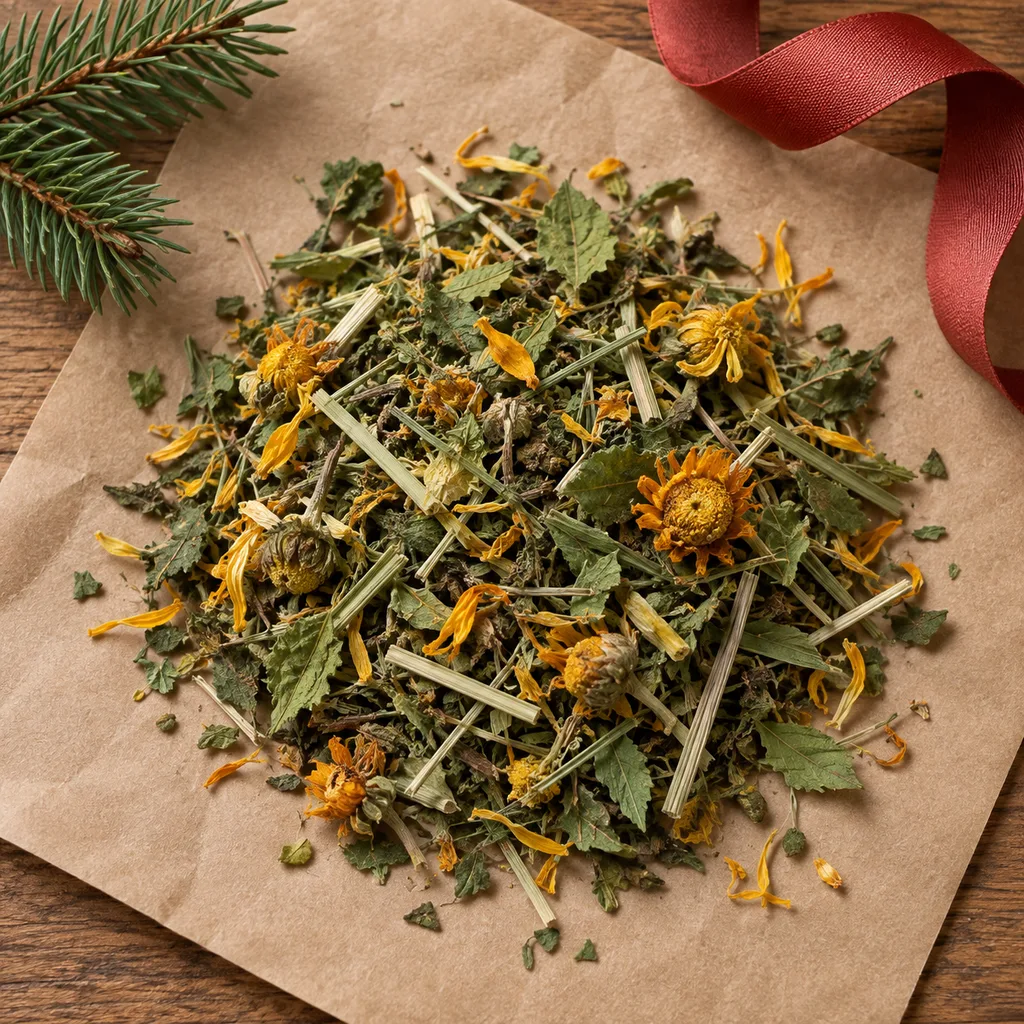
Herbal blend scatter treats are mixes of dried leaves, petals and herbs meant to be sprinkled over bedding or hay so the animal has to hunt for them. They suit owners who like to add variety and encourage natural foraging, and they work well for rabbits, guinea pigs, degus and chinchillas. Before buying, read the full list of plants and make sure each one is suitable for the species. A small pouch goes a long way, so a sampler of a few different blends is often a better gift than one large bag.
A fragrant mix of dried herbs and flowers provides an aromatic and stimulating snack that encourages natural foraging instincts in small animals.
Kind 6 of 6
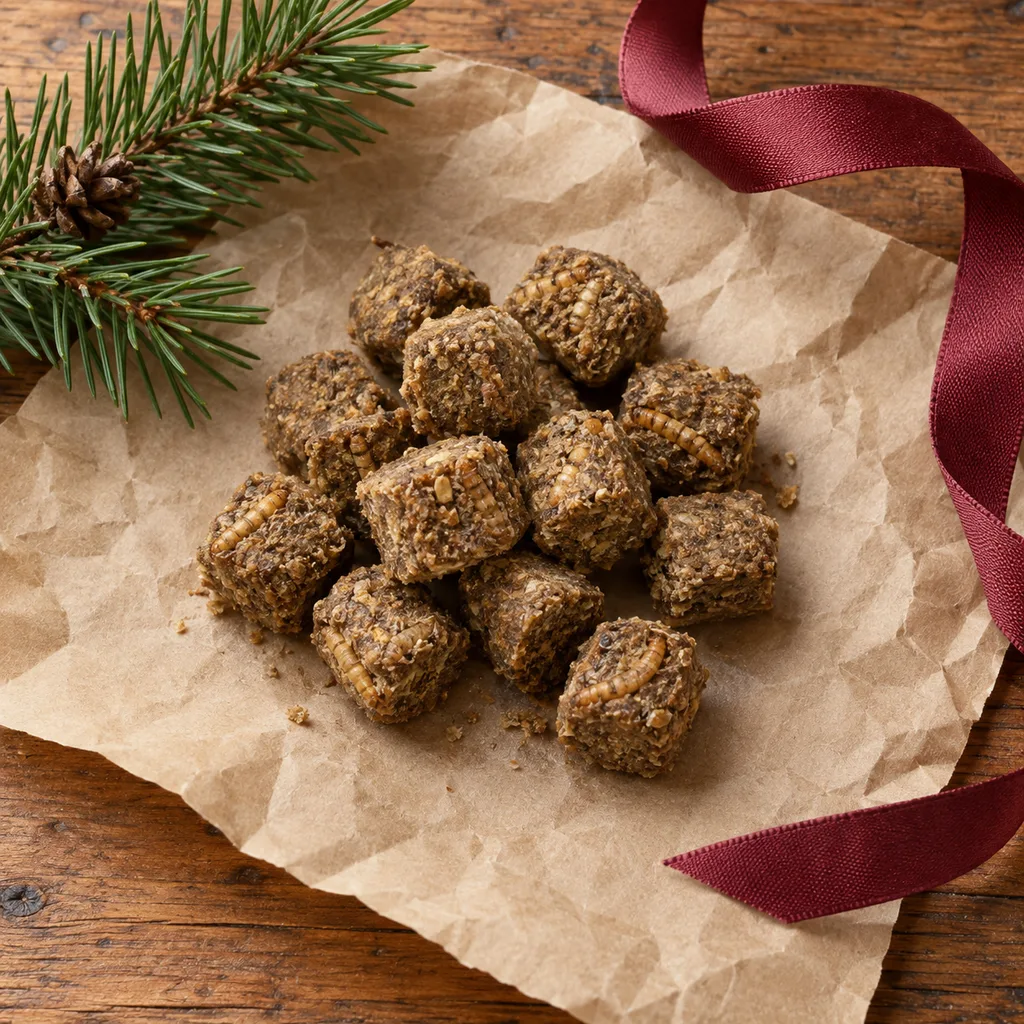
Insect bites are dried mealworms, crickets or similar insects, sometimes mixed with seeds. They are only for omnivores like hamsters, rats, mice and gerbils. Rabbits, guinea pigs and chinchillas are herbivores and shouldn't be given them. That makes the animal's species the first thing to confirm before buying. Owners of small rodents often use insect bites as a special reward or for hand-taming. Check that the pack is labelled for small animals rather than for birds or reptiles, and choose a small quantity, since only a few are given at a time.
Specially formulated bites containing dried insects provide a valuable protein boost for small animals with higher protein requirements.
Looking for one person in particular? Shop by person.
Everything else
Showing 1–7 of 7