Insulated dog house
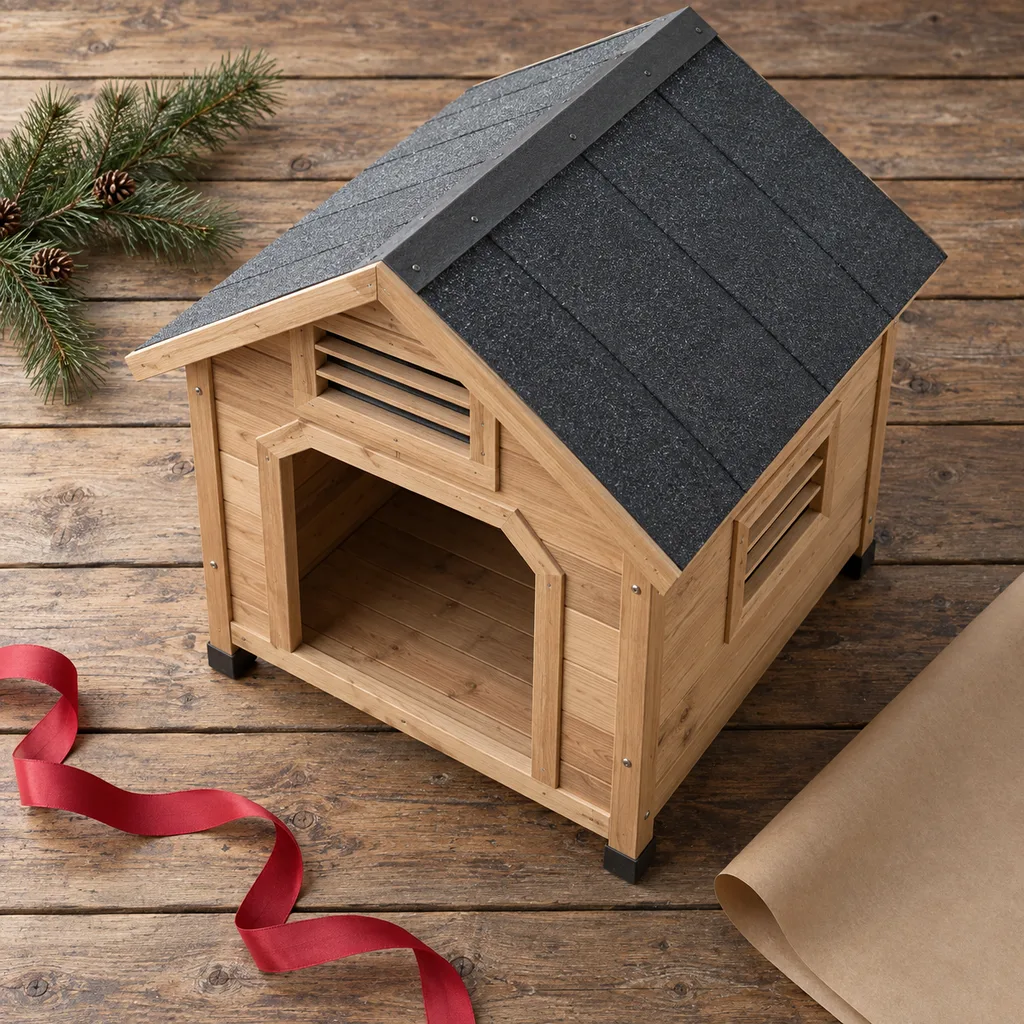
Ideal for pets living in colder climates, this house offers enhanced thermal protection to keep a dog warm and cozy during winter months.
Pets
8 kinds worth knowing, 8 picks, and what to check before you buy.
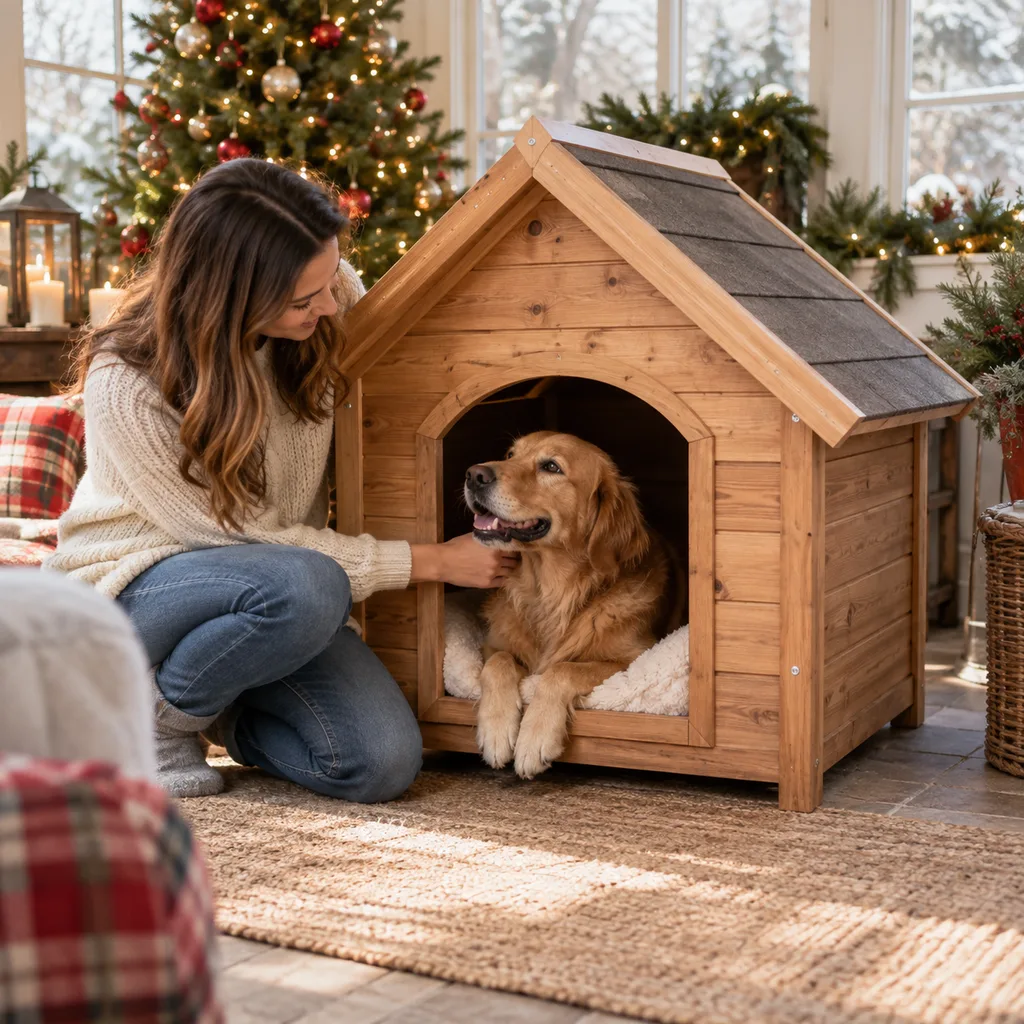
A dog house is a gift for the dog as much as the owner, so start with the dog: its size, its coat and where it spends its day. Farm dogs, backyard dogs and dogs in cold-winter regions get the most use from a solid shelter. City dogs often do better with a covered spot inside. Most of what people search for falls into two camps: an insulated dog house for cold months outside, and an indoor dog house that works as a den by the couch. The right one fits the dog, suits the yard or room, and is easy for the owner to clean. That matters more than looks.
Kind 1 of 8
An insulated dog house has filled walls, a floor and a roof that hold in the dog's body heat. It suits dogs that spend real time outdoors in Canadian or northern US winters, especially working and farm dogs. Before buying, check that the floor is raised off the ground, that the door is offset or has a flap to block wind, and that the roof comes off or lifts for cleaning. Make sure the inside isn't much bigger than the dog needs, since extra space is harder to keep warm.
Ideal for pets living in colder climates, this house offers enhanced thermal protection to keep a dog warm and cozy during winter months.
Kind 2 of 8
A large dog house is built for breeds like shepherds, labs, huskies and mastiffs, or for two dogs that like to share. The dog should be able to walk in, turn around and lie stretched out without its head pressed to the wall. Measure the dog from nose to tail base and from floor to the top of the head, then compare with the inside dimensions, not the outside ones. Big houses are heavy and awkward, so check how the panels go together and whether one person can set it up.
Kind 3 of 8
An outdoor dog house gives a dog shade in summer and a dry spot out of the wind and rain. It suits families whose dogs spend part of the day in a fenced yard. Look for a roof that sheds water, a raised floor so ground moisture stays out, and vents up high for summer airflow. Legs or a raised base help in wet or snowy yards. Think about where it will go, too: out of the wind, with some shade, and easy for the owner to reach.
Designed for warmer climates, this house features ample vents and breathable materials to ensure a steady flow of fresh air, keeping a dog cool and comfortable.
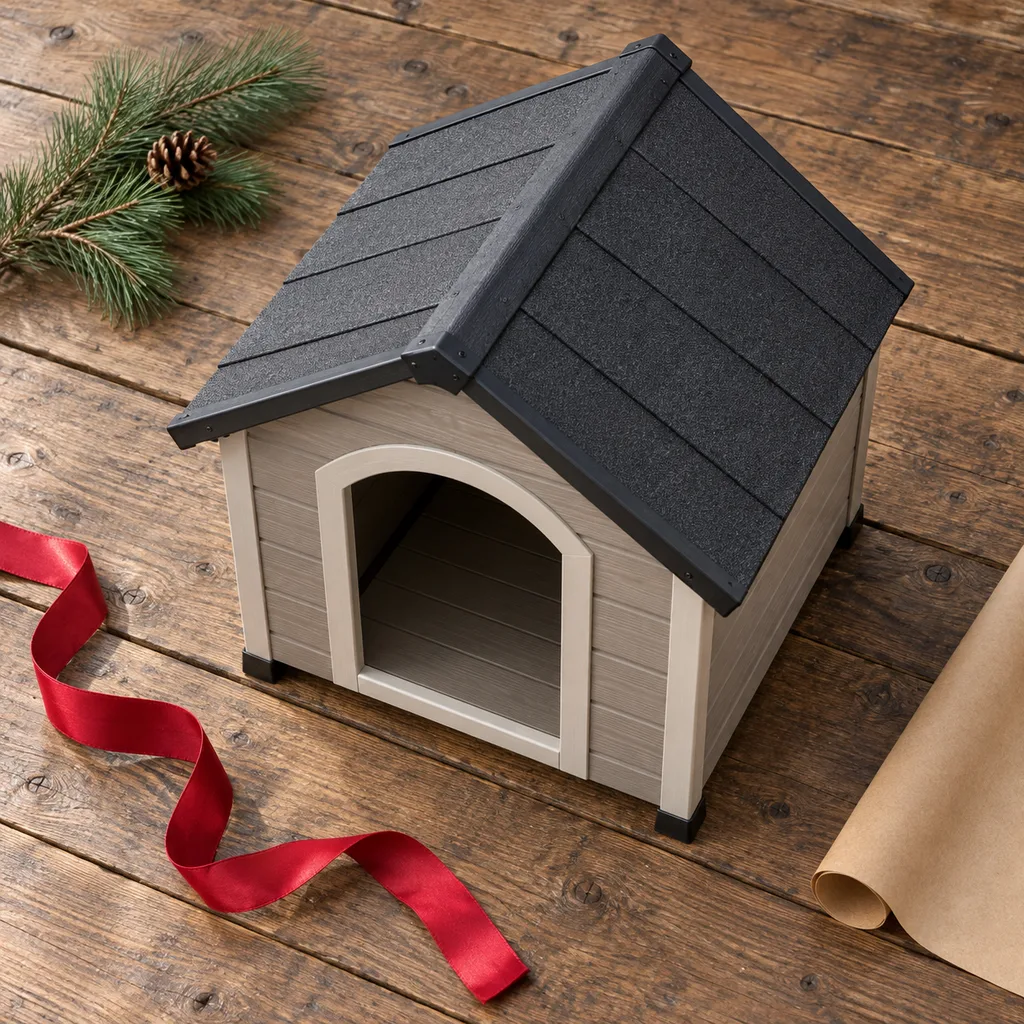
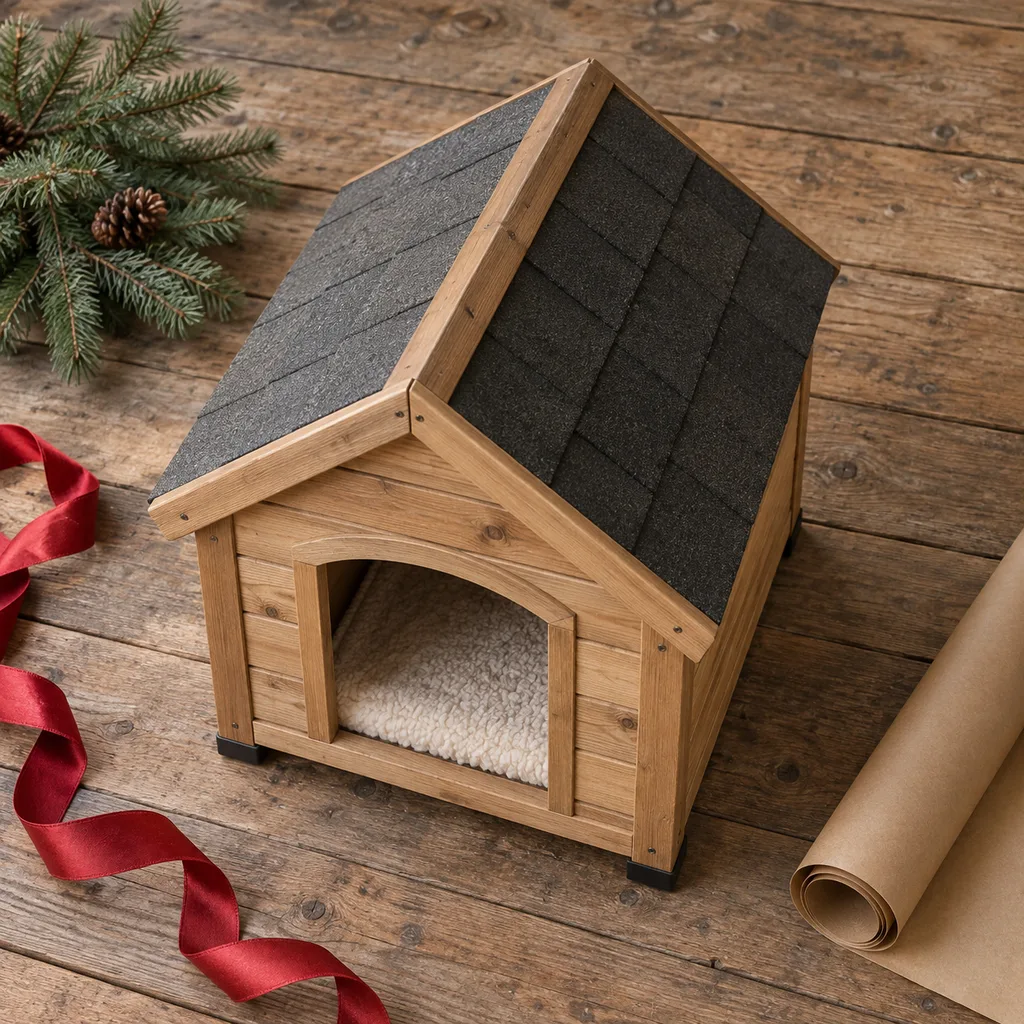
This classic shelter provides a safe and dry outdoor retreat for a dog, protecting them from various weather conditions.
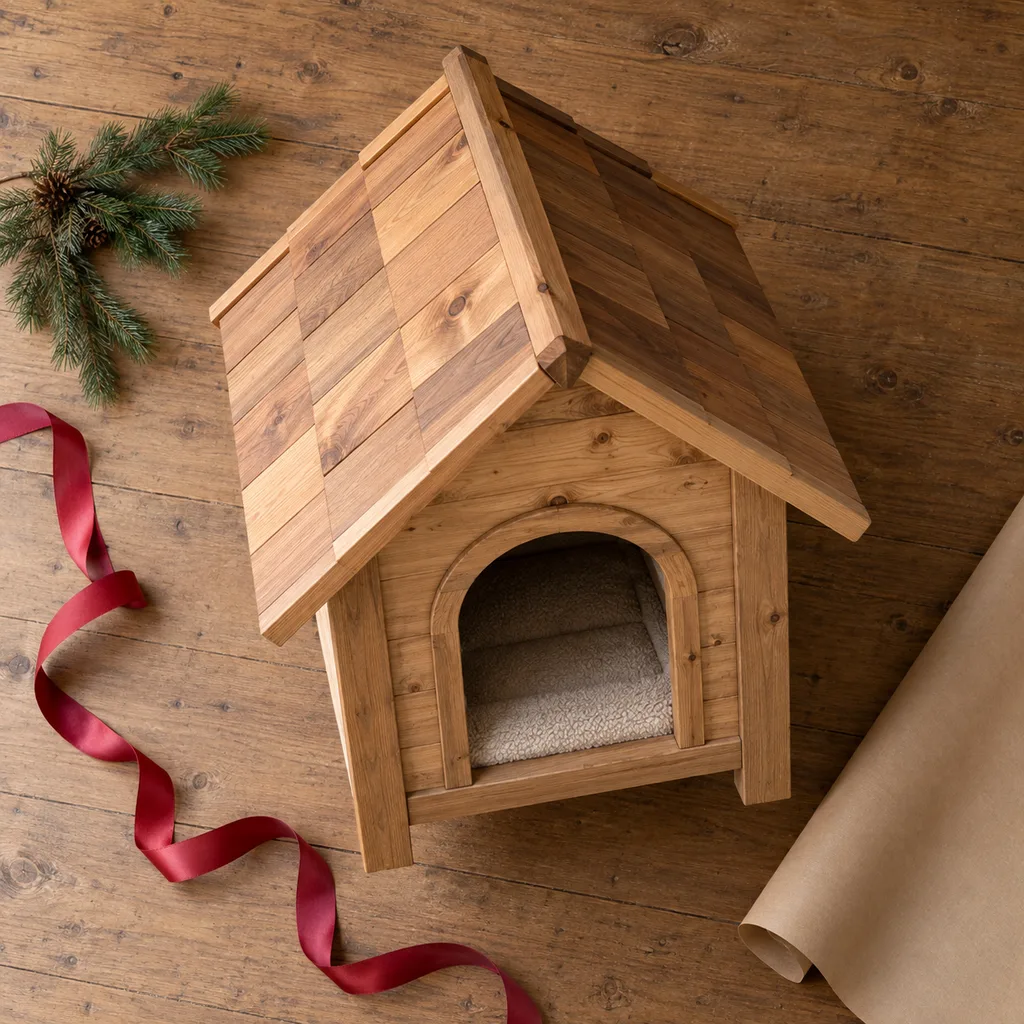
By raising the sleeping area off the ground, this house protects a dog from dampness, cold, and pests, promoting better air circulation underneath.
Kind 4 of 8
A wooden dog house looks like a small cabin and fits in with decks, fences and garden sheds. It appeals to owners who care how the yard looks and want something that feels permanent. Check that the wood is treated or sealed for outdoor use and that the finish is meant for pets. Look at the roofing, the hardware and whether the floor can be lifted out to clean. Wood needs some upkeep, like a fresh coat of stain every few years, so it suits owners who don't mind a bit of maintenance.
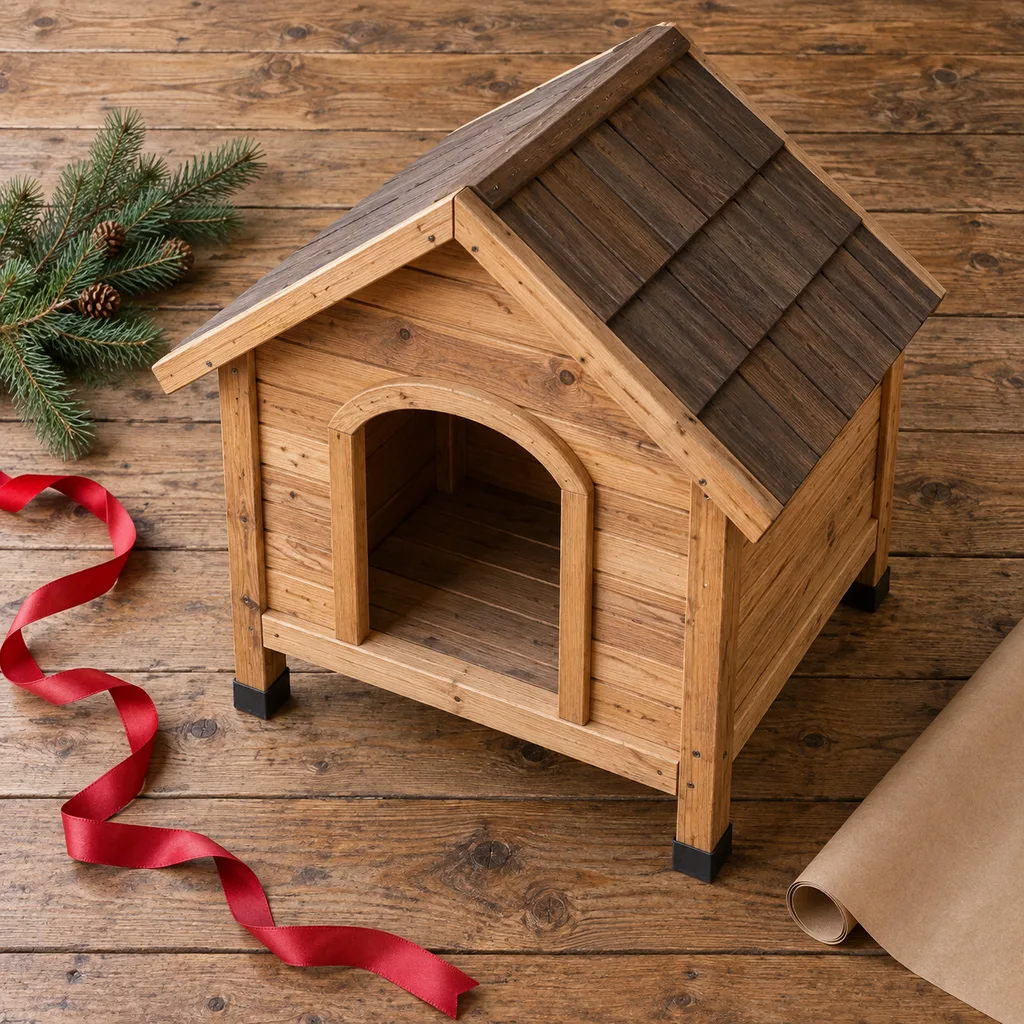
This premium dog house offers a stylish and comfortable retreat for a beloved pet, crafted with quality materials and often featuring aesthetic details.
Kind 5 of 8
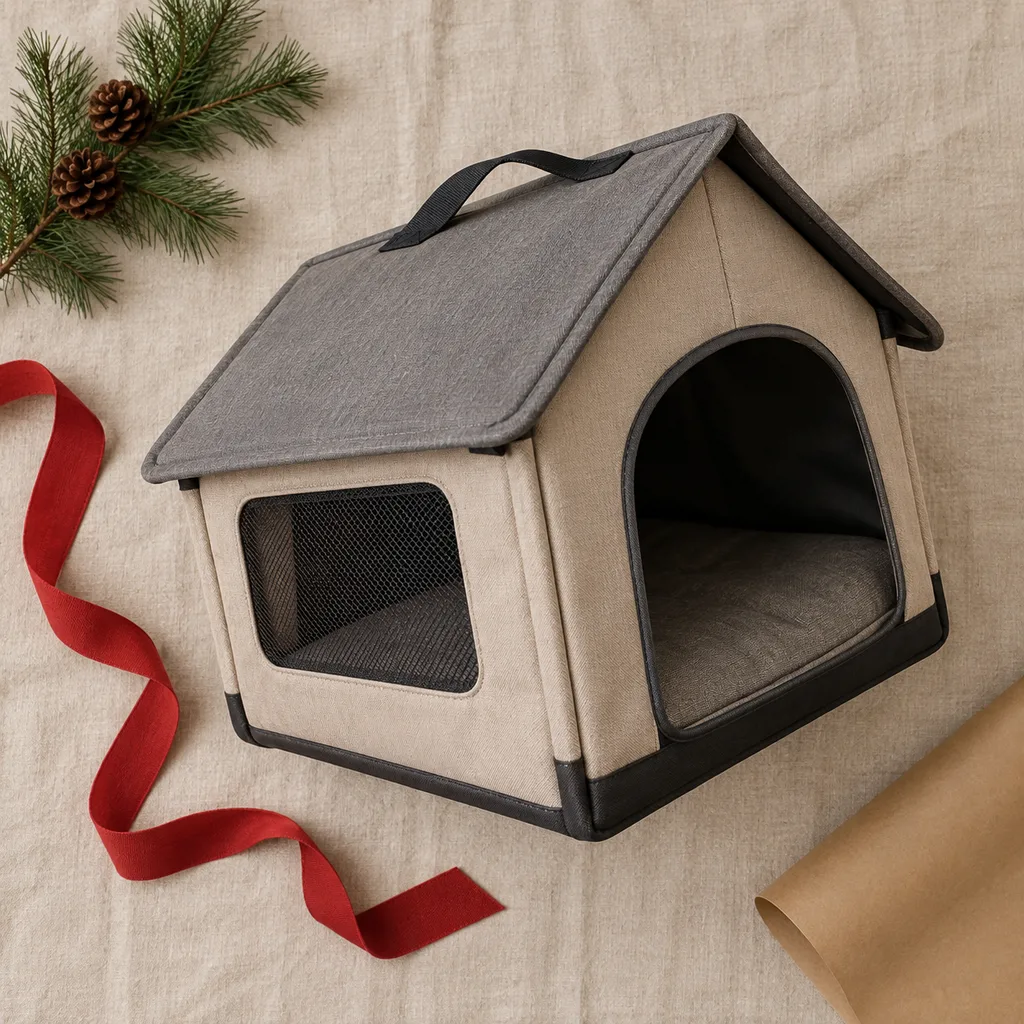
An indoor dog house gives a dog a covered, quiet spot of its own in a busy home. Small and medium dogs that like to burrow tend to use them most, and some double as a side table or blend in with the furniture. Check that the opening is wide enough for the dog to walk in easily, that the cushion or base comes out for washing, and that the size fits the room where the dog already likes to rest. Folding or lightweight versions can also come along to the cottage or on visits.
Perfect for pet owners on the go, this lightweight and collapsible house provides a familiar and secure space for a dog during travel or temporary stays.
Kind 6 of 8
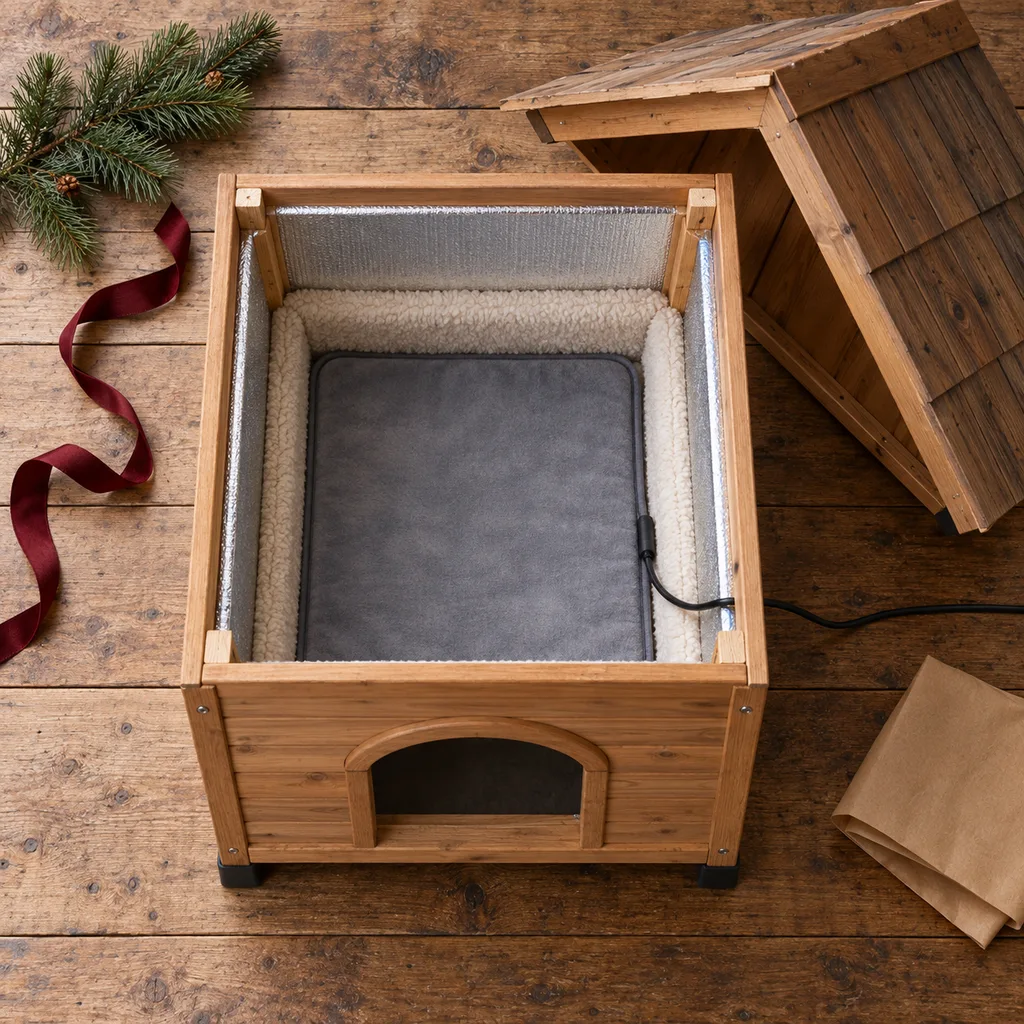
A heated dog house adds a warming pad, heated floor or small built-in heater to an insulated shell. It suits outdoor dogs in places where winters run well below freezing, and older dogs whose owners want to give them extra warmth. Before buying, check where the power comes from and whether there's an outdoor outlet near the spot. Look for cords with chew-resistant covers, a thermostat or temperature setting, and parts the owner can take out for cleaning. Ask whether the dog is actually outside long enough to need heat.
Providing consistent warmth, this house is ideal for dogs sensitive to cold or those in very chilly environments, ensuring a comfortable temperature inside.
Kind 7 of 8
When you're looking at a lot of dog houses at once, sort them by material first. Plastic and resin are light and easy to hose down. Wood looks traditional and feels sturdy. Insulated panels are best for winter. Next, look at size, the height of the floor, how the roof opens and how it's put together. Read the inside dimensions carefully, since photos make it hard to judge scale. If you're buying for someone else's dog, confirm its breed and weight with the owner before you choose.
Kind 8 of 8
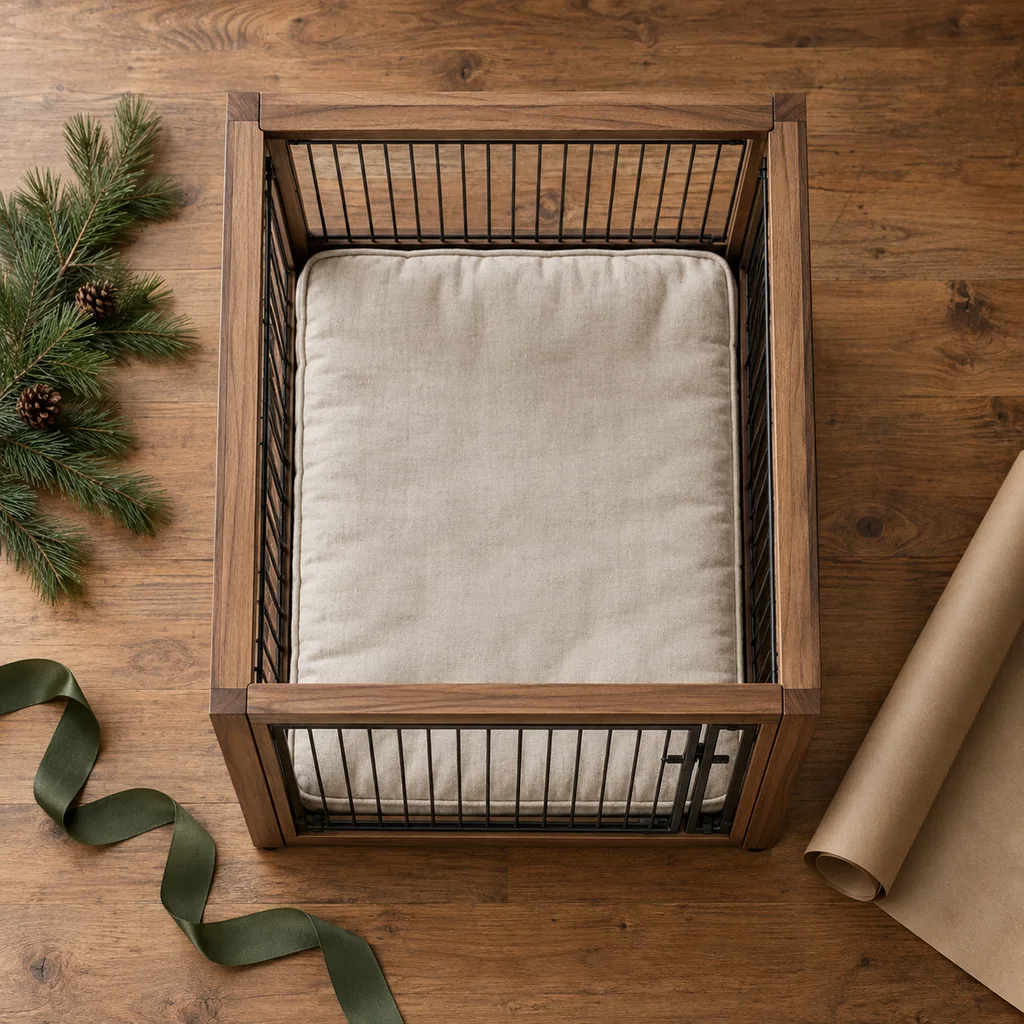
A large indoor dog crate gives a big dog a secure den and gives the owner a place to settle the dog at night or while they're out. Furniture-style crates, often finished in wood with a flat top, can double as an end table or TV stand. They suit homes where a wire crate would look out of place. Check the inside height and length against the standing dog, how the doors open and latch, and whether the tray or floor can be removed. Make sure it will actually fit in the room.
This stylish furniture piece offers a cozy indoor den for a dog while seamlessly blending with home decor, serving as both a shelter and an accent table.
Looking for one person in particular? Shop by person.
Everything else
Showing 1–8 of 8