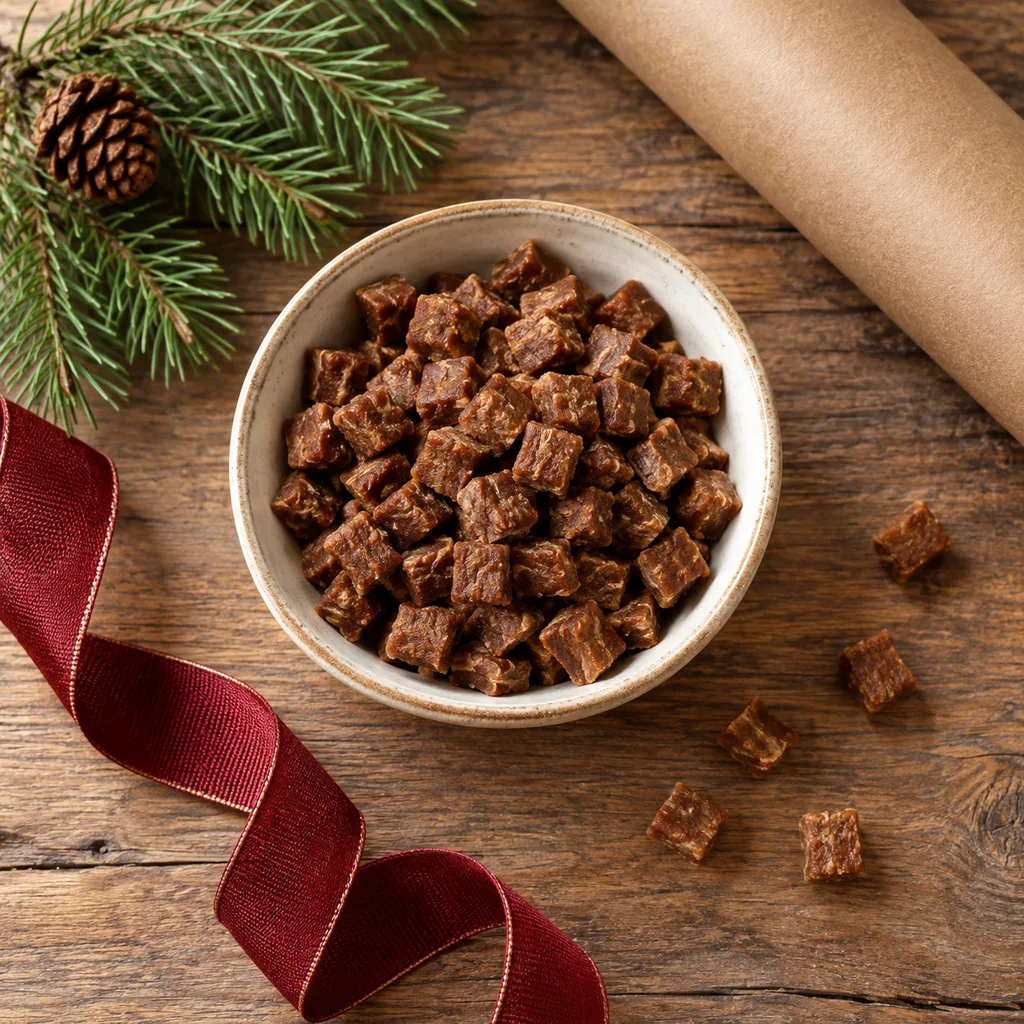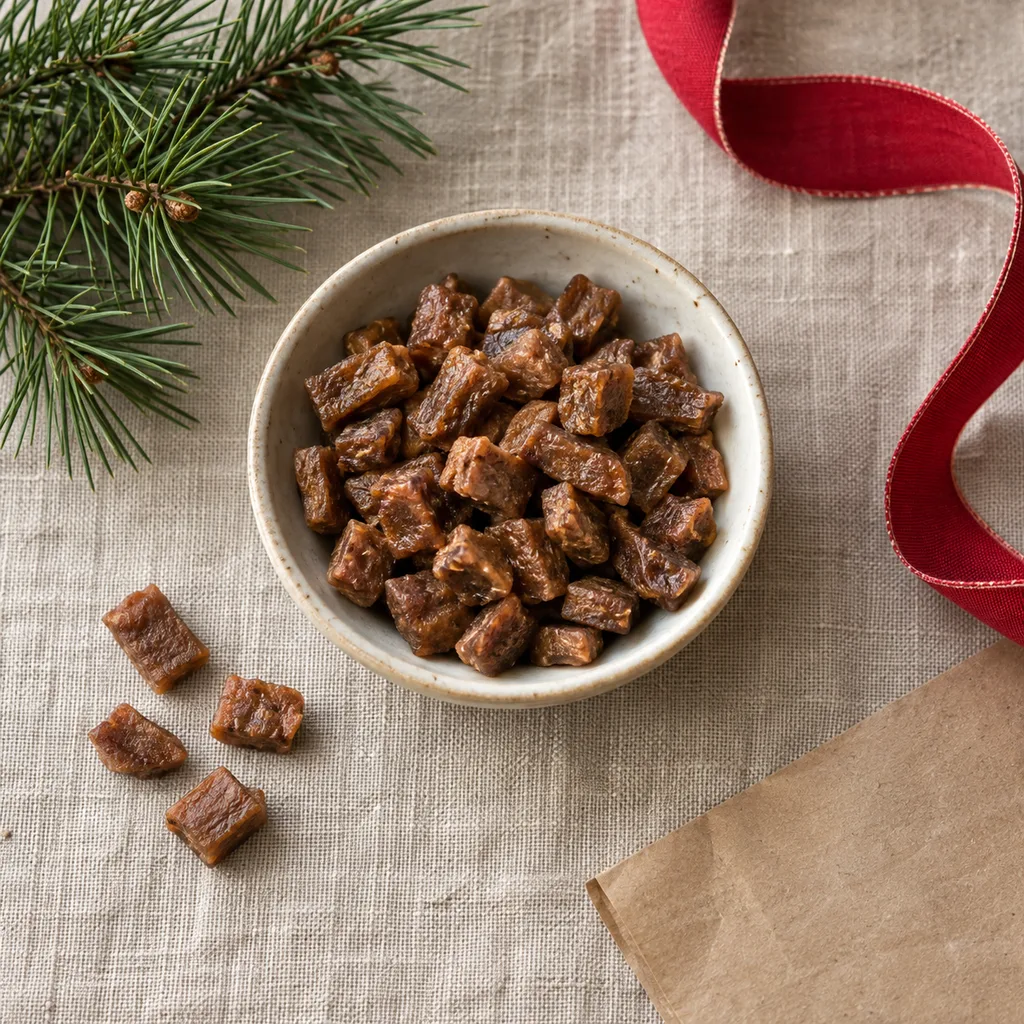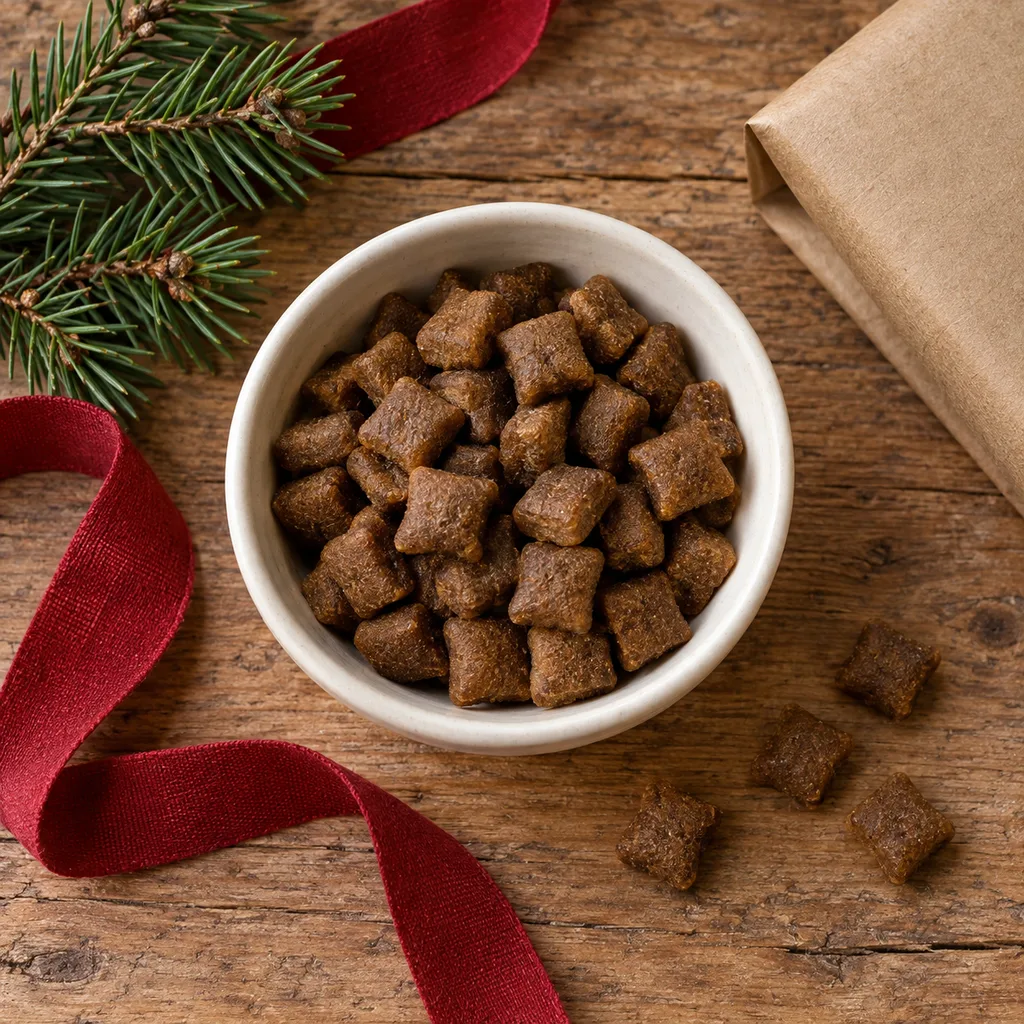
Hairball control cat chews
A thoughtful gift for owners of long-haired cats or those prone to hairballs, helping to support digestive health.
Pets
8 kinds worth knowing, 7 picks, and what to check before you buy.
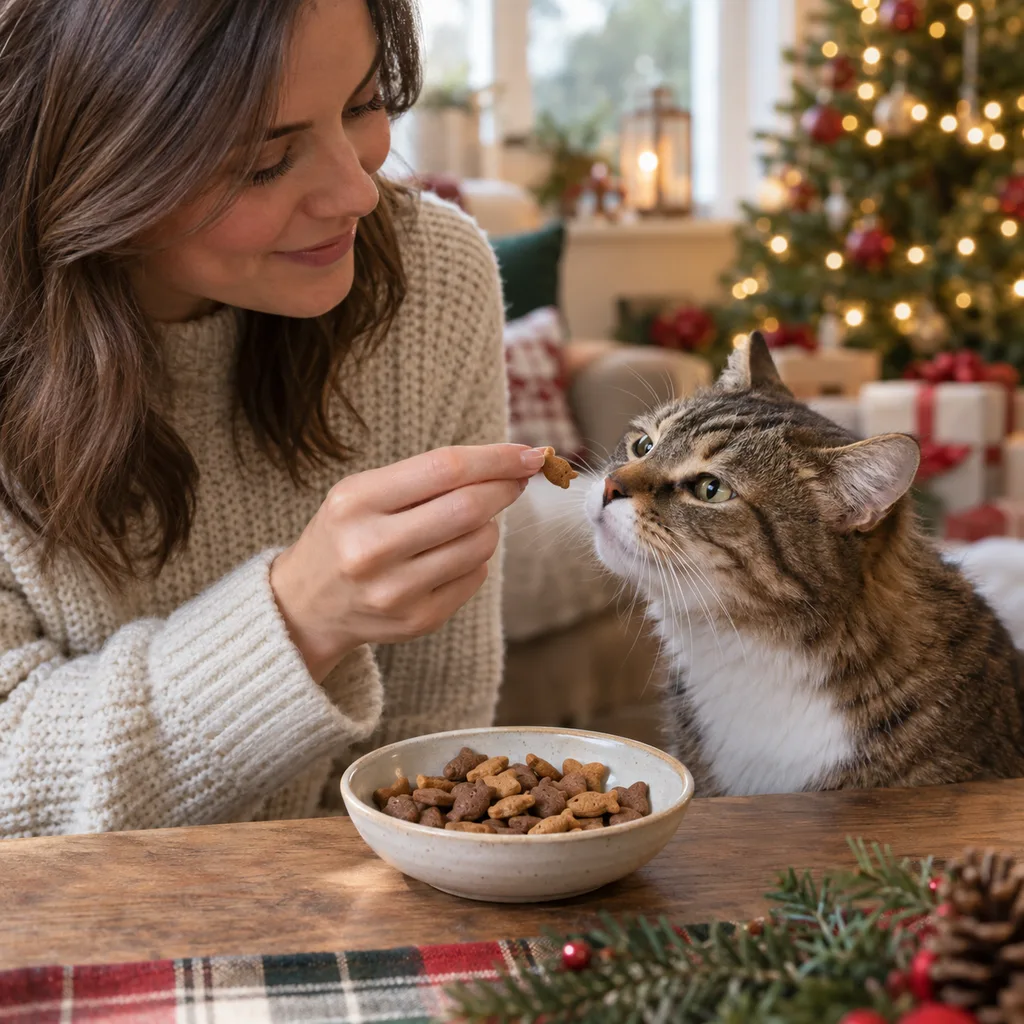
Most cat treats are bought by people who already have a cat at home, or who are shopping for a friend's cat and want to show up with something small. Choosing well is less about novelty and more about fit. Cats are picky, and a treat the cat ignores just sits in a drawer. Start with what the cat already eats: texture, protein and how the owner likes to give treats. Hairball treats and lickable purees are two of the most searched kinds, and they suit very different routines. A small bag of something familiar, maybe with one new flavour to try, usually gets used more than a big tin of something untested.
Kind 1 of 8
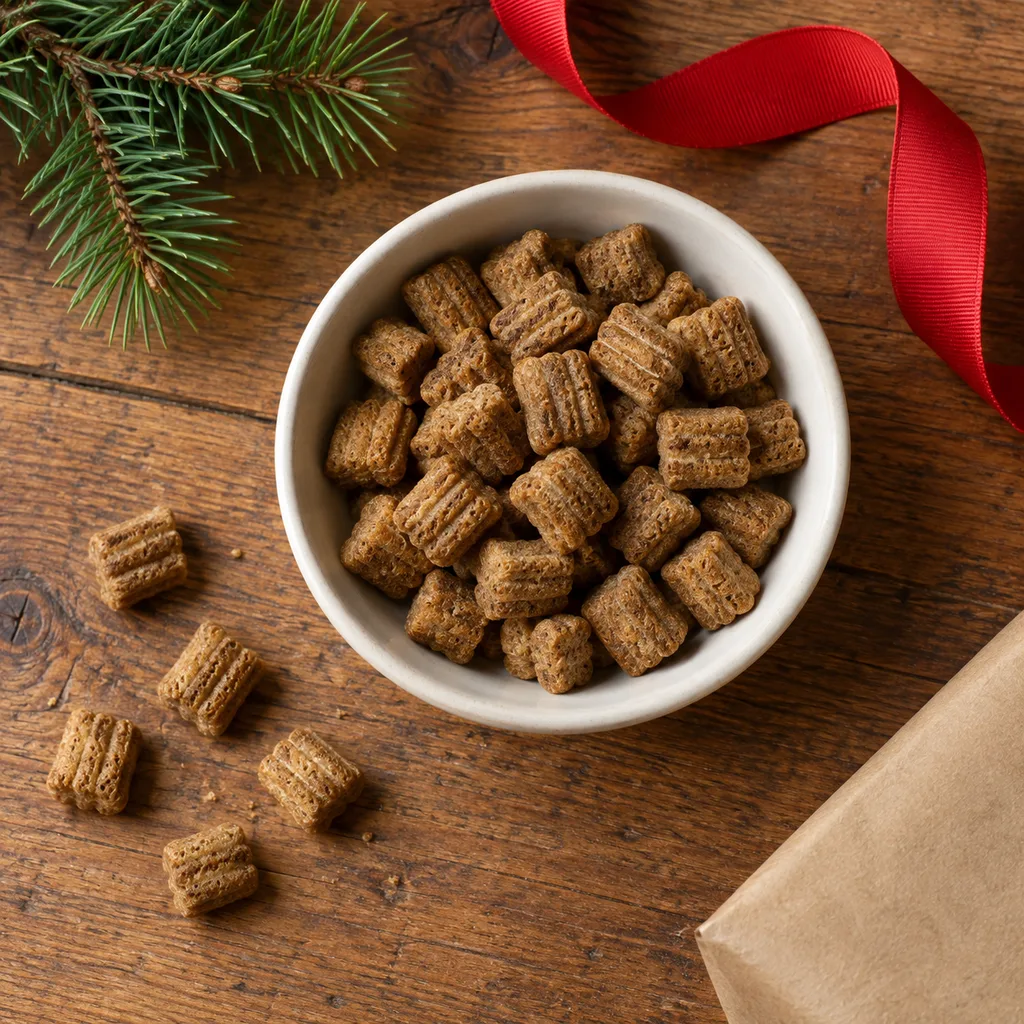
These are usually crunchy or chewy bites made with added fibre or oils. They're marketed to cats that groom a lot or shed heavily. They suit households with long-haired breeds, or owners who already buy hairball-formula food. Check the protein first, since a cat that won't eat chicken won't eat a chicken-based hairball treat either. Look at the piece size too, because some cats spit out large bites. If you're not sure what the cat eats now, ask the owner quietly. Any real concern about hairballs belongs with the cat's vet, not a gift.
A thoughtful gift for owners of long-haired cats or those prone to hairballs, helping to support digestive health.
Kind 2 of 8
Dental treats are usually firm, textured kibble-sized pieces meant to be crunched rather than swallowed whole. They fit into a daily routine easily, so owners who like giving a few treats at the same time each day tend to use them up. They suit adult cats that already enjoy dry food. Older cats, or cats with sensitive mouths, may prefer something softer. Before buying, check the flavour, check whether the pieces seem small enough for the cat, and check whether the owner already has a brand the cat accepts. A familiar formula in a new flavour is a safe middle ground.
These treats are ideal for cat owners looking to support their feline's oral hygiene and help reduce tartar buildup.
Kind 3 of 8
Dental chews are larger or tougher than crunchy dental bites, so a cat works at them for a little while instead of finishing one in a second. They suit cats that like to gnaw and owners who want a treat that keeps the cat busy. Some cats lose interest in anything that takes effort, so this kind is best for a cat already known to chew on things. Check the texture and size, and whether the chew is meant to be eaten whole or given under supervision. Pairing a chew with a softer treat covers both preferences.
Kind 4 of 8
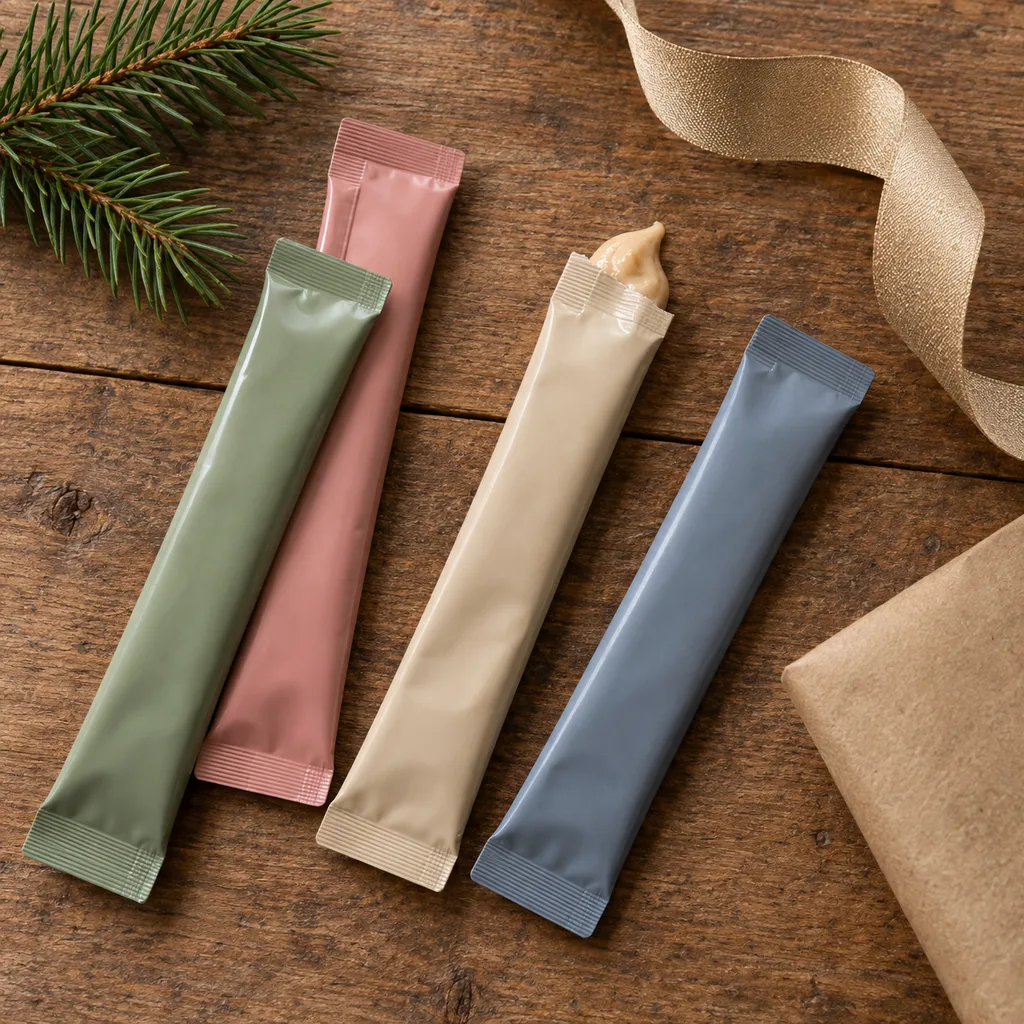
Lickable treats are smooth purees sold in single-serve tubes or pouches. The owner squeezes them out for the cat to lick, which makes them popular for bonding, for distracting a cat during nail trims or brushing, and for older cats that struggle with crunchy food. Most cats that like wet food take to them quickly. Check the main protein and whether the pack mixes several flavours, which is handy when you don't know the cat's taste. They're also easy to tuck into a stocking or gift bag.
An excellent gift for cats who love a liquid treat, perfect for hydration, medication disguise, or a special bonding moment.
Kind 5 of 8
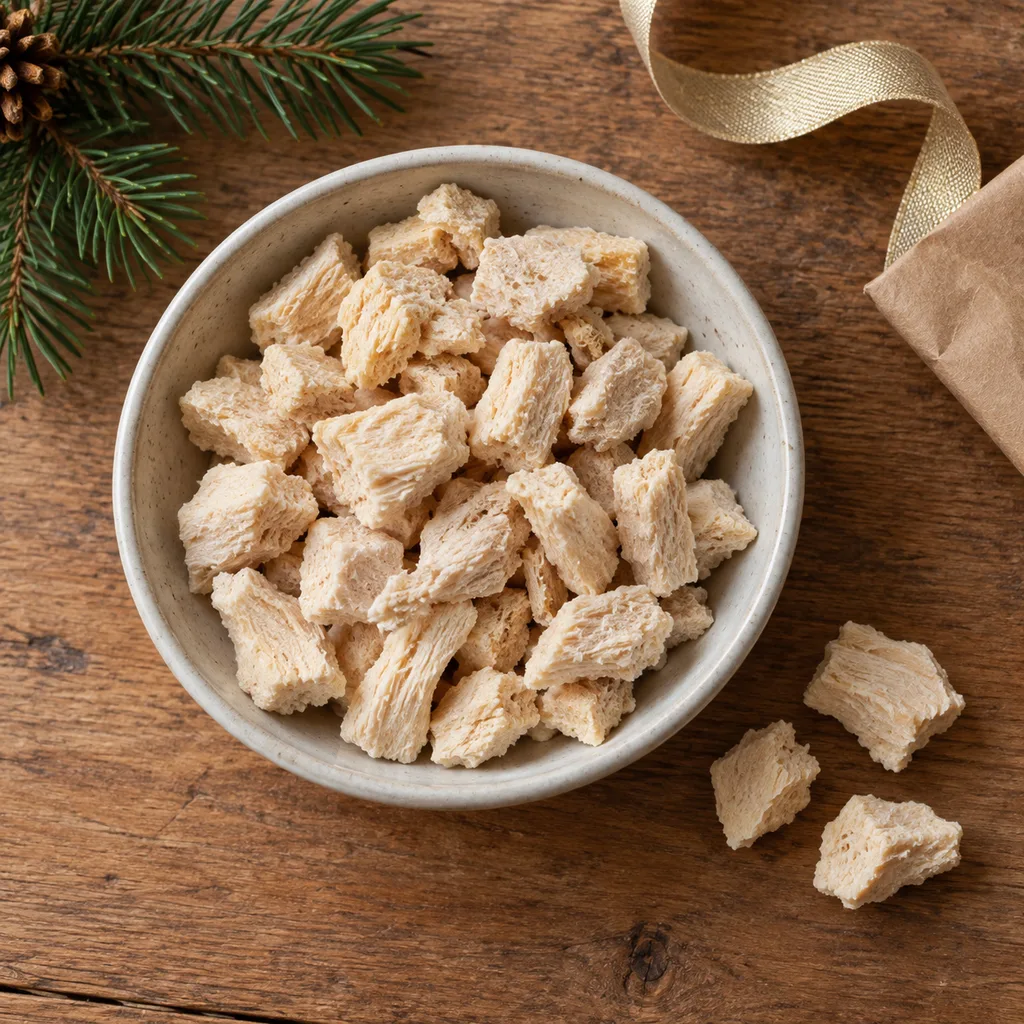
Freeze-dried treats are pieces of raw meat or fish with the moisture removed, often with just one ingredient on the label. They suit picky cats, cats on limited diets and owners who read labels closely. The texture is light and crumbly, so they can also be crushed over a meal. Check which protein it is, since single-ingredient means there's no masking a flavour the cat dislikes. Look for a resealable package, because these go stale once opened. They make a thoughtful choice for an owner who already feeds a careful diet.
Ideal for health-conscious pet parents, these treats offer a natural, high-protein snack with minimal processing.
Kind 6 of 8
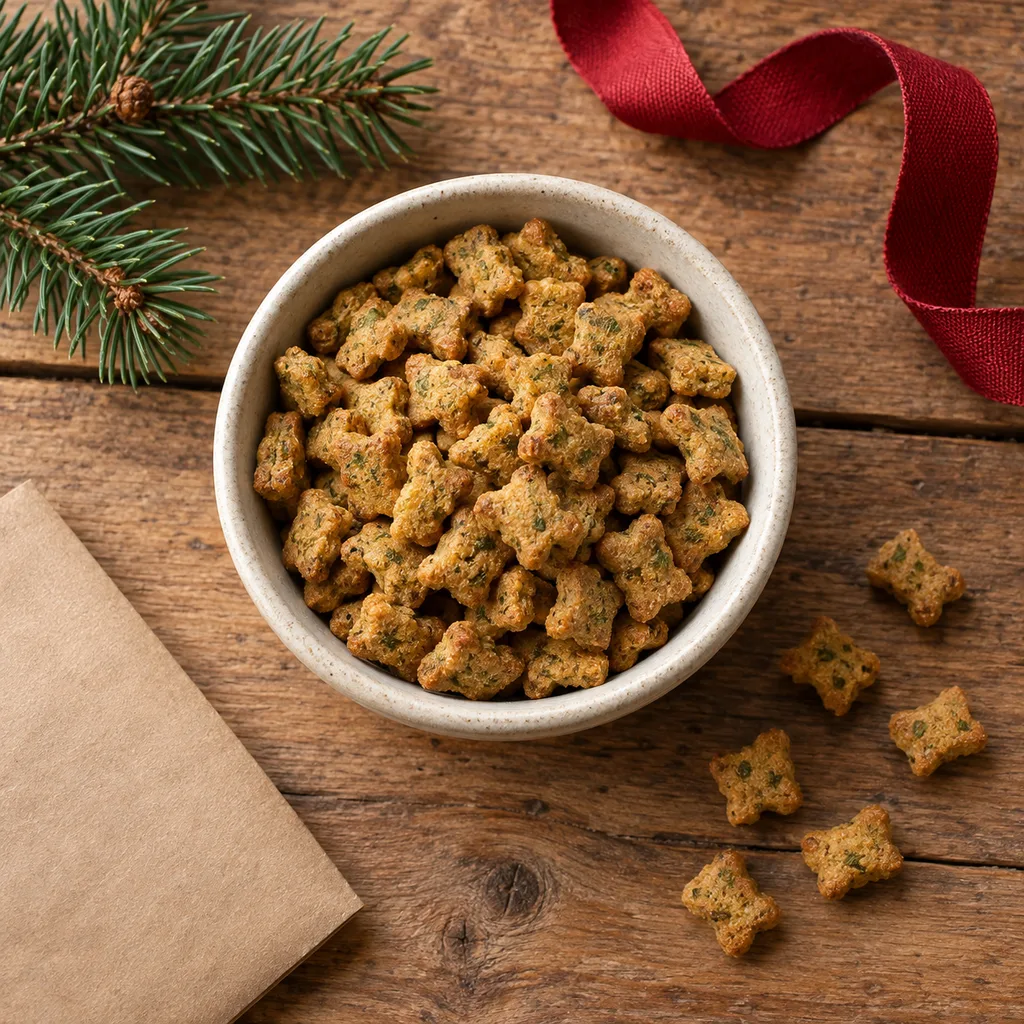
Catnip treats blend dried catnip into a crunchy or soft bite. They add some play to treat time, and they suit cats already known to react to catnip toys. Not every cat responds to catnip, and kittens often show little interest, so it's worth asking before you buy. Check whether catnip is a main ingredient or just a light flavouring, and what protein makes up the rest of the treat. For a household with several cats, a larger bag makes more sense than a single small pouch.
A playful option for cats who respond to catnip, providing an exciting and stimulating snack experience.
Kind 7 of 8
Soft treats are moist, tender pieces that break apart easily. Small soft bites work well for training, since a cat can eat one quickly and stay focused, and they suit senior cats or cats that turn away from crunchy textures. Check the piece size, because tiny bites can be given often without making a big meal. Check the packaging as well, since soft treats dry out once opened unless the bag reseals. They're a good pick for someone teaching a cat tricks or using treats to get a cat into a carrier.
Excellent for positive reinforcement during training sessions, these small, low-calorie treats are perfect for repeated rewards.
Kind 8 of 8
Chewy treats sit between crunchy and soft. They're pliable, often jerky-style or shaped bites that need a few chews. They suit cats that like texture but don't enjoy hard kibble, and they're easy to tear into smaller pieces when the owner wants to make a bag last. Check the ingredient list for the main protein, and look at how thick the pieces are, since some chewy treats are sized with dogs in mind. A mixed-flavour pack is a sensible choice when you're buying for a cat you don't know well.
Perfect for cats of all ages, especially seniors or those with sensitive teeth, offering an easy-to-eat texture.
Looking for one person in particular? Shop by person.
Everything else
Showing 1–7 of 7