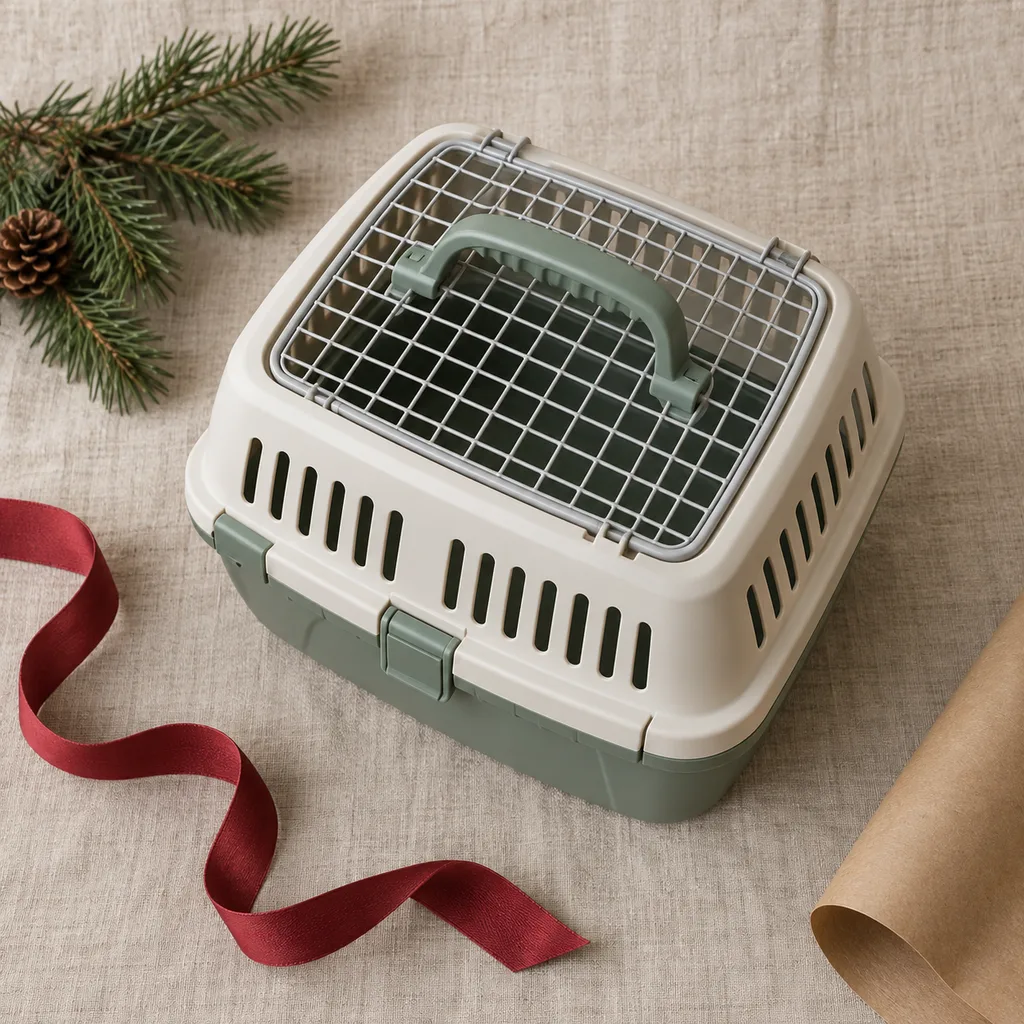
Travel pet carrier
A secure and comfortable carrier is essential for safely transporting small pets to vet appointments or during short trips.
Pets
8 kinds worth knowing, 8 picks, and what to check before you buy.
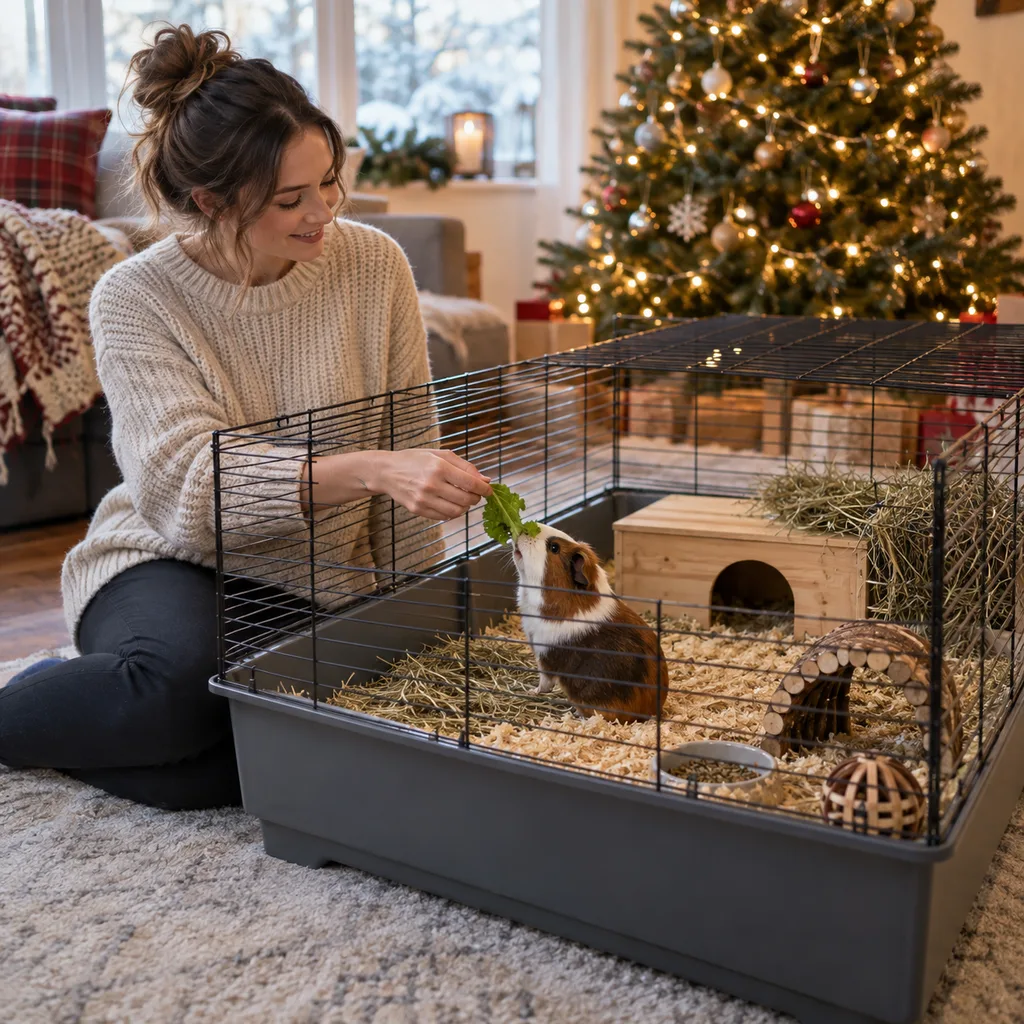
Most people shopping here are buying for someone who already has a pet, or for a family about to get one. The gifts that get used every day are the ones that give the animal more room or make trips easier, such as a large hamster cage that replaces a starter kit, or a pet carrier for vet visits and holiday travel. Before you buy, find out the species, how big the animal is, and where the home will sit. A habitat is bulky and hard to return, so it works best as a planned gift agreed with the owner, not a surprise.
Kind 1 of 8
A pet carrier is a closed, portable box or bag for moving a small animal or cat from home to the car, the vet or a relative's house. It suits nearly any owner, since every pet has to travel sometimes. Check the inside size against the animal, and look for a top opening, which makes loading easier. Good airflow, a latch that holds firmly and a base that wipes clean are worth checking too. Soft carriers fold flat for storage, while hard shells are easier to clean.
A secure and comfortable carrier is essential for safely transporting small pets to vet appointments or during short trips.
Kind 2 of 8
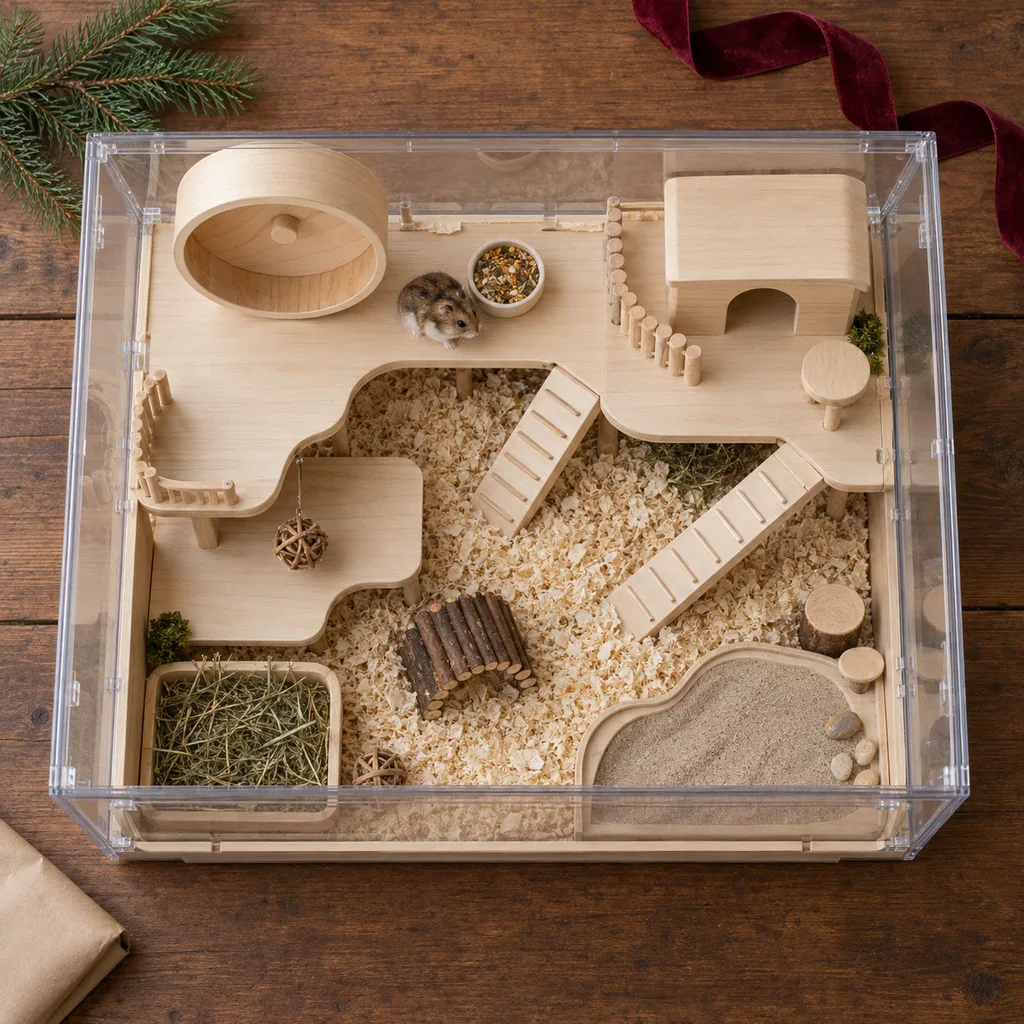
Many hamsters come home in a small starter cage, and a large hamster cage is one of the most welcome upgrades an owner can get. What matters most is floor space, not height, because hamsters mostly run, dig and forage on the ground. Look for a deep base that holds plenty of bedding, bar spacing narrow enough for the breed, and doors wide enough to reach in for cleaning. Measure the shelf or table where it will go first, since big cages take up real space.
This habitat provides ample space and climbing opportunities for active hamsters, encouraging natural behaviors and exploration.
Kind 3 of 8
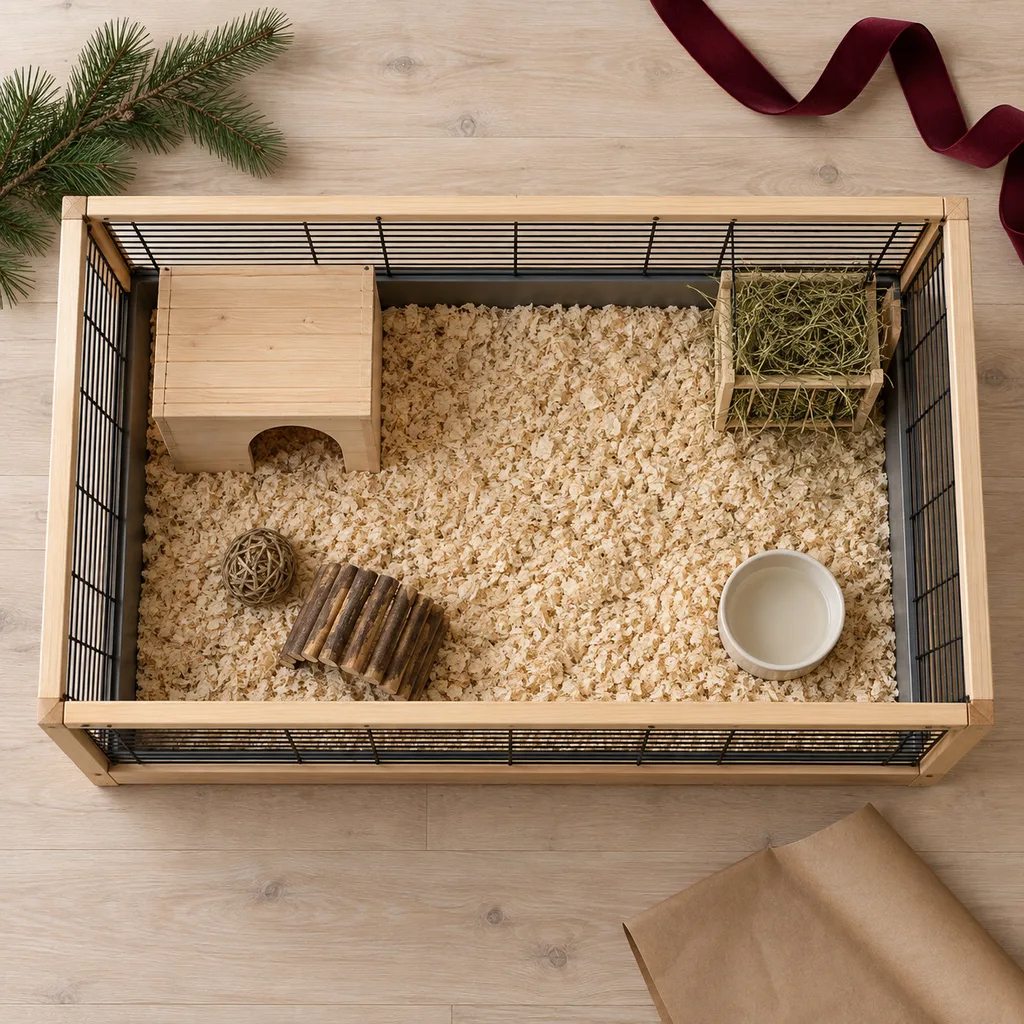
A hamster habitat usually means a tank or a tank-and-cage mix with a deep bottom for burrowing, not just a wire cage. Glass or plastic sides keep bedding from spilling out, which suits bedrooms and kids who want to watch tunnels form. The same setup works well for gerbils. Check how the lid attaches and how air gets in, whether the habitat can be expanded later, and whether the owner can lift the top or front off easily for spot cleaning.
This specialized habitat combines a deep tank for burrowing with a wire topper for ventilation and accessory attachment, perfect for gerbils.
Kind 4 of 8
A rabbit carrier needs more length than a typical small-pet carrier, because rabbits stretch out and like to turn around. It suits owners who take their rabbit for vet checkups, nail trims or boarding. Pick a hard-sided or well-structured carrier with a top door, so the rabbit can be lifted out instead of pulled through the front. Check that the floor won't slide around, that the vents are on more than one side, and that it fits on a car seat.
Kind 5 of 8
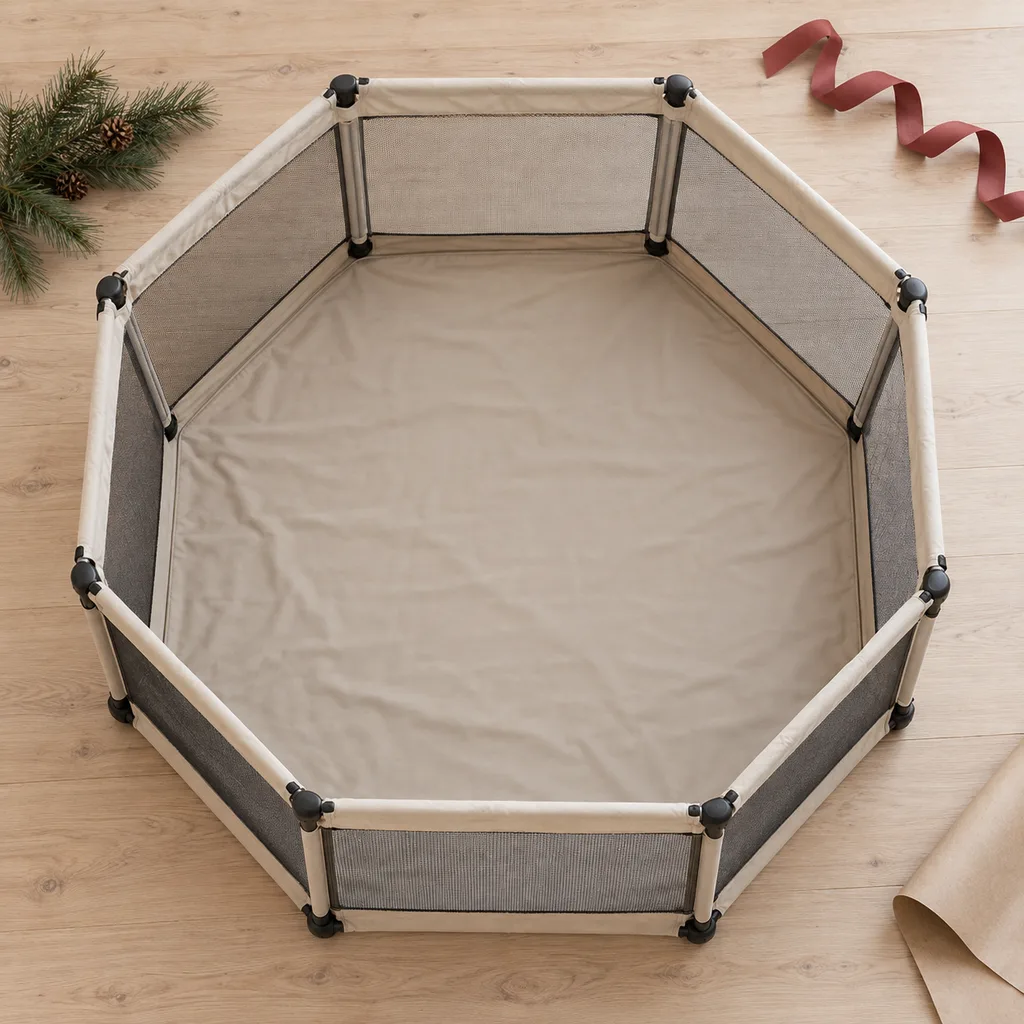
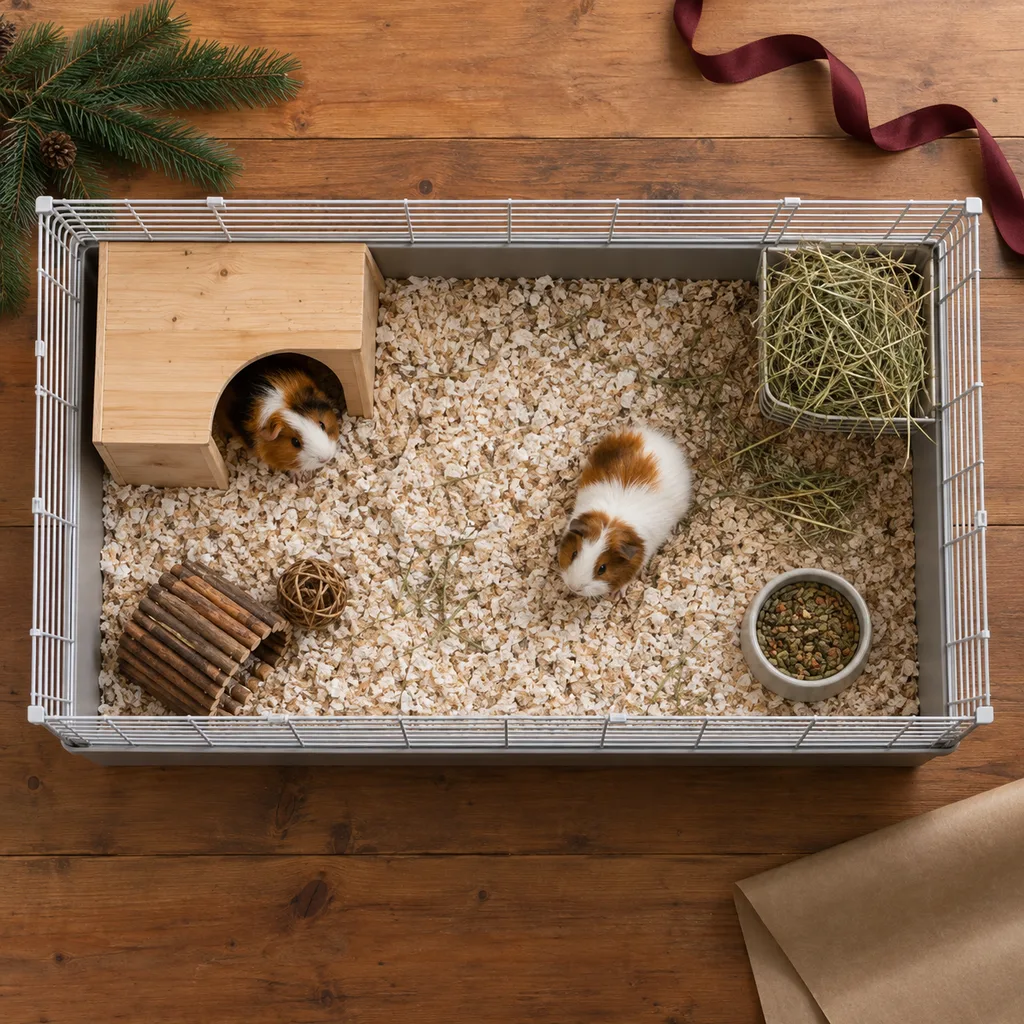
An indoor rabbit home is usually a large pen, a two-storey hutch or a modular enclosure made for a living room rather than a backyard. It suits owners whose rabbit spends most of the day inside and needs space to hop, stretch and hide. A playpen that folds away also works for guinea pigs. Check the floor area, whether the base is solid rather than wire, how the doors open, and whether panels can be added later as needs change.
This comfortable indoor habitat provides a secure and spacious environment for a house rabbit, allowing them to feel safe within the home.
A versatile playpen provides a safe, contained area for small pets to exercise and explore outside their main habitat under supervision.
An expansive enclosure offers guinea pigs plenty of room to roam and exercise, promoting their well-being and happiness.
Kind 6 of 8
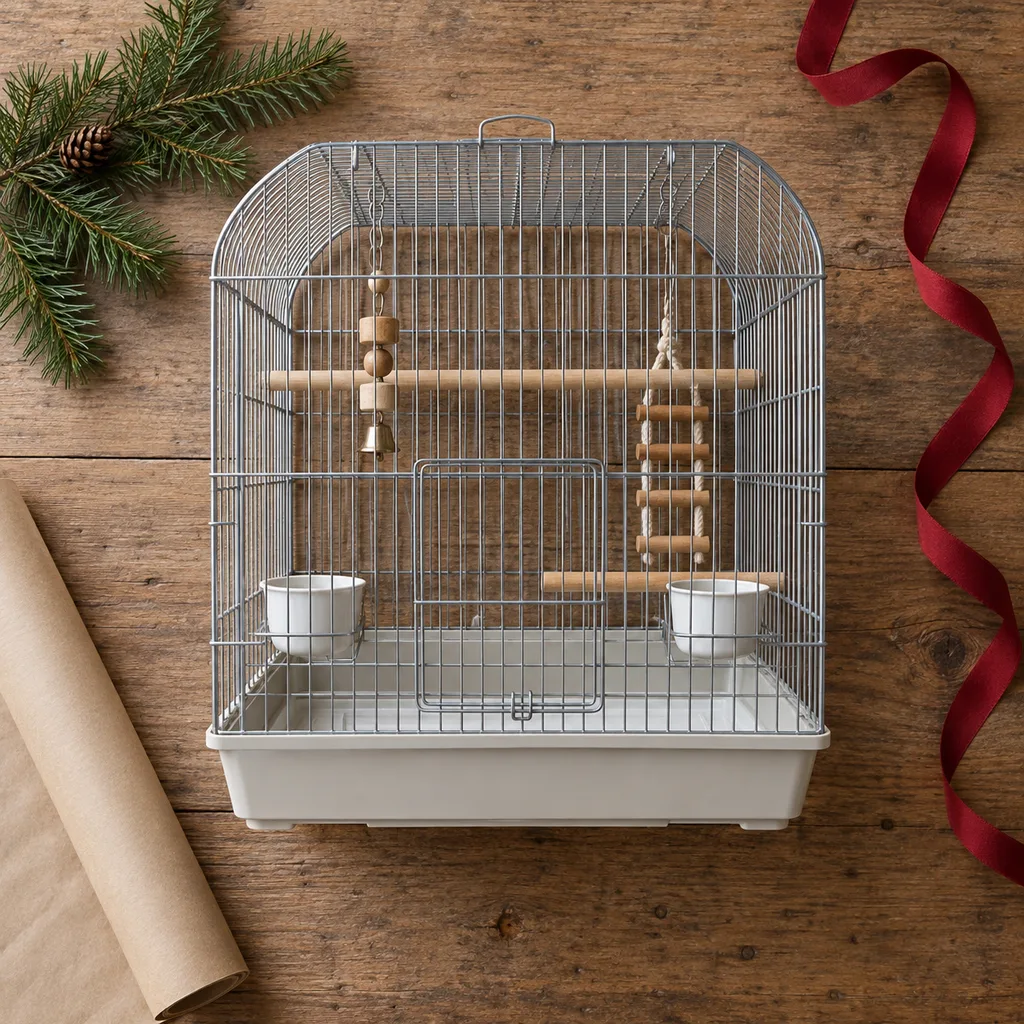
A bird carrier is a small travel cage or ventilated box with a perch, used for vet visits and moves. Bird owners often want a roomier aviary-style cage for home too, so it helps to know which one is missing. Before buying, confirm the species and check the bar spacing, perch placement and how the food and water cups attach. A carrier should have a secure door a bird can't nudge open. A home cage needs enough width for short flights.
This spacious cage offers small birds like finches or parakeets room to fly and perch, supporting their natural behaviors.
Kind 7 of 8
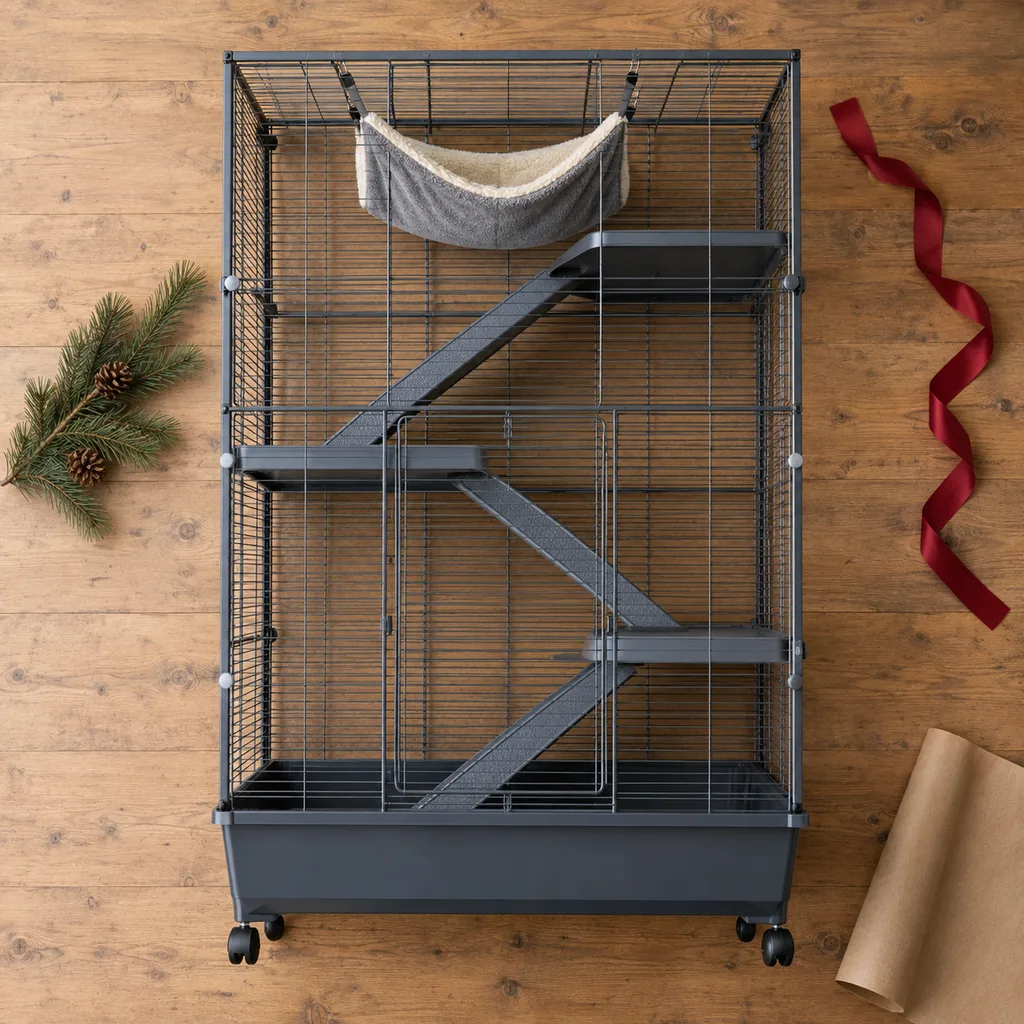
People searching for a rabbit cage usually want a complete, ready-to-assemble enclosure rather than a pen built from panels. It suits new owners setting up for the first time and anyone replacing a cage the rabbit has outgrown. Tall multi-level towers built for ferrets are a different style, better for climbers than hoppers. Check the floor length against the rabbit stretched out, look for a pull-out tray and wide front doors, and confirm the cage will fit through doorways once assembled.
A tall, multi-level tower habitat caters to ferrets' climbing instincts and provides various platforms for play and rest.
Kind 8 of 8
A wood hamster cage looks more like a cabinet or bookshelf than a wire cage, which appeals to owners who keep the pet in a shared living space. Clear front panels make it easy to watch, and the enclosed sides hold deep bedding. Check that the wood is sealed or easy to wipe down, since untreated wood absorbs moisture. Also check how the vents are placed, whether the front panel lifts out for cleaning, and how heavy it is to move.
Looking for one person in particular? Shop by person.
Everything else
Showing 1–8 of 8