Pet agility balance beam
This low-profile balance beam helps pets develop confidence and improve their footing and body awareness.
Pets
7 kinds worth knowing, 8 picks, and what to check before you buy.
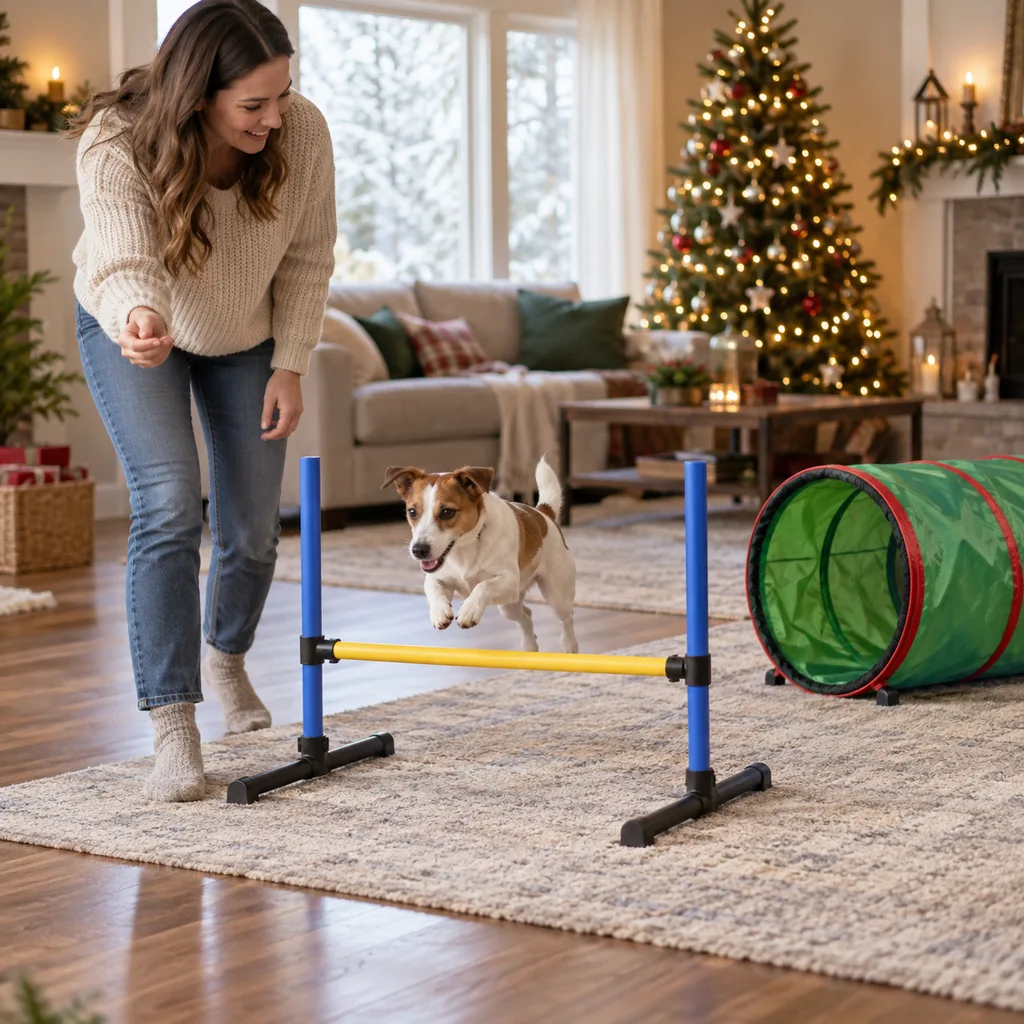
Most people buying agility gear are shopping for a dog that has energy to burn and an owner who likes to train in the backyard, a basement or a local park. The pieces that get used most are simple: a dog tunnel that pops open in seconds, a few weave poles, and a jump or two that can be moved around. Think about the dog's size and age, the space the owner has, and whether they already take a class or are just curious. Starting with one or two pieces often works better than a full course. A small set lets the owner find out what the dog enjoys before the garage fills up with equipment.
Kind 1 of 7
Agility equipment covers the separate obstacles used on a course: balance beams, pause tables, tunnels, jumps and poles. Buying one piece at a time suits owners who already train and know what their dog needs to practise, or who want to add to gear they already have. Before buying, check the size of the dog against the width and height of the obstacle, whether the surface has grip, and how easily it packs away for winter. Indoor and outdoor use call for different materials, so ask where it will live.
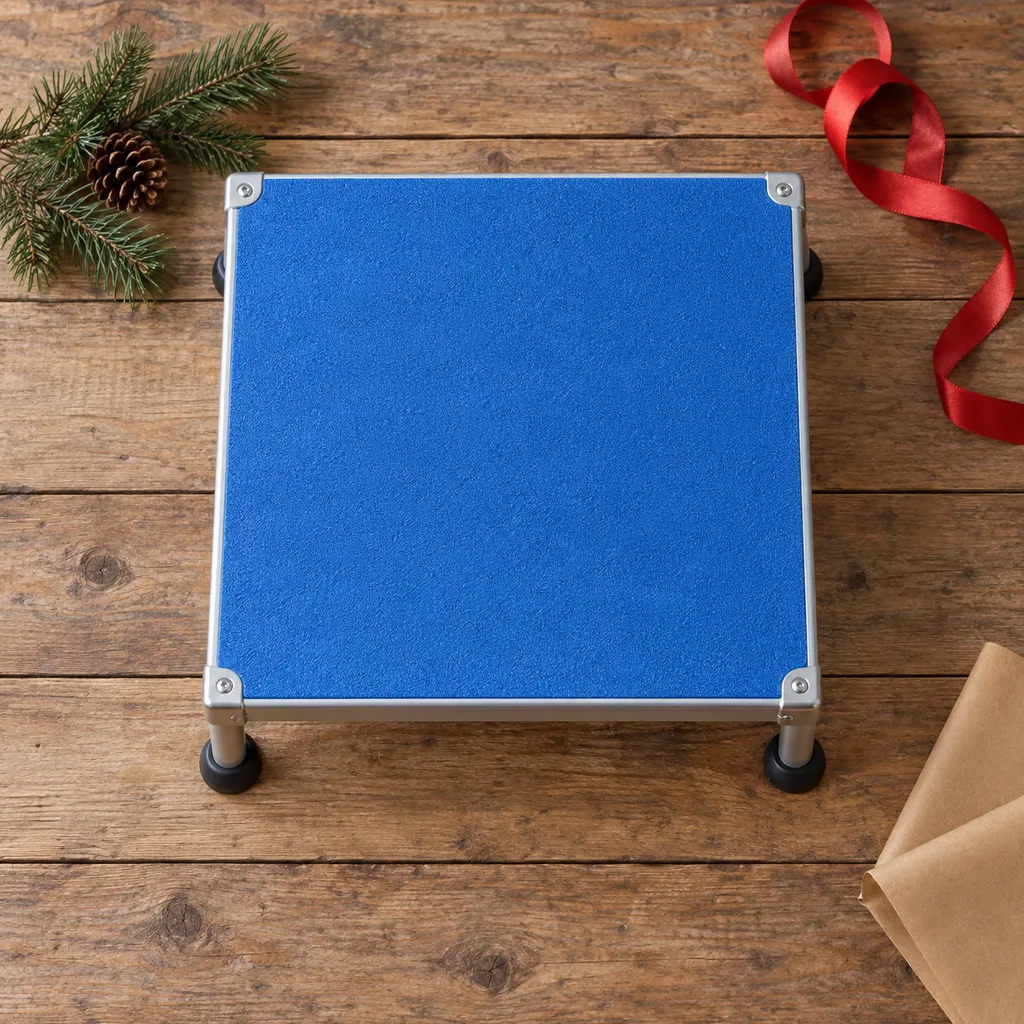
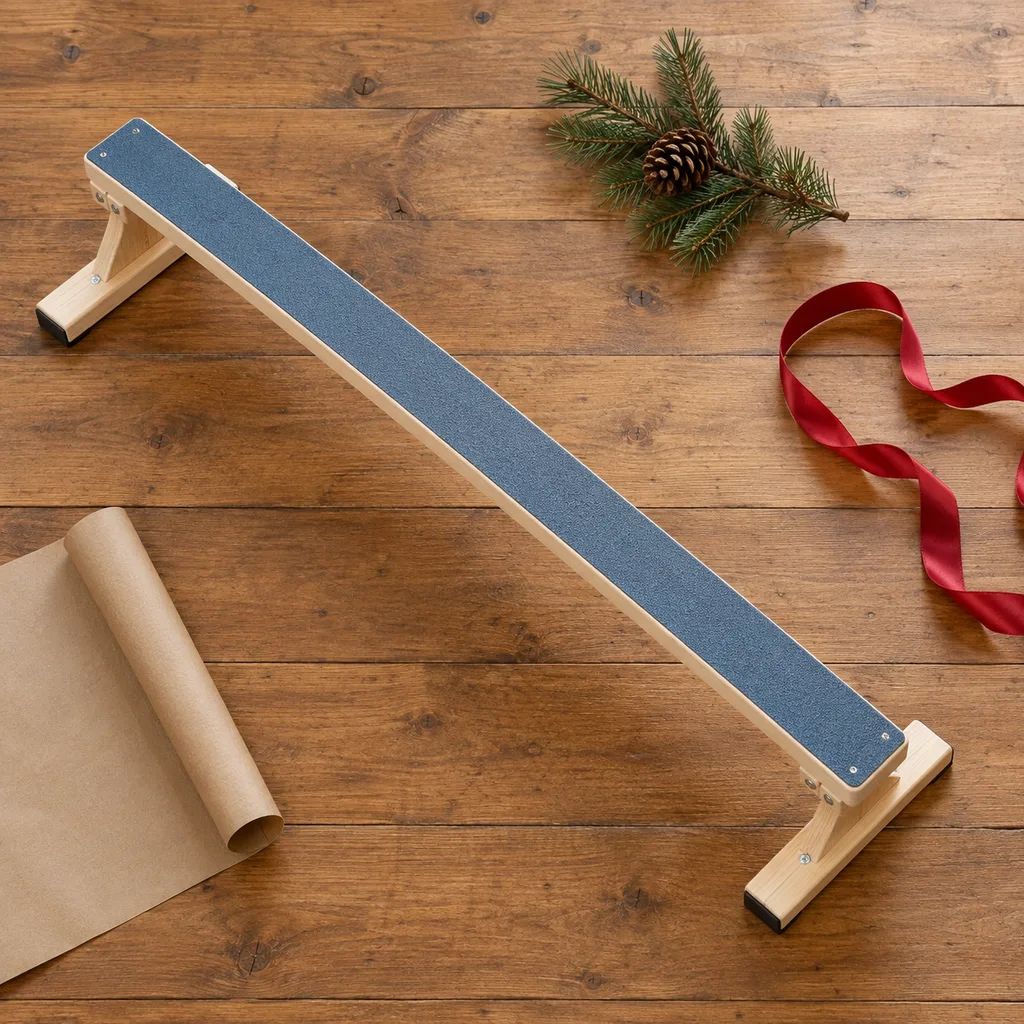
This low-profile balance beam helps pets develop confidence and improve their footing and body awareness.
A dedicated pause table teaches pets to hold a stationary position, crucial for control and precision in agility courses.
Kind 2 of 7
A dog tunnel is a fabric tube held open by a wire or plastic frame, and it collapses flat for storage. Many dogs take to it quickly, which makes it a good first obstacle and a fun gift for a playful dog of almost any size. Check the diameter against the dog's shoulder height, the length the owner has room for, and whether it comes with stakes or weights so it stays put. A shorter tunnel is easier to use indoors and to carry to a park.
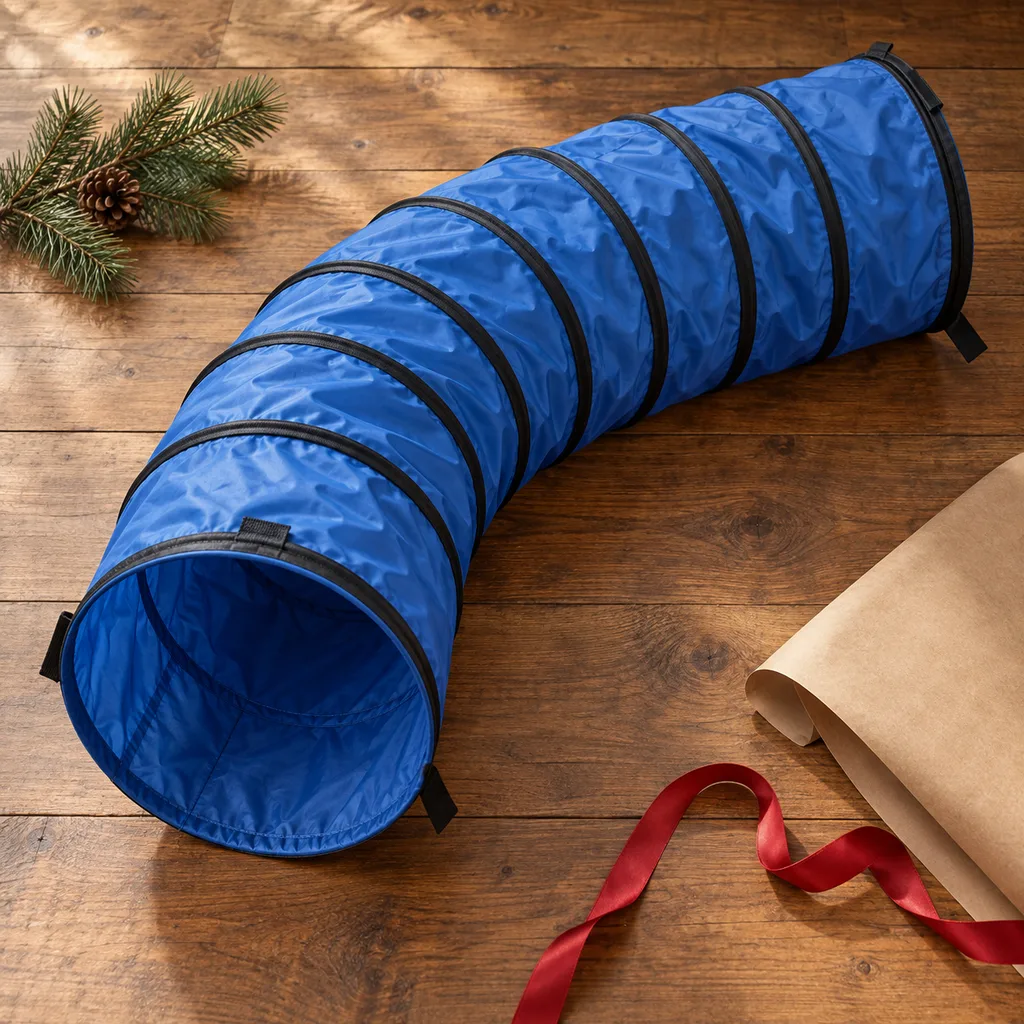
This collapsible tunnel provides an exciting challenge for dogs of all sizes, encouraging speed and confidence during play.
Kind 3 of 7
Weave poles are a row of upright poles the dog zigzags through, and learning them takes steady practice. They suit owners who enjoy structured training or who take agility classes and want to practise at home. Before buying, look at how many poles are included, whether the spacing can be adjusted, and whether the base works on grass, indoor floors or both. Stake-in poles are simple outdoors, while poles on a flat base are easier to use inside.
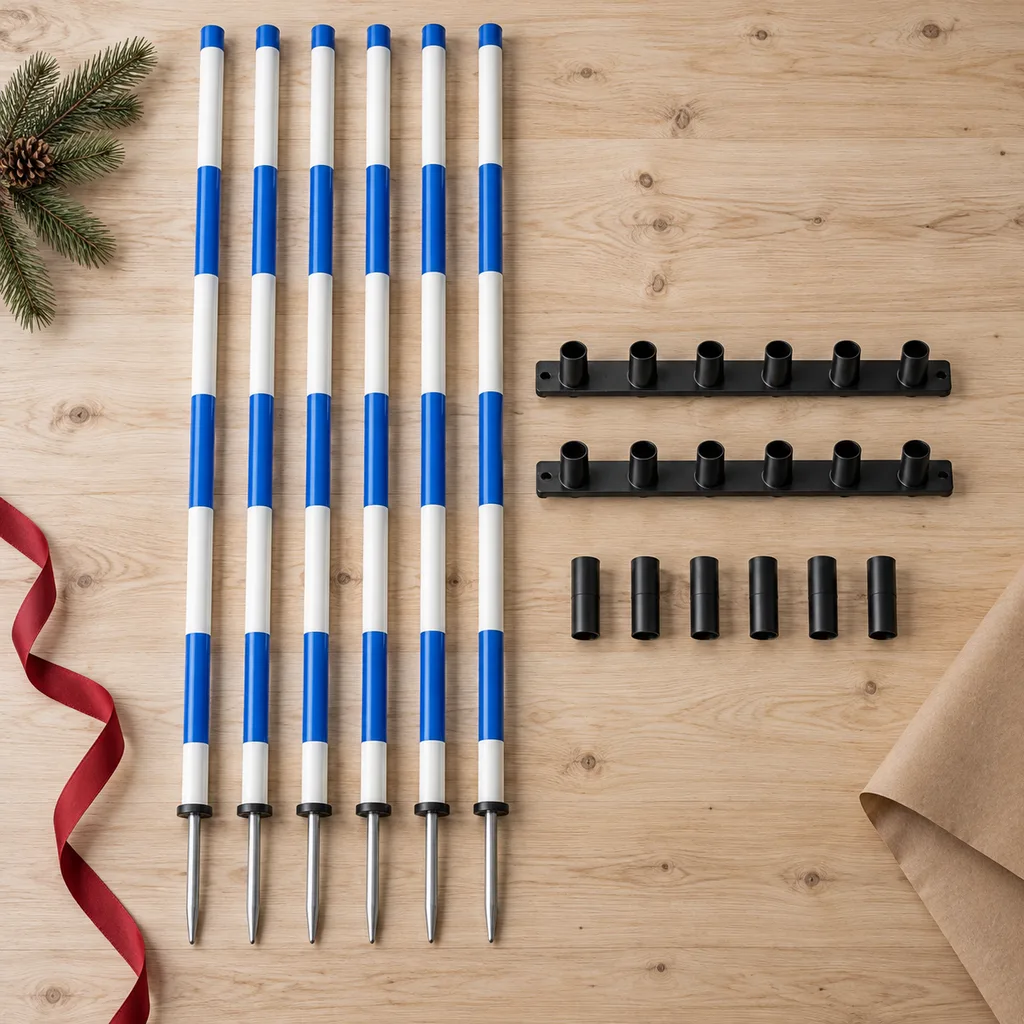
A set of weave poles helps pets develop coordination and focus, essential skills for advanced agility routines.
Kind 4 of 7
An agility set bundles several obstacles together, usually a tunnel, a jump, weave poles and sometimes a pause box. It suits a household that wants to set up a small course without picking each part separately. Check which pieces are included, whether they match the dog's size, and whether everything fits into one carry bag. A set with fewer, sturdier pieces often gets more use than a large one that takes too long to put up and take down.
Kind 5 of 7
A beginner kit is a compact group of basic obstacles aimed at owners trying agility for the first time. It suits a friend with a young, active dog, or someone who has mentioned wanting a new way to tire their dog out. Look for pieces that set up quickly, adjust to a low height, and pack into a bag that fits in a closet or car trunk. Simple instructions or training suggestions help if the owner is starting from scratch.
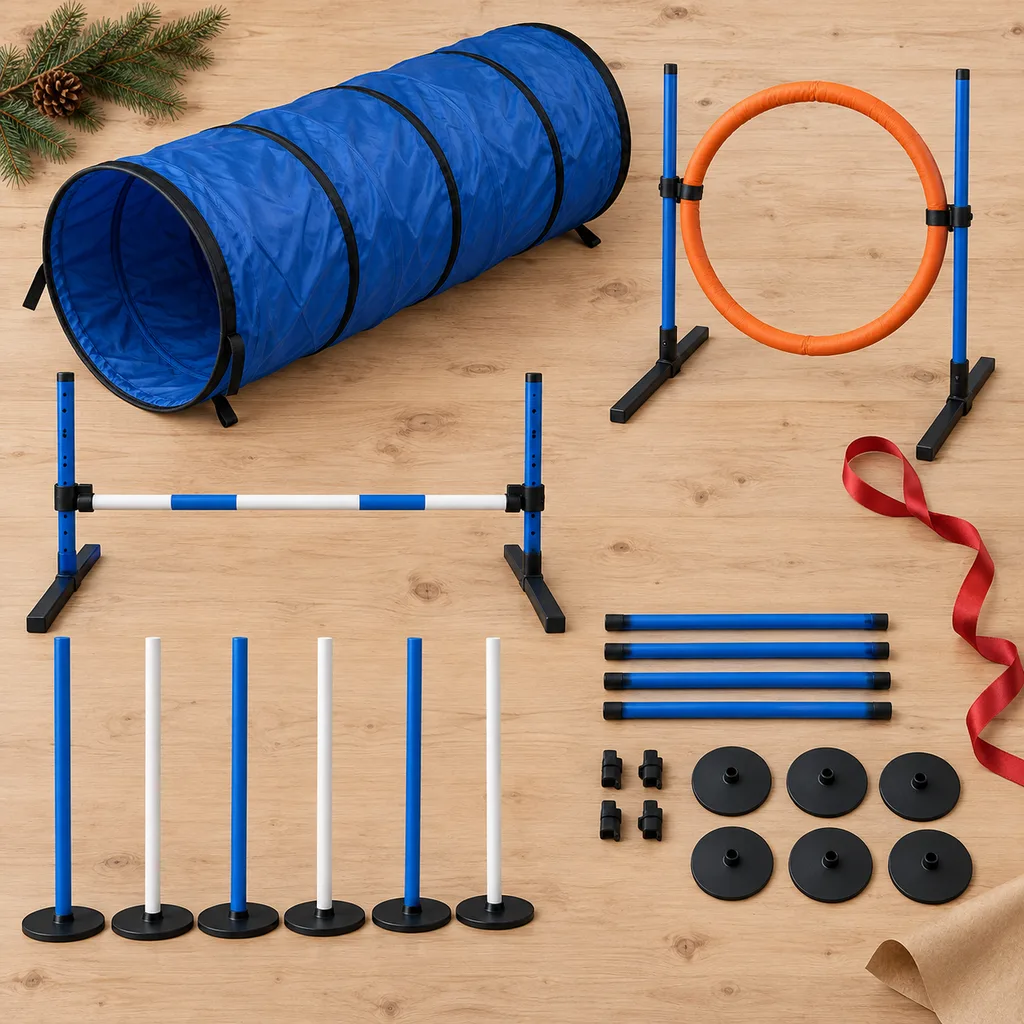
This comprehensive kit provides a variety of basic obstacles, perfect for introducing pets to the fun and challenge of agility sports.
Kind 6 of 7
Agility jumps include bar jumps, where a crossbar sits between two uprights, and tire jumps, where the dog passes through a ring. An adjustable jump suits almost any owner, because the bar can start low and move up as the dog gains confidence. Check the range of height settings, whether the bar falls away easily when bumped, and how steady the base is on the ground. A tire jump takes more room, so it fits owners with a yard.
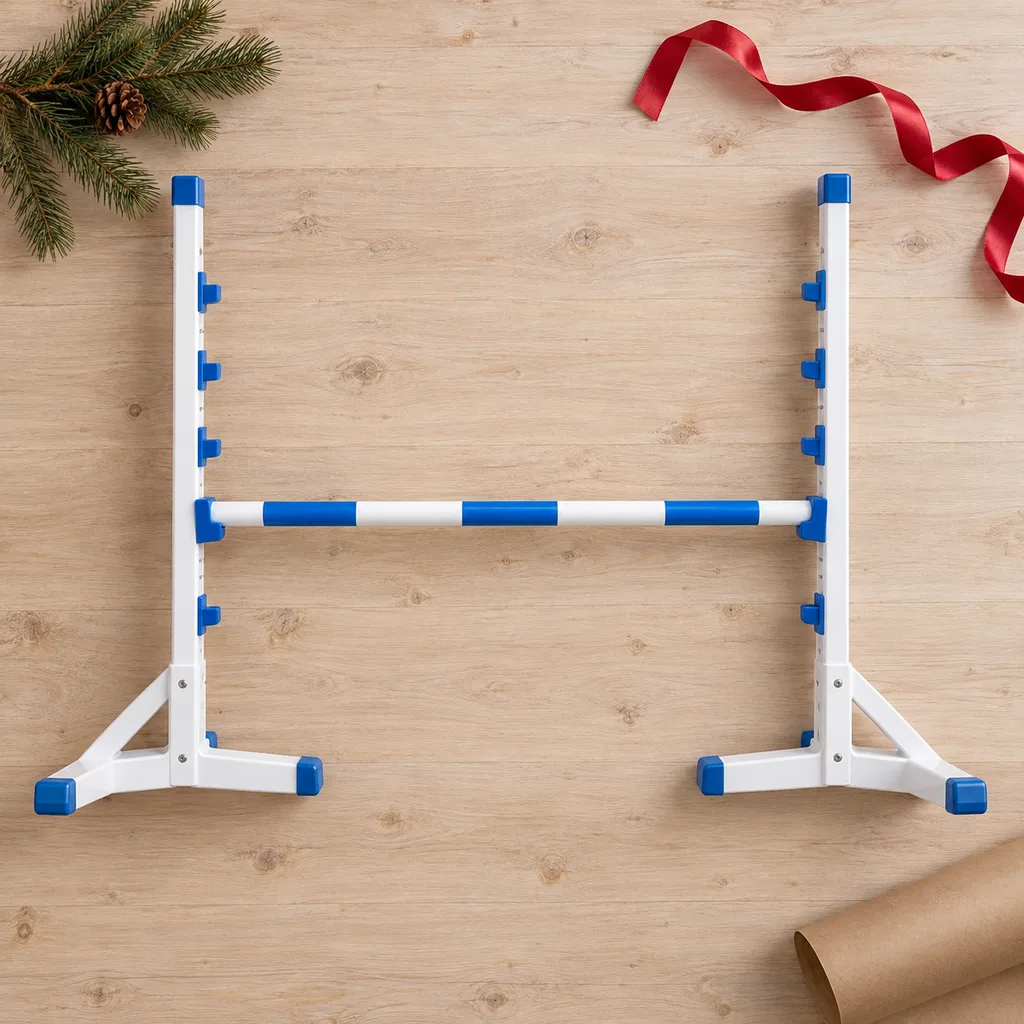
This versatile jump offers a customizable challenge, allowing pets to practice clearing obstacles at various heights safely.
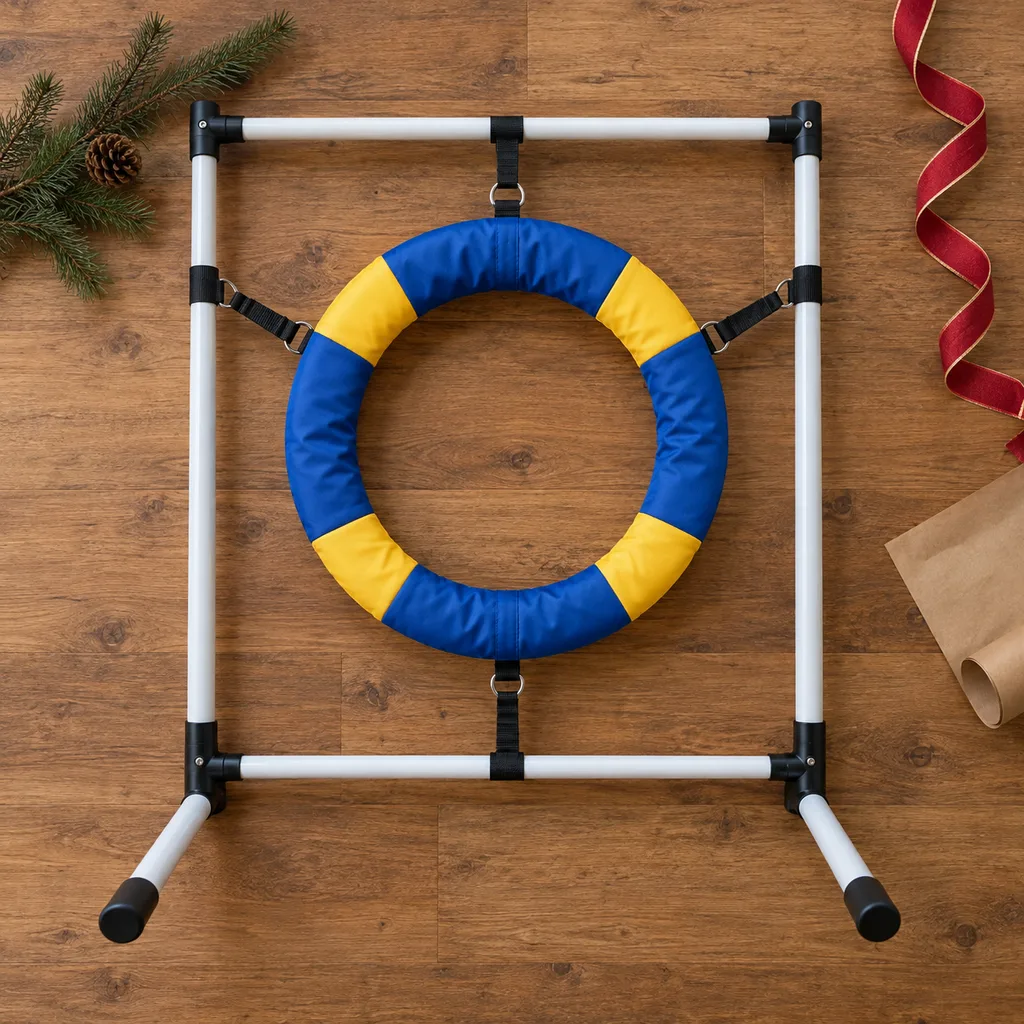
The tire jump provides a unique obstacle for pets to navigate, improving their spatial awareness and jumping accuracy.
Kind 7 of 7
Slalom poles are another name for weaving poles, often sold as lighter sets meant for casual backyard or living room practice. They suit owners who want a simple training activity rather than a competition setup. Before buying, check the pole height against the dog, how the poles stand up on the owner's surface, and whether the set breaks down small enough to store. Brightly coloured poles are easier to spot in grass and easier for the dog to follow.
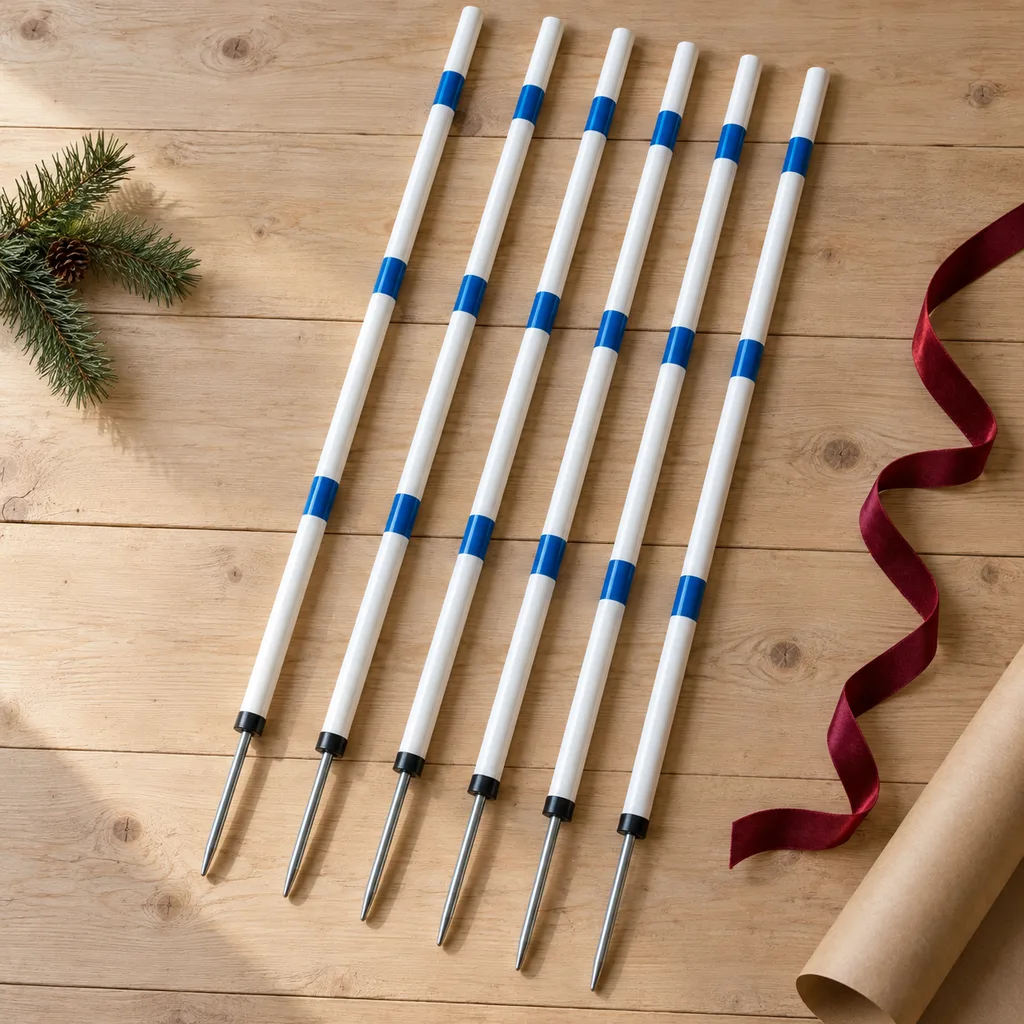
These individual poles allow for flexible course design, enhancing a pet's weaving skills and directional control.
Looking for one person in particular? Shop by person.
Everything else
Showing 1–8 of 8