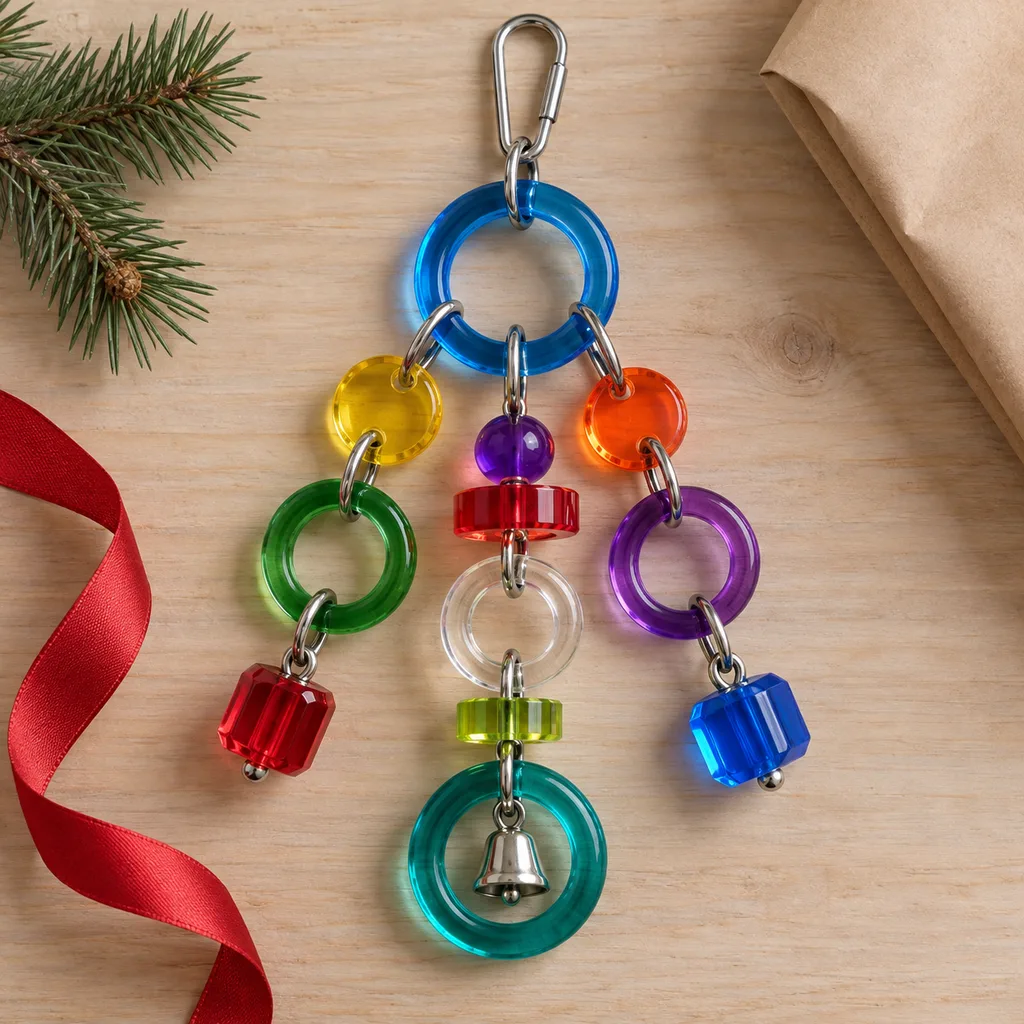
Durable acrylic bird toy
Ideal for birds with strong beaks who need robust, long-lasting toys that can withstand vigorous chewing and play.
Pets
5 kinds worth knowing, 8 picks, and what to check before you buy.
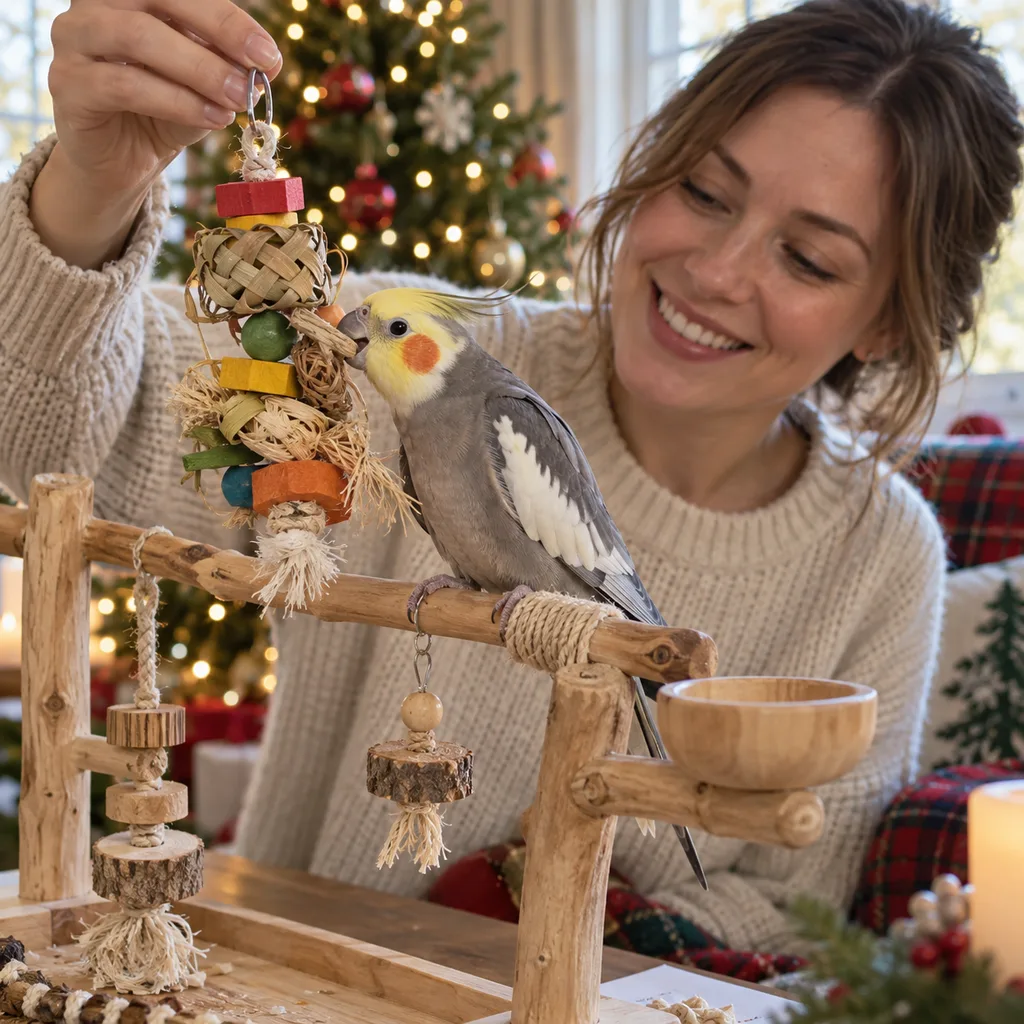
Bird toys are usually bought by the owner of a parrot, cockatiel or budgie, or by a friend who knows how much time that owner spends watching their bird play. The toys that get used match how the bird already plays. Some birds chew and tear, others climb and swing, and many like working for a treat. Before you shop, find out the bird's species and size, and what it tends to destroy first. A bird swing is an easy pick for almost any cage. Foraging toys suit clever birds that get bored. A small mix of toy types usually goes over better than one large toy.
Kind 1 of 5
An interactive bird toy gives the bird something to do: beads to turn, pieces to hold in a foot, or parts that move when pushed. These suit smart, social birds like parrots and cockatiels that need more to do than sit on a perch. Before you buy, check that the toy is the right size for the species. Small parts should be too big to fit fully in the beak. Hard acrylic holds up well for heavy chewers. Foot toys work best for birds that like to pick things up and carry them around.
Ideal for birds with strong beaks who need robust, long-lasting toys that can withstand vigorous chewing and play.
These small, lightweight toys are designed for birds to hold, toss, and manipulate with their feet, promoting dexterity and play.
Kind 2 of 5
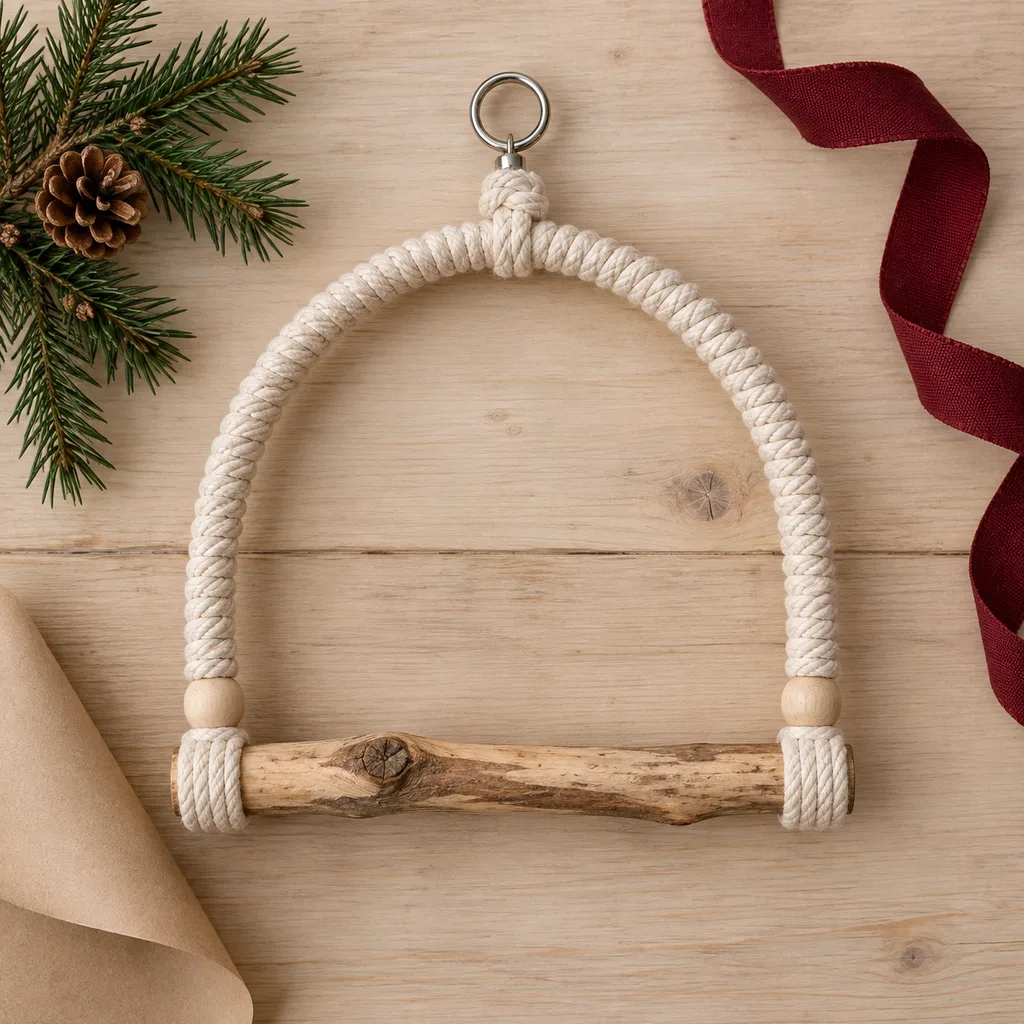
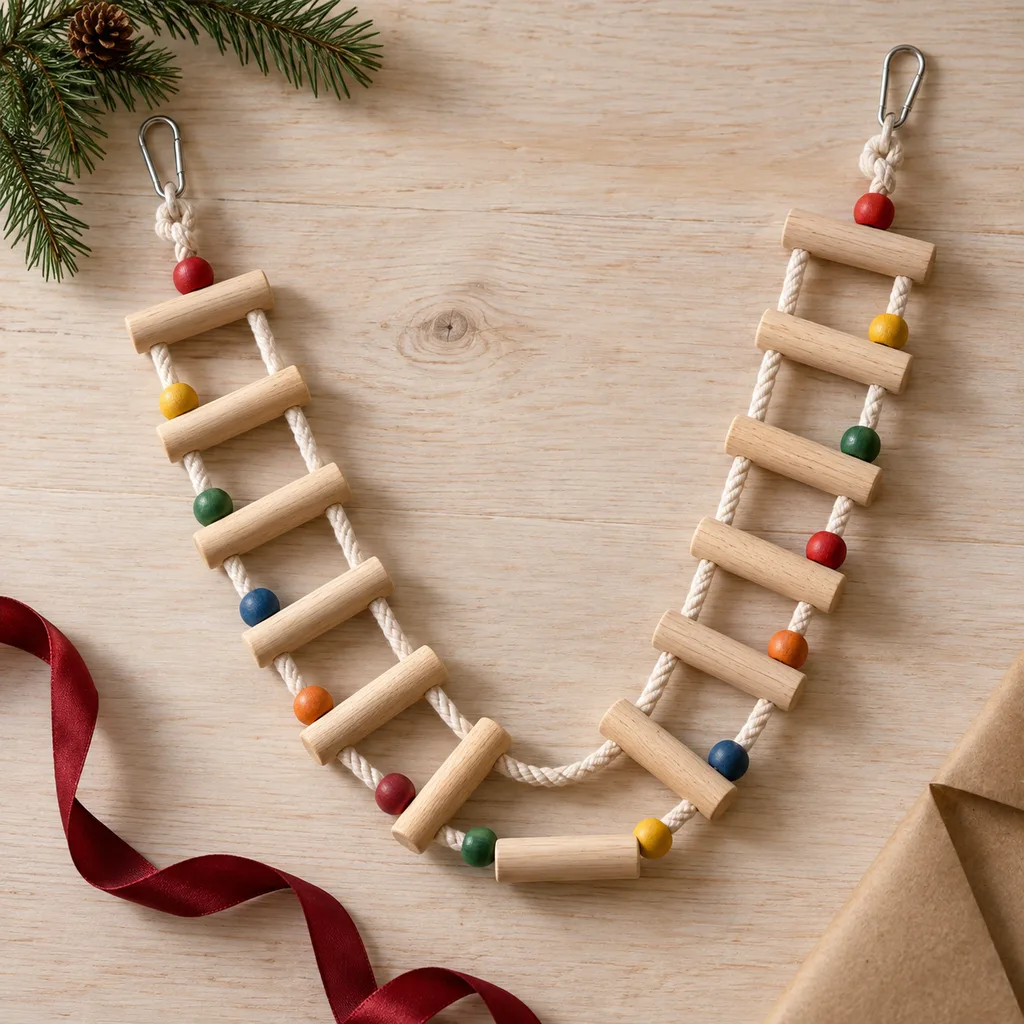
A bird swing hangs from the top of the cage and gives the bird a moving perch to rest or play on. Most birds use one every day, so it makes a safe choice if you don't know the bird's habits well. Ladders fit in here too, for birds that like to climb between levels. Check how the swing or ladder attaches, and make sure it fits the cage. The perch should be thick enough for the bird's feet to grip comfortably. The swing needs enough headroom above it for the bird's tail and crest.
Offer a fun and stable spot for birds to rest, play, and exercise their feet, promoting balance and agility.
Provide an excellent way for birds to climb, explore, and get physical exercise within their cage environment.
Kind 3 of 5
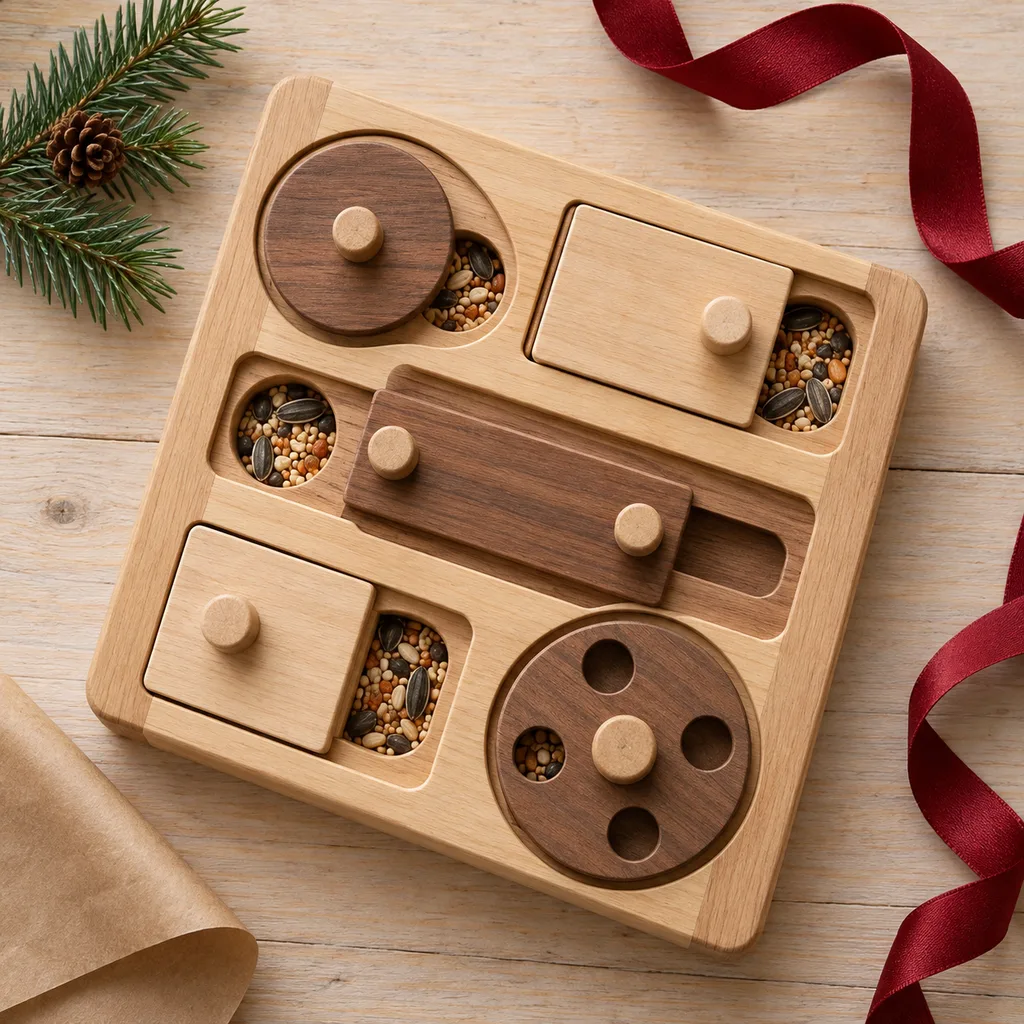
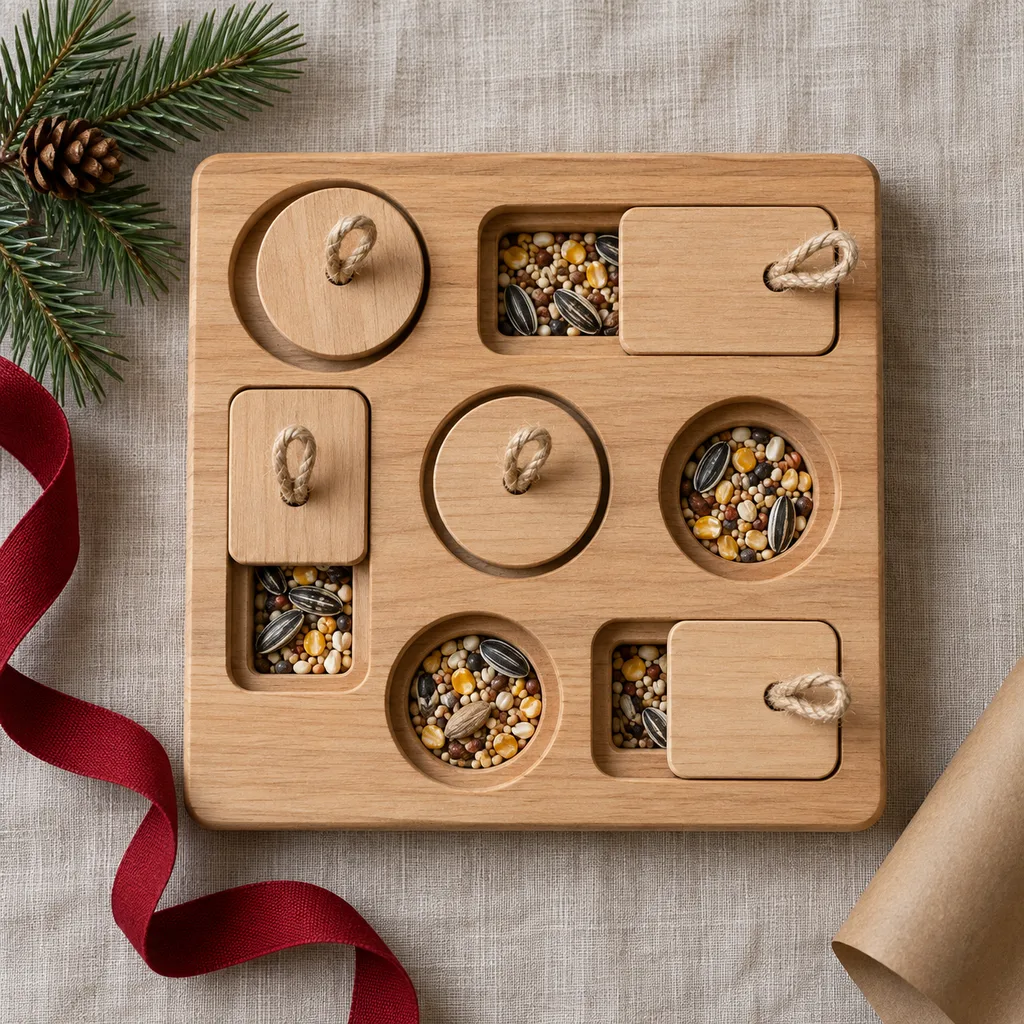
Bird foraging toys hide food or treats inside boxes, drawers or compartments, so the bird has to work to get them out. In the wild, birds spend much of the day finding food, and these toys give a pet bird a bit of that work. They suit clever, easily bored birds that spend long hours alone. Look for a puzzle the bird can figure out without losing interest, ideally with a few difficulty settings. Check that it opens easily so the owner can refill and clean it.
These feeders require birds to solve a puzzle to access their food, turning mealtime into an engaging mental activity.
Engage a bird's natural instincts with these toys designed to hide treats, encouraging problem-solving and mental stimulation.
Kind 4 of 5
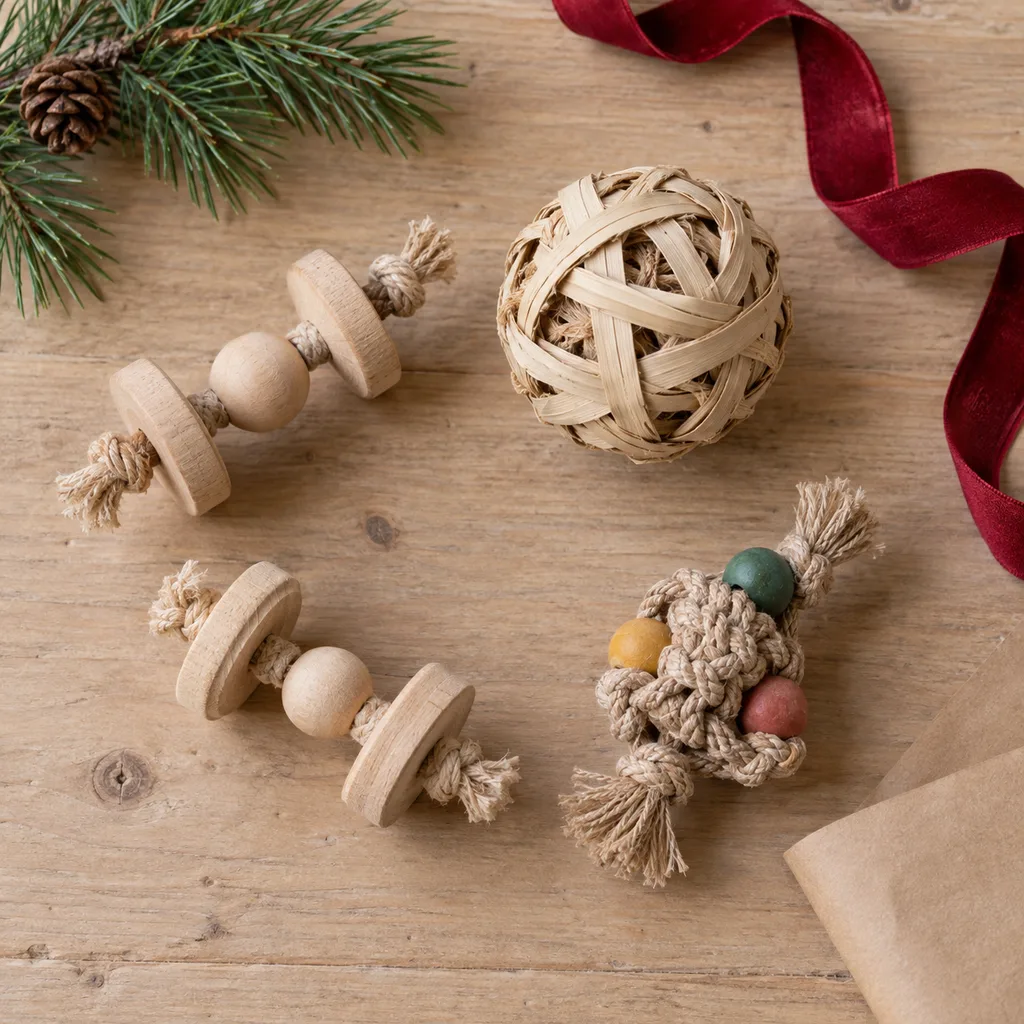
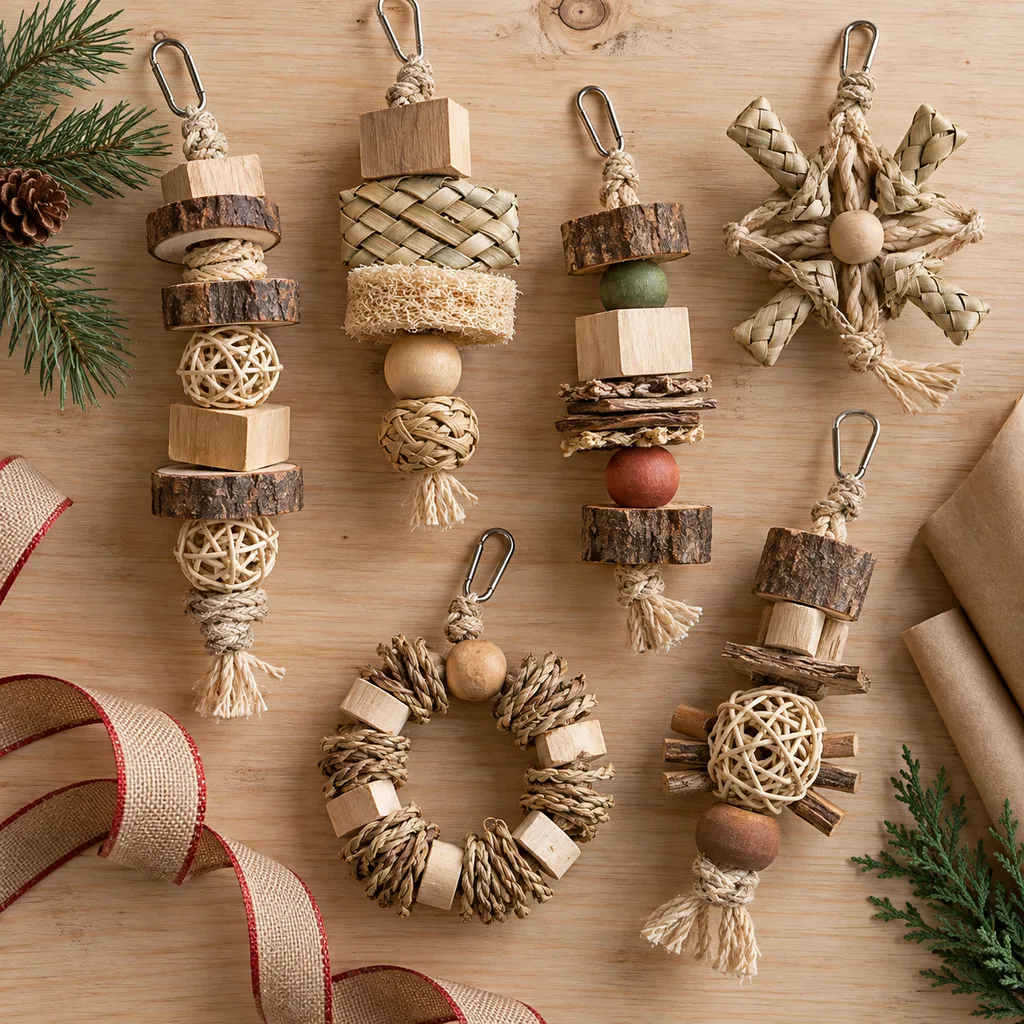
Natural bird toys are made from untreated wood, cork, sisal, palm leaf, vine and similar materials. Many birds find these more tempting to chew than plastic, and chewing helps keep a bird occupied. They suit most species, especially birds that like to take things apart. Before buying, check the list of materials and look for plain, undyed parts or food-grade colouring. An assortment lets the owner try out textures and see which ones the bird likes before buying more.
These toys are ideal for parrots and other strong-beaked birds who enjoy shredding and keeping their beaks trimmed.
Kind 5 of 5
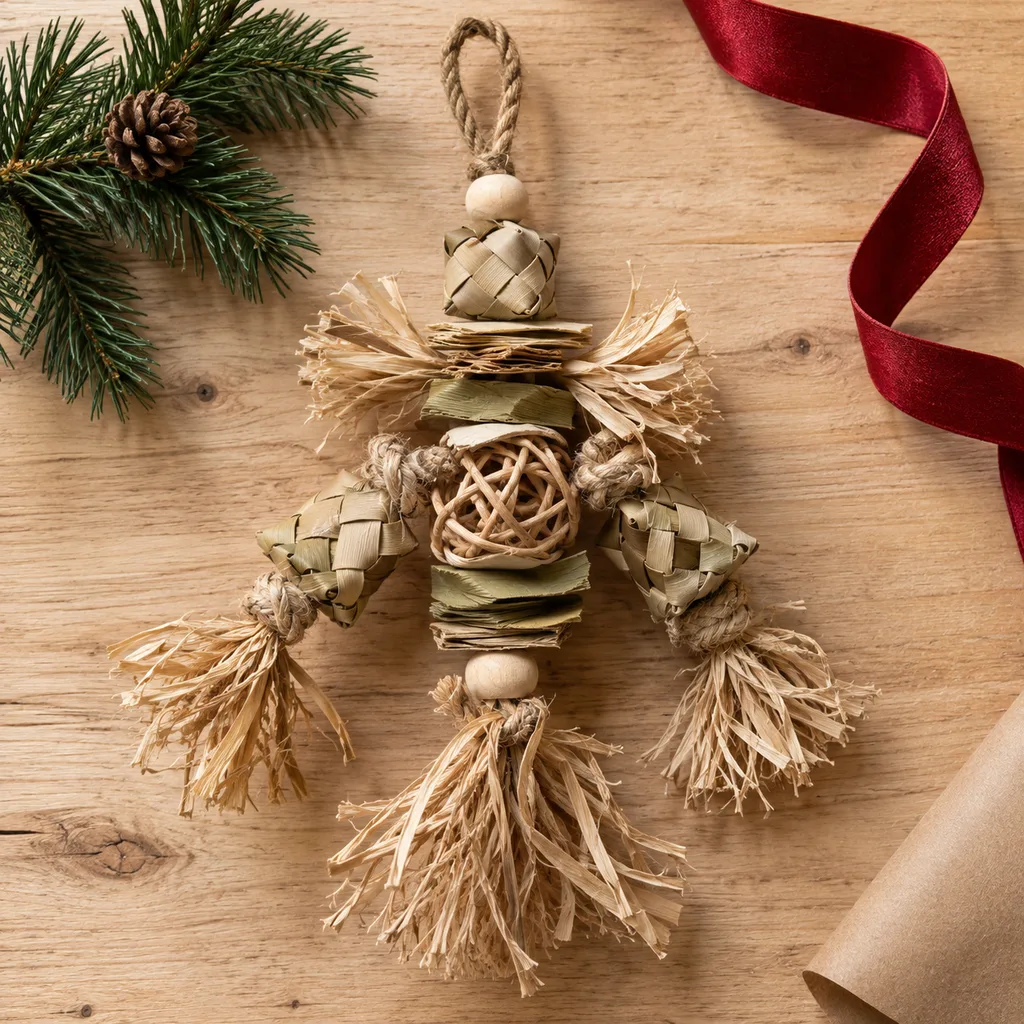
Bird shredding toys are made to be destroyed. They use layers of paper, fibre, cardboard or soft wood that the bird can rip into pieces. They're a good fit for cockatoos, conures and other birds that tear things up and might otherwise pick at the cage or their own feathers out of boredom. Since these toys don't last, a pack or a refillable design is the better gift. Check that the materials are plain and unbleached, and that the toy size matches the bird.
Perfect for birds that love to tear apart soft materials, providing a satisfying outlet for their natural destructive tendencies.
Looking for one person in particular? Shop by person.
Everything else
Showing 1–8 of 8