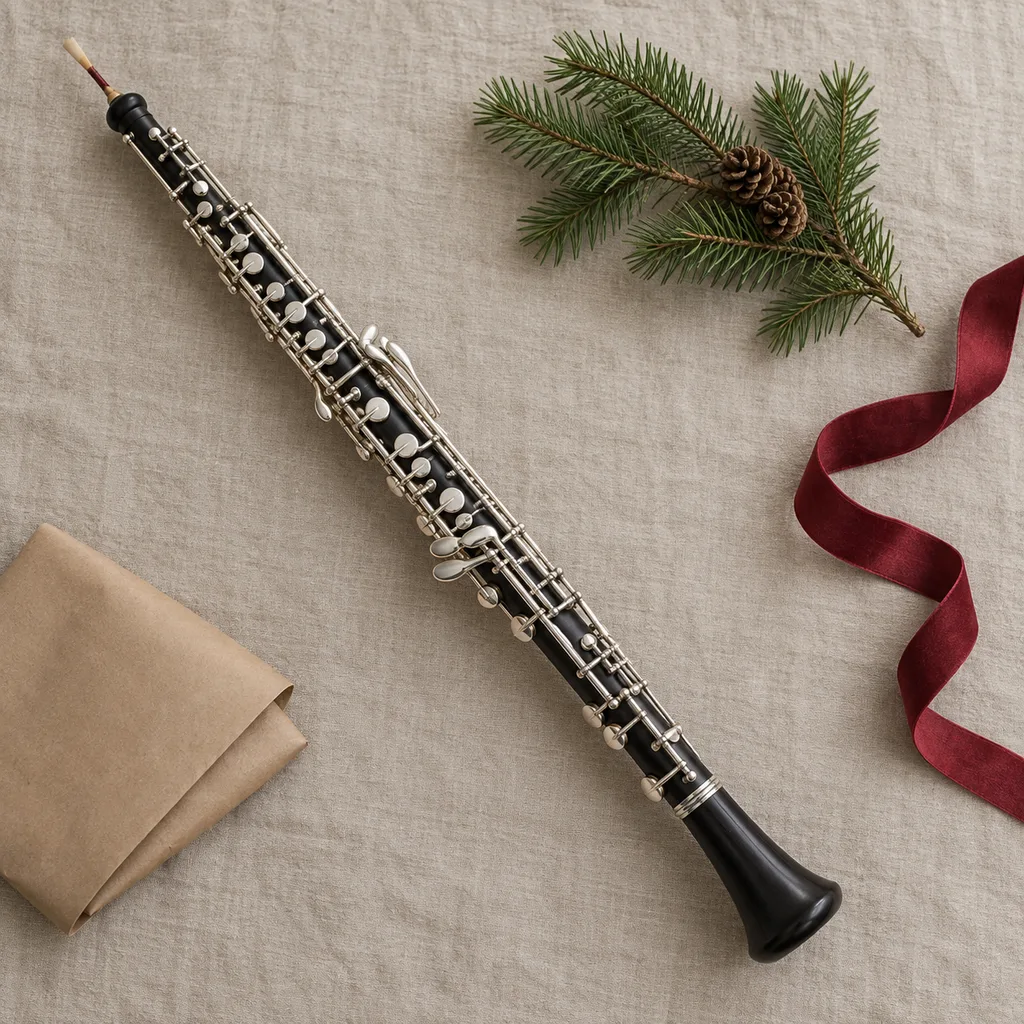
Student oboe
A unique and expressive double-reed instrument, perfect for dedicated students seeking a distinctive orchestral voice.
Books, Music & Media
8 kinds worth knowing, 8 picks, and what to check before you buy.
Woodwind gifts usually go to teens and students already in a school band or youth orchestra, or to a son or daughter moving from a borrowed school instrument to their own. The instruments that get played most are the ones matched to the player's current level and to what their teacher or ensemble needs. A student oboe or a first bassoon can be a big step for a committed player. A flute or clarinet outfit is a safer choice for someone just starting. Before you buy, find out which instrument they play, what key it's in and what their teacher recommends. A surprise pick that doesn't fit the player often ends up sitting in its case.
Kind 1 of 8
The oboe is a double-reed instrument with a focused, singing tone, and it's often the part a school band or youth orchestra has trouble filling. A student oboe suits a teen who has already started lessons and wants to stop borrowing a school instrument. Check the key system first, since many teachers want certain keys such as a left F or a low B-flat. Ask whether the body is plastic, which handles temperature changes well, or wood. Reeds are a separate, ongoing need, so find out which strength the player uses. The teacher's input matters more with oboe than with most instruments.
A unique and expressive double-reed instrument, perfect for dedicated students seeking a distinctive orchestral voice.
Kind 2 of 8
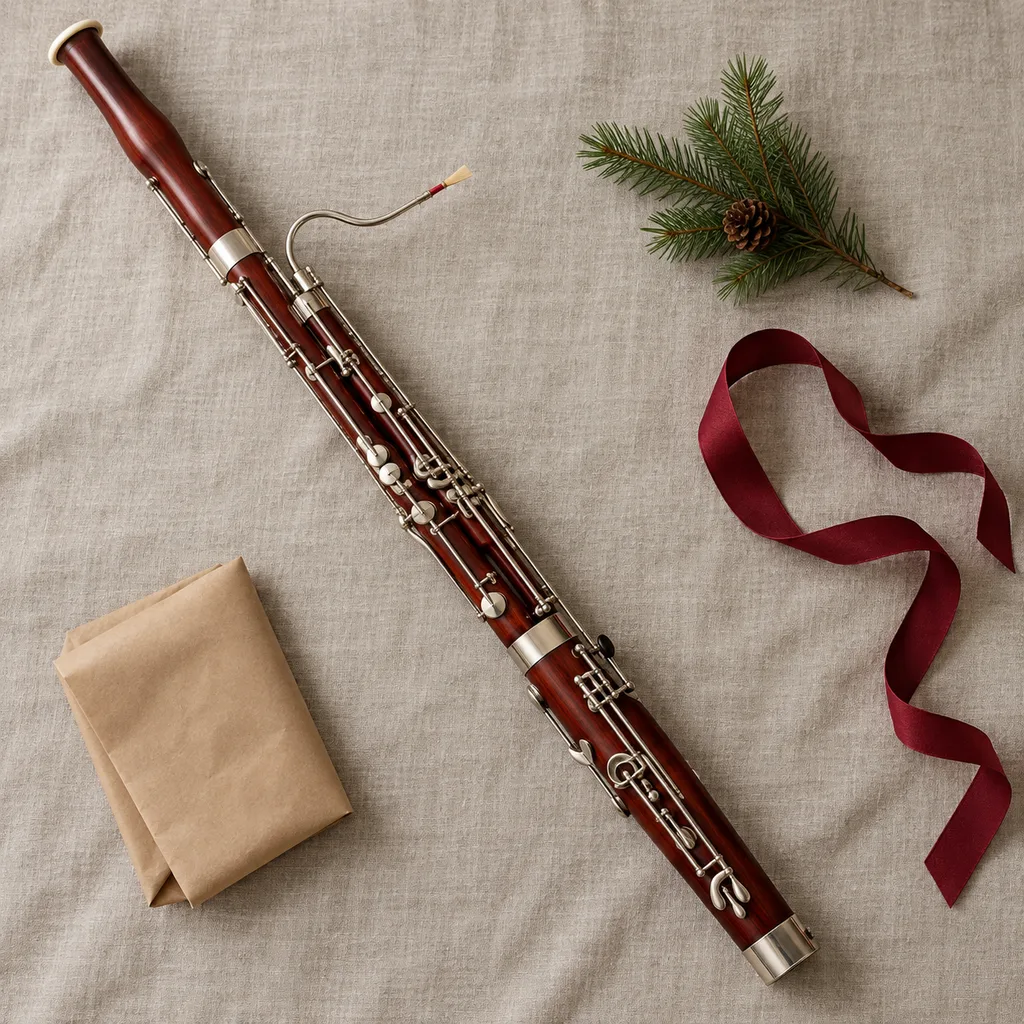
The bassoon is the low voice of the double-reed family. It's a long, folded instrument, and many students first play one on loan from school. Owning one lets a player practise every day at home. It suits a teen or college student who has stuck with it and plans to keep going. Before buying, check the player's hand size, since some student models have short-reach keywork for younger players. Confirm the bocal size their teacher prefers, and make sure a seat strap or neck strap and a sturdy case are included. Bassoon reeds are personal, so it's usually best to let the player choose their own.
This deep-voiced double-reed instrument provides a rich foundation for orchestral and chamber music, suitable for serious learners.
Kind 3 of 8
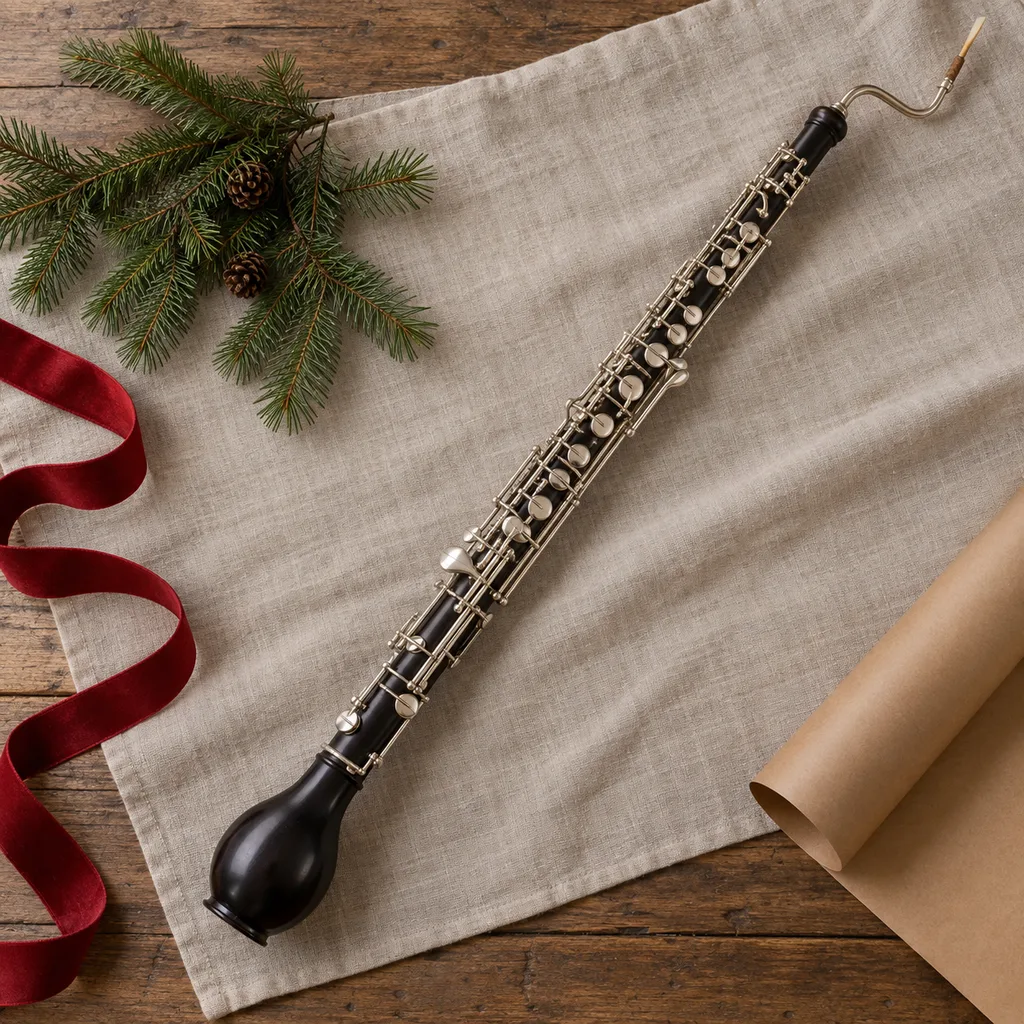
The English horn is a larger, lower relative of the oboe, pitched in F, with a bulb-shaped bell and a darker, mellow sound. It's rarely a first instrument. It suits an oboe player in a senior school ensemble, a youth orchestra or a university program where the music calls for it. Oboists can switch to it fairly easily, but the reeds and the bocal are different, so ask what the player needs. Confirm that their ensemble actually uses an English horn part before buying. A player with no place to use one may not get much out of it.
A soulful and melancholic double-reed instrument, offering a rich, alto voice to the oboe family for advanced players.
Kind 4 of 8
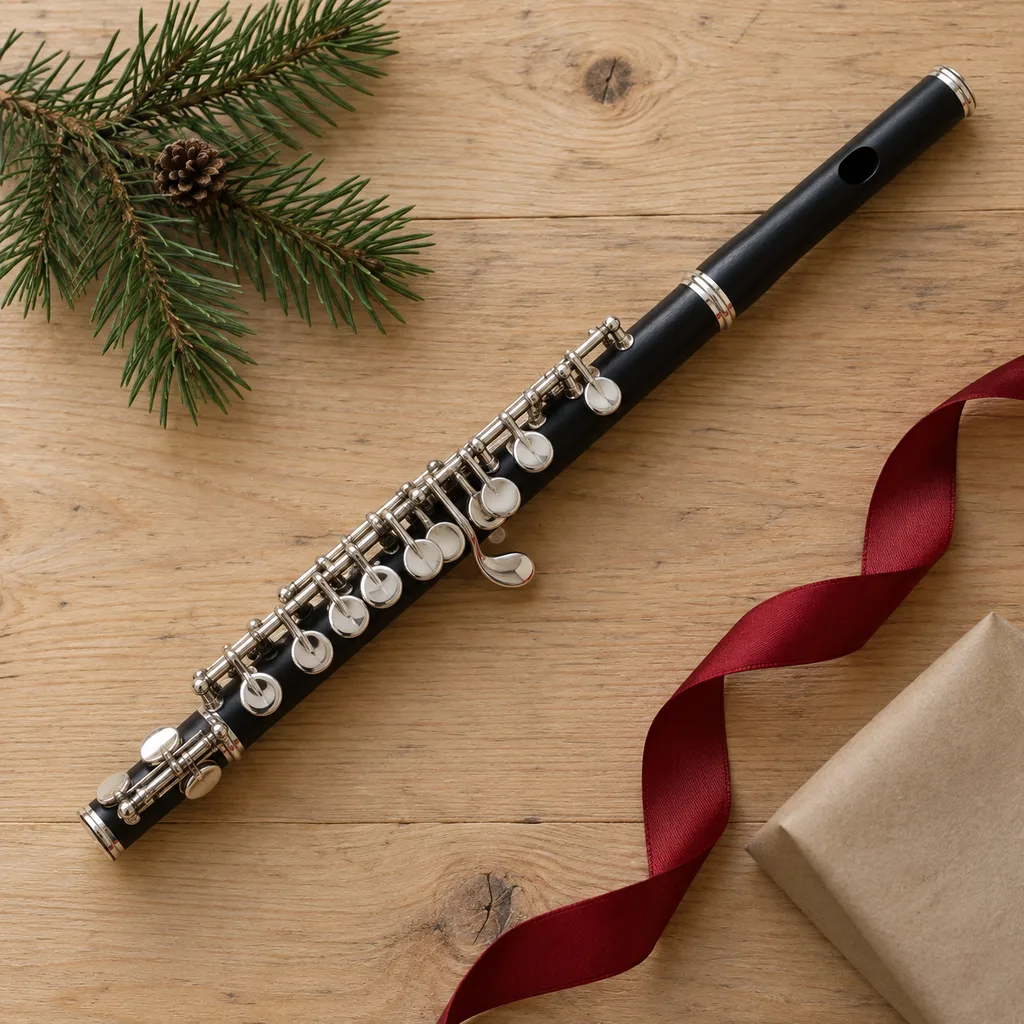
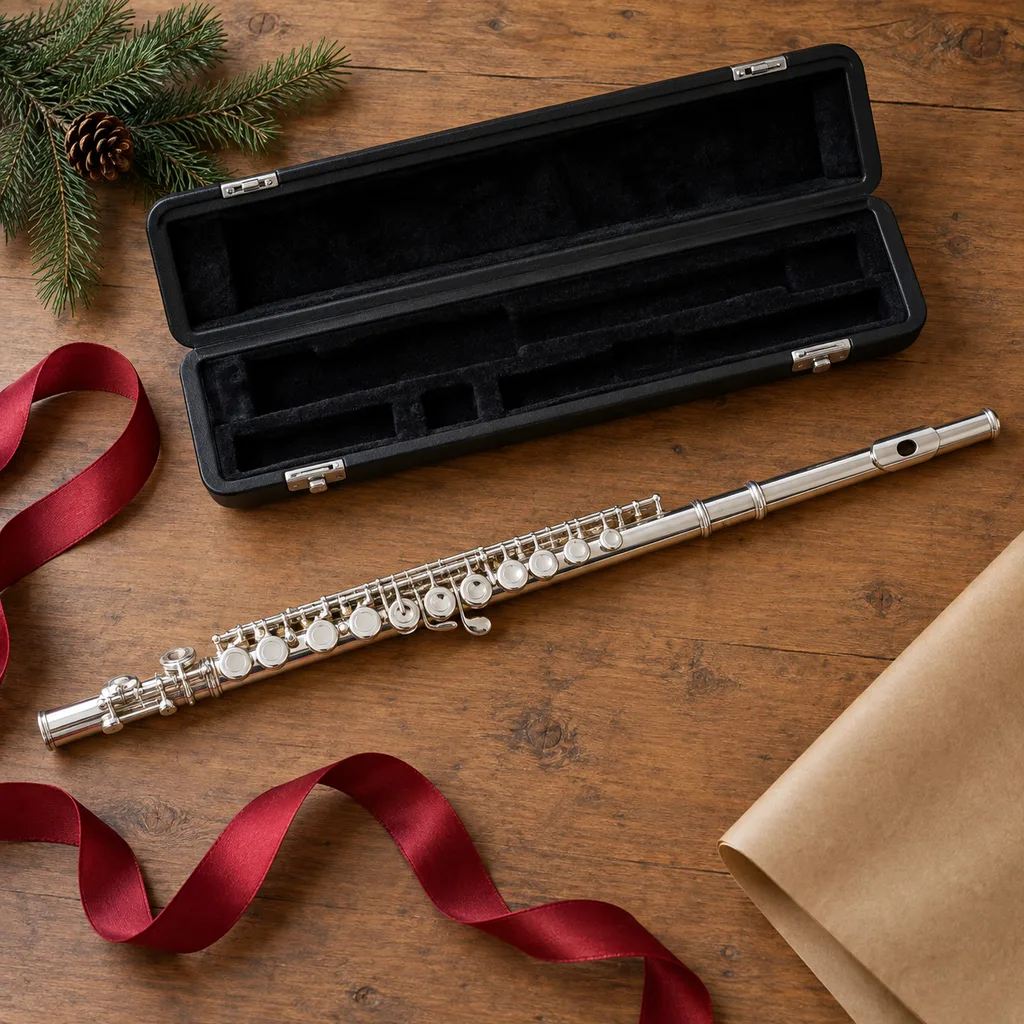
The piccolo is a half-size flute that plays an octave higher. Flutists usually pick it up once they're in a concert band, marching band or orchestra that needs one. A student flute with a case is the better choice for someone just starting. A piccolo suits a flute player who already reads music well and has been asked to double on it. For a piccolo, check whether the headjoint is plastic, metal or wood, and ask if the band plays outdoors. For a flute, find out whether the teacher wants a curved headjoint for a young player or open-hole keys for a more advanced one.
This small, high-pitched woodwind offers a brilliant and penetrating sound, often used in orchestral and band settings.
An excellent choice for new students or those returning to music, providing a bright and clear tone in various musical settings.
Kind 5 of 8
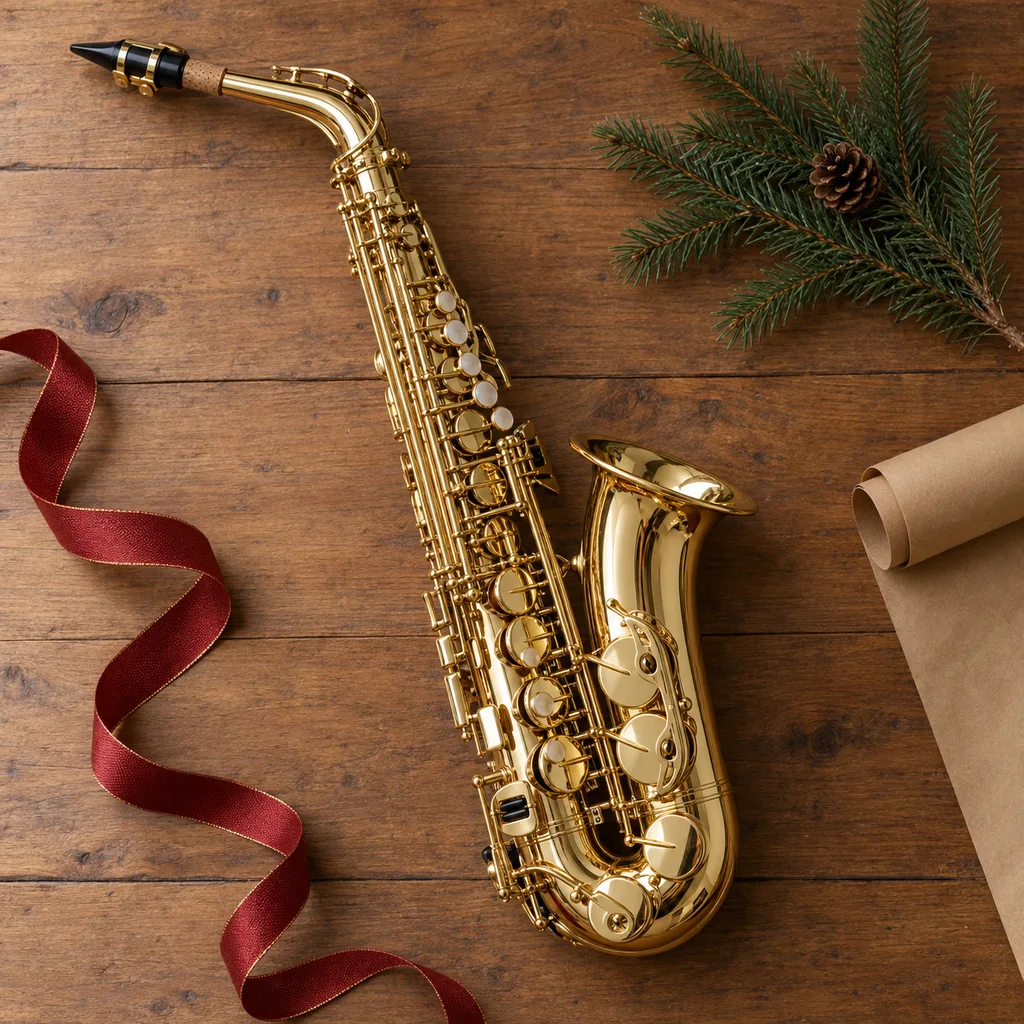
The soprano saxophone is the small, high-pitched member of the family. It's usually straight, though some are curved, and its bright sound shows up in jazz and pop. It's usually a second saxophone for someone who already plays alto or tenor, not a starter horn. For a player who has outgrown a rental, an alto saxophone for intermediate players is often the more useful gift. Check the key range, how comfortable the neck and mouthpiece feel, and whether a case and a basic mouthpiece are included. Ask the player whether they want a straight or curved soprano, since the two feel quite different.
This popular woodwind instrument offers a powerful and expressive voice, ideal for jazz, blues, and contemporary music enthusiasts.
Kind 6 of 8
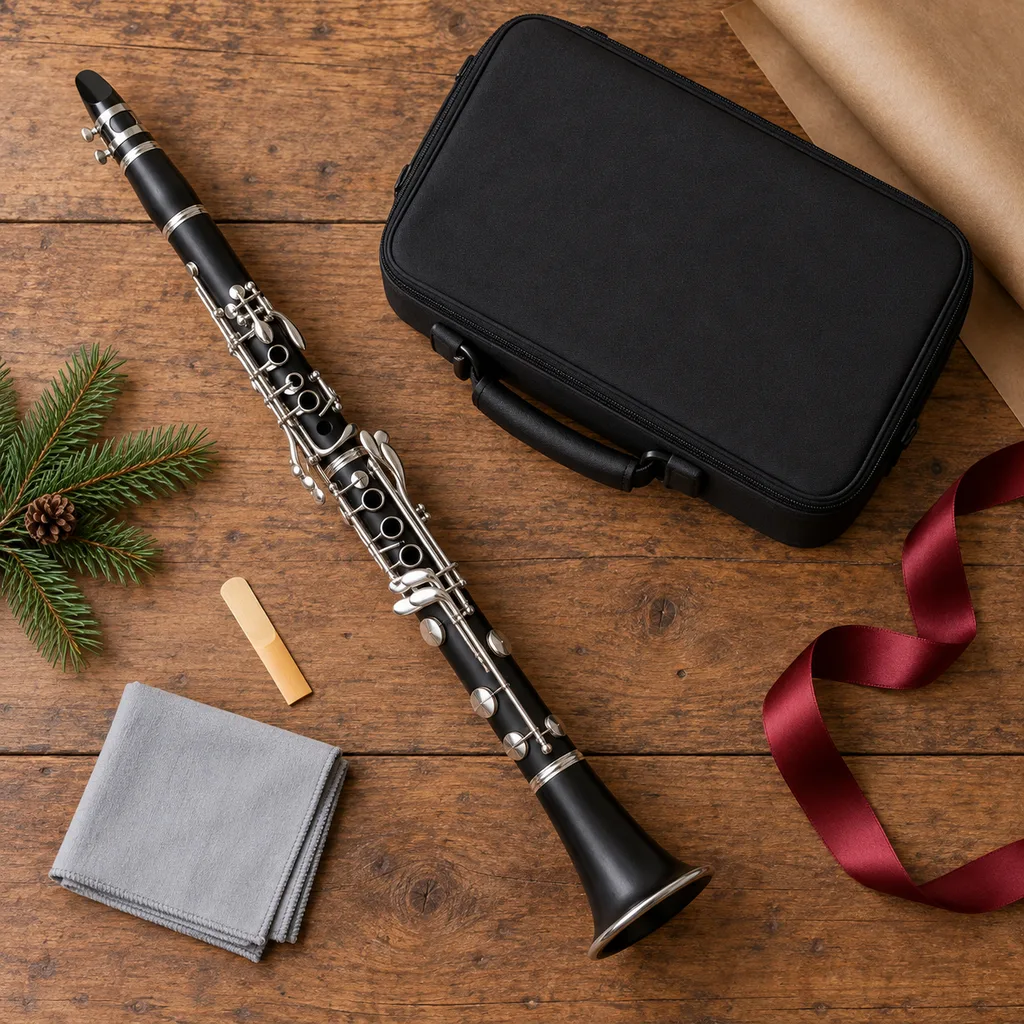
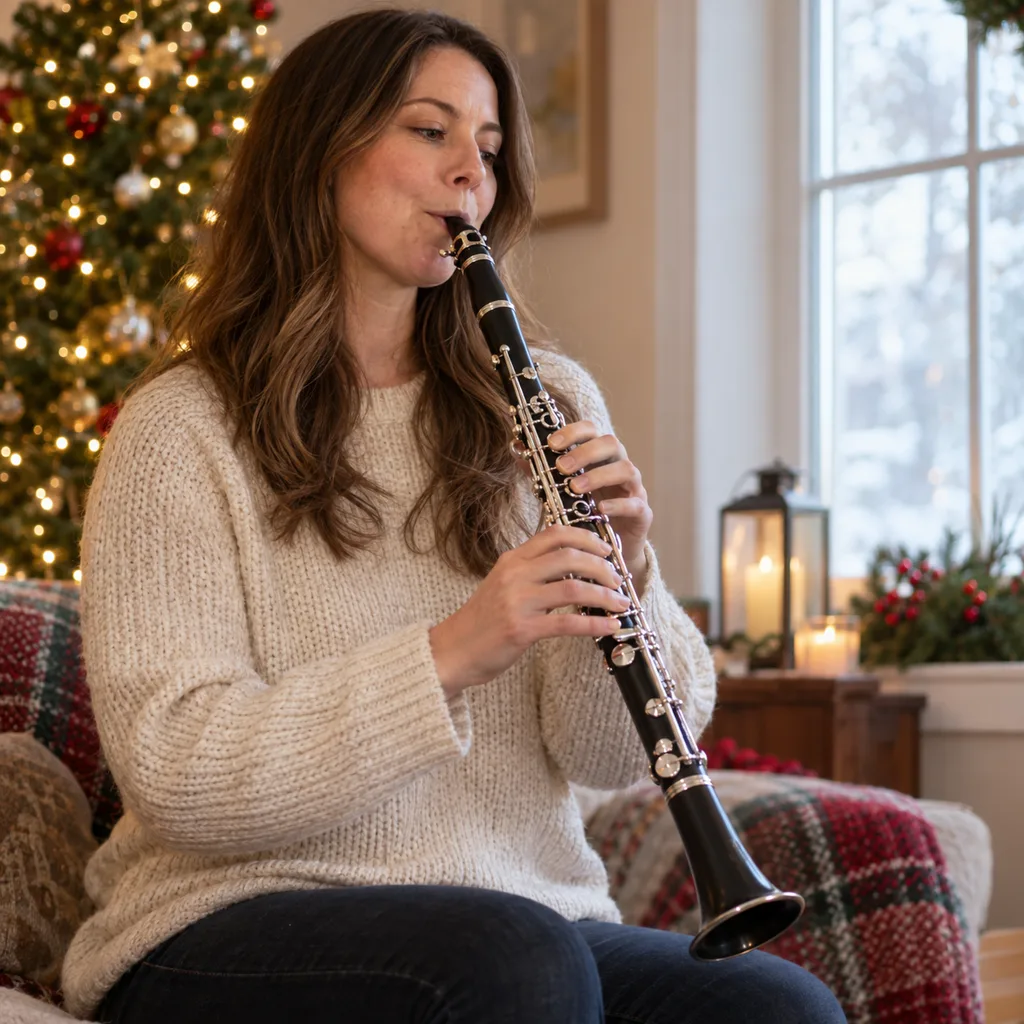
Almost every beginner starts on a B-flat clarinet, and a complete outfit with a case, mouthpiece and ligature is a practical first gift. The A clarinet is a different instrument. It's pitched slightly lower, and orchestral players pair it with their B-flat because a lot of orchestral music is written for it. It suits a serious student in a youth orchestra or university program, not a newcomer. Before buying, confirm which one the player needs. For an outfit, check that the pads seal well and the keys move freely. For an A clarinet, it helps if it matches the feel of the player's current B-flat.
This instrument is suitable for aspiring musicians interested in classical or jazz genres, offering a rich and versatile sound.
Kind 7 of 8
Some people choose a soprano saxophone for a beginner because it's compact. But it's harder to play in tune than an alto, and most teachers start students on alto for that reason. A beginner soprano makes sense for an adult or older teen with some woodwind experience who loves the sound and has a teacher on board. Look for a straight model with a comfortable key layout, a mouthpiece suited to learning, and a case that protects it. If the person is completely new, ask about their goals before you commit.
Kind 8 of 8
The alto clarinet is pitched in E-flat and sits between the standard clarinet and the bass clarinet. It has a curved metal neck and bell. It's mostly used in concert bands and clarinet choirs, and school programs often assign one to an existing clarinetist. As a gift, it suits a clarinet player whose ensemble has a regular part for it. Check that the neck fits snugly, the pads seal and a fitted case is included. A clarinet player can move to it without much trouble, but it's too specialized for someone who is still learning.
Looking for one person in particular? Shop by person.
Everything else
Showing 1–8 of 8
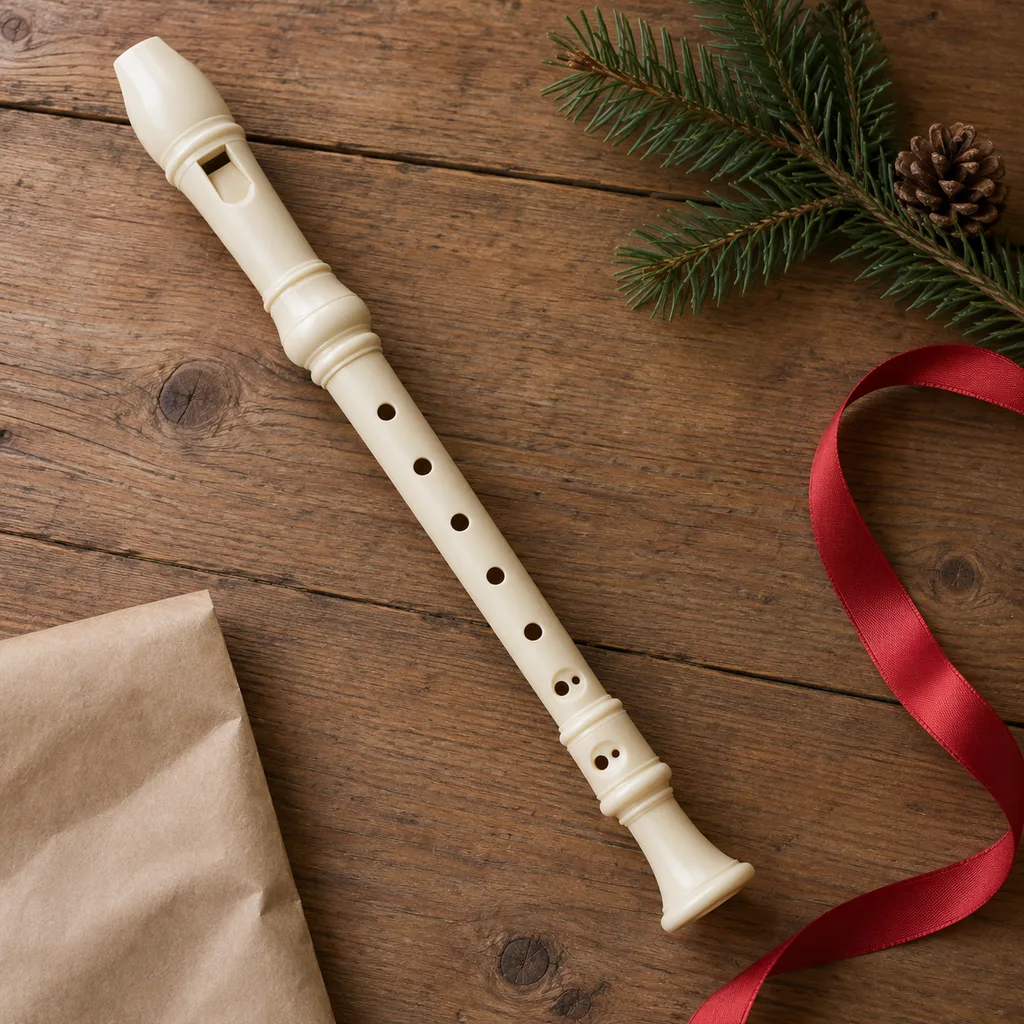
An accessible and educational instrument, perfect for introducing young learners to music theory and basic melodies.