Denis Wick trumpet straight mute
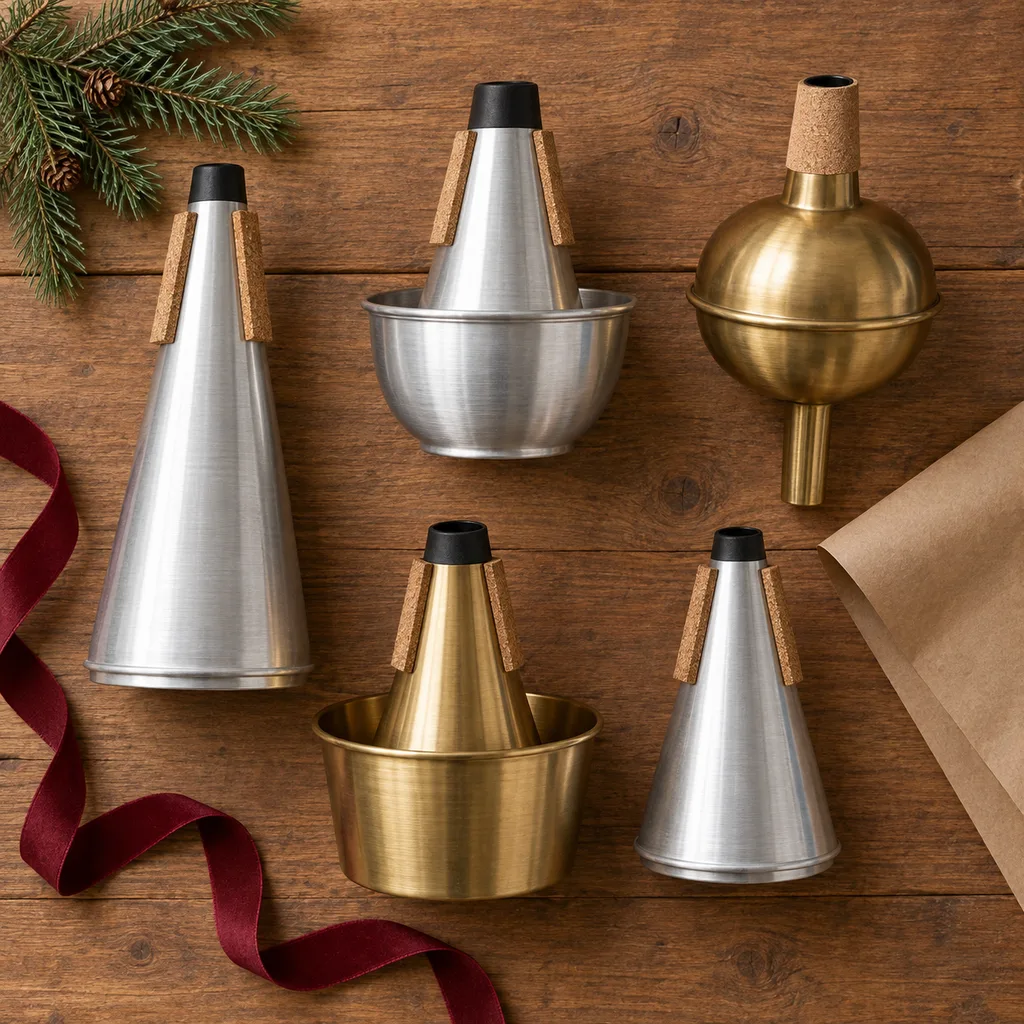
The hand-spun aluminum straight mute band directors name, in use since 1968.
Books, Music & Media
8 kinds worth knowing, 10 picks, and what to check before you buy.

Most brass gifts go to students in school band, or to adults getting back to an instrument they played as teens. The gifts that get used fit the player's instrument and level: a trumpet or trombone for a student who has just picked one, or gear for the horn they already play. A full instrument is a big gift, so check with a band teacher or the player first. Section, mouthpiece size and key all matter. Smaller things like a practice mute, a cleaning kit or a spare mouthpiece are safer bets, and a keen player goes through them. Think about where the person practises and what their band or teacher expects them to bring.
Kind 1 of 8
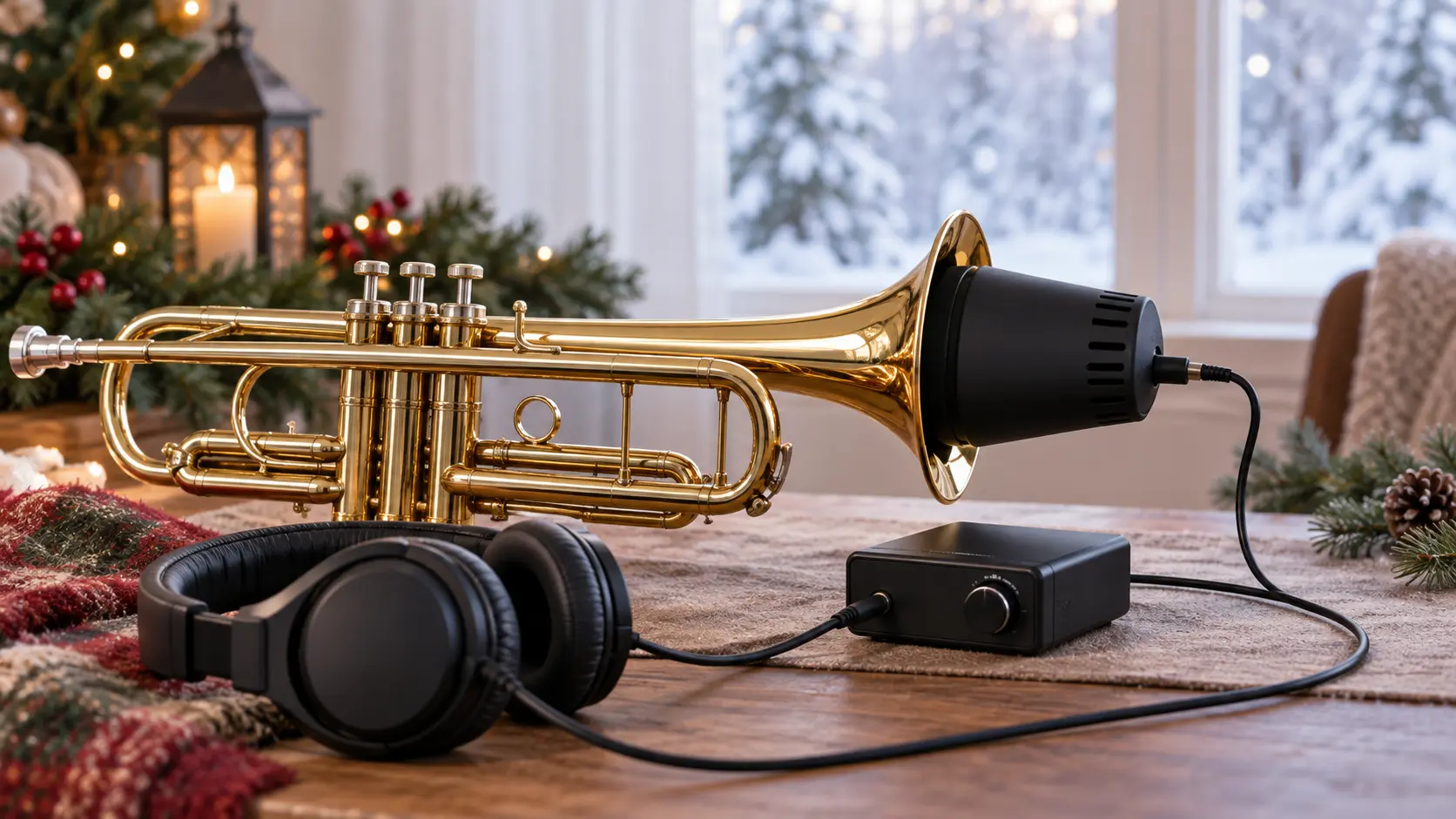
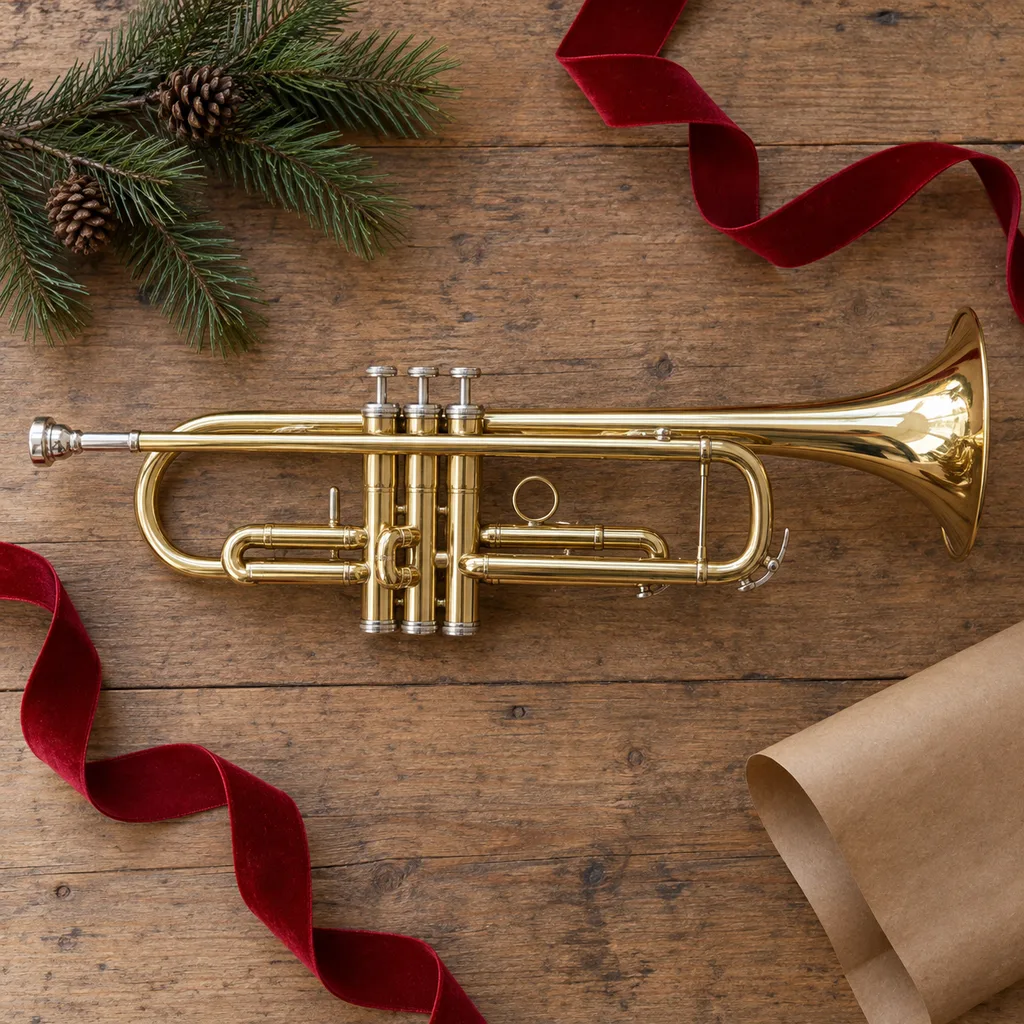
The trumpet is the most common first brass instrument in school bands. It is small, easy to carry and plays in B-flat, which most beginner method books use. It suits a teen or student who has already chosen trumpet in band. Ask whether they need a student model or are ready for something more advanced. For someone who already owns a trumpet, a straight mute or a silent practice system is a useful add-on. Check that it fits a standard trumpet bell, and ask whether the player has to practise quietly in an apartment or dorm.
The hand-spun aluminum straight mute band directors name, in use since 1968.
Pickup mute plus Personal Studio and earphones, so a trumpet player practises without waking the house.
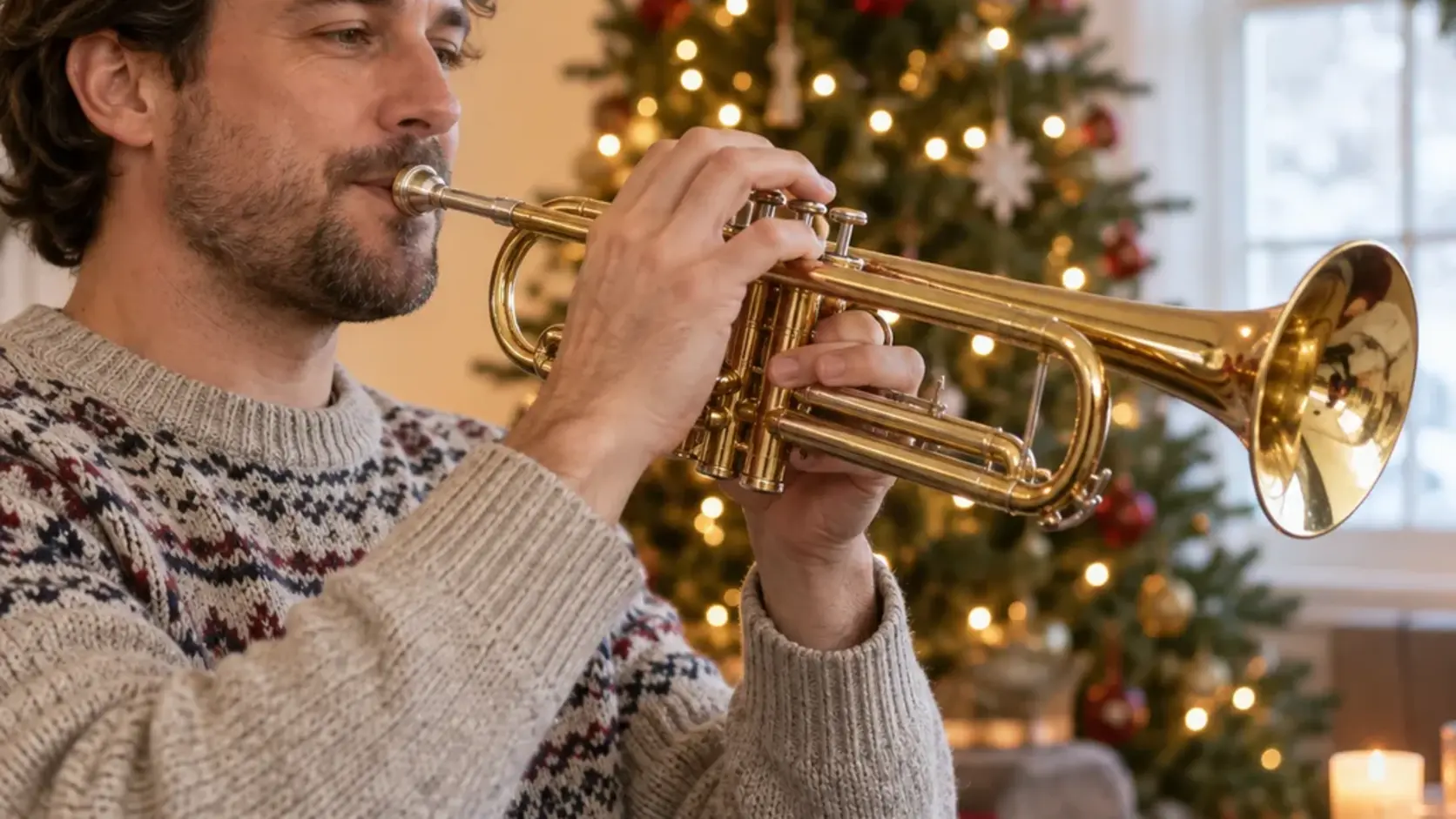
An excellent choice for aspiring musicians or those looking to start their journey with a versatile and bright-sounding brass instrument.
A versatile accessory for brass players, allowing them to alter their instrument's timbre and volume for various musical effects and practice needs.
Kind 2 of 8
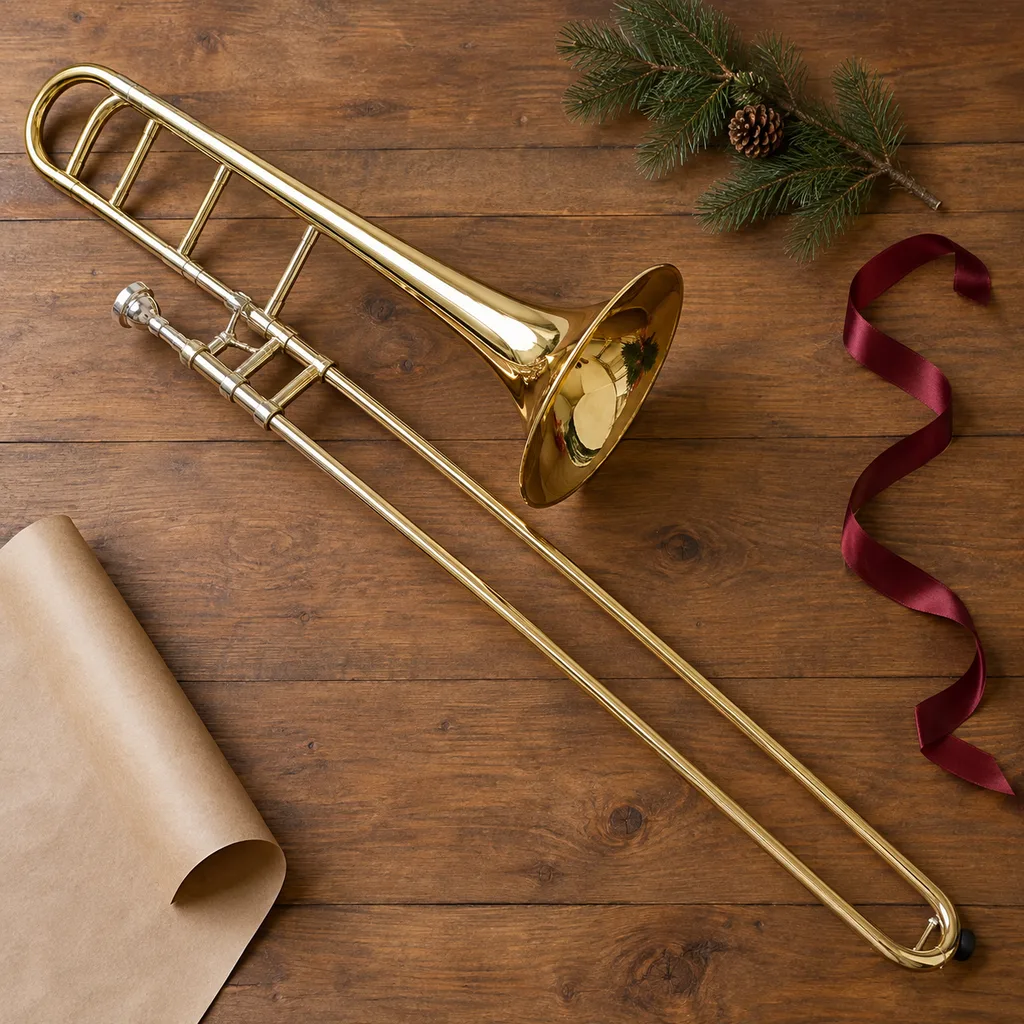
A tenor slide trombone is the usual choice for school concert band and jazz band. The slide takes some getting used to, but many students like how quickly they can play full, loud notes. Before buying, find out whether the player needs a straight tenor trombone or one with an F attachment, which some teachers ask for later on. The slide should move smoothly with no sticking, and it needs a good case because a bent slide is a common problem. Slide cream or oil makes a small, useful extra.
This classic brass instrument offers a unique sliding mechanism for pitch variation, appealing to players seeking a rich, resonant tone.
Kind 3 of 8
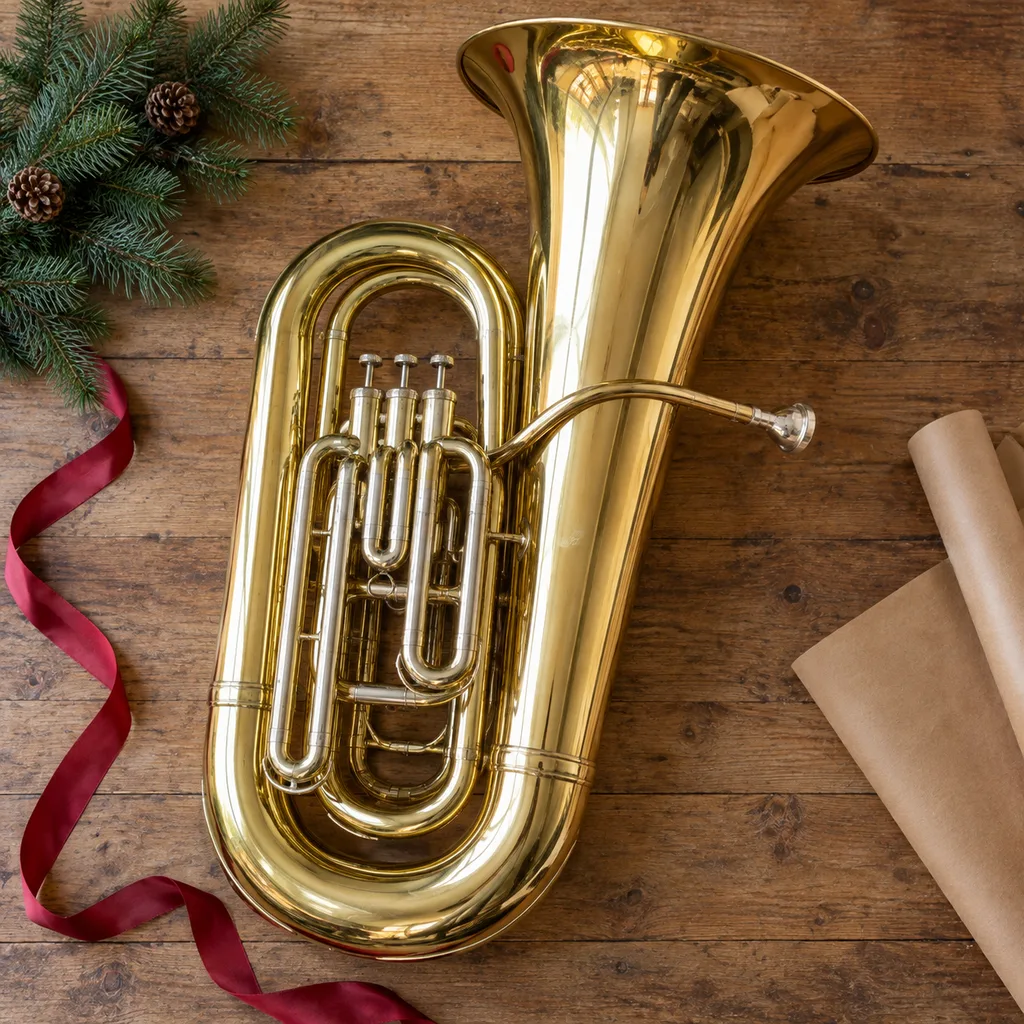
The tuba holds down the bottom of a concert band, and many schools lend them out because they are large and hard to carry. A tuba of their own makes sense for a committed player who wants to practise at home or play in community groups. Check the key (B-flat is common for students, C and E-flat show up in more advanced playing) and the size, often given as a fraction like 3/4. Also think about storage space and how the player will get it to rehearsal.
Kind 4 of 8
When people search for a bass tuba, they usually mean a full-size instrument for someone past the beginner stage, often a student heading into senior band or university ensembles. It suits a player who already knows which key and valve layout their director prefers. Before buying, confirm the key, the number of valves and whether front or top action works better for them. A padded gig bag or hard case matters a lot at this size, so find out whether one comes with the instrument.
The largest and lowest-pitched brass instrument, providing a foundational bass voice in various musical ensembles.
Kind 5 of 8
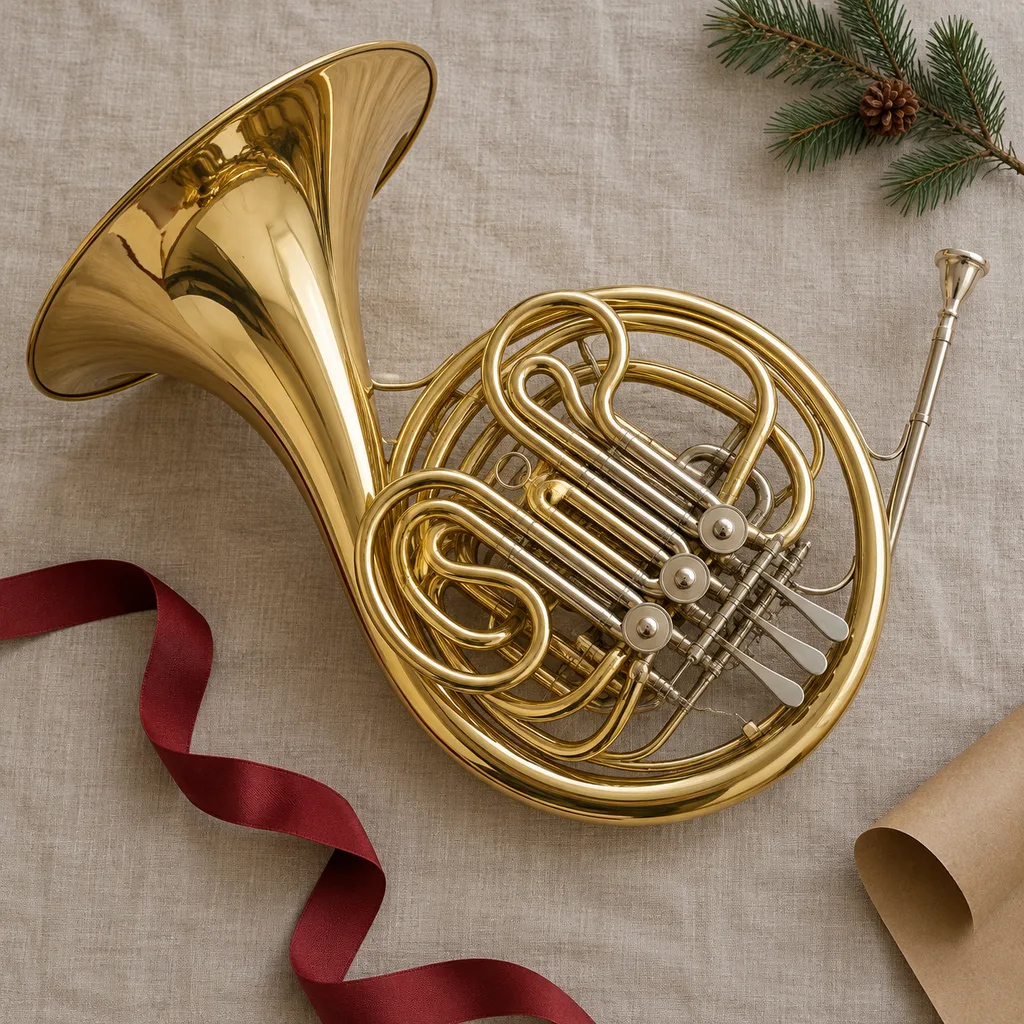
The French horn has coiled tubing and a wide bell, and it sits between the trumpets and the low brass in orchestras and concert bands. It suits a student who has already started on horn, since it is rarely a first choice picked out by someone else. Ask whether they play a single horn or a double horn in F and B-flat, which most intermediate players use. The rotary valves should turn freely, and the player's current mouthpiece should fit the lead pipe.
A beautiful and challenging instrument known for its mellow, rich tone, ideal for classical musicians and orchestral enthusiasts.
Kind 6 of 8
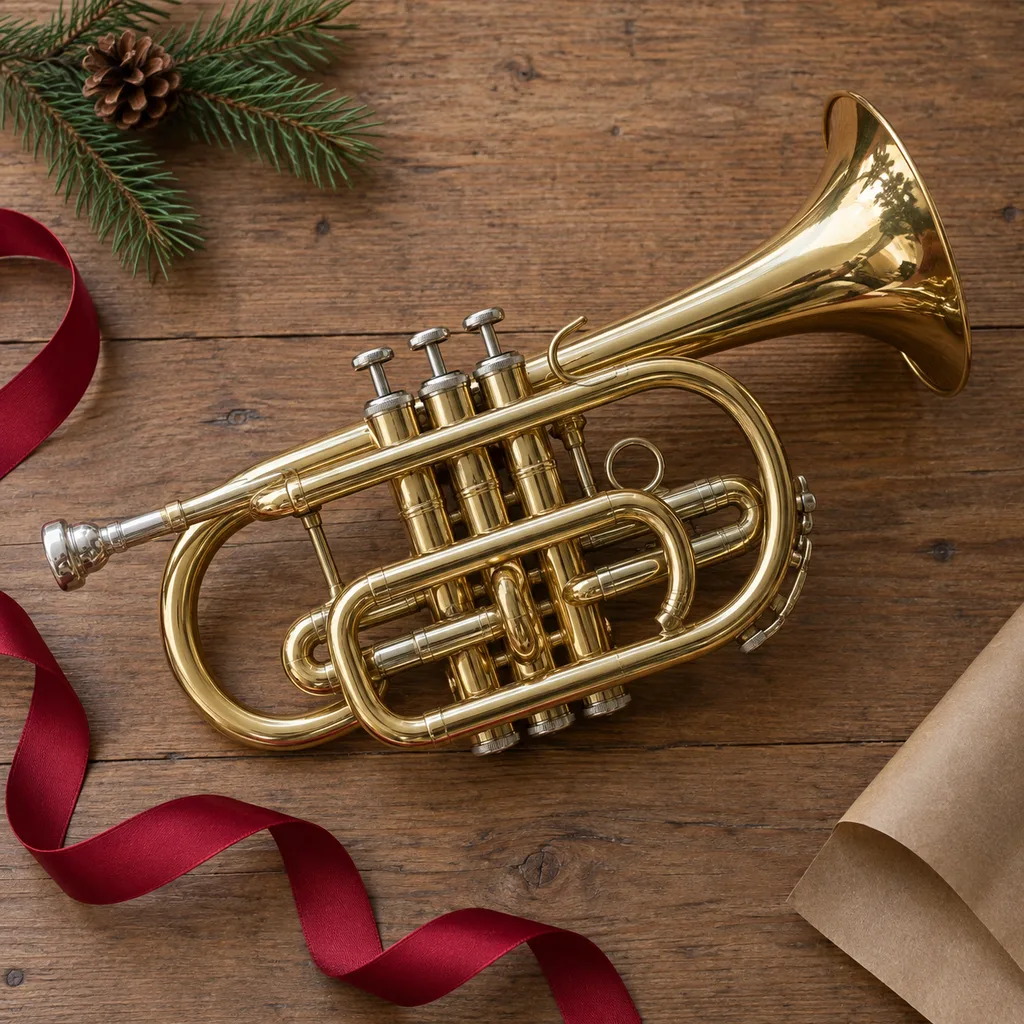
A cornet plays in the same key and range as a trumpet but has more tightly wrapped tubing, so it is shorter and easier for smaller hands to hold. It has a mellower sound and is standard in British-style brass bands. It suits younger beginners or anyone joining a brass band. Before buying, check whether their teacher prefers cornet or trumpet, and confirm the mouthpiece is a cornet mouthpiece, since the shank is shorter than a trumpet's.
A smaller, more compact brass instrument similar to the trumpet, offering a mellower tone and often favored by younger players or for specific band settings.
Kind 7 of 8
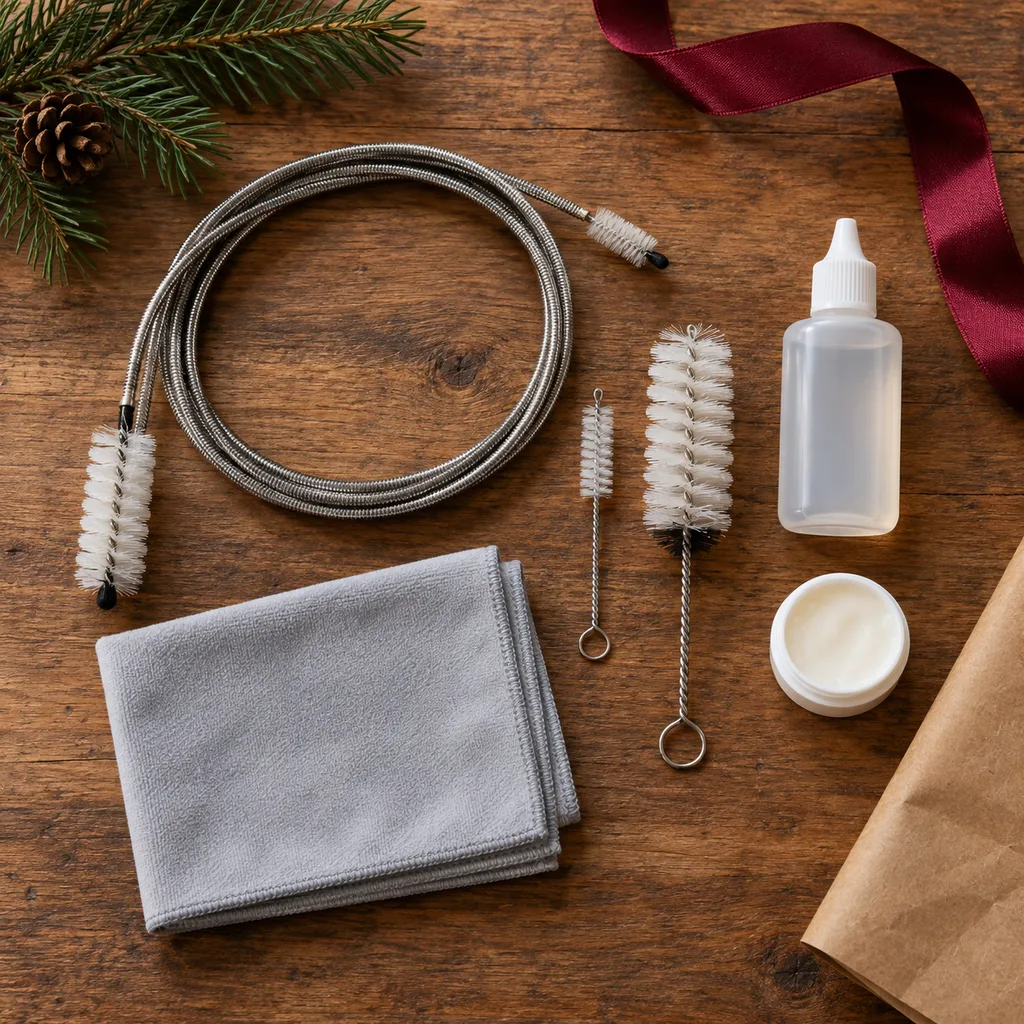
Brass players of every kind need the same basic upkeep: valve oil or slide grease, cleaning brushes, a snake for the tubing and a polishing cloth. A spare mouthpiece is useful too. These gifts suit a player whose exact instrument you are unsure about, as long as you know which family it belongs to. Before buying, check that brushes and snakes are sized for their instrument, since a tuba brush will not work on a trumpet. Mouthpiece shanks also differ, so match the size to the horn.
A practical and necessary gift for any brass instrument owner, ensuring proper hygiene and extending the lifespan of their valuable instrument.
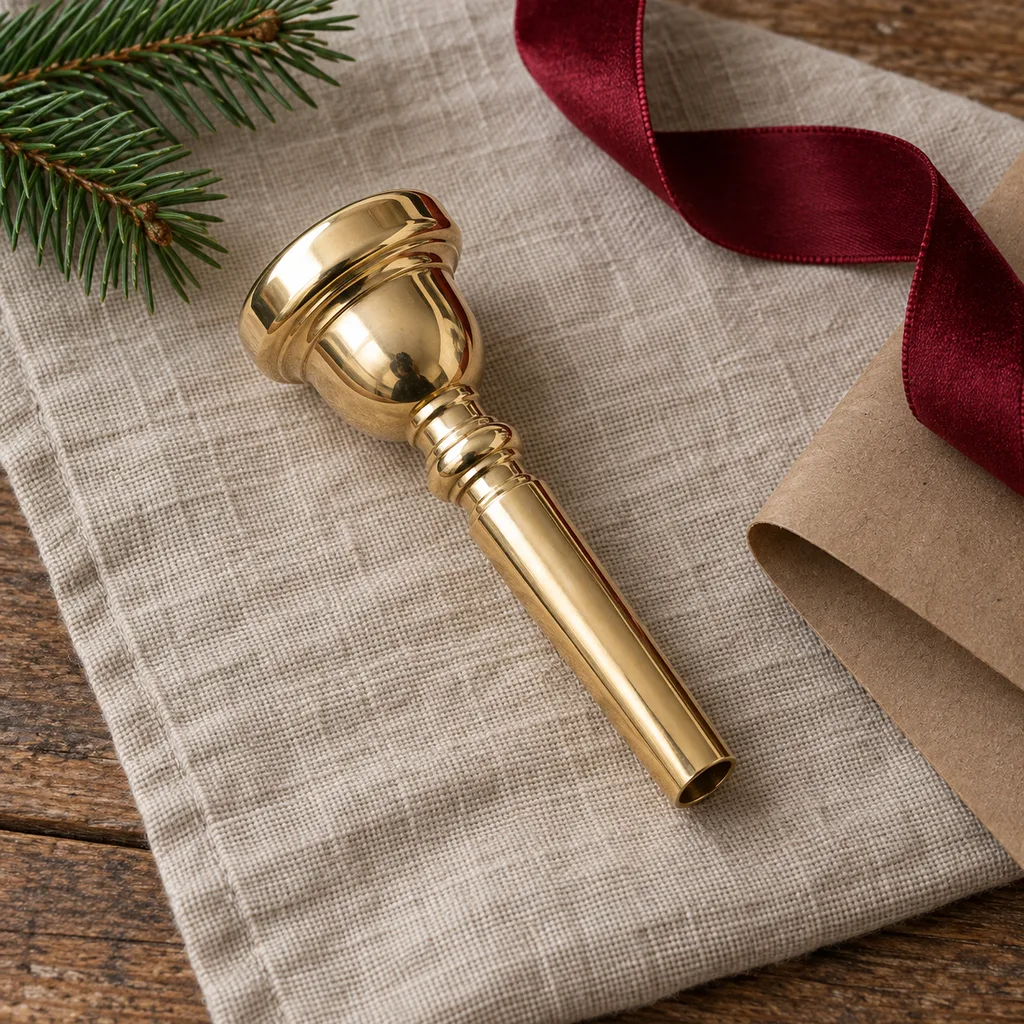
An essential component for any brass player, allowing them to customize their instrument's sound and playability based on their preferences.
Kind 8 of 8
A bass trombone has a wider bore, a bigger bell and usually one or two valve attachments for the lowest notes. It is a specialist instrument for players already covering the bass part in a jazz band, orchestra or community group, not for beginners. Before buying, confirm whether they want single or dual valves, and whether the valves are independent or dependent. Check that their large-shank mouthpiece fits. Ask the player or their director first, since players at this level usually have firm preferences.
Looking for one person in particular? Shop by person.
Everything else
Showing 1–10 of 10