Mahjong tiles game
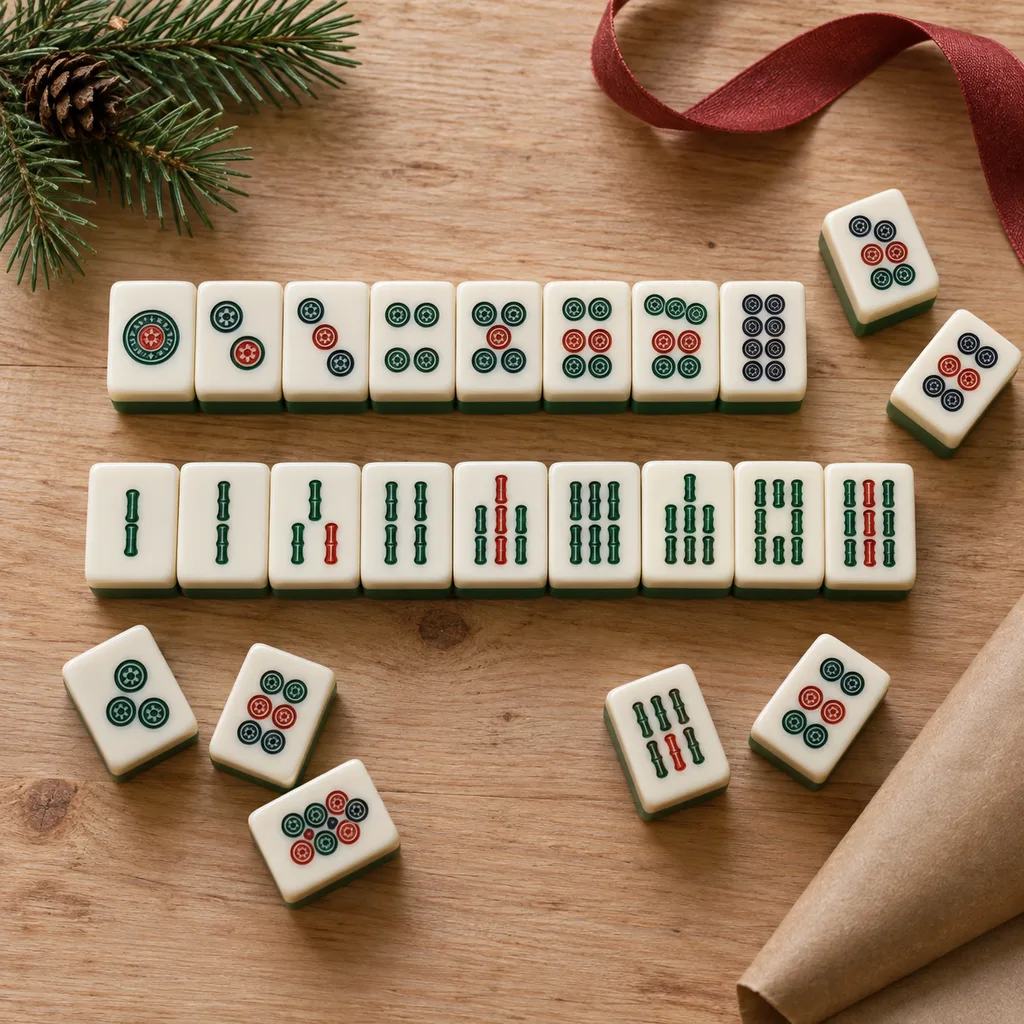
Introduce players to an ancient game of skill and strategy, offering a rich cultural experience for dedicated enthusiasts.
Games & Puzzles
8 kinds worth knowing, 8 picks, and what to check before you buy.
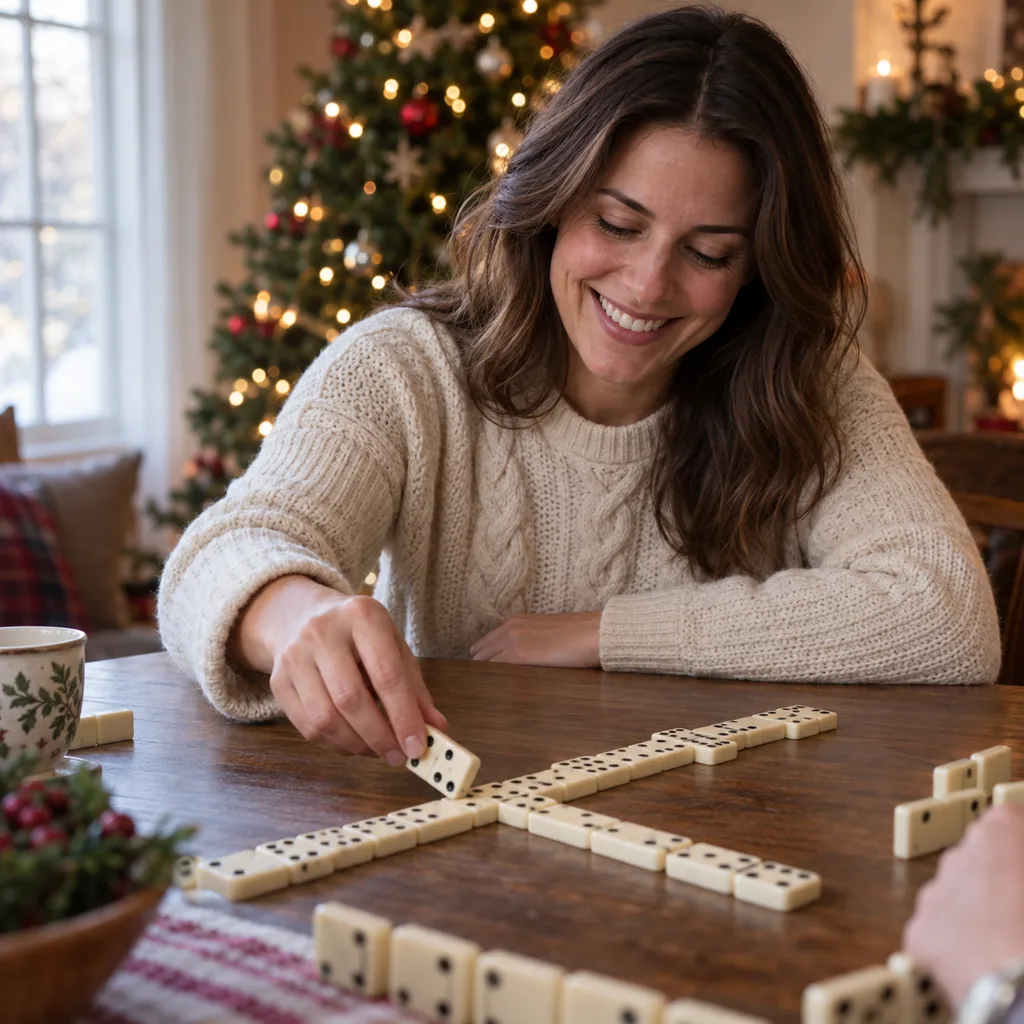
Tile games tend to go to people who already have a regular game night, or to someone you'd like to start one with. Grandparents, family groups and friends who meet every week get the most use out of them, because the tiles come out again and again instead of sitting on a shelf. Most people search for a mahjong set, and a good share look for rummy tiles or simple number games like dominoes. The best gift matches how the person already plays. Think about how many players usually sit at the table, which rules they know, and whether the tiles are easy to see and handle. A set that feels good in the hand and packs away neatly will get used for years.
Kind 1 of 8
A full mahjong set usually comes with the tiles, dice, racks or pushers, a way to track wind or scores, and a case to keep it all together. It suits someone who already plays with a group, or a family that wants a game everyone can grow into. Before you buy, check which style the set is made for, since tile counts and extras differ. Look at the case too: a sturdy case with a solid latch matters if the set travels between homes. Check whether a rule booklet is included and whether it's written in English.
Introduce players to an ancient game of skill and strategy, offering a rich cultural experience for dedicated enthusiasts.
Kind 2 of 8
Some players already own racks and a case and just want better tiles, or need to replace a worn or incomplete set. Tiles vary in material, weight, thickness and how deeply the symbols are engraved. Heavier tiles with deep engraving feel good to shuffle and last longer, while painted surfaces can wear over time. Before buying, confirm the tile count and style match what the person plays, and check the tile size against any racks they already own so everything fits together.
Kind 3 of 8
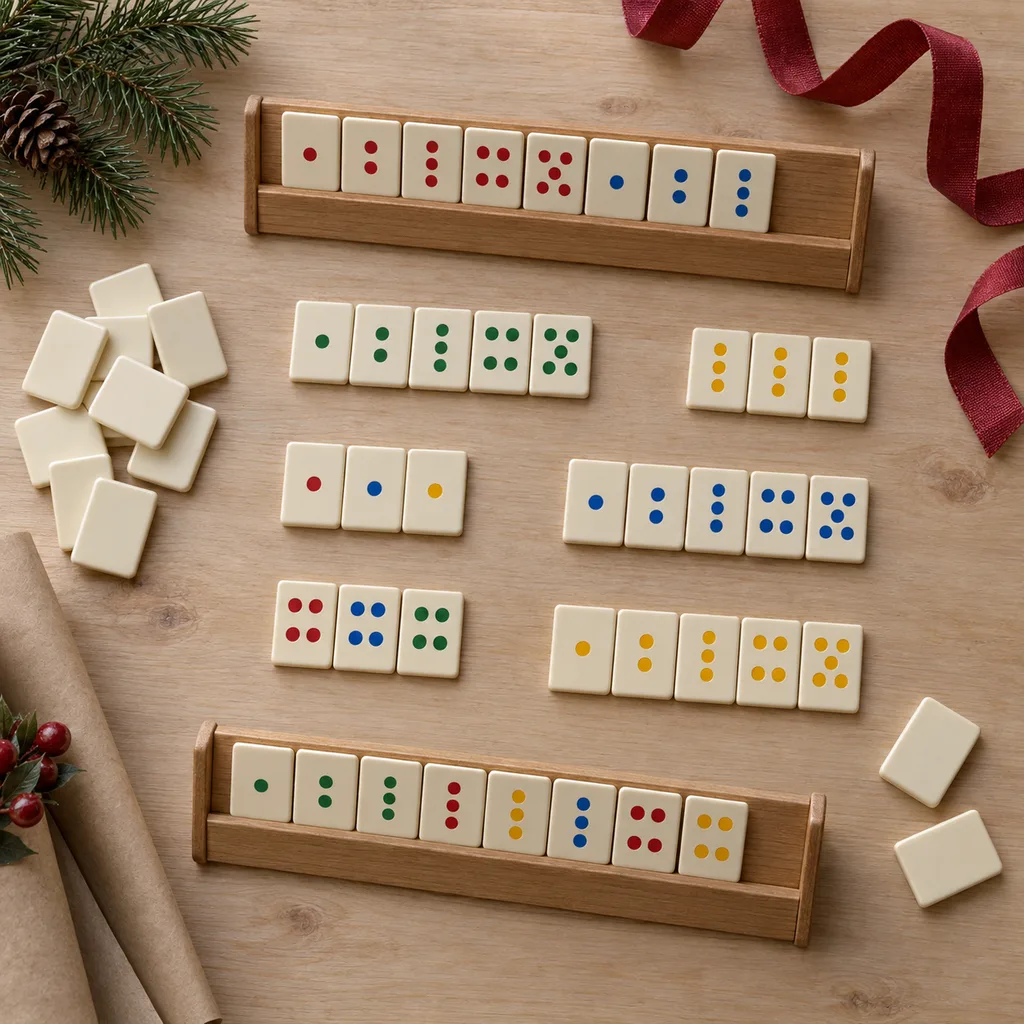
Rummy tile games use numbered tiles in several colours, and players build runs and sets on their racks. They're easier to learn than mahjong and work well for mixed ages, which makes them a steady pick for grandparents who host family visits. Check that the set has enough racks for the group, that the numbers are large and clear, and that the tiles stand steadily on the racks. A travel case or pouch is useful if the game goes to the cottage or a friend's place.
This engaging game challenges players to form runs and groups with numbered tiles, ideal for those who enjoy logical puzzles.
Kind 4 of 8
Lots of people get curious about mahjong after watching friends play or trying a version on their phone. For a beginner, the set matters less than how easy it is to get started. Look for clear written rules, tiles with small index markings in the corner, and maybe a reference card listing common winning hands. Find out which style their friends play before you buy, so the gift works at the table they plan to join.
Kind 5 of 8
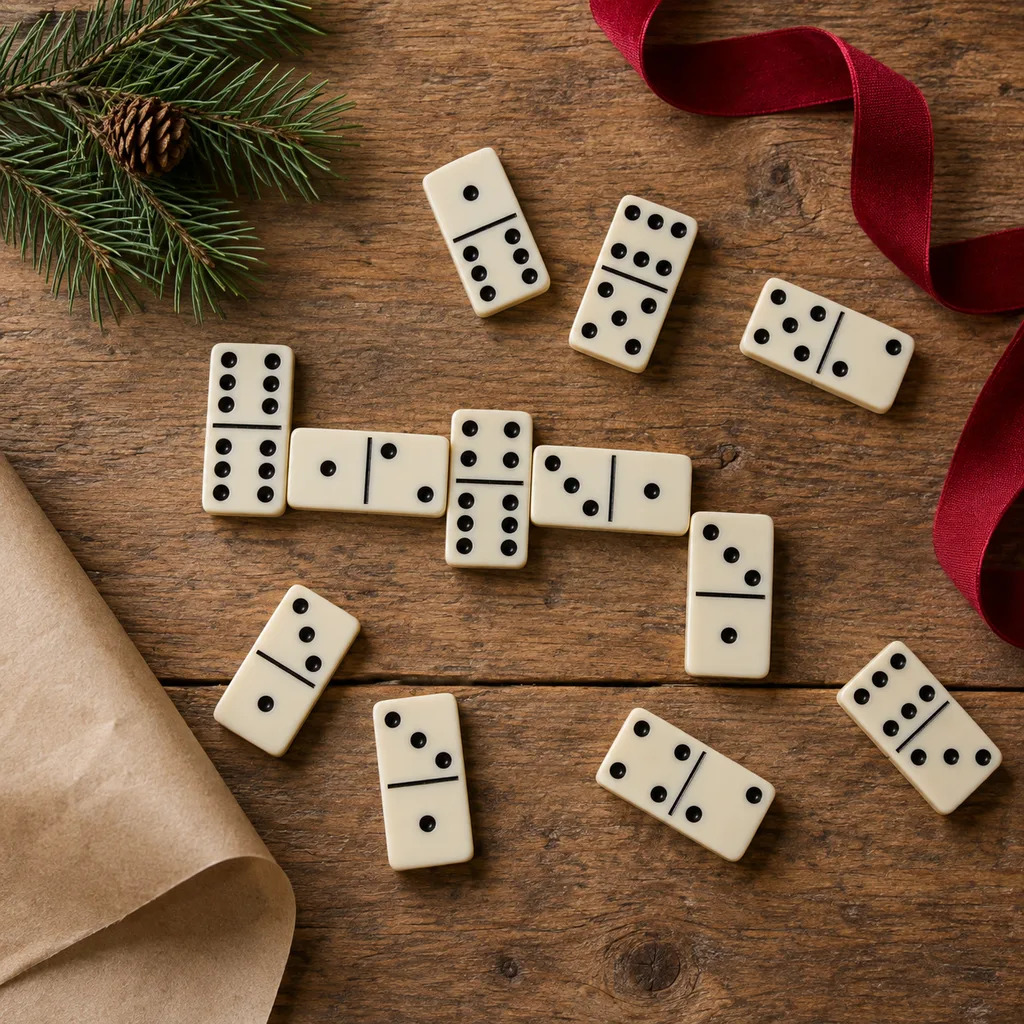
Number tile games like dominoes are simple to set up, quick to teach and easy to play across generations. A classic dominoes set suits families, seniors who enjoy a relaxed game, and anyone who likes something to do with their hands while talking. Check how high the set goes, since larger sets allow more players and more game variations. Look for pips that are clearly drilled or printed, tiles with a pleasant weight, and a box that closes securely.
This timeless game provides simple, engaging fun for families and friends of all ages, perfect for casual gatherings.
Kind 6 of 8
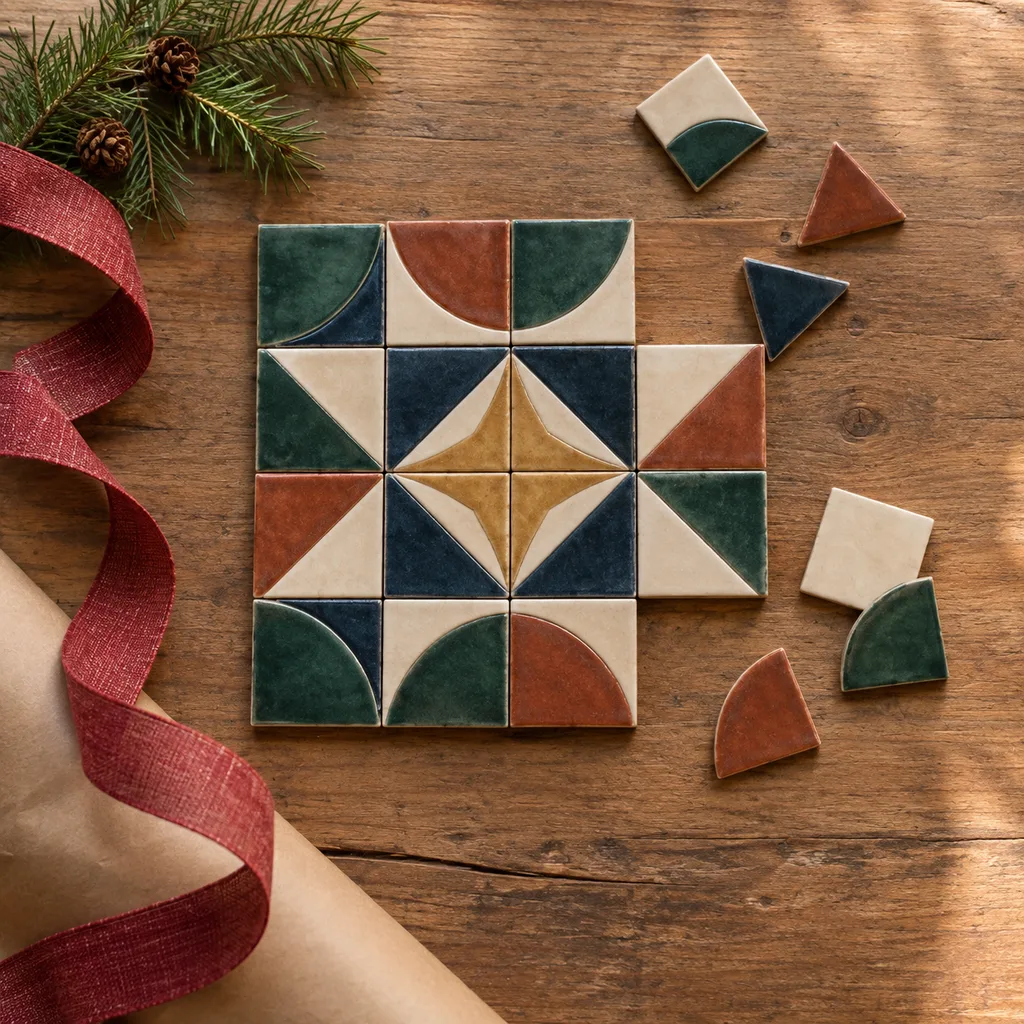
Many people discover tile games through apps and browser versions: pattern-building puzzles, word builders and landscape games they play alone on a lunch break. A physical copy turns that habit into something to share at the table. This suits a friend who talks about a game they play online but has never tried with other people. Check that the table version plays the same way they're used to, and look at the player count, since some games work best with two.
This game challenges players to collect and arrange decorative tiles into intricate patterns, appealing to those who enjoy visual strategy.
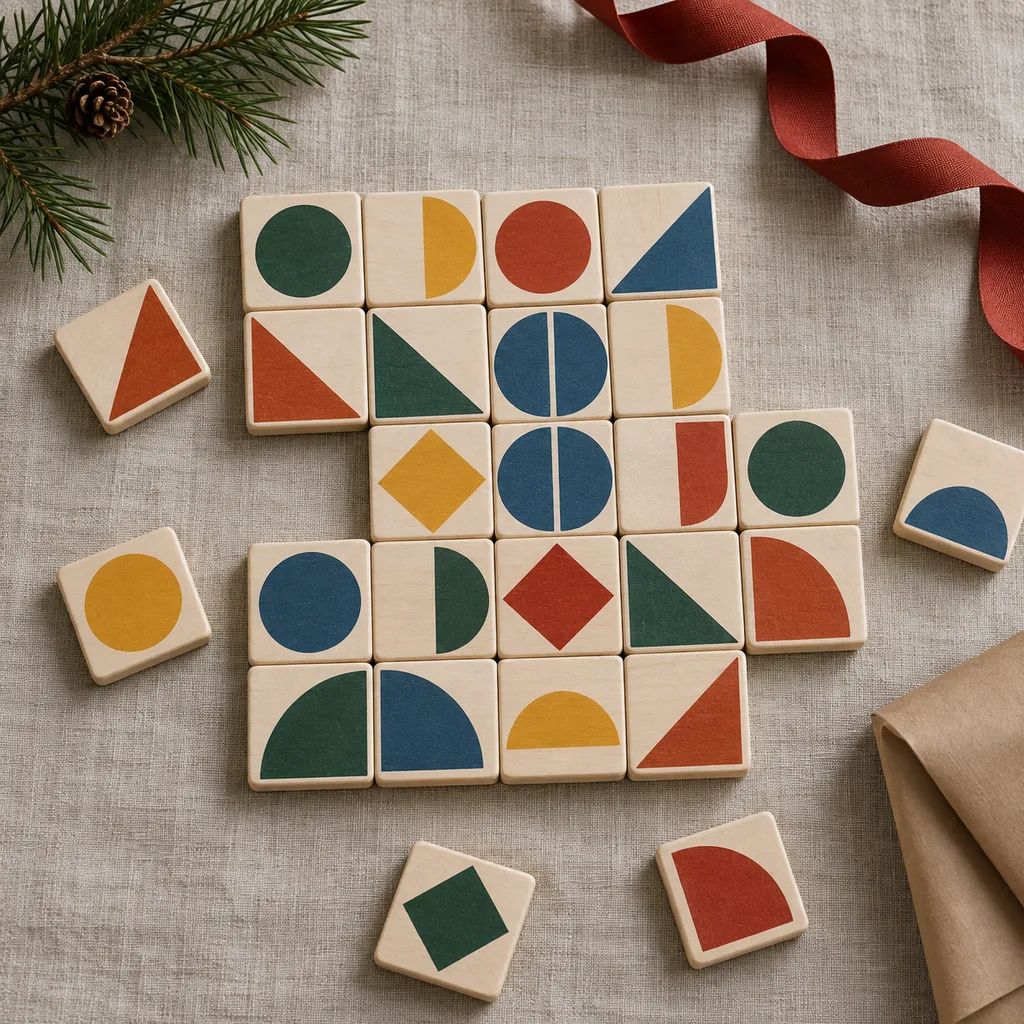
A visually appealing game where players match colors and shapes to score points, perfect for families and abstract strategy fans.
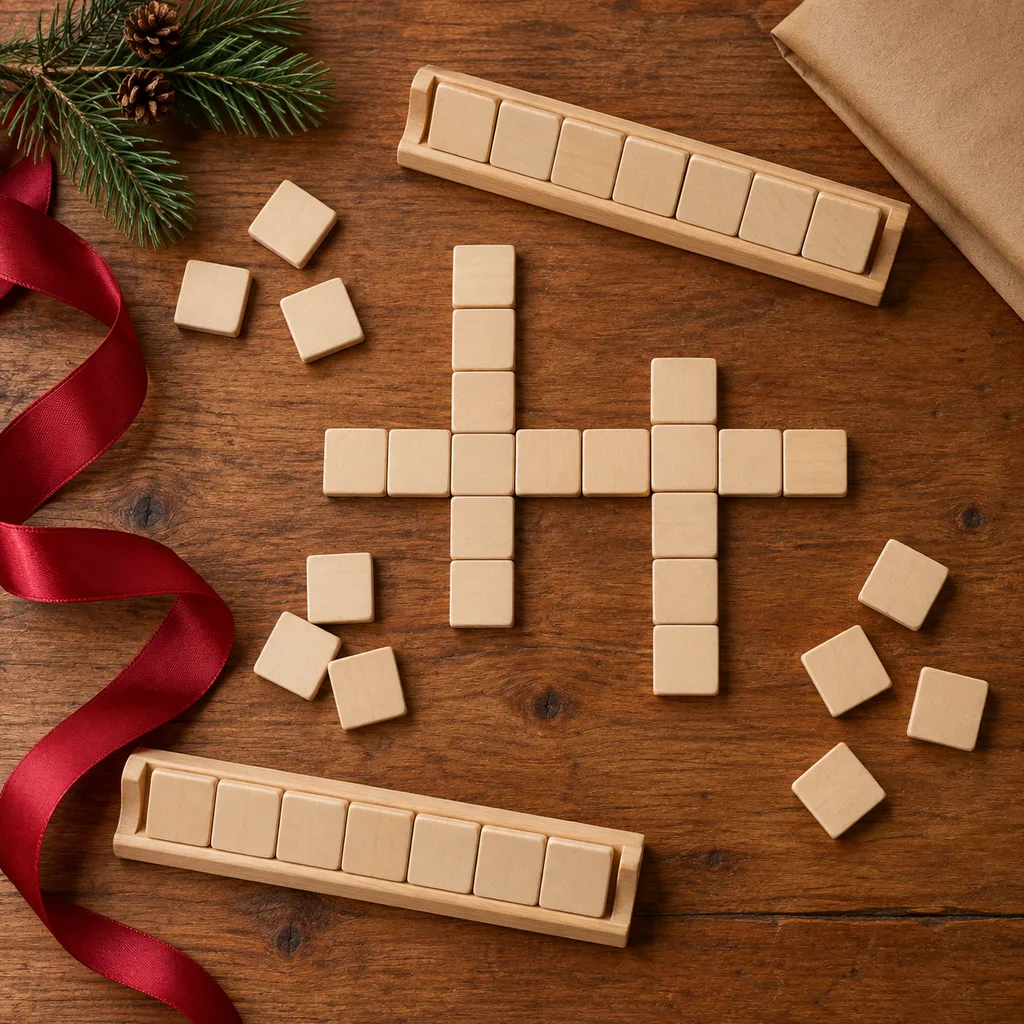
This game encourages vocabulary and strategic thinking as players create words on a board using individual letter tiles.
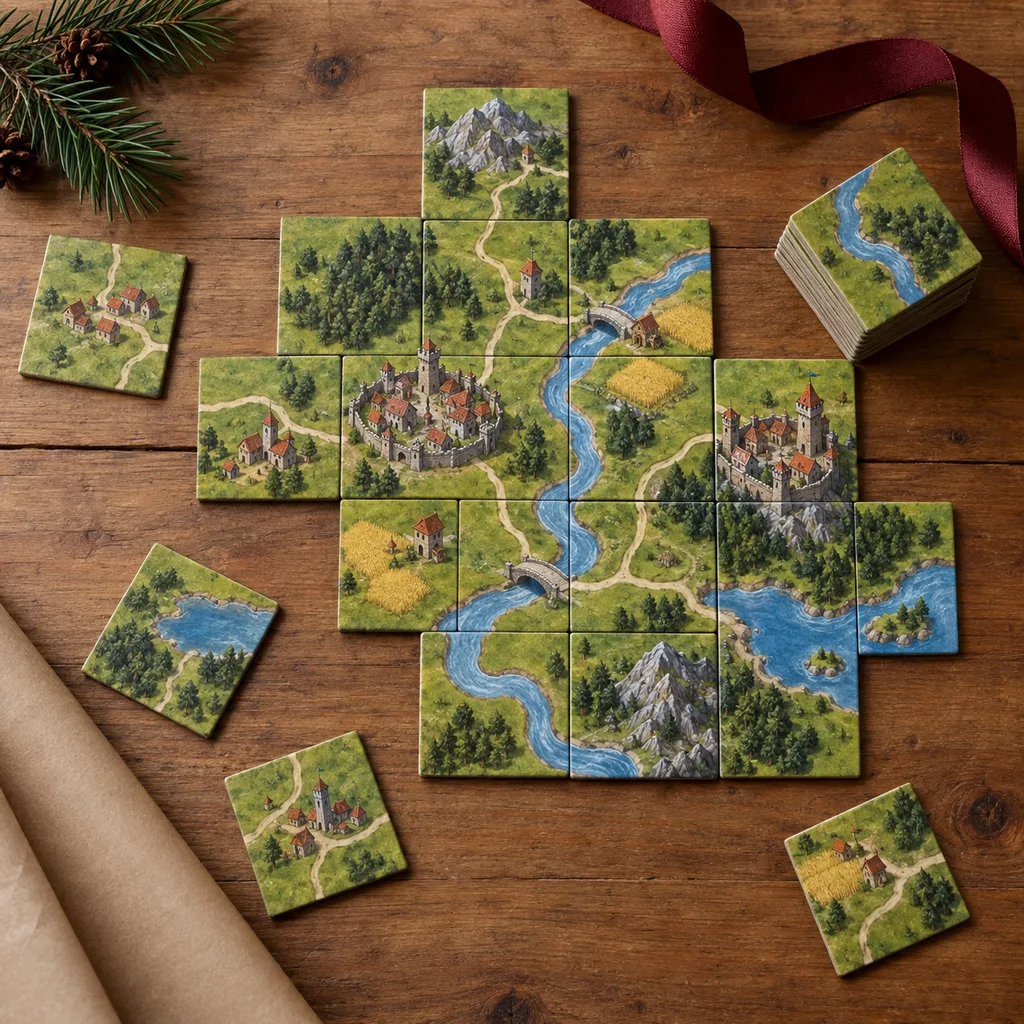
Players strategically place tiles to build a sprawling medieval landscape, claiming features and scoring points in a competitive environment.
Kind 7 of 8
Traditional mahjong covers several regional styles. Chinese, Hong Kong, Japanese and American mahjong all use different tile counts, extras like jokers or flowers, and their own scoring. A set made for one style can be awkward or incomplete for another. This matters most for someone who grew up with the game or plays with an established group. Before buying, ask quietly which style they play, or check the set description for jokers, flower tiles and the total tile count.
Kind 8 of 8
Large tile sets have bigger surfaces and bolder symbols, so they're easier to read across the table and easier to pick up. They're a thoughtful choice for grandparents, seniors and anyone who finds standard tiles fiddly. Larger tiles need more table space and a bigger case, so think about where the person plays. Make sure the racks included are sized for the larger tiles, and that the set is still the right style for their group.
Looking for one person in particular? Shop by person.
Everything else
Showing 1–8 of 8
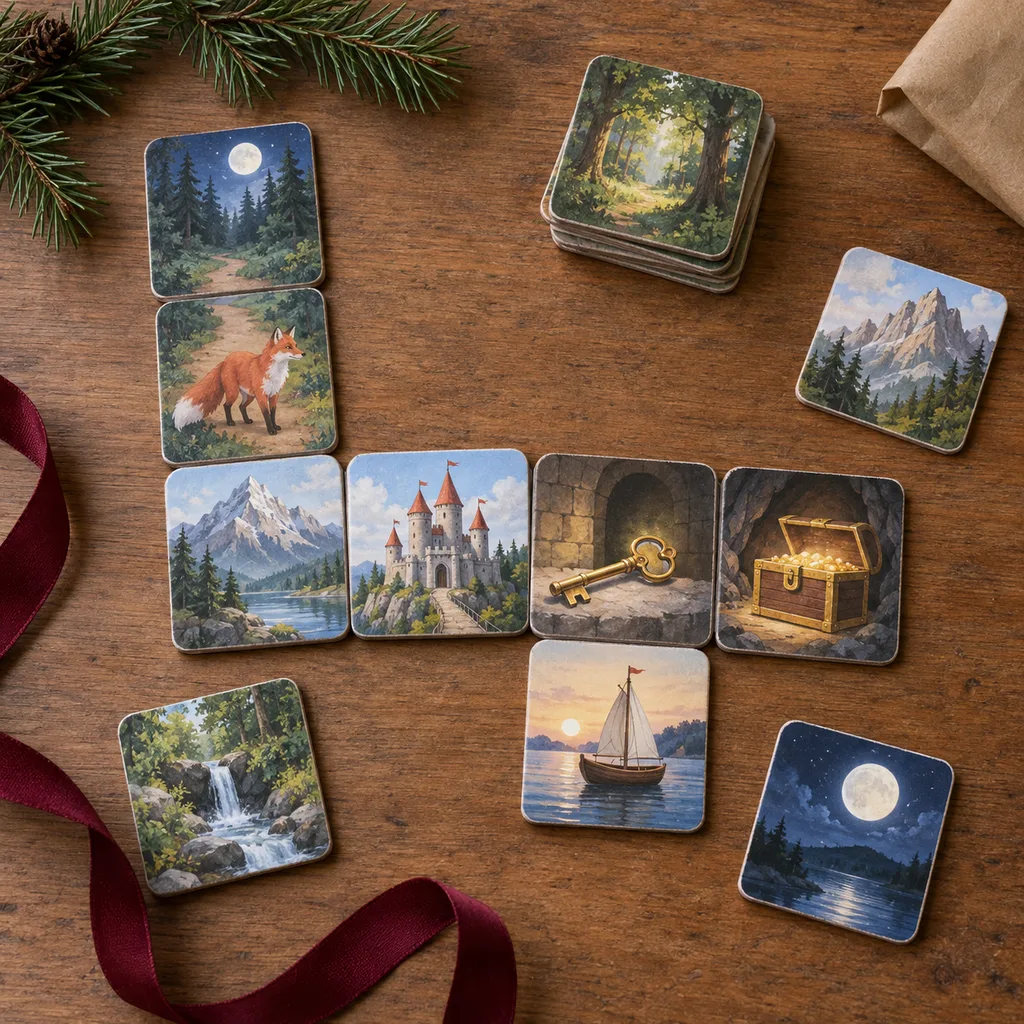
Players work together to create a shared narrative or landscape using beautifully illustrated tiles, fostering teamwork and creativity.