Tech & Gadgets
Satellite communicators & messengers
2 kinds worth knowing, 9 picks, and what to check before you buy.
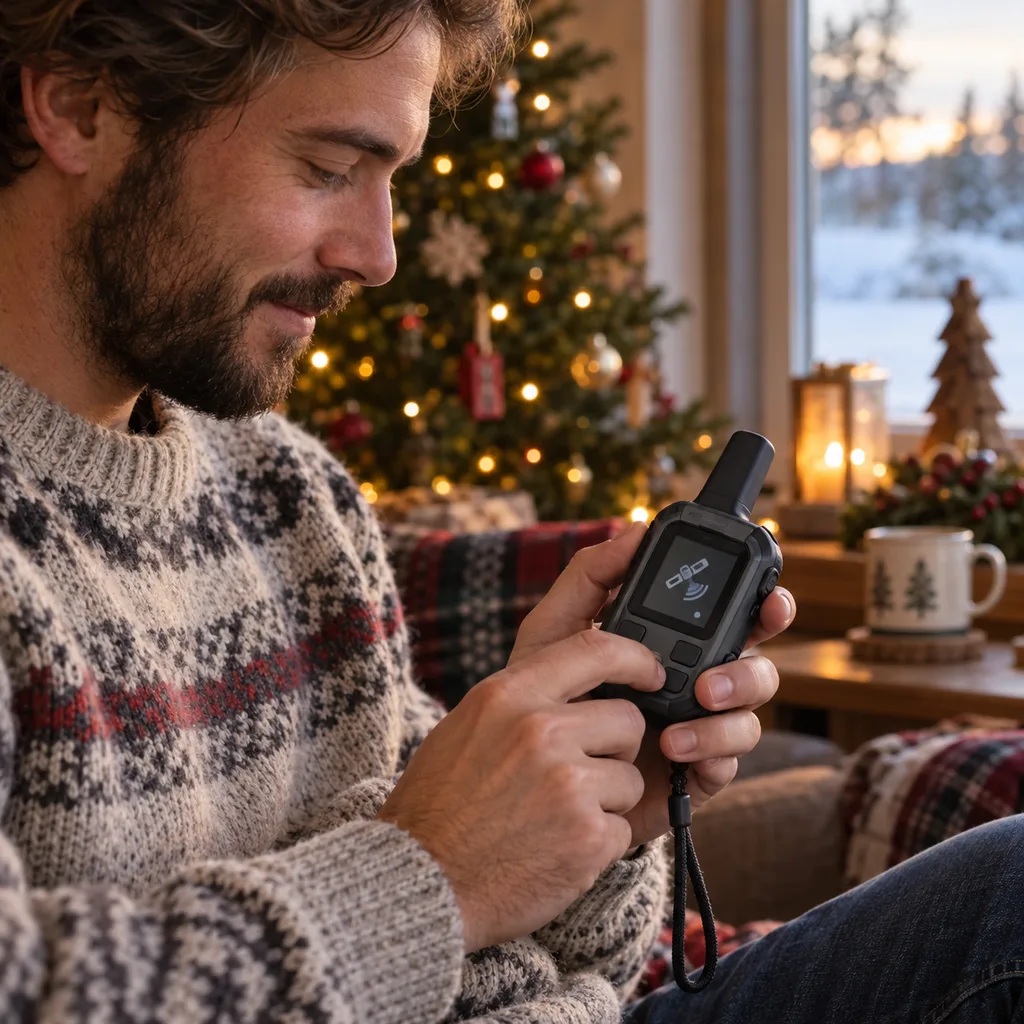
People who buy in this category are usually shopping for someone who heads out past cell coverage: backcountry hikers, hunters, paddlers, snowmobilers, remote workers or a relative who drives long, empty highways. The gifts that actually get used are small enough to clip to a pack strap and easy enough to use with cold hands. Most searches fall into two groups. Some people want an inReach Mini by name. Others want any compact satellite communicator that can send a text from anywhere. Before you buy, find out where the person really goes. Also keep in mind that almost every device here needs an active satellite service plan to send messages, so plan who will set that up and pay for it.
Kind 1 of 2
The inReach Mini and what it offers
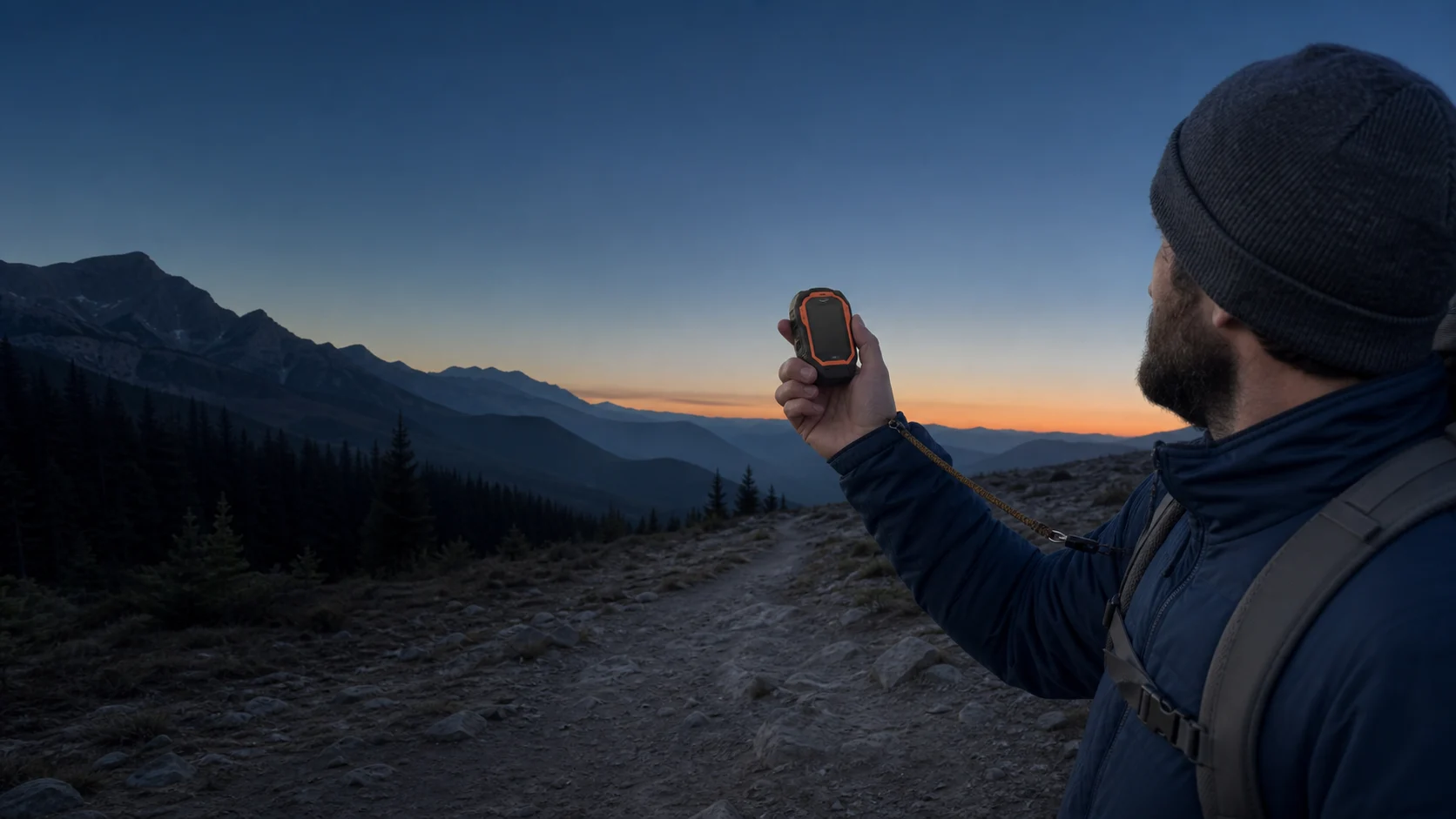
The Garmin inReach Mini 2 is a palm-sized two-way messenger. It sends and receives short texts over satellite, shares location check-ins with family and has an SOS button. It pairs with a smartphone app, so typing longer messages and viewing maps happens on the phone. It suits solo hikers, backcountry skiers, hunters and anyone whose family wants regular check-ins. Before buying, confirm the person will actually activate a service plan, because the device does very little without one. Also ask whether they already carry a phone they're happy to pair with it, and whether a small screen and button menus will suit them.
Two way satellite communicator
Perfect for those who venture into areas without cell service, enabling reliable two-way text communication with anyone, anywhere.
Personal satellite messenger device
Ideal for adventurers and remote workers who need to stay connected beyond cellular range for safety and peace of mind.
Satellite communicator with mapping
Combines global messaging with detailed topographical maps, offering comprehensive navigation and communication for serious backcountry adventurers.


Kind 2 of 2
Other compact satellite communicators
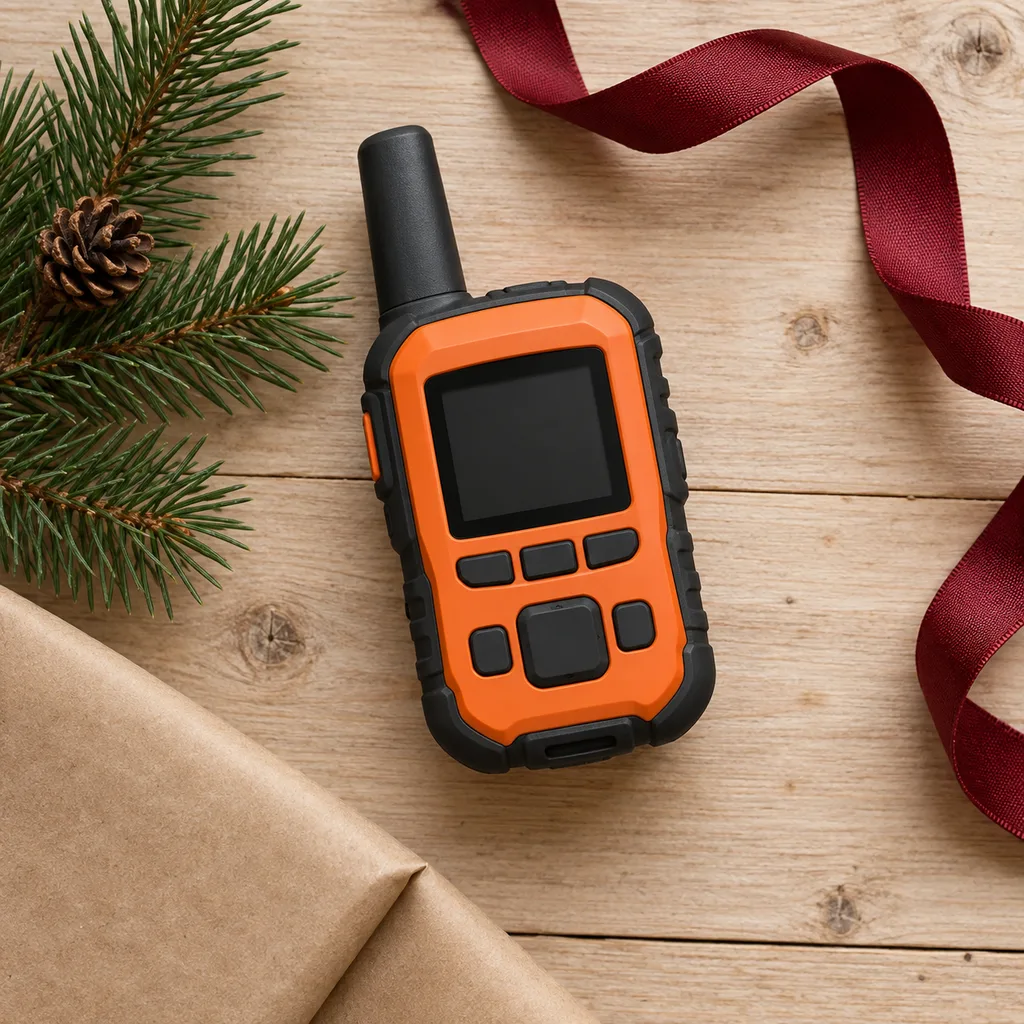
This covers the wider range of small off-grid devices. Some are basic trackers that only share location. Others are dedicated emergency beacons with no messaging. Some are wearables, some are built for boats, and some are meant to be shared by a group or family on a trip. Pick the type based on how the person travels. A paddler needs something that handles water. A group leader may want one shared unit, and a trail runner will want the lightest option. Before buying, check which satellite network it uses, whether it sends two-way messages or only one-way alerts, how long the battery lasts in cold weather and what plan it requires.
Compact satellite GPS tracker
A valuable tool for solo explorers or families wanting to monitor loved ones' locations in wilderness areas or during long journeys.
Emergency satellite locator beacon
Provides a critical lifeline for anyone engaging in high-risk outdoor activities, ensuring emergency services can be alerted and located quickly.
Group satellite communication device
Facilitates communication and tracking for small teams or groups on expeditions, ensuring everyone stays connected and accounted for in remote areas.
Marine satellite communicator
Essential for boaters, sailors, and anglers, providing reliable communication and emergency capabilities when far from shore.
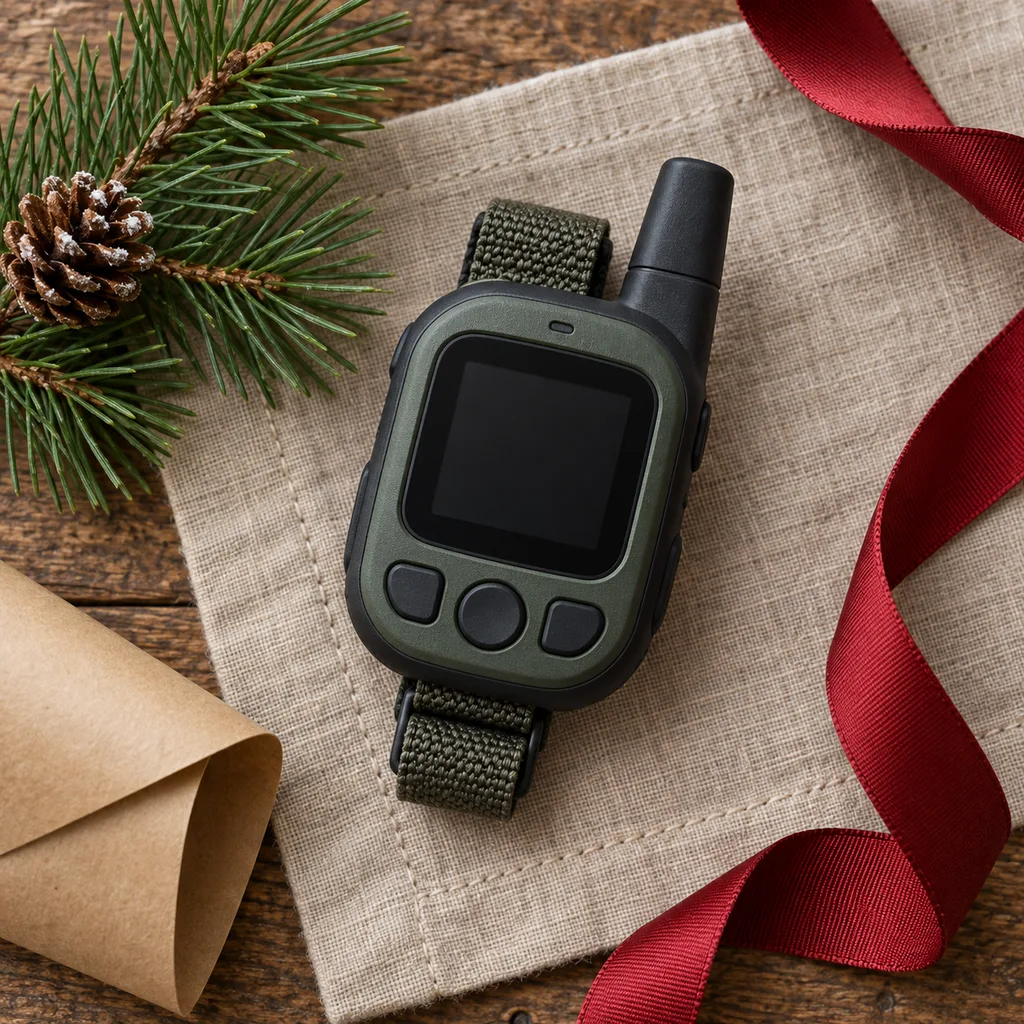
Wearable satellite messenger
A convenient and discreet option for hikers, runners, or solo travelers who want emergency communication without carrying an extra bulky device.



How to choose satellite communicators & messengers as a gift
- Ask where they actually go. A weekend on marked trails and a month in the far north call for different devices.
- Decide ahead of time who will activate and manage the service plan, and mention it in the card.
- Two-way messaging matters more than extra features to most people. Being able to get replies from home is what gets used.
- Check how it charges. A device that shares cables with their phone and headlamp is easier to keep topped up on trips.
- Choose simple controls for someone who isn't comfortable with gadgets, and do the phone pairing together before they leave.
Usually safe to skip
- Skip one-way beacons for people who mainly want to stay in touch with family. They can't receive replies or check-in messages.
- Avoid buying for someone who rarely leaves cell coverage. The device ends up in a drawer with an unused plan.
- Pass on feature-heavy models for casual users. Extra menus and settings often go unlearned and make the device harder to use in the field.
Questions people ask about satellite communicators & messengers
- Does a satellite communicator need a subscription?
- Almost always, yes. Sending and receiving messages or location updates runs over a satellite network, which needs an active service plan. Many plans can be paused or changed by the season, so check the plan options before you give the gift.
- Can a satellite messenger replace a cell phone in the backcountry?
- Not quite. It handles short texts, location sharing and SOS alerts where there's no signal, but it doesn't make regular calls or browse the web. Most people carry both and pair the messenger with their phone for easier typing.
- Is a satellite communicator a good gift for someone who hikes only occasionally?
- It can be, if their trips go beyond cell coverage and family likes to hear from them. If they stay on busy, well-connected trails, a different outdoor gift will probably get more use than a device that needs a monthly plan.
Looking for one person in particular? Shop by person.
Everything else
All satellite communicators & messengers picks
Showing 1–9 of 9