Needle nose pliers
Perfect for hobbyists and electricians, these pliers excel at reaching into tight spaces and manipulating small components with precision.
Garden & DIY
8 kinds worth knowing, 8 picks, and what to check before you buy.
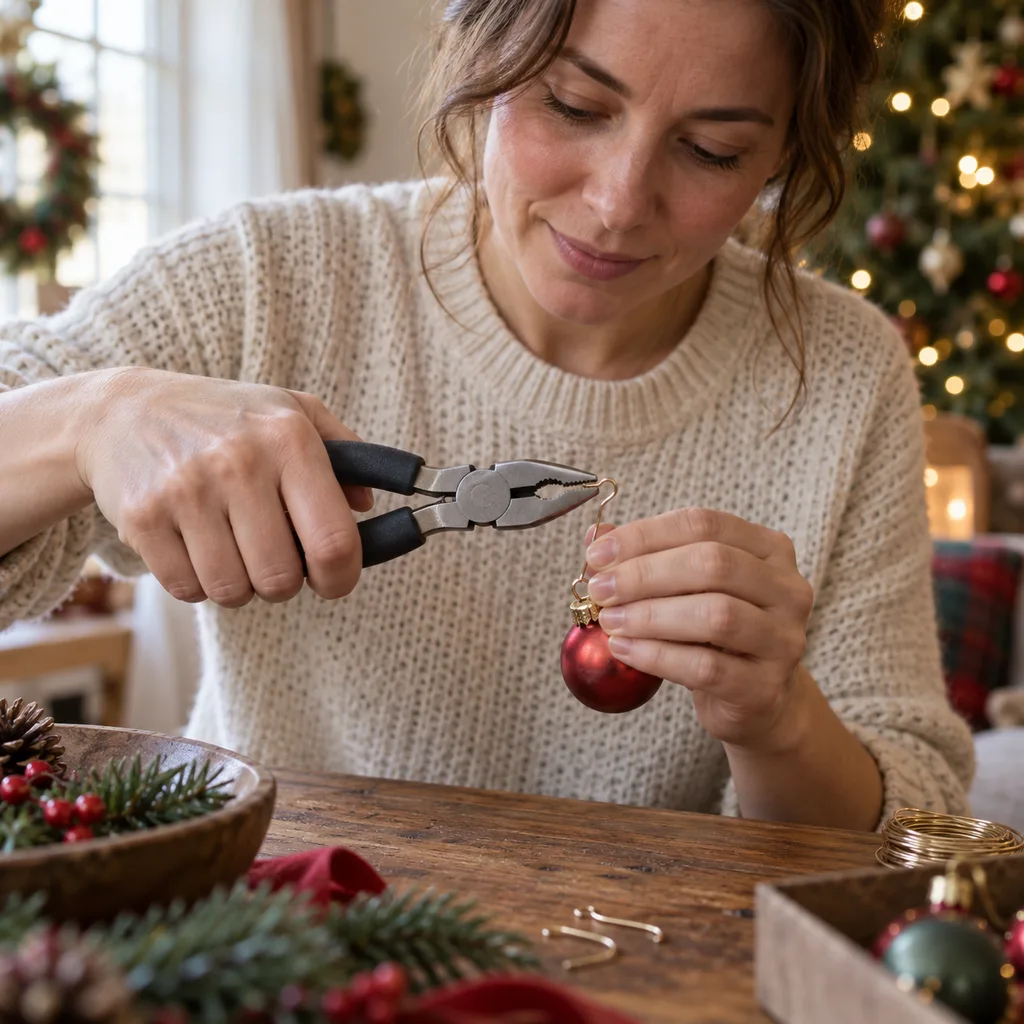
A good pair of pliers is one of the few tools that gets picked up almost every weekend. They suit the person who fixes things around the house, works on a car or bike, or keeps a fence line standing. Before you buy, think about the jobs they actually do. Someone who wires lights or builds small projects will reach for needle nose pliers. Someone who works on plumbing or older vehicles will get more out of locking pliers. It's better to fill a gap in their toolbox than to double up on a pair they already use. Comfortable grips and a solid joint matter more than a big set.
Kind 1 of 8
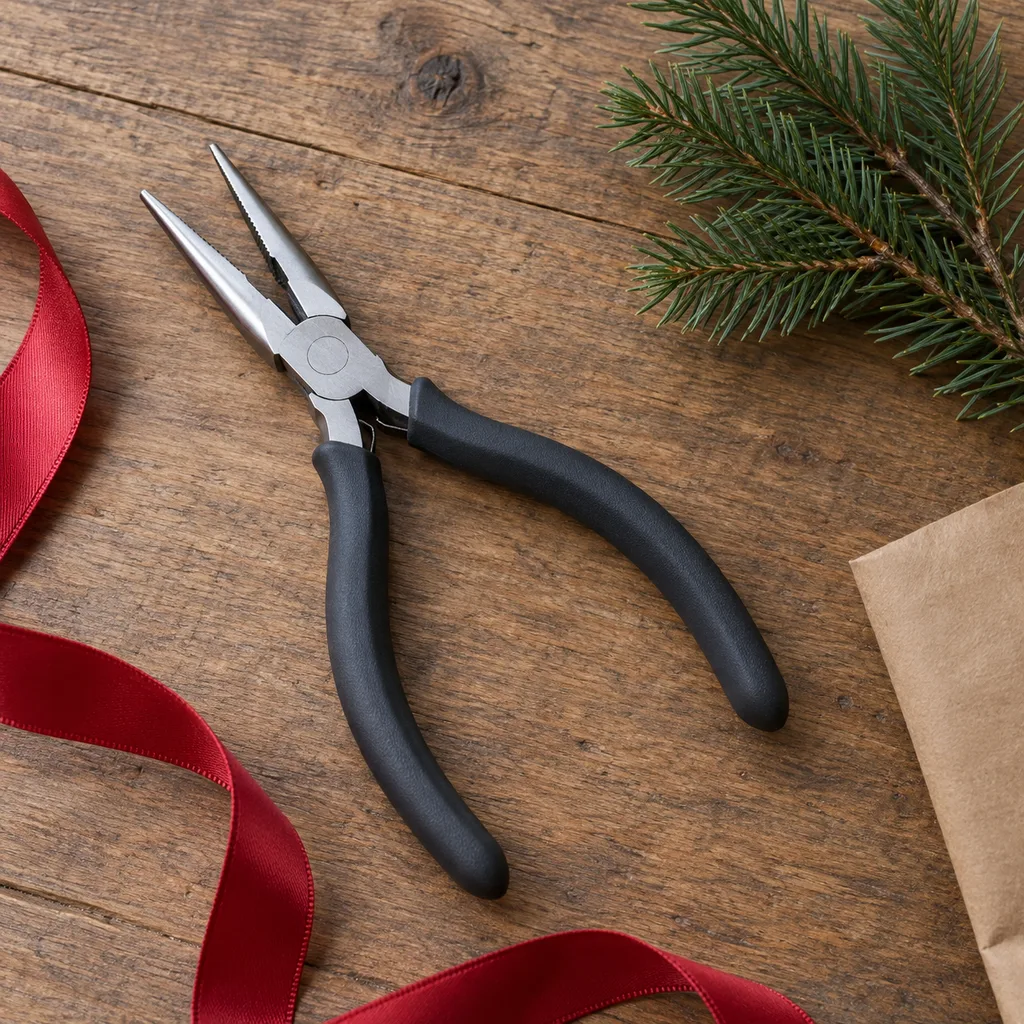
Needle nose pliers have long, tapered jaws for reaching into tight spots, bending wire into loops and holding small parts. They suit someone who does electrical repairs, jewellery or craft work, model building or small engine tinkering. Before buying, check the jaw length. Short jaws give more grip, while long ones reach farther. Look for tips that meet cleanly when closed and a built-in wire cutter near the pivot. Many people end up owning a regular pair and a bent-nose pair, so a second style can still be welcome.
Perfect for hobbyists and electricians, these pliers excel at reaching into tight spaces and manipulating small components with precision.
Kind 2 of 8
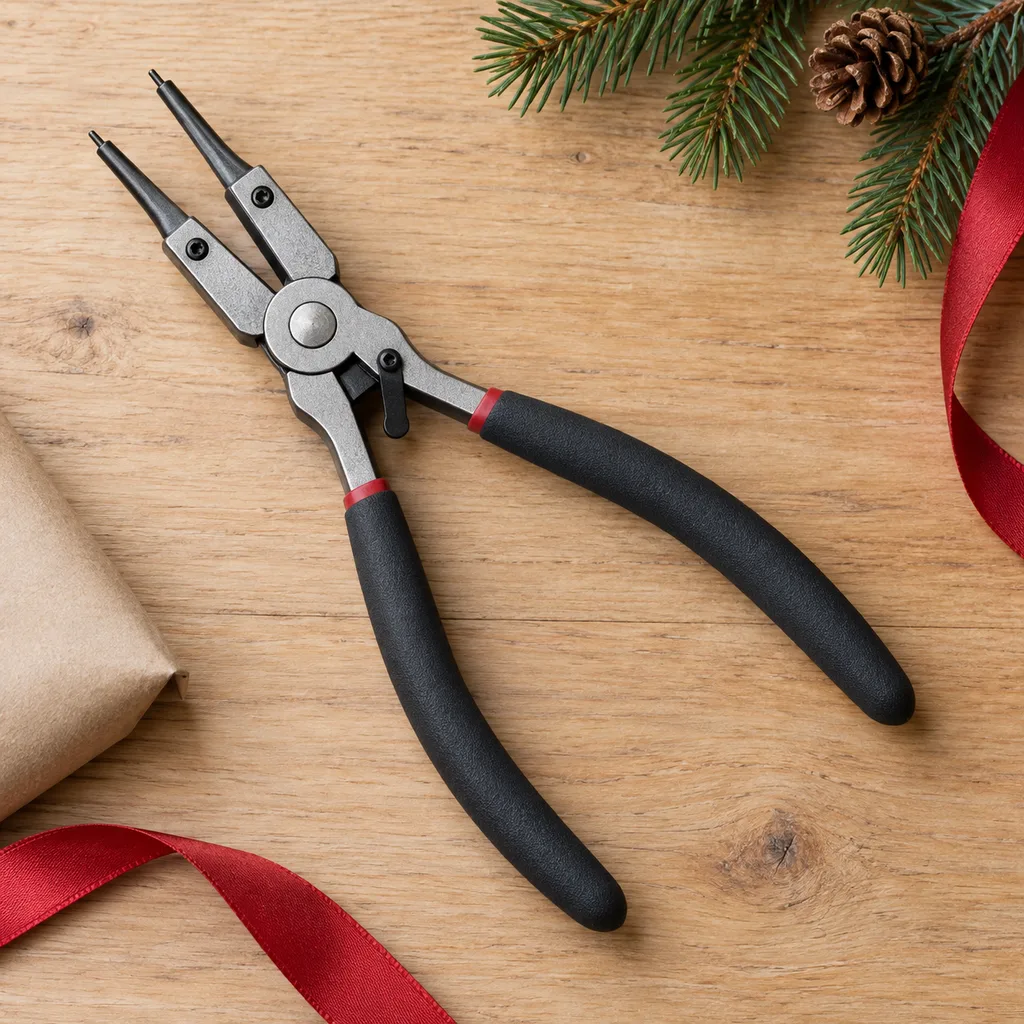
Snap ring pliers fit the small holes in retaining clips so the clips can be spread open or squeezed closed. You find those clips on axles, bearings, small engines, bikes and power equipment. These pliers suit someone who rebuilds things rather than just fixing them. Check whether the tool handles both internal and external rings, either with a switchable head or as a pair. Also look for swappable tips in straight and angled shapes. Without the right tip size, the tool won't do the job, so a set with several tips usually gets more use.
A specialized tool for mechanics and technicians, designed to safely install and remove internal or external retaining rings.
Kind 3 of 8
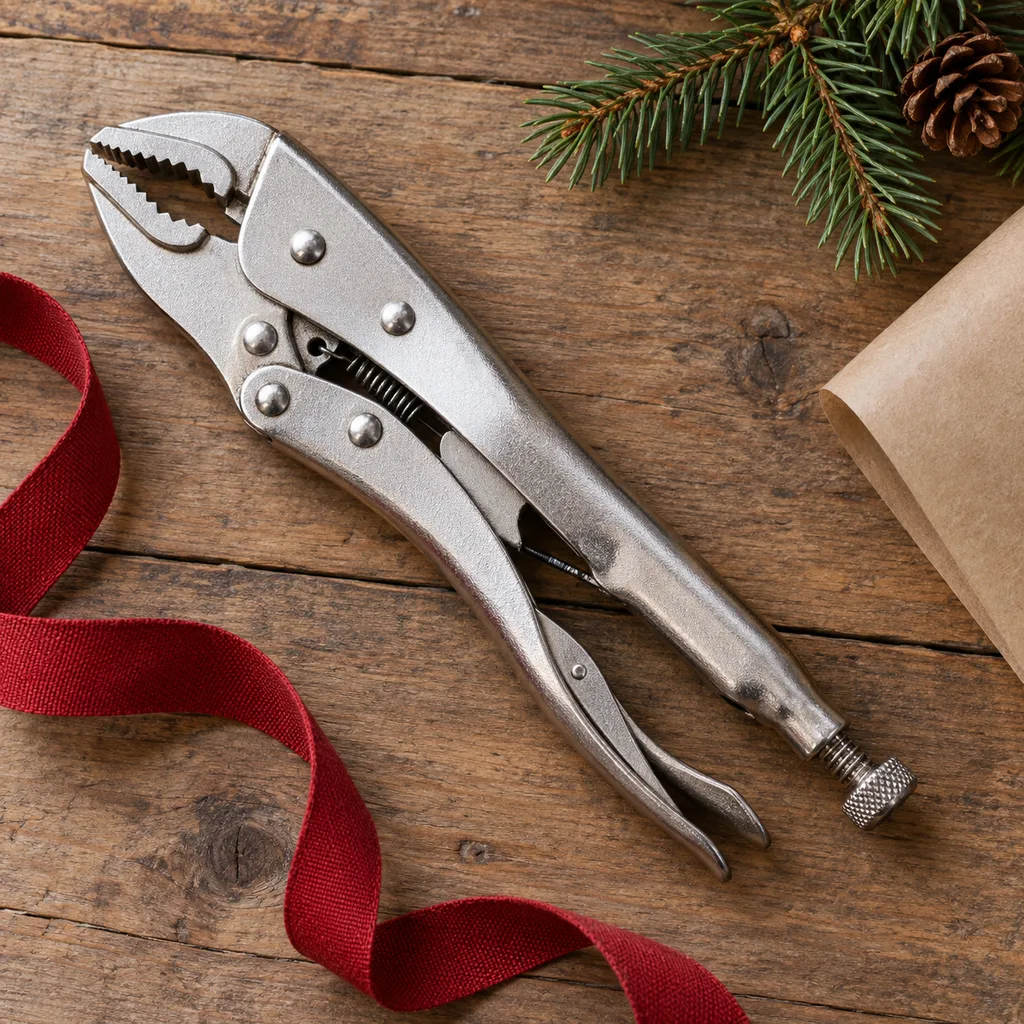
Locking pliers clamp down and stay locked, which frees both hands. People use them to grip stripped bolts, hold parts together for welding or gluing, or act as a quick temporary clamp. They suit car and farm work, plumbing and general repairs. Check for an easy-to-reach release lever and a screw adjuster that turns smoothly. Also look at the jaw shape. Curved jaws grab round stock, while straight jaws are better on flat material. If they already own a curved pair, a long-nose or straight-jaw version adds something new.
This robust tool provides a secure, hands-free grip on various materials, making it ideal for mechanics, welders, and general repair work.
Kind 4 of 8
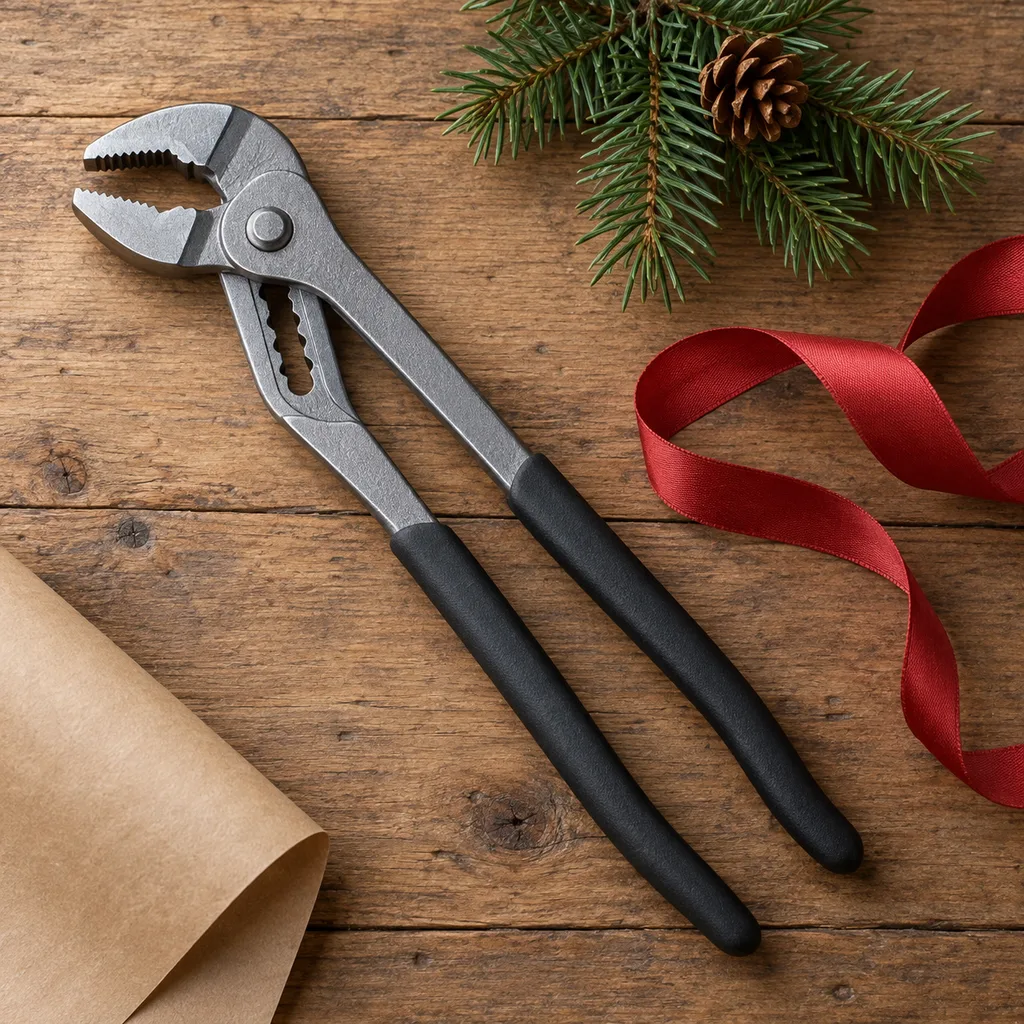
Tongue and groove pliers have a slip joint with several positions, so the jaws open wide enough to grip pipes, fittings and large nuts. They are a standard tool for plumbing under the sink, garden hose connections and general household jobs, which makes them a sensible pick for a new homeowner. Check how many jaw positions there are and whether the joint locks in place without slipping under pressure. Longer handles give more turning force. Owning two sizes, one mid-length and one large, covers most jobs around the house.
Essential for plumbers and DIY enthusiasts, these pliers offer a strong, non-slip grip on pipes, nuts, and irregularly shaped objects.
Kind 5 of 8
Adjustable pliers is a broad term for any pliers whose jaw opening can change, from simple slip-joint pliers to push-button designs that snap onto a nut. They suit someone who wants one grabbing tool for a kitchen drawer, a truck or a starter toolbox. Check how the adjustment works. Push-button styles are quicker to set, while a basic slip joint is simple and tough. Look for smooth jaws or protective covers if they work on finished fixtures, and handles that feel comfortable in a glove.
Kind 6 of 8
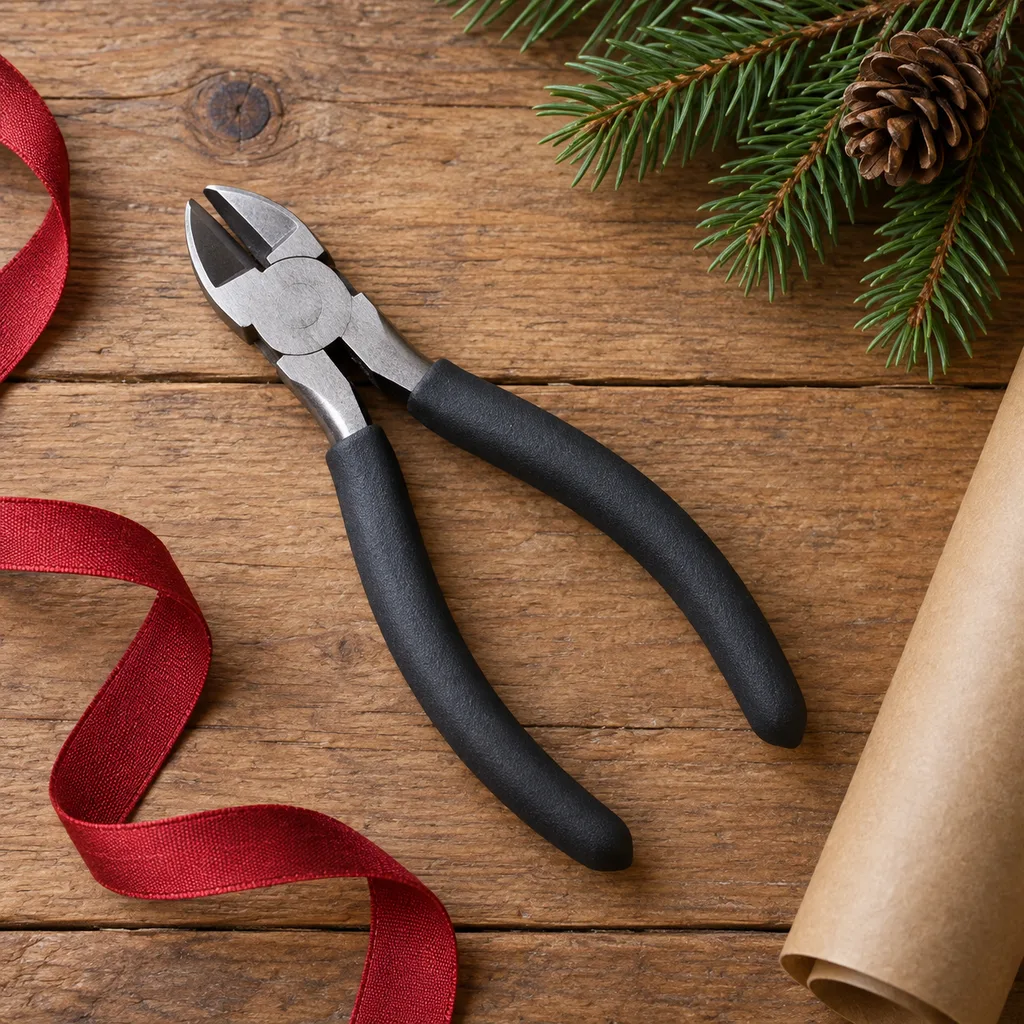
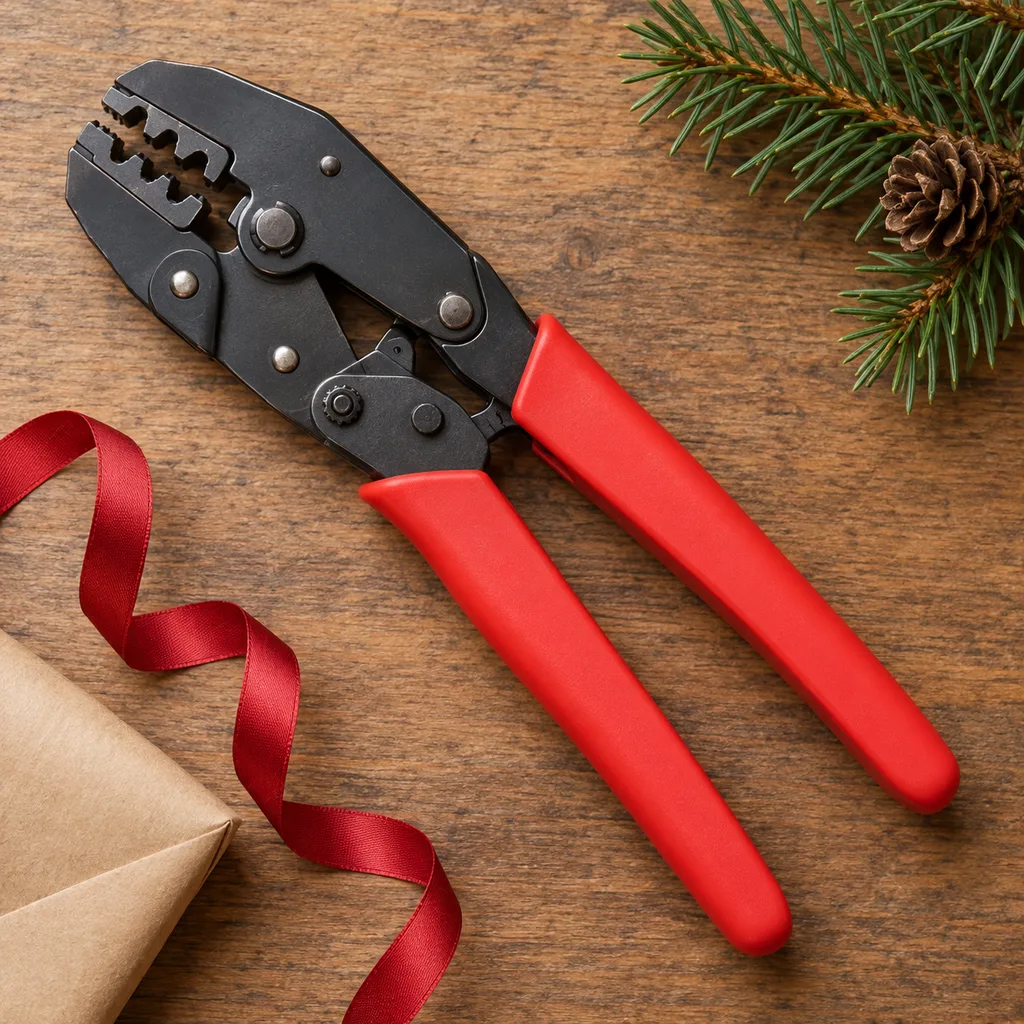
Diagonal cutting pliers, often called side cutters, have angled blades that cut wire, zip ties and small nails close to a surface. They are a daily tool for electricians and hobbyists and handy in any home toolbox. Check that the blades meet evenly along their full length and that the handles open on their own with a spring if the person does lots of repetitive cutting. If the person does wiring, crimping pliers make a natural companion for putting terminals on wire ends.
An indispensable tool for electricians and crafters, designed to cleanly snip wires and small fasteners with minimal effort.
Ideal for electricians and hobbyists, these pliers create secure, reliable connections for electrical terminals and connectors.
Kind 7 of 8
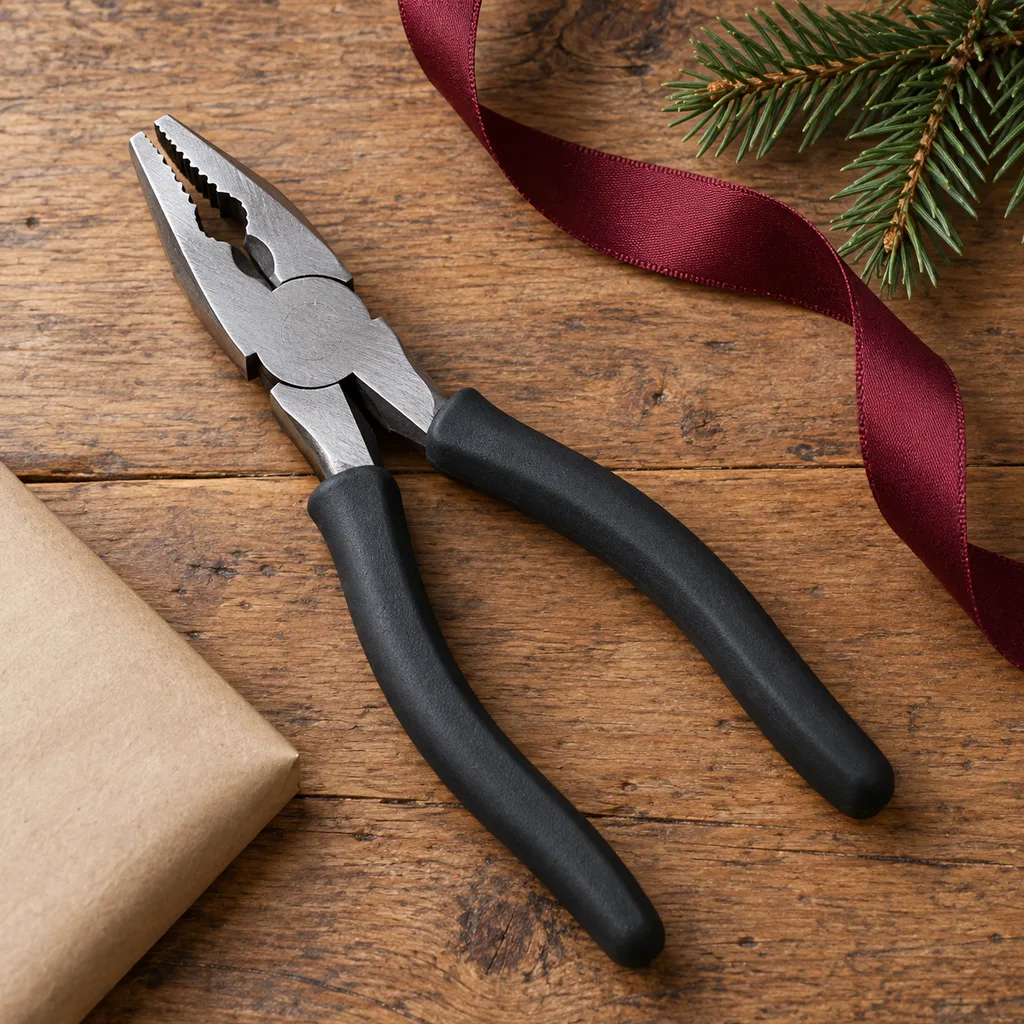
Combination pliers put flat gripping jaws, a rounded section for holding pipe or bolts, and a side cutter into one tool. They suit someone setting up a first toolbox, a cottage or camper kit, or anyone who prefers to carry one pair instead of three. Check that the gripping teeth are crisp and that the cutter sits close to the pivot for more leverage. Comfortable, non-slip handles make a real difference on a tool that gets used for everything.
This versatile tool suits anyone needing a reliable grip, cut, and bend solution for various household and workshop tasks.
Kind 8 of 8
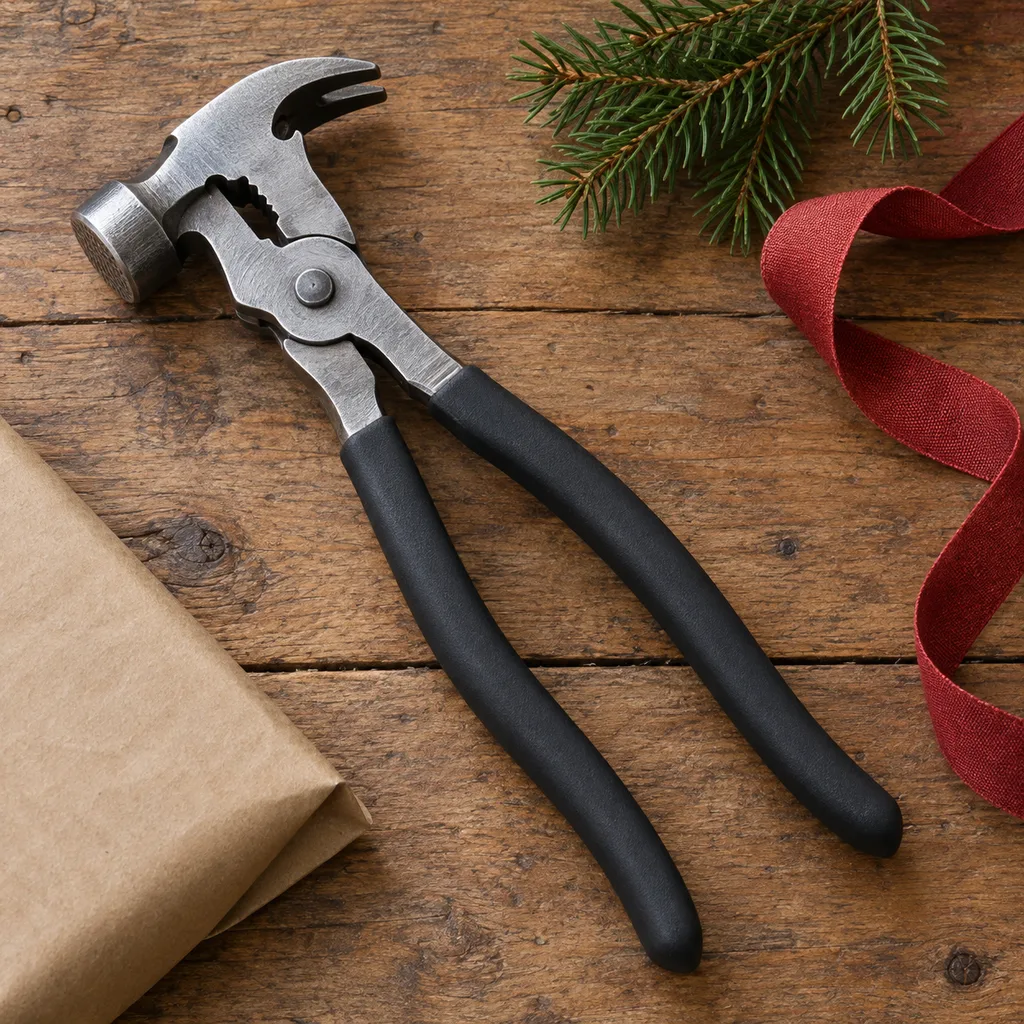
Fencing pliers look unusual, with a hammer face, a pointed claw for pulling staples, wire cutters and gripping jaws all on one tool. They are made for building and mending wire fences, so they suit people with farms, hobby acreage, horse paddocks or big rural lots. Check that the cutters can handle the wire gauge they use and that the hammer face is flat and solid. Heavier pliers drive staples more easily, while lighter ones are easier to carry along a long fence line.
A robust, multi-functional tool perfect for farmers and property owners, designed for building and repairing wire fences.
Looking for one person in particular? Shop by person.
Everything else
Showing 1–8 of 8