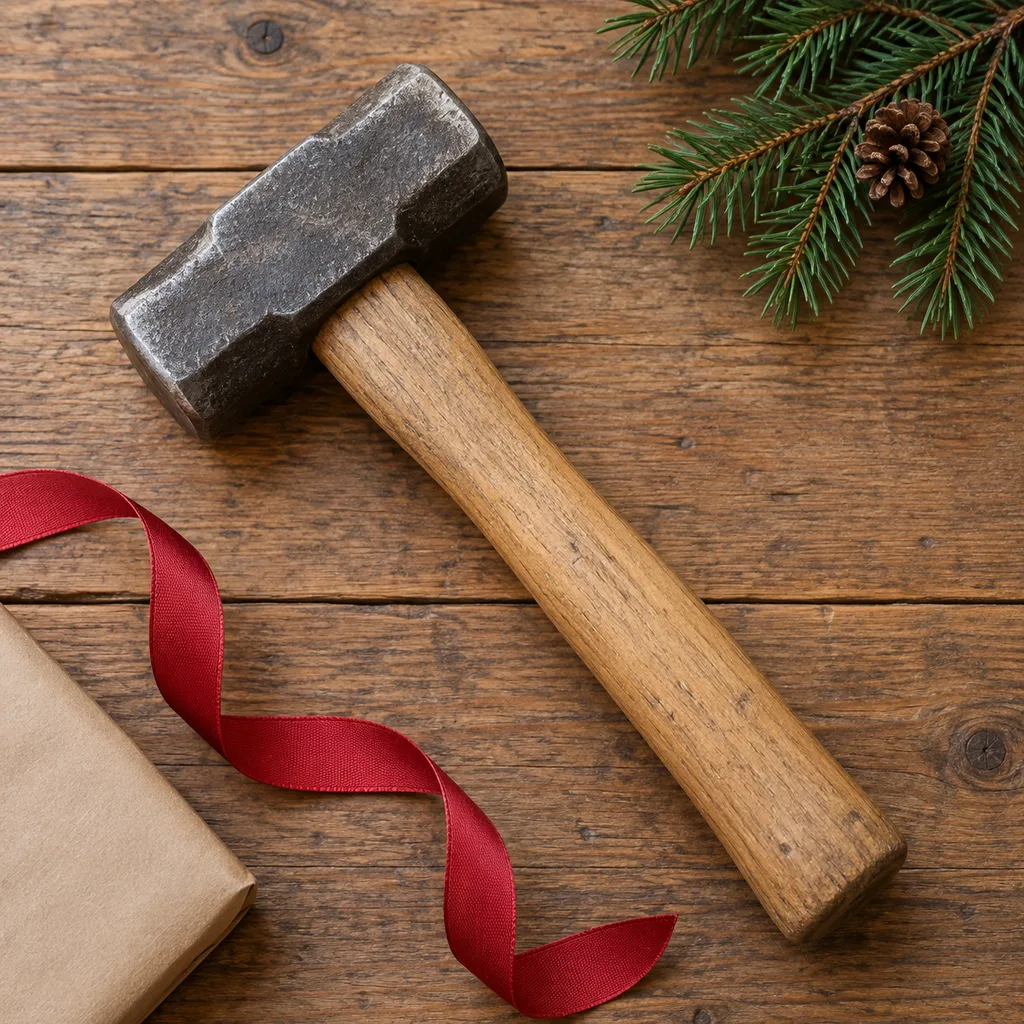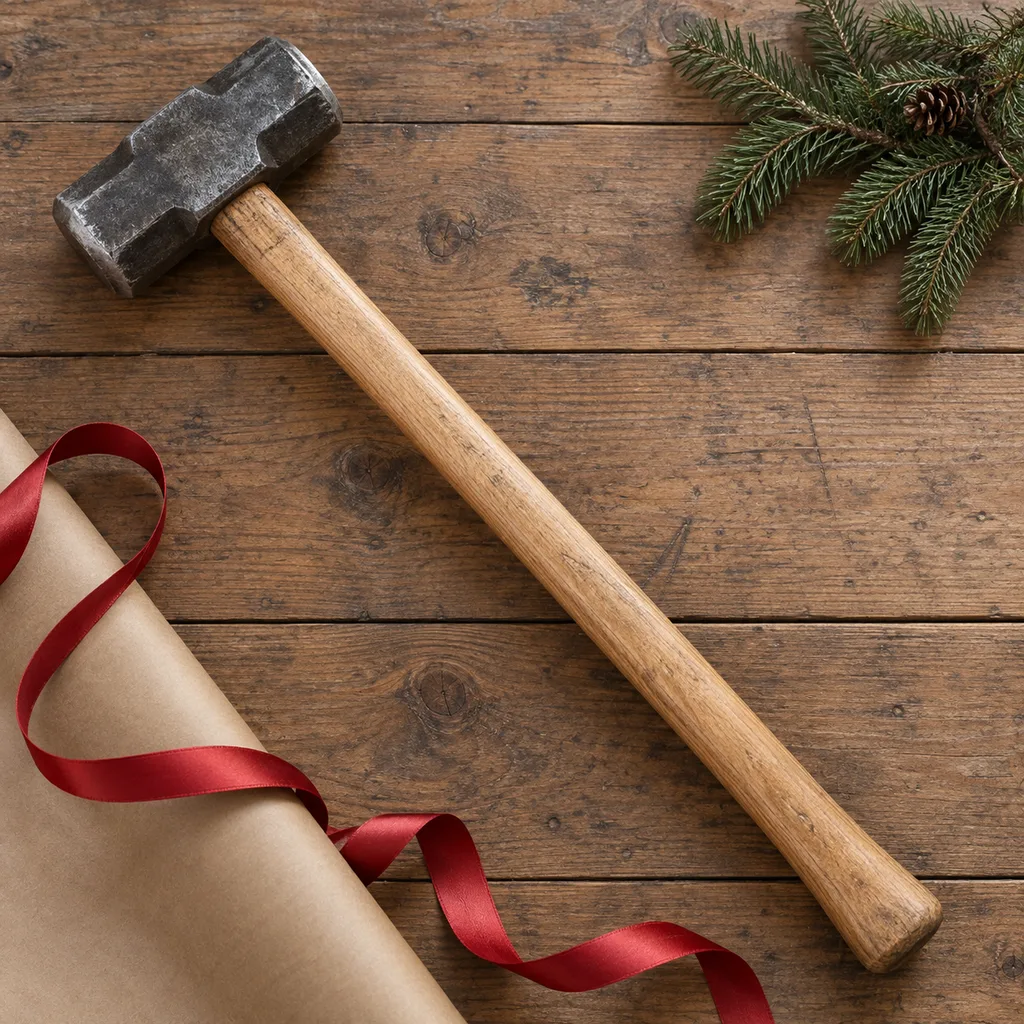
Demolition sledgehammer
This powerful tool is built for breaking concrete, driving stakes, and other heavy demolition work, ideal for robust outdoor or renovation projects.
Garden & DIY
8 kinds worth knowing, 8 picks, and what to check before you buy.

Hammers make good gifts for people who fix things, whether that's a new homeowner hanging shelves or someone who builds decks on weekends. The hammers that get used most are the ones that fit the jobs the person actually does. A claw hammer covers most jobs around the house. A rubber mallet is handy for furniture assembly, patio stones and anything that dents easily. Before you buy, think about their projects: framing, metalwork, demolition or light repairs. Then look at weight and handle material. Someone who already owns a basic hammer will usually like a specialty one they don't have more than a second copy of the one in the drawer.
Kind 1 of 8
A sledgehammer has a heavy, flat-faced head on a long handle. It's used to break concrete, drive stakes and posts, and knock down walls during renovations. It suits someone clearing a yard, building a fence or tearing out an old basement. Heads range from a few pounds to much heavier, and heavier isn't always better if the person swings it all afternoon. A short-handled club hammer does similar work in tight spaces, like setting chisels or tapping in stakes. Before buying, match the head weight to the person and check how the head is fixed to the handle.
This powerful tool is built for breaking concrete, driving stakes, and other heavy demolition work, ideal for robust outdoor or renovation projects.
A short-handled, heavy-headed hammer ideal for striking cold chisels, masonry nails, and light demolition in confined spaces.
Kind 2 of 8
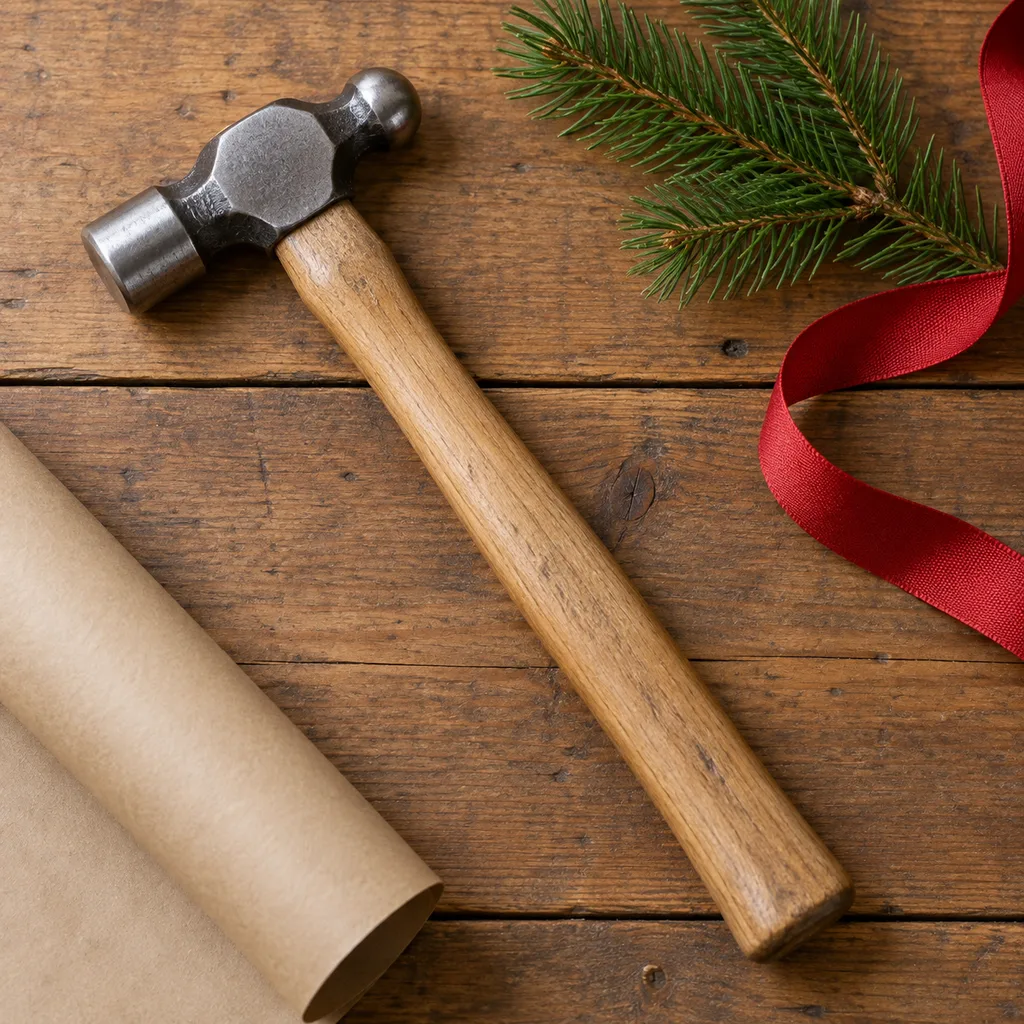
A ball peen hammer has one flat face and one rounded face. It's the standard hammer for metalwork: shaping sheet metal, setting rivets and striking punches. It suits hobby machinists, blacksmiths, jewellery makers and anyone who works on cars or engines. It's not meant for driving nails, so don't buy it as someone's only hammer. Check the head weight: lighter heads suit fine detail work, and heavier ones suit shaping and striking. Also look at whether the handle is wood, fibreglass or steel, since each feels different over a long session.
An essential tool for metal shaping, riveting, and striking punches, suitable for hobbyists and professionals working with metal.
Kind 3 of 8
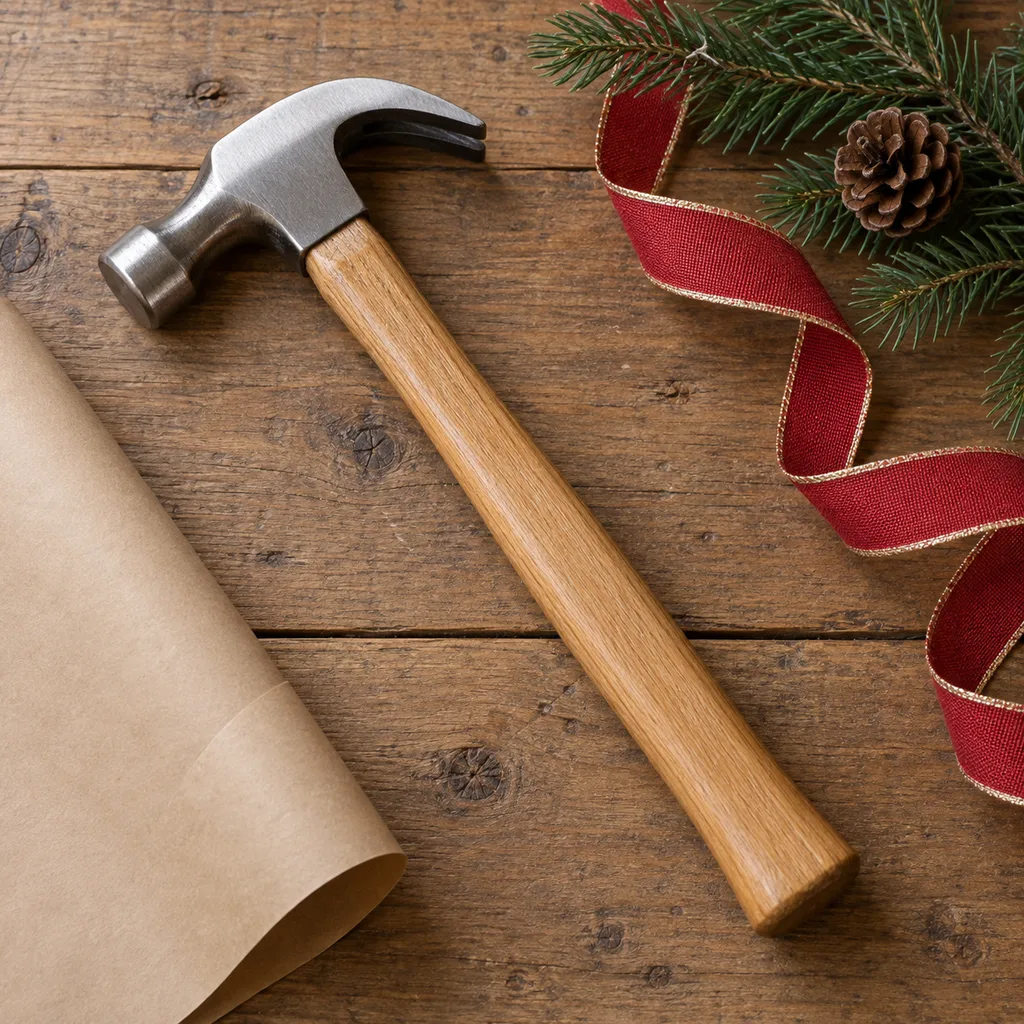
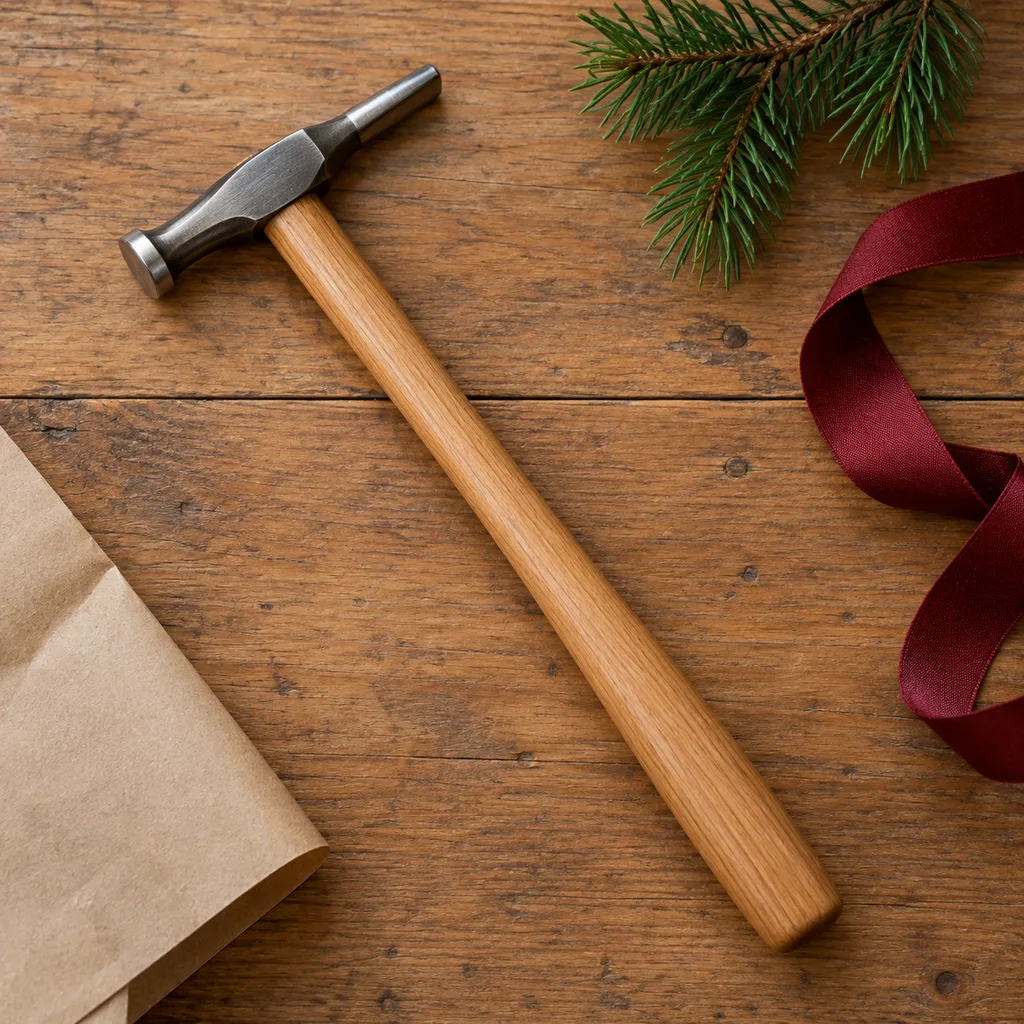
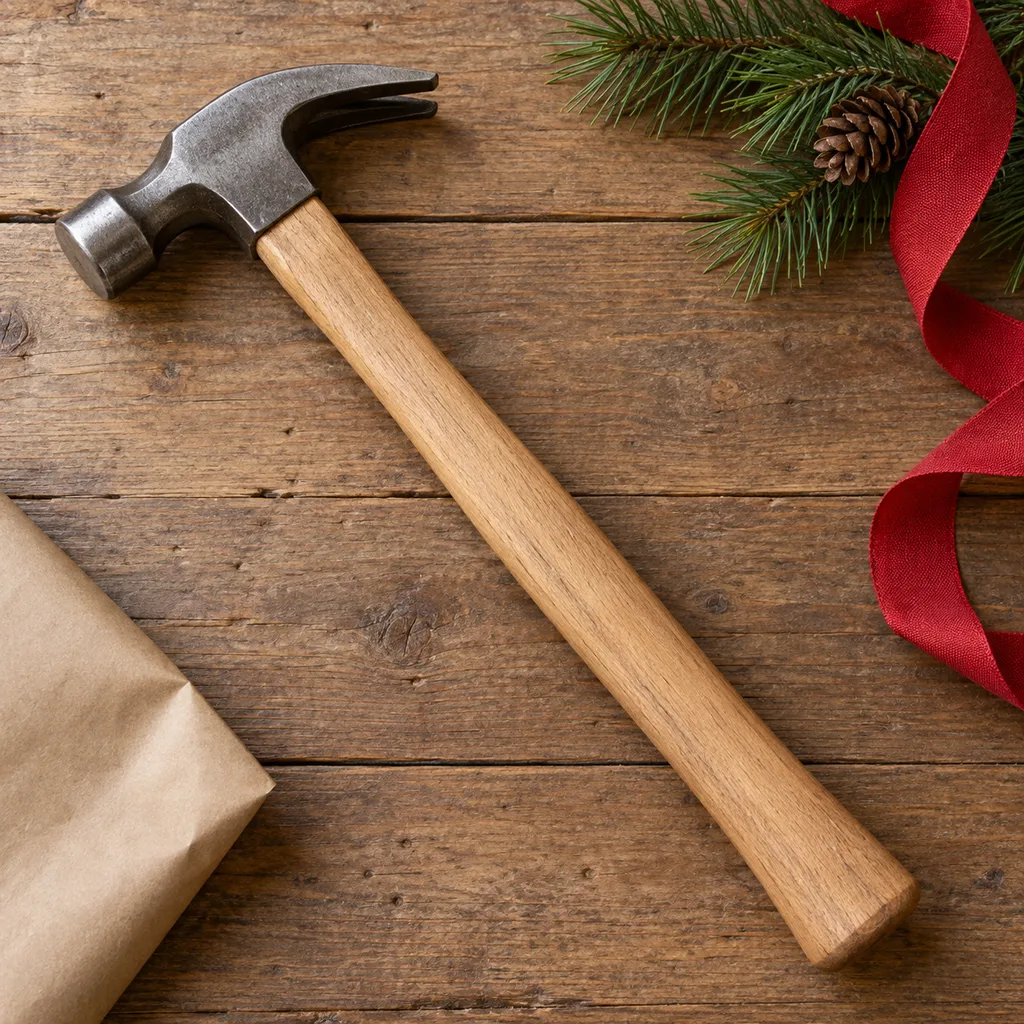
A claw hammer drives nails with one side and pulls them with the other. It's the hammer most households reach for first, which makes it a sensible gift for a new homeowner, a student in a first apartment or anyone putting a starter tool kit together. Curved claws are better for pulling nails, and straighter claws are better for prying boards apart. For small jobs like upholstery, picture hanging or trim, a light tack hammer is more precise. Before buying, check the grip size and overall weight, and find out whether they already own a good one.
This versatile tool is ideal for general household repairs and DIY projects, perfect for anyone who enjoys fixing things around the house.
A specialized tool for delicate tasks like securing upholstery tacks or small nails, perfect for crafters and furniture restorers.
Kind 4 of 8
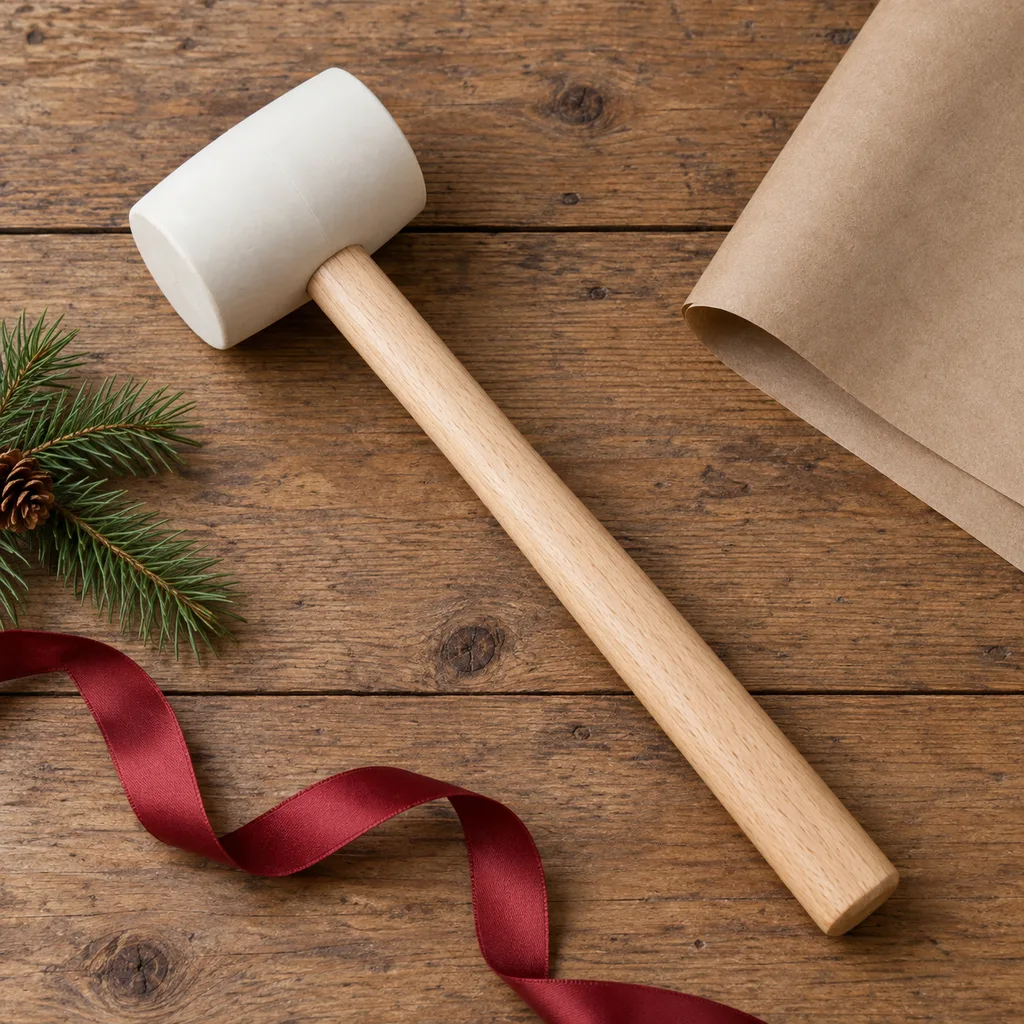
A rubber mallet has a soft head that taps things into place without leaving marks. People use it for flat-pack furniture, laying pavers and patio stones, tent pegs, flooring and loosening stuck parts. It's a practical gift for new homeowners, campers and anyone who assembles furniture often. Before buying, check the head colour: black rubber can leave scuffs on light surfaces, while white or grey heads usually don't. Also check the head size, since a larger head spreads the force over a wider area.
Perfect for tasks requiring a gentle touch, this mallet helps assemble furniture or tap delicate surfaces without causing damage.
Kind 5 of 8
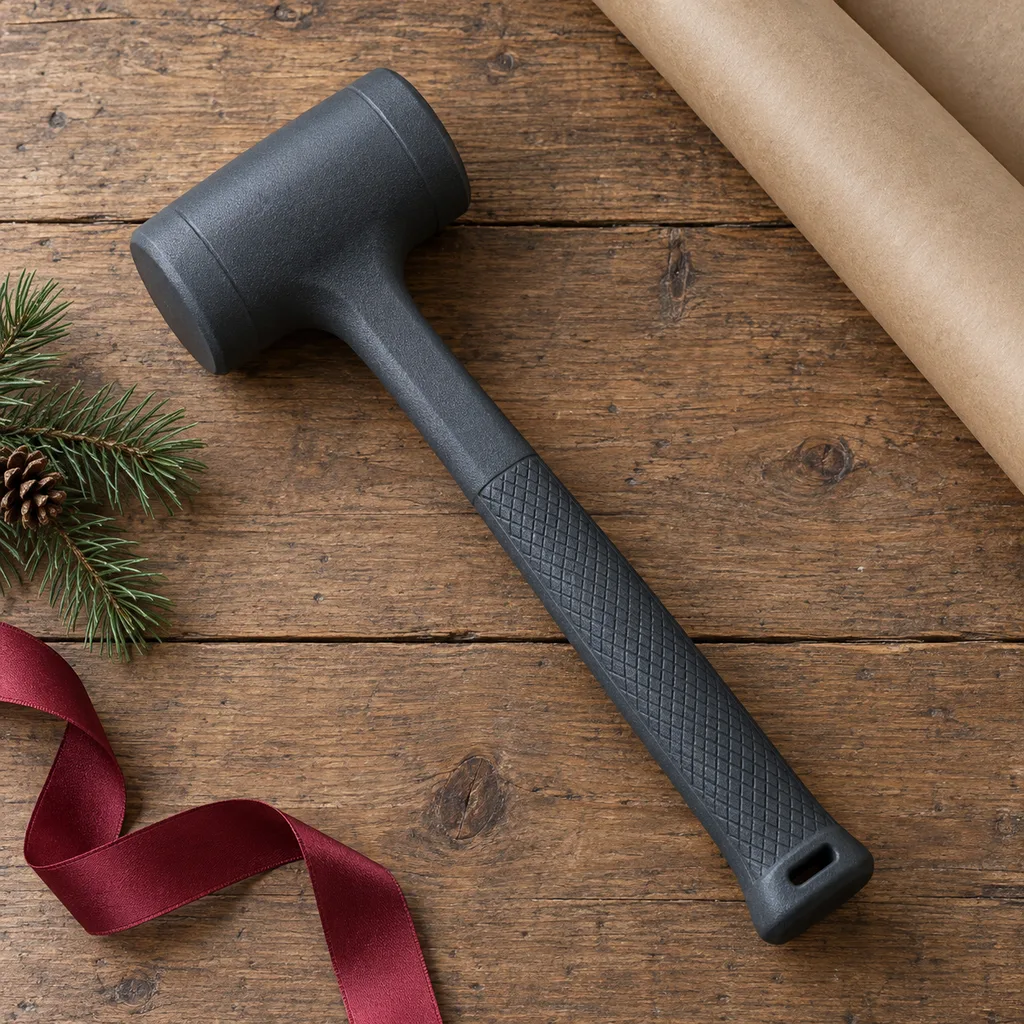
A dead blow hammer has a hollow head partly filled with shot or sand, so it barely bounces back after a strike. That controlled hit is useful for auto work, woodworking joints, machinery setup and seating parts without marring them. It suits mechanics, woodworkers and people who restore equipment. Most have a polyurethane coating that's gentler on surfaces than steel. Before buying, check the head weight and whether the faces are replaceable. Also consider whether they'd use it at a workbench or in a garage bay.
Engineered to deliver maximum force with minimal rebound, this hammer is excellent for automotive work, machinery assembly, and striking chisels.
Kind 6 of 8
A framing hammer is a bigger, heavier cousin of the claw hammer. It has a longer handle, a straight claw and often a milled face that grips nail heads. It's made for building walls, decks, sheds and other structural work where lots of large nails go in. It suits carpenters, contractors and serious DIY builders more than people who hang the odd picture. Keep in mind that a milled face leaves marks on wood, which matters for finish work. Check the head weight and handle length, since both change how it swings.
Designed for construction and heavy-duty woodworking, this hammer offers powerful striking force for large nails and demolition tasks.
Kind 7 of 8
A demolition hammer is usually a powered tool that breaks up concrete, tile, brick and masonry with a chisel bit, without the rotation a drill has. It suits someone doing a major renovation, removing an old patio or chipping out bathroom tile. It's a large, specialized tool, so it makes the most sense as a gift when a big project is already planned. Before buying, check whether it's corded or battery-powered, which bit style it takes, and whether the person already owns batteries from a particular tool system.
Kind 8 of 8
Mallets have wide heads of wood, rawhide, nylon or rubber. They're used to strike chisels, assemble joinery and shape leather or soft metal without damaging the tool or the work. They suit woodworkers, leatherworkers and hobbyists who work at a bench. A wooden or round carver's mallet is traditional for chisel work, while nylon and rawhide faces are common in leathercraft and metal forming. Before buying, find out which craft the person does, since the right face material depends on it. Also check the head weight against the tools they strike.
Looking for one person in particular? Shop by person.
Everything else
Showing 1–8 of 8