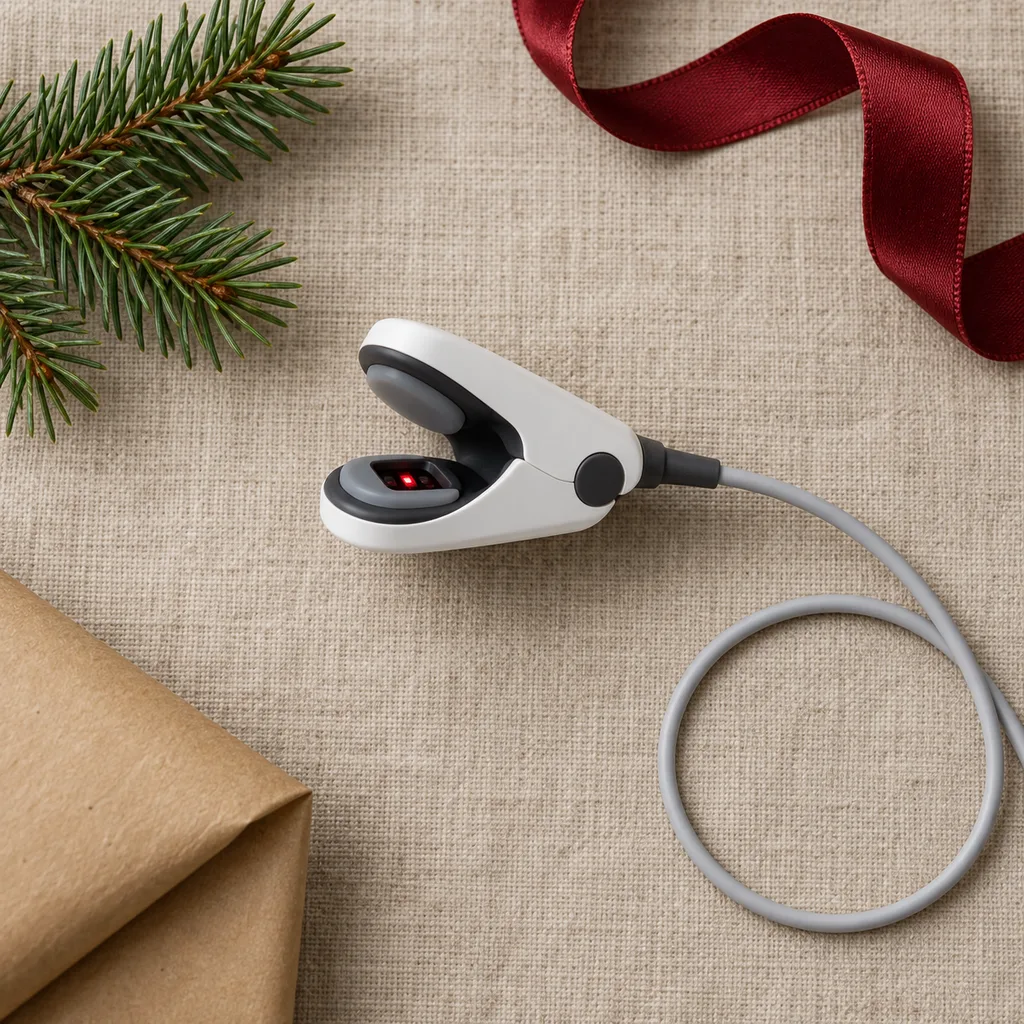
Clip-on earlobe heart rate sensor
A discreet and lightweight option for monitoring heart rate, often used for specific fitness equipment or relaxation exercises.
Tech & Gadgets
6 kinds worth knowing, 7 picks, and what to check before you buy.
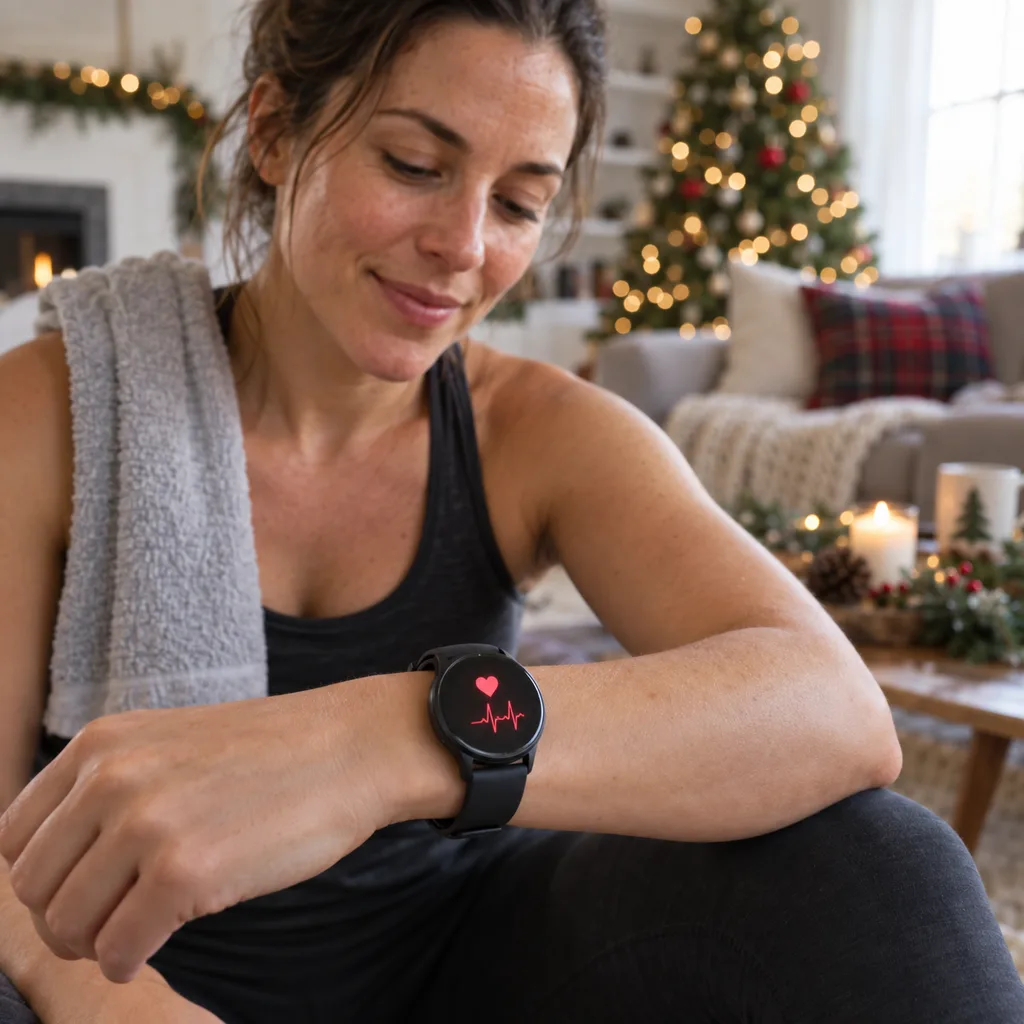
A heart rate monitor usually goes to someone who already trains: a runner who logs every kilometre, a cyclist chasing a steadier pace, or a gym regular who wants to know when to push and when to ease off. The ones that get used are the ones that fit how that person already trains. A chest strap heart rate monitor suits someone who cares about precise numbers during hard efforts. A wrist heart rate monitor suits someone who wants readings all day without thinking about it. Before you pick, find out which app, watch or bike computer they already use. A monitor that pairs with their current setup will get worn. One that asks them to start over tends to stay in the box.
Kind 1 of 6
A standalone heart rate sensor picks up the pulse and sends it to a phone, watch, bike computer or gym machine. It has no screen of its own, so it only makes sense for someone who already has a device to show the numbers. Before buying, check which wireless connections their gear supports. Most sensors use Bluetooth, ANT+ or both, and a sensor that can't talk to their watch or app won't be much use. Clip-on earlobe styles suit indoor rowing or stationary bikes, where moving around is limited.
A discreet and lightweight option for monitoring heart rate, often used for specific fitness equipment or relaxation exercises.
Kind 2 of 6
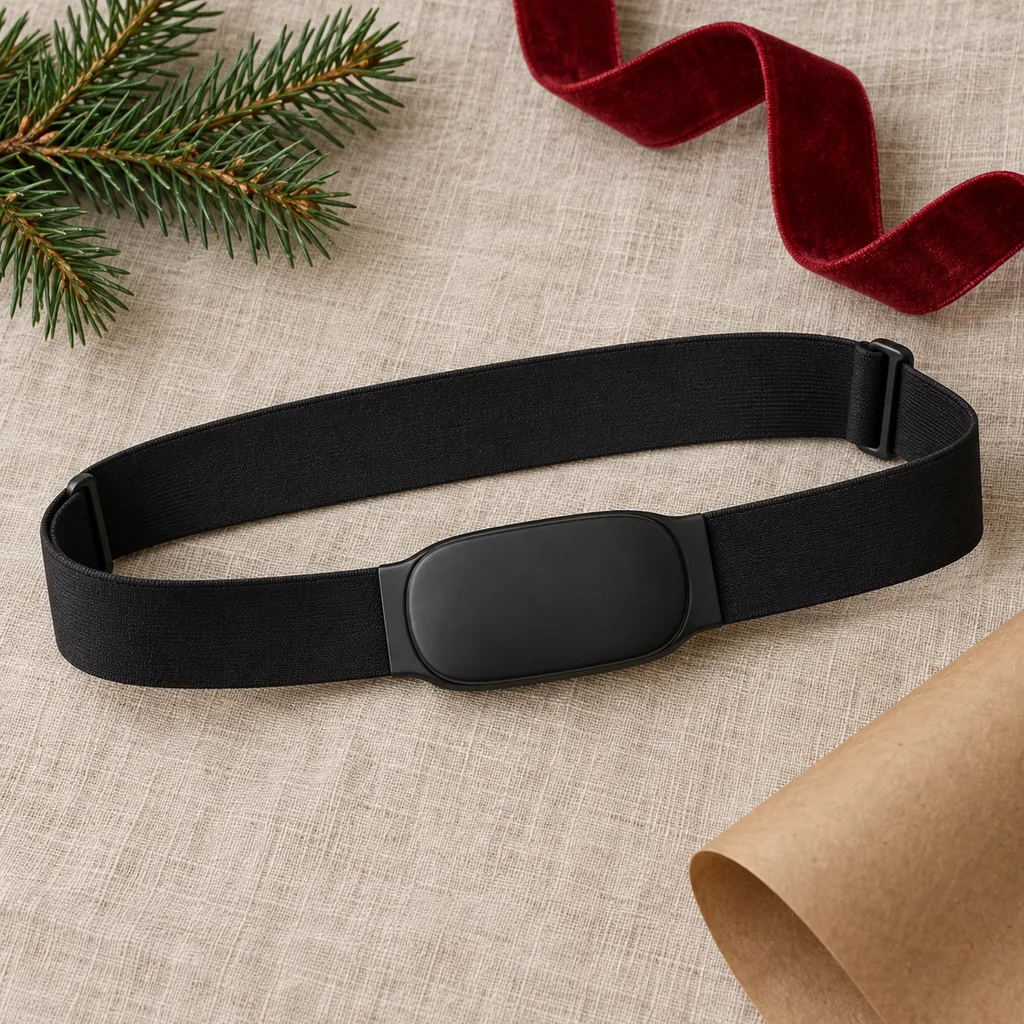
A chest strap sits just below the chest muscles and reads the heart's electrical signal. It responds quickly to sudden changes in effort, which is why interval runners, cyclists and triathletes tend to prefer one. It suits someone who follows heart rate zones closely. Check the strap size range, whether the strap can be washed, and whether the battery is easy to replace. Some people find a strap uncomfortable on long sessions. If they've complained about that before, look at an armband instead.
This device offers highly accurate heart rate data for serious athletes and fitness enthusiasts during intense training sessions.
Kind 3 of 6
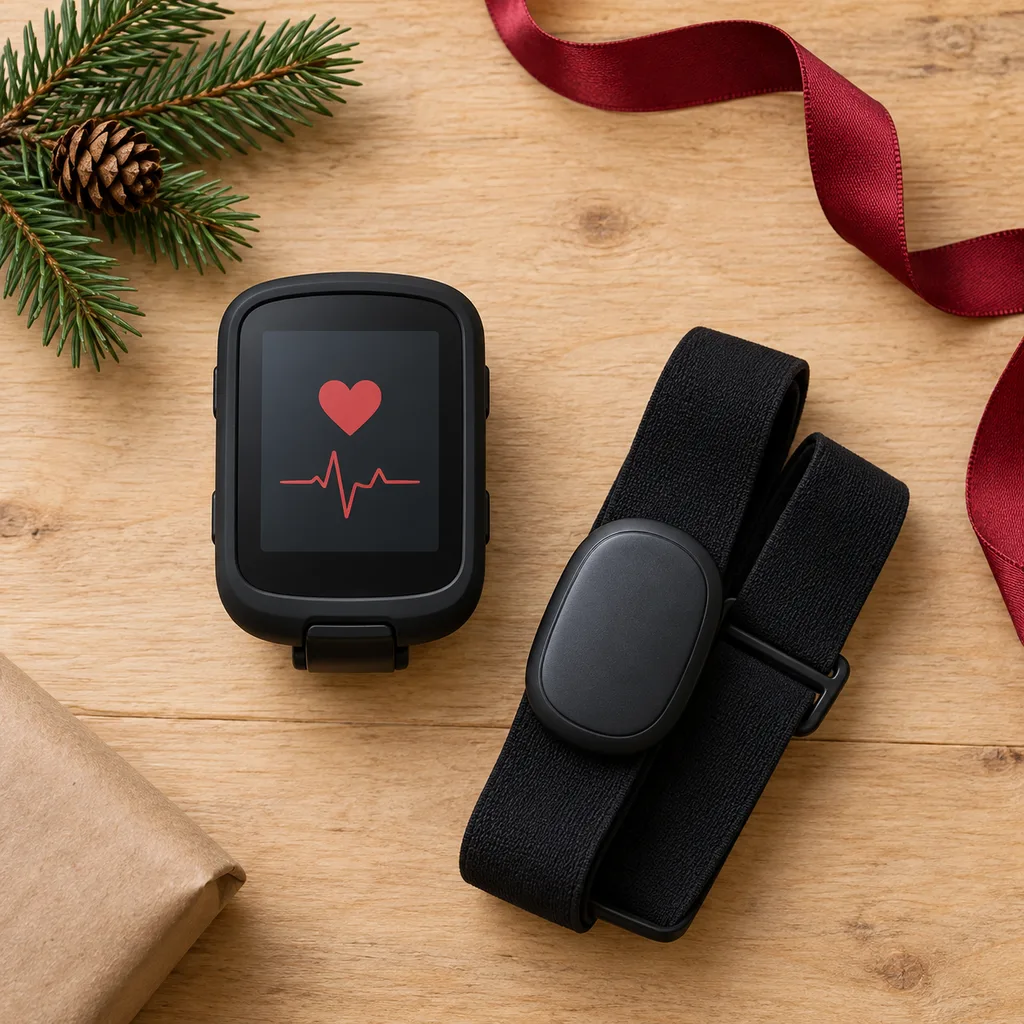
A fitness heart rate monitor is set up for workouts rather than all-day wear. It tracks effort during a run, ride or class and shows it where the person can see it mid-session. For cyclists, a bike computer that accepts heart rate input puts pulse, speed and distance on one screen mounted to the handlebars. Before buying, find out what sport they mainly do and which training app they already use. Then check that the device can send its data to that app.
Essential for cyclists, this device displays real-time heart rate alongside speed, distance, and other cycling metrics.
Kind 4 of 6
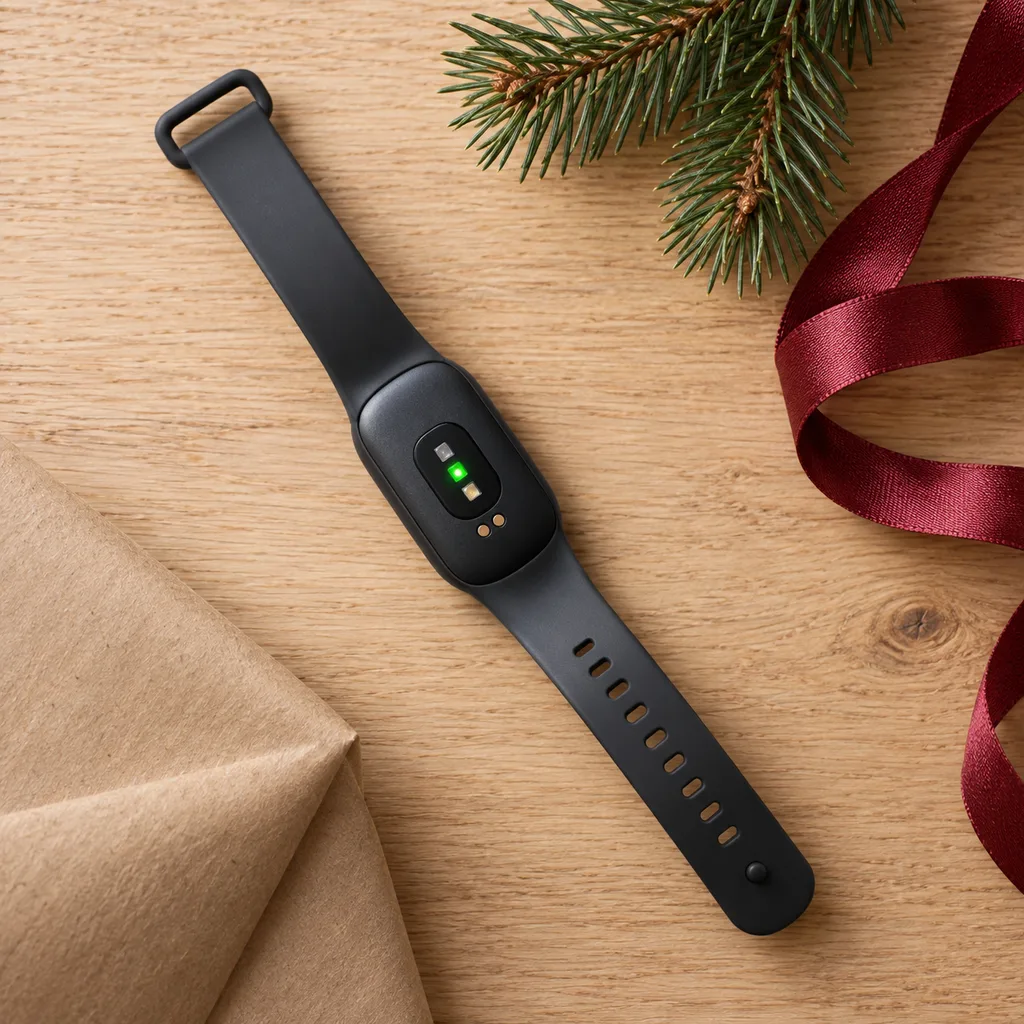
A heart rate tracker is usually a slim band that records pulse throughout the day and night, along with steps, sleep and activity. It suits someone who is curious about their habits more than their race times, or someone just getting into regular exercise. Check battery life, because charging every day gets tiresome. Also check whether the companion app works on their phone and whether the band is comfortable enough to sleep in.
Perfect for individuals focused on tracking steps, sleep, and heart rate, offering essential health metrics in a compact design.
Kind 5 of 6
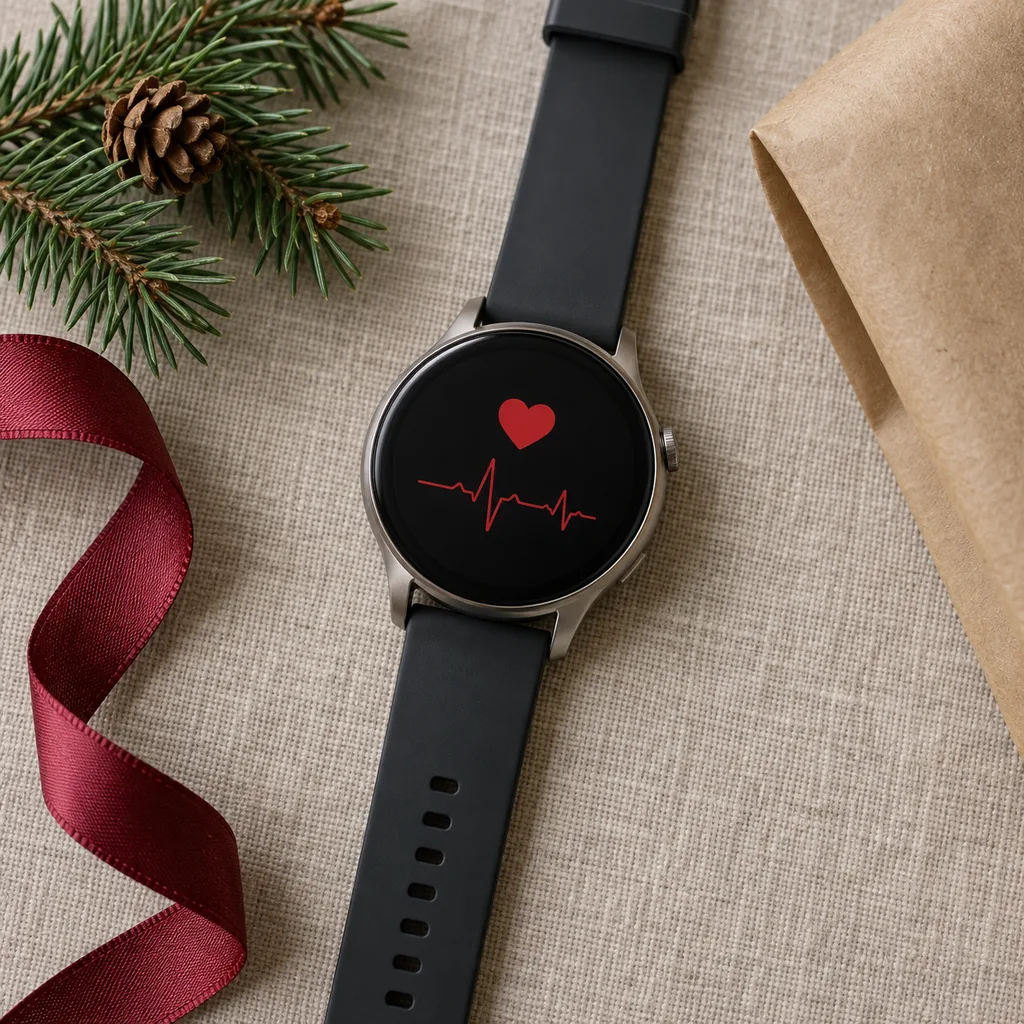
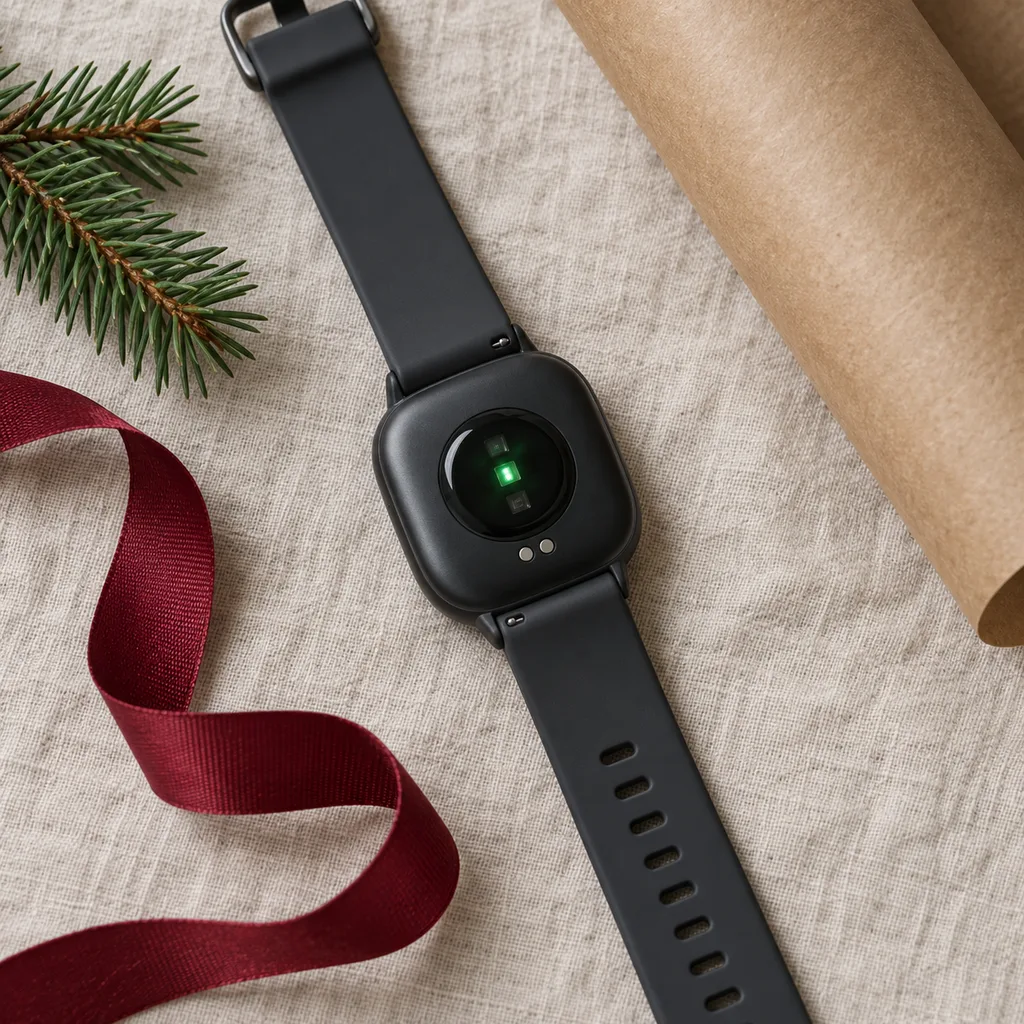
A wrist heart rate monitor uses light sensors on the back of the watch or band to read pulse through the skin. It's the easiest option to live with because there's nothing extra to put on. A smartwatch adds notifications, GPS and apps. Wrist readings can lag during fast intervals or weightlifting, so this style suits steady cardio and everyday wear best. Check that it works with their phone, how big it is on a smaller wrist, and how often it needs charging.
A versatile gadget that combines daily notifications, activity tracking, and continuous heart rate monitoring for a tech-savvy individual.
A convenient option for daily activity tracking and moderate workouts, providing continuous heart rate insights without a chest strap.
Kind 6 of 6
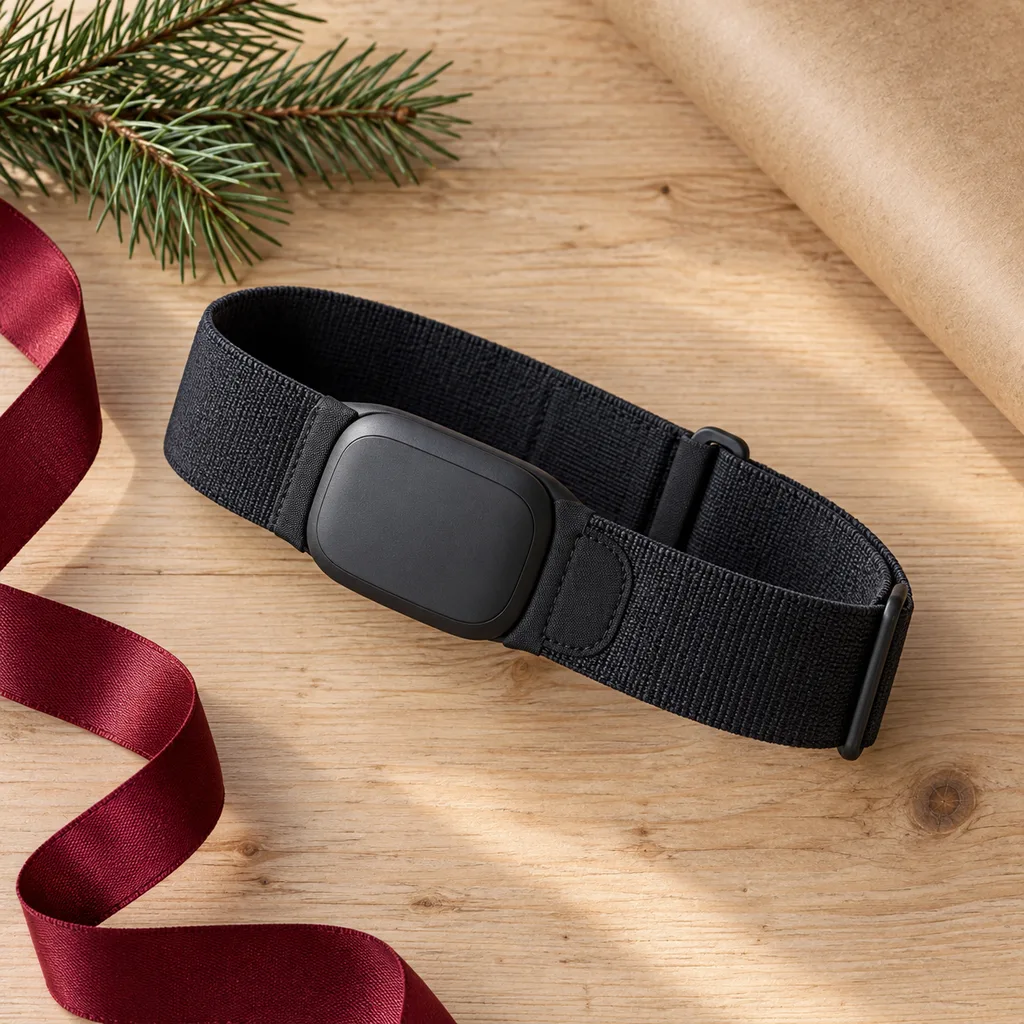
An armband heart rate monitor sits on the forearm or upper arm and uses a light sensor, like a watch, but in a spot that moves around less. Many people find it steadier than a wrist reading and more comfortable than a chest strap, especially on long rides, in spin classes or in the weight room. It suits someone who has given up on a chest strap. Check the band length, whether the fabric can be washed, and whether it connects to their watch or app.
This comfortable alternative to chest straps provides reliable heart rate data from the forearm or bicep, ideal for various sports.
Looking for one person in particular? Shop by person.
Everything else
Showing 1–7 of 7