Sockwell Elevation Compression Socks Gift Guide
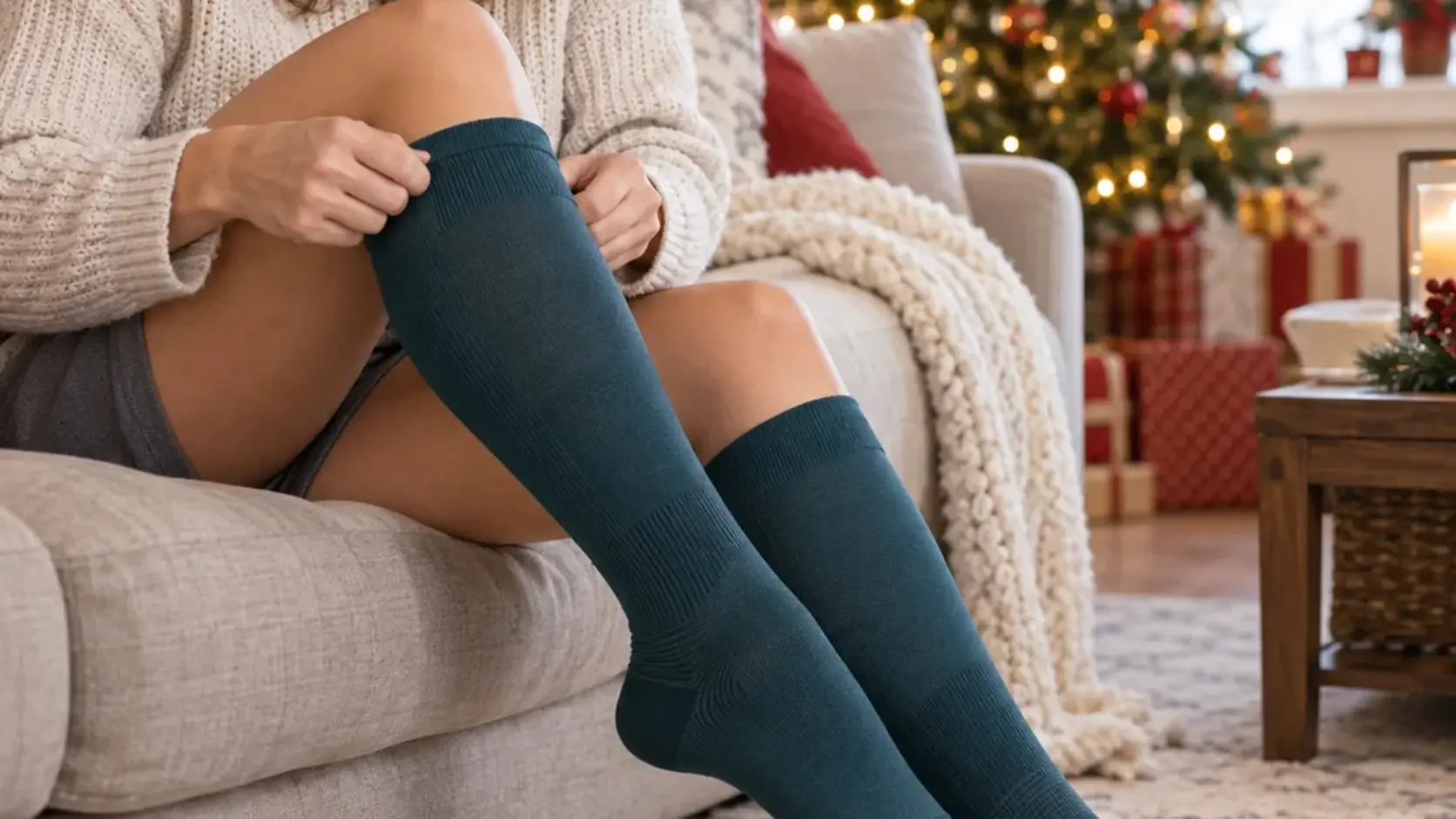
Sockwell's Elevation line puts firm 20 to 30 mmHg graduated compression into a merino wool and bamboo blend, so the socks that help tired legs are also the pair people reach for first.
Style, Jewelry & Accessories
8 kinds worth knowing, 9 picks, and what to check before you buy.
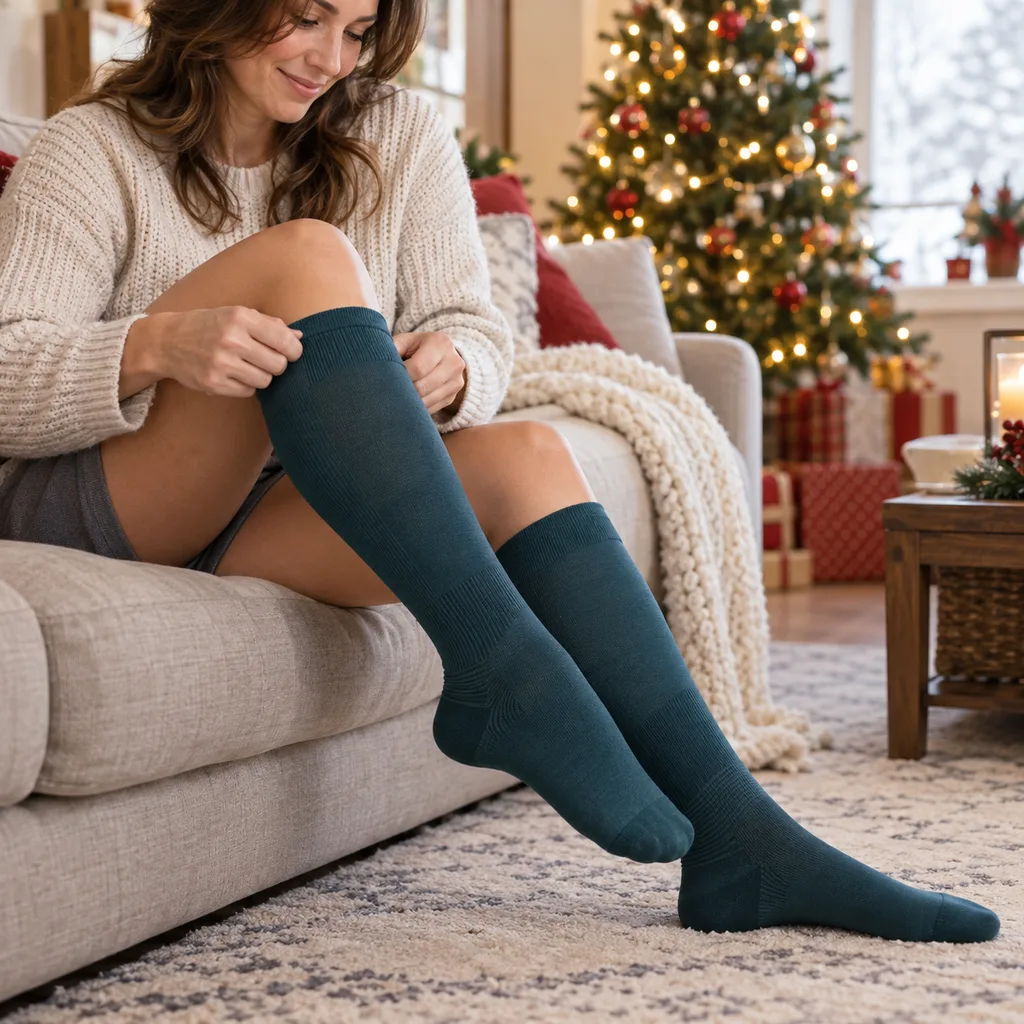
Compression socks tend to go to people who spend long days on their feet or long hours sitting: nurses, teachers, retail workers, frequent flyers, runners, and parents who never seem to sit down. Many already own a pair or two and wear them until the elastic gives out, so a fresh set gets used. Compression socks for women are the most searched, and compression socks for travel come close behind. As a gift, think of them as good-quality socks with a job to do. Fit and pressure level matter more than looks. Plain colours will get worn often, while a fun pattern keeps them from feeling like a medical purchase.
Kind 1 of 8
These knee-high socks look like regular dress or athletic socks, but they fit snugly through the ankle and calf. They suit anyone who stands or walks all day, and people who like a firmer sock under boots or scrubs. Before buying, check the size chart. Most brands size by shoe size and calf measurement, not shoe size alone. Also look at the pressure rating, usually given in mmHg. Lighter levels are easier to pull on and wear all day, while firmer ones take some getting used to.
Sockwell's Elevation line puts firm 20 to 30 mmHg graduated compression into a merino wool and bamboo blend, so the socks that help tired legs are also the pair people reach for first.
Combine therapeutic benefits with appealing designs, suitable for daily wear at work or casual outings.
Kind 2 of 8
Stockings go higher than socks, up to the thigh or the waist, and are often sheer enough to wear with a skirt or dress. Graduated styles are tightest at the ankle and ease off going up the leg. They suit someone who already wears hosiery to work or who is expecting and wants a supportive pair. Check the length, the waistband or silicone top, and whether the toe is open or closed. If a doctor has prescribed a specific pressure, let the wearer choose the exact pair.
These socks offer gentle support for legs, ideal for individuals who spend long hours standing or sitting.
Offers gentle leg support for expectant parents, helping to alleviate common leg discomfort during pregnancy.
Kind 3 of 8
Support socks have a lighter squeeze than firm compression styles, so they're easier to put on and feel closer to a normal sock. They're a good fit for older parents, people who dislike a tight band, and anyone trying compression for the first time. Styles made for diabetic wearers usually have non-binding tops, flat or seamless toes and extra room. Check the fibre blend (merino and bamboo blends are common), the cuff height, and whether they can go in the dryer.
Designed with non-binding tops and seamless toes to provide gentle support without constricting sensitive legs.
Kind 4 of 8
Light support stockings look like ordinary pantyhose or knee-highs, with a bit more firmness through the leg. They suit women who wear dresses or skirts to work, or anyone who wants polished hosiery that holds its shape through a long shift. Check the sheerness (denier), the shade against their skin tone, and the waist or top style. Sizing charts usually go by height and weight, so a rough idea of both helps. Buying two or three of the same shade makes a practical gift.
Kind 5 of 8
Men's compression socks come in athletic styles for running, cycling and gym work, and in dress styles that pass under trousers. They suit tradespeople, runners, and anyone on their feet for a full shift. Sport versions often add cushioning under the foot and targeted zones around the arch and heel. Check calf size as well as shoe size, since men with larger calves often find standard sizes too tight. Also consider how thick a sock their work or running shoes can fit.
Sockwell's Elevation line puts firm 20 to 30 mmHg graduated compression into a merino wool and bamboo blend, so the socks that help tired legs are also the pair people reach for first.
Designed to aid muscle recovery and reduce fatigue during and after physical activities for active individuals.
Kind 6 of 8
Support socks for men are usually crew or knee-high styles with a moderate snug fit, sometimes with extra structure around the ankle. They work well for men who find full compression too tight, or who want something that looks like a normal work or dress sock. Ankle-support styles add a firmer band around the joint. Check the cuff height, the fibre content for warm or cold weather, and whether the colour suits their usual shoes and trousers.
Provides focused compression around the ankle and arch, suitable for light activity or everyday foot support.
Kind 7 of 8
Few men want hosiery, so longer support for men usually means over-the-calf socks or open-toe calf sleeves. Sleeves slide on over the lower leg and leave the foot free, so they can go under any sock or shoe. They suit runners, hikers, and people who want support on the calf without changing their socks. Check calf measurements closely, since sleeves have no foot to anchor them. Also look for a grippy top band that stays put without digging in.
Offers targeted calf support while allowing toes to remain free, ideal for warmer climates or specific footwear.
Kind 8 of 8
Travel compression socks are made for long stretches of sitting on planes, trains and road trips. Many people pack a pair for every long-haul flight. They suit frequent flyers, snowbirds heading south, and anyone with a big trip planned. Look for a pull-on style that is manageable in a cramped seat, a breathable blend for warm cabins, and a colour that hides wear. A pair tucked into a travel pouch or carry-on organizer makes a thoughtful send-off gift.
Provide comfort and support during long journeys, helping to minimize leg discomfort for frequent travelers.
Looking for one person in particular? Shop by person.
Everything else
Showing 1–9 of 9