Tech & Gadgets
Communication radios
6 kinds worth knowing, 9 picks, and what to check before you buy.
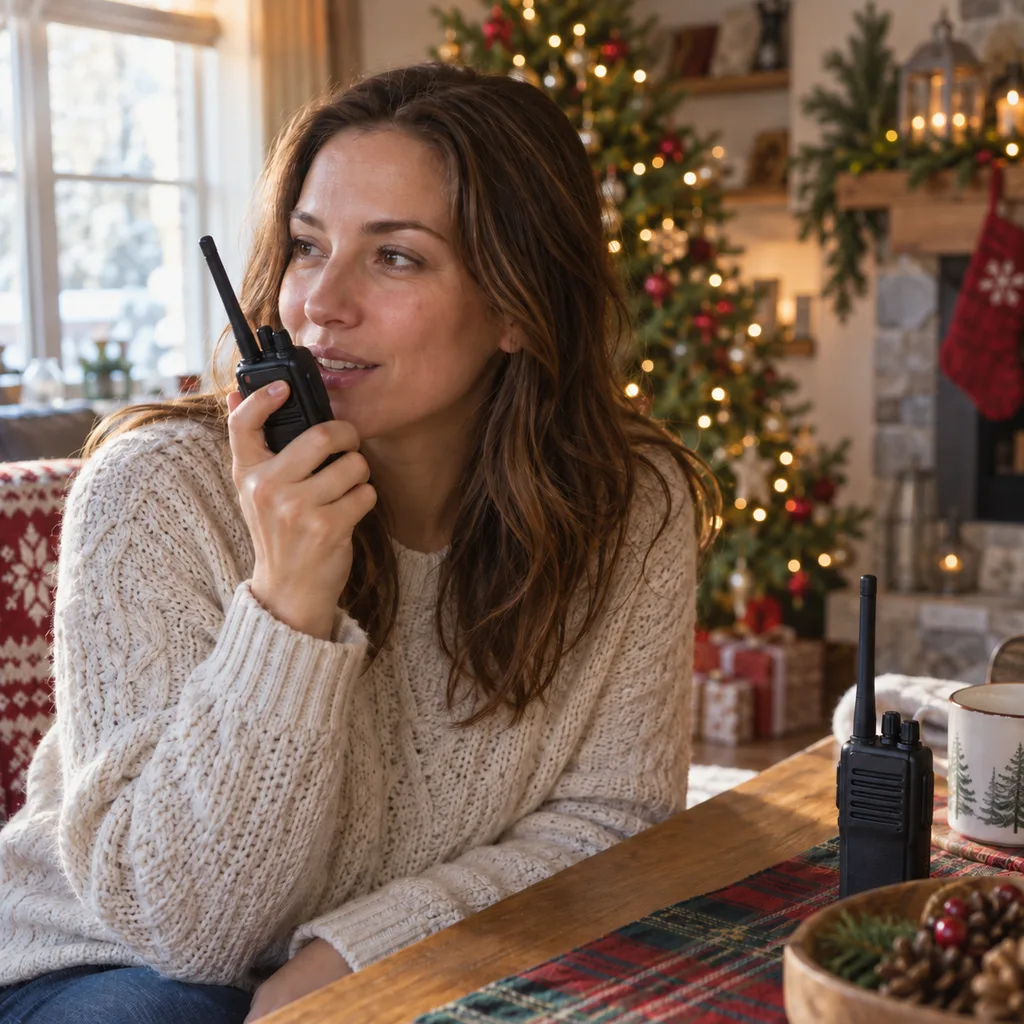
Communication radios suit a wider range of people than you might expect: kids playing across the backyard, families splitting up at a campground, boaters, cottagers and anyone who likes having a way to hear the forecast when the power goes out. The radios that actually get used are simple ones that fit how the person already spends their time. Plain walkie talkies work well for play and short trips. An emergency weather radio suits someone who lives rurally or likes to be prepared. Before choosing, think about where the radio will be used, who will be on the other end and whether any licence or certificate is involved.
Kind 1 of 6
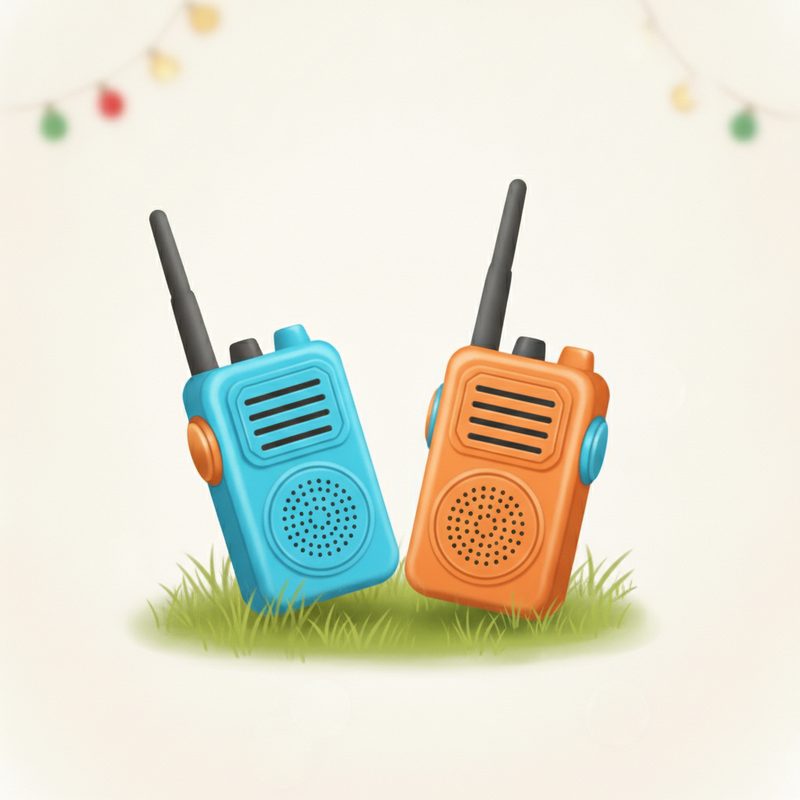
Walkie talkies for kids and family outings
Walkie talkies are small handheld radios, usually sold in pairs, that let people talk over short distances without phones or a data plan. They suit kids, hikers, skiers and families who split up at the mall, the campground or the cottage. Before buying, check how they're powered (rechargeable or standard batteries), whether the buttons are simple enough for the person using them, and how many units come in the box. Ranges printed on the packaging assume open ground, so expect less among trees and buildings. For young children, look for sturdy casings and a minimal set of controls.
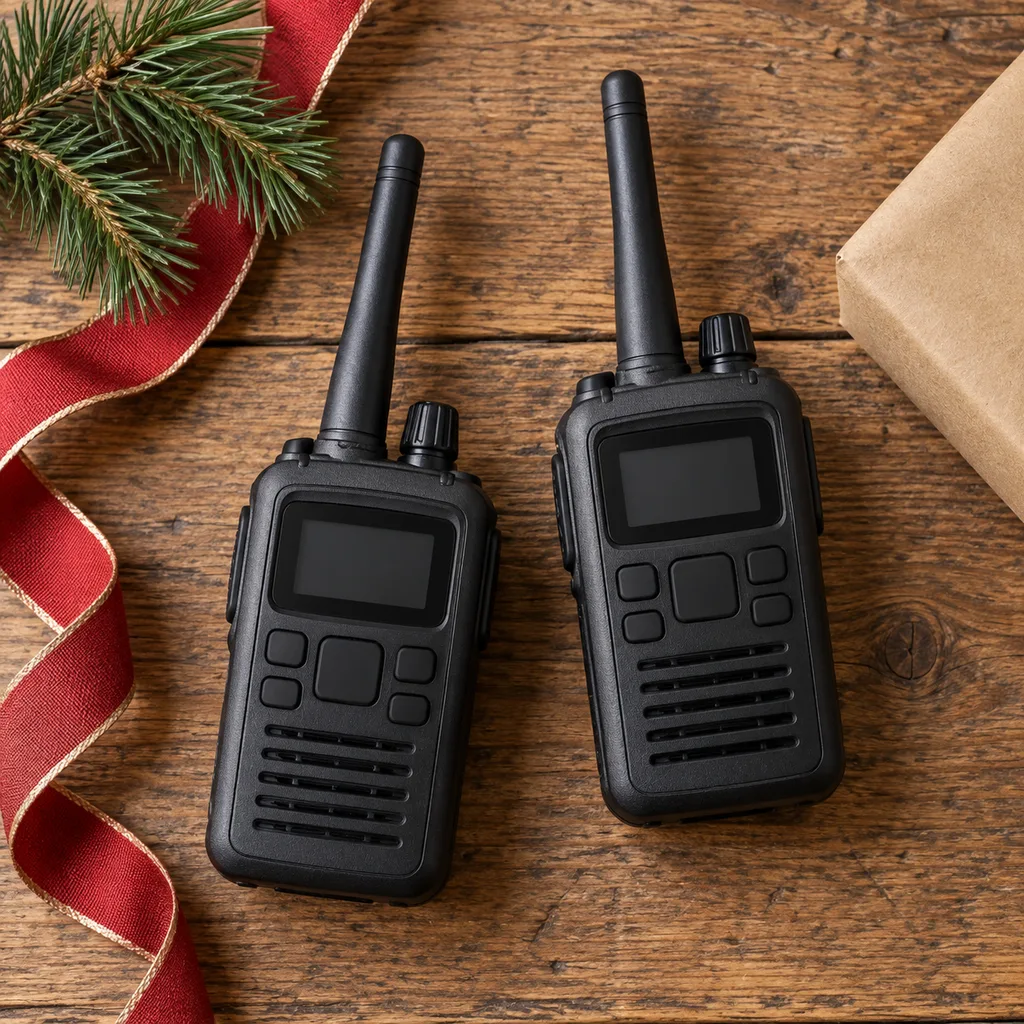
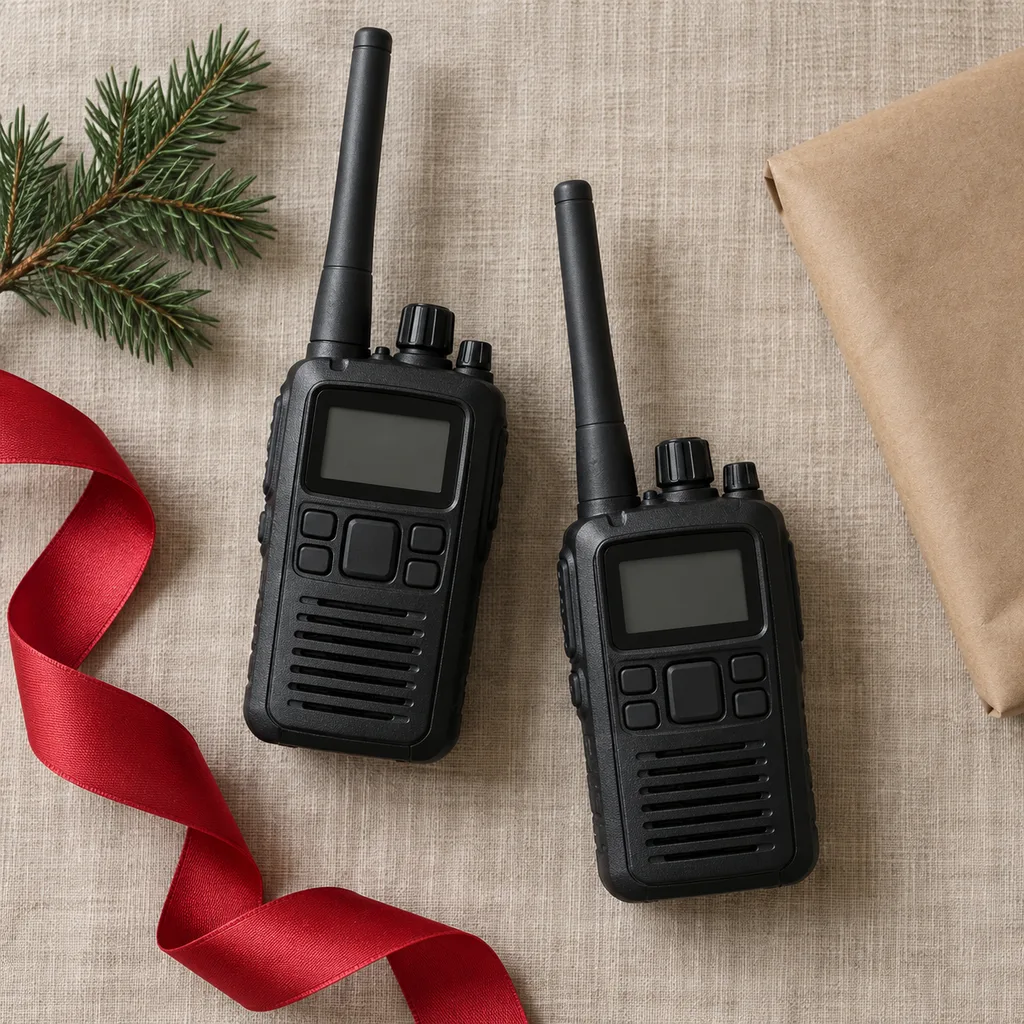
Two way radio
This set provides reliable short-range communication for outdoor adventures, family outings, or coordinating activities.
Kind 2 of 6
Two way radios for work and road trips
Two way radio covers everything from sturdier handheld sets to digital systems and in-vehicle citizens band units. These suit people who coordinate with others regularly: farm and property work, convoy trips, event volunteers or truckers. Digital radios can offer clearer audio and more channels, but every radio in the group has to use a compatible system. A vehicle unit needs mounting space and an antenna. Check whether the radio works with gear the person already owns, how long the battery lasts over a full day, and whether the frequencies it uses need a licence where they live.
Digital two way radios
This system offers clear, secure, and efficient communication for professional teams, event coordination, or advanced personal use.
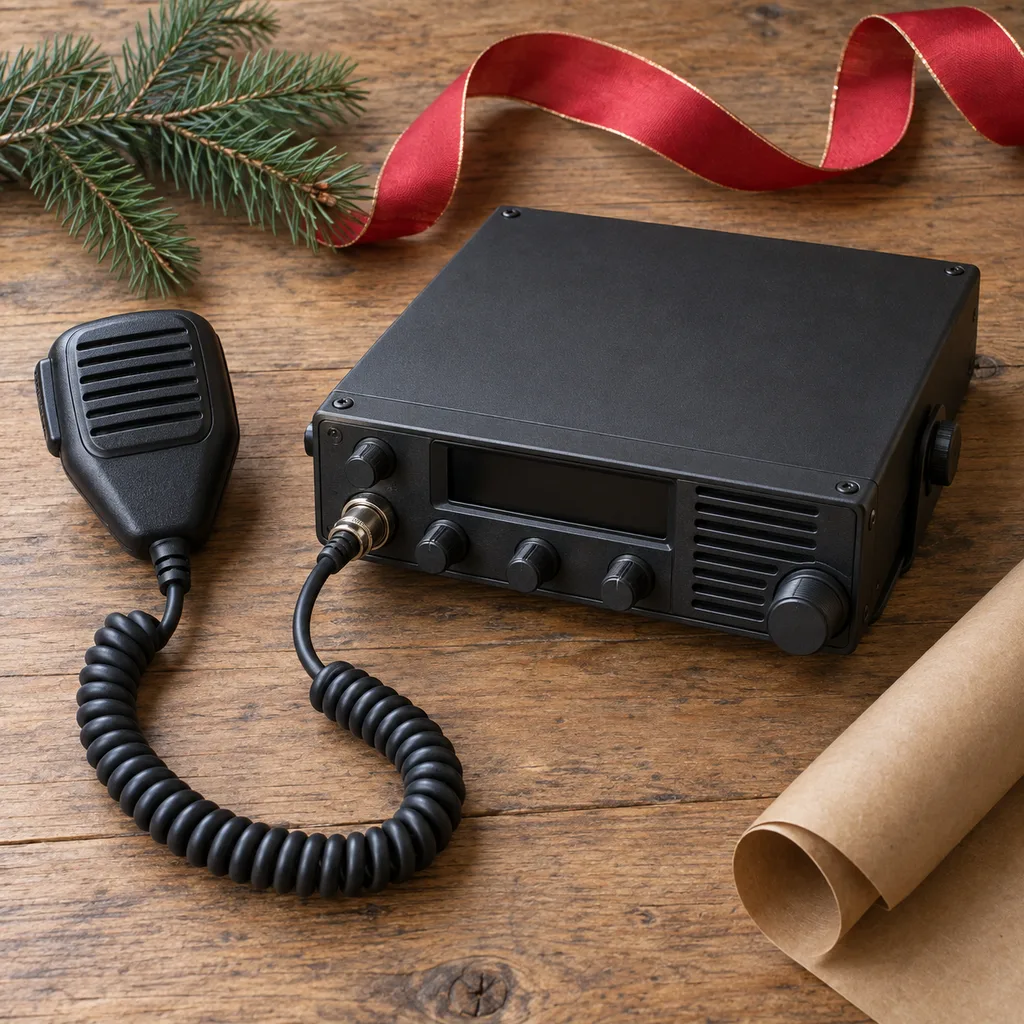
Vehicle citizens band radio
This classic communication tool is perfect for truckers, off-roaders, or anyone needing reliable vehicle-to-vehicle communication on the road.
Kind 3 of 6
Handheld marine VHF for boaters
A marine VHF handheld radio lets boaters talk with other vessels and marinas on the standard marine channels. It suits sailors, paddlers and cottage boaters who spend real time on the water. Look at whether it floats, how water-resistant it is, how easy the controls are to work with wet or gloved hands, and how long the battery holds up. Some models include GPS and digital calling features. In Canada, operating a marine VHF generally requires a Restricted Operator Certificate (Maritime), so it helps to know whether the recipient already has one.
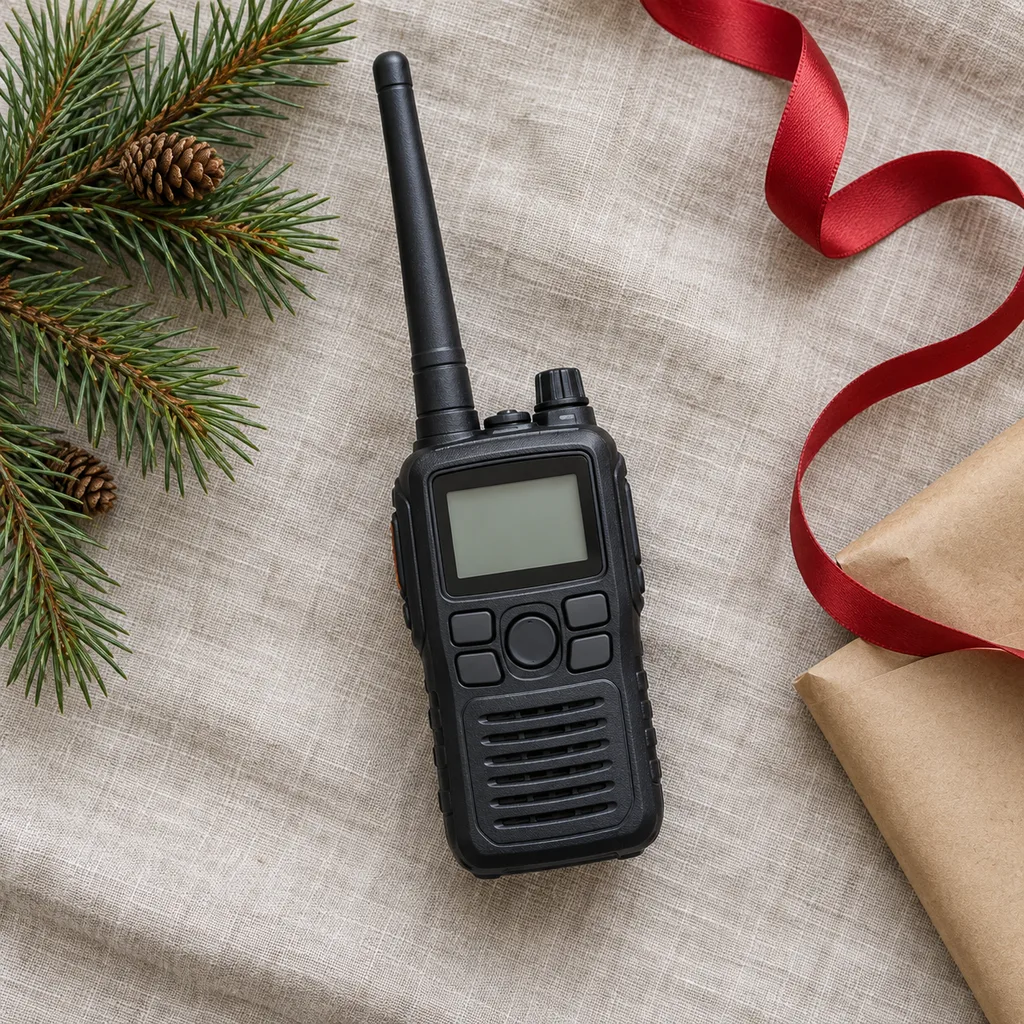
Marine vhf handheld radio
An essential safety device for boaters, kayakers, and anyone on the water, providing reliable communication with other vessels and shore.
Kind 4 of 6
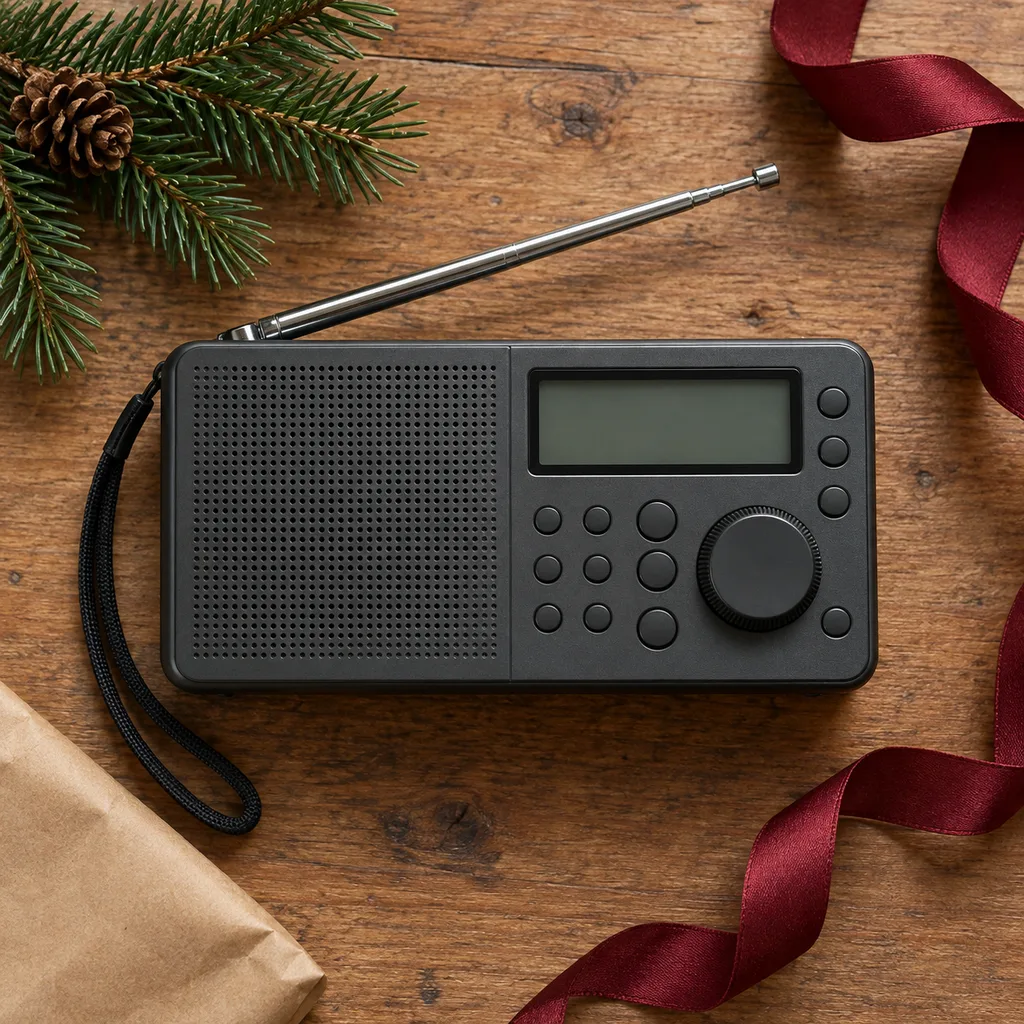
Emergency weather radios for outages and storms
An emergency weather radio picks up weather broadcasts, such as Weatherradio Canada or NOAA Weather Radio in the US, and many also receive regular AM and FM stations. Multi-band and shortwave receivers go further, pulling in distant stations. These suit rural households, cottage owners, campers and anyone who keeps a well-stocked emergency kit. Check which power options it offers, such as a hand crank, solar panel, rechargeable battery or standard batteries. Also check whether it can sound an alert automatically and whether it charges a phone. A clear, easy-to-read dial matters more than a long list of extras.
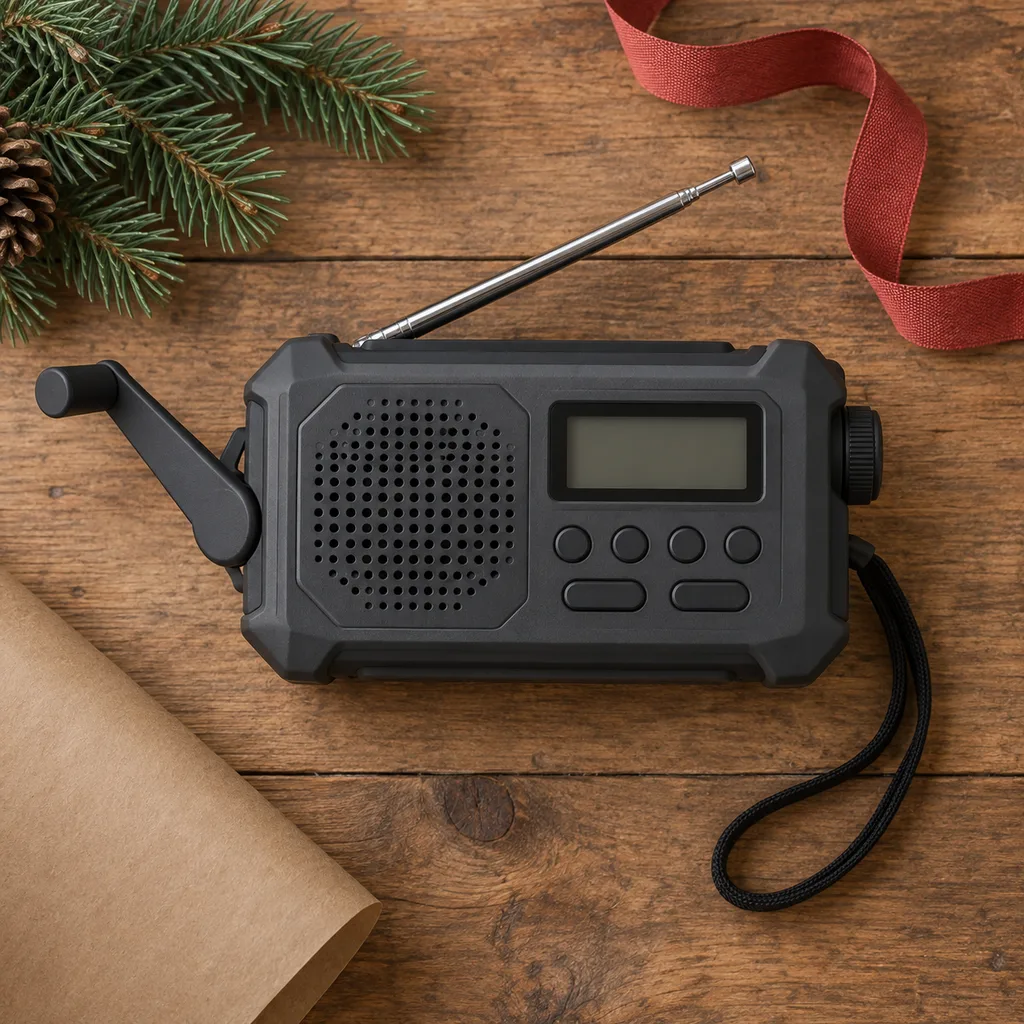
Emergency weather alert radio
A crucial device for home or travel, this radio keeps users informed of severe weather and public safety alerts.
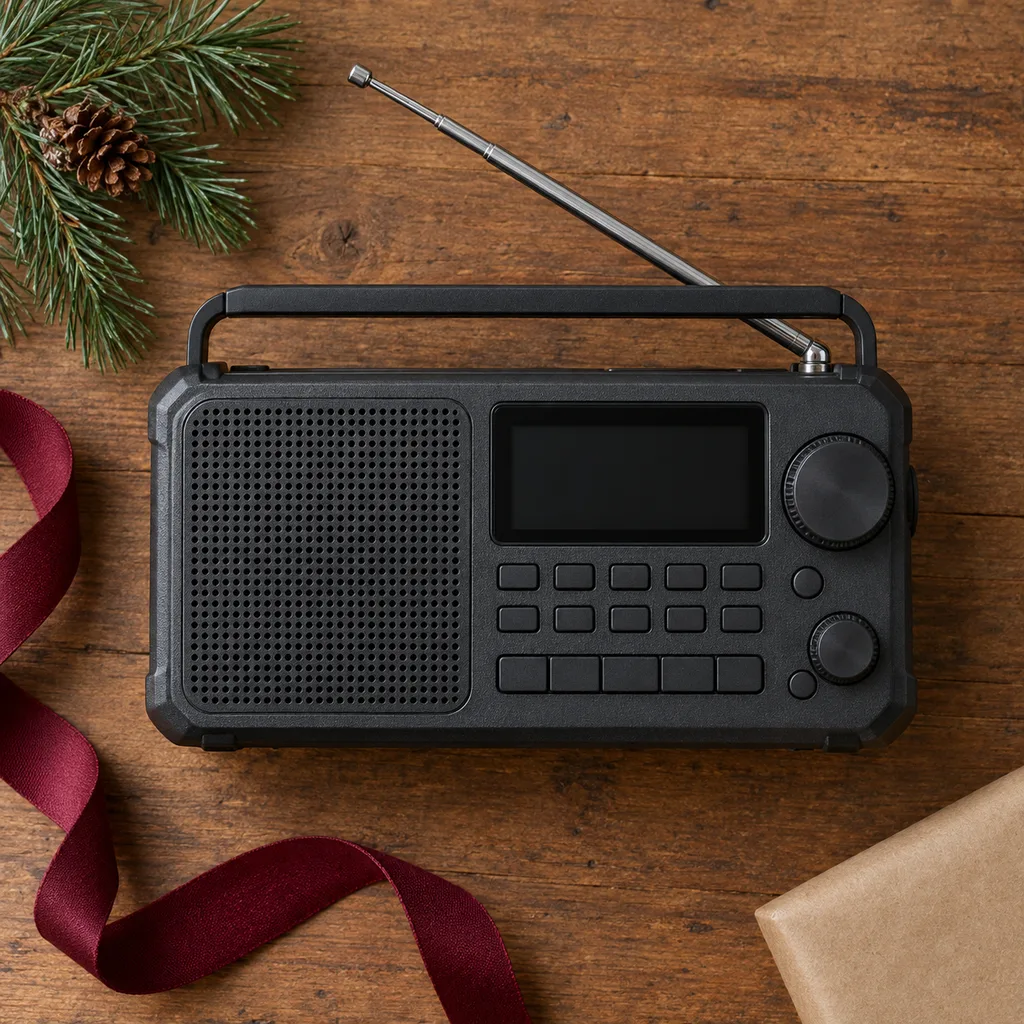
Multi band portable radio
A versatile listening device for home or travel, offering access to local broadcasts, international stations, and emergency weather alerts.
Portable shortwave radio receiver
Ideal for listeners interested in global broadcasts, this receiver allows exploration of distant radio stations and international news.
Kind 5 of 6
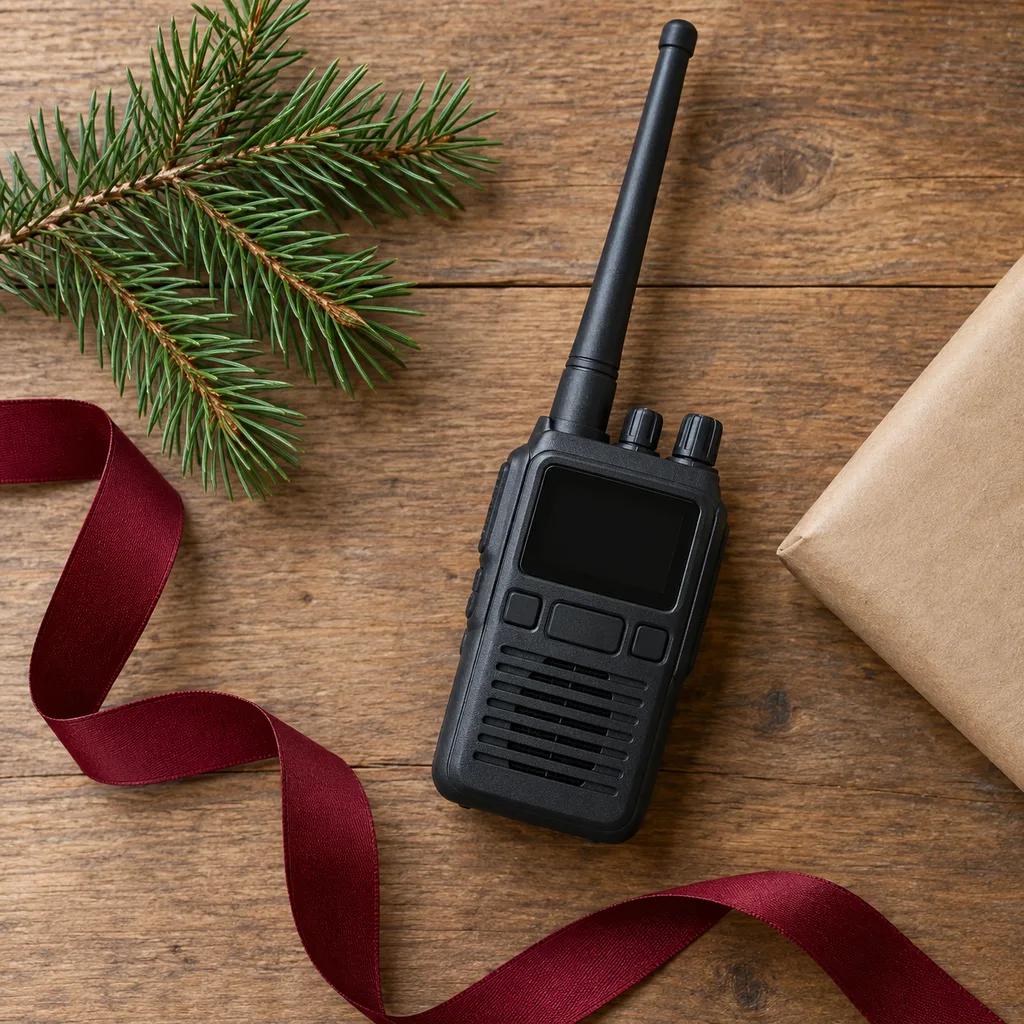
Handheld VHF and amateur radio transceivers
Handheld VHF usually means a marine radio or an amateur (ham) radio transceiver. Amateur handhelds suit hobbyists who enjoy tinkering, joining local repeater groups or learning about radio. Transmitting on amateur bands requires a licence, so this gift fits best for someone who already holds one or has said they plan to study for it. Before buying, check which bands the radio covers, whether it's easy to program without a computer and whether a charger and spare antenna are included.
Amateur radio handheld transceiver
A gateway into the amateur radio hobby, this device offers versatile communication for licensed enthusiasts and emergency preparedness.
Kind 6 of 6
Choosing a weather radio for the house
A weather radio for the home usually sits on a counter or nightstand and stays plugged in, with battery backup for outages. It suits households in areas that get severe storms, older relatives who prefer radio to phone alerts and anyone who wants a dedicated alert that doesn't depend on internet service. Look for an alert function that can wake the house, a display readable from across the room and the option to choose which alerts it sounds for. Also make sure a local weather broadcast actually reaches the recipient's area.
How to choose communication radios as a gift
- Start with where the radio will be used, whether that's the backyard, the lake, the highway or the kitchen counter, and pick the type that fits.
- Buy radios that talk to each other as a set, since mismatched systems or channels often won't connect.
- Check whether a licence or operator certificate is needed where the recipient lives before choosing marine or amateur radios.
- Favour simple controls and a power source the person can easily keep charged or stocked.
- Treat printed range figures as best-case numbers, since hills, trees and buildings shorten them considerably.
Usually safe to skip
- A single walkie talkie usually misses, because it needs a matching partner radio to be any use at all.
- Amateur transceivers for people with no licence or interest in getting one tend to end up in a drawer unused.
- Feature-packed radios with tiny screens and nested menus frustrate kids and casual users who just want to press and talk.
Questions people ask about communication radios
- Do you need a licence to use walkie talkies in Canada?
- Standard FRS and GMRS walkie talkies sold for consumers in Canada can generally be used without a licence. Rules differ in the US, where some GMRS use needs a licence. Marine VHF and amateur radios have their own certificate or licence requirements.
- How far do walkie talkies actually reach?
- Distances printed on the box assume flat, open ground with nothing in the way. In neighbourhoods, forests or hilly areas, expect far shorter range. For kids playing nearby or families at a campground, typical consumer sets are usually more than enough.
- What's the difference between a weather radio and a regular radio?
- A weather radio tunes into dedicated weather broadcast frequencies and often can sound an alert when a warning is issued. Regular radios only pick up AM and FM stations. Many emergency models do both and add options like hand-crank or solar power.
Looking for one person in particular? Shop by person.
Everything else
All communication radios picks
Showing 1–9 of 9