Ornate garden bird dwelling
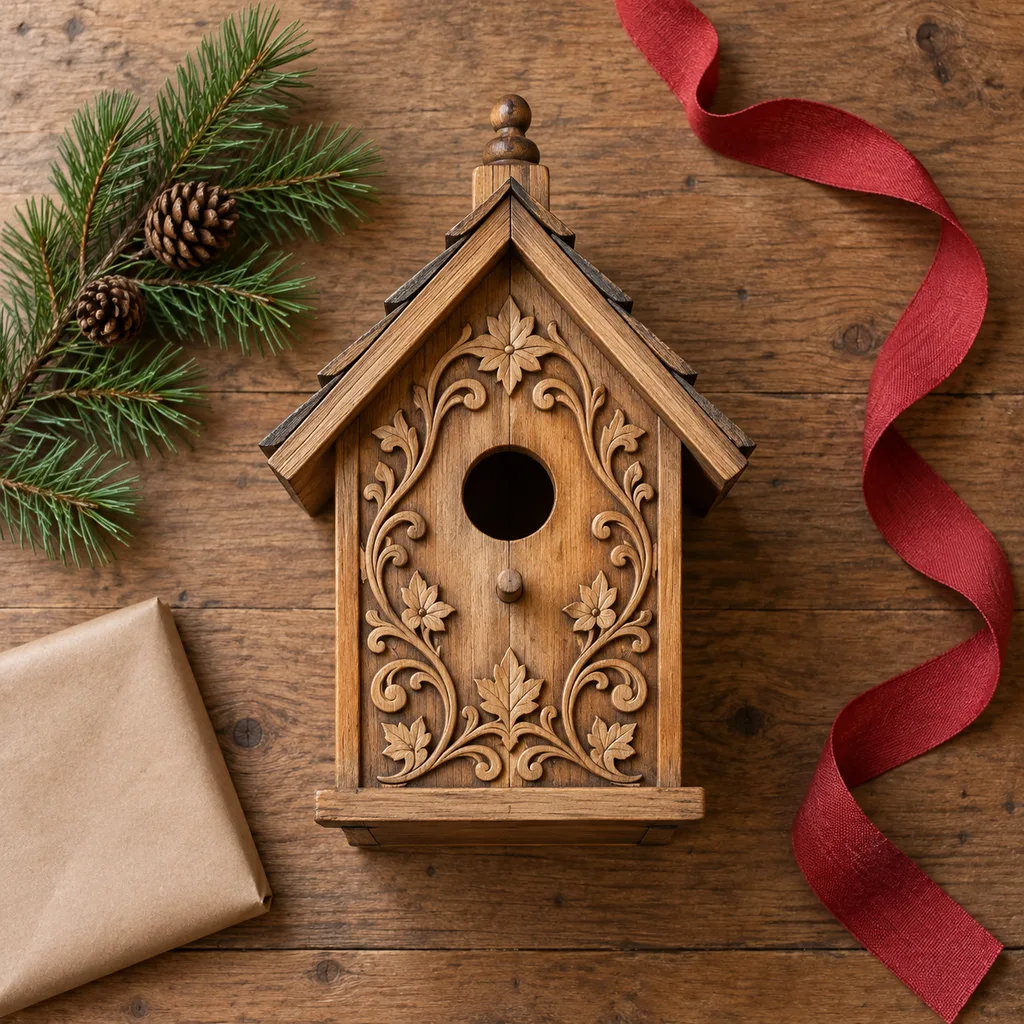
Enhance garden aesthetics while offering a potential nesting spot for small birds, perfect for gardeners who appreciate both function and style.
Home & Comfort
5 kinds worth knowing, 7 picks, and what to check before you buy.
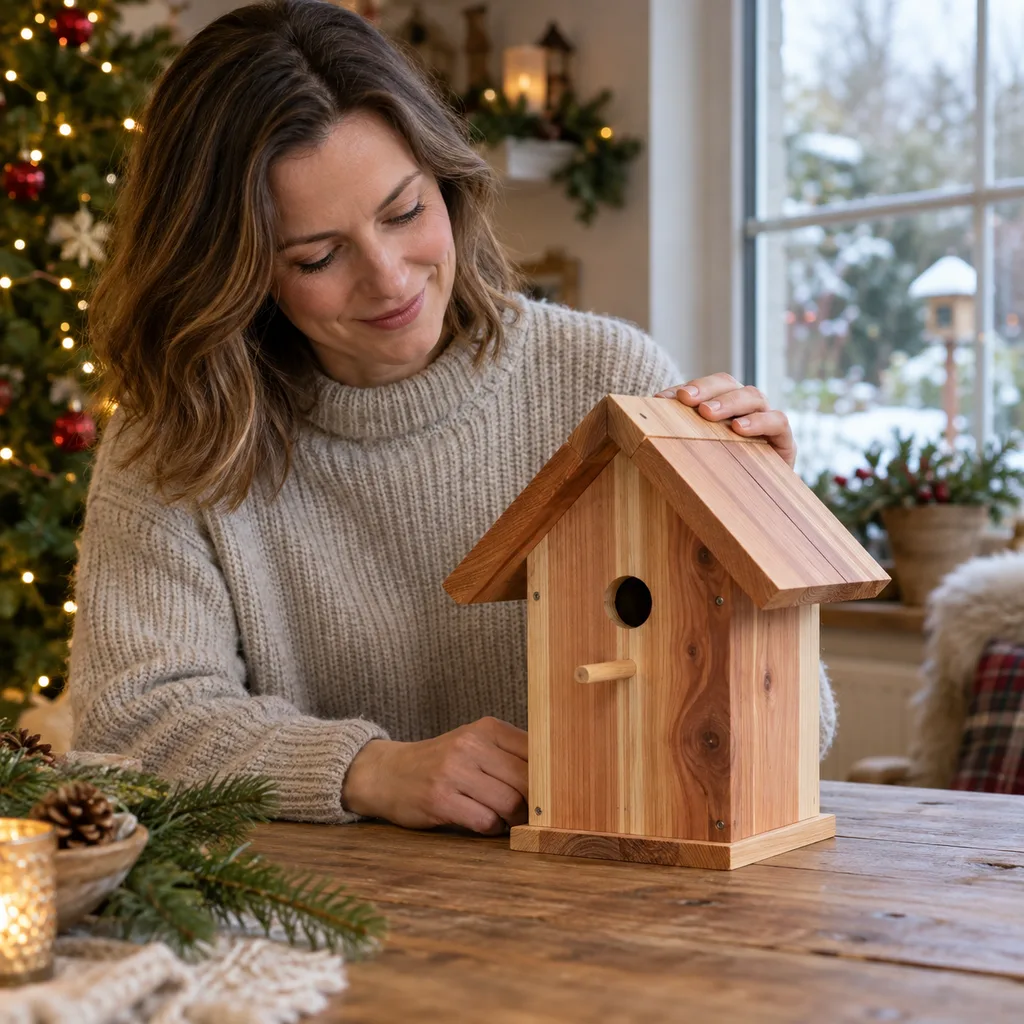
A house for birds or wildlife suits the person who already watches the yard: someone with a feeder by the window, a garden they fuss over, or a cottage with trees around it. The ones that get used are simple, sturdy and built for a real species. Decorative pieces tend to end up on a shelf. Before you pick a style, think about what lives near the person you're buying for. Plain bird houses for small birds such as wrens and chickadees fit almost any yard. Owl houses make more sense for someone with acreage or mature trees. Fitting the house to the local wildlife matters more than how it looks, and it tells them you noticed what they care about.
Kind 1 of 5
A standard bird house is a small wooden box with an entrance hole, mounted on a post, fence or tree. It suits almost anyone with a yard, balcony railing or garden. Look for untreated wood, a roof that overhangs the entrance, drainage holes in the floor and a side or bottom panel that opens for cleaning out old nests. If the person you're buying for is more drawn to the whole garden than to birds alone, a bat box, insect habitat, hedgehog shelter or squirrel station can make a thoughtful alternative. Check that it suits the wildlife that actually lives in their region.
Enhance garden aesthetics while offering a potential nesting spot for small birds, perfect for gardeners who appreciate both function and style.
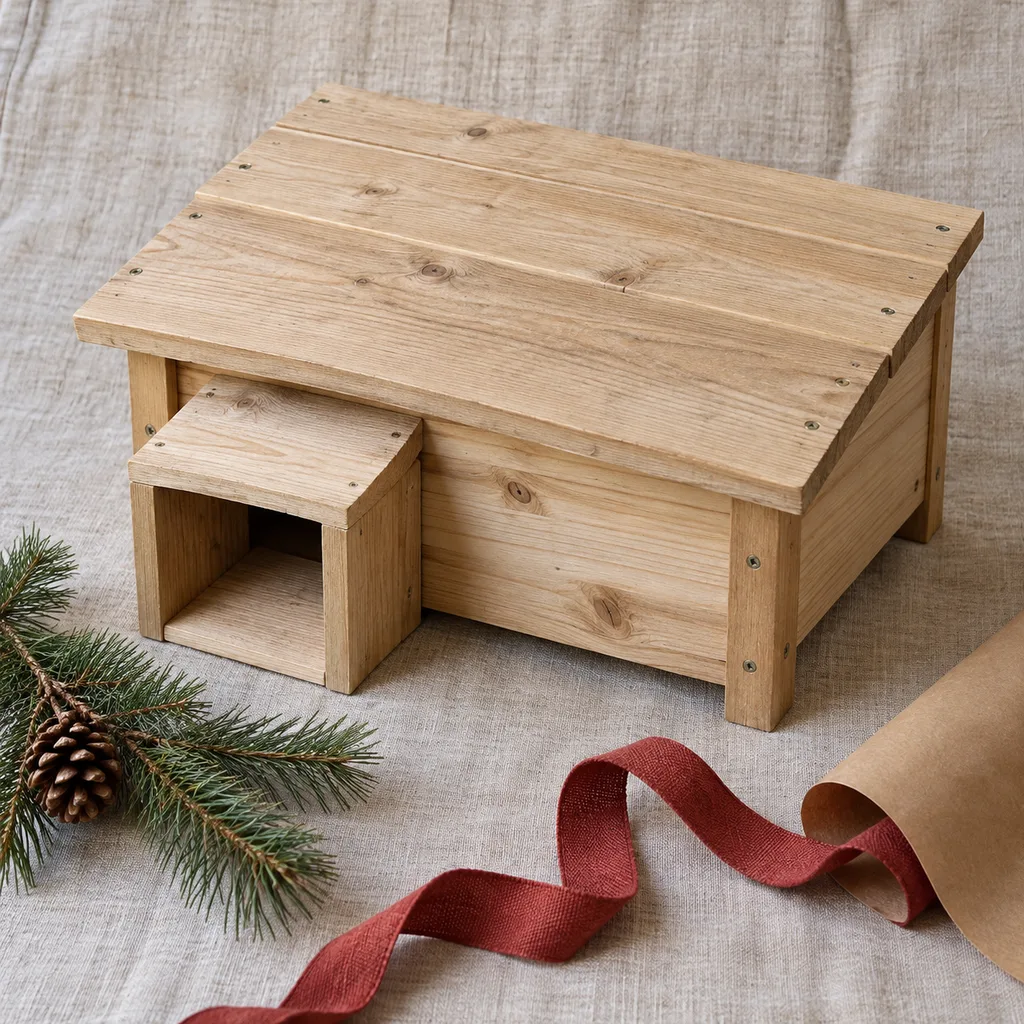
Provide a safe, insulated retreat for hedgehogs and other small ground-dwelling creatures, ideal for wildlife-friendly garden owners.
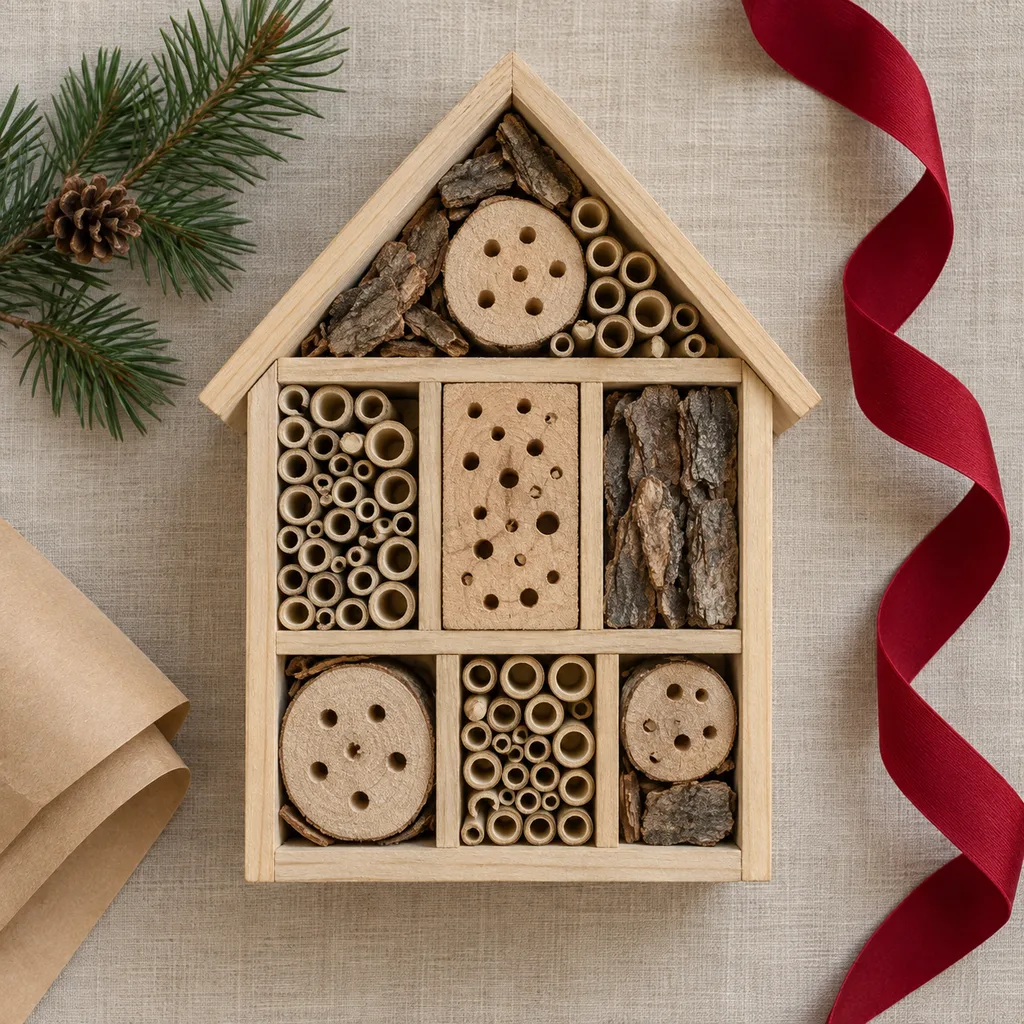
Support beneficial garden insects like solitary bees and ladybugs with this charming habitat, perfect for eco-conscious gardeners.
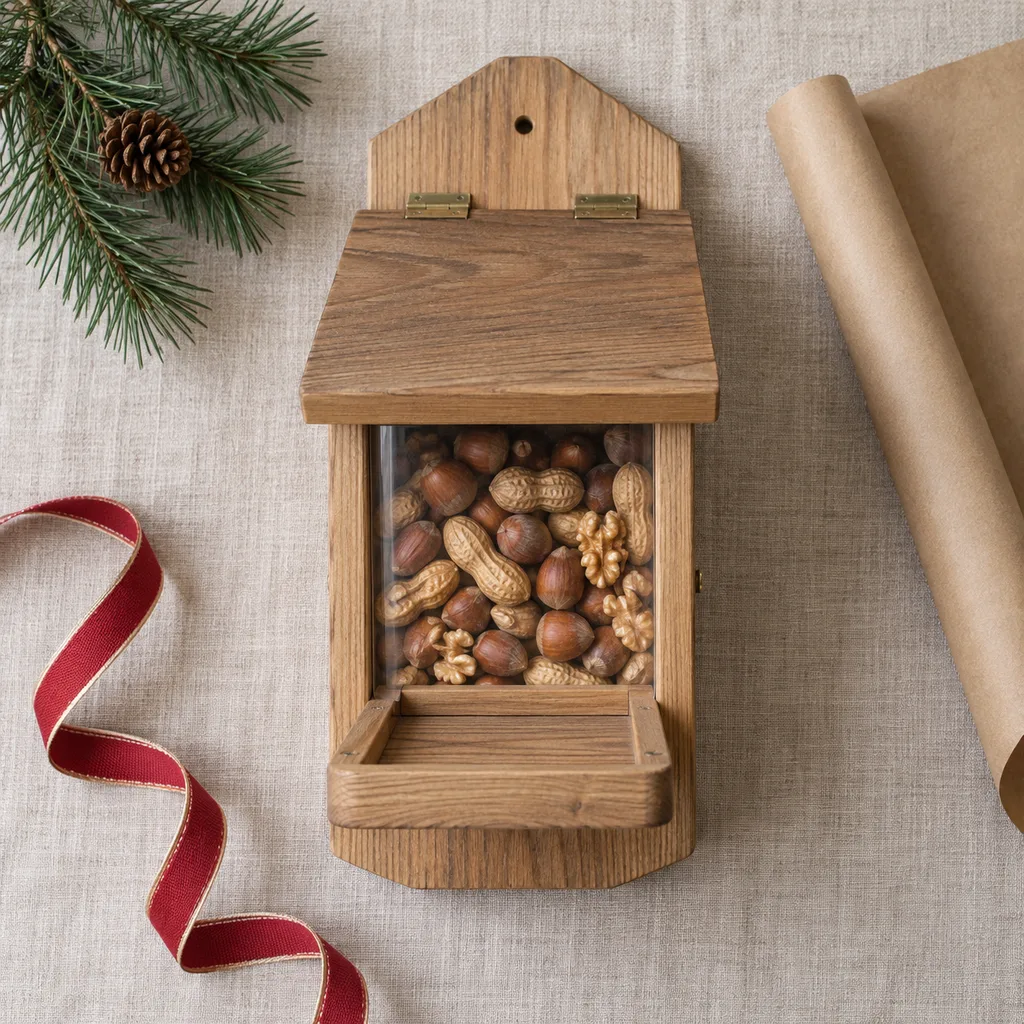
Entertain backyard wildlife with this dedicated feeder, offering a fun way for nature lovers to observe playful squirrels.
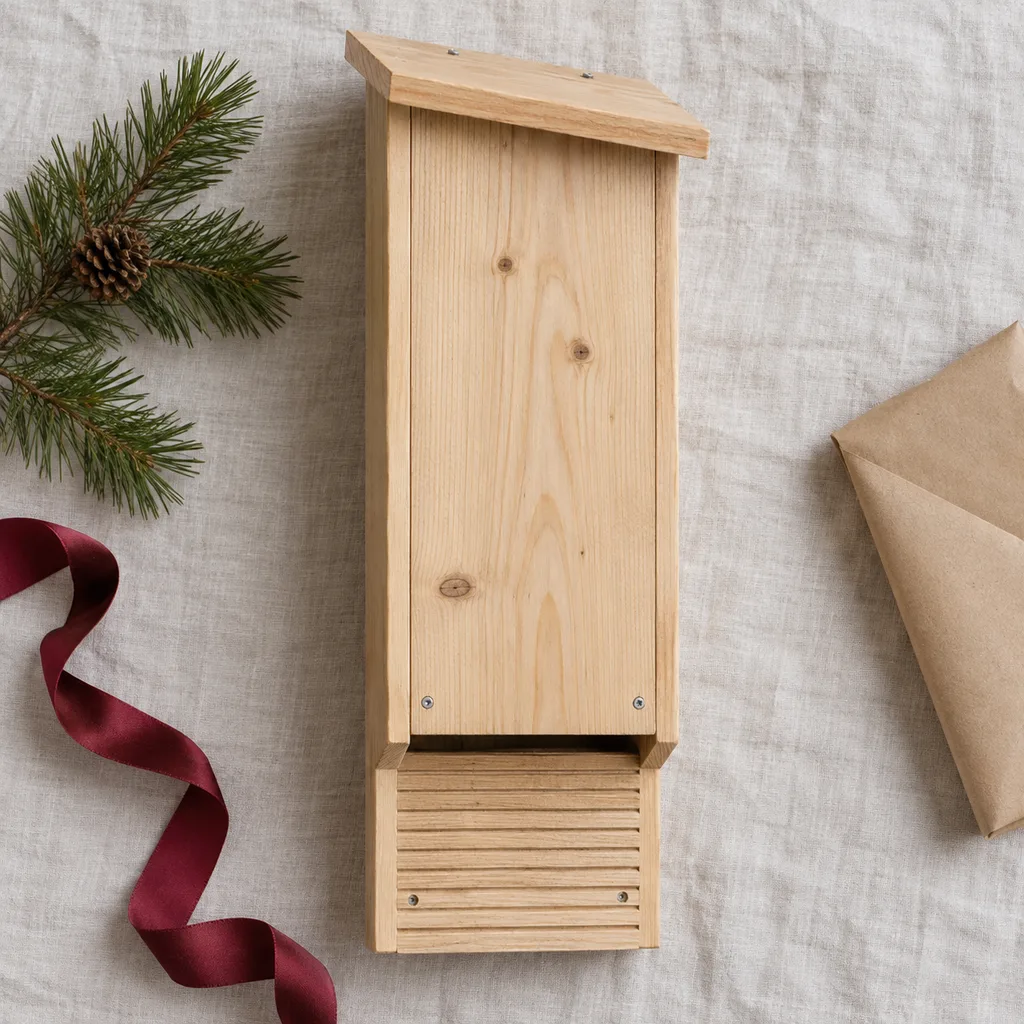
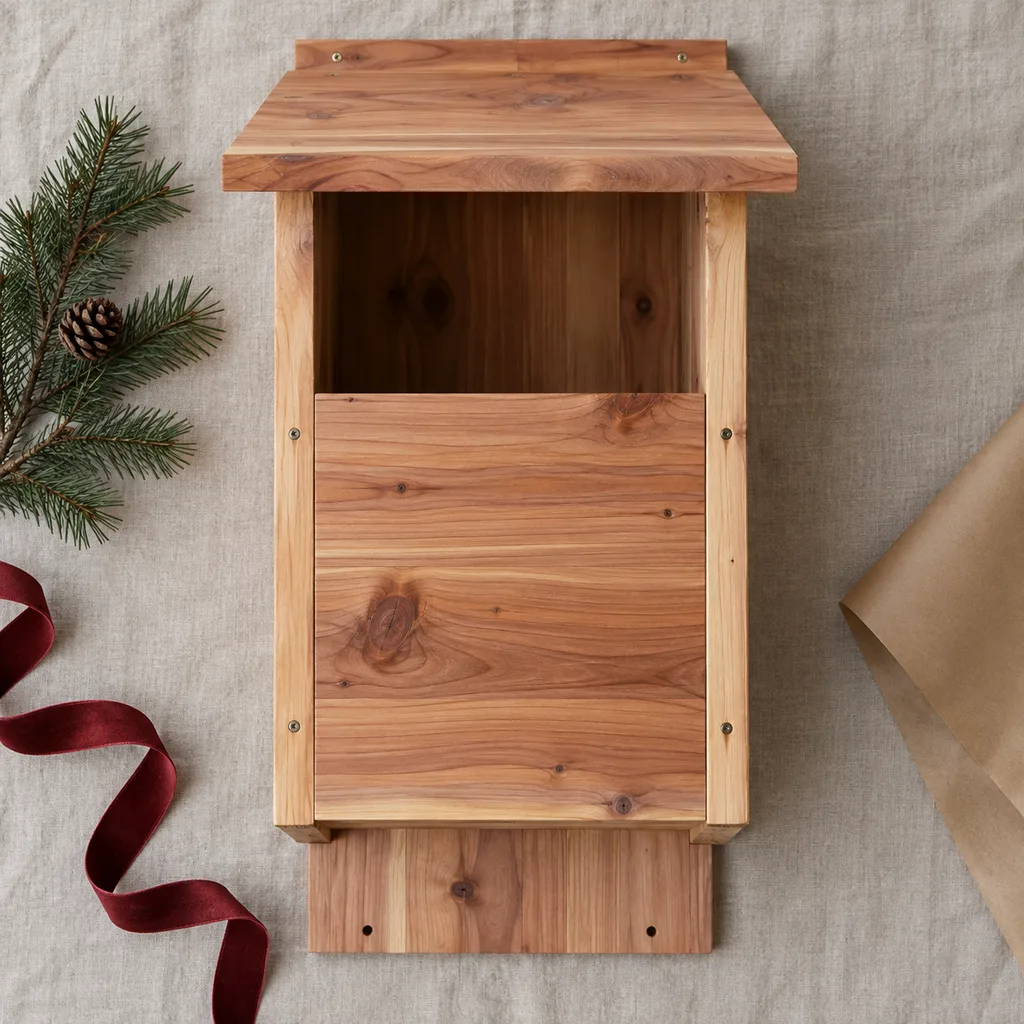
Offer a safe haven for local bat populations with this beneficial roosting box, ideal for anyone interested in natural pest control.
Kind 2 of 5
Bluebird houses are designed for one group of birds that like open ground: fields, rural lots, golf-course edges and large lawns with scattered perches. They suit someone in the country or on the edge of town more than a downtown gardener. Before buying, check that the entrance hole is sized for bluebirds rather than larger birds. Also look for a front or side panel that opens for seasonal cleaning and plain, unpainted wood inside. These houses are meant to go on a post in an open area, so confirm the person has that kind of space.
Kind 3 of 5
Owl houses are much larger boxes meant for species like screech owls or barred owls. They usually go high on a mature tree or a tall pole. They suit someone with acreage, a wooded lot or a cottage property, not a small city yard. Check the box dimensions and entrance size against the owls common in their area, and think about whether they can mount it safely at height. There are also owl-shaped decorative houses. Those are garden ornaments rather than working shelters, so decide which kind the person would actually want.
Attract majestic owls to a property with this spacious nesting box, an exceptional gift for those with larger rural or semi-rural gardens.
Kind 4 of 5
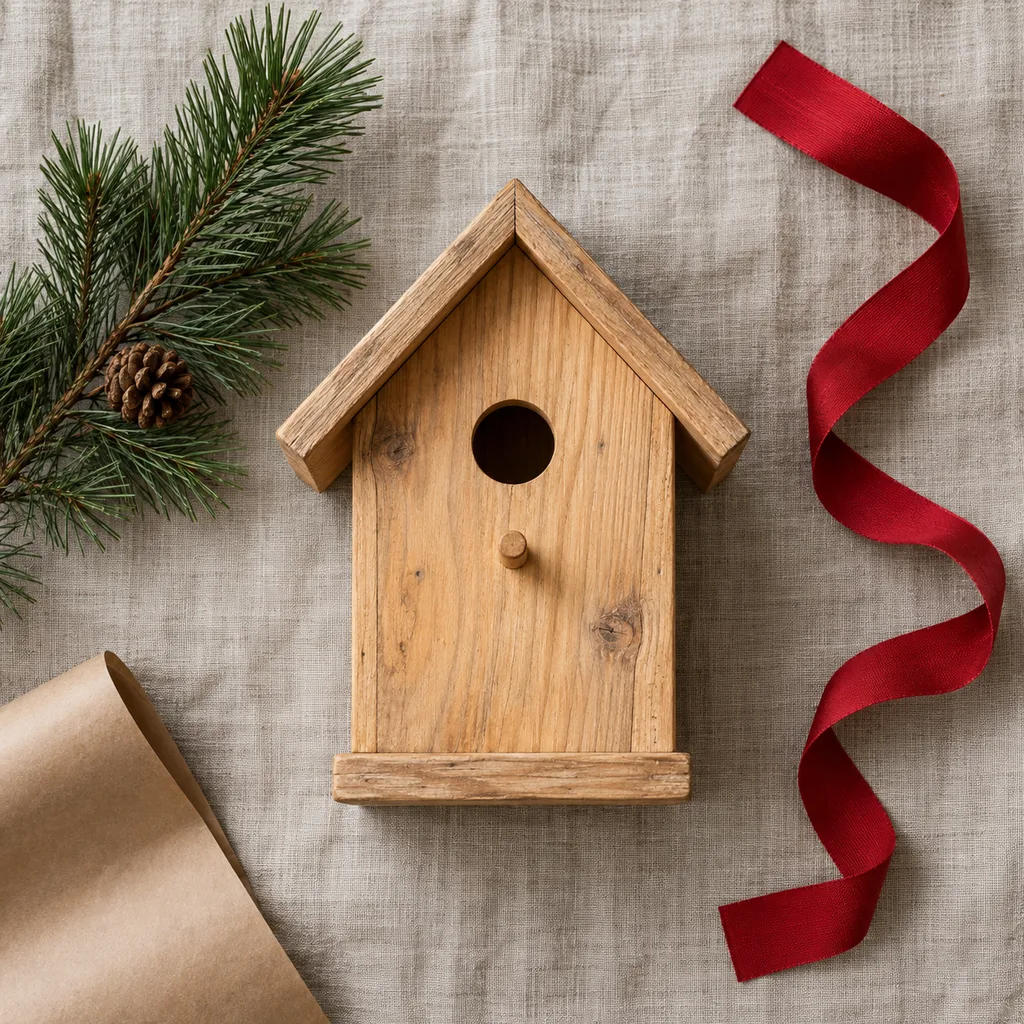
Small-bird houses are meant for wrens, chickadees, nuthatches and similar species. They're the easiest kind to place, since they fit on a fence post, shed wall or small tree. They're a good match for suburban and city gardeners, or anyone new to watching birds. The most important detail is a small entrance hole, which keeps larger birds out. Also look for ventilation gaps near the roof and a floor that drains. Skip a perch below the hole, because small birds don't need one.
This timeless gift provides a safe nesting spot for small backyard birds, delighting nature enthusiasts and garden lovers.
Kind 5 of 5
Large bird houses cover two quite different things. Some are single boxes sized for bigger birds like flickers, kestrels or wood ducks. Others are multi-room houses for birds that nest in groups, such as purple martins. They suit someone with open space and the patience to set up a tall pole or a sturdy tree mount. Before buying, confirm which birds the house is designed for. Check that the rooms can be reached for cleaning, and think about the weight and how it will be mounted once it's full size.
Looking for one person in particular? Shop by person.
Everything else
Showing 1–7 of 7