Creative Hobbies
Binoculars
3 kinds worth knowing, 9 picks, and what to check before you buy.
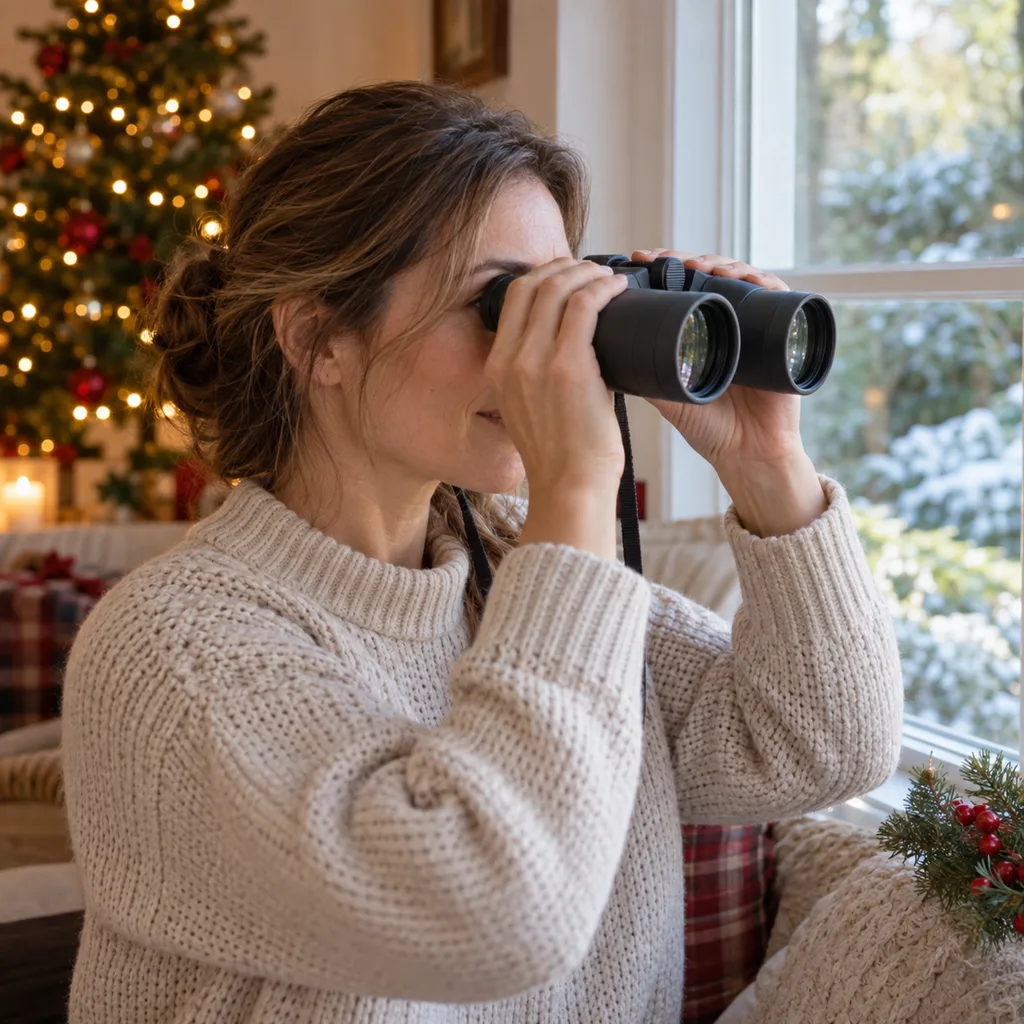
Binoculars get used most by people who already spend time outside: backyard bird feeders, cottage docks, hiking trails and the odd trip to a provincial park. The pairs that stay in use are small enough to grab on the way out the door. Big, heavy pairs tend to stay in the closet. When you're shopping for a gift, think about where the person actually goes and how they carry things. Compact birding binoculars fit a jacket pocket or glovebox. Lightweight binoculars for birding are good for longer walks, where every gram hanging from the neck adds up. Match the pair to real habits, not the most impressive specs.
Kind 1 of 3
Compact binoculars for everyday birdwatching
These are pocket-friendly pairs, usually 8x or 10x magnification with objective lenses around 25 to 32 mm. They suit someone who watches the feeder from the kitchen window, walks the dog along a trail or wants a pair that lives in the car. Before you buy, check the close-focus distance for birds in nearby shrubs. Look for a centre focus wheel that turns smoothly with gloves on, and an eyecup design that works for anyone who wears glasses. Fold-down or twist-up eyecups make a real difference for glasses wearers.
High-resolution birdwatching binoculars
Perfect for nature enthusiasts who want to observe wildlife with exceptional clarity and detail in their natural habitat.
Image-stabilized viewing binoculars
Provides steady, shake-free views for anyone observing from a moving platform or with unsteady hands, enhancing clarity.
Kind 2 of 3
Choosing a small pair that still performs
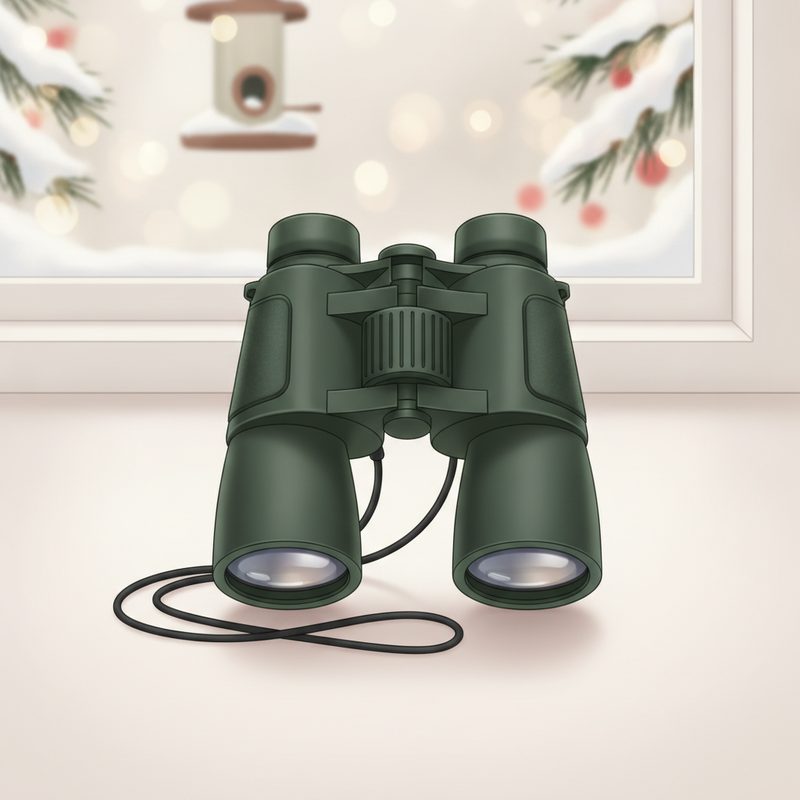
Small binoculars trade some brightness for portability, so the goal is a pair that shrinks without giving up too much. This suits a beginner, or a keen birder who wants a second pair for travel. Check the field of view, since a wider view makes it easier to find a moving bird. Check the exit pupil too, because very small lenses get dim at dawn and dusk. Magnification of 8x is usually easier to hold steady than 10x, especially for kids, teens and older hands.
Variable magnification zoom binoculars
Offers versatile viewing options for users who need to adjust magnification levels for different distances and subjects.
Elegant opera glasses
A sophisticated accessory for theatre-goers and concert attendees desiring a closer view of stage performances.
Kind 3 of 3
Lightweight pairs for long walks
Lightweight binoculars are for people who carry them for hours: hikers, travellers and anyone heading out on a spring migration morning. A light pair gets taken along, so it gets used. Before buying, look at the weight listed in grams and compare it with what the person already carries. Check that the pair is waterproof and fog-resistant for Canadian weather. A comfortable neck strap or harness helps, and so does a case small enough for a daypack.
Lightweight compact travel binoculars
Ideal for adventurers and concert-goers who need portable magnification for distant views without added bulk.
Rugged hunting binoculars
Designed for hunters and outdoor adventurers requiring durable, low-light performance in challenging environments.
Waterproof marine binoculars
Essential gear for boaters and watersports enthusiasts needing durable optics for navigating and spotting on the water.
Large aperture astronomy binoculars
Excellent for stargazers and amateur astronomers to explore celestial objects with impressive light-gathering capability.
How to choose binoculars as a gift
- Think about where the binoculars will actually go, like a pocket, glovebox, daypack or windowsill, and size the gift to match.
- Choose 8x magnification for beginners and kids, since the image shakes less and moving birds are easier to find.
- If the person wears glasses, look for adjustable eyecups and generous eye relief so they can see the full view.
- Look for waterproof, fog-resistant construction if the pair will see rain, cold mornings or time near the water.
- Pair the binoculars with a regional bird field guide for a gift that gets used right away.
Usually safe to skip
- Very high magnification pairs, like 16x or more, are hard to hold steady by hand and frustrating for watching birds.
- Tiny novelty or toy binoculars often have dim, blurry optics that turn a curious beginner off the hobby.
- Large astronomy binoculars are too heavy to carry on a walk, so they rarely suit someone who mainly watches birds.
Questions people ask about binoculars
- What magnification is best for birdwatching binoculars?
- Most birders use 8x or 10x. An 8x pair gives a wider, steadier view that makes it easier to find birds. A 10x pair shows more detail at a distance but is harder to hold still. For a first pair or a gift, 8x is the safer choice.
- What do the numbers like 8x32 mean on binoculars?
- The first number is magnification, so 8x makes things look eight times closer. The second number is the width of each front lens in millimetres. Bigger lenses let in more light but add size and weight. Compact birding pairs usually sit between 25 and 32.
- Are compact binoculars good enough for a serious birder?
- Yes, as a second pair. Many experienced birders keep a compact pair for travel, the car or quick walks. The pair will be a bit dimmer in low light than a full-size one. In daylight it will still show plenty of detail.
Looking for one person in particular? Shop by person.
Everything else
All binoculars picks
Showing 1–9 of 9
More in Creative Hobbies
- Candle making kits (7)
- Drawing & painting kits (11)
- Jewelry making kits (16)
- Needlecraft kits (10)
- Scrapbooking & stamping kits (9)
- Art & crafting materials (8)
- Art & crafting tools (9)
- Craft organization (8)
- Model trains & train sets (8)
- Collectible coins & currency (7)
- Collectible trading cards (9)
- Comic books (6)