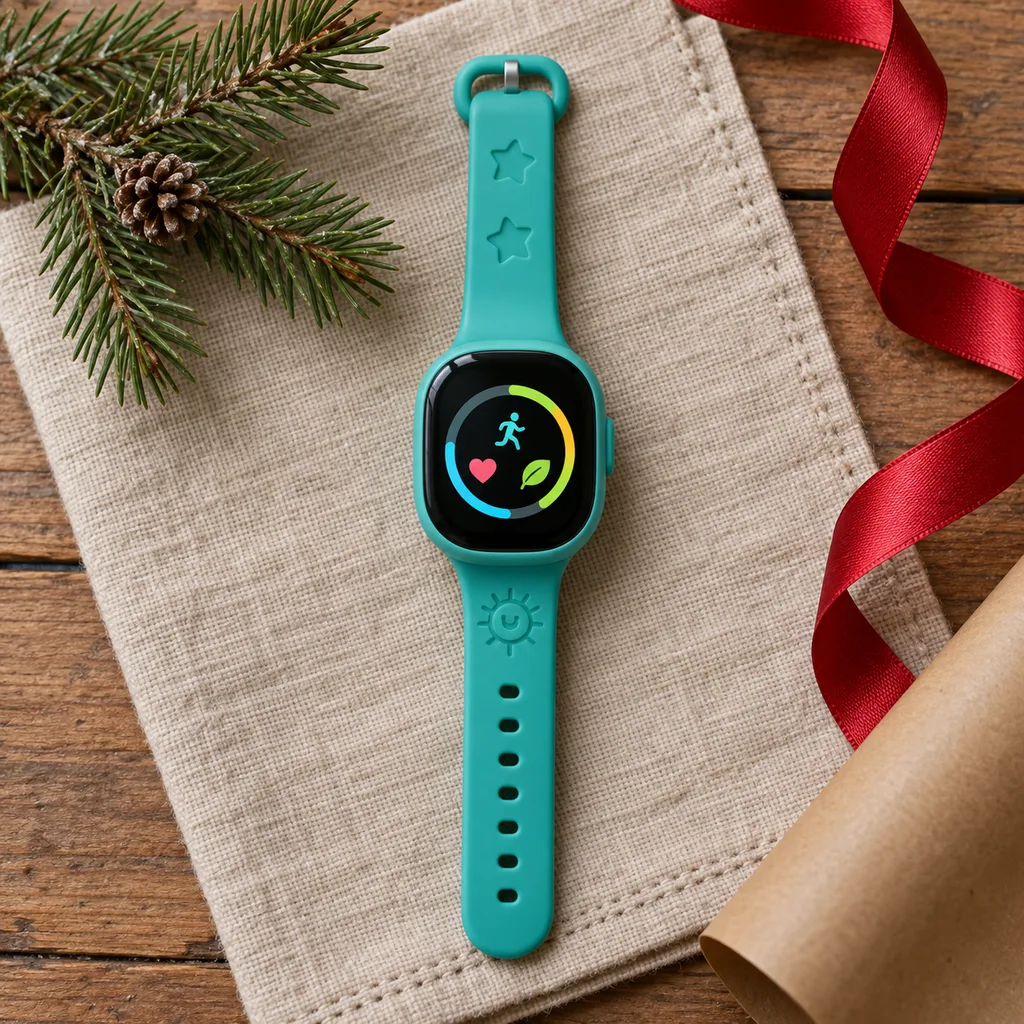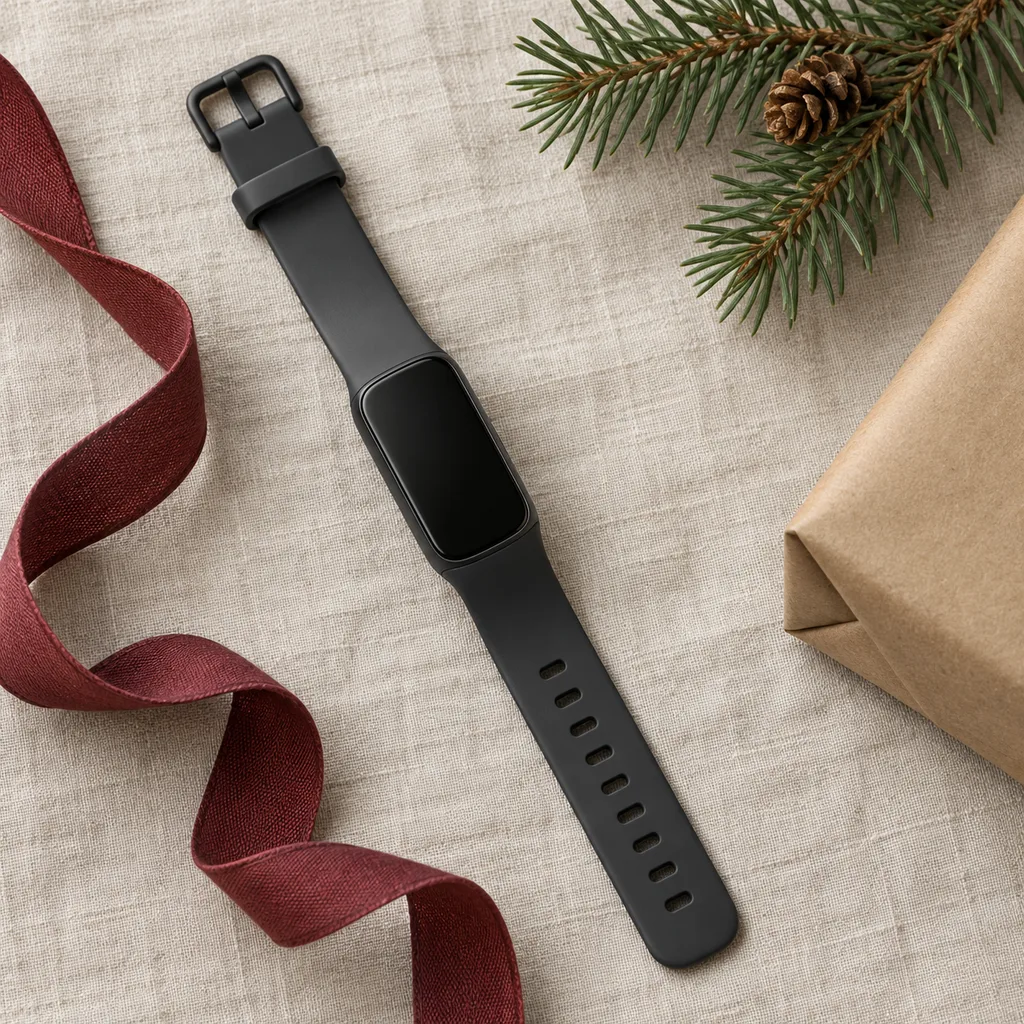
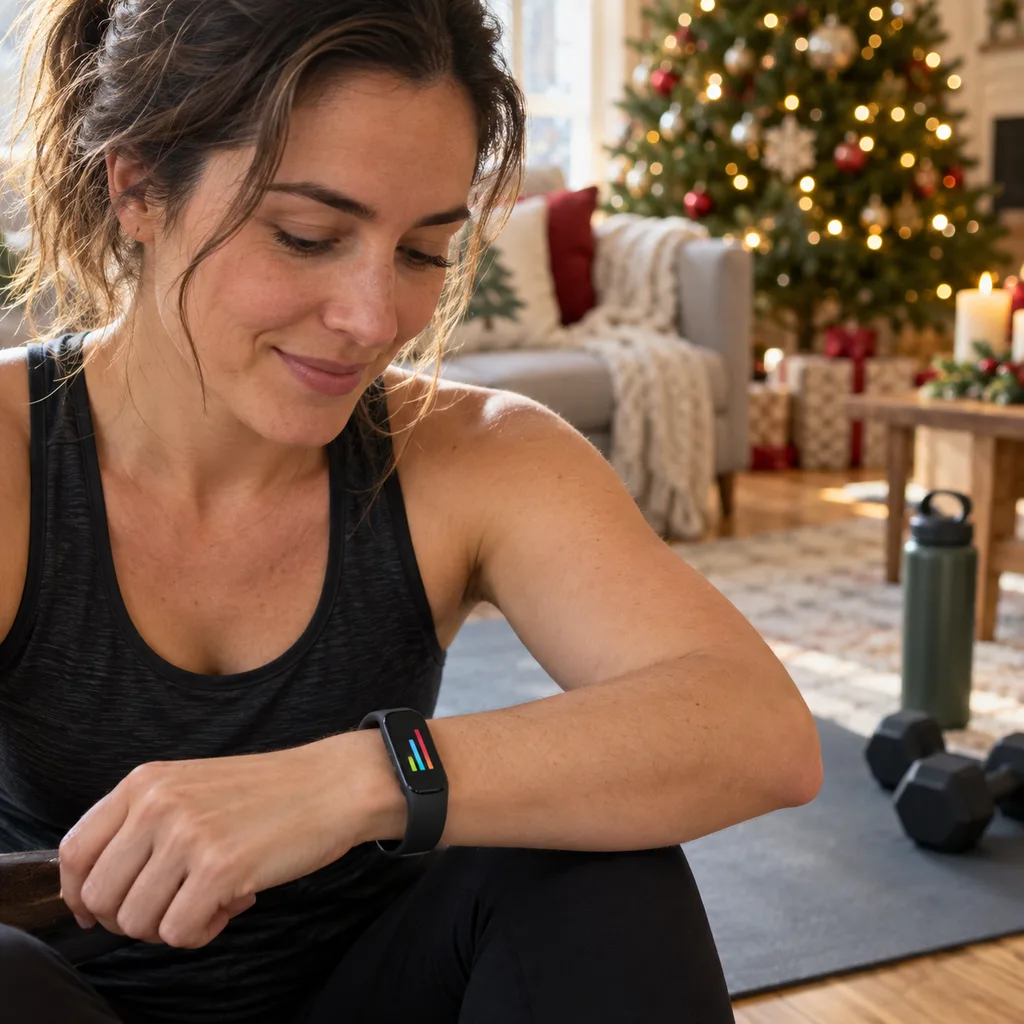
Everyday fitness tracking band
This sleek wearable helps individuals monitor daily steps, heart rate, and sleep patterns for improved well-being.
Tech & Gadgets
7 kinds worth knowing, 8 picks, and what to check before you buy.
Activity monitors are for people who like seeing their day as numbers: steps walked, minutes moved, a run logged, a night of sleep charted. They're given to teens starting a sport, parents trying to move more, and grandparents who like a daily step goal. The ones that get used are comfortable enough to forget about and easy to charge. Think about how the person spends their day. Someone who wants a simple fitness band tracker needs something different from a runner looking at a heart rate fitness tracker. As a gift, fit and comfort matter more than a long feature list. A tracker left in a drawer does nothing, so pick something that suits their routine.
Kind 1 of 7
A fitness band is a narrow strap with a small screen or indicator lights. It counts steps, tracks active minutes and usually buzzes when a goal is reached. Bands suit people who want the basics without the bulk of a watch, and they work well for kids and tweens who are hard on their things. Before buying, check how long the battery lasts between charges, whether the strap comes in a smaller size for young wrists, and whether the companion app works on the phone the person already uses. For kids, look for parent controls and a band that holds up to splashes.
This sleek wearable helps individuals monitor daily steps, heart rate, and sleep patterns for improved well-being.
Encourages young ones to stay active with fun challenges, customizable goals, and durable designs suitable for everyday play.
Kind 2 of 7
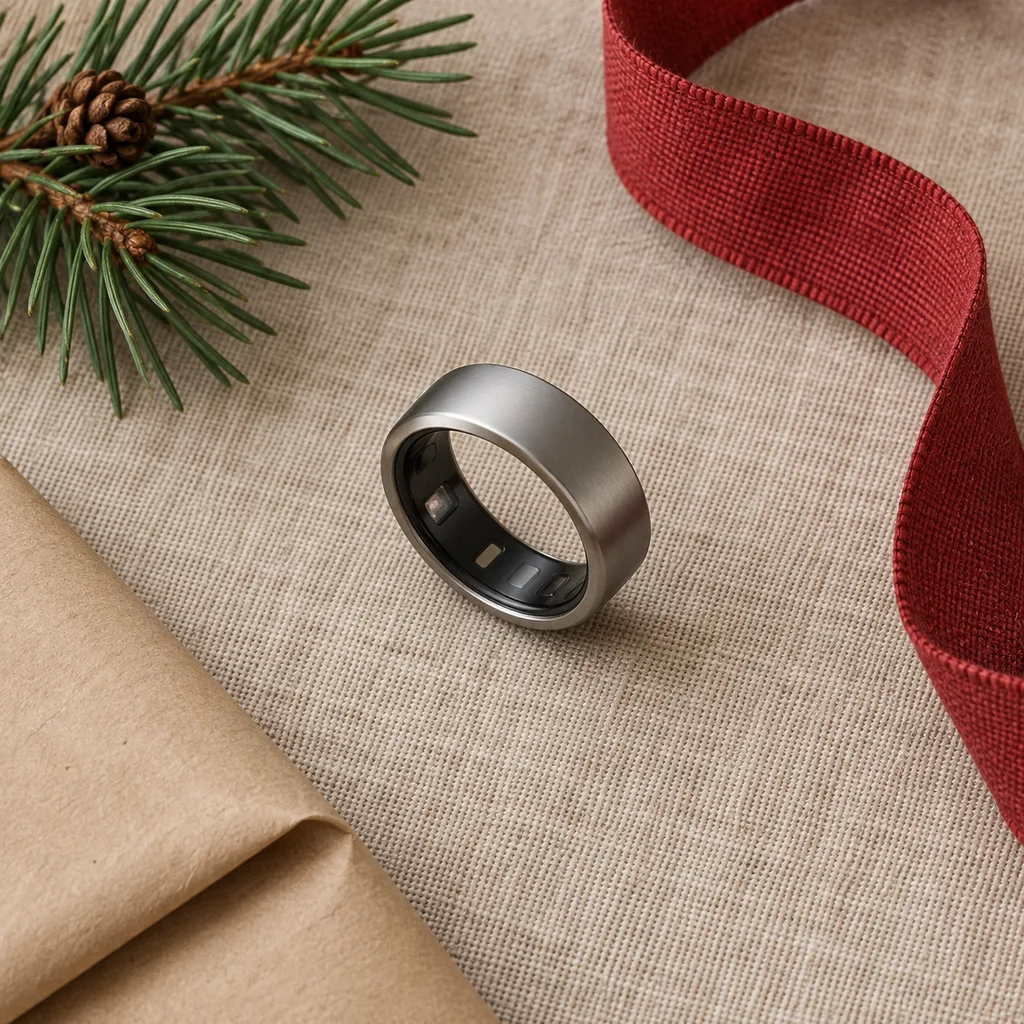
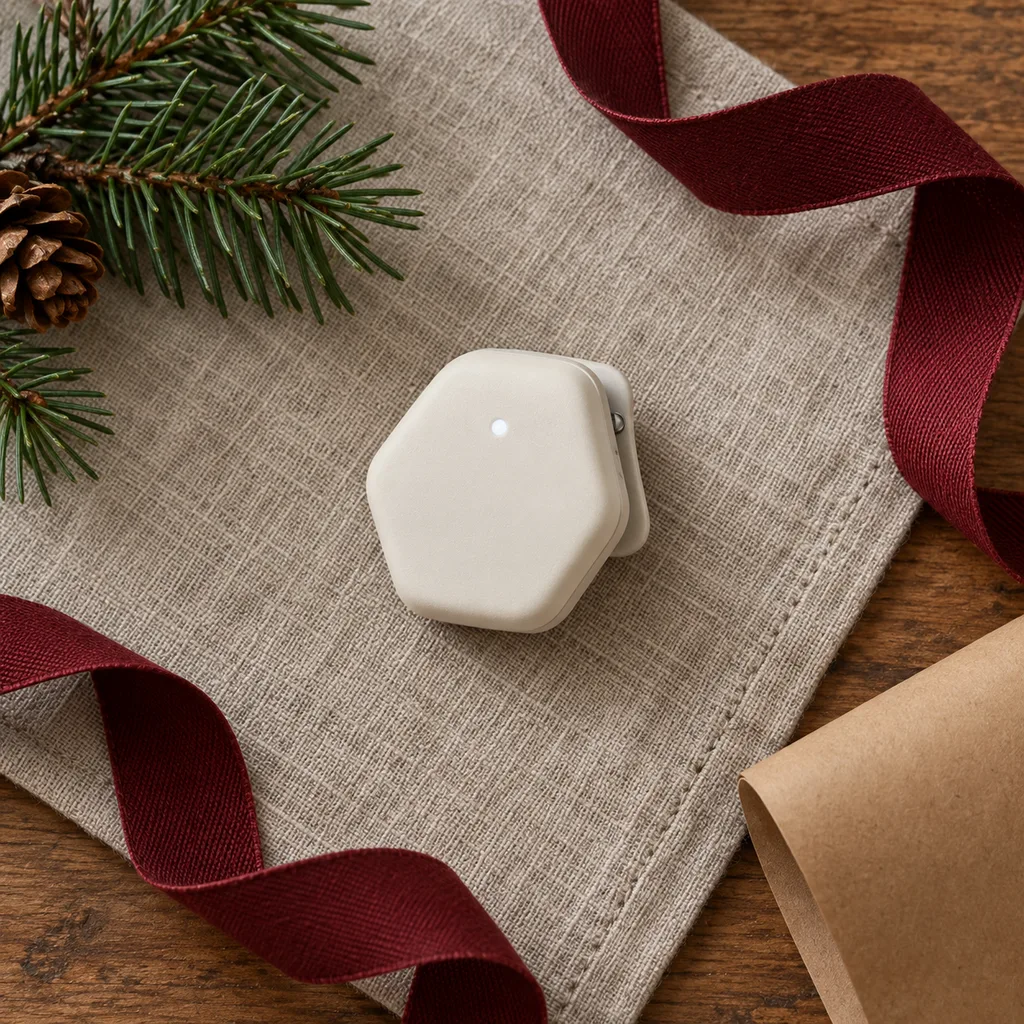
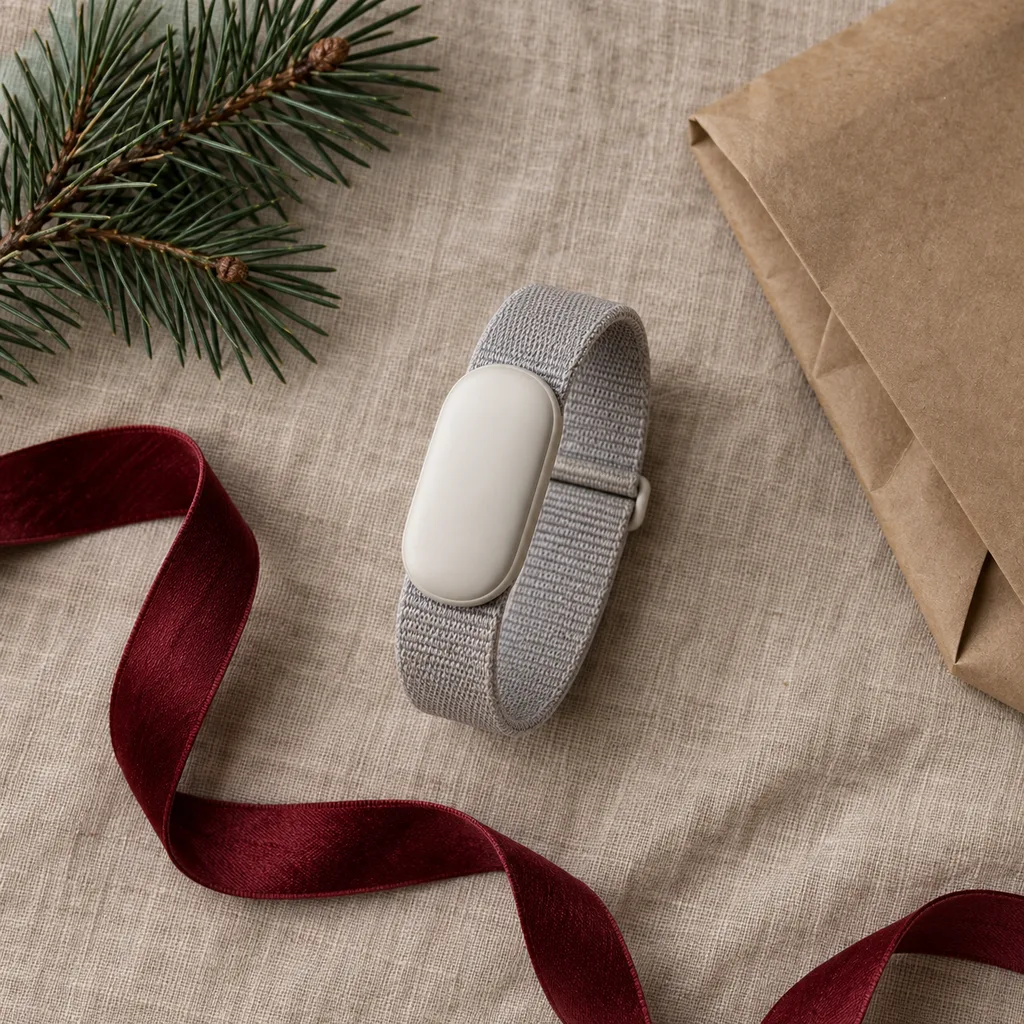
Not every activity tracker is worn as a strap. Smart rings track movement and rest in a form most people forget they're wearing, which suits anyone who dislikes things on their wrist or has to dress up for work. Clip-on posture monitors sit on the back or collar and send a gentle reminder when the wearer slouches, which suits desk workers and students. Before buying a ring, confirm the size, since most need an exact fit and some brands send a sizing kit first. For clip-on devices, check how the reminders work and how easy it is to switch them off.
For those who prefer subtle technology, this innovative ring monitors activity, sleep, and heart rate from your finger.
This discreet device helps users correct and maintain better posture throughout the day by providing real-time feedback and tracking progress.
Kind 3 of 7
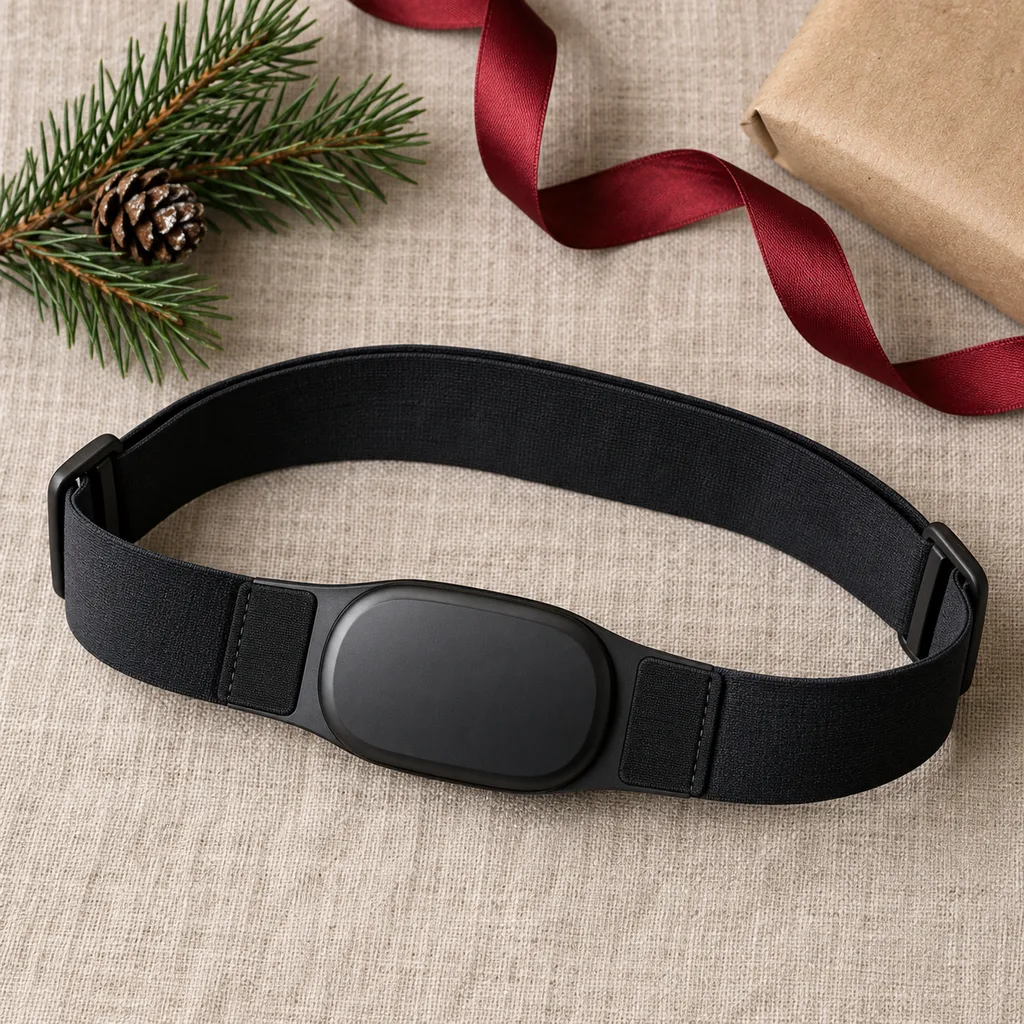
Heart rate trackers show how hard someone is working during a run, a spin class or a hockey game. Wrist sensors are handy for all-day readings. Chest straps and armbands usually hold steadier readings during hard intervals and weight training. These suit people who train on purpose and want to see their effort zones rather than just a step count. Check whether the device pairs with the gym equipment, bike computer or training app the person already uses. For chest straps, confirm the strap length and whether the sensor pod can be removed for washing.
Perfect for serious training, this monitor provides highly accurate heart rate data for optimizing workouts and understanding exertion levels.
Kind 4 of 7
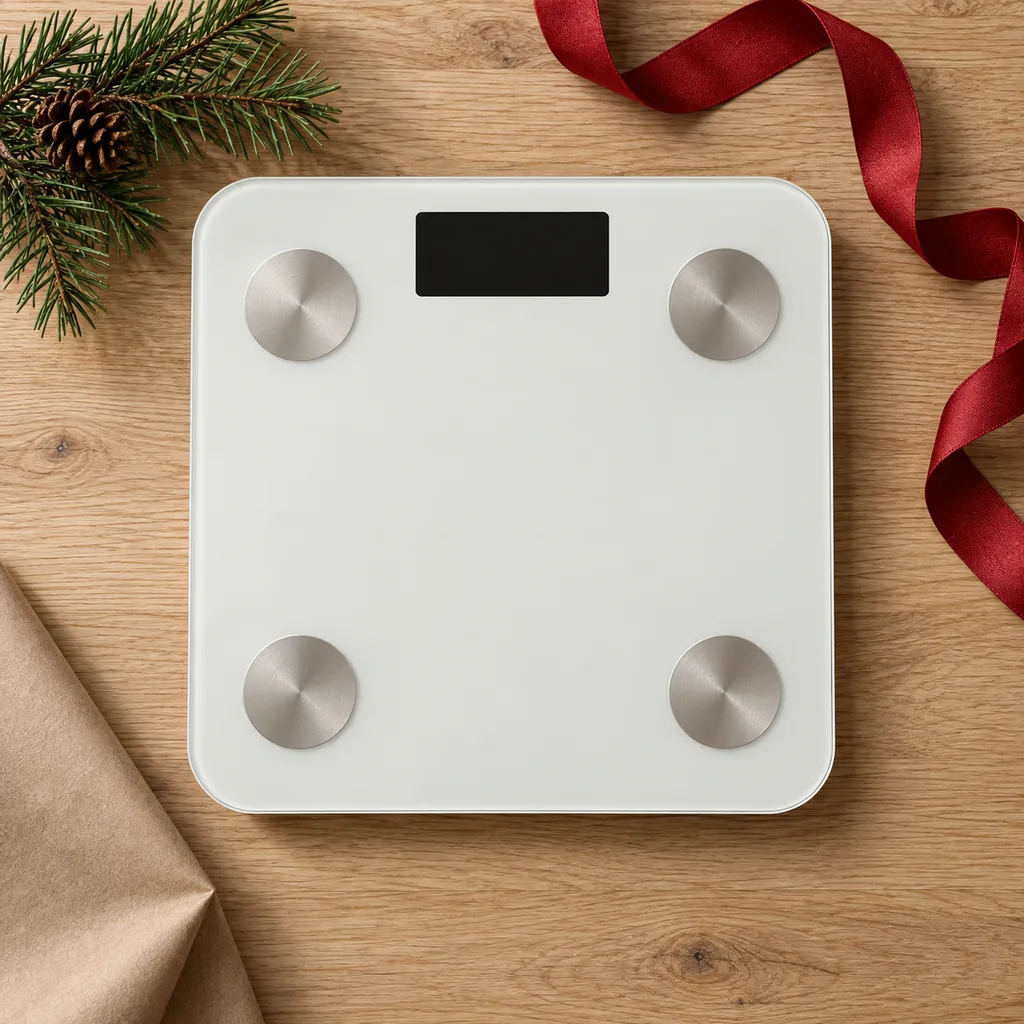
Some of the most useful monitors aren't worn at all. A smart body composition scale logs weight and other body measurements to an app over time, so trends show up without any manual tracking. A dedicated sleep monitor sits beside the bed or under the mattress and charts rest without anything to wear overnight. These suit people who already track their fitness and want more context, or anyone who finds wearables uncomfortable. Check that the app syncs with the person's other fitness apps and that the scale supports several user profiles if a household will share it.
This advanced scale measures weight, body fat, muscle mass, and more, seamlessly integrating with activity data for a holistic health view.
This specialized device helps individuals understand and improve their sleep patterns by tracking sleep stages, disturbances, and duration.
Kind 5 of 7
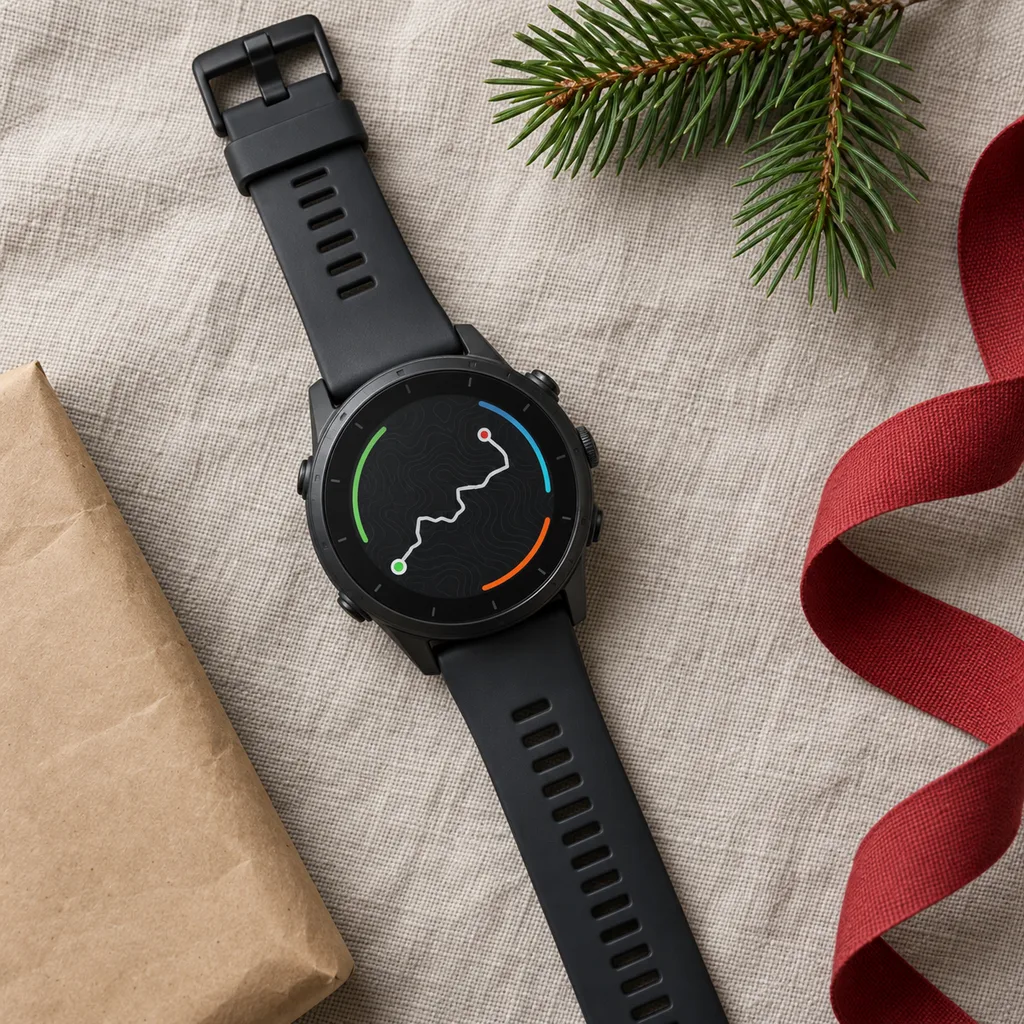
A fitness tracker watch has a larger screen and more sports modes than a band. Models with built-in GPS map runs, rides and hikes without carrying a phone. They suit runners, cyclists, cross-country skiers and anyone training for an event. Before buying, look at battery life with GPS on, since that drains it much faster than daily wear. Also check how readable the screen is in bright sun and whether the buttons work with winter gloves. Think about wrist size too, because a large sports watch can feel heavy on a slim wrist.
Ideal for athletes and outdoor enthusiasts, this device provides precise location tracking and detailed performance metrics for various activities.
Kind 6 of 7
Some activity tracker watches look like a regular watch but quietly count steps, log workouts and show phone notifications. They suit someone who wears a watch every day and doesn't want a sporty look at the office or at dinner. Some use a traditional watch face with a small display, and these often last much longer between charges. Check whether the band can be swapped for leather or metal, whether notifications can be turned off, and how the watch face reads at a glance. Water resistance matters for anyone who swims or never takes their watch off.
Kind 7 of 7
The most important thing here is fit. Many women find standard straps and cases too large, so look for smaller case sizes, narrower bands and several strap lengths in the box. Style matters for something worn all day, and slim bands, rings and jewellery-style designs are easy to wear with work clothes. Many apps also include cycle tracking, which some people value and others never open. Think about her main activity, whether that's yoga, running, walking or strength training, and make sure the tracker has a mode for it.
Looking for one person in particular? Shop by person.
Everything else
Showing 1–8 of 8