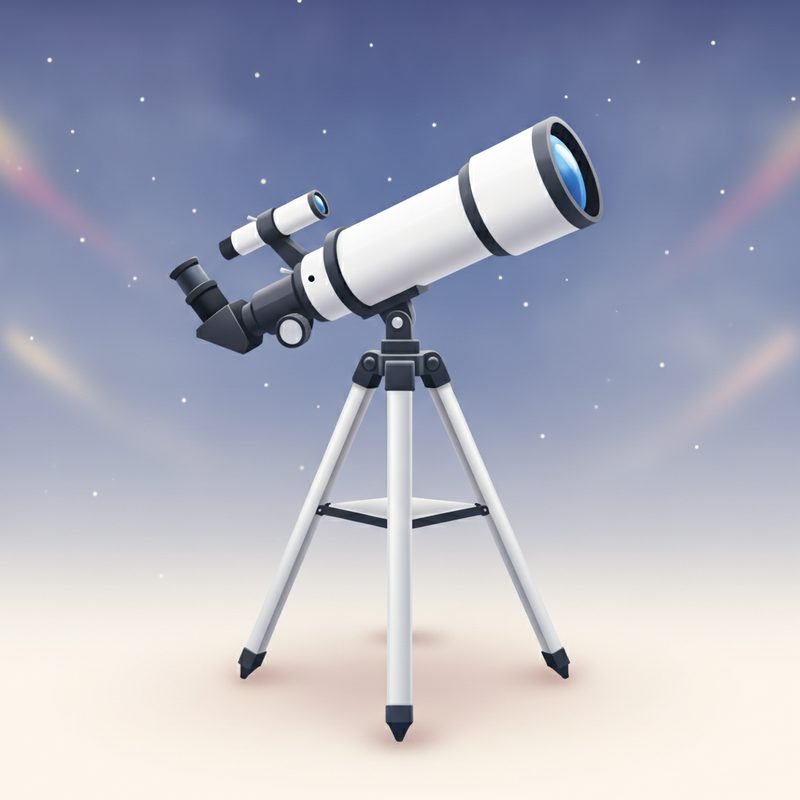
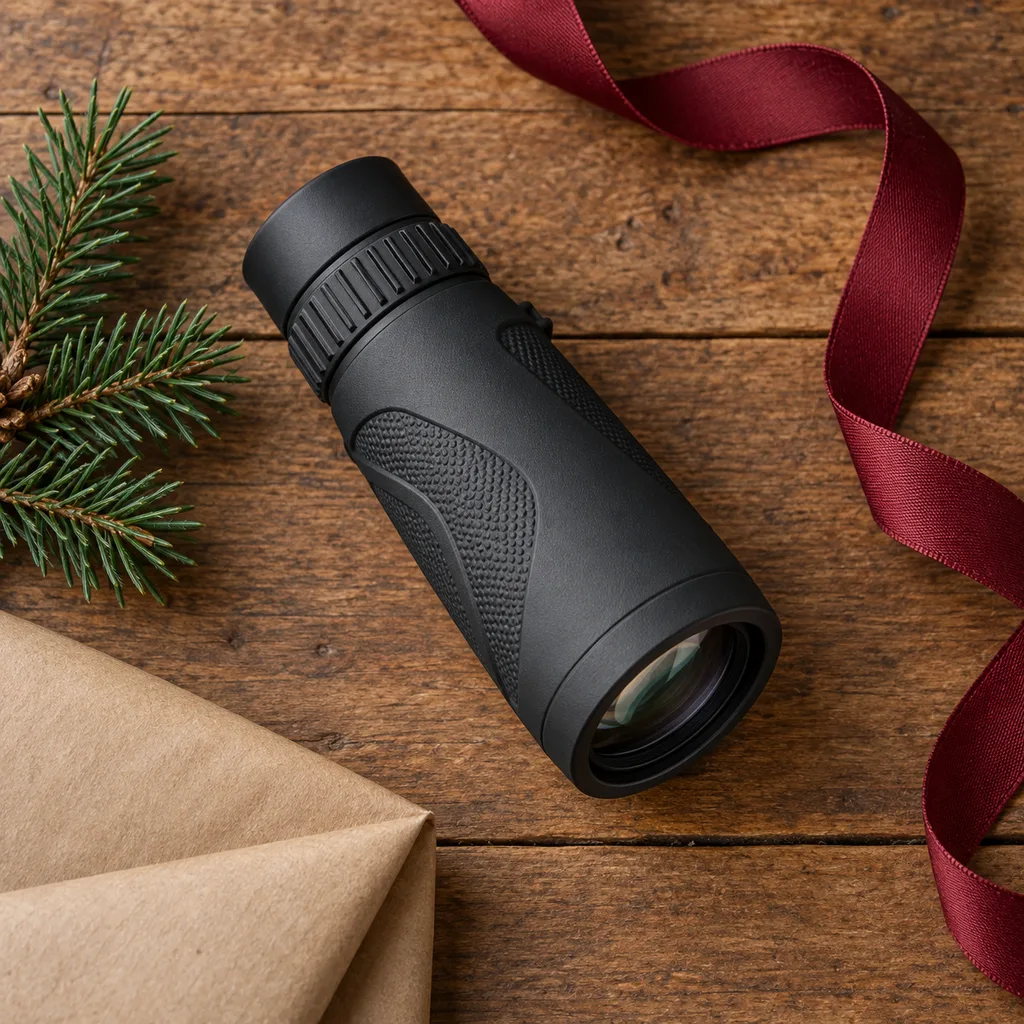
Illustration of Beginner Telescope
Representative illustration — check the listing for the exact item.

XmasGoat gift guide

Curated pick

Beginner Telescope

The night they see the moon's craters up close, you win Christmas.

A starter telescope on a tripod for first looks at the moon, bright planets, and star clusters. Check the listing for included eyepieces and assembly level.

Over $100Monoculars
♡ Add to my wish list

Choose Canada or the United States for local pricing. · affiliate link
Reviewed by XmasGoat Editorial · Updated

Why Beginner Telescope works as a Christmas gift

A telescope can turn interest in the night sky into a hands-on observing hobby. The Moon is a practical early target, but a satisfying first session is not automatic: setup, focus, alignment, weather, sky brightness, the target's position, and the observer's expectations all matter.

  • Can reveal lunar detail and support a growing observing hobby
  • Different optical and mount designs suit different spaces and priorities
  • Can become a shared learning activity with an experienced adult or local astronomy club

Who should receive Beginner Telescope?

  • Consider it for someone willing to learn setup, aiming, focusing, and the night sky over several sessions.
  • For a child, choose an instrument an adult can safely set up and supervise rather than a listing marketed simply as a kids' telescope.
  • Match size and weight to storage, transport, stairs, observing location, and the person who will carry and assemble it.
  • Consider binoculars and a sky guide as an easier first instrument; both NASA and RASC describe binoculars as a strong way to begin skywatching.

The verdict

Prioritize usable optics and a steady mount

Shortlist a telescope only when the exact aperture, focal length, mount, supplied eyepieces, focuser size, setup needs, and box contents are documented. Ignore unsupported promises built around extreme magnification or astrophotography-style listing images, and choose an instrument the recipient can comfortably move and use.

Why it works

  • Can reveal lunar detail and support a growing observing hobby
  • Different optical and mount designs suit different spaces and priorities
  • Can become a shared learning activity with an experienced adult or local astronomy club

Tradeoffs

  • A shaky mount can make aiming and focusing frustrating
  • Visible detail depends on aperture, optics, magnification, atmosphere, light pollution, and target
  • Assembly, alignment or collimation may be required, depending on the design

Search results may mix optical designs, apertures, mounts, bundles, and accessories. As an Amazon Associate, XmasGoat earns from qualifying purchases. Choose Canada or the United States for local pricing.

What to check before buying Beginner Telescope

  • Verify the clear aperture and focal length of the main telescope, not the diameter of a decorative tube or the magnification printed largest on the box.
  • Identify the optical design and maintenance it needs. For example, some reflector designs require occasional collimation; do not assume every beginner scope arrives permanently aligned.
  • Check the mount and tripod separately from the optical tube: load rating, height range, attachment, slow-motion controls, locking points, footprint, and reported settling time all affect stability and use.
  • List each supplied eyepiece by focal length and barrel diameter. Magnification equals telescope focal length divided by eyepiece focal length, but useful detail is limited by aperture, optical quality, mount stability, and atmospheric conditions.
  • Verify focuser and accessory compatibility before adding eyepieces, diagonals, Barlow lenses, phone adapters, cameras, or filters. A phone holder does not guarantee useful astrophotography or compatibility with every phone.
  • Confirm the exact box contents. Do not assume a tripod, mount, finder, diagonal, eyepieces, Barlow lens, phone adapter, carrying case, batteries, tools, software, or printed manual is included.
  • Review setup steps before gifting: assembly, balancing, finder alignment, focusing, collimation, computerized alignment, app/account requirements, location permissions, batteries, firmware, and connectivity vary by model.
  • Set the mount on firm, level ground, tighten it as instructed, manage cords, and supervise children around the optical tube, tripod legs, counterweights, small accessories, and darkness.
  • Check seller identity, exact model number, regional package, warranty coverage, return terms, and whether listing photos or reviews describe a different bundle.

Never point an ordinary telescope at the Sun

NASA warns that looking at the Sun through a telescope without a special-purpose solar filter secured over the front of the optics can instantly cause severe eye injury. Eclipse glasses or a handheld solar viewer worn at the eyepiece are not protection from concentrated telescope light.

Keep the telescope capped or indoors during daytime setup with children. Solar observing requires a correctly fitted front-aperture filter designed for that exact optical system, inspection before use, and knowledgeable adult supervision; seek expert astronomy guidance rather than improvising a filter or using an eyepiece-mounted solar filter.

Beginner Telescope FAQs

What will a beginner actually see?

The Moon is a realistic first target, and NASA describes telescopes as revealing lunar mountains, craters, valleys, and rilles. Views of planets, clusters, nebulae, or galaxies depend on the exact instrument, target, sky, timing, and observer; do not expect processed spacecraft or long-exposure listing images at the eyepiece.

Is more magnification always better?

No. The eyepiece changes magnification, but aperture, optical quality, atmospheric conditions, and mount stability limit what remains useful. Compare aperture and the complete optical system instead of buying the largest advertised power.

Is a telescope suitable for a young child?

It can be a shared activity when an adult controls setup, safe pointing, and storage. Match the instrument to the child's abilities and supervise around the tripod, small eyepieces, darkness, and especially any daytime use; never let a child point it toward the Sun.

Astronomy and eye-safety sources

Keep exploring gift ideas

Compare nearby recipients, budgets and products before making the final call.

This is a category search, not a specific recommendation. As an Amazon Associate, XmasGoat earns from qualifying purchases. Prices and availability can change. Choose Canada or the United States for local pricing.

Keep browsing

More monoculars

See all
Representative photo-style image of compact travel monocular — generated, not a specific product

Gift ideaUsually $25–$50

Compact travel monocular

This portable optical device is ideal for sightseers and hikers who want to observe distant landscapes without carrying bulky equipment.

Representative photo-style image of digital recording monocular — generated, not a specific product

Gift ideaUsually over $100

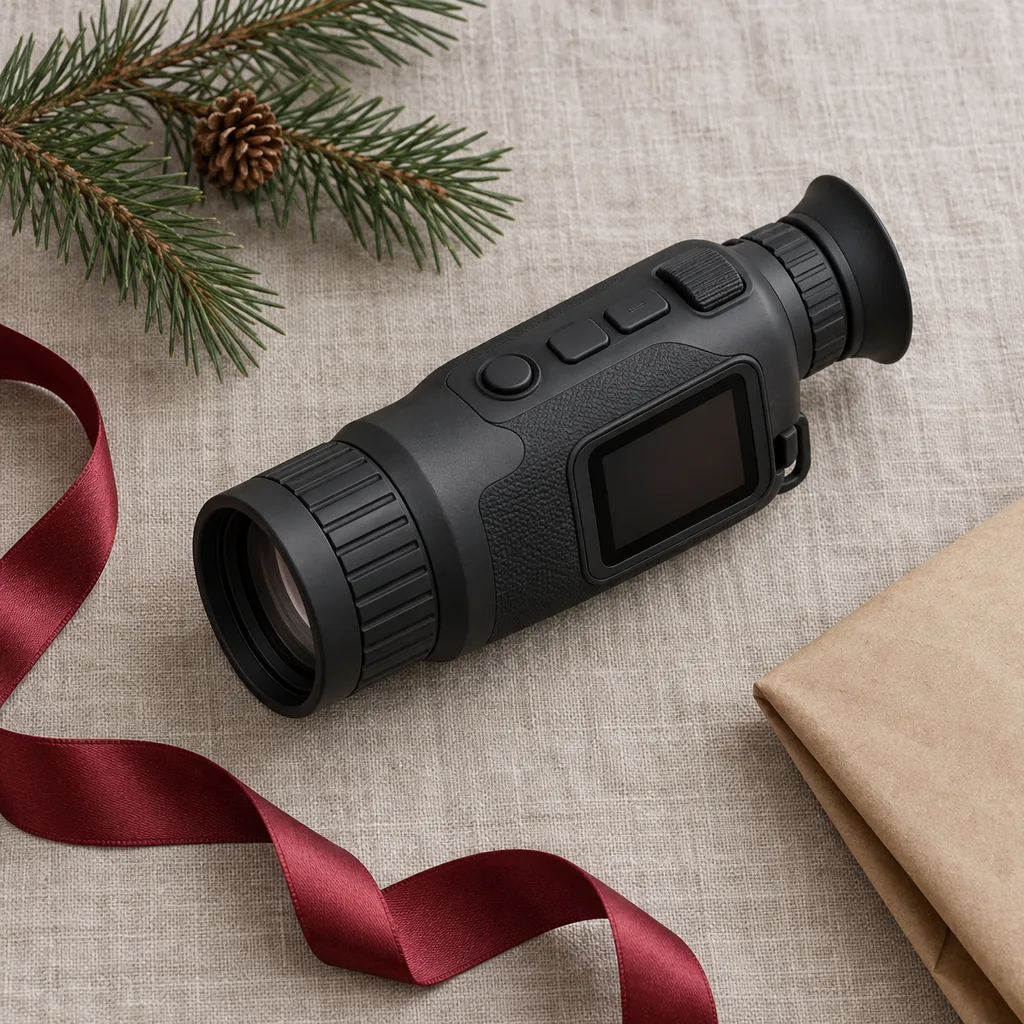
Digital recording monocular

Perfect for researchers and hobbyists who want to capture and store visual evidence of their observations directly from the device.

Representative photo-style image of high-power nature monocular — generated, not a specific product

Gift ideaUsually $25–$50

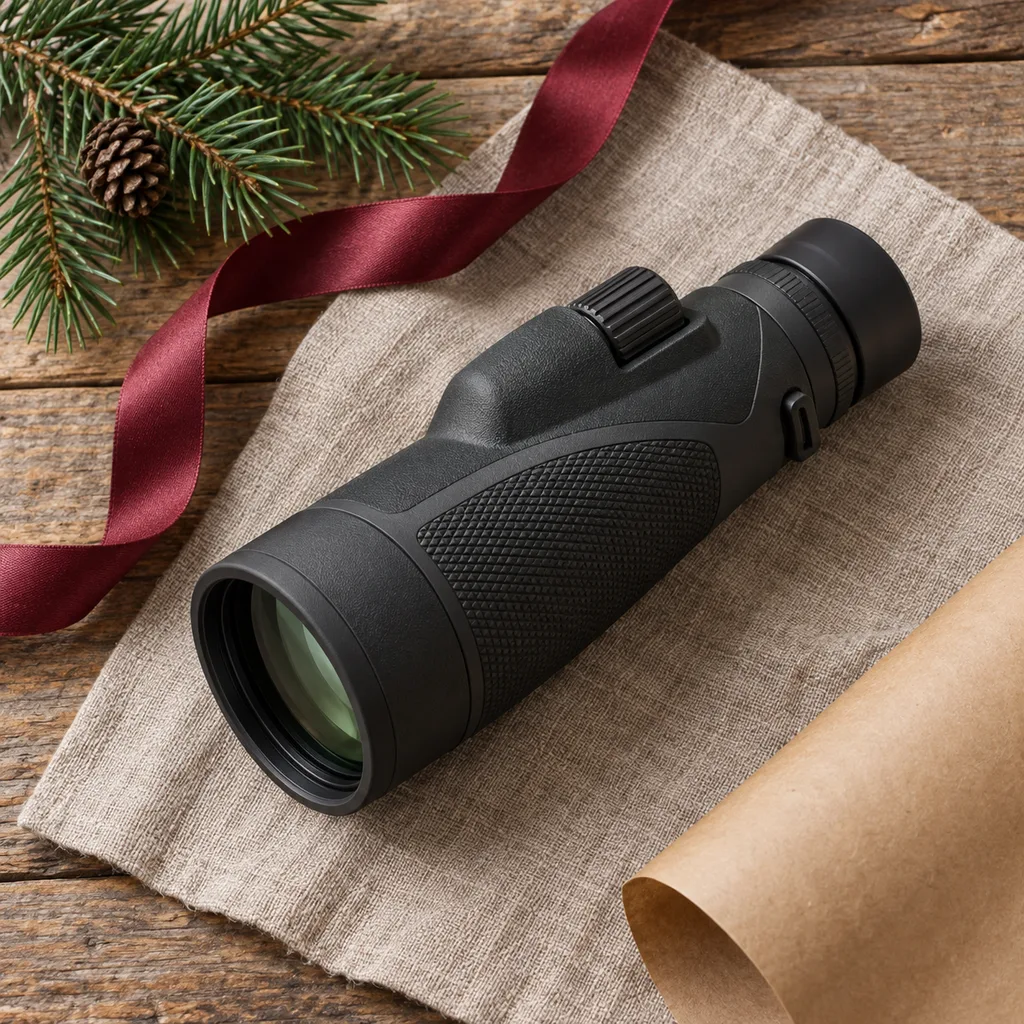
High-power nature monocular

Perfect for wildlife enthusiasts and birdwatchers who require detailed observation of subjects from a distance.

Representative photo-style image of long-range surveillance monocular — generated, not a specific product

Gift ideaUsually $50–$100

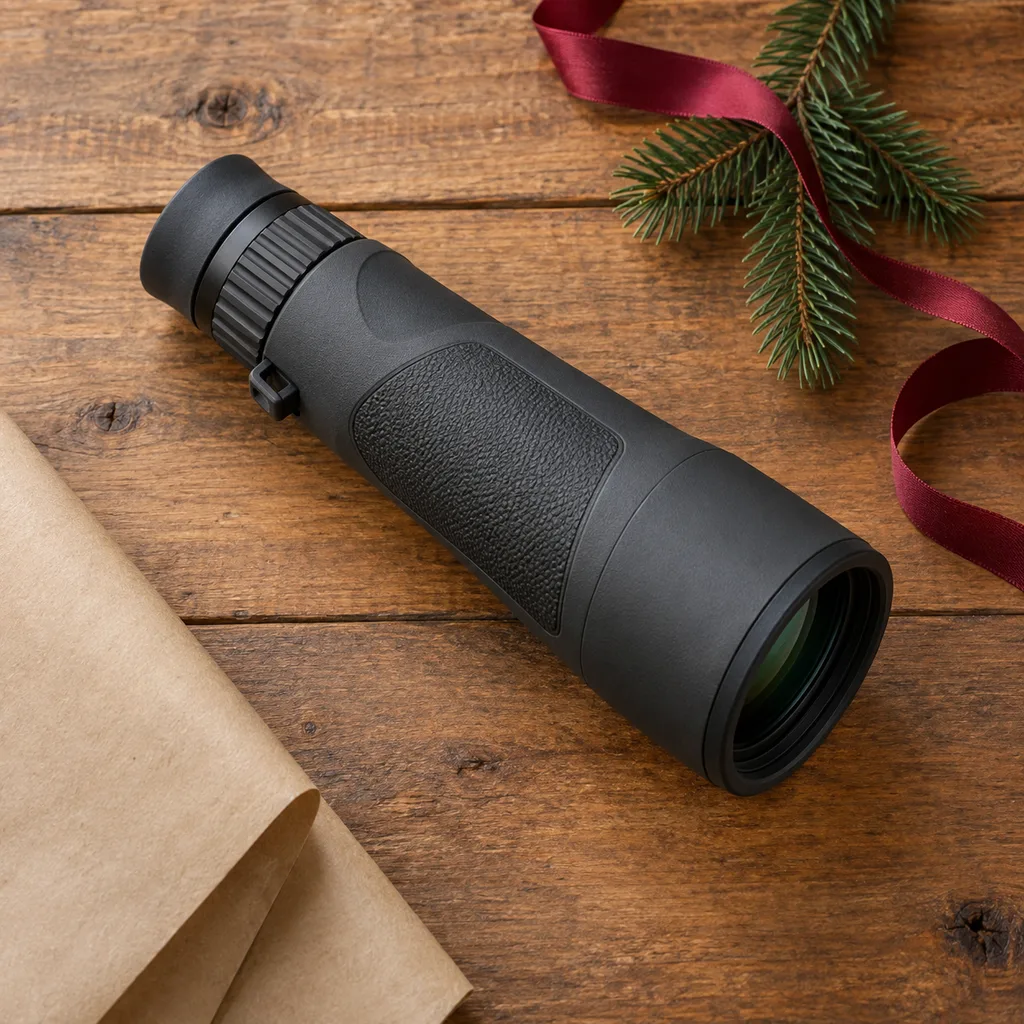
Long-range surveillance monocular

Designed for security professionals and serious observers who require clear, magnified views of distant targets or areas.